


Auto repair equipment buyers research for weeks before they ever fill out a form: comparing lift capacities, financing terms, and warranty coverage across multiple vendors while showing almost no signal to a generic analytics dashboard. Google Ads gives you a way to intercept these buyers mid-search, but only if you can see past session counts to the actual companies and job titles behind the clicks. Pairing Google Ads with account-level analytics lets you focus spend on shops and dealerships showing real buying signals, and measure every dollar through to the sale rather than to a form fill.
How to Generate Auto Repair Equipment Leads with Google Ads: A Step-by-Step Guide

Auto repair equipment buyers are informed and slow to commit: they compare specs across brands, check financing options, and often visit a vendor's site several times before ever requesting a quote. Precision targeting, real-time engagement, and disciplined follow-up turn that long research cycle into qualified leads. For marketing teams trying to turn anonymous website traffic into pipeline, Sona's Identity Resolution shows which companies are engaging, even the ones that never fill out a form.
To achieve consistent lead generation, businesses must go beyond traditional PPC for auto shops and instead focus on integrating Google Ads for Auto Repair Equipment with a unified marketing strategy. Using actionable data, marketers can identify not only who is visiting demo pages but also which companies are demonstrating strong purchase intent, making it possible to retarget high-value accounts with tailored messaging.
- Understand engagement challenges: Shop owners and fleet managers often compare lift systems, alignment machines, and diagnostic tools across several vendors before buying, so demo pages fill up with repeat visits that never convert to a form. Sona's Intent Signals surface these prospects in real time, so follow-up ads reach the buyer who's been quietly comparing specs, not an anonymous browser.
- Adopt a data-driven Google Ads strategy: Folding Google Ads into your broader automotive marketing stack sharpens audience segmentation and budget allocation. For a walkthrough on setting up and optimizing Google Ads campaigns for auto repair shops, see this video tutorial. When audience lists update automatically based on buyer behavior, your team can prioritize accounts surging in intent, so the right message reaches the right contact at the right time.
- Identify high-intent keywords and audiences: Effective targeting starts with mapping keywords and audience criteria to how equipment buyers actually search, terms like "tire changer for sale" or "shop lift installation" signal near-term purchase intent, while "how to use a wheel balancer" signals a DIYer unlikely to buy commercial equipment. Sona Audiences helps surface shops and dealers ready to buy rather than just browsing, and narrows focus to the geographies and equipment categories that matter for local SEO.
- Align landing pages and creatives for consistency: Cohesive ad copy for auto repair and landing pages improves the buyer journey by ensuring that every touchpoint reinforces your value proposition. For more on optimizing every stage of the buyer’s experience, explore Buyer Journeys, which can help unify messaging and reduce friction throughout the funnel.
- Optimize performance for maximum ROI: Utilizing advanced conversion tracking and integrating online with offline attribution lets revenue teams accurately measure the impact of each campaign. This enables agile adjustments, optimized spend, and a clear understanding of Google Ads ROI on every lead.
- Enable cross-channel synergy: Enhance your auto repair shop visibility by synchronizing Google Ads with CRM and marketing automation platforms. Sona Destinations ensures that audience and lead data flow directly into systems like HubSpot or Salesforce, keeping nurture campaigns and retargeting efforts aligned for better timing and higher conversion rates.
Unified data, dynamic audience management, and performance-driven optimization let revenue teams capture the most valuable leads in the auto repair equipment market without wasting spend on tire-kickers. Get started for free with Sona.
Why does Google Ads matter for Auto Repair Equipment?

Google Ads solves a specific problem in the automotive equipment sector: capturing and converting audiences who research extensively before buying. Because the buyer journey stretches from initial specs comparison to a purchase order, success depends on matching ad delivery to where a prospect actually stands in that cycle. For more on campaign setup and lead generation, see this guide to Google Ads for auto repair shops.
High-margin sales of complex equipment, lifts, alignment systems, diagnostic scanners, depend on precise targeting. Analyzing account behavior and engagement readiness helps ensure ads reach decision-makers ready to invest, not researchers years from a purchase. Platforms that unify engagement metrics let revenue teams shift focus the moment intent spikes, cutting wasted impressions and protecting ROI.
Timing matters most during the narrow window when a shop decides to replace aging equipment, often triggered by a failed inspection, a new certification requirement, or a lease renewal. Predictive analytics let automotive marketers target prospects showing active buying signals during that window, securing visibility when the purchase decision is actually being made. This shortens deal cycles and improves the odds of winning high-value accounts. For more on optimizing touchpoints, see our guide to buyer journeys.
Expanding reach into emerging regions and underserved segments is essential for sustainable growth. By leveraging vertical-specific keyword strategies within a broader content plan, marketers can surface their offerings to audiences traditionally overlooked by generic campaigns. Integrating audience data from CRM and intent platforms allows for dynamic audience updates as leads advance through the sales funnel, maintaining relevance at every touchpoint.
Unifying ad engagement, website activity, and CRM progression creates a feedback loop that sharpens ongoing optimization. Multi-source attribution and real-time reporting let teams adjust bids, creatives, and audience definitions against true ROI instead of siloed metrics, a meaningful edge in a market where equipment purchase cycles run long and touch many stakeholders.
Common Types of Google Ads Campaigns for Auto Repair Equipment

- Search Campaigns: Capturing bottom-funnel demand is critical in the competitive auto repair equipment market. Search campaigns allow marketers to target prospects actively searching for equipment solutions, ensuring ad spend is concentrated on high-intent buyers. With unified visitor identification and real-time intent signals, revenue teams can shift budget toward segments most likely to convert, maximizing Google Ads ROI and aligning spend with genuine purchase readiness.
- Display Ads: Maintaining top-of-mind awareness among auto repair professionals requires persistent visibility on industry blogs, forums, and trade websites. Display campaigns keep your brand front and center, especially as prospects move between research stages. By syncing enriched audience lists into Google Ads, marketers can ensure their banners reach relevant accounts, reinforcing brand authority while boosting auto repair shop visibility and supporting local SEO for auto repair.
- Video Ads: Demonstrating the capabilities of complex repair equipment is often best achieved visually. Video ads enable brands to showcase product features or walk through usage scenarios, directly addressing buyer concerns that written copy cannot. Dynamic audience updates ensure that video content is delivered to prospects showing renewed interest or deeper funnel engagement, reducing drop-off and supporting more informed purchasing decisions.
- Remarketing: Many potential buyers explore equipment options but hesitate to convert on their first visit. Remarketing campaigns re-engage these visitors with targeted ads, reminding them of your value proposition at critical touchpoints. Advanced segmentation and CRM sync make it possible to retarget based on real-time activity, ensuring follow-up messaging is timely, relevant, and based on the latest engagement data.
- Ad Assets: Credibility and granular detail often tip the scale for B2B buyers evaluating high-investment equipment. Ad assets let marketers surface certifications, fast shipping, financing options, and other differentiators directly in the ad. When these assets are informed by unified CRM and online activity, ad copy for auto repair equipment becomes more compelling, increasing click-through rates and driving higher PPC for auto shops efficiency.
Where to Find Growth Opportunities
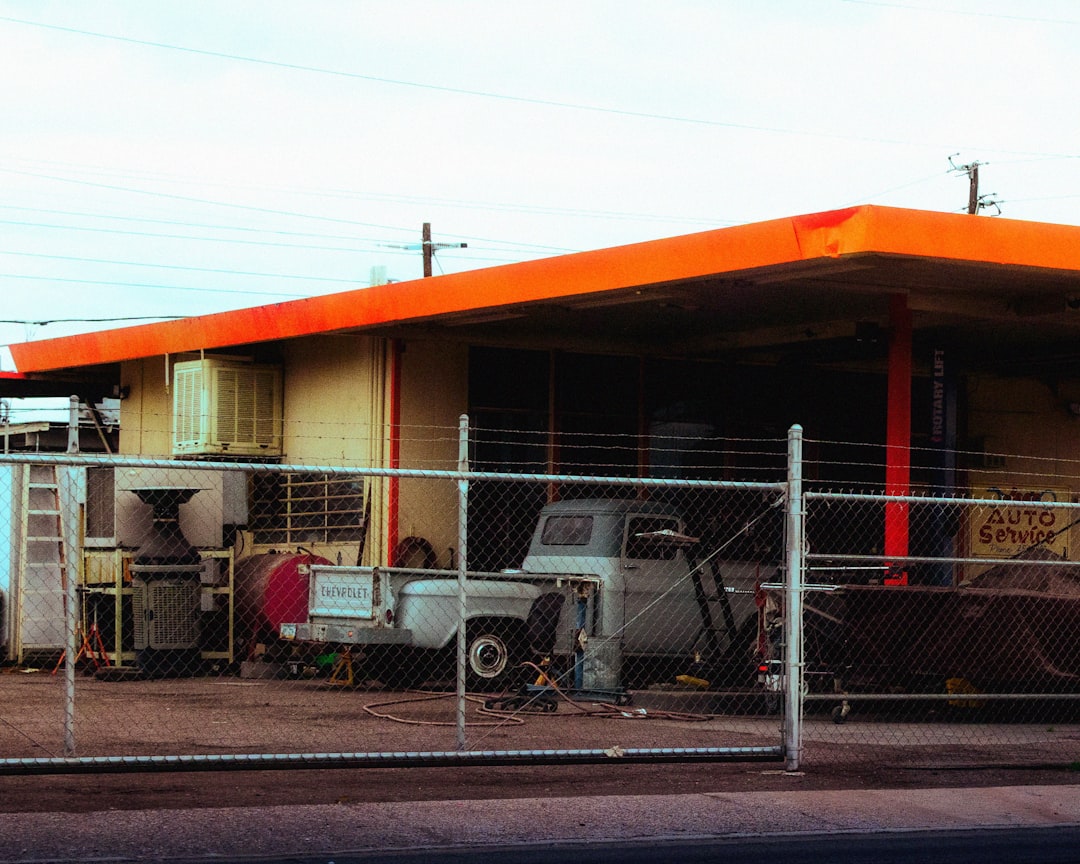
Identifying growth in automotive marketing requires precision and a willingness to adapt to evolving buyer behaviors. High-intent keywords aligned with auto repair equipment searches offer a direct route to capture prospects who are ready to take action, increasing the efficiency of your PPC for auto shops investment.
- Vertical keyword targets: Expand beyond core terms by researching adjacent service and equipment needs. This approach captures decision-makers searching for specialized tools or repair solutions, adding depth to your keyword pool and increasing touchpoints across the buyer journey. Integrating real-time search intent signals ensures budget is allocated to the highest-converting queries, rather than generic traffic, optimizing your Google Ads ROI.
- Competitor gap analysis: Examine competitor coverage and identify underserved segments, such as businesses frustrated by slow lead response or lack of product information. By surfacing these gaps, your campaigns can offer faster follow-up, exclusive content, or tailored offers, differentiating your brand and increasing conversion rates. Visitor identification technology can further pinpoint which companies are engaging with your ads, letting you prioritize follow-up with high-value accounts.
- Industry-specific placements: Position your ads on relevant automotive industry sites and forums, ensuring your messaging reaches professionals actively seeking auto repair equipment. Consistent brand presence across these targeted channels, synchronized with buyer stage, builds trust and authority. Dynamic audience capabilities allow your targeting to automatically adjust as contacts progress from research to purchase, keeping your advertising spend focused and timely.
- Content retargeting: Use high-value assets such as how-to PDFs, product demo videos, or technical guides to re-engage visitors who have interacted with your site but not yet converted. This mitigates the risks of fragmented campaigns and message fatigue. By syncing CRM data with Google Ads audiences, your retargeting lists remain current, so messaging remains relevant and personalized even as leads move through the sales funnel.
Growth for auto repair equipment providers hinges on granular targeting, responsive audience management, and unified attribution. When these tactics are backed by solid data sync and dynamic segmentation, every advertising dollar moves you closer to a measurable, bottom-line outcome. For more on maximizing retargeting, see retargeting strategies.
How to Apply Audience Segmentation for Auto Repair Equipment
Audience segmentation is fundamental in the auto repair equipment industry, enabling precision targeting that aligns with the unique purchasing journeys of various customer types. Sophisticated segmentation ensures campaigns reach decision-makers with relevant messaging, supporting higher conversion rates and stronger ROI.
- Segment audiences based on buyer journey mapping, ensuring that audience lists are dynamically updated to reflect the latest buyer signals: Start by mapping the distinct stages buyers experience, from initial research to final purchase. Real-time tracking allows marketers to dynamically adjust audience lists as customer intent evolves. Leveraging platforms that unify web analytics, CRM, and intent data provides a clear picture of where each lead sits in the funnel, ensuring that outreach always matches the customer's readiness to engage.
- Define distinct customer segments like dealerships vs. independent shops, optimizing for each segment’s buying stage: Dealerships often require bulk purchases and may value technical support, while independent shops prioritize speed and price. By building segments for each group, marketers can tailor their messaging and offers accordingly. This segmentation also allows advanced audience sync between ad platforms and CRM systems, so every touchpoint is informed by the latest engagement data.
- Apply intent signals to adapt messaging, synchronizing ad creative with other content strategies: Monitoring intent signals, such as site visits to product pages or download of technical guides, enables teams to refine messaging and shift budget to the highest-intent accounts. Integrating these signals into audience definitions ensures that ads, landing pages, and email outreach reinforce one another, driving consistent and effective engagement throughout the buyer journey.
- Customize ad groups according to each segment’s unique needs, ensuring conversion paths accurately link achieved outcomes back to initial clicks: Ad groups should mirror the structure of audience segments, with creative and offers aligned to their pain points and purchase triggers. Implementing advanced attribution models, combining online and offline data, lets marketers trace conversions to the precise audience, campaign, and keyword, providing clear visibility into which tactics drive true business outcomes. This level of granularity transforms generic Google Ads for Auto Repair Equipment into a data-driven engine for measurable growth.
For more on strategic segmentation in paid campaigns, explore step-by-step Google Ads guide for auto repair shops that can further refine your approach to automotive marketing and maximize Google Ads ROI. To see how dynamic segmentation and intent signals can elevate your campaigns, get started for free with Sona.
This is also where measurement changes the economics. With Sona Marketing Measurement you can identify the companies behind your ad clicks, not just anonymous sessions, and segment audiences by which accounts actually become customers. That lets you build bid adjustments and audience signals around the segments that convert, and de-prioritize the ones that don't, so you feed Google's algorithms "this click became a paying auto repair equipment customer" instead of just "someone filled out a form."
Keyword Strategy & Sample Target Terms
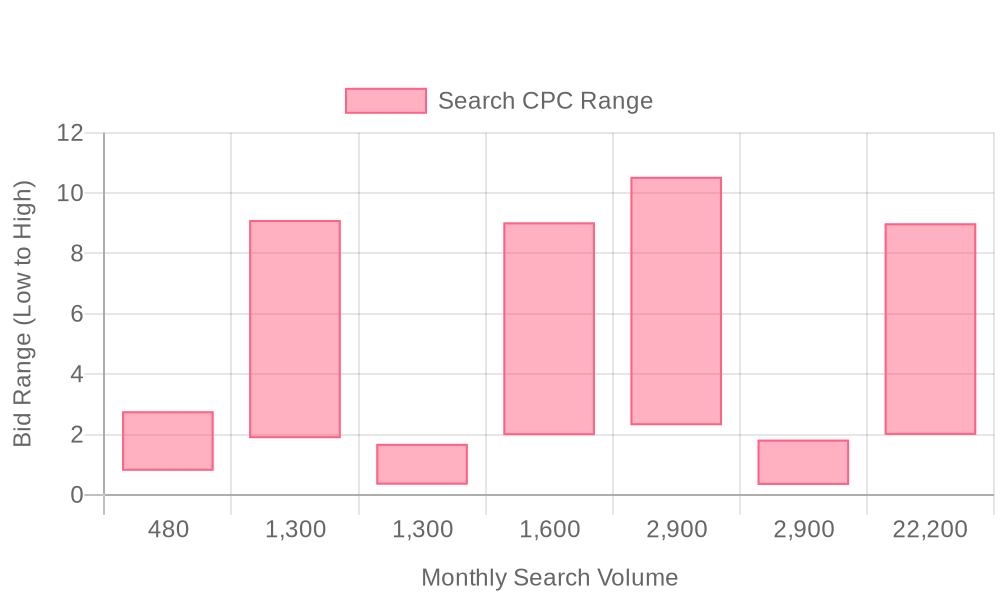
| Industry | Keyword | Monthly Search Volume | Competition Level | Low Bid | High Bid |
| Auto Repair Equipment | auto repair equipment | 480 | HIGH | 0.8 | 2.77 |
| Auto Repair Equipment | diesel engine repair near me | 1300 | LOW | 1.88 | 9.11 |
| Auto Repair Equipment | body shop tools | 1300 | HIGH | 0.34 | 1.69 |
| Auto Repair Equipment | diesel truck mechanic near me | 1600 | MEDIUM | 1.98 | 9.03 |
| Auto Repair Equipment | mobile truck mechanic near me | 2900 | MEDIUM | 2.31 | 10.54 |
| Auto Repair Equipment | auto body tools | 2900 | HIGH | 0.33 | 1.83 |
| Auto Repair Equipment | truck mechanic near me | 22200 | LOW | 1.99 | 9 |
Effective keyword strategy is essential for maximizing visibility and conversions in the auto repair equipment space. High-performing campaigns rely on a continually refreshed keyword list rooted in real-time audience signals, ensuring ads reach decision-makers at the precise moment of purchase intent.
Focus on search terms that combine high monthly volume with strong commercial intent. Terms like “auto repair equipment near me,” “buy tire changer,” and “automatic car lift for sale” consistently align with bottom-funnel objectives. By centering on transactional language and clear solution-seeking phrases, campaigns target buyers who are ready to act. Explore additional insights for building effective search campaigns in this step-by-step guide for auto repair shops.
Integrating negative keywords is a critical defense against wasted spend. Excluding queries like “DIY” or “manual repair” keeps budget focused on commercial leads instead of hobbyists or educational seekers. Ongoing refinement of these exclusions, informed by live search term reports, protects ROI and sharpens each campaign’s relevance. For a deeper dive on refining campaign measurement and attribution, visit the Sona blog.
Geographic and product-specific modifiers further refine audience targeting. Location-based terms, such as “Los Angeles auto repair equipment,” help capture local demand and drive foot traffic to showrooms or service areas. Product attributes like “hydraulic lifts” or “heavy duty wheel balancer” ensure ads attract professionals seeking specialized solutions.
Advanced platforms let marketers dynamically align keyword targeting with real-time audience data. This lets auto repair equipment sellers identify previously anonymous visitors, segment by purchase intent, and shift spend to the accounts most likely to convert, unifying targeting precision with sales outcomes and supporting both local SEO and scalable PPC for auto shops.
Step-by-Step Campaign Execution Framework
Step 1: Build Targeted Keyword Lists
Pinpointing the right keywords forms the foundation of a high-performing Google Ads strategy for auto repair equipment providers. Begin by clustering keywords according to service types, such as diagnostics, preventative maintenance tools, or machinery sales, using behavioral data from analytics to prioritize terms with demonstrated buyer intent. Localize these lists by adding city or region modifiers that match high-engagement locales, ensuring every campaign dollar targets prospects proven to act in those markets. For an in-depth guide to best practices, review this step-by-step guide for auto repair shops.
Eliminating wasted spend is critical. Apply negative keywords to filter out traffic unlikely to convert, such as consumer-focused searches or unrelated service needs. Consistently align keyword strategy with SEO terms used across your broader content efforts, ensuring cohesion between paid and organic visibility. When supported by Sona, marketers can sync keyword clusters to real-time visitor and account insights, enabling dynamic inclusion of high-intent segments and reducing manual keyword management.
The upgrade most auto repair equipment advertisers miss is going beyond raw keyword volume to layer in intent and identity signals. By connecting website-visitor data and CRM records with Sona Marketing Measurement, you can see which specific search terms bring in the accounts and customers that actually convert, and weight your keyword and bidding strategy toward those rather than the terms with the highest search volume alone.
Step 2: Develop Compelling Ad Copy
Effective ad copy positions your auto repair equipment business at pivotal buyer journey stages. Integrate industry-specific keywords into headlines to immediately signal relevance for searchers seeking diagnostics, equipment upgrades, or repair solutions. Embed trust signals such as official manufacturing standards, certifications, or industry awards directly within descriptions, setting your business apart while reducing decision friction.
Maintaining messaging consistency across all buyer touchpoints is essential. Map ad copy to the intent and stage of your audience, ensuring seamless alignment with the language in your email, website, and sales collateral. When leveraging cross-channel data platforms, ad messaging can reflect real-time audience movement, updating calls to action and features to match the evolving needs and readiness of each segment. This ensures higher engagement and conversion rates, as ads stay relevant throughout the funnel.
Step 3: Design Effective Landing Pages
A tightly integrated landing page experience maximizes the value of every ad click for auto repair equipment providers. The landing page must maintain message continuity from the ad and present clear, relevant next steps tailored to the specific visitor segment. Incorporate features such as ROI calculators, industry badges, customer success stories, and strong calls to action, all optimized for the needs and objections of your target audience. For further inspiration, see this comprehensive article outlining advertising strategies.
For B2B revenue teams, it is vital that conversion actions, such as demo requests or quote submissions, are connected directly to the CRM. This unified data flow allows for rapid updates to retargeting lists, immediate enrichment of lead profiles, and tighter attribution tracking. Sona enables teams to sync CRM and ad platforms in real time, automating audience updates and streamlining follow-up to drive higher efficiency and campaign ROI.
Step 4: Implement Data-Driven Optimizations
Continuous optimization is the core of scalable Google Ads ROI in the auto repair equipment sector. Track both micro-conversions (like high-value page views) and macro-conversions (such as equipment purchases or demo sign-ups), ensuring analytics accurately reflect the true impact of every campaign. Address common attribution gaps by connecting online intent signals with offline sales or service data.
Utilize smart bidding strategies that adapt to intent signals, such as repeat visits, engagement depth, or account scoring, to shift budget toward the highest-value prospects. Leverage insights from cross-channel analytics to inform ongoing campaign tweaks, keeping every aspect of your auto repair advertising aligned across search, display, and retargeting efforts. With advanced audience syncing, marketers can update segments in real time as leads progress, ensuring every ad dollar is spent reaching the most relevant, in-market buyers and maximizing automotive marketing outcomes. To accelerate your own execution, get started for free with Sona.
Sona Marketing Measurement closes the gap between clicks and revenue. It captures ad clicks with first-party, company-level tracking, then ties that click through UTM capture and ad-platform APIs to the actual record in your CRM, and reports ROAS by keyword and campaign instead of by last-click form fill. Feeding that revenue signal back into Smart Bidding and Performance Max compounds over time: the algorithms optimize toward booked auto repair equipment revenue, not cheap leads.
Tips on Expanding Your Auto Repair Equipment Presence
Expanding your auto repair equipment business requires a strategic blend of content-driven engagement, data-informed audience segmentation, and localized marketing execution. Revenue teams that harness unified go-to-market data can precisely target high-intent buyers, drive engagement, and maximize overall ROI. For additional insights on marketing strategies and industry best practices, explore our blog.
- Promote educational content in remarketing: Incorporating educational assets, such as how-to guides, product demos, or maintenance tips, into remarketing campaigns strengthens brand equity and nurtures trust. By leveraging advanced visitor identification, marketers can move beyond anonymous web traffic and retarget specific companies or decision-makers who have shown interest, increasing conversion rates while maintaining relevance.
- Offer upsell opportunities via audience segmentation: Segmenting audiences using CRM data enables timely, personalized upsell offers. Connecting dynamic audience lists with real-time behavioral insights ensures that upsell campaigns stay aligned with where prospects are in the buying cycle. Modern platforms can sync CRM-driven audiences directly into Google Ads, so every list updates as leads progress, making upsell timing precise and maximizing lifetime value. For a comprehensive step-by-step guide on launching and optimizing Google Ads, check out this resource for auto repair shops.
- Engage with industry associations for collaboration: Partnering with reputable industry associations opens doors to shared content initiatives, joint webinars, and co-branded campaigns. These collaborations allow access to enriched audience insights, elevating the credibility of your brand and amplifying reach within targeted segments of the auto repair equipment market.
- Plan localization strategies by region: Performance analytics highlighting regional demand empower businesses to tailor messaging, offers, and even product selection to specific localities. Local SEO for auto repair and hyper-targeted Google Ads strategies ensure visibility among high-intent buyers in key geographic markets, driving foot traffic and inbound leads at scale.
- Utilize search queries data for content development: Analyzing search queries and keyword trends provides actionable direction for future content topics, aligning campaigns with evolving buyer behavior. This data-driven approach refines both your ad copy for auto repair and organic content, ensuring sustained relevance and capturing demand as it emerges. By integrating conversion tracking that attributes results to both online and offline touchpoints, you capture a complete view of content impact and ROI.
Beyond Google Ads: Winning the AI Answers Auto Repair Equipment Buyers Now Trust
Paid search captures demand at the moment someone types a query. But a fast-growing share of auto repair equipment buyers no longer start at Google at all, they ask ChatGPT, Gemini, or Perplexity before they ever run a search, and Google's own AI Overviews increasingly summarize an answer above the traditional results. If your business isn't referenced in those AI answers, you're invisible at the exact moment buyers build their shortlist.
Sona AI Visibility shows where your business shows up across ChatGPT, Gemini, Perplexity, Google AI Overviews, and 10+ engines, and, much like a keyword report, which prompts actually send you buyers, so you can prioritize the ones that convert. Run the two together and you cover the entire buyer path: get cited where buyers research (AI Visibility), then prove which of that demand turns into booked revenue (Marketing Measurement).
Helpful resources
Conclusion
Google Ads works for auto repair equipment sellers when it's built around how these buyers actually shop: slowly, across multiple vendors, often triggered by a failed inspection or a lease coming due. Get the targeting and measurement right, and every click becomes traceable value instead of a guess.
The shops and distributors that win in this market will be the ones who stop paying for clicks and start paying for revenue, feeding Google's bidding algorithms real signal about which accounts actually bought a lift, a scanner, or a balancer, not just which ones filled out a form.
FAQ
What are the best practices for Google Ads in auto repair?
Best practices include integrating Google Ads with a unified marketing strategy, leveraging predictive audience insights, and using precision targeting and real-time engagement to convert leads efficiently.
How can I optimize my Google Ads for an auto repair shop?
Optimize Google Ads by adopting a data-driven strategy, identifying high-intent keywords, aligning landing pages and creatives, and using advanced conversion tracking to measure ROI.
What budget should I allocate for Google Ads in the auto repair industry?
The article does not specify a particular budget, but suggests focusing ad spend on segments exhibiting buying signals and using advanced analytics to ensure efficient allocation.
What keywords should I target for auto repair Google Ads?
Target keywords that combine high monthly volume with strong commercial intent, such as 'auto repair equipment near me' and 'buy tire changer,' while using negative keywords to filter out irrelevant traffic.
How do I measure the success of my Google Ads campaigns for auto repair?
Measure success by integrating online and offline attribution, using advanced conversion tracking, and analyzing both micro and macro conversions to understand the true impact of campaigns.







