


A driver searching "auto inspection near me" has usually already decided to book, they just need to pick who. Google Ads lets an inspection station meet that driver at the exact moment of the search, rather than hoping a billboard or a mailer gets remembered later. Used well, it intercepts decision-makers, sharpens targeting down to a city block, and gives owners a clear read on which dollars actually turn into completed inspections. This guide walks through how to build that kind of campaign.
How to Generate Google Ads for Auto Inspection Stations Leads: A Step-by-Step Guide
Auto inspection stations operate in a high-intent, localized market where digital visibility directly impacts lead volume and service bookings. With the right approach, Google Ads for Auto Inspection Stations deliver a steady stream of qualified leads while enhancing brand reputation in a competitive landscape.
A data-driven framework is the foundation for sustained growth in auto inspection marketing. By integrating your Google Ads strategy into your broader marketing mix, every campaign becomes a measurable contributor to overall demand generation and revenue. PPC for auto inspection stations should not operate in isolation, each paid touchpoint can be mapped to organic and offline channels, providing a holistic view of campaign impact and audience journey.
- Reduce Missed Opportunities: Deploy Sona's Identity Resolution alongside real-time intent analysis to recognize high-value prospects even before they convert on a first visit. Unifying this behavioral data with CRM records lets you retarget in-market accounts and sync audiences across Google Ads and connected platforms, so advertising for inspection services adapts as prospects move through the buying cycle.
- Align Landing Pages and Creative: Conversion rates climb when landing pages mirror the search intent and ad messaging of your campaigns. Tailored content, regulatory trust signals, and dynamic booking widgets all contribute to a frictionless experience for auto inspection lead generation. By leveraging unified data, marketers can present personalized offers and relevant service details to each segment, increasing engagement and appointment bookings.
- Performance Optimization: Continuous performance monitoring is essential in digital marketing for auto services. Utilize advanced conversion tracking that measures both online and offline actions, such as booked appointments, phone calls, and in-person visits, to attribute revenue accurately. With enriched attribution, budget can be shifted to the highest-converting campaigns, and auto service marketing strategies can be refined based on real ROI, not vanity metrics.
- Cross-Platform Integration: Sophisticated auto inspection stations maximize results by connecting Google Ads with CRM systems, sales tools, and other digital channels. Automated audience syncs ensure remarketing lists reflect live pipeline changes, so high-intent leads are promptly re-engaged. Unified data flows power timely, relevant messaging across every touchpoint, supporting seamless online advertising for auto inspection and amplifying local SEO for auto inspection efforts.
A step-by-step, data-centric execution ensures every dollar spent on Google Ads targeting for auto services builds toward long-term growth.
Why Does Google Ads Matter for Auto Inspection Stations

Auto inspection stations compete in a results-driven environment where precision outreach and rapid response directly impact revenue. Google Ads delivers a channel where every marketing dollar is focused on audiences actively searching for inspection services, eliminating waste on broad, unqualified impressions and ensuring every click carries intent.
- Targeted Audience Reach: Google Ads lets auto inspection stations connect with drivers who are ready to book, filtering out casual browsers. By matching keywords, location, and device, a station can appear the moment a local driver needs an inspection appointment, lifting conversion rates measurably. Precise audience intelligence sharpens this further, isolating high-intent segments for more personalized outreach.
- Profit on Urgency: Inspection needs rarely wait. A registration renewal deadline, a failed emissions retest, or a used-car buyer needing a pre-purchase inspection before a sale closes all create same-day urgency. Google Ads puts a station in front of these searchers before a competitor two exits away does. Identity resolution and automated routing then get that inbound call or form to a service bay fast enough to actually capture the booking.
- Market Expansion: Traditional advertising limits reach to familiar neighborhoods, but Google Ads empowers stations to break into new commercial districts or underserved suburbs. Geo-targeting tools refine ad delivery with precision, making it possible to launch tailored campaigns for specific zip codes, city blocks, or even commuter corridors, supporting strategic business growth. For additional campaign ideas, review this library of marketing playbooks.
- Enhance Follow-Up Efficiency: Integrated automation accelerates how stations respond to inbound interest. By flagging potential leads in real time, operators can prioritize callbacks or direct messages, increasing engagement probability at the moment of highest intent. When audience data is unified and synced with the broader CRM ecosystem, every marketing and sales touchpoint becomes coordinated and timely.
- Data Integration: Google Ads provides granular performance data at every stage, from initial click to completed inspection. When combined with advanced analytics and real-time attribution, auto inspection stations can adapt bidding strategies, creative messaging, and audience segments based on what’s generating actual bookings. This data-centric approach transforms advertising from a cost center into a predictable lead engine, supporting ongoing optimization and higher return on investment.
Ready to turn more searchers into customers? Get started for free with Sona.
Common Types of Google Ads Campaigns for Auto Inspection Stations

- Search Campaigns: Search campaigns are the workhorse for auto inspection stations aiming to convert high-intent prospects. By targeting keywords such as "vehicle inspection near me" or "state inspection station," these campaigns intercept customers precisely when they are ready to book a service. Within Search, Responsive Search Ads let you test multiple headlines and descriptions so Google can serve the combination that performs best for a given query, useful when the same searcher might be looking for an emissions test one week and a pre-purchase inspection the next. Integrating real-time visitor identification and in-market behavioral data enables marketers to shift budgets dynamically toward users most likely to convert, especially during seasonal spikes or regulatory deadlines. For a deeper dive into driving local traffic and campaign setup, refer to this comprehensive Google Ads guide for auto repair shops. With audience insights unified across platforms, search budgets stay focused on leads with the highest inspection completion rates.
- Display Ads: Display ads keep auto inspection brands top-of-mind by extending visibility across automotive forums, news sites, and local business directories. These visually engaging placements reinforce brand recall and support concurrent channels like social and organic search. By leveraging audience data, marketers ensure consistent messaging and can suppress ads for customers who have already booked, maximizing efficiency and reducing wasted impressions. For more on campaign optimization, see our best practices for Google Ads in auto repair shops.
- Video Ads: Video campaigns let stations walk prospects through the inspection process, regulatory requirements, and value-added services before they ever call. Dynamic video content builds trust by demystifying what happens on the lift, differentiating the station from competitors who only advertise price. When enriched with Sona's Intent Signals and CRM-synced data, video campaigns can be tailored to specific vehicle types or local compliance needs, driving stronger recall among targeted segments. Marketers can track which videos drive direct bookings or walk-ins, connecting creative spend to real outcomes. Explore more strategies for maximizing campaign impact with multi-touch attribution models.
- Remarketing: Remarketing strategies re-engage visitors who have previously interacted with online assets but have not yet booked an inspection. By identifying both anonymous visitors and known accounts, marketers can deliver highly relevant follow-up messaging, such as reminders about expiring inspection dates or limited-time offers. Dynamic audience management ensures that remarketing lists update automatically as prospects convert or move further down the funnel, minimizing overlap and keeping messaging fresh. Learn how remarketing can drive multiple touchpoints and increase conversion rates in our intent-driven retargeting playbook.
- Performance Max: Performance Max campaigns pool Search, Display, YouTube, and Maps inventory into a single goal-based campaign, letting Google's bidding find inspection customers across whichever surface they're most likely to convert on. For a station with multiple locations or several inspection types (emissions, safety, fleet), Performance Max can surface a nearby-location visit or a phone call from a driver who never would have clicked a standard text ad. Feeding it strong conversion signals, such as completed bookings rather than just form fills, keeps the automated bidding aimed at real revenue.
- Assets: Ad assets elevate campaign performance by providing immediate, actionable information, such as location, ratings, and specific services, directly in the search results. For auto inspection stations, this builds instant credibility and allows customers to call, navigate, or book with a single click. When assets are powered by unified CRM and ad data, marketers can highlight real-time appointment availability, showcase top-rated technicians, or promote compliance certifications. This integration ensures every impression carries maximum trust and lead quality. Get started for free with Sona.
Where to Find Growth Opportunities?
Identifying growth opportunities in the auto inspection industry requires more than broad digital outreach. Revenue teams can unlock higher-quality leads and greater campaign efficiency by using advanced audience segmentation and analytics approaches tailored for inspection services.
- Specialized service keywords: Incorporate precise, service-specific keywords into your Google Ads for auto inspection stations strategy. Targeting terms like "fleet inspection certification," "state emissions check," or "commercial vehicle inspections" allows campaigns to capture niche audiences overlooked by generic auto service ads. This precision not only lowers cost per click but also attracts vehicle owners with urgent, high-value needs, improving the odds of conversion.
- Fill service gaps: Use competition analysis to monitor which inspection services are under-promoted in your area. By analyzing ad visibility, search share, and review sentiment, marketers can spot underserved categories such as motorcycle inspections or off-hour compliance checks. Adjusting campaign spend and creative to highlight these gaps helps inspection stations stand out, while dynamic audience updates ensure resources shift in real time toward emerging opportunities based on in-market behavior and search intent.
- Industry-specific channels and directories: Position your campaigns on platforms that cater directly to the auto inspection market, such as regional compliance directories or vehicle owner forums, where organic visibility is typically low. This channel diversification boosts exposure among audiences actively seeking inspection services, complementing broader search campaigns and enhancing reach within high-intent verticals.
- Retarget content engagement: Re-engage visitors who have interacted with valuable resources like inspection checklists, safety manuals, or appointment prep guides. Using enriched visitor identification, marketers can create remarketing audiences based on real engagement signals, moving beyond anonymous web traffic. Syncing these enriched audiences into Google Ads and connected CRM platforms enables highly personalized follow-up campaigns, maximizing the impact of every content interaction and increasing lead conversion rates for auto inspection marketing.
How to Apply Audience Segmentation for Auto Inspection Services

Successful auto inspection marketing begins with clear audience segmentation. Separating your customers into actionable groups, such as individual vehicle owners and commercial fleet managers, enables sharper targeting, more efficient budget allocation, and higher conversion rates. For auto inspection stations, this granular approach produces stronger campaign ROI and ensures that each ad dollar is spent reaching the right audience at the right time. Explore additional auto repair shop Google Ads strategies to further improve your digital lead generation.
- Define key customer segments: Start by mapping out your core audiences. Individual vehicle owners typically look for annual state inspections, emissions testing, or rapid turnarounds. Commercial accounts, by contrast, value fleet compliance, streamlined scheduling, and volume-based service packages. Profiling these groups with first-party data and Sona's Intent Signals lets you prioritize high-value opportunities and cut wasted impressions.
- Deliver targeted messaging: Tailor your ad copy and creative to address the unique needs of each segment. For individual owners, highlight convenience, fast appointments, and certified technicians. For fleet managers, emphasize compliance management, flexible billing, and dedicated account support. Leveraging account-level insights allows your campaigns to serve messaging that resonates with the buyer’s immediate priorities.
- Craft service-focused ad groups: Go beyond generic ads by structuring Google Ads for auto inspection stations into tightly themed ad groups aligned to distinct services or customer needs. For example, create separate campaigns for emissions checks, safety certifications, and fleet inspections. This structure raises Quality Scores and improves click-through and conversion rates, reflecting a sophisticated approach to PPC for auto inspection stations.
- Integrate conversion tracking and CRM data: Precise engagement metrics hinge on seamless integration between your digital campaigns and CRM. Modern platforms enable marketers to sync enriched audience data and real-time lead activity directly into advertising tools and sales systems. This connection provides advanced conversion tracking, capturing both online form fills and offline bookings, and attributes revenue to the right channel. When audience segments are dynamically updated as leads progress through the funnel, you can automate retargeting and nurture flows with real-time data activation, ensuring no high-value account falls through the cracks.
These segmentation practices set the stage for measurable improvements in auto inspection lead generation and campaign performance. Aligning digital marketing for auto services with real-world buying behavior, individual owners on one track, fleet accounts on another, is what turns segmentation from a spreadsheet exercise into sustainable growth.
This is also where measurement changes the economics. With Sona Marketing Measurement you can identify the companies and buyers behind your ad clicks, not just anonymous sessions, and segment audiences by who actually becomes a customer. That lets you build bid adjustments and audience signals around the segments that convert and de-prioritize the ones that don't, so you feed Google's algorithms "this click became a paying auto inspection stations customer" instead of just "someone filled out a form."
Keyword Strategy & Sample Target Terms
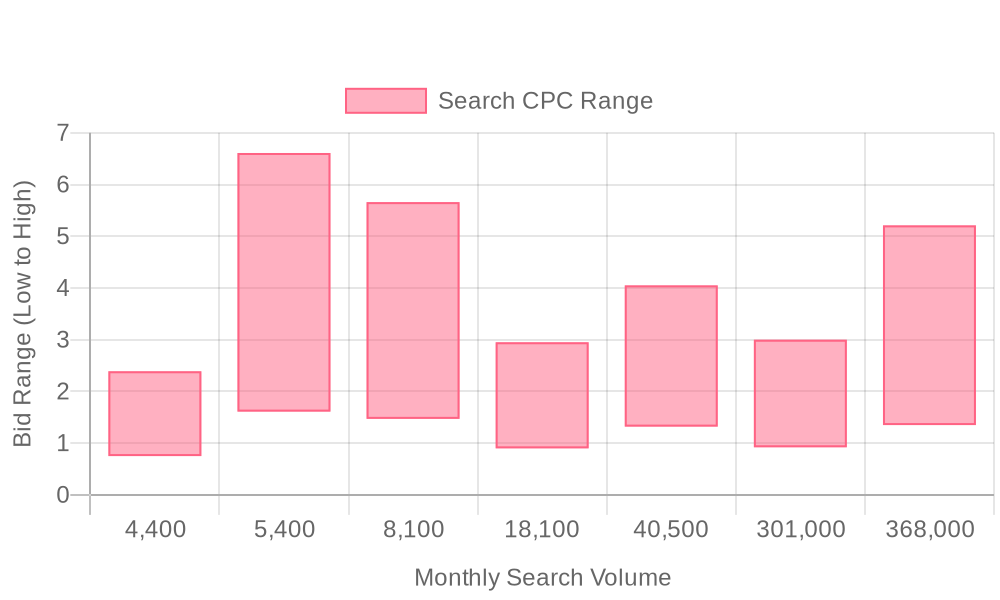
| Industry | Keyword | Monthly Search Volume | Competition Level | Low Bid | High Bid |
| Auto Inspection Stations | smog check coupons near me | 4400 | HIGH | 0.75 | 2.39 |
| Auto Inspection Stations | car inspection places near me | 5400 | LOW | 1.61 | 6.61 |
| Auto Inspection Stations | car safety inspection near me | 8100 | LOW | 1.47 | 5.66 |
| Auto Inspection Stations | star smog check near me | 18100 | LOW | 0.9 | 2.95 |
| Auto Inspection Stations | auto inspection stations | 40500 | LOW | 1.32 | 4.05 |
| Auto Inspection Stations | smog check near me | 301000 | LOW | 0.92 | 3 |
| Auto Inspection Stations | car state inspection near me | 368000 | LOW | 1.35 | 5.21 |
Auto inspection stations operate in a space where digital intent and immediate service converge, making keyword strategy the foundation of effective PPC for auto inspection stations. Success rests on intercepting customers at the exact moment they search for compliance checks, emissions tests, or pre-purchase inspections in their area. Strategic keyword targeting ensures visibility to high-intent prospects, while granular tracking connects every ad interaction to downstream results like booked appointments or completed inspections. To elevate your approach, explore this curated list of high-performing auto repair keywords and access our resource hub.
**Precision Targeting**: Identify and intercept potential customers by leveraging both broad and long-tail keywords tied to urgent inspection needs. Examples include “state vehicle inspection near me,” “same day emissions testing,” or “commercial fleet inspection service.” With real-time behavioral signals, marketers can dynamically adjust keyword bids and messaging to favor prospects demonstrating in-market urgency. This allows budget allocation to flex toward the most promising leads, improving both efficiency and close rates.
**Measurable ROI**: Bridge the gap from Google Ads click to service completion with advanced attribution. Tightly mapped conversion tracking, both online and offline, allows marketers to see which keywords and ad variants directly drive inspection bookings and walk-in visits. When CRM and ad platforms are synced, every touchpoint, whether it started as a mobile search or remarketing click, can be attributed to revenue outcomes, helping you measure marketing’s influence.
**Channel Synergy**: Reinforce the brand across every relevant touchpoint. Retargeting lists allow for persistent follow-up with site visitors who showed inspection interest but did not convert, using display, search, and even social ad placements. Dynamic audience segments refresh automatically as leads progress from research to booking, ensuring that messaging always aligns with the prospect’s current journey stage. Consistency across channels not only improves recall but also elevates conversion rates for auto inspection lead generation.
A robust keyword set for Google Ads for auto inspection stations should include:
- “vehicle inspection station [city/ZIP]”
- “smog check near me”
- “state inspection required documents”
- “fleet inspection services”
- “car safety inspection appointment”
- “walk-in vehicle inspection”
Pairing these with negative keywords such as “DIY inspection,” “inspection jobs,” or unrelated home services prevents wasted spend and keeps targeting focused on genuine service seekers. The right keyword mix, combined with rich intent data and unified attribution, turns search activity into measurable business growth.
Step-by-Step Campaign Execution Framework
Step 1: Build Targeted Keyword Lists
A high-performing Google Ads strategy for auto inspection stations begins with constructing a keyword list tailored to the specific services and customer needs within your market. Segmenting keywords by inspection type, such as emissions testing, commercial inspections, and pre-purchase checks, enables granular targeting that aligns with your core offerings. For practical tips on keyword research and targeting, review this curated list of high-performing auto repair keywords for PPC campaigns. Incorporating local modifiers like "near me" or city-specific terms ensures your ads surface for nearby, high-intent searchers who are more likely to convert.
Prioritize long-tail queries that signal urgent or purchase-ready intent, for example, "same-day car inspection downtown" or "certified vehicle inspection near [location]." These phrases typically deliver lower cost per acquisition and higher conversion rates. Use negative keywords to filter out irrelevant searches, such as DIY guides or unrelated inspection types, preserving budget for your ideal prospects. Reinforce your strategy by aligning keyword sets with language used in educational content and promotions to improve quality scores and brand consistency. Unifying keyword and intent data across all channels allows advanced platforms to dynamically identify and prioritize the highest-value opportunities, ensuring marketing resources are focused on accounts most likely to generate revenue.
The upgrade most auto inspection stations advertisers miss is going beyond raw keyword volume to layer in intent and identity signals. By connecting website-visitor data and CRM records with Sona Marketing Measurement, you can see which specific search terms bring in the accounts and customers that actually convert, and weight your keyword and bidding strategy toward those rather than the terms with the highest search volume alone.
Step 2: Develop Compelling Ad Copy
Developing ad creative that resonates with your audience requires a sharp focus on the real-world pain points faced by auto inspection customers. Headlines should directly address issues like regulatory deadlines, unexpected vehicle warnings, or the inconvenience of failed inspections. By spotlighting certifications, technician credentials, and verified customer ratings, your ads immediately convey trust and credibility, critical for services where compliance and expertise are non-negotiable.
Time-sensitive offers, such as "Book now for same-day inspection" or "Limited-time emissions testing discount," create urgency and drive faster response rates. Compelling copy that ties together trust signals, value propositions, and urgency maximizes click-throughs from high-intent prospects. Leverage real-time behavioral insights to automatically rotate creative based on in-market activity, ensuring that the right message reaches each prospect at the optimal moment in their buying journey.
Step 3: Design Effective Landing Pages
The landing page experience must be a seamless extension of the ad that brought the visitor in, with messaging, visuals, and calls to action tightly aligned to the original keyword and ad copy. Service-specific landing pages that include state compliance indicators, clear pricing, and a transparent inspection process clarify expectations and reduce friction. For landing page inspiration and best practices, explore this guide on using Google Ads to attract more customers to auto repair shops. Prominently display customer testimonials and third-party endorsements to reinforce credibility and increase conversion rates.
Integrating the landing page with your CRM ensures that every form submission or booking request is captured, routed, and enriched for follow-up instantly. This supports real-time lead scoring and remarketing, moving prospects through the funnel and personalizing outreach as they go. Platforms that unify web, ad, and CRM data let marketers identify the companies behind anonymous visits, attribute offline conversions, and refine target audiences based on actual outcomes.
Step 4: Implement Data-Driven Optimizations
Ongoing optimization is critical for maintaining peak campaign performance and scaling results cost-effectively. Activate smart bidding strategies that use conversion data to hit your target CPA or maximize ROI, adjusting in real time as visitor intent and competitive dynamics shift. Regularly A/B test headlines, descriptions, images, and calls to action to uncover which creative elements drive the highest engagement and lead quality.
Monitor performance across all touchpoints, online and offline, to capture the full impact of your campaigns. Advanced attribution models show which channels and keywords deliver actual bookings, not just clicks. Syncing enriched lead and customer data back into campaign audiences allows for dynamic retargeting, suppression of closed opportunities, and real-time budget reallocation toward the highest-performing segments, keeping your auto inspection marketing agile.
Sona Marketing Measurement closes the gap between clicks and revenue. It captures every ad click with first-party measurement, then ties that click through UTM capture and ad-platform APIs to the actual record in your CRM, and reports ROAS by keyword and campaign instead of by last-click form fill. Feeding that revenue signal back into Smart Bidding and Performance Max compounds over time: the algorithms optimize toward booked auto inspection stations revenue, not cheap leads.
Tips on Expanding Your Auto Inspection Station's Presence
Delivering educational content through remarketing campaigns not only reinforces trust but also positions your auto inspection station as an authority in vehicle safety and compliance. Engaged audiences who receive value-driven updates about new inspection guidelines or common vehicle issues are more likely to consider your services when their inspection is due. For more insights on leveraging Google Ads to attract auto repair and inspection customers, explore this guide on Google Ads for auto repair shops.
Optimizing campaign relevance means using segmentation data to find audience segments most likely to purchase add-on services, such as emissions testing or diagnostic checks. Layering this with signals from Sona's Intent Signals, marketers can adjust offers and creative for each segment in real time, boosting both upsell and conversion rates. Shifting budget toward prospects showing imminent need makes every dollar spent on Google Ads for auto inspection stations work harder.
Industry association partnerships can significantly elevate your online presence by channeling referral traffic and co-branded marketing initiatives directly to your inspection services. Collaboratively crafted campaigns, such as safety awareness webinars or joint promotions, build credibility and attract targeted traffic aligned with your service offerings. When combined with unified lead tracking, you can attribute new appointments to association-driven campaigns and refine your strategy based on which partnerships yield the most qualified leads.
Focusing your marketing resources on high-value states or metropolitan areas ensures that your budget targets regions where regulatory requirements or higher vehicle density drive greater demand for inspections. Precision targeting, supported by CRM and ad platform audience sync, allows campaigns to prioritize locations with the highest lead-to-customer conversion rates. By continuously updating your audience pools and geo-targeting parameters, you can adapt quickly to shifting market trends and regulatory changes that impact demand for auto inspection services.
Beyond Google Ads: Winning the AI Answers Auto Inspection Stations Buyers Now Trust
Paid search captures demand at the moment someone types a query. But a fast-growing share of auto inspection stations buyers no longer start at Google at all, they ask ChatGPT, Gemini, or Perplexity before they ever run a search, and Google's own AI Overviews increasingly summarize an answer above the traditional results. If your business isn't referenced in those AI answers, you're invisible at the exact moment buyers build their shortlist.
Sona AI Visibility shows where your business shows up across ChatGPT, Gemini, Perplexity, Google AI Overviews, and 10+ engines, and, much like a keyword report, which prompts actually send you buyers, so you can prioritize the ones that convert. Run the two together and you cover the entire buyer path: get cited where buyers research (AI Visibility), then prove which of that demand turns into booked revenue (Marketing Measurement).
Helpful resources
Conclusion
The inspection stations that win the next few years of search will be the ones that treat every click as a data point, not just a transaction, feeding booking outcomes back into Google's bidding models so the algorithm learns what a real customer looks like. Pair that with a presence in the AI answers buyers now consult before they search at all, and the advantage compounds: visible in the moment of the query, and visible before it.
FAQ
What are the best practices for using Google Ads for auto inspection stations?
Best practices include leveraging targeted keywords, aligning landing page content with ad messaging, using precise audience segmentation, and integrating with CRM systems for comprehensive data analysis and retargeting.
How can auto inspection stations optimize their Google Ads campaigns?
Optimization can be done by employing advanced conversion tracking, utilizing data-driven optimizations like smart bidding strategies, A/B testing ad elements, and continuously refining audience segments based on real-time data.
What budget should auto inspection stations allocate for Google Ads?
The budget should be flexible and adjusted based on the performance of campaigns, focusing on high-conversion keywords and high-intent audience segments to maximize ROI.
What keywords should be targeted in Google Ads for auto inspection services?
Keywords such as 'vehicle inspection station near me,' 'smog check near me,' and 'fleet inspection services' should be targeted to capture high-intent searchers looking for immediate services.
How can auto inspection stations measure the success of their Google Ads campaigns?
Success can be measured through advanced attribution models that track both online and offline conversions, evaluating which campaigns lead to booked appointments or completed inspections.







