


A cracked serpentine belt or a dead battery doesn't wait for business hours, and the searches that follow, "mobile mechanic near me," "emergency roadside repair," happen with real urgency behind them. Google Ads matters for mobile auto repair because it puts your business in front of that exact moment of need, bridging the gap between broad brand awareness and an actual booked appointment. Done well, it catches drivers mid-breakdown instead of losing them to the first competitor who shows up. Done poorly, high-value prospects slip away and follow-up arrives too late to matter.
How to Generate Google Ads for Mobile Auto Repair Leads: A Step-by-Step Guide

Mobile auto repair services operate in a fast-paced environment where immediate customer intent and convenience drive revenue. Effective lead generation in this sector demands a focused digital strategy that can identify, attract, and convert high-value prospects before their needs are met elsewhere. Google Ads can help auto repair shops attract more customers and increase appointments, but true impact relies on precise targeting, conversion-centric landing pages, and integrated data flows across your marketing stack.
Modern revenue teams must prioritize actionable insights and audience segmentation to avoid wasting budget on low-intent clicks or missing out on premium leads. A unified data foundation enables marketers to attribute conversions accurately, including calls and offline bookings, while continuously optimizing for the channels and tactics delivering the highest ROI. With a strategic approach, mobile auto repair businesses can elevate their presence, boost engagement, and scale customer acquisition efficiently.
- Audience targeting and keyword strategy: Start with deep research into local search behavior and urgent intent triggers. High-converting segments include drivers searching for "mobile mechanic near me," "emergency roadside repair," or specific service needs such as "battery replacement at home." By leveraging Sona's Intent Signals, marketers can direct spend toward users most likely to need immediate assistance. Sona's Identity Resolution helps you pinpoint which companies and prospects are engaging, even when they don't submit a form, so ad dollars follow the actual buyer journey instead of anonymous impressions.
- Landing page optimization and creative alignment: Align every click with a landing page that delivers fast answers, transparent pricing, and immediate contact options. Forms, call buttons, and chat widgets must be prominent and frictionless, tailored to mobile devices since most searches occur on the go. Consistency between ad copy and landing page ensures prospects see their needs addressed, reducing bounce rates and improving lead quality.
- Performance optimization and conversion tracking: Integrate advanced tracking across all touchpoints, capturing not only online form fills but also phone calls and text inquiries. Real-time performance data reveals which keywords and creatives drive revenue, allowing for rapid budget adjustments and message testing. Sona’s advanced attribution connects online and offline conversions to the correct campaigns, surfacing the true ROI of each keyword and audience segment.
- Cross-channel integration: Enhance your Google Ads campaigns by syncing enriched lead and account data into your CRM, marketing automation, and personalization tools. This keeps audiences dynamic, allowing retargeting efforts to focus only on prospects who have not yet converted or who need follow-up after a recent service. Sona’s audience sync automates this process, ensuring your Google Ads for Mobile Auto Repair campaigns always reflect the latest intent and engagement signals.
- Holistic marketing ecosystem: Mobile auto repair businesses that grow fastest treat PPC, local SEO, and tailored Google Ads as one system rather than separate line items. A shop ranking organically for "brake repair [city]" but running Search ads on a competitor's branded terms is fighting itself; connecting paid and organic data, audience segments, and conversion outcomes shows where budget actually needs to move. That visibility lets you cut spend on searches your organic listings already win and redirect it toward the emergency, after-hours, and roadside queries where paid intent is highest, continually refining your Google Ads optimization for mobile services.
This framework helps auto repair shops and mobile mechanic operations get more out of Google Ads, capture more qualified leads, and build a marketing setup that holds up as the competitive landscape shifts. If you want to streamline your entire lead generation process, get started for free with Sona.
Why Google Ads Matter for Mobile Auto Repair
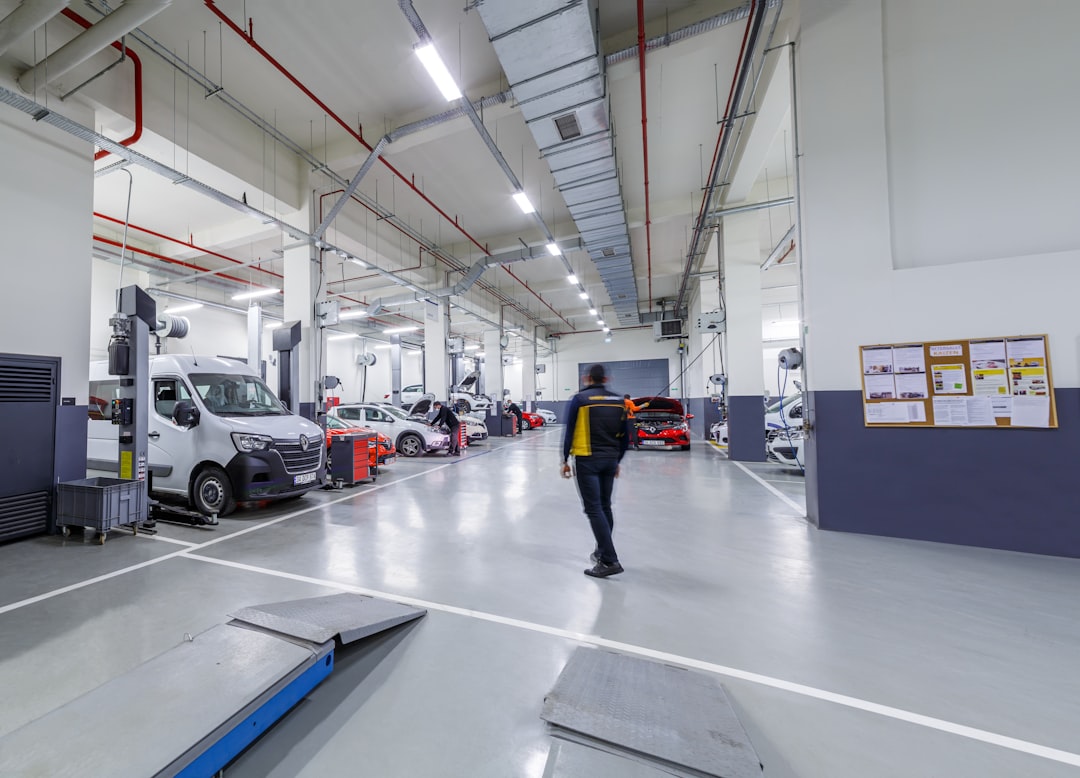
Mobile auto repair businesses operate in a landscape where urgency and local relevance dictate conversion. Customers often search for a solution at the moment of breakdown, making it essential for mobile mechanics to appear at the top of search results precisely when high-intent prospects need help. For a step-by-step approach to creating effective Google Ads campaigns, review this guide for auto repair shops.
Google Ads enables mobile auto repair providers to reach these critical prospects by targeting users based on local intent and service urgency. Campaigns can be fine-tuned to focus on specific neighborhoods, zip codes, or even radius targeting around high-traffic zones, ensuring ad spend is channeled to areas with the highest conversion potential. For additional strategies on maximizing your Google Ads campaigns, explore Sona's playbooks.
The true impact of Google Ads for mobile auto repair lies in connecting digital engagement with real-world service outcomes. Advanced conversion tracking lets revenue teams attribute calls, forms, and booked appointments directly to specific campaigns, providing a clear view of ROI. When Sona is integrated, marketers can enrich lead profiles and sync offline conversions to Google Ads and CRM platforms, so every dollar spent is tracked and optimized for maximum business impact. Ready to see these insights in action? Get started for free with Sona.
Common Types of Google Ads Campaigns for Mobile Auto Repair
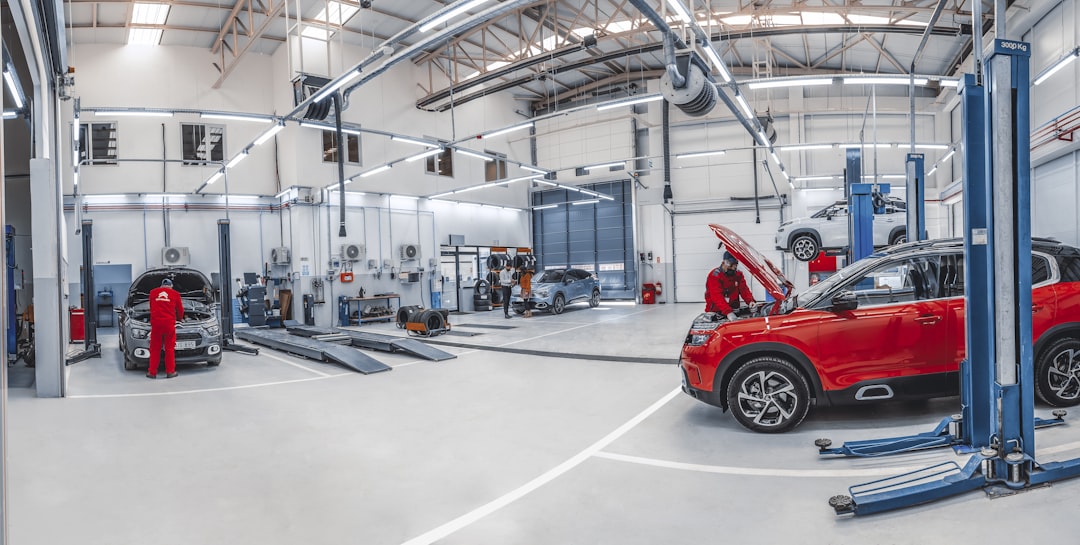
- Search Campaigns: These campaigns capture urgent, high-intent queries from prospects searching for immediate solutions such as "mobile mechanic near me" or "emergency car repair." For mobile auto repair businesses, search campaigns are foundational because they match ads directly with customers ready to book service right now. Responsive search ads, the standard ad format within these campaigns, let you test multiple headlines and descriptions so Google can surface the combination that converts best for each query. By integrating data from your CRM and Sona's Identity Resolution, you can prioritize bidding on high-value search terms and direct your budget toward the most promising leads, rather than just anonymous clicks. For a detailed overview of Google Ads for auto repair, visit this comprehensive advice.
- Display Ads: Display advertising keeps your brand and services top-of-mind across automotive forums, blogs, and local news sites where car owners frequently consume content. These visually engaging placements help extend awareness beyond the search engine, supporting long-term brand recall and nurturing prospects who may not be ready to convert on the first visit. Enhanced data enrichment allows you to retarget visitors with tailored visuals based on their previous site behavior or the specific service categories they engaged with, maximizing relevance and creative resonance.
- Video Ads: Video campaigns are highly effective for demonstrating the quality, speed, and professionalism of your mobile auto repair services. Showcasing real repair scenarios or customer testimonials builds trust and differentiates your business in a competitive market. Advanced audience segmentation enables these videos to reach viewers who have recently exhibited in-market automotive intent, ensuring your content is seen by consumers most likely to require urgent repair assistance. To explore more digital advertising options and best practices, see this overview for auto repair shops.
- Remarketing: Remarketing campaigns re-engage website visitors who explored your services but didn't convert, addressing the drop-off points that often lead to lost revenue. Dynamic audience updates keep your remarketing lists current as customers move through the buying journey, so messaging adapts accordingly. Connecting your CRM and Google Ads lets you target past visitors with personalized offers, service reminders, or limited-time promotions, which shortens the path back to booking.
Where to Find Growth Opportunities
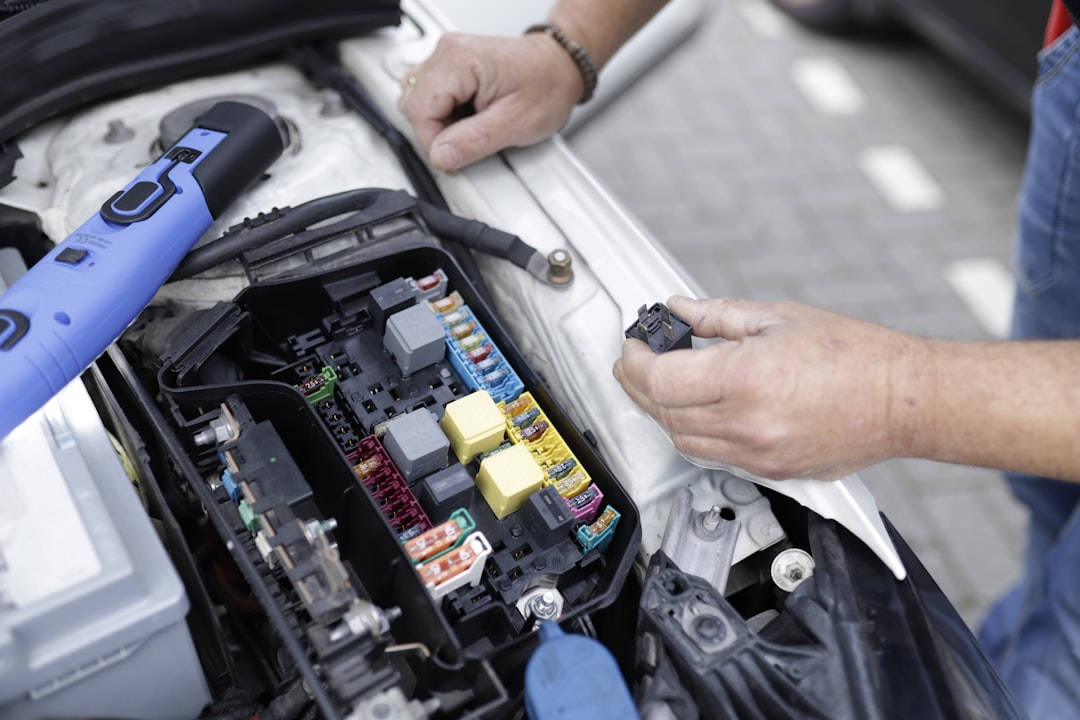
Mobile auto repair businesses unlock new growth by targeting specific customer segments that broad campaigns overlook. Diagnostic visits, hybrid vehicle troubleshooting, and emergency roadside repairs are distinct verticals, each with its own keyword set and buyer urgency. Building ad groups around these microservices, rather than one generic "car repair" campaign, improves quality scores and relevance, and tends to capture conversions at a lower cost per lead than broad match terms. For more actionable tactics, explore our blog on demand generation and analytics.
Studying competitor playbooks is another route to growth. Look at where industry peers fall short, neglected local SEO, no bids on long-tail mobile-specific terms like "weekend mobile mechanic" or "tire change at home," and you'll often find underserved neighborhoods or vehicle types a focused campaign can dominate. Layering audience insights from Sona into this process goes beyond surface-level data, identifying not just which companies are actively seeking mobile repairs but also their real-time intent signals. That lets marketing teams shift budget to high-converting accounts and adjust messaging as demand shifts by season or region, keeping campaigns ahead of the curve rather than reacting to it.
Content retargeting matters for mobile mechanic marketing because the path from interest to booking is rarely a straight line. Many prospects read maintenance checklists or watch breakdown-prevention videos well before they need a repair, and building retargeting audiences around that early research nurtures leads who aren't ready to book yet. Tracking content engagement across devices and syncing enriched audience segments directly into Google Ads keeps follow-up messaging relevant as prospects move through the funnel, closing the loop between online research and offline outcomes for a true picture of campaign ROI.
How to Apply Audience Segmentation for Mobile Auto Repair

Audience segmentation transforms mobile auto repair advertising from generic outreach into a precise, customer-centric growth engine. By mapping segmented audiences to the customer journey, marketers can dramatically improve engagement rates and campaign efficiency in Google Ads for Mobile Auto Repair. For a deeper dive into demand generation and segmentation tactics, browse the Sona blog.
Defining distinct segments is the first step toward higher precision. Mobile mechanic marketing benefits from separating family vehicle owners from commercial fleet managers, since these audiences have entirely different service needs, urgency levels, and decision-making cycles. Family-focused segments often prioritize trust, convenience, and transparent pricing, while fleet managers value uptime, contract maintenance, and rapid dispatch. Moving away from one-size-fits-all campaigns, segment-specific ad groups enable messaging that resonates, reducing wasted impressions and maximizing relevance for each audience.
Overlaying intent signals drives further differentiation within these segments. Not every inquiry signals the same opportunity: urgent repair requests (such as breakdowns or lockouts) require immediate follow-up, while routine maintenance (like oil changes or inspections) allows for scheduled, lower-pressure outreach. Advanced platforms can tap into real-time behavioral data, automatically flagging users who show immediate service intent. This dynamic approach empowers marketers to shift budget or adjust bids, so ad spend always aligns with the most conversion-ready prospects.
Customizing ad groups to reflect these nuanced segments ensures every interaction is both timely and relevant. Marketers can deploy tailored ad creative, callout extensions, and landing pages for each major group, whether targeting busy parents in need of same-day repairs or businesses seeking ongoing service contracts. By integrating enriched customer data and journey-stage signals, platforms can continuously update audiences as leads engage, move through the funnel, or convert. Leveraging unified data and CRM integrations, revenue teams can sync segmented audiences directly into Google Ads and other sales tools, enabling seamless follow-up and measurable improvements in campaign ROI for mobile auto repair businesses. To see how segmentation transforms your campaigns, get started for free with Sona.
This is also where measurement changes the economics. With Sona Marketing Measurement you can identify the companies behind your ad clicks at a first-party, aggregate level, not just anonymous sessions, and segment audiences by who actually becomes a customer. That lets you build bid adjustments and audience signals around the segments that convert and de-prioritize the ones that don't, so you feed Google's algorithms "this click became a paying mobile auto repair customer" instead of just "someone filled out a form."
Keyword Strategy & Sample Target Terms
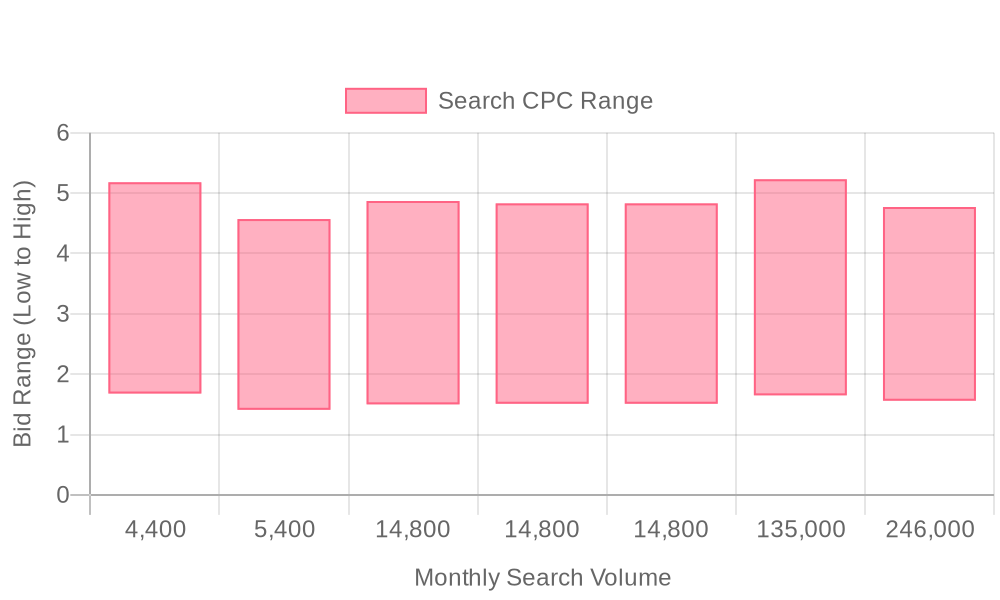
| Industry | Keyword | Monthly Search Volume | Competition Level | Low Bid | High Bid |
| Mobile Auto Repair | mobile car repair | 4400 | MEDIUM | 1.68 | 5.18 |
| Mobile Auto Repair | cheap mobile mechanic near me | 5400 | MEDIUM | 1.41 | 4.57 |
| Mobile Auto Repair | mobile auto repair | 14800 | LOW | 1.5 | 4.87 |
| Mobile Auto Repair | mobile auto repair near me | 14800 | MEDIUM | 1.51 | 4.83 |
| Mobile Auto Repair | mobile car repair near me | 14800 | MEDIUM | 1.51 | 4.83 |
| Mobile Auto Repair | mobile mechanic | 135000 | LOW | 1.65 | 5.23 |
| Mobile Auto Repair | mobile mechanic near me | 246000 | MEDIUM | 1.56 | 4.77 |
Effective keyword strategy is the foundation of successful Google Ads for Mobile Auto Repair campaigns. Prioritizing terms such as "mobile auto repair near me," "emergency car repair," and "on-site mechanic" ensures your budget targets high-intent, local prospects who are ready to book service. To go beyond the basics, explore this list of high-performing keywords for auto repair shops to further refine your Google Ads targeting and capture the most valuable local search traffic.
Leveraging high-volume, low-competition keywords delivers the best return on investment for mobile mechanic marketing. By identifying gaps in competitor coverage and incorporating terms like "roadside car repair" or "mobile mechanic open now," marketers can capture underserved searches at a lower cost per click. This approach enables rapid audience growth without inflating acquisition costs, especially when combined with real-time audience updates that reflect changes in demand and user behavior.
Modifiers such as city names, neighborhoods, or specific service types (e.g., "battery replacement at home," "brake repair mobile service in [city]") further enhance the relevance of Google Ads targeting for mechanics. These granular variants increase the campaign’s ability to match local searches and drive qualified leads, directly improving conversion rates. When paired with visitor identification, marketers can not only pinpoint high-value accounts but also ensure every lead is routed to the right sales workflow for immediate follow-up and true online/offline attribution. Accelerate your Google Ads results and campaign optimization, get started for free with Sona.
Step-by-Step Campaign Execution Framework
Step 1: Build Targeted Keyword Lists
Precision in keyword targeting is fundamental for Google Ads for Mobile Auto Repair success. Construct keyword lists centered on specific, high-intent services, such as brake repairs, roadside battery replacement, or emergency mobile diagnostics, to attract prospects who are most likely to convert. Incorporate geographic modifiers and mobile-centric phrases like “near me” or “on-site” to capture the immediacy and location-driven needs of this audience. Segmenting by vehicle type, urgency, and service category allows marketers to prioritize budget allocation toward the highest-value opportunities. With Sona’s visitor identification capabilities, marketers can go beyond anonymous clicks, uncovering which companies or decision-makers are searching for mobile mechanic services. For a comprehensive list of high-performing keywords, see auto repair shop keywords.
The upgrade most mobile auto repair advertisers miss is layering intent and identity signals on top of raw keyword volume. Connecting website-visitor data and CRM records with Sona Marketing Measurement shows which search terms bring in the accounts and customers that actually convert, so you can weight keyword and bidding strategy toward those terms rather than the ones with the highest search volume alone.
Step 2: Develop Responsive Ad Copy
Ad copy for mobile mechanic marketing must address the customer’s urgency and highlight trust signals that differentiate your service from competitors. Emphasize core pain points, such as vehicle breakdowns or unexpected maintenance emergencies, and pair these with compelling offers like “30-minute arrival” or “certified technicians.” Include local trust indicators, warranty information, and transparent pricing to inspire confidence and prompt action. Dynamic ad copy, informed by real-time intent data, enables marketers to adjust messaging based on shifting demand or regional service patterns. Explore more actionable tips for Google Ads for local businesses.
Step 3: Design Conversion-Driven Landing Pages
A seamless user journey begins with landing pages that match the promise of your ad and fulfill the visitor’s intent. Each landing page should be closely aligned with ad keywords, featuring clear service details, local availability, and prominent calls to action, such as instant booking, click-to-call, or service request forms. Address segmentation challenges by tailoring content for different service types and urgency levels, ensuring visitors see only the information most relevant to their immediate needs. Integration with Sona’s audience updates allows for dynamic landing page content as leads move through the funnel, improving engagement and reducing drop-off rates. For best practices in optimizing Google Ads campaigns for auto repair shops, refer to ad optimization strategies.
Step 4: Optimize with Data-Driven Insights
Ongoing optimization keeps Google Ads strategies for mechanics competitive and cost-efficient. Analyze cross-channel performance data, including click and conversion metrics, to see which services, keywords, and locations yield the best results, then apply that granularity to bid adjustments, audience exclusions, and budget reallocation. Conversion tracking that links online and offline actions delivers clear attribution and reveals the true ROI of every campaign. Sona's CRM and ad sync capabilities feed enriched audience segments and real-time lead data into Google Ads and sales platforms, fueling smarter retargeting and more precise local service ads for mechanics, so revenue teams can make informed decisions and continually refine mobile auto repair advertising for impact.
Sona Marketing Measurement closes the gap between clicks and revenue. It captures ad clicks with first-party measurement rather than third-party cookies, ties that click through UTM capture and ad-platform APIs to the actual record in your CRM, and reports ROAS by keyword and campaign instead of by last-click form fill. Feeding that revenue signal back into Smart Bidding and Performance Max compounds over time: the algorithms optimize toward booked mobile auto repair revenue, not cheap leads.
Tips on Expanding Your Mobile Auto Repair Presence
Expanding your mobile auto repair business requires a multi-channel marketing approach that accurately measures both online and offline results. Modern operators benefit from integrating campaign data, channel performance, and real-world conversions into a unified workflow, ensuring each marketing investment is traceable and optimized for maximum impact. For a deeper dive into digital advertising options and best practices for auto repair shops, explore this overview of digital advertising strategies.
- Use UTM tags for cross-channel analytics: Implementing UTM tags in your digital campaigns is essential for tracking the customer journey across all touchpoints. This enables clear attribution of leads, whether they start from a click on a Google Ads campaign or a partner referral, and supports granular reporting on which channels drive the highest value. For businesses leveraging both digital and traditional tactics, advanced attribution tools can automatically reconcile website conversions with call bookings or in-person appointments, providing a holistic view of marketing effectiveness. By connecting these insights directly to your CRM and ad platforms, enriched with behavioral and firmographic data, you can identify which prospects are progressing fastest through the funnel and adjust spend to capitalize on high-intent opportunities.
- Partner with industry associations for co-branded marketing: Building credibility and expanding reach often requires strategic partnerships. By collaborating with industry associations, mobile auto repair providers can access co-branded marketing opportunities, such as joint webinars, local sponsorships, or featured directory listings. These alliances position your business within trusted industry contexts, helping you engage decision-makers in commercial fleets, dealerships, or insurance networks. With unified campaign and audience data, you can measure which partnerships generate the most qualified leads and nurture them with tailored messaging as they interact with both your brand and your partners’ channels.
- Localize campaigns by state or metro region: To capture diverse demand across regions, localizing your Google Ads for mobile auto repair campaigns is critical. Segmenting by state, city, or metro area allows you to adjust creative, offers, and bidding strategies to reflect local search behaviors, seasonal patterns, and competitive density. For example, targeting “emergency mobile mechanic in Los Angeles” versus “roadside repair service in Houston” ensures relevance and improves conversion rates. For a list of high-performing keywords to maximize your local campaign, check out these auto repair shop keywords. Dynamic audience updates and real-time intent monitoring further refine your targeting, as prospects move between initial research, price comparison, and urgent service needs, allowing you to shift budget to the most promising geographic segments and personalize engagement at scale.
These strategies, run inside a connected, data-driven setup, address the common failure points: missed follow-up, fragmented attribution, incomplete ROI measurement. Integrating campaign data, audience insights, and conversion tracking into a single workflow lets you expand your market presence with confidence instead of guesswork.
Beyond Google Ads: Winning the AI Answers Mobile Auto Repair Buyers Now Trust
Paid search captures demand at the moment someone types a query. But a fast-growing share of mobile auto repair buyers no longer start at Google at all, they ask ChatGPT, Gemini, or Perplexity before they ever run a search, and Google's own AI Overviews increasingly summarize an answer above the traditional results. If your business isn't referenced in those AI answers, you're invisible at the exact moment buyers build their shortlist.
Sona AI Visibility shows where your business shows up across ChatGPT, Gemini, Perplexity, Google AI Overviews, and 10+ engines, and, much like a keyword report, which prompts actually send you buyers, so you can prioritize the ones that convert. Run the two together and you cover the entire buyer path: get cited where buyers research (AI Visibility), then prove which of that demand turns into booked revenue (Marketing Measurement).
Helpful resources
Conclusion
Google Ads works for mobile auto repair because it meets drivers at the moment their car fails them, not days later when they've already called a competitor. The campaigns that win aren't the ones with the biggest budgets but the ones built around real urgency: tight local targeting, keyword lists that match how people actually search during a breakdown, and landing pages that get straight to price and availability.
The shops pulling ahead are the ones treating Google Ads as one piece of a measurement loop, not connecting keyword spend to which jobs actually got booked means guessing at what's working. As AI tools increasingly answer "who can fix my car today" before a search ever happens, that same measurement discipline, knowing what drives a real appointment versus a vanity click, will decide who gets found first.
FAQ
What are the best practices for Google Ads in mobile auto repair?
Best practices include precise audience targeting, conversion-centric landing pages, integrated data flows, and leveraging high-intent keywords such as 'mobile mechanic near me' and 'emergency roadside repair' to capture high-value prospects.
How can I optimize my Google Ads for a mobile mechanic service?
Optimize by conducting deep research into local search behavior, using audience segmentation, aligning landing pages with ad copy, tracking conversions across all touchpoints, and integrating data with CRM systems for dynamic audience updates.
What budget should I allocate for Google Ads in the auto repair industry?
While the article doesn't specify an exact budget, it emphasizes focusing ad spend on high-intent keywords and local targeting to maximize ROI, suggesting that budget allocation should prioritize areas with the highest conversion potential.
How do I target local customers with Google Ads for mobile auto repair?
Target local customers by using geographic modifiers in your keywords, setting up campaigns with radius targeting around high-traffic zones, and tailoring ads to reflect local search behaviors and service urgency.
What metrics should I track to measure the success of my Google Ads campaigns for auto repair?
Track metrics such as conversion rates from online forms, phone calls, text inquiries, and offline bookings. Use advanced attribution to connect these conversions to specific campaigns for a clear view of ROI.







