


Auto body shop equipment suppliers sell into a narrow, relationship-driven market: shop owners and multi-location groups who research frame machines, paint booths, and diagnostic tools long before they call a rep, then need a quote fast once a decision is triggered by a lease renewal, an insurance-driven upgrade, or a failed inspection. Google Ads reaches these buyers at the exact moment they're searching, complementing trade shows and referral relationships rather than replacing them. The persistent problem is visibility into who's actually behind the click: without proper tracking, suppliers spend against anonymous traffic and can't tell a curious technician from a shop owner ready to buy. Identity and intent tools now make it possible to separate the two and put budget behind the accounts most likely to close.
How to Generate Auto Body Shop Equipment Suppliers Leads with Google Ads: A Step-by-Step Guide
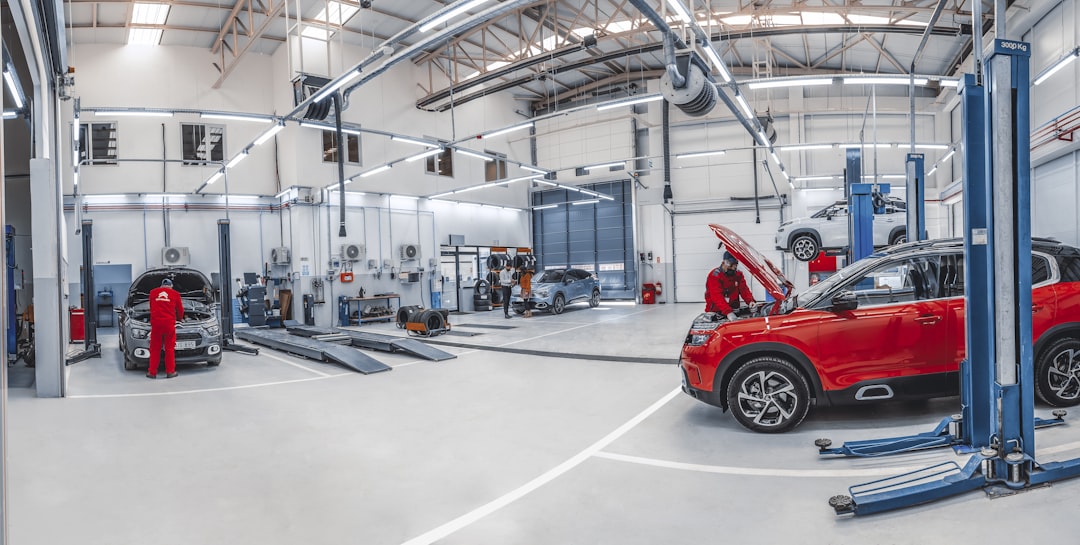
Auto body shop equipment suppliers sell into a market where buyers demand specialized products, fast quotes, and proof of ROI before committing capital. Precision targeting and real-time engagement separate a lost prospect from a new account. Marketing teams now use tools to surface high-intent buyers, act on that signal quickly, and refine campaigns against measurable outcomes rather than guesswork.
A strategic Google Ads program for automotive equipment businesses delivers a steady stream of qualified leads once it's built into a unified go-to-market framework. Success depends on aligning audience and keyword strategies, tightening landing experiences, and reading performance data closely enough to keep improving. For a broader look at advertising strategy in this space, see this guide to ads for auto repair.
- Develop a data-driven approach: Fold Google Ads into your broader demand generation plan so campaign goals track business goals. This keeps valuable prospects from slipping through the cracks by connecting ad-driven engagement with CRM and sales systems. Marketers who unify go-to-market data can identify previously anonymous website visitors, attribute their actions, and prioritize outreach to the ones most likely to convert.
- Audience and keyword targeting: Focus on granular automotive equipment keywords and segment audiences by intent and buying stage. This captures high-value prospects while cutting wasted impressions. Visitor identification helps marketers see which companies are interacting with their ads, so budget shifts toward accounts showing the strongest purchase signals. As audiences move through the funnel, dynamic updates keep messaging and offers relevant, lifting conversion rates and sales velocity.
- Optimize landing pages: Match each landing page to the ad's promise, so messaging, visuals, and calls-to-action mirror search intent. A seamless experience lifts conversion rates and cuts bounce. Enriching lead data captured from landing pages and syncing it immediately into sales and marketing systems lets teams follow up before competitors reach the same buyer.
- Implement performance metrics: Track KPIs such as cost per lead, conversion rate, and pipeline attribution continuously. Advanced attribution models that combine online and offline conversion data give a full view of campaign impact. Marketers can surface signals like repeat visits or form submissions and refine targeting or creative in real time.
- Cross-channel integration: Combine Google Ads efforts with content marketing, email, and social outreach for maximum impact. Cross-channel data integration enables consistent messaging, coordinated nurture paths, and more efficient spend allocation. Syncing enriched audience segments and leads across platforms like Google Ads, HubSpot, and Salesforce ensures that prospects receive the right message at every stage, reducing confusion and accelerating deal cycles.
Applied consistently, this framework turns paid search into a scalable, insight-driven growth engine for auto body shop equipment suppliers, one that outpaces competitors still buying keywords blind. Get started for free with Sona.
Why Does Google Ads Matter for Auto Body Shop Equipment Suppliers?

Auto body shop equipment suppliers work in a specialized market where timing and precision in outreach affect revenue directly. Digital advertising lets suppliers engage decision-makers in real time, matching marketing to the immediate intent of buyers researching equipment solutions. For a deeper look at proven advertising strategies in this sector, see this overview of effective advertising for auto repair shops.
- Niche Audience Engagement: Sophisticated targeting capabilities allow marketers to reach influential buyers at the exact moment they're researching auto body equipment. By leveraging advanced visitor identification, teams can move beyond anonymous clicks and pinpoint which companies are visiting their product pages, even if those visitors do not fill out a form. This approach increases the pool of qualified leads and enables proactive outreach to high-value prospects previously invisible to sales teams.
- High-Margin Opportunities: Unlock opportunities for promoting new installations and equipment upgrades to organizations outside the standard sales pipeline. By identifying visitors expressing intent on high-value pages, suppliers can engage buyers earlier in the decision cycle, reducing the risk of delayed follow-ups that often result in missed deals. Real-time behavioral insights help marketing teams prioritize outreach, ensuring that every potential deal is captured at its most actionable stage.
- Immediate Demand Spike Response: With dynamic ad campaigns, suppliers can respond instantly to surges in demand. Triggering relevant ads based on real-time visits to high-impact pages ensures that buyers looking for urgent solutions see the right message at the right time. This capability is especially powerful during seasonal peaks or industry events, keeping the brand top-of-mind when purchasing intent is highest.
- Regional Expansion: Data-driven strategies make it possible for suppliers to enter new markets with confidence. Real-time visitor analytics inform regional campaign adjustments, enabling tailored outreach in emerging or underserved territories. This approach accelerates market penetration and drives consistent pipeline growth.
- Brand Authority and Retention: Unified marketing data lets suppliers differentiate from competitors by using customer insight to personalize messaging. Analyzing engagement patterns helps teams spot churn risk and upsell opportunities, supporting both retention and revenue growth. Attribution models that connect online and offline conversions give a holistic view of Google Ads ROI for auto body shop equipment suppliers, so every campaign dollar is accounted for.
Ready to maximize the impact of every campaign? Get started for free with Sona.
Common Types of Google Ads Campaigns for Auto Body Shop Equipment Suppliers

- Search Campaigns: These target high-intent searchers, decision-makers actively seeking auto body shop equipment. Mapping keywords to buying signals lets suppliers intercept prospects when purchase intent is strongest. Ads can run as responsive search ads, an ad format that tests multiple headlines and descriptions to find the best-performing combination. Integrating unified data platforms lets marketers move beyond anonymous clicks, identifying which companies are behind the searches and focusing spend on accounts with real potential.
- Display Ads: Display campaigns maintain visibility across relevant industry sites, nurturing prospects who aren't yet ready to buy. Strategically placed creative reinforces product value and keeps your brand top-of-mind as buyers progress through their research. Using dynamic audience segments, marketers can ensure that display impressions evolve as leads move from initial research to purchase consideration.
- Video Ads: Video formats excel at demonstrating complex equipment in use, breaking down technical features and building trust with hands-on visuals. These campaigns capture attention on platforms like YouTube, transforming troubleshooting searches into upsell opportunities. Real-time intent data makes it possible to shift budget toward accounts showing the most engagement, increasing the likelihood of moving buyers further down the funnel. For practical tips on leveraging YouTube for auto body shop lead generation, see this video guide.
- Remarketing: Remarketing campaigns re-engage site visitors who previously signaled interest but didn't convert. By targeting these warm leads with tailored messaging, suppliers can recapture lost opportunities and accelerate the sales cycle. Advanced tracking tools close the loop between ad exposure and both online and offline conversions, delivering a more accurate view of ROI.
- Performance Max: Performance Max campaigns run across Search, Display, YouTube, and Gmail from a single campaign, letting Google's bidding find equipment buyers wherever they're active. For suppliers with enough conversion history, this fills gaps between dedicated Search and Display campaigns without requiring a separate build for each channel.
- Ad Assets: Ad assets (formerly called extensions) add critical business information, such as certifications, financing options, or exclusive offers, directly into search ads. This lifts click-through rates and keeps messaging consistent at every touchpoint. Synchronizing CRM data with ad campaigns ensures assets highlight the offers most relevant to each segment.
Where to Find Growth Opportunities?

Identifying untapped channels is critical for suppliers of auto body shop equipment seeking to scale predictable revenue. Modern B2B teams realize that growth is about precision, not just reach: targeting the right verticals, closing competitor gaps, and using intent-driven signals unlocks higher-value leads and sustainable returns.
- Vertical keyword strategies: Specialized equipment often sits in overlooked keyword niches. By developing tailored keyword lists for high-margin products or unique SKUs, suppliers uncover segments with lower competition and higher purchase intent. This approach directly addresses the frustration many suppliers face when broad targeting yields poor-quality leads. With advanced first-party data and behavioral insight, marketers can pinpoint which vertical terms drive the most qualified traffic, then allocate budget for maximum impact. For a deeper dive into effective advertising in the industry, see this overview of auto repair shop ads.
- Competitor gap analysis: Reviewing which keywords and audiences competitors neglect reveals market whitespace. Layering conversion and engagement data lets suppliers prioritize segments incumbents ignore, filling voids that drive incremental market share. Sona surfaces intent signals so revenue teams know when a previously passive account turns active, timing outreach to influence the decision.
- Partnership placements: Listing on trade directories and forming strategic alliances with industry platforms extends reach inside trusted circles. These placements, when paired with dynamic audience syncing, ensure campaigns target not only new prospects but also nurture existing relationships as they progress through the funnel. Integrating CRM and ad platforms ensures that audience updates and enriched lead data seamlessly activate across paid channels, keeping engagement timely and relevant.
- Content-based retargeting: Retargeting site visitors who engage with technical guides, product comparisons, or case studies keeps the brand top-of-mind throughout the buying cycle. By linking content consumption with visitor identification, suppliers can personalize follow-up messaging, optimizing touchpoints for higher conversion. Utilizing offline and online conversion tracking validates which content and retargeting strategies truly drive revenue, closing the loop on marketing ROI for auto body shop equipment suppliers.
These strategies, built on unified data and intent-driven insights, position suppliers to capture growth while maximizing every marketing dollar. For deeper tactical guidance, explore retargeting strategies tailored for B2B equipment providers, or get started for free with Sona to put intent-driven campaigns into action.
How to Apply Audience Segmentation for Auto Body Shop Equipment Suppliers
Precise audience segmentation is essential for auto body shop equipment suppliers aiming to increase their Google Ads ROI. By systematically dividing prospects based on business characteristics and digital behaviors, marketers can deliver relevant messaging and maximize budget efficiency. For a broader understanding of effective advertising strategies in this market, explore this overview of advertising for auto repair shops.
- Define Key Segments: Segmenting prospects by variables such as shop size, geographic location, or specialization ensures campaigns reach the right buyers. Storing these attributes in your CRM clarifies where a prospect sits in the buying cycle. When marketers can identify not just anonymous traffic but the specific companies or decision-makers visiting their pages, Sona's Identity Resolution makes campaign targeting far more effective.
- Intent Signal Integration: Integrating real-time intent data allows suppliers to differentiate between prospects researching routine maintenance equipment and those preparing for major upgrades. Tracking in-market behaviors, such as product page views, demo requests, and repeat site visits, enables teams to prioritize spend on high-value accounts. Dynamic intent signals help shift budgets and messaging toward those most likely to convert, supporting a more focused approach to Google Ads targeting for auto repair equipment.
- Ad Group Customization: Each segment requires unique ad creative, offers, and budget allocation to avoid wasted impressions and messaging fatigue. For example, small independent shops may respond to flexible financing, while large multi-location operations often seek bulk discounts or integration capabilities. Adjusting ad groups and bidding strategies according to real-time audience updates ensures that campaigns remain aligned with shifting buyer needs. Systems that sync CRM and intent-enriched audience data directly into Google Ads simplify this process, ensuring your audience lists are always current.
- Track Journey Progress: Linking conversion tracking between ad platforms and CRM systems gives suppliers a holistic view of every buyer's journey. This unified data foundation supports both online and offline attribution, allowing revenue teams to measure true campaign impact and fine-tune follow-up engagement. Comprehensive journey tracking not only ties paid clicks to actual sales pipeline outcomes but also enables timely, personalized follow-ups, improving engagement retention. For ongoing optimization, using solutions that automate the sync of enriched leads and conversion data into platforms like Google Ads, HubSpot, or Salesforce provides a closed feedback loop for continual campaign improvement.
For suppliers focusing on Google Ads optimization for automotive equipment, robust segmentation strategies will yield more relevant impressions, higher conversion rates, and ultimately stronger revenue outcomes. This approach supports scalable, data-driven growth for auto body shop equipment businesses. Ready to see these segmentation strategies in action? Get started for free with Sona.
This is also where measurement changes the economics. With Sona Marketing Measurement you can identify the companies behind your ad clicks, not just anonymous sessions, and segment audiences by which of those companies actually become customers. That lets you build bid adjustments and audience signals around the segments that convert and de-prioritize the ones that don't, so you feed Google's algorithms "this click became a paying auto body shop equipment suppliers customer" instead of just "someone filled out a form."
Keyword Strategy & Sample Target Terms
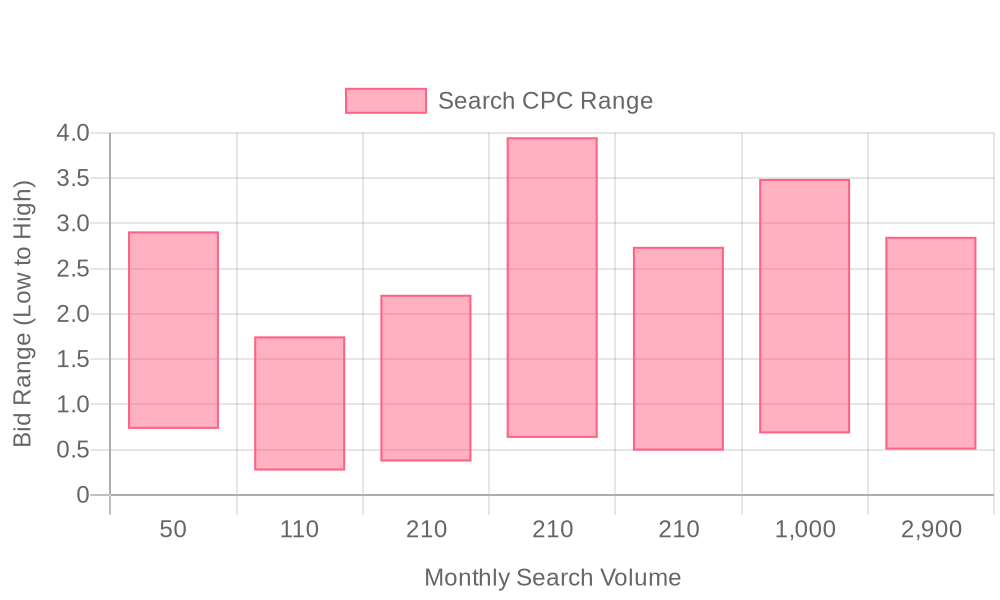
| Industry | Keyword | Monthly Search Volume | Competition Level | Low Bid | High Bid |
| Auto Body Shop Equipment Suppliers | wholesale auto body supplies | 50 | HIGH | 0.73 | 2.91 |
| Auto Body Shop Equipment Suppliers | auto body repair supplies | 110 | HIGH | 0.27 | 1.75 |
| Auto Body Shop Equipment Suppliers | auto body tools and equipment | 210 | HIGH | 0.37 | 2.21 |
| Auto Body Shop Equipment Suppliers | body shop supplies wholesale | 210 | LOW | 0.63 | 3.95 |
| Auto Body Shop Equipment Suppliers | auto body supplies online | 210 | HIGH | 0.49 | 2.74 |
| Auto Body Shop Equipment Suppliers | auto body paint supply near me | 1000 | MEDIUM | 0.68 | 3.49 |
| Auto Body Shop Equipment Suppliers | auto body supplies | 2900 | HIGH | 0.5 | 2.85 |
A successful Google Ads strategy for auto body shop equipment suppliers begins with precise keyword targeting tailored to the industry's buying cycle and search intent. Prioritizing high-conversion, industry-specific terms ensures budget efficiency while reaching decision-makers seeking specialized automotive equipment. For an in-depth look at effective advertising strategies, review this overview of ads for auto repair businesses, which highlights approaches that can also benefit equipment suppliers.
- Keyword Targeting: Segment keywords into high-competition and low-competition groups, evaluating cost-per-click and search volume to guide bidding strategies. High-intent keywords such as "auto body frame machine supplier" or "collision repair paint booth equipment" attract buyers further down the funnel, while broader terms like "auto repair equipment" support brand visibility and capture early-stage interest. Aligning these terms with ad copy and landing pages improves Quality Score, reducing cost-per-acquisition and boosting campaign relevance. Leveraging real-time intent signals enables marketers to shift budget toward accounts demonstrating immediate purchasing behavior, resulting in higher Google Ads ROI for auto body shop equipment suppliers.
- Negative Keywords: Filtering out irrelevant queries prevents wasted spend on unqualified traffic such as "DIY auto body repair tips" or "used equipment for sale." By integrating negative keyword lists, teams can focus on prospects ready to invest in new, commercial-grade solutions. This approach also closes gaps in prospect tracking, especially when paired with visitor identification technology that reveals which companies are engaging with your ads, providing actionable insights to sales teams.
- Integration Opportunities: Combining keyword insights with behavioral and CRM data allows marketers to sync enriched audiences directly into Google Ads. As leads move through the funnel, audience segments dynamically refresh and ad messaging evolves to reflect changing needs. This unification of engagement and content platforms ensures that display and search campaigns remain highly relevant, maximizing both reach and conversion rates. Enhanced online and offline conversion tracking further clarifies marketing's impact, enabling revenue teams to attribute pipeline growth to specific PPC strategies for auto body shop suppliers. If you're ready to optimize your Google Ads strategy with seamless audience activation and tracking, get started for free with Sona.
Step-by-Step Campaign Execution Framework
Step 1: Build Targeted Keyword Lists
Precision in keyword targeting drives scalable lead generation for auto body shop equipment suppliers. Grouping keywords by service type, such as frame machines, paint booths, or diagnostic tools, eliminates overlap and ensures each ad set attracts the right buyer persona. Address regional needs through local modifiers like city names or service area references, and use negative keywords to exclude unrelated search traffic, preventing wasted ad spend. For practical tips on structuring automotive ad campaigns, review this overview of effective advertising strategies for auto repair shops.
Integrating keyword lists with unified data systems allows marketers to sync intent signals and behavioral data into audience targeting. As users engage across your site or download resources, their actions feed directly into real-time audience pools, enabling campaigns to dynamically update so high-intent leads see contextually relevant ads as they move through the sales funnel.
The upgrade most auto body shop equipment suppliers advertisers miss is going beyond raw keyword volume to layer in intent and identity signals. By connecting website-visitor data and CRM records with Sona Marketing Measurement, you can see which specific search terms bring in the accounts and customers that actually convert, and weight your keyword and bidding strategy toward those rather than the terms with the highest search volume alone.
Step 2: Develop Compelling Ad Copy
Google Ads for auto body shop equipment suppliers succeed when ad copy speaks directly to the target audience's pain points. Detail how your solutions address challenges such as equipment downtime, regulatory compliance, or ROI on capital investments. Leverage trust signals in your messaging, industry certifications, testimonials from reputable body shops, and real case studies validate expertise and reduce skepticism. For real-world inspiration on messaging and lead generation, watch this video guide for auto body shop Google Ads.
Incorporate urgency into ad copy with time-limited offers, bonus training packages, or exclusive demos, compelling prospects to act before competitors reach them. As new data surfaces, like recent page views or demo requests, ad copy can be tailored in real time to address specific needs, helping increase engagement and conversion rates. To further strengthen your messaging, explore these actionable guides and frameworks.
Step 3: Design Effective Landing Pages
Landing pages for auto body shop equipment suppliers must align tightly with ad keywords and calls to action. Each page should clearly reflect the promise in the ad, using benefit-driven headlines and direct paths to conversion such as quote requests or demo scheduling. Minimizing friction in the form fills, providing instant access to product catalogs, and offering instant chat support all contribute to a seamless user experience.
Unified data platforms can identify returning visitors and personalize landing page content based on their previous interactions. For example, a visitor previously interested in spray booths will see tailored product recommendations and relevant testimonials, increasing the likelihood of conversion. Consistent alignment between keyword intent, ad copy, and landing page content reduces funnel leakage and improves overall campaign efficiency. If you want to see how successful auto body shops have driven results, check out this case study on Google Ads lead generation.
Step 4: Implement Data-Driven Optimizations
Continuous data-driven optimization elevates Google Ads ROI for auto body shop equipment suppliers. Track conversion rates, cost per acquisition, and offline sales attribution to refine ad spend allocation. A/B test ad headlines, images, and landing page formats to discover what resonates with distinct buyer segments.
Connecting ad platforms with CRM and enriched audience data enables full-funnel visibility. As new leads convert, whether online or through offline sales reps, their data syncs back into audience pools, allowing campaigns to focus on accounts with active purchase intent. These feedback loops support more granular budget shifts, targeting resources toward the highest-value prospects and driving measurable revenue impact for automotive equipment businesses. For more community-driven insights, explore this marketing discussion for body shops.
Sona Marketing Measurement closes the gap between clicks and revenue. It captures every ad click with first-party tracking, ties that click through UTM capture and ad-platform APIs to the actual company record in your CRM, and reports ROAS by keyword and campaign instead of by last-click form fill. Feeding that revenue signal back into Smart Bidding and Performance Max compounds over time: the algorithms optimize toward booked auto body shop equipment suppliers revenue, not cheap leads.
Beyond Google Ads: Winning the AI Answers Auto Body Shop Equipment Suppliers Buyers Now Trust
Paid search captures demand at the moment someone types a query. But a fast-growing share of auto body shop equipment suppliers buyers no longer start at Google at all, they ask ChatGPT, Gemini, or Perplexity before they ever run a search, and Google's own AI Overviews increasingly summarize an answer above the traditional results. If your business isn't referenced in those AI answers, you're invisible at the exact moment buyers build their shortlist.
Sona AI Visibility shows where your business shows up across ChatGPT, Gemini, Perplexity, Google AI Overviews, and 10+ engines, and, much like a keyword report, which prompts actually send you buyers, so you can prioritize the ones that convert. Run the two together and you cover the entire buyer path: get cited where buyers research (AI Visibility), then prove which of that demand turns into booked revenue (Marketing Measurement).
Helpful resources
Conclusion
Google Ads works for auto body shop equipment suppliers when it's built around who actually buys, shop owners weighing capital costs against uptime, and when it's connected to the systems that show which clicks became customers. Targeted campaigns, tightened landing pages, and real attribution turn ad spend from a cost center into a predictable source of qualified leads.
The suppliers who pull ahead won't just run more ads, they'll be the ones who can say which keyword, which campaign, and which account turned into booked revenue, and who show up when a buyer asks an AI assistant for a recommendation instead of typing a search query. That's the shift worth building toward now, not after competitors get there first.
If you're ready to see these strategies in action, explore how our platform can enhance your marketing efforts and drive meaningful results.
FAQ
What are the best Google Ads strategies for auto body shop equipment suppliers?
The best Google Ads strategies involve precise targeting, data-driven optimization, and integrating ad campaigns with broader marketing efforts. This includes aligning audience and keyword strategies, optimizing landing pages, and implementing performance metrics for continuous improvement.
How can I target auto body shops with Google Ads?
You can target auto body shops by using granular automotive equipment keywords, segmenting audiences by intent and buying stage, and employing advanced visitor identification to focus on high-value prospects.
What are some effective Google Ads keywords for auto body shop equipment suppliers?
Effective keywords include high-intent terms like "auto body frame machine supplier" and "collision repair paint booth equipment," as these attract buyers further down the funnel.
How can I measure the success of my Google Ads campaigns for auto body shop equipment?
Success can be measured by tracking KPIs such as cost per lead, conversion rate, and pipeline attribution, using advanced attribution models that combine online and offline conversion data.
What are some tips for retargeting auto body shop customers with Google Ads?
Tips for retargeting include targeting warm leads with tailored messaging, using advanced tracking tools to connect ad exposure with conversions, and ensuring messaging stays relevant as leads progress through the funnel.







