


Aircraft cleaning contracts rarely close on a single visit to a website. A facilities manager researching FAA-compliant cleaning or an MRO shopping for a hangar sanitation vendor might browse for weeks before requesting a quote, often without ever entering your CRM, and by the time sales notices the interest, the buyer has cooled off or signed with a competitor. Google Ads for Aircraft Cleaning fills that middle-funnel gap: it puts your service in front of decision-makers at the moment they're searching for a solution, rather than waiting for them to find you. Used well, it also gives revenue teams something offline channels rarely do, a clear line from click to closed deal, so marketing and sales can work from the same picture of what's actually driving contracts.
How to Generate Google Ads for Aircraft Cleaning Leads: A Step-by-Step Guide
B2B revenue teams in the aircraft cleaning industry need to reach decision-makers at the moment they're searching, whether that's a maintenance director researching compliance requirements ahead of an audit, or a fleet operator with an AOG event who needs a crew dispatched today. A Google Ads strategy built around these realities, urgency, licensing and FAA compliance, and seasonal maintenance cycles, delivers visibility exactly when it matters. For an overview of how specialized cleaning businesses can maximize ad impact, see this guide to Google Ads for air duct cleaning.
Most website visitors never fill out a form, they research, compare, and leave, and traditional analytics can't tell you which airports, MROs, or fleet operators were behind that traffic. Sona's Identity Resolution addresses that directly: it identifies the companies behind anonymous visits, so cleaning service providers can prioritize outreach, personalize messaging, and forecast pipeline value with far less wasted spend.
A campaign that reliably generates aircraft cleaning leads follows a disciplined sequence: build keyword lists, craft audience segments, align landing pages, sharpen creative assets, and integrate conversion data so ROI is measured on closed revenue rather than clicks. Layering in real-time visitor identification and intent data lets marketers shift budget and offers as buying signals change, keeping ads focused on the companies actually in-market.
CRM and ad platform integration means that as prospects engage or convert, audience lists update automatically, powering retargeting and lookalike campaigns across Google and beyond. That removes the usual silo between sales and marketing, and lets teams track every touchpoint from first click to signed contract. To put these strategies into action, get started for free with Sona.
Why Does Google Ads Matter for Aircraft Cleaning?
For aircraft cleaning businesses, precision in reaching key decision-makers is critical to winning high-value contracts. Google Ads provides real-time access to plant managers, procurement heads, and aviation facility leaders seeking specialized cleaning services, giving providers a decisive edge when every minute counts for compliance and operational uptime. For a practical overview of how Google Ads can help air duct and aircraft cleaning companies generate leads, explore this Google Ads for air duct cleaning resource.
Unlike traditional channels that suffer from slow response times and manual lead qualification, Google Ads activates instant visibility during peak buying intent. Closed-loop measurement ensures every campaign is directly tied to pipeline results, allowing aviation cleaning businesses to refine their account-based marketing strategies and quickly identify which channels and messages drive contract wins.
The platform's ability to move a qualified lead from search to sales conversation quickly is what makes it valuable for aircraft cleaning advertising. By unifying intent data with firmographic and behavioral detail on inbound prospects, marketers can move past anonymous website visits and see which companies are actively evaluating cleaning partners. That means high-converting accounts get priority, budget shifts toward what's working, and every campaign keeps optimizing for pipeline, not just clicks.
Common Types of Google Ads Campaigns for Aircraft Cleaning Services

- Search Campaigns: Search campaigns are the backbone of high-intent lead generation for aircraft cleaning services. By targeting specific queries such as “FAA-compliant aircraft cleaning” or “airport pressure washing,” these campaigns connect you directly with aviation decision-makers seeking immediate service. Integrating Sona Identification into your approach moves you beyond anonymous traffic, allowing your team to recognize which airports, MROs, or fleet operators are actively searching and to tailor follow-up accordingly.
- Display Campaigns: Display ads extend the reach and awareness of your aircraft cleaning brand, keeping your services visible to audiences browsing trade publications, aviation forums, and industry blogs. That persistent presence matters for procurement managers and maintenance chiefs who aren't ready to convert yet but will be searching again before their next inspection cycle or contract renewal. With real-time intent signals, you can shift budget toward accounts showing increased engagement, so your ads follow your most promising prospects rather than a fixed audience list. For a closer look at how air duct and cleaning businesses structure their display campaigns, see this overview of Google Ads for air duct cleaning businesses.
- Video Campaigns: Video campaigns allow you to tell the story of complex aircraft cleaning processes, from specialty degreasing to cabin disinfection, in a format that builds trust and credibility. Demonstrating cleaning efficacy, compliance, and safety in short, engaging videos helps alleviate buyer concerns and shortens the evaluation cycle. Advanced conversion tracking can link video engagement directly to subsequent form fills or calls, providing clear attribution for every marketing dollar spent.
- Remarketing Campaigns: Remarketing is essential for nurturing prospects who visit your site but do not immediately request a quote or schedule service. By re-engaging these visitors with tailored messaging about specific cleaning certifications or rapid-response capabilities, your campaigns increase the likelihood of conversion during future touchpoints. Dynamic audience updates ensure your retargeting lists remain accurate as prospects move through the funnel, focusing spend only on high-potential opportunities.
- Ad Assets: Ad assets add context and trust signals to your Google Ads for aircraft cleaning, things like direct call buttons, location details, or links to compliance documents and customer testimonials. These make it easier for busy aviation professionals to find what they need, which improves click-through rates. When CRM and ad platforms are synced, your assets can reflect real-time changes in service offerings, on-call availability, and regional certifications, so every ad interaction stays current.
Where to Find Growth Opportunities in Aircraft Cleaning?

Aircraft cleaning companies operate in a market where traditional channels rarely capture the full value of digital marketing. Growth comes from moving past broad tactics toward vertical keyword targeting and advanced audience building aimed at high-intent aviation prospects that generic campaigns miss. These strategies surface contract opportunities from commercial carriers, MROs, and private aviation operators, buyers who tend to search for specialized providers rather than generalists, and often only when a compliance deadline or AOG event is forcing the decision.
Utilizing vertical keyword targeting, which connects your ads directly to aviation-specific searches such as "aircraft corrosion removal" or "hangar cleaning services," this hyper-focused approach ensures ads are shown to decision makers who are not just browsing, but actively seeking FAA-compliant cleaning partners. By tracking in-market behavior, marketers can identify visitors researching technical cleaning standards or requesting pricing for recurring fleet detailing, then redirect more budget toward these high-value segments. Connecting online and offline conversion paths also solves the persistent challenge of incomplete ROI: advanced attribution models integrate call tracking, form fills, and sales rep follow-ups, providing a comprehensive view of which campaigns truly drive new contracts.
Competitor gap analysis uncovers untapped market share by revealing which service lines or airport locations are under-served in digital advertising. Reviewing the search landscape for missing keywords, ad placements on industry directories, or underutilized LinkedIn groups allows marketers to build campaigns that fill these gaps. When enriched with company-level visitor identification, these insights evolve from abstract data points into actionable pipeline opportunities. The ability to sync enriched audiences directly into CRM and ad platforms ensures that as high-intent leads are identified, they are immediately actionable by sales and marketing teams.
Industry-specific placements, such as ads on aviation forums, FBO operator websites, or technical maintenance blogs, attract prospects further down the funnel. For product-driven growth, showcasing solutions like PPC Belly Wash aircraft cleaner on aviation-focused platforms can boost credibility and position your brand alongside trusted industry resources. Content retargeting then nurtures prospects who engaged with your educational whitepapers or case studies, aligning messaging with their stage in the decision cycle. As leads progress, dynamic audiences automatically update, allowing marketers to personalize follow-up ads and ensure no opportunity is lost to outdated or generic outreach.
Growth in aircraft cleaning advertising comes from a unified approach: precision keyword targeting, competitive insight, intent-driven audience building, and conversion tracking that connects online clicks to offline contracts. Put these together and B2B revenue teams consistently find and convert the high-intent prospects that drive long-term contract growth.
How to Apply Audience Segmentation for Aircraft Cleaning
Audience segmentation in aircraft cleaning marketing ensures every campaign aligns precisely with the needs and timing of key aviation buyers. By moving past surface-level website analytics, marketers can define segments based on real operational requirements, such as commercial airlines, private jet operators, or MRO (maintenance, repair, and overhaul) facilities. This approach makes each message more relevant, driving higher engagement and qualified lead rates from Google Ads for Aircraft Cleaning.
Segmenting by client type provides a clear foundation for your targeting strategy. Instead of relying on generic audience lists, you can map ad groups to buyer intent signals, like routine maintenance schedules or urgent aircraft turnaround needs. Overlaying these intent signals with historical search and interaction data, marketers can identify when a fleet manager is actively researching cleaning protocols or compliance solutions. With real-time audience insights, you can dynamically adjust spend toward segments showing in-market behavior, reducing wasted impressions and increasing ROI.
Ensuring conversion tracking captures all customer journeys is essential for accurate attribution. Integrating advanced tracking with CRM systems creates a feedback loop, so no high-value lead is missed or misprioritized. This sync between audience data and ad platforms enables you to update retargeting pools as prospects move through the funnel. Marketers can then tailor follow-up offers, such as post-inspection cleaning or rapid-response AOG services, to accelerate deal cycles and demonstrate deep understanding of aviation customer needs. By closing the gap between ad engagement and actual closed revenue, aircraft cleaning businesses gain a competitive edge in digital marketing for cleaning services.
Ready to leverage segmentation and intent data for your campaigns? Get started for free with Sona.
This is also where measurement changes the economics. With Sona Marketing Measurement you can identify the companies behind your ad clicks, not just anonymous sessions, and segment audiences by which companies actually become customers. That lets you build bid adjustments and audience signals around the segments that convert, and de-prioritize the ones that don't, so you feed Google's algorithms "this click became a paying aircraft cleaning customer" instead of just "someone filled out a form."
Keyword Strategy & Sample Target Terms
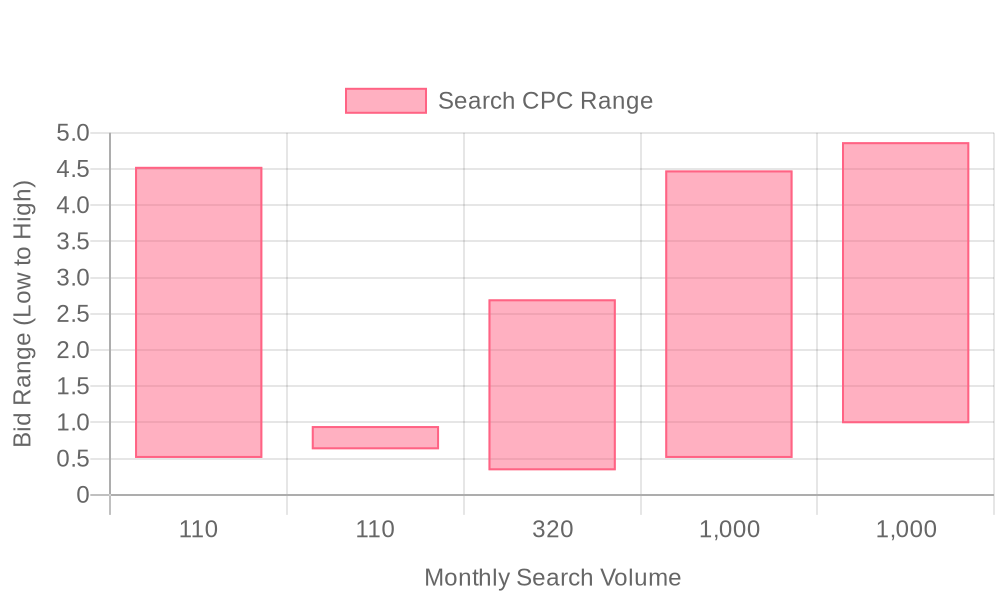
| Industry | Keyword | Monthly Search Volume | Competition Level | Low Bid | High Bid |
| Aircraft Cleaning | irobot braava jet cleaning solution | 110 | HIGH | 0.51 | 4.53 |
| Aircraft Cleaning | swiffer wet jet hardwood | 110 | HIGH | 0.63 | 0.95 |
| Aircraft Cleaning | airplane cleaner | 320 | MEDIUM | 0.34 | 2.7 |
| Aircraft Cleaning | aircraft cleaning | 1000 | MEDIUM | 0.51 | 4.48 |
| Aircraft Cleaning | aircraft detailing | 1000 | LOW | 0.99 | 4.87 |
Precision in keyword strategy is the backbone of effective Google Ads for aircraft cleaning and related aviation maintenance services. Targeting the right terms enables businesses to engage high-intent buyers who are actively seeking specialized cleaning solutions, such as hangar sanitation, aircraft exterior detailing, and degreasing for turbine engines. These prospects often have urgent operational needs or compliance deadlines, meaning the right keyword can surface your offering at the exact moment of decision. Reference lists like top 10 Google Ads tips for advertising cleaning services can help refine your targeting approach.
Building a robust keyword list for PPC in the aircraft cleaning sector involves a blend of service-specific, compliance-driven, and geographically targeted terms. For instance, phrases like "FAA-compliant aircraft cleaning," "private jet detailing near me," and "AOG emergency decontamination" capture both regulatory requirements and immediate intent. Integrating modifiers such as “commercial,” “mobile,” or “airport ramp service” further refines targeting for different segments within the aviation industry. For more advanced strategies, explore our marketing and sales playbooks.
Utilizing real-time visitor identification and intent data, marketers can move beyond the limitations of anonymous web traffic. By recognizing which companies and decision-makers are searching for aircraft detailing ads or requesting quotes for cleaning service marketing, budget allocation can shift dynamically toward accounts most likely to convert. Dynamic audience lists ensure that as leads progress from research to negotiation, Google Ads audiences are automatically updated, driving retargeting efficiency and maximizing channel synergy across digital marketing for cleaning services. When CRM and ad platforms are seamlessly integrated, enriched lead data syncs directly into campaign targeting, enabling personalized engagement and accurate online or offline attribution for every qualified opportunity. To experience these benefits, get started for free with Sona.
Step-by-Step Campaign Execution Framework for Google Ads in Aircraft Cleaning

A robust Google Ads strategy for aircraft cleaning requires precision at every stage: from keyword selection to conversion tracking. High-value contracts in this sector often hinge on a company’s ability to reach in-market aviation buyers at the exact moment they need critical cleaning services. Digital campaigns tailored for this industry must convert technical audiences with stringent compliance and quality needs, while also presenting a clear ROI to decision-makers. To stay updated on advanced strategies, explore our blog hub.
Step 1: Build Targeted Keyword Lists
Developing a focused keyword portfolio is the foundation of effective PPC for aircraft cleaning. Begin by mapping core service terms, such as “aircraft exterior cleaning,” “AOG cleaning,” and “hangar cleaning”, to real client search intent. Enhance targeting by layering negative keywords to exclude irrelevant queries, like “car wash” or “home cleaning,” which reduces wasted spend and improves lead quality. For a real-world overview of PPC in this sector, see this guide to Google Ads for air duct cleaning businesses. Aligning keyword lists with actual content ensures prospective clients only see ads relevant to their needs, directly impacting conversion rates.
Sona's Identity Resolution lets marketers pinpoint which companies are searching for niche aviation cleaning solutions, so budget concentrates on high-potential accounts rather than spreading thin across broad, generic keywords. Refining keyword lists with both positive and negative filters keeps campaigns focused on prospects actively seeking specialized cleaning services, which means more efficient spend and stronger pipeline.
The upgrade most aircraft cleaning advertisers miss is going beyond raw keyword volume to layer in intent and identity signals. By connecting website-visitor data and CRM records with Sona Marketing Measurement, you can see which specific search terms bring in the accounts and customers that actually convert, and weight your keyword and bidding strategy toward those rather than the terms with the highest search volume alone.
Step 2: Create Compelling Ad Copy
Effective ad copy for aircraft cleaning campaigns addresses industry pain points with specificity. Headlines should highlight critical differentiators, such as rapid response for AOG events or compliance with FAA and OEM standards, to resonate with aviation professionals who prioritize reliability and certification. Incorporating urgency in messaging, such as “Immediate Dispatch for Ramp Emergencies” or “Certified Avionics-Safe Cleaning,” can drive higher click-through rates from operators facing tight turnaround windows. For inspiration on industry-specific messaging, check out this product page for PPC Belly Wash, a specialized aircraft cleaner.
Leveraging intent signals, ad messaging can be dynamically adjusted as prospects move through the decision process. This ensures that operators who recently engaged with technical documentation or requested a quote see tailored messaging that reflects their latest activity, making each impression more relevant and persuasive. By highlighting unique value propositions with targeted language, every interaction becomes an opportunity to move high-intent prospects closer to engagement.
Step 3: Design Effective Landing Pages
Landing pages for aircraft cleaning ads must deliver a seamless, high-trust experience from click to conversion. Keyword and ad alignment is critical: if a prospect clicks an ad for “engine degreasing,” the landing page should immediately validate their interest with technical details, compliance certificates, and visual proof of results. Conversion elements such as rapid quote forms and prominent contact options cater to the urgency of aviation operations, streamlining the journey from search to booked service. For a full selection of cleaning products, see the aircraft cleaners and polish catalog.
Adding Sona's Identity Resolution to these pages turns anonymous website sessions into actionable account insight. When a decision-maker from a target company visits, their engagement can be captured, scored, and routed to sales, enabling rapid follow-up while intent is highest. That raises conversion rates and improves the quality of leads entering the pipeline.
Step 4: Implement Data-Driven Optimizations
Optimizing Google Ads campaigns for aircraft cleaning requires rigorous conversion tracking across both online and offline touchpoints. By capturing every form fill, phone call, and even offline deal closure, marketers can attribute revenue to specific campaigns and keywords, providing a complete ROI picture. For tactical steps on optimizing advertising, review this article on maximizing Google Ads for cleaning services. Smart bidding strategies, informed by CRM and sales data, ensure that budgets are steered toward sources generating the most closed business.
Dynamic audience syncing keeps retargeting lists and lookalike segments updated as leads move through the funnel. Once a prospect schedules a demo or submits an RFP, they shift automatically into new audience cohorts, so ads reflect their current stage and needs. That feedback loop lets teams cut wasted spend and keep improving performance, driving more qualified opportunities and measurable revenue growth.
Sona Marketing Measurement closes the gap between clicks and revenue. It captures ad clicks with first-party measurement rather than third-party cookies, ties that click through UTM capture and ad-platform APIs to the matching record in your CRM, and reports ROAS by keyword and campaign instead of by last-click form fill. Feeding that revenue signal back into Smart Bidding and Performance Max compounds over time: the algorithms optimize toward booked aircraft cleaning revenue, not cheap leads.
Tips on Expanding Your Aircraft Cleaning Presence
Establishing a dominant presence in the aircraft cleaning sector requires a refined approach to content, partnerships, and localized marketing. The most successful brands distinguish themselves by providing educational resources that address complex challenges like fragmented intent signals and the disconnect between digital engagement and real buying intent.
Cross-promotion of industry-specific guides, safety compliance checklists, and technical how-to videos positions your company as a trusted advisor. Distributing these assets through targeted digital channels can increase engagement across key aviation audiences, supporting both lead generation for aircraft cleaning and long-term brand equity. For a practical overview of leveraging Google Ads in this niche, see this aircraft cleaning Google Ads guide.
As marketers identify high-potential visitors using advanced data platforms, they can attribute intent to specific accounts and adapt campaigns in real time, ensuring outreach is always focused on the most valuable prospects. Upselling adjacent services, such as aircraft detailing, hangar floor cleaning, or de-icing, leverages existing relationships and expands contract value. By syncing CRM insights with advertising platforms, sales and marketing teams can dynamically update audience segments as prospects engage, unlocking opportunities for personalized offers and retargeting sequences based on recent interactions.
This approach not only increases average deal size but also accelerates sales cycles by aligning messaging with each prospect’s stage in the buying journey. Strategic partnerships with aviation associations and FBO networks amplify credibility and open doors to new market segments. Collaborating on webinars or co-branded content elevates your authority and provides access to high-value, industry-verified leads. As campaign data reveals which association audiences convert at higher rates, marketers are able to shift budget and creative resources to maximize ROI, using granular attribution insights that capture both online and offline engagement.
Localizing Google Ads campaigns for aircraft cleaning enhances relevance by addressing region-specific requirements, such as local airport regulations or environmental restrictions on chemical usage. Analyzing search query data from high-value markets uncovers emerging needs and allows teams to create timely, tailored content that resonates with local operators. This ongoing refinement, powered by unified data and audience intelligence, keeps your marketing agile and ensures visibility among the most actionable segments in the aviation cleaning space.
Beyond Google Ads: Winning the AI Answers Aircraft Cleaning Buyers Now Trust
Paid search captures demand at the moment someone types a query. But a fast-growing share of aircraft cleaning buyers no longer start at Google at all, they ask ChatGPT, Gemini, or Perplexity before they ever run a search, and Google's own AI Overviews increasingly summarize an answer above the traditional results. If your business isn't referenced in those AI answers, you're invisible at the exact moment buyers build their shortlist.
Sona AI Visibility shows where your business shows up across ChatGPT, Gemini, Perplexity, Google AI Overviews, and 10+ engines, and, much like a keyword report, which prompts actually send you buyers, so you can prioritize the ones that convert. Run the two together and you cover the entire buyer path: get cited where buyers research (AI Visibility), then prove which of that demand turns into booked revenue (Marketing Measurement).
Helpful resources
Conclusion
Aircraft cleaning is a compliance-driven, urgency-driven business, and the marketing that works reflects that: precise audience segments, ad copy that speaks to certifications and turnaround time, and landing pages that prove credibility on first click.
The bigger shift ahead is measurement: as more aircraft cleaning buyers research through AI assistants before they ever run a search, the businesses that win contracts will be the ones whose campaigns are tied to actual booked revenue, not just clicks or form fills, and whose visibility extends beyond the search results page into the answers buyers are already trusting.
FAQ
What are the best practices for Google Ads in the aircraft cleaning industry?
Best practices include integrating online and offline marketing efforts, using audience segmentation, optimizing creative assets, and ensuring seamless CRM and ad platform integration for real-time updates and retargeting.
How can I create an effective Google Ads campaign for aircraft cleaning services?
To create an effective campaign, build targeted keyword lists, craft compelling ad copy, design aligned landing pages, and implement data-driven optimizations to track and enhance ROI.
What keywords should I target for Google Ads related to aircraft cleaning?
Target keywords related to specific services and compliance such as 'FAA-compliant aircraft cleaning,' 'private jet detailing near me,' and 'AOG emergency decontamination' to capture high-intent prospects.
What budget should I allocate for Google Ads in the aircraft cleaning sector?
The budget should be dynamically adjusted based on real-time visitor identification and intent data, focusing on high-potential accounts to ensure efficient spend and maximize conversion rates.
How can I measure the success of my Google Ads campaigns for aircraft cleaning?
Success can be measured through closed-loop measurement linking campaigns to pipeline results, capturing conversion data, and continuously optimizing campaigns based on CRM and sales data feedback.







