Supercharge your lead generation with a FREE Google Ads audit - no strings attached! See how you can generate more and higher quality leads
Get My Free Google Ads AuditFree consultation

No commitment
Supercharge your lead generation with a FREE LinkedIn Ads audit - no strings attached! See how you can generate more and higher quality leads
Get My Free Google Ads AuditFree consultation
No commitment
Supercharge your lead generation with a FREE Meta Ads audit - no strings attached! See how you can generate more and higher quality leads
Get My Free Google Ads AuditGet My Free LinkedIn Ads AuditGet My Free Meta Ads AuditFree consultation
No commitment
Supercharge your marketing strategy with a FREE data audit - no strings attached! See how you can unlock powerful insights and make smarter, data-driven decisions
Get My Free Google Ads AuditGet My Free LinkedIn Ads AuditGet My Free Meta Ads AuditGet My Free Marketing Data AuditFree consultation
No commitment

"Really, really impressed with how we're able to get this amazing data ...and action it based upon what that person did is just really incredible."


"The Sona Revenue Growth Platform has been instrumental in the growth of Collective. The dashboard is our source of truth for CAC and is a key tool in helping us plan our marketing strategy."


"The Sona Revenue Growth Platform has been fantastic. With advanced attribution, we’ve been able to better understand our lead source data which has subsequently allowed us to make smarter marketing decisions."


Supercharge your lead generation with a FREE Google Ads audit - no strings attached! See how you can generate more and higher quality leads
Get My Free Google Ads AuditFree consultation
No commitment
Social media engagement measures how actively an audience interacts with your content, and it is one of the most reliable signals of whether your messaging is resonating. Marketers track it to move beyond passive reach and understand the quality of attention their content earns. When you know how to measure social media engagement accurately, you can make smarter decisions about content, budget, and targeting.
Measuring social media engagement tells you how many people actually responded to your content, not just saw it. Divide total engagements (likes, comments, shares, saves, clicks) by your followers, reach, or impressions, then multiply by 100. Choose your denominator based on your goal: followers for audience health, impressions for paid campaigns, reach for organic performance.
Social media engagement refers to any action a person takes in response to your content on a social platform. This includes likes, comments, shares, saves, clicks, and direct messages. Unlike reach or impressions, which tell you how many people saw your content, engagement tells you how many people responded to it.
In marketing terms, engagement is a leading indicator of audience interest and relationship strength. High engagement suggests your content aligns with what your audience cares about. Low engagement, even on posts with strong reach, often signals a disconnect between content and audience intent. Engagement applies across every major platform: Instagram, LinkedIn, TikTok, X (formerly Twitter), Facebook, and YouTube each track slightly different interaction types, but the underlying concept is the same.
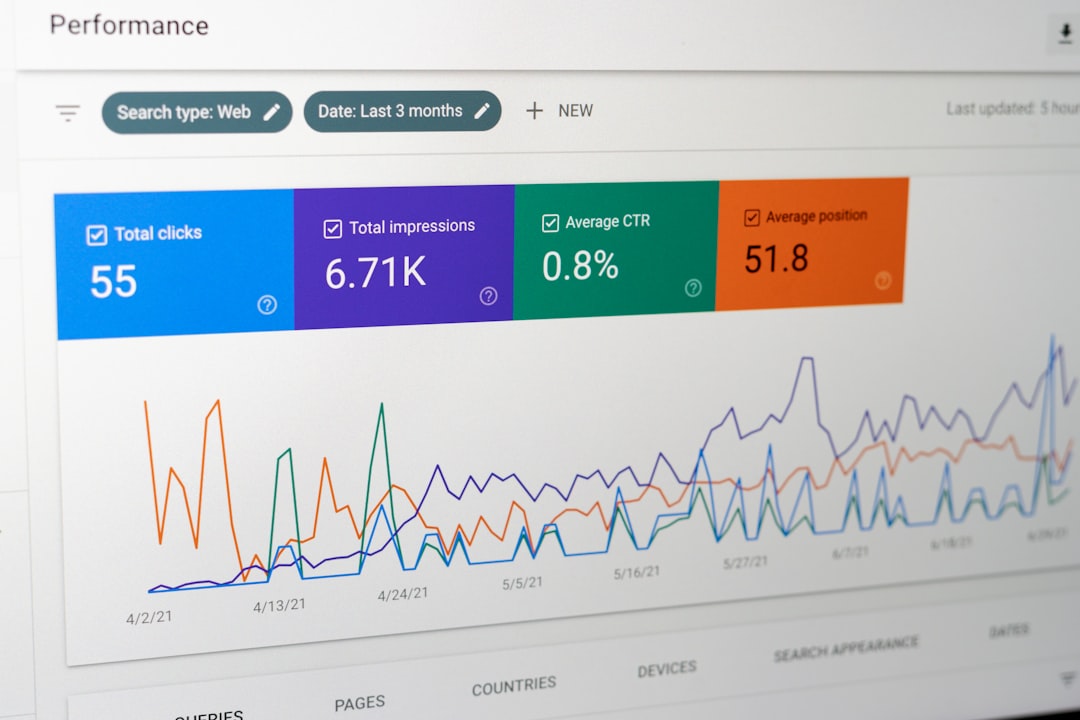
There are three common ways to calculate engagement rate, and each serves a different purpose.
This is the most widely used version. It measures how engaged your existing audience is relative to its size.
Use this when you want to understand how effectively your content drives interaction among everyone who saw it, including non-followers reached through paid promotion or the algorithm.
Reach-based engagement rate sits between the two above. It accounts for unique viewers rather than total views, making it useful for organic performance analysis.
| Formula | Best Use Case | Pros | Cons |
| Followers-based | Ongoing account health | Easy to benchmark over time | Skewed by follower count changes |
| Impressions-based | Paid campaign analysis | Accounts for full content exposure | Impressions can be inflated by repeat views |
| Reach-based | Organic content performance | Reflects unique viewer interactions | Reach data not always available |
For a single post, use the formula that matches your objective. For campaign reporting across multiple posts, standardize on one formula and stick with it throughout.

Log into your platform's native analytics, or use a third-party social media analytics tool. Collect total engagements (likes, comments, shares, saves, and clicks) for the post or time period you are measuring.
Decide whether you are dividing by followers, impressions, or reach. This choice should match your campaign objective. For audience growth campaigns, followers-based rate makes sense. For paid reach campaigns, use impressions.
Divide total engagements by your chosen denominator, then multiply by 100 to express the result as a percentage. A result of 3.5% means 3.5 out of every 100 people who saw or follow your account took an action.
Worked example: A LinkedIn post receives 240 total engagements (reactions, comments, and shares). The post reached 8,000 people.
For a campaign spanning ten posts, sum all engagements and all impressions across the campaign, then apply the same formula to get a blended campaign engagement rate.
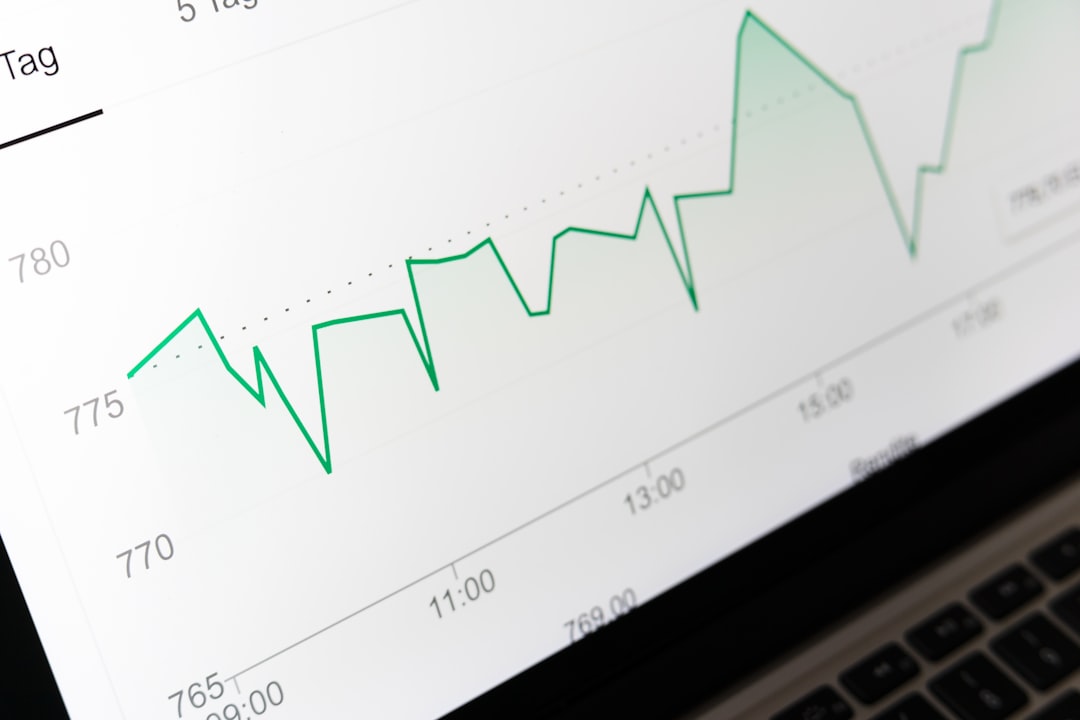
Benchmarks vary significantly by platform and industry. What counts as strong performance on Instagram differs from what is considered solid on LinkedIn, because audience behaviors and algorithm dynamics are not the same.
| Platform | Average Engagement Rate | Good Engagement Rate |
| Instagram (followers-based) | 1.0% - 3.0% | 3.0% - 6.0% |
| TikTok (views-based) | 4.0% - 7.0% | 8.0%+ |
| LinkedIn (impressions-based) | 0.5% - 1.0% | 2.0%+ |
| Facebook (followers-based) | 0.5% - 1.5% | 2.0% - 3.0% |
| X / Twitter (impressions-based) | 0.3% - 1.0% | 1.5%+ |
| YouTube (views-based) | 1.0% - 4.0% | 5.0%+ |
Industry also plays a major role. Consumer brands in food, fitness, and entertainment tend to attract higher engagement than B2B software companies. Nonprofit organizations often see elevated engagement because their content triggers stronger emotional responses.
| Industry | Typical Engagement Rate (Instagram) |
| Food and Beverage | 1.5% - 4.0% |
| Fashion and Retail | 0.8% - 2.5% |
| B2B Software and SaaS | 0.3% - 1.2% |
| Nonprofit and Education | 2.0% - 5.0% |
| Health and Fitness | 1.5% - 3.5% |
Campaign objective also matters. Awareness campaigns targeting cold audiences will typically show lower engagement rates than retargeting campaigns aimed at warm audiences who already know your brand.

Engagement is not just a content metric. It directly informs broader marketing decisions, including content strategy, paid amplification, audience segmentation, and even sales outreach timing. A post with an unusually high engagement rate is a signal that the message resonated, which tells you something worth testing elsewhere in your funnel.
High engagement can also influence algorithm distribution. Platforms like Instagram and LinkedIn reward content that earns early interactions by showing it to more people, which extends organic reach without additional spend. Low engagement, by contrast, tells you that either the content, the audience, or the timing needs adjustment.
Tracking engagement alongside reach and conversion metrics gives you a fuller picture of performance. A campaign with strong reach but weak engagement may need a creative refresh. A campaign with strong engagement but low conversions may have an audience or landing page problem, not a content problem. For a deeper look at how to connect these signals to revenue outcomes, Sona's blog post measuring marketing's influence on the sales pipeline offers a practical framework for doing exactly that.
Most platforms report engagement natively. Instagram Insights, LinkedIn Campaign Manager, TikTok Analytics, and Meta Business Suite all provide engagement breakdowns at the post and account level. For YouTube, YouTube Studio offers detailed interaction data including likes, comments, shares, and watch time.
The recommended reporting cadence for engagement is weekly for content optimization decisions and monthly for strategic review. Daily monitoring is only necessary during high-stakes launches or paid campaigns where rapid iteration is needed.
For teams managing multiple channels, a unified analytics platform removes the manual work of pulling data from each source separately. Sona consolidates social engagement data alongside web analytics, CRM records, and ad platform performance, giving marketers a single view of how engagement signals connect to pipeline and revenue. This is especially useful when you need to move from knowing an account is engaged to knowing what to do about it. To see how this works in practice, book a demo with Sona's team.
Measuring social media engagement is essential for marketing analysts, growth marketers, CMOs, and data teams who want to move beyond assumptions and make data-driven decisions that elevate their campaigns. By mastering the formulas and techniques to accurately track engagement, you gain the power to optimize your campaigns, allocate budgets more effectively, and measure performance with confidence—ensuring every action contributes to your business goals.
Imagine having real-time visibility into which social platforms and content types deliver the highest engagement and ROI, allowing you to shift resources instantly to maximize returns. Sona.com empowers you with intelligent attribution, automated reporting, and cross-channel analytics that transform social media metrics into actionable insights, driving smarter, faster marketing optimization.
Start your free trial with Sona.com today and harness the full potential of social media engagement data to accelerate growth and outperform the competition.
Social media engagement is any action a person takes in response to your content, such as likes, comments, shares, saves, clicks, and direct messages, showing how actively your audience interacts with your posts.
Use the formula: (Total Engagements ÷ Total Followers) × 100 to calculate the engagement rate based on followers, which measures how engaged your existing audience is relative to its size.
Calculate engagement rate by dividing total engagements by total impressions and multiplying by 100, which shows how effectively your content drives interaction among everyone who saw it.
Track likes, comments, shares, saves, clicks, and direct messages as key engagement metrics to understand how your audience interacts with your content.
Use native analytics like Instagram Insights, LinkedIn Campaign Manager, TikTok Analytics, Meta Business Suite, YouTube Studio, or third-party platforms like Sona to track and analyze social media engagement.
High engagement indicates content resonates with your audience and can guide content, budget, and targeting decisions, while low engagement signals a need to adjust content, audience, or timing.
Avoid mixing different denominators like followers and impressions across reports, including bot interactions, and ignoring saves and shares which are higher-intent engagement signals.
Track engagement weekly for content optimization and monthly for strategic review, with daily monitoring reserved for high-stakes launches or paid campaigns.
Engagement rate based on reach divides total engagements by unique viewers, useful for organic analysis, while impressions-based rate uses total views including repeats, ideal for paid campaigns.
Engagement informs marketing decisions by indicating audience interest, influencing algorithm distribution, and helping optimize content strategy and paid amplification.
"Really, really impressed with how we're able to get this amazing data ...and action it based upon what that person did is just really incredible."
"The Sona Revenue Growth Platform has been instrumental in the growth of Collective. The dashboard is our source of truth for CAC and is a key tool in helping us plan our marketing strategy."
"The Sona Revenue Growth Platform has been fantastic. With advanced attribution, we’ve been able to better understand our lead source data which has subsequently allowed us to make smarter marketing decisions."
Join results-focused teams combining Sona Platform automation with advanced Google Ads strategies to scale lead generation

Connect your existing CRM
Free Account Enrichment
No setup fees
No commitment required
Free consultation
Get a custom Google Ads roadmap for your business
Join results-focused teams combining Sona Platform automation with advanced Meta Ads strategies to scale lead generation
Connect your existing CRM
Free Account Enrichment
No setup fees
No commitment required
Free consultation
Get a custom Meta Ads roadmap for your business
Join results-focused teams combining Sona Platform automation with advanced LinkedIn Ads strategies to scale lead generation
Connect your existing CRM
Free Account Enrichment
No setup fees
No commitment required
Free consultation
Get a custom LinkedIn Ads roadmap for your business
Join results-focused teams using Sona Platform automation to activate unified sales and marketing data, maximize ROI on marketing investments, and drive measurable growth
Connect your existing CRM
Free Account Enrichment
No setup fees
No commitment required
Free consultation
Get a custom Growth Strategies roadmap for your business
Over 500+ auto detailing businesses trust our platform to grow their revenue
Join results-focused teams using Sona Platform automation to activate unified sales and marketing data, maximize ROI on marketing investments, and drive measurable growth
Connect your existing CRM
Free Account Enrichment
No setup fees
No commitment required
Free consultation
Get a custom Marketing Analytics roadmap for your business
Over 500+ auto detailing businesses trust our platform to grow their revenue
Join results-focused teams using Sona Platform automation to activate unified sales and marketing data, maximize ROI on marketing investments, and drive measurable growth
Connect your existing CRM
Free Account Enrichment
No setup fees
No commitment required
Free consultation
Get a custom Account Identification roadmap for your business
Over 500+ auto detailing businesses trust our platform to grow their revenue
Join results-focused teams using Sona Platform to unify their marketing data, uncover hidden revenue opportunities, and turn every campaign metric into actionable growth insights
Connect your existing CRM
Free Account Enrichment
No setup fees
No commitment required
Free consultation
Get a custom marketing data roadmap for your business
Over 500+ businesses trust our platform to turn their marketing data into revenue
Our team of experts can implement your Google Ads campaigns, then show you how Sona helps you manage exceptional campaign performance and sales.
Schedule your FREE 15-minute strategy sessionOur team of experts can implement your Meta Ads campaigns, then show you how Sona helps you manage exceptional campaign performance and sales.
Schedule your FREE 15-minute strategy sessionOur team of experts can implement your LinkedIn Ads campaigns, then show you how Sona helps you manage exceptional campaign performance and sales.
Schedule your FREE 15-minute strategy sessionOur team of experts can help improve your demand generation strategy, and can show you how advanced attribution and data activation can help you realize more opportunities and improve sales performance.
Schedule your FREE 30-minute strategy sessionOur team of experts can help improve your demand generation strategy, and can show you how advanced attribution and data activation can help you realize more opportunities and improve sales performance.
Schedule your FREE 30-minute strategy sessionOur team of experts can help improve your demand generation strategy, and can show you how advanced attribution and data activation can help you realize more opportunities and improve sales performance.
Schedule your FREE 30-minute strategy sessionOur team of experts can help improve your demand generation strategy, and can show you how advanced attribution and data activation can help you realize more opportunities and improve sales performance.
Schedule your FREE 30-minute strategy sessionOur team of experts can help improve your demand generation strategy, and can show you how advanced attribution and data activation can help you realize more opportunities and improve sales performance.
Schedule your FREE 30-minute strategy session




By continuing, I confirm that I’ve read and accept the Sona Master Services Agreement, Terms and Conditions and the Privacy Policy.


Launch campaigns that generate qualified leads in 30 days or less.