


Wine storage is a small, high-stakes market: collectors and hospitality buyers spend heavily, but they're few, and they research carefully before committing. Miss the moment someone starts comparing climate-controlled vaults or cellar installers, and a competitor closes the deal instead. Google Ads gives wine storage businesses a way to reach that narrow buyer pool precisely, at the point of active interest, and to connect an online click to an offline tour, consultation, or signed contract. This guide walks through how to build, target, and measure those campaigns for real ROI.
How to Generate Google Ads for Wine Storage Leads: A Step-by-Step Guide

Wine storage providers operate in a high-value, low-volume market where every qualified lead counts. Precision in targeting and rapid engagement are critical for turning interest into signed contracts, especially when decision cycles can stall without timely follow-up. Sona's Identity Resolution can reveal which companies and individuals are exploring wine storage solutions, empowering your team to act on timely opportunities and capture leads before competitors do.
To outperform competitors, revenue teams must leverage Google Ads for wine storage to reach collectors, retailers, and hospitality buyers at the moment they reveal storage needs. Integrating real-time audience intelligence allows marketers to shift spend toward accounts showing active research behaviors, ensuring no opportunity slips through the cracks. For insights on how wineries and storage providers can use Google Ads to increase sales, explore these targeted digital advertising strategies.
- Targeted keyword selection and audience segmentation to prioritize prospects showing immediate interest: Effective wine storage ad campaigns start with granular keyword selection. Use phrases such as "wine storage near me," "wine cellar installation," and "secure wine locker" to capture intent at varying stages of the buying journey, and separate collector queries (insurance-grade storage, allocation protection) from commercial ones (hospitality cellar build-outs, retail bulk storage). Layer on audience segmentation by identifying users who have engaged with premium wine content or visited competitor storage pages. Paired with Sona's Identity Resolution, marketers can pinpoint which companies or high-value individuals are researching wine storage, routing them into tailored outreach sequences and remarketing pools. This keeps budget on prospects most likely to convert, cutting waste and shortening sales cycles.
- Aligning creative assets across banners, search ads, and landing pages to maintain consistent messaging: Cohesive messaging builds trust and reinforces your value proposition. Build creative that emphasizes the technical rigor and security of your storage: for search ads, highlight temperature control and insurance partnerships; for display banners, showcase facility images, staff credentials, and client testimonials. Send every ad type to landing pages with clear value statements, trust symbols, and instant booking options. Real-time syncing between your CRM and ad platforms, via Sona Destinations, keeps audience segments current so leads see relevant messaging as they move from awareness to consideration.
- Techniques for optimizing conversions and managing budget constraints, ensuring timely engagement with leads: Optimizing for conversions requires visibility into the full buyer journey. Set up multi-touch attribution to capture both online inquiries and offline conversions, like phone consultations or on-site visits, giving revenue teams a full view of ROI per campaign. Dynamic audience updates, triggered by pricing page views or form fills, keep remarketing ads and nurture flows relevant. CRM-to-Google-Ads syncing lets you suppress existing customers or upweight bids for late-stage prospects. For more on the business opportunities and marketing approaches in the wine storage sector, see this overview for wine storage providers.
To streamline your wine storage lead generation and convert high-intent buyers faster, get started for free with Sona and see how advanced marketing data can transform your campaigns.
Why Does Google Ads Matter for Wine Storage Marketing?
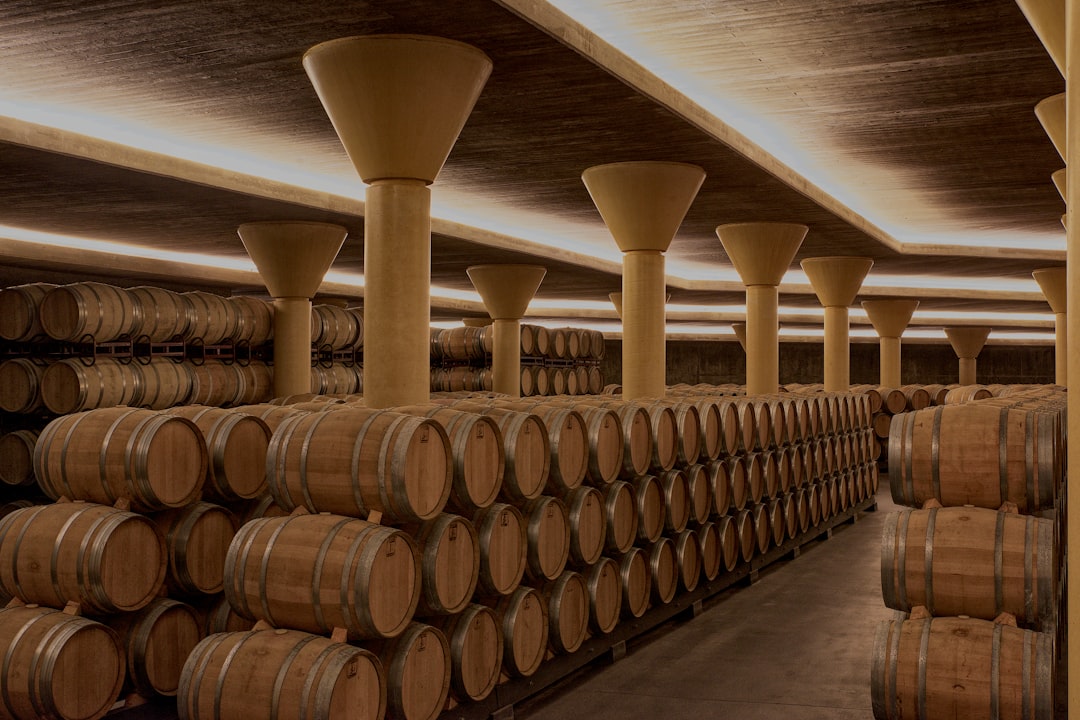
Wine storage providers operate within a niche that demands highly targeted, intent-driven marketing to reach collectors, hospitality buyers, and investors when they are actively researching storage solutions. Traditional digital campaigns often waste budget on broad audiences, but Google Ads enables precision targeting that aligns ads with real buying signals and regional demand spikes.
With Google Ads, wine storage businesses can connect directly with a specialized audience, people who are searching for secure storage, custom cellars, or climate-controlled solutions, instead of general wine enthusiasts. Campaigns can shift quickly in response to seasonal fluctuations or market events, ensuring ad spend reaches the right prospects when interest peaks, such as during vintage releases or ahead of holiday gifting cycles. For more strategies to optimize B2B campaigns, explore our marketing analytics blog.
Expanding into new geographic markets is more efficient thanks to Google Ads' hyper-local targeting and keyword customization. This allows wine storage providers to increase their presence in high-value regions, like urban centers with affluent consumers or wine-producing areas where collection storage needs surge. Data-driven segmentation and real-time reporting pave the way for continuous campaign refinement, linking spend to actual conversions and providing clear ROI visibility.
Revenue teams benefit from deeper insights by unifying first-party and ad platform data, allowing marketers to identify not just anonymous traffic, but specific companies and decision makers engaging with ads. This closed-loop approach turns wine storage marketing from a scattershot effort into a repeatable engine for qualified lead generation and client acquisition. Want to experience these capabilities firsthand? Get started for free with Sona.
Common Types of Google Ads Campaigns for Wine Storage Services
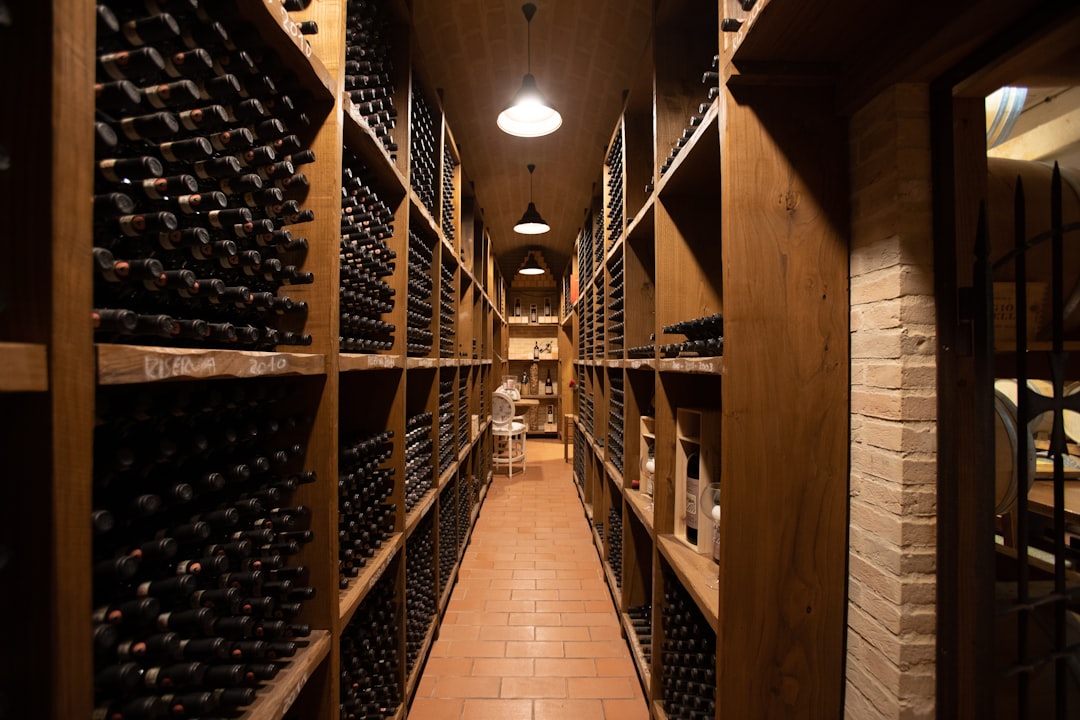
Diverse campaign formats are essential for wine storage companies seeking to engage affluent collectors, hospitality buyers, and commercial partners. The right mix of campaign types delivers authentic touchpoints, maximizes reach, and captures intent when demand peaks. For a deeper dive into digital marketing approaches tailored to this sector, explore this guide on wine storage business opportunities and marketing. To further refine your strategy, review actionable tips from our marketing analytics blog.
- Search Campaigns: Direct search campaigns connect your services to high-intent queries like "climate-controlled wine storage" or "secure wine cellar installation." These campaigns excel at surfacing your offering at the moment of need, allowing you to match specific pain points with tailored solutions. When paired with visitor identification, marketers can see beyond basic click data to pinpoint which companies or affluent individuals are searching, enabling sales teams to act on real buying signals.
- Display Campaigns: Display advertising places your brand across industry sites, luxury home platforms, and relevant wine publications. This approach sustains brand awareness and introduces your storage solutions to audiences still in research mode. By leveraging real-time audience segmentation, your display reach automatically shifts as prospects move from casual browsing to purchase consideration, keeping your messaging relevant without wasted impressions.
- Video Campaigns: Video ads let you visually showcase your storage environment, security protocols, and technology. These immersive experiences build confidence and set your facility apart from generic solutions. Using Sona's Intent Signals, you can allocate budget to audiences showing in-market behaviors, such as watching a full facility tour or engaging with advanced storage features, boosting efficiency and conversion rates.
- Remarketing Campaigns: Remarketing campaigns are critical for nurturing leads over a long sales cycle typical in wine storage. These ads follow potential clients who interacted with your website or filled out a quote form but did not convert. When campaign audiences are dynamically synced with your CRM and updated based on lead status, messaging can adapt to each stage, from initial inquiry to final decision, dramatically improving conversion rates and ensuring that no high-value prospect is left behind.
Where to Find Growth Opportunities?
Growth in the wine storage sector demands precise market intelligence and a willingness to act on overlooked opportunities. Modern revenue teams unlock outsized gains by uncovering demand pockets that competitors routinely miss, especially as digital channels become more saturated and specialized. For a deeper dive into business opportunities in this space, explore how the industry is tapping into wine storage and evolving its marketing approaches.
- Targeting specialized keywords: Success hinges on identifying keywords that map directly to high-value wine storage services, such as "temperature-controlled wine vaults," "commercial wine cellar installation," or "secure wine locker rental." Marketers who drill into granular signals from Sona's Intent Signals, rather than relying on generic "wine storage" terms, consistently capture leads ready to convert, including seasonal spikes around harvest season and holiday gifting when collectors reassess capacity. The most effective teams surface which companies are actively searching for these exact solutions, focusing spend on prospects with clear buying intent.
- Conducting competitor analyses: A methodical review of competitor ad placements, messaging, and keyword strategies often exposes underutilized segments and service gaps. By tracking new trends in ad copy or emerging search terms, marketers can adjust campaigns in real time, seizing opportunities where others have yet to build a presence. Advanced analytics make it possible to track which firms are experimenting with niche offerings, enabling your team to pivot and address market whitespace before it becomes mainstream. For strategies on leveraging analytics and data-driven insights, visit our blog on marketing analytics.
- Leveraging industry-specific placements: Generic ad inventory rarely delivers the precision wine storage marketing needs. Value comes from placements on industry directories, luxury lifestyle platforms, and publications dedicated to wine collecting and preservation. Integrating targeting with dynamic audience tools ensures ads reach decision-makers as soon as they signal interest, while connecting CRM and web analytics data keeps targeting current as buyers progress through research and evaluation. This improves conversion rates and cuts wasted impressions.
How to Apply Audience Segmentation for Wine Storage
Precise audience segmentation is the foundation of high-performing wine storage ad campaigns. By moving beyond broad assumptions and tapping into granular data, marketers can accurately distinguish between casual wine enthusiasts and serious collectors who demand advanced storage solutions. This distinction is critical for allocating budget efficiently and delivering messages that resonate with each segment’s priorities.
- Differentiate casual collectors from high-value investors using enriched data insights: Modern analytics platforms enable marketers to separate hobbyists, those interested in basic racks or home storage, from high-net-worth individuals and institutions seeking secure, climate-controlled facilities. Integrating CRM data and real-time web behavior allows for the identification of prospects who show patterns consistent with large-scale storage needs or recent wine acquisitions, ensuring ad spend is directed at the most valuable audiences. When unified with visitor identification technology, these insights reveal not just anonymous clicks, but the actual companies or individuals evaluating high-ticket storage services.
- Recognize specific intent signals indicating need for storage upgrades: Monitoring digital body language, such as repeated visits to specification pages or downloads of whitepapers about climate control, helps uncover buyers ready to move from basic storage to premium offerings. Sona's Intent Signals let marketers prioritize outreach and adjust targeting as in-market signals shift, reaching decision-makers at the moment they're considering an upgrade or new installation.
- Create tailored ad groups that maintain relevance and boost engagement through audience-specific messaging: Segmenting audiences by value, behavior, and stage in the buying journey enables the creation of highly relevant ad groups. For example, a campaign targeting high-value investors can feature messaging around asset protection, insurance integration, and exclusive access, while casual collectors see creative that emphasizes ease of installation and affordability. As prospects interact with ads and website content, dynamic audience lists update automatically, allowing marketers to nurture leads with progressively personalized offers and retargeting sequences. For more on business opportunities and marketing approaches within the wine storage sector, see this industry overview.
This is also where measurement changes the economics. With Sona Marketing Measurement you can identify the companies and buyers behind your ad clicks, not just anonymous sessions, and segment audiences by who actually becomes a customer. That lets you build bid adjustments and audience signals around the segments that convert and de-prioritize the ones that don't, so you feed Google's algorithms "this click became a paying wine storage customer" instead of just "someone filled out a form."
Keyword Strategy & Sample Target Terms
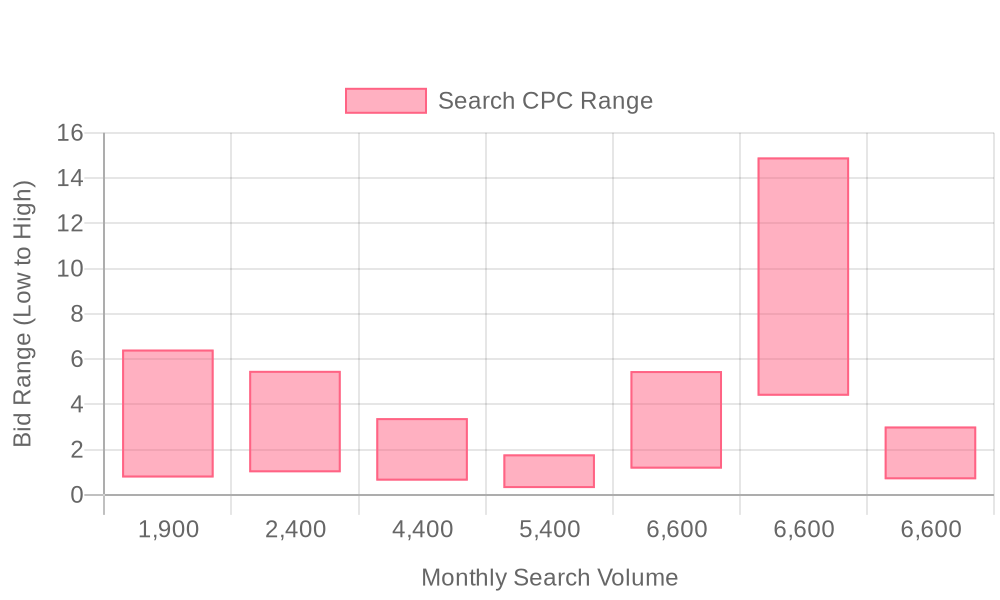
| Industry | Keyword | Monthly Search Volume | Competition Level | Low Bid | High Bid |
| Wine Storage | wine storage racks | 1900 | HIGH | 0.77 | 6.42 |
| Wine Storage | wine cellar cooling unit | 2400 | HIGH | 1 | 5.48 |
| Wine Storage | sub zero wine fridge | 4400 | HIGH | 0.63 | 3.39 |
| Wine Storage | wine holder | 5400 | HIGH | 0.3 | 1.79 |
| Wine Storage | wine storage | 6600 | HIGH | 1.16 | 5.47 |
| Wine Storage | wine boxes | 6600 | HIGH | 4.38 | 14.91 |
| Wine Storage | bota box wine | 6600 | HIGH | 0.69 | 3.02 |
A precise keyword strategy is foundational to outperforming competitors in the wine storage market. By prioritizing high-volume, low-competition keyword opportunities, businesses can capture qualified demand and minimize wasted ad spend. For insights into keyword research and campaign planning, review this list of high-performing winery keywords. This approach not only improves visibility for core offerings but also ensures ad budgets are focused on prospects most likely to convert, filtering out irrelevant or low-intent searchers.
Effective wine storage marketing hinges on granular segmentation of both branded and non-branded search terms. For example, using "climate-controlled wine storage," "secure wine cellar solutions," and "professional wine storage near me" enables businesses to target affluent collectors, commercial clients, and hospitality partners with tailored messaging. To further refine queries and capture specialized demand, learn more about Sona’s Audiences tool.
Marketers benefit by integrating real-time intent signals drawn from website and CRM data to dynamically adjust keyword targeting. When an in-market account visits a pricing page or requests a quote, systems like Sona can automatically increase keyword bids or expand match types to accelerate engagement with those high-propensity leads. This real-time alignment between search intent and campaign targeting results in more efficient ad spend and drives up both conversion rates and overall campaign ROI.
Regular keyword audits also reveal negative terms to exclude, such as "DIY wine storage" or "cheap wine racks," further refining traffic quality. These continuous optimizations, especially when informed by unified customer and visitor data, ensure that Google Ads for wine storage consistently surfaces the right message to the right audience at the right moment. To see how you can activate these strategies in your campaigns, get started for free with Sona.
Step-by-Step Campaign Execution Framework
Wine storage marketing requires precision across every campaign stage. Each action, from keyword selection to performance improvement, must connect with high-value clients seeking secure, premium storage solutions. Modern B2B teams benefit most when campaigns align with real buyer intent, ensuring budgets serve only engaged, conversion-ready prospects. For more on marketing strategies tailored to wine storage, explore business opportunities in the wine storage sector.
Step 1: Build Targeted Keyword Lists
Effective Google Ads for wine storage begin with curated, localized keyword development. Prioritizing terms such as “climate-controlled wine storage,” “secure wine cellars near me,” or “wine collection insurance storage” ensures ads surface for buyers with immediate needs. Integrating negative keywords like “DIY wine rack,” “wine fridge sale,” or “free storage ideas” filters out low-relevance clicks, reducing wasted spend and enhancing qualified lead flow. With unified intent data, marketers can pinpoint which search phrases signal real purchase readiness and adjust the keyword portfolio dynamically as new trends emerge, focusing spend on accounts exhibiting in-market behaviors.
The upgrade most wine storage advertisers miss is going beyond raw keyword volume to layer in intent and identity signals. By connecting website-visitor data and CRM records with Sona Marketing Measurement, you can see which specific search terms bring in the accounts and customers that actually convert, and weight your keyword and bidding strategy toward those rather than the terms with the highest search volume alone.
Step 2: Write Compelling Ad Copy
Ad copy must address the unique pain points of wine collectors and commercial clients. Headlines should spotlight solutions to top concerns, such as “Eliminate Spoilage Risk: Advanced Wine Storage Solutions” or “24/7 Monitored Cellars for Your Rare Vintages.” Including accolades, like “Awarded Top Storage Facility 2024” or “Trusted by Leading Vineyards”, builds trust and differentiates offerings in a competitive space. In-market behavioral data enables continuous refinement of messaging, ensuring ads resonate with the most engaged segments as their needs evolve throughout the buying journey.
Step 3: Optimize Landing Pages
Landing pages must seamlessly transition visitors from ad click to conversion, delivering clear, persuasive content tailored to the promise of the ad. Featuring instant quote calculators blends immediacy with transparency, while interactive visuals of storage environments and testimonials from prominent clients establish credibility. By linking ad traffic to dynamically personalized landing experiences, marketers can serve relevant case studies or pricing tiers to each segment. Real-time identification of visitors allows for progressive profiling, unlocking deeper insights for future retargeting and campaign personalization.
Step 4: Drive Performance Improvements
Continuous campaign optimization is essential for sustained, scalable results in wine storage ad campaigns. Monitoring real-time performance metrics, such as click-through rate, conversion rate, and cost per lead, enables rapid pivots in creative, bidding strategies, or targeting parameters. For insights on digital marketing performance in this sector, see this case study on Wine Racks America. Integration of online and offline conversion tracking, including CRM and sales data sync, reveals true pipeline attribution and ROI. As audiences move through the funnel, enriched audience segments automatically update, allowing teams to shift budget to high-converting accounts, exclude churned leads, and retarget those who engage but do not convert. This tight feedback loop ensures every dollar invested in advertising wine storage delivers measurable, compounding growth.
To maximize your wine storage marketing ROI, get started for free with Sona and experience unified campaign intelligence from day one.
Sona Marketing Measurement closes the gap between clicks and revenue. It captures every ad click with first-party measurement, then ties that click through UTM capture and ad-platform APIs to the actual record in your CRM, and reports ROAS by keyword and campaign instead of by last-click form fill. Feeding that revenue signal back into Smart Bidding and Performance Max compounds over time: the algorithms optimize toward booked wine storage revenue, not cheap leads.
Tips on Expanding Your Wine Storage Presence
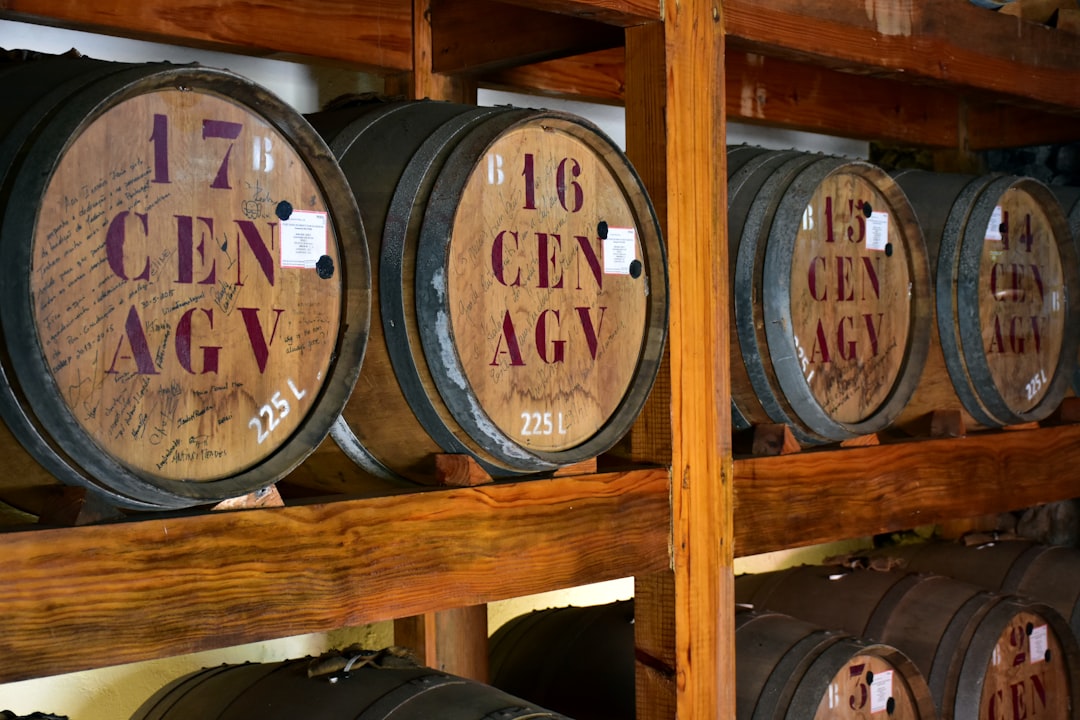
A robust wine storage presence demands more than exceptional facilities or climate control. Expanding reach in this market hinges on multi-channel collaboration, data-driven audience engagement, and trust-building within the industry ecosystem.
- Foster cross-promotional partnerships: Aligning with complementary businesses such as wine retailers, luxury real estate agencies, or cellar design firms creates mutual value and broadens exposure. These partnerships can yield exclusive offers, bundled promotions, and targeted event sponsorships, helping both parties reach new, highly-qualified audiences without driving up acquisition costs. Leveraging advanced visitor identification tools lets marketers pinpoint which partner-driven leads are most likely to convert, ensuring resources and incentives are allocated where impact is highest.
- Utilize segmented CRM data: Harnessing detailed CRM segmentation moves upsell and cross-sell strategies from generic to precision-based. By syncing enriched audience data into advertising platforms, marketers can trigger highly personalized Google Ads for wine storage, targeting lapsed clients with new vault services or offering premium upgrades to collectors at key lifecycle moments. For insights into business opportunities and marketing approaches in the wine storage sector, explore this guide on tapping into wine storage. Real-time intent signals from both online and offline touchpoints ensure messaging adapts as leads progress, optimizing conversion rates and boosting customer lifetime value.
- Engage with industry associations: Actively participating in wine, hospitality, or luxury asset management organizations not only elevates brand credibility but also unlocks high-value referral traffic. Association memberships facilitate introductions to vetted prospects and enable co-marketing opportunities, such as joint webinars or educational content. Tracking the full customer journey, from association-driven awareness to closed deals, requires advanced conversion attribution. Integrating CRM and ad platforms ensures that every referral, event attendee, or content downloader is nurtured and retargeted with messaging tailored to their engagement stage, driving consistent pipeline growth.
Beyond Google Ads: Winning the AI Answers Wine Storage Buyers Now Trust
Paid search captures demand at the moment someone types a query. But a fast-growing share of wine storage buyers no longer start at Google at all, they ask ChatGPT, Gemini, or Perplexity before they ever run a search, and Google's own AI Overviews increasingly summarize an answer above the traditional results. If your business isn't referenced in those AI answers, you're invisible at the exact moment buyers build their shortlist.
Sona AI Visibility shows where your business shows up across ChatGPT, Gemini, Perplexity, Google AI Overviews, and 10+ engines, and, much like a keyword report, which prompts actually send you buyers, so you can prioritize the ones that convert. Run the two together and you cover the entire buyer path: get cited where buyers research (AI Visibility), then prove which of that demand turns into booked revenue (Marketing Measurement).
Helpful resources
Conclusion
Google Ads works for wine storage because it meets buyers exactly when they're comparing climate control, security, and pricing, not months before or after. The businesses that win this channel treat keyword strategy, creative, and landing pages as one connected system, tuned continuously by what actually closes rather than what merely clicks.
The wine storage operators who pull ahead won't just run more ads, they'll close the loop between ad spend and actual bookings, and increasingly, they'll need to show up in the AI tools buyers now consult before ever touching a search bar.
FAQ
Does Google allow alcohol ads?
The article does not specifically address whether Google allows alcohol ads, but it discusses using Google Ads for niche markets like wine storage.
What are the best practices for advertising wine storage?
Best practices include targeted keyword selection, audience segmentation, cohesive messaging across ads and landing pages, optimizing conversions, and managing budget constraints.
How can I target my audience for wine storage ads?
You can target your audience by using specific keywords, audience segmentation, real-time audience intelligence, and visitor identification technology to focus on prospects showing immediate interest.
What is the budget for Google Ads in the wine industry?
The article does not specify a budget but emphasizes the importance of managing budget constraints by focusing on high-value prospects and optimizing ad spend.
What are the compliance requirements for alcohol ads on Google?
The article does not cover compliance requirements for alcohol ads on Google.







