


Wine brokers live and die by relationships, but the first contact often starts with a search bar. Google Ads lets a broker intercept a buyer or seller at the exact moment they're looking, whether that's a restaurant group sourcing an allocation or a collector unloading a cellar. The catch is that wine advertising carries real friction: strict platform rules around alcohol content, a buying cycle built on trust and provenance rather than impulse, and long gaps between first click and signed deal that make tracking easy to get wrong. This guide lays out how wine brokers can use Google Ads to reach serious buyers and sellers, stay within the platform's rules, and tie spend to actual closed business.
How to Generate Wine Brokerage Leads with Google Ads: A Step-by-Step Guide

B2B wine brokers operate in a high-value, relationship-driven market where every lead counts. Precision in digital marketing, especially via Google Ads, ensures resources are used efficiently to capture only the most relevant wine buyers and industry stakeholders. For specialized insights on the unique challenges of Google Ads in the wine and alcohol sector, explore this Reddit discussion on Google Ads for alcohol brands.
Success in wine broker marketing requires a data-driven mindset that goes beyond traditional outreach. Integrating Google Ads for Wine Broker campaigns with enriched data ensures no high-intent opportunity is lost to tracking gaps or attribution blind spots. With Sona's Identity Resolution, brokers can reveal which companies and people are visiting their site, even those who don't fill out a form, so every high-intent visitor is captured and scored for follow-up.
- Adopt a data-driven approach: Unify campaign data with CRM and website analytics to identify prospects that other wine industry PPC efforts might overlook. When marketers use intent signals and real-time visitor identification, they can pinpoint the companies and buyers actively researching wine deals or brokerage services, not just anonymous clicks.
- Focus on targeted keyword and audience strategies: Effective Google Ads targeting for wine means building dynamic keyword lists focused on niche industry terms and buyer intent phrases. By layering these with real-time audience segments, brokers avoid wasted spend on broad or generic queries and instead prioritize high-value, in-market accounts. Dynamic audience syncing enables campaigns to adapt as prospects move through the sales funnel, ensuring messaging always reflects their current needs and interests.
- Align landing pages and creatives: Maximize conversion rates by developing landing pages that match ad copy and are tailored to each wine buyer segment. Prompt, automated lead routing and enrichment eliminate the risk of delayed manual follow-ups, so prospects are engaged at peak interest. For actionable tactics, review our playbooks.
- Optimize performance for improved ROI: Tailored campaigns allow for granular control over budget allocation and bid adjustments, especially when real-time intent data is available. Advanced conversion tracking lets brokers measure true ROI and refine strategies based on closed deals rather than just clicks.
- Integrate with other channels: A holistic digital marketing for wine strategy connects Google Ads with email sequences, events, and organic search. CRM-to-ad sync ensures every engagement is tracked: as soon as a lead moves stages, audience lists update automatically, and retargeting strategies evolve. This omnichannel approach ensures engagement paths are seamless, providing clear signals to sales teams on when to act and how to personalize outreach.
By combining these principles, wine brokers can generate higher-quality leads, improve sales efficiency, and gain a measurable advantage in a crowded market. To put these strategies into action, get started with Sona and experience streamlined, data-driven wine brokerage campaigns.
Why Google Ads Matters for Wine Brokers
Google Ads provides wine brokers with a direct path to high-intent prospects during pivotal buying moments, where speed and relevance often dictate conversion rates. Timely engagement minimizes lost opportunities by ensuring that every valuable lead receives immediate, data-driven attention with the help of Sona's Identity Resolution.
Strategic use of Google Ads enables brokers to target specific demographics with precision, using industry-relevant language that resonates with sophisticated wine buyers. This approach helps recapture audiences that might be overlooked by generic analytics, making every campaign more efficient and relevant. For practical examples and peer advice, explore this discussion of challenges and best practices.
Measurable ROI is a foundational benefit: conversion tracking from click to close allows wine brokers to see which segments are engaging and buying, optimizing spend for maximum results. By integrating advanced attribution, including both online and offline actions, every touchpoint is accounted for, making investment decisions clear and actionable with accurate revenue attribution.
Google Ads seamlessly complements existing outreach channels such as email and social media, especially through remarketing. When platforms sync CRM data and intent signals, brokers can activate synchronized campaigns that nurture leads dynamically, ensuring that sales and marketing are always aligned for the best possible results. Book a demo with Sona.
Common Types of Google Ads Campaigns for Wine Brokerage Services
Wine brokers typically draw from a handful of Google Ads campaign types, each suited to a different stage of the buyer's decision: Search, Display, Video, Performance Max, and Remarketing. Search Ads and Discovery Ads can appear as Responsive formats within these campaigns rather than as separate campaign types.
- Search Campaigns: Search campaigns capture urgent, high-intent queries, a distributor searching "bulk Bordeaux supplier," a retailer typing "wine broker license verification," or a collector looking to sell a cellar quickly. These campaigns often use Responsive Search Ads, a format that tests multiple headlines and descriptions to find the combination that converts. By leveraging real-time intent signals, marketers can shift budget toward the keywords and audiences most likely to convert, including seasonal spikes around harvest, holiday buying, and major wine auctions.
- Display Ads: Display ads keep wine broker brands top of mind across industry-relevant websites. Through segmented messaging, display campaigns reinforce brand presence and nurture early-stage prospects throughout their consideration journey. When integrated with unified go-to-market data, display targeting evolves as prospects engage with your brand, using dynamic audience updates to deliver tailored creative and maximize touchpoint relevance. For wineries seeking guidance on Google Ads, this comprehensive guide for wineries covers campaign setup and optimization essentials.
- Video Ads: Video campaigns offer a visually compelling way to communicate the nuances of wine brokerage, from portfolio breadth to logistical capabilities. These ads enable precise targeting based on audience demographics, interests, and even in-market signals. Enhanced by robust visitor identification and behavioral insights, video creatives can be strategically served to key accounts or decision-makers as they move through the buying process.
- Remarketing: Remarketing campaigns re-engage past website visitors and previous leads, ensuring your wine brokerage remains part of their decision set when interest resurges. By syncing enriched CRM segments and engagement data into Google Ads, remarketing lists reflect real-time changes, allowing B2B teams to deliver hyper-relevant messaging that reignites stalled opportunities and accelerates pipeline velocity. For more strategies to boost retargeting, explore our intent-driven retargeting playbook.
- Assets: Ad assets, such as seller ratings and location assets, add an extra layer of trust and convenience for wine broker audiences. Ratings provide third-party validation, while location data helps local buyers or distributors connect with your team directly. Seamless CRM and ad platform sync ensures these assets present the most current, high-impact information, lowering engagement barriers and increasing the odds of direct inquiry. To see the impact for yourself, get started for free with Sona.
Identifying Growth Opportunities in Wine Brokerage
B2B wine brokers operate in a complex, highly specialized marketplace where generic outreach yields limited results. Capturing real growth requires a data-driven approach to discover and nurture segments that competitors overlook. With Sona's Identity Resolution, brokers can reveal which companies are visiting their site, even if they don't fill out a form, giving them an edge in pinpointing promising prospects that might otherwise remain anonymous.
- Vertical keyword targeting: Selecting keywords tailored to niche brokerage services, such as “wholesale Burgundy supplier” or “Napa Valley portfolio broker”, helps prevent wasted spend on generic clicks. This strategy ensures ads reach professionals seeking distinct wine expertise, not just casual consumers. With dynamic audience sync, wine brokers can keep keyword lists fresh and relevant, adapting to shifts in buyer behavior and seasonal trends.
- Competition gap analysis: A careful review of rival ad placements and organic reach uncovers underserved opportunities. For example, analyzing which trade associations, wine investment forums, or boutique importer networks lack targeted advertising enables wine brokers to craft messaging that fills these gaps. Using intent signals, marketers can allocate budget to segments showing the highest buying potential, rather than spreading spend thinly across saturated channels.
- Trade forum advertising: Industry-specific networks and B2B trade forums draw decision-makers rarely reached through broad Google searches, sommelier associations, importer guilds, wine investment communities. By placing ads there, brokers gain direct access to procurement managers, sommeliers, and beverage directors who influence large-volume transactions and understand the licensing and compliance requirements that come with them. Precise targeting and retargeting, powered by visitor identification, allow for nuanced follow-up with prospects who engage but do not immediately convert. For a deeper look at running Google Ads in a regulated category like alcohol, see this Reddit discussion.
- Retargeting with educational content: Retargeting strategies that leverage informative wine-related articles, case studies, or portfolio highlights help keep prospects engaged throughout a lengthy buying cycle. Integrating CRM data with Google Ads enables brokers to trigger personalized retargeting for leads that show high intent, accelerating deal velocity. This unified approach ensures every interaction is contextually relevant, increasing close rates and maximizing ROI for digital marketing in the wine sector.
By focusing on these growth opportunities, wine brokers can create highly efficient, scalable pipelines. The combination of vertical targeting, competition intelligence, and real-time audience engagement translates to measurable gains in lead quality and conversion for modern wine broker marketing. To see how you can build your own pipeline, get started for free with Sona.
Applying Audience Segmentation in Google Ads for Wine Brokers

Effective audience segmentation is the backbone of high-ROI Google Ads for wine brokers. By dividing audiences based on purchase behavior and demonstrated interests, marketing teams can deliver messaging that resonates, avoiding wasted spend on misaligned offers or irrelevant creative. Leveraging precise audience intelligence reduces noise and ensures each ad group addresses specific buyer needs, increasing engagement from the first touch.
Overlaying data-driven intent signals enables wine brokers to pinpoint prospects showing in-market behavior, such as recent searches for bulk wine purchasing or distributor partnerships. This granular approach allows for swift budget allocation toward segments most likely to convert, while deprioritizing cold leads. For actionable strategies and tips, refer to promote wine sales with Google Ads. Dynamic audience capabilities ensure that as leads progress through the funnel, attending a virtual tasting, requesting a wholesale quote, or engaging with educational content, ad messaging and offers remain relevant to their journey, maximizing conversion potential.
Customizing ad groups to reflect distinct customer journeys prevents deals from stalling. For example, segmenting importers, on-premise buyers, and large retailers allows for tailored creative and bidding strategies calibrated to each group’s unique purchasing cycle. Tracking conversions in lockstep with Sona’s Destinations ensures that high-value interactions, such as a broker demo request or distributor onboarding call, are never missed. This unified approach to audience segmentation and tracking elevates every aspect of wine broker marketing, driving more qualified pipeline and measurable revenue growth. Ready to experience these results? Get started for free with Sona.
This is also where measurement changes the economics. With Sona Marketing Measurement you can identify the companies behind your ad clicks, not just anonymous sessions, and segment audiences by which accounts actually become customers. That lets you build bid adjustments and audience signals around the segments that convert and de-prioritize the ones that don't, so you feed Google's algorithms "this click became a paying wine broker customer" instead of just "someone filled out a form."
Keyword Strategy & Sample Target Terms
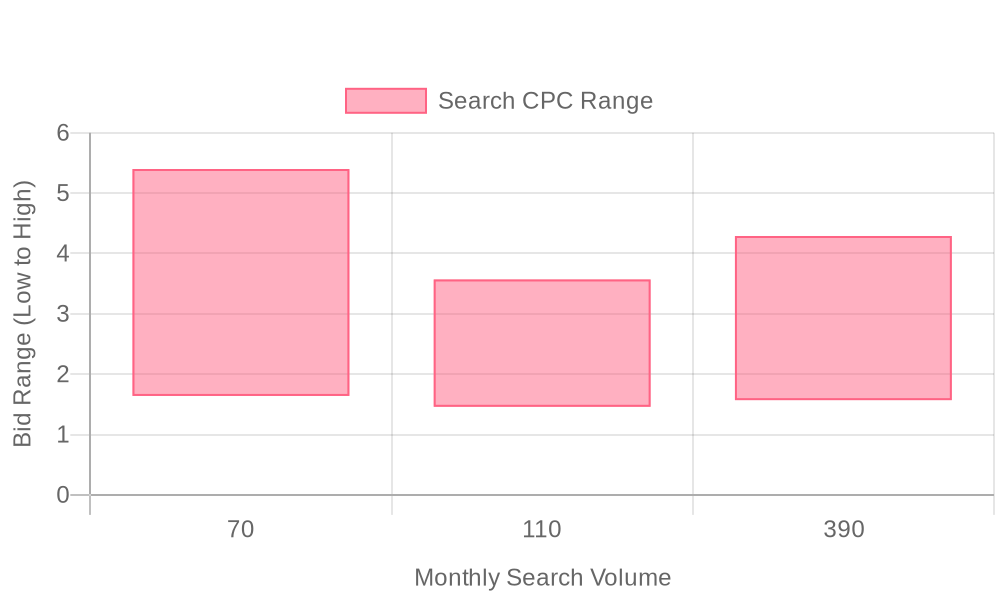
| Industry | Keyword | Monthly Search Volume | Competition Level | Low Bid | High Bid |
| Wine Broker | cal wine broker | 70 | LOW | 1.64 | 5.4 |
| Wine Broker | wine broker near me | 110 | MEDIUM | 1.46 | 3.57 |
| Wine Broker | wine broker | 390 | LOW | 1.57 | 4.29 |
Precision in keyword strategy drives measurable results for wine brokers targeting high-intent buyers. By selecting transactional terms such as "wine broker near me" and "buy wine online," campaigns reach prospects ready to engage, ensuring budgets favor audiences with strong purchase intent. For more industry-specific guidance, explore this guide to Google Ads for wine shops to refine your approach.
Implementing negative keywords like "free wine samples" streamlines lead quality by excluding searchers unlikely to convert. This focus prevents wasted spend on curiosity-driven traffic, allowing the campaign to exclusively nurture valuable inbound leads. Regional modifiers, such as city or event-based keywords, further sharpen targeting, bringing ads to the forefront during major wine events and aligning messaging with local or seasonal demand. For additional best practices, review our B2B marketing guides.
High-volume, low-competition terms are especially effective for wine industry PPC, as they open opportunities for cost-efficient outreach where the intent is strong but the bidding landscape is less saturated. Using advanced platforms, marketers can dynamically update these keyword lists based on real-time audience trends and intent signals. Enhanced visitor identification capabilities allow for more accurate segmentation, so ads are shown to both anonymous visitors and known companies with demonstrated interest in wine brokerage services.
When CRM and ad platform data are unified, keyword prioritization becomes even more precise. Teams can sync enriched audience segments into search campaigns, ensuring that only high-value accounts see targeted messaging, and that keyword investments align closely with actual pipeline and revenue outcomes. Advanced attribution solutions then tie conversions, both online and offline, directly to the original keyword cohorts, enabling continuous optimization of wine broker marketing spend. To experience these capabilities firsthand, get started for free with Sona.
Step-by-Step Campaign Execution Framework
Step 1: Build Targeted Keyword Lists
Effective Google Ads for Wine Broker campaigns begin with granular keyword segmentation. Group keywords by core service offerings and geographic targets to ensure relevance for each ad group. Incorporate long-tail queries such as “wholesale Bordeaux distributor in Chicago” or “organic wine brokers near me” to reach buyers with specific purchase intent and higher conversion potential.
With dynamic audience and keyword enrichment, marketers can identify and prioritize high-value accounts actively searching for wine broker services. When CRM and website data are unified, visitor identification extends beyond anonymous clicks, enabling revenue teams to recognize which companies and qualified leads are engaging with niche wine-related queries. This intelligence guides budget allocation toward segments most likely to convert, increasing ROI and campaign efficiency.
The upgrade most wine broker advertisers miss is going beyond raw keyword volume to layer in intent and identity signals. By connecting website-visitor data and CRM records with Sona Marketing Measurement, you can see which specific search terms bring in the accounts and customers that actually convert, and weight your keyword and bidding strategy toward those rather than the terms with the highest search volume alone.
Step 2: Ad Copy Development
Craft ad copy that directly addresses common pain points for wine buyers, such as sourcing rare vintages, verifying authenticity, or simplifying bulk procurement. Integrate urgency triggers like limited-time offers or exclusive access to new releases to maintain lead momentum and encourage immediate engagement.
As Sona surfaces intent signals from real-time behavioral data, messaging can adapt to highlight the most relevant incentive for each audience. This approach ensures that every ad touchpoint speaks to the prospect's current needs and stage in the buyer journey, helping to keep leads warm and moving forward in the funnel.
Step 3: Landing Page Design
Landing pages must tightly align with ad messaging and keyword intent, providing clear next steps and easy access to sales teams or product catalogs. Include trust signals such as industry certifications, verified client testimonials, and transparent fulfillment policies to increase confidence among high-value B2B buyers.
Syncing CRM and ad data allows teams to prioritize follow-up with leads who demonstrate the strongest intent or meet ideal customer profiles. This real-time feedback loop ensures that sales outreach focuses on prospects most likely to convert, maximizing both speed and effectiveness in the wine broker sales cycle. For more details on optimizing post-click experiences, see guide to Google Ads for wineries.
Step 4: Data-Driven Optimizations
Leverage smart bidding strategies focused on conversions to automatically adjust bids based on real-time performance metrics and predicted deal value. Import offline conversion data, such as closed deals or qualified appointments, directly into Google Ads to connect digital engagement with actual sales outcomes.
With advanced attribution and intent data, marketers can continuously refine audience segments, shift budget to high-performing channels, and demonstrate the full impact of their wine broker marketing investments. Systems that sync enriched lead and audience data into Google Ads and connected CRMs ensure that all marketing and sales activities are aligned, measurable, and optimized for maximum revenue impact. For more on campaign optimization and compliance, visit discussion on Google Ads for alcohol brands.
Ready to drive more qualified leads? Get started for free with Sona.
Sona Marketing Measurement closes the gap between clicks and revenue. It captures ad clicks with first-party measurement, then ties that click through UTM capture and ad-platform APIs to the actual record in your CRM, and reports ROAS by keyword and campaign instead of by last-click form fill. Feeding that revenue signal back into Smart Bidding and Performance Max compounds over time: the algorithms optimize toward booked wine broker revenue, not cheap leads.
Expanding Your Wine Brokerage Reach with Google Ads
Digital marketing for wine brokers thrives on precision, speed, and the ability to act on data in real time. With Google Ads, growth-focused teams reach buyers and trade partners the moment they show intent, using campaigns tailored to their exact needs and interests. For even greater outcomes, leverage real-time audience intelligence to ensure your targeting adapts as buyer signals emerge.
Cross-promoting educational content in retargeting campaigns ensures ongoing engagement as prospects move through the decision process. By surfacing webinars, guides, or virtual tastings to users who have previously interacted with your site, you nurture relationships and accelerate the sales journey. When CRM and ad data are unified, these retargeting segments update dynamically: as leads revisit your website or interact with new content, audience lists refresh in real time, keeping your messaging sharply relevant.
Upselling to existing clients requires more than generic offers. Segmenting audience lists based on browsing activity or purchase history allows you to deliver personalized upgrades, like premium allocations, storage solutions, or exclusive access to new releases. Pairing CRM insights with Google Ads targeting ensures each upsell campaign is fueled by the latest account-level intelligence, making every touchpoint more compelling and measurable.
Partnering with industry associations for co-branded promotions elevates credibility and trust in a crowded wine broker marketing landscape. These collaborations can be amplified with Google Ads display and video campaigns targeting shared audience segments. When enriched visitor data syncs into both your CRM and ad platforms, you can track co-branded campaign influence across channels and prove ROI to association partners with advanced online and offline attribution.
Utilizing regional targeting is essential for brokers seeking new opportunities in high-growth territories. By combining firmographic data with Google Ads location filters, you maximize spend in regions where wholesalers, retailers, and importers display strong in-market signals. The ability to identify company-level visitors, rather than just anonymous clicks, means you can tailor creative and bidding strategies to the needs of specific market clusters, ensuring each campaign drives measurable, actionable results for wine industry PPC. If you want to experience these capabilities, get started for free with Sona.
Beyond Google Ads: Winning the AI Answers Wine Broker Buyers Now Trust
Paid search captures demand at the moment someone types a query. But a growing share of wine buyers no longer start at Google at all: they ask ChatGPT, Gemini, or Perplexity before they run a search, and Google's own AI Overviews increasingly summarize an answer above the traditional results. If your brokerage isn't referenced in those AI answers, you're invisible at the exact moment buyers build their shortlist.
Sona AI Visibility shows where your business shows up across ChatGPT, Gemini, Perplexity, Google AI Overviews, and 10+ engines, and, much like a keyword report, which prompts actually send you buyers, so you can prioritize the ones that convert. Run the two together and you cover the entire buyer path: get cited where buyers research (AI Visibility), then prove which of that demand turns into booked revenue (Marketing Measurement).
Helpful resources
Conclusion
A wine broker's edge in Google Ads comes less from any single tactic than from closing the loop between clicks and closed deals. The brokers who win aren't the ones bidding highest on "wine broker near me," they're the ones who can trace a search all the way to a signed contract and adjust accordingly.
As AI answer engines take on more of the early research that used to happen on Google, the brokers who show up in both search results and AI answers, and who can prove which of that traffic actually converts, will be the ones who keep winning deals as buyer behavior shifts.
FAQ
What are the best practices for running Google Ads for wine brokers?
Best practices include adopting a data-driven approach, focusing on targeted keyword and audience strategies, aligning landing pages and creatives, optimizing performance for improved ROI, and integrating with other channels for a holistic digital marketing strategy.
How can wine brokers effectively target their audience using Google Ads?
Wine brokers can target their audience effectively by using dynamic keyword lists focused on niche industry terms, leveraging real-time audience segments, and dynamically syncing audiences as prospects move through the sales funnel.
What keywords should wine brokers focus on for Google Ads?
Wine brokers should focus on transactional terms such as 'wine broker near me' and 'buy wine online,' and use regional modifiers for precise targeting. Implementing negative keywords can also streamline lead quality.
What are the compliance considerations for advertising wine on Google?
Wine brokers need to be aware of regulatory compliance challenges in promoting wine through Google Ads, ensuring that their campaigns adhere to industry regulations.
How can I measure the success of my Google Ads campaigns for wine brokerage?
Success can be measured through conversion tracking from click to close, integrating advanced attribution methods, and using real-time data to optimize spend for maximum results.







