


Window cleaning suppliers lose deals not because buyers aren't searching, but because those searches never get connected to the right person at the right company. A facility manager comparing bulk squeegee distributors, a franchise operator pricing out water-fed pole systems, these are high-intent moments that disappear into anonymous web traffic if no one is tracking them. Google Ads lets suppliers show up precisely when that research is happening, turning a scattered buying process into a trackable one that complements local SEO, trade show follow-up, and email outreach.
How to Generate Window Cleaning Supplier Leads with Google Ads: A Step-by-Step Guide

Window cleaning suppliers operate in a specialized B2B environment where buying cycles are longer, decision makers are more discerning, and purchase volumes justify significant attention. The ability to reach, capture, and nurture high-value prospects directly impacts sales efficiency and long-term client relationships. For actionable strategies tailored to the window cleaning sector, explore this PPC campaign guide for window cleaning businesses.
A high-performing Google Ads strategy transforms anonymous interest into qualified supplier leads by combining precise targeting, real-time engagement, and seamless integration with broader sales workflows. Suppliers that unify digital advertising with CRM data consistently outperform competitors relying on manual or outdated processes.
By developing targeted keyword lists, window cleaning suppliers can ensure their ads appear only for the most relevant commercial intent searches. This minimizes wasted spend on low-value clicks and maximizes exposure among facility managers, franchise operators, and procurement teams actively sourcing equipment or cleaning solutions. Modern platforms enable marketers to identify not just the company, but the precise buyer within an organization, which accelerates lead qualification and handoff to sales.
Effective ad copy and landing pages are critical for converting B2B interest into actionable leads. Suppliers must align messaging to highlight bulk pricing, product certifications, and supply reliability, while landing pages should offer specification sheets and instant quote requests. Integrating dynamic audience management ensures that as prospects engage or move through the funnel, they are automatically segmented and nurtured with tailored messaging, increasing conversion rates and shortening sales cycles.
Budget allocation and bidding strategies become more sophisticated as window cleaning suppliers leverage intent data and real-time signals. By shifting budget to accounts demonstrating high purchase readiness, campaigns drive superior cost-per-lead and return on ad spend. Advanced bid strategy enables true ROI measurement and ongoing optimization.
Finally, holistic campaign integration connects Google Ads with other digital marketing channels and CRM platforms. Enriched lead data syncs for timely follow-up by sales teams, while unified reporting surfaces the campaigns and keywords delivering the highest downstream revenue. Suppliers who orchestrate this level of integration generate more leads and turn that pipeline into measurable revenue. To see how you can streamline your lead generation and campaign management, get started for free with Sona.
Why Google Ads Matter for Window Cleaning Suppliers

Window cleaning suppliers operate in a high-velocity market where procurement decisions are often urgent, driven by a broken piece of equipment, an upcoming contract renewal, or a compliance deadline. Capturing the attention of facility managers, franchise operators, and procurement officers at the moment of active search gives suppliers a measurable edge over channels that depend on slow-moving referrals or static trade publications. By using Google Ads strategies for window cleaning businesses, suppliers reach in-market buyers ready to evaluate bulk pricing, equipment specs, and supply chain reliability, the differentiators that actually decide B2B deals.
Common Types of Google Ads Campaigns for Window Cleaning Services

- Search Campaigns: Search campaigns are essential for capturing high-intent prospects actively seeking window cleaning solutions, and typically run using responsive search ads, a format that tests multiple headlines and descriptions to find the combination that converts. By targeting precise commercial keywords and segmenting by business type, suppliers ensure their ads appear at critical buying moments. When unified with real-time visitor identification, these campaigns can shift budget toward companies already exhibiting in-market intent, resulting in more qualified pipeline and lower wasted spend.
- Display Campaigns: Display ads excel at reinforcing brand presence across industry-specific sites and forums frequented by cleaning business buyers. Effective audience targeting enables suppliers to introduce new products or highlight certifications to a wide audience while maintaining relevance. Dynamic audience syncing enhances these campaigns by ensuring only the most relevant business segments, such as those who have visited product pages or engaged with previous content, are exposed to display ads, improving engagement and brand recall.
- Video Campaigns: Video ads provide an opportunity to demonstrate equipment in action or showcase commercial cleaning results, building trust and credibility with B2B buyers. Short, targeted videos embedded within relevant YouTube channels or industry sites can drive consideration among decision-makers. Integrating advanced conversion tracking allows teams to measure which video viewers later convert through other channels, providing a holistic view of content impact on pipeline.
- Remarketing Campaigns: Remarketing campaigns re-engage businesses that visited pricing pages or downloaded product catalogs but haven't yet converted. By leveraging enriched visitor data, suppliers tailor messaging to each account's stage in the buying journey. For additional strategies, explore this guide to Google Ads for window cleaning companies. Automated audience updates ensure that as prospects move closer to purchase, they receive more personalized offers, driving higher conversion rates and more efficient spend.
Suppliers who move beyond generic campaign strategies and adopt these tailored Google Ads formats see meaningfully higher engagement and ROI. Each campaign type plays a distinct role in the B2B funnel, and when fueled by unified data and advanced audience insights, together they form a digital marketing engine that grows qualified pipeline.
Where to Find Growth Opportunities

Growth for window cleaning suppliers starts by identifying high-intent, vertical-specific keywords that attract commercial buyers, such as “bulk window cleaning solution distributor” or “industrial squeegee wholesale.” These keyword clusters are essential for reaching facility managers and procurement teams who search with business needs in mind, rather than residential end users. Using these targeted phrases, suppliers can position their ads in front of decision-makers actively seeking reliable sourcing partners, and can find additional strategies in Google Ads for window cleaning companies.
Sophisticated growth strategies incorporate competitor gap analysis, revealing not just who dominates the paid results but also which keyword and content areas are under-served or overlooked. By mapping where competitors invest versus where they are absent, window cleaning suppliers can allocate budget to untapped terms or placements with lower cost per acquisition and less auction pressure. To support these efforts, review actionable guides and strategies that help uncover hidden opportunities and optimize spend.
Industry-specific placements drive additional growth by ensuring ads and branded content surface on trade association sites, product review blogs, or procurement resource portals frequented by commercial cleaning businesses. These placements increase relevance and trust, elevating the supplier’s visibility when buyers are in active research or purchase mode. Aligning placements with content marketing initiatives, such as publishing checklists, bulk buying guides, or how-to equipment videos, extends reach and nurtures leads through the full buying cycle. Explore more tactics in the blog collection for marketing analytics and campaign optimization.
Window cleaning suppliers achieve greater efficiency by moving beyond anonymous site traffic, leveraging identification technologies to recognize which companies and key stakeholders are engaging with high-value content. This visibility allows marketing and sales teams to prioritize follow-up based on real-time buyer intent and allocate retargeting budgets to the accounts most likely to convert. When audiences and remarketing lists update dynamically as prospects interact with resources or reach new funnel stages, ad spend is focused only on the most promising leads, driving higher conversion rates and maximizing the return on each marketing dollar.
Integrating content retargeting tactics with CRM and ad platforms further accelerates growth. When checklists, product demos, or specification sheets are downloaded, enriched lead data flows directly into paid media audiences, enabling suppliers to deliver tailored follow-up ads and nurture sequences across Google Ads, LinkedIn, and email. This closed-loop process helps window cleaning suppliers unify their data, streamline account-based efforts, and consistently surface new growth opportunities in a competitive marketplace.
How to Apply Audience Segmentation for Window Cleaning Suppliers

Window cleaning suppliers operate in a market where precision targeting separates the leaders from everyone else chasing the same facility contracts. Audience segmentation lets these organizations deliver relevant messages to commercial clients, franchise networks, and independent operators at the right stage of their procurement journey. Understanding purchase intent lets suppliers build digital experiences that nurture relationships, increase order frequency, and improve marketing ROI.
Segmenting audiences starts by defining core buyer categories, such as residential window cleaning companies, commercial contractors, and specialized service providers. Overlaying these segments with intent signals, like frequency of supply purchases, equipment upgrade cycles, or compliance needs, lets marketers build highly specific ad groups. For example, one segment might target commercial cleaning franchises requiring bulk squeegee orders, while another focuses on small window cleaning businesses looking for eco-friendly detergents. For more examples of effective segmentation and targeting in this industry, see how Google Ads campaigns for window cleaning companies are structured for maximum impact.
To close the gap between digital campaigns and true business outcomes, advanced conversion tracking is essential. Integrating CRM and call tracking allows suppliers to attribute offline conversions, such as phone orders or in-person demos, directly to their originating campaigns. This granular view highlights which audience segments and ad creative drive the highest-value deals. When enriched audience data and lead details are automatically synced between Google Ads and platforms like Salesforce or HubSpot, sales teams can prioritize in-market buyers and follow up with personalized outreach. Real-time updates to audience lists ensure that evolving leads, such as those who just viewed product specs or requested pricing, receive tailored messaging or retargeting, boosting conversion rates and overall campaign efficiency.
This is also where measurement changes the economics. With Sona Marketing Measurement you can identify the companies behind your ad clicks, not just anonymous sessions, and segment audiences by which accounts actually become customers. That lets you build bid adjustments and audience signals around the segments that convert and de-prioritize the ones that don't, so you feed Google's algorithms "this click became a paying window cleaning suppliers customer" instead of just "someone filled out a form."
Keyword Strategy & Sample Target Terms
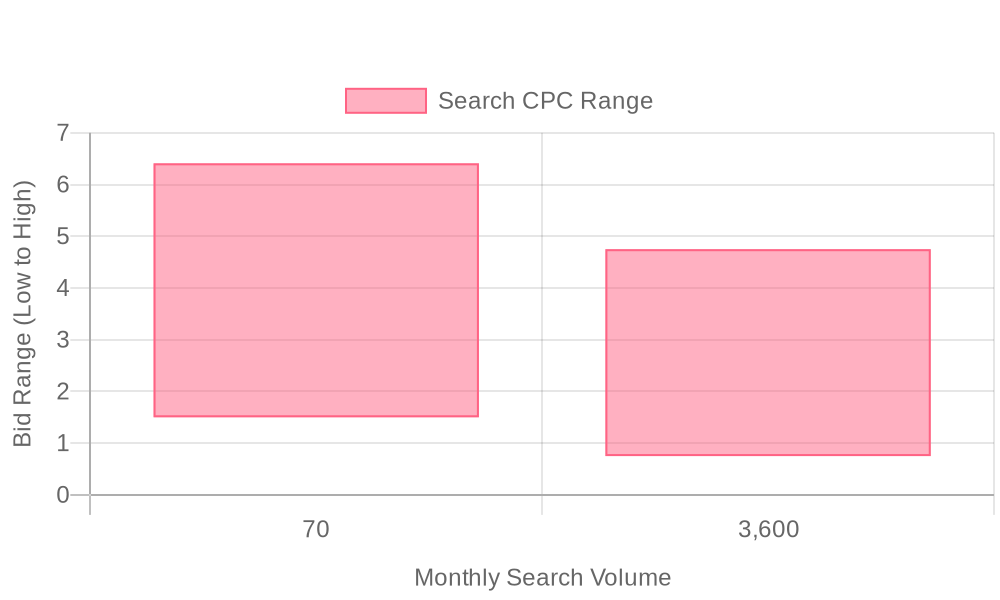
| Industry | Keyword | Monthly Search Volume | Competition Level | Low Bid | High Bid |
| Window Cleaning Suppliers | glass cleaner suppliers | 70 | HIGH | 1.5 | 6.41 |
| Window Cleaning Suppliers | window cleaning suppliers | 3600 | HIGH | 0.75 | 4.75 |
A robust keyword strategy for Google Ads for Window Cleaning Suppliers starts with in-depth research into how commercial buyers search for equipment, chemicals, and wholesale supply partners. Industrial procurement teams and business owners use highly specific phrases, often combining product categories with intent-driven modifiers such as “bulk,” “distributor,” “commercial-grade,” or “wholesale.” Targeting these nuanced queries not only helps suppliers capture motivated prospects but also aligns ad spend with the highest value opportunities in the market. To deepen your understanding of how buyer signals can enhance targeting, explore intent data strategies for revenue growth.
Effective keyword research uncovers both broad and long-tail terms relevant to the B2B supply chain. For window cleaning suppliers, high-conversion terms include product-centric phrases such as “industrial window cleaning solution bulk,” “water-fed pole systems distributor,” and “EPA-certified window cleaner chemicals.” Incorporating geographic modifiers, like “Midwest wholesale window cleaning supplies” or “window cleaning equipment supplier Texas”, drives precision targeting, especially when regional distribution or quick delivery is a competitive advantage. For guidance on running effective Google Ads campaigns tailored to this industry, review Google Ads recommendations for window cleaning companies.
Comprehensive negative keyword lists are essential for filtering out unqualified leads. Excluding terms such as “DIY,” “homemade,” “residential,” or “free” ensures that ad impressions focus solely on professional buyers. This refinement prevents wasted budget on consumer or hobbyist queries and maintains a qualified pipeline. Suppliers leveraging intent signals can dynamically update negative keyword lists as industry trends shift, helping to further boost Google Ads optimization and ROI.
Sample target terms for window cleaning suppliers include:
- Bulk equipment: “commercial window cleaning squeegee bulk,” “wholesale water-fed pole systems”
- Chemicals and solutions: “industrial glass cleaner concentrate,” “eco-friendly window cleaning chemical supplier”
- Distributor programs: “window cleaning supply distributor,” “wholesale partnership window cleaning products”
- Regional targeting: “window cleaning equipment supplier Chicago,” “wholesale window cleaning supplies Northeast”
- Certifications and compliance: “OSHA-compliant window cleaning tools,” “EPA-approved glass cleaner bulk”
These terms, when integrated with real-time audience insights, allow suppliers to reach companies at the moment of purchase intent. By unifying visitor identification data with keyword performance, revenue teams can prioritize high-intent accounts and sync enriched prospect lists into Google Ads and CRM platforms. This approach streamlines the path from search query to closed sale, maximizing the impact of every advertising dollar invested in online advertising for cleaners.
Step-by-Step Campaign Execution Framework
Window cleaning suppliers aiming for measurable B2B growth require a campaign framework that transforms every digital interaction into actionable pipeline value. Focused keyword targeting, precise ad messaging, conversion-optimized landing pages, and continuous optimization create a foundation for scalable lead generation and sales acceleration. Explore a range of actionable guides and strategies to enhance your campaign planning and execution.
This approach gives suppliers the ability to engage high-intent commercial buyers, reduce wasted spend, and maximize return on investment across every stage of the buying journey. Leveraging real-time audience insights ensures that marketing and sales alignment remains strong as market demands shift.
Step 1: Build Targeted Keyword Lists
Success in Google Ads for Window Cleaning Suppliers starts with comprehensive keyword clustering and strategic use of location modifiers. Suppliers should develop segmented lists centered on product categories, such as "bulk window cleaning solution," "industrial squeegee supplier," or "wholesale microfiber cloths." Integrating commercial intent modifiers like “distributor,” “wholesale,” or “bulk pricing” filters out non-commercial traffic, focusing spend on high-value buyers. For additional strategies, review how Google Ads can power window cleaning growth.
Adding geographic qualifiers such as city, region, or distribution zone increases relevance when targeting multi-location franchises or regional contractors. When Sona's Identity Resolution is connected to campaign workflows, marketers gain deeper audience insight by identifying anonymous visitors and aligning search campaigns with real company names and purchase intent, so keyword investment goes toward real B2B buyers.
The upgrade most window cleaning suppliers advertisers miss is going beyond raw keyword volume to layer in intent and identity signals. By connecting website-visitor data and CRM records with Sona Marketing Measurement, you can see which specific search terms bring in the accounts and customers that actually convert, and weight your keyword and bidding strategy toward those rather than the terms with the highest search volume alone.
Step 2: Craft Compelling Ad Copy
Effective ad copy for window cleaning suppliers addresses the critical pain points of procurement managers and business owners: reliability, bulk discounts, supply chain efficiency, and compliance. Headlines should stress commercial-grade durability and immediate availability, while descriptions emphasize certifications, rapid shipping, and dedicated support. To see how targeted messaging drives results, explore this Google Ads case study for window cleaning.
Trust signals, such as “ISO-certified,” “Trusted by 500+ contractors,” or “Same-day pallet shipping”, build credibility and reduce friction in the buyer’s journey. When ad audiences are dynamically updated based on real-time CRM and intent data, messaging can adapt to each stage, driving higher engagement from prospects who are actively evaluating suppliers.
Step 3: Design Landing Pages with Clear CTAs
Landing pages for window cleaning suppliers must deliver an experience tailored to commercial buyers. Key elements include bulk order calculators, instant access to spec sheets and safety data, and primary calls-to-action like “Request a Wholesale Quote” or “Download Product Catalog.” The page layout should guide visitors from product discovery to conversion without distractions. Further insights on effective landing page strategy can be found in this guide to window cleaning advertising.
Aligning landing page content with ad messaging ensures a seamless transition, increasing conversion rates and minimizing bounce. Integrating marketing platforms like Sona's ad conversion tracking enables precise attribution, tracking which campaigns and keywords drive not only form fills but also catalog downloads and phone inquiries, so you can keep optimizing the page.
Step 4: Implement Data-Driven Optimizations
Continuous improvement is essential for long-term success in PPC for window cleaning suppliers. A/B testing headlines, descriptions, and landing page layouts reveals which combinations convert best. Smart bidding strategies, such as Target ROAS or CPA, allocate budget dynamically to the highest-performing segments. For more guidance on optimization, access expert answers on marketing performance.
Market trends and seasonal demand cycles, like the spring surge in commercial cleaning contracts, can be tracked in real time, allowing quick bid adjustments during peak procurement periods. When the supplier's CRM and Google Ads accounts are synchronized with Sona, enriched lead data flows between platforms, keeping retargeting audiences current and every sales touchpoint attributed. This feedback loop supports faster, better-informed optimization decisions and measurable business growth.
Sona Marketing Measurement closes the gap between clicks and revenue. It captures every ad click with first-party measurement, then ties that click through UTM capture and ad-platform APIs to the actual record in your CRM, and reports ROAS by keyword and campaign instead of by last-click form fill. Feeding that revenue signal back into Smart Bidding and Performance Max compounds over time: the algorithms optimize toward booked window cleaning suppliers revenue, not cheap leads.
Tips on Expanding Your Window Cleaning Presence
Window cleaning suppliers can accelerate growth by diversifying outreach and creating value-driven content for their core audience. Tapping into advanced advertising data and refining campaign tactics builds a defensible presence in both established and emerging markets.
- Cross-promote educational content: Develop guides, comparison sheets, and tutorials that inform window cleaning businesses about the latest products, regulatory updates, and maintenance best practices. Promote these assets across your website, email campaigns, and social platforms to position your brand as a resource, not just a supplier. Analyzing which guides drive the most engagement allows you to allocate more budget to high-performing content topics and repurpose them into ad campaigns or webinar series. By identifying visitor intent and behavior, marketers can shift ad spend to the educational assets most likely to convert target companies into leads.
- Upsell complementary services: Expand your average order value by promoting related offerings such as training, equipment leasing, or maintenance packages. Use retargeting audiences built from CRM data to showcase these services to businesses that have already shown interest, maximizing cross-sell potential. Real-time audience updates ensure that as new leads engage with core products, they are automatically exposed to relevant upsell opportunities, keeping your pipeline dynamic and conversion-focused.
- Partner with industry associations: Forge relationships with trade organizations, distributor networks, and regional cleaning alliances to boost credibility and drive referral traffic. Co-branded campaigns and sponsored content within these networks reach decision-makers and purchasing managers who are actively sourcing new suppliers. Integrating association membership data into your audience targeting lets you prioritize these high-fit accounts with tailored messaging and exclusive offers.
- Localize marketing efforts: Tailor campaigns by region, targeting high-density commercial hubs and areas with growing demand for professional cleaning services. Use geo-specific search terms, localized landing pages, and regional promotions to improve visibility in markets where your supply chain is strongest. Local intent signals, like increased search volume for “window cleaning equipment distributor near me”, can be monitored to launch hyper-targeted ads, ensuring your offers reach buyers at the right moment.
- Leverage search query data: Continuously analyze the search terms that drive conversions and engagement. Identify new product trends, frequently asked questions, and emerging pain points to inform future content development, landing page optimization, and advertising strategies. Combining search query insights with real-time visitor identification provides a clear map of which business accounts are in-market, enabling you to prioritize follow-up and personalize outreach for higher win rates.
These strategies, executed with unified audience data and integrated marketing channels, help window cleaning suppliers capture more market share, deepen relationships with existing clients, and open new revenue streams in a competitive B2B environment.
Beyond Google Ads: Winning the AI Answers Window Cleaning Suppliers Buyers Now Trust
Paid search captures demand at the moment someone types a query. But a fast-growing share of window cleaning suppliers buyers no longer start at Google at all, they ask ChatGPT, Gemini, or Perplexity before they ever run a search, and Google's own AI Overviews increasingly summarize an answer above the traditional results. If your business isn't referenced in those AI answers, you're invisible at the exact moment buyers build their shortlist.
Sona AI Visibility shows where your business shows up across ChatGPT, Gemini, Perplexity, Google AI Overviews, and 10+ engines, and, much like a keyword report, which prompts actually send you buyers, so you can prioritize the ones that convert. Run the two together and you cover the entire buyer path: get cited where buyers research (AI Visibility), then prove which of that demand turns into booked revenue (Marketing Measurement).
Helpful resources
Conclusion
Google Ads works for window cleaning suppliers when it's treated as a targeting and measurement problem, not a spend problem: precise keywords, ad copy built for procurement buyers, and landing pages that convert bulk-order interest into real conversations with sales.
The suppliers who pull ahead over the next few years will be the ones who connect ad spend to actual booked revenue, not just clicks and form fills, and who start showing up in the AI answers buyers now consult before they ever search Google. Getting both pieces right now, while most competitors are still optimizing for clicks alone, is a real head start.
To unlock your advertising potential and put data-driven attribution to work, start for free and see how it fits into your marketing strategy.
FAQ
What are the best practices for using Google Ads for window cleaning services?
Best practices include precise targeting, developing targeted keyword lists, integrating CRM data for enhanced targeting, and creating effective ad copy and landing pages to convert B2B interest into actionable leads.
How can I optimize my Google Ads campaigns for window cleaning?
Optimize campaigns by using intent data, dynamic audience management, conversion tracking, and aligning Google Ads with other marketing channels like CRM platforms for seamless data integration and better ROI measurement.
What budget should I allocate for Google Ads in the window cleaning industry?
Budget allocation should be sophisticated, leveraging intent data and real-time signals to focus on accounts showing high purchase readiness, optimizing cost-per-lead and return on ad spend.
What keywords should I target for window cleaning ads?
Target high-intent keywords like 'bulk window cleaning solution distributor' and 'industrial squeegee wholesale,' along with geographic modifiers for precision targeting in the B2B supply chain.
How can I measure the success of my Google Ads for window cleaning?
Measure success through advanced conversion tracking, integrating CRM data for offline conversions, and using unified reporting to identify the campaigns and keywords delivering the highest revenue.







