


A wilderness survival course fills or empties based on how quickly a business can reach the person searching for it. Many high-value prospects, corporate HR coordinators booking a team retreat, parents vetting a teen wilderness program, never surface in a traditional CRM because they never fill out a form before they're ready to buy. Google Ads closes that gap: it lets a survival training business find and engage people at the exact moment they're searching for courses, certifications, or emergency preparedness training. Paired with social media, email, and trade show presence, it turns scattered awareness into a steady flow of qualified leads.
How to Generate Wilderness Survival Training Leads with Google Ads: A Step-by-Step Guide

In wilderness survival training, immediate engagement and a tailored pitch often decide whether a course fills or runs half-empty. Real-time audience data from paid search lets providers spot in-market leads, such as someone comparing certification programs before a hiring deadline, and move faster than competitors still relying on static targeting.
A data-driven Google Ads strategy for wilderness survival training earns its keep only when it's tied to the rest of the marketing plan, so every dollar spent on paid search is traceable to enrollments. Marketers can flag visitors showing real buying intent, someone who has viewed a course calendar twice or downloaded a gear checklist, and shift budget toward them quickly. Syncing that intent data across channels means the pitch a prospect sees in search is reinforced in email, social, and remarketing, rather than contradicted by it.
Audience targeting in this sector demands real segmentation. A weekend hobbyist exploring basic bushcraft, a corporate team-building coordinator booking a retreat, and a prepper researching disaster response courses all respond to different messaging and creative. Dynamic audience management moves prospects into the right pool as they engage with your site or content, serving ads that match where they actually are in the decision process. That precision lifts click-through rates and improves conversion once they land on the page.
Landing pages for survival training ads must present social proof and clear calls-to-action. Aligning ad creative and landing page content maximizes conversions by assuring users that they are in the right place and that the next step is safe, easy, and valuable. Conversion tracking should capture not just online signups but also offline events, like phone enrollments or in-person deposits, to reveal the true ROI of every campaign. By syncing enriched lead data directly into CRM and marketing automation platforms, instructors and sales teams can act instantly on new opportunities, facilitating rapid follow-up and higher close rates.
Wilderness survival training campaigns need constant tending. Search interest shifts with the seasons (spring workshop bookings, back-to-school youth programs, post-disaster spikes in emergency-prep interest), and competitor activity can erode a keyword's efficiency overnight. Marketers who watch performance, test creative, and refine targeting can move budgets and messaging before a shift becomes a lost quarter. Cross-channel insights mean a signal on any platform informs the next outreach, so the buyer experience stays coherent from first click to enrollment. If you're ready to accelerate lead generation, get started for free with Sona.
Why Google Ads Matters for Wilderness Survival Training

Wilderness survival training organizations operate in a market where timing, intent, and relevance dictate the difference between stagnant demand and steady business growth. When prospects actively search for survival courses, certifications, or specialized wilderness skills, capturing their attention with precise, timely ads can drive high-quality leads and fill training rosters quickly. For a detailed guide on marketing strategies tailored to survival training, see this resource for reaching the right audience.
Google Ads stands out by enabling segmentation down to granular levels, such as firmographics and location, so marketers can match offers to the unique needs of each audience segment. This agility is crucial as buyer motivations fluctuate between individual adventure seekers, corporate team-building coordinators, and preparedness enthusiasts. By leveraging real-time audience signals, marketing teams can shift budgets in real time to focus on high-converting accounts, ensuring that campaign investments always align with the most promising opportunities.
Dynamic audiences update as prospects engage with emails, site content, or consultations, so businesses stay in front of them through the full buying cycle. Instead of anonymous website traffic, Sona's Identity Resolution identifies the high-value visitors and companies behind that traffic, syncing enriched lead data directly into Google Ads and connected CRMs. That creates a clean line from initial search click to offline enrollment, making every campaign measurable against real business growth, not just clicks.
Common Types of Google Ads Campaigns for Wilderness Survival Training

Wilderness survival training businesses thrive when their advertising strategies match the highly specific needs of prospective students. Modern demand generation requires campaigns that go well beyond generic outreach, instead speaking directly to the unique skill levels, motivations, and localities of outdoor enthusiasts, corporate clients, and families. For an in-depth look at tailoring your approach, explore this marketing strategies guide for survival training websites.
- Search Campaigns: Capturing demand through high-intent queries remains fundamental. When individuals actively search for terms like "wilderness survival course near me" or "emergency bushcraft training," a well-structured search campaign puts your offering at the top of their results. By leveraging visitor identification, marketers can connect search queries to specific companies or high-value prospects, ensuring that every impression is an opportunity for personalized engagement. Integrating intent data enables immediate budget shifts toward the most promising search audiences, maximizing ROI for Google Ads for Wilderness Survival Training.
- Display Ads: Maintaining brand visibility across outdoor content hubs and enthusiast forums builds ongoing awareness. Display campaigns position your survival courses in front of likely candidates browsing adventure blogs, gear reviews, or local event listings. Dynamic audience updates ensure that your display ad reach evolves as prospective clients move through the decision journey, keeping messaging relevant and timely for those most likely to convert.
- Video Ads: Video content powerfully demonstrates hands-on survival skills and immersive course experiences. Campaigns on YouTube and other video platforms allow trainers to visually showcase unique curriculum elements, instructor expertise, and real participant outcomes. Sophisticated segmentation, based on in-market behavior, further amplifies engagement by targeting viewers who have already demonstrated interest in outdoor training or related topics.
- Remarketing: Reconnecting with prior visitors is essential for nurturing consideration in a high-trust category like survival training. Remarketing campaigns deliver sequenced messaging that adapts to the user’s funnel stage, whether they previously browsed pricing pages, downloaded course brochures, or attended webinars. By syncing enriched audience data from your CRM directly into Google Ads, remarketing efforts become more precise, reducing wasted impressions and delivering reminders that drive conversion.
- Assets: Ad assets (formerly called extensions) increase ad real estate while boosting credibility. Adding location information, certifications, and call or message options directly to search ads addresses common trust gaps and accelerates the path from interest to inquiry. With unified data from your sales and marketing systems, these assets can update dynamically to reflect availability, new course launches, or instructor accolades, so prospects always see current information.
A diversified campaign mix, tightly integrated with your audience and attribution data, equips wilderness survival training providers to meet prospective students at every stage of the research and buying process. With deeper insight into who is engaging and where they stand in that journey, marketers can deploy Google Ads with precision instead of guesswork.
Finding Growth Opportunities

Unlocking growth in wilderness survival training requires precise identification of market gaps and the ability to act on real-time buyer intent. High-performing teams leverage granular insights to prioritize engagement with audiences showing clear signals of interest, ensuring every marketing dollar reaches the right prospects.
- Vertical keyword targeting: Focusing on niche outdoor and survival-related terms allows brands to capture traffic from individuals actively seeking specialized instruction or adventure-based learning. By targeting keywords unique to wilderness survival training, such as "advanced bushcraft workshops" or "disaster preparedness course near me," marketers drive higher-quality leads directly aligned with business offerings. For a curated overview of effective marketing strategies, explore this guide to reaching the right audience; these terms attract motivated users who are far more likely to convert, supporting a sustainable pipeline of course registrations and inquiries.
- Competitor gap analysis: Using advanced competitive intelligence tools, teams can benchmark their current keyword coverage against industry leaders and spot areas of unmet demand. By identifying terms and content themes where competitors are absent or underperforming, survival training providers can efficiently allocate budget toward low-competition, high-intent opportunities. For actionable frameworks to uncover these opportunities, refer to the Sona playbooks. This strategy enables the capture of market share in segments that are often overlooked, such as youth-focused survival camps or executive team-building expeditions.
- Placements on industry-specific sites: Strategic ad placements on outdoor education directories, survivalist forums, and adventure travel platforms help reach prospects who are already researching relevant topics. These environments foster higher trust and engagement, increasing the likelihood that ad impressions translate into course signups or consultation requests. Integrating educational marketing assets, like downloadable checklists or expert whitepapers, further engages informed buyers who are evaluating options at the consideration stage. Consider using Sona Destinations to sync high-value audience data directly into your advertising channels for maximum impact.
- Retargeting with educational content: Delivering follow-up ads featuring high-value resources, such as safety guides, gear lists, or training videos, keeps brands top-of-mind for leads who have shown intent but not yet converted. By aligning retargeted messaging with the specific interests and behaviors of each audience segment, marketers reinforce expertise and address lingering objections. Dynamic audience updates ensure outreach adapts as prospects move through the funnel, while enriched visitor identification helps sales teams prioritize outreach to the most engaged companies and individuals.
With a unified view of web, CRM, and advertising data, revenue teams can adjust keyword lists, bid strategies, and creative based on emerging intent signals as they emerge, not weeks later in a quarterly review. That's what makes a wilderness survival training campaign measurable and worth scaling rather than just running.
Applying Audience Segmentation for Wilderness Survival Training

Wilderness survival training providers gain a significant advantage when they segment audiences with precision, tailoring each campaign to the nuanced needs of different learner groups. Granular segmentation supports the delivery of highly relevant messaging, which drives higher engagement rates and reduces wasted ad spend. For step-by-step frameworks on segmenting and activating audiences, explore this audience segmentation playbook.
- Define audience segments: Successful audience segmentation begins by distinguishing between beginners and advanced survival learners. Beginners are likely to be interested in foundational skills and introductory workshops, while advanced learners seek specialized or certification-based courses. Messaging crafted for each group addresses their unique goals, building credibility and resonance from the first interaction. Providers can reference this guide to survival training marketing strategies to further refine their messaging and positioning.
- Overlay with intent signals: Layering behavioral and intent data onto existing segments separates those actively ready to enroll from those merely browsing tips or gear reviews. This guides budget toward high-value prospects, so conversion-ready visitors see timely, persuasive offers. Sona surfaces intent signals alongside visitor identification, pinpointing which website visitors show real purchase behavior and enabling real-time optimization of campaign budgets and creative.
- Create customized ad groups: Building bespoke ad groups for each segment, paired with tailored creative and budget strategies, maximizes marketing efficiency. For example, one ad group targets first-time learners with messaging focused on skill basics and safety assurances, while another addresses seasoned survivalists with advanced modules and leadership opportunities. Dynamic audience updates ensure that as leads move through the funnel, such as progressing from information-seeker to course registrant, messaging and retargeting sequences evolve automatically. Integrating CRM data with ad platforms allows enriched audience lists to sync in real time, keeping campaigns aligned with the latest customer journey stage and maximizing ROI on wilderness survival advertising investments.
Ready to elevate your segmentation and drive higher ROI? Get started for free with Sona.
This is also where measurement changes the economics. With Sona Marketing Measurement you can identify the companies behind your ad clicks, not just anonymous sessions, and segment audiences by which accounts actually become customers. That lets you build bid adjustments and audience signals around the segments that convert and de-prioritize the ones that don't, so you feed Google's algorithms "this click became a paying wilderness survival training customer" instead of just "someone filled out a form."
Keyword Strategy & Sample Target Terms
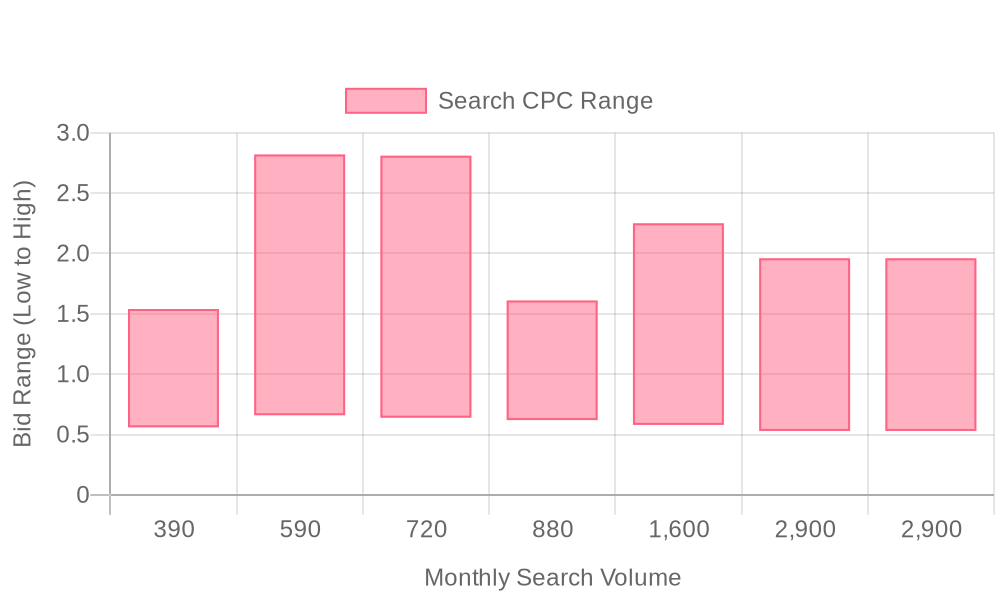
| Industry | Keyword | Monthly Search Volume | Competition Level | Low Bid | High Bid |
| Wilderness Survival Training | outdoor survival classes | 390 | LOW | 0.56 | 1.54 |
| Wilderness Survival Training | survival courses | 590 | LOW | 0.66 | 2.82 |
| Wilderness Survival Training | survival classes | 720 | LOW | 0.64 | 2.81 |
| Wilderness Survival Training | wilderness survival training | 880 | LOW | 0.62 | 1.61 |
| Wilderness Survival Training | wilderness survival training near me | 1600 | LOW | 0.58 | 2.25 |
| Wilderness Survival Training | survival classes near me | 2900 | LOW | 0.53 | 1.96 |
| Wilderness Survival Training | survival courses near me | 2900 | LOW | 0.53 | 1.96 |
Effective keyword strategy is the foundation of successful Google Ads for Wilderness Survival Training. High-value prospects frequently slip through the cracks when campaigns rely on generic or overly broad terms, limiting both reach and conversion rates. To maximize visibility and engagement, marketers must use a blend of primary search terms and intelligent modifiers tailored to user intent and geographic context. For a detailed look at keyword-driven marketing strategies, visit this guide to marketing strategies for survival training websites.
Primary keywords such as "wilderness survival courses" and "outdoor training Google Ads" consistently deliver relevant traffic. Adding modifiers like “near me” or “certification” increases local relevance, capturing users actively seeking hands-on instruction or accredited programs. Marketers benefit by layering in high-volume, low-competition phrases such as “beginner wilderness survival class” or “emergency skills camp,” ensuring coverage of both broad and niche queries. For more tactical insights on scaling campaigns, explore the B2B marketing playbooks.
Negative keywords play a crucial role in refining audience quality. By excluding irrelevant searches, such as “free survival games” or “TV show casting”, budgets stay focused on prospects with genuine interest in enrolling. The right negative keyword lists prevent wasted spend and improve campaign efficiency, especially when combined with visitor identification. Using platforms that recognize both anonymous and known visitors allows teams to prioritize in-market accounts, shifting budget dynamically to high-converting segments. As prospects progress through the funnel, dynamic audience updating ensures ads follow only the most engaged users, amplifying ROI and accelerating customer acquisition.
Integrating CRM and ad platforms further refines this keyword-driven approach. When enriched audience data syncs in real time, campaigns automatically align with both online signals and offline actions, like course sign-ups or event attendance, creating a feedback loop that sharpens keyword strategies and enhances campaign performance for every stage of the wilderness training buyer journey. If you’re ready to optimize your wilderness training campaigns, get started for free with Sona.
Step-by-Step Campaign Execution Framework
Step 1: Build Targeted Keyword Lists
Crafting precise keyword lists for wilderness survival training requires deep knowledge of both the local market and the unique value propositions of each program. Start by combining service descriptors such as “wilderness survival course,” “bushcraft workshop,” or “emergency preparedness training” with regional modifiers that reflect the areas where your courses operate. This localization not only boosts ad relevance but also drives higher-quality traffic from individuals most likely to convert. Incorporating visitor identification into this process enables marketers to move beyond broad demographic assumptions, allowing them to pinpoint which organizations and prospects are actively researching similar services in their region. As audience intent shifts, leveraging real-time audience intelligence lets teams prioritize budget toward high-converting geographic segments, ensuring that campaign spend consistently aligns with the most engaged prospects.
The upgrade most wilderness survival training advertisers miss is going beyond raw keyword volume to layer in intent and identity signals. By connecting website-visitor data and CRM records with Sona Marketing Measurement, you can see which specific search terms bring in the accounts and customers that actually convert, and weight your keyword and bidding strategy toward those rather than the terms with the highest search volume alone.
Step 2: Develop Relevant Ad Copy
Effective ad copy for wilderness survival advertising must address immediate audience needs while highlighting what sets your program apart. Focus messaging on core pain points, such as the desire for safety in the outdoors, the appeal of hands-on learning, or the benefits of certified instruction. Integrate proof points like instructor credentials, safety certifications, or limited-time offers to build urgency and trust. By dynamically syncing enriched lead and account data from your CRM with Google Ads, you ensure every ad variation resonates with the correct buyer group: for example, promoting corporate team-building events to HR professionals, or advanced field skills to outdoor enthusiasts. As audiences move through the funnel, automated updates to ad copy keep messaging aligned with each lead’s stage, driving consistently higher engagement and conversion rates. For more on dynamic audience targeting, explore this step-by-step guide to audience segmentation.
Step 3: Design Aligned Landing Pages
Landing pages supporting Google Ads for outdoor training must deliver on every ad promise with clarity and authority. Structure each page to immediately communicate the benefits of your course, feature clear calls-to-action like “Reserve Your Spot,” and reinforce trust with testimonials, safety guarantees, and detailed instructor bios. Tailor landing content to the originating ad group, so visitors searching for “wilderness survival course near Denver” see local schedules, directions, and relevant imagery. Streamline the customer journey by integrating real-time intent signals, if a visitor previously engaged with specific course modules, the landing page can highlight those offerings first. For additional inspiration on optimizing survival training campaign landing pages, review this guide to effective marketing strategies for survival training websites.
Step 4: Optimize with Data-Driven Insights
Continuous improvement is essential for profitable Google Ads campaign for survival training. Implement A/B testing on headlines, images, and CTAs to identify which elements resonate best with each audience segment. Track both micro conversions (such as brochure downloads or email signups) and macro conversions (like completed registrations or payment deposits) to gain a full-funnel view of campaign impact. Advanced attribution tools enable the integration of offline enrollment data, revealing which ads not only generate leads, but also drive actual course attendance and revenue. With unified conversion tracking and dynamic audience syncing, marketers can rapidly adjust targeting, bid strategies, and creative based on live performance. To understand the technical details behind effective conversion measurement, consult the official Google Ads conversion tracking resource.
Sona Marketing Measurement closes the gap between clicks and revenue. It captures ad clicks with first-party measurement, ties each one through UTM capture and ad-platform APIs to the matching record in your CRM, and reports ROAS by keyword and campaign instead of by last-click form fill. Feeding that revenue signal back into Smart Bidding and Performance Max compounds over time: the algorithms optimize toward booked wilderness survival training revenue, not cheap leads.
Tips for Expanding Your Wilderness Survival Training Presence
Expanding your wilderness survival training presence demands a blend of precise cross-channel marketing and strategic partnership development. Businesses that excel in this space consistently reinforce brand messaging by promoting educational content to both new and returning audiences, ensuring their expertise stays top-of-mind throughout the customer journey. For more actionable marketing guides, explore the Sona blog.
Cross-promoting educational content within retargeting ads is a powerful lever for engagement and trust building. When visitors consume your survival guides or video tutorials, serving retargeting ads that highlight related skills or upcoming workshops reminds them of your expertise and encourages deeper interaction. Leveraging advanced visitor identification, marketers can move beyond anonymous web traffic, pinpoint companies or individuals who are showing strong intent, and respond with highly relevant content, increasing the likelihood of conversion.
Upselling additional services becomes substantially more effective when segmented audience data from CRM systems is integrated with advertising efforts. By syncing enriched lead profiles directly into Google Ads and other platforms, survival training providers can align messaging with specific buyer readiness signals, such as interest in advanced wilderness first aid or group expeditions. This approach ensures campaigns are not only personalized but also dynamically updated as leads move through the sales funnel, allowing for timely offers and higher conversion rates. For a deeper dive into optimizing Google Ads, see this official conversion tracking guide.
Collaborating with outdoor associations, adventure travel groups, or local gear shops generates qualified referral traffic and fosters credibility in the market. These partnerships extend reach beyond digital channels, connecting your brand with communities that value outdoor skills. Localizing content to specific geographies further sharpens your competitive edge. By analyzing regional demand and customizing ads to highlight nearby training sessions and local testimonials, you can grow market share in underexposed areas and establish a leadership position in targeted regions. Access more playbooks on partnership-driven growth in the Sona playbook library.
Google Ads succeeds in wilderness survival training as part of a coherent system, not a series of launches. That means CRM data, real-time intent signals, and dynamic audience segmentation working together to reach the right prospect at the right time, backed by conversion tracking that counts both online signups and offline enrollments. Providers who build that system see steadier rosters and a marketing operation that adjusts as demand shifts through the season. Ready to accelerate your growth? Get started for free with Sona.
Beyond Google Ads: Winning the AI Answers Wilderness Survival Training Buyers Now Trust
Paid search captures demand at the moment someone types a query. But a fast-growing share of wilderness survival training buyers no longer start at Google at all, they ask ChatGPT, Gemini, or Perplexity before they ever run a search, and Google's own AI Overviews increasingly summarize an answer above the traditional results. If your business isn't referenced in those AI answers, you're invisible at the exact moment buyers build their shortlist.
Sona AI Visibility shows where your business shows up across ChatGPT, Gemini, Perplexity, Google AI Overviews, and 10+ engines, and, much like a keyword report, which prompts actually send you buyers, so you can prioritize the ones that convert. Run the two together and you cover the entire buyer path: get cited where buyers research (AI Visibility), then prove which of that demand turns into booked revenue (Marketing Measurement).
Helpful resources
Conclusion
Google Ads works for wilderness survival training when it's treated as a precision instrument, not a megaphone: the campaigns that fill rosters are the ones built around who's actually searching, what they need to hear, and how quickly a business can respond once they've shown interest.
The providers who pull ahead won't be the ones spending the most, but the ones who tie every click to an actual enrollment, so their budget keeps finding the next cohort of people ready to learn to build a fire, read a map, or lead a team through the woods.
FAQ
What are the best practices for using Google Ads for wilderness survival training?
Best practices include integrating Google Ads with broader marketing strategies, using real-time audience data, deep segmentation, and aligning ad creative with landing pages to ensure consistency and maximize conversion rates.
How can I create effective Google Ads for my survival training courses?
Create effective ads by targeting specific audience segments with tailored messaging, using dynamic audience management, and ensuring landing pages provide social proof and clear calls-to-action.
What budget should I allocate for Google Ads in wilderness survival training?
Allocate budget based on real-time data and audience intent, allowing for quick shifts to high-converting audiences while ensuring each dollar spent is accountable to downstream impact.
What keywords should I target for Google Ads in the survival training niche?
Target keywords like 'wilderness survival courses' and 'outdoor training' with modifiers such as 'near me' or 'certification' to capture relevant traffic and enhance local relevance.
How can I measure the success of my Google Ads campaigns for wilderness survival training?
Measure success by using conversion tracking to capture both online and offline signups, syncing lead data into CRM systems, and continuously optimizing campaigns based on performance insights.







