


Catch-your-own fishing outfits sell a moment, not a commodity: a client baits a hook, pulls in a striper or a redfish, and remembers it for years. Google Ads is how that moment gets found by the people already searching for it, whether they're planning a family weekend, a bachelor party, or a corporate outing. For charter operators, that means intercepting travelers at the exact point they're deciding where to book, with targeting precise enough to separate a serious inquiry from idle browsing and reporting clear enough to show which ads actually filled the boat. Done well, Google Ads turns a scrolling searcher into a confirmed reservation with minimal friction between click and booking.
How to Generate Catch-Your-Own Fishing Experience Leads with Google Ads: A Step-by-Step Guide
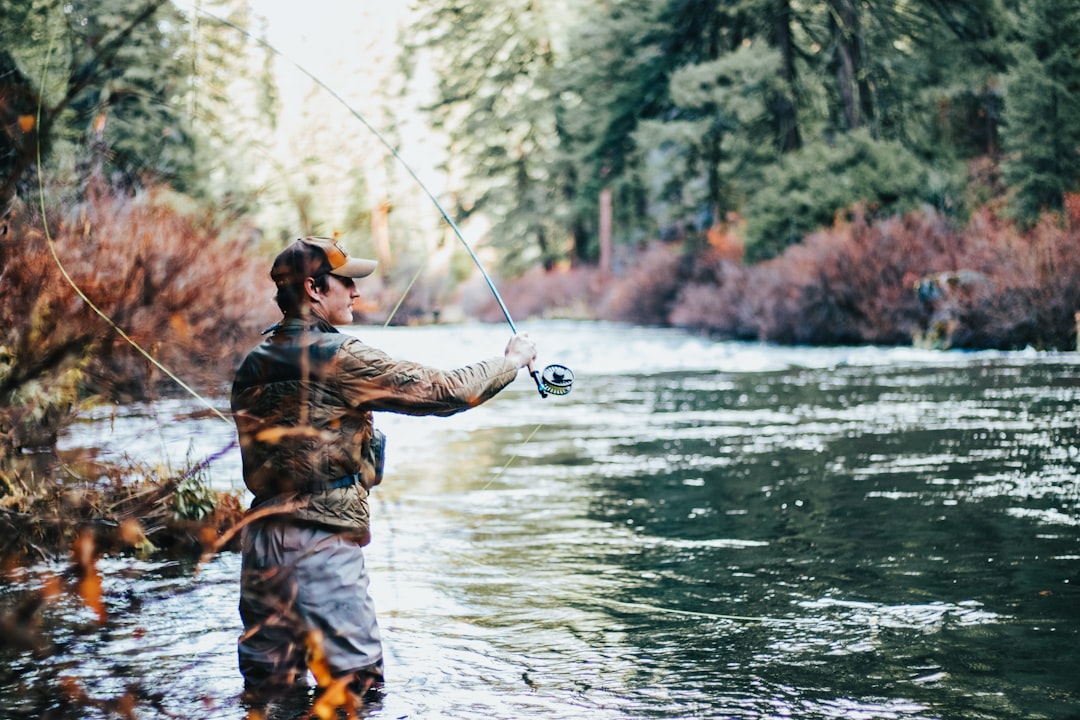
A data-driven Google Ads strategy helps fishing charter operators reach motivated travelers and hobbyists exactly when they're searching for unique, bookable experiences. With precise targeting and advanced analytics, marketers can uncover high-value leads who are ready to make decisions, ensuring every ad dollar works harder and delivers measurable results. For inspiration on marketing your charter business, explore comprehensive fishing charter marketing services.
This step-by-step guide empowers marketing professionals to unify digital efforts, optimize campaign performance, and capture more interest from those seeking catch-your-own fishing adventures. By integrating audience insights, dynamic keyword strategies, and seamless cross-channel workflows, teams can convert anonymous website visitors into qualified leads and drive consistent bookings.
- Implement a data-driven approach: Focus campaign efforts on audience segments proven to convert. By leveraging Identity Resolution, marketers can identify which companies and buying groups are browsing, prioritizing spend on high-propensity accounts. This reduces wasted impressions and ensures outreach is always directed toward prospects with intent to book fishing experiences.
- Optimize keyword strategies: Build keyword lists around the distinct ways people search for this experience, "catch and keep" versus "catch and release," species-specific trips like redfish or trout, and half-day versus full-day charters. Regular analysis of search term reports and market trends surfaces new demand as it emerges, especially around season openers, tournament weekends, and school-holiday travel windows when booking urgency spikes.
- Align landing pages with creative ads: Ensure landing page messaging and design match ad copy, which strengthens trust and drives higher conversion rates. Personalization matters here: enriched data lets operators tailor content based on visitor profile, intent signals, and prior interactions. This tight alignment translates interest into bookings with minimal friction.
- Employ continuous optimization techniques: Monitor performance metrics in real time, adjusting bids, ad copy, and targeting as needed to boost ROI. Advanced solutions allow instant attribution of both online and offline conversions, connecting Google Ads performance with actual bookings and revenue. For best practices on measuring impact, review marketing's influence on the sales pipeline.
- Leverage cross-channel integrations: Consistency across all marketing touchpoints reduces confusion and builds brand recognition. Syncing enriched audiences and lead data between your CRM and Google Ads ensures every retargeting and nurture campaign reflects the latest buyer activity and status. This unified approach keeps prospects engaged throughout the decision journey, solidifying your brand's presence in the competitive fishing tourism marketplace.
These strategies help fishing charter marketers make the most of every opportunity, stay agile as demand shifts with the seasons, and turn interest into booked trips. To put these tactics into action, get started for free with Sona.
Why Google Ads Matters for Catch-Your-Own Fishing Experiences

Digital marketing has transformed how catch-your-own fishing operators attract and engage clients. Google Ads provides a direct, cost-controlled channel to reach high-intent customers seeking unique, hands-on fishing experiences, ensuring visibility where it matters most. For a deeper dive into optimizing digital campaigns for fishing charters, review these fishing charter marketing services.
- Niche Audience Reach: Google Ads enables pinpoint targeting of people actively searching for catch-your-own fishing trips, cutting waste on broad audiences. By combining keyword targeting with intent signals, operators connect with anglers who are ready to book instead of chasing casual browsers.
- High-Value Client Acquisition: Campaigns can spotlight premium packages, family-friendly adventures, or specialty trips to reach clients most likely to convert and spend more. With Identity Resolution, marketers move beyond anonymous clicks, recognizing the companies or groups behind booking inquiries.
- Rapid Demand Response: Fishing seasons and tournaments drive surges in consumer interest. Google Ads allows businesses to scale spend, adjust messaging, and launch timely offers in real time to capitalize on fleeting demand spikes. Marketers benefit from real-time behavioral data; when Sona is integrated, budgets and messaging shift automatically toward in-market, high-propensity accounts for higher conversion rates.
- Emerging Market Visibility: Expanding into new geographic regions or targeting untapped demographics becomes seamless with location-based Google Ads strategies. Operators minimize disconnected messaging by dynamically syncing audiences as new leads enter the sales funnel, ensuring relevant ads are delivered based on each prospect's journey.
- Data-Driven Insights: Every click and conversion is measured, providing a transparent view of campaign performance. By integrating Google Ads analytics within a unified platform, marketers gain holistic insights into channel attribution and customer behavior, helping refine overall fishing charter marketing strategies. Advanced conversion tracking, including online and offline attribution, reveals true ROI from initial ad engagement to booked excursions, empowering revenue teams to optimize spend and drive sustainable growth.
Ready to maximize your bookings? Get started for free with Sona.
Common Types of Google Ads Campaigns for Catch-Your-Own Fishing Experiences
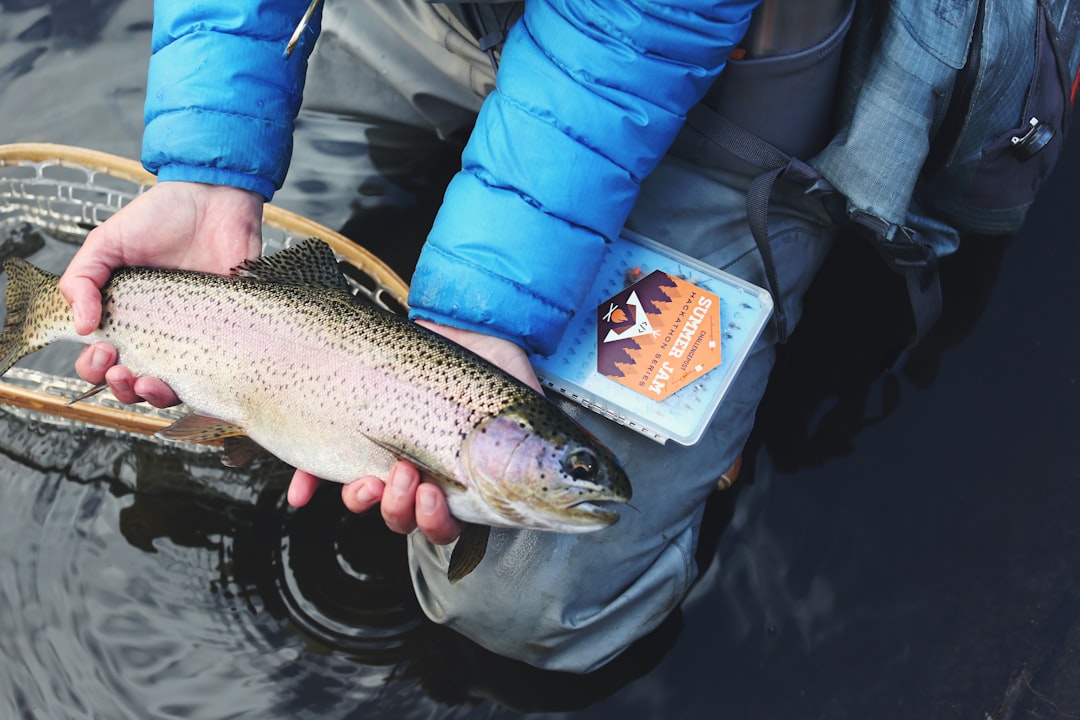
Catch-your-own fishing experiences operate in a market where intent-driven search and memorable visual storytelling are decisive for bookings. Industry leaders use targeted Google Ads campaigns that align with the buyer journey, ensuring each touchpoint supports conversion and brand credibility.
- Search Campaigns: These campaigns are designed to capture high-intent queries from individuals actively searching for fishing charters or catch-your-own adventures. By targeting specific keywords and phrases, marketers can drive quality traffic from prospects who are ready to book or inquire. When paired with real-time visitor identification, teams can move beyond anonymous clicks, pinpointing the companies and decision-makers behind each inquiry. This precision allows for a shift in budget and messaging to high-value accounts, maximizing returns from search advertising.
- Display Ads: Display campaigns maintain brand visibility across fishing and travel-centric websites, engaging audiences throughout their research process. This format supports ongoing awareness and recaptures interest from users who may not have converted on their first visit. When integrated with dynamic audience capabilities, marketers can refresh their targeting as prospects move through the funnel, ensuring relevant messaging appears at every consideration stage. This adaptive approach reduces wasted impressions and keeps high-potential leads engaged.
- Video Ads: Video ads leverage compelling visuals to showcase the excitement and uniqueness of fishing tours, reaching audiences who seek immersive experiences before making a decision. These placements extend your brand's reach to platforms like YouTube, building trust and anticipation among adventure-seekers. By syncing CRM and behavioral data, video campaigns can be tailored to prospects showing real-time intent, delivering personalized stories that resonate with specific buyer segments.
- Remarketing: Remarketing campaigns re-engage visitors who previously explored your site but did not book or inquire. Customized ads remind them of your unique offerings and address potential objections, increasing the likelihood of conversion upon return. With advanced conversion tracking and attribution, it becomes possible to connect online engagement with offline bookings, giving a full picture of ROI for PPC advertising for fishing charters. For actionable ideas, see creative marketing strategies for fishing guides.
- Assets: Ad assets add trust elements, business location, industry awards, customer testimonials, directly to your ads. These enhancements improve click-through rates and reinforce brand reputation at the decision-making moment. Syncing enriched lead data ensures every interaction, online or offline, is accounted for, so messaging stays consistent across brand and performance goals.
Deploying these campaign types, alongside solid audience segmentation and unified conversion tracking, turns anonymous web traffic into measurable revenue. Each step, from targeting to retargeting, gets stronger with real-time data behind it, driving higher booking rates across every channel.
Where to Find Growth Opportunities in Catch-Your-Own Fishing Experiences
Expanding reach in the catch-your-own fishing experiences market requires a precise approach. Identifying and seizing overlooked opportunities places your brand in front of the right audience, resulting in higher engagement and measurable growth.
- Target niche keywords: Focus on highly specific search terms aligned with your unique offerings, whether it's deep-sea charters, guided river trips, or eco-friendly angling excursions. This strategy ensures your ads and content surface for prospects with high purchase intent, maximizing budget efficiency and improving your click-through rates. When integrated with advanced marketing platforms, marketers can isolate not only relevant keywords but also prioritize those accounts demonstrating in-market intent, allowing resources to shift to the most promising prospects at the moment they are likely to convert with real-time audience segmentation.
- Conduct competitor analysis: Assess your competitors' ad campaigns, landing pages, and keyword strategies to pinpoint market gaps. By revealing which audiences remain underserved or which topics receive minimal attention, you can develop campaigns that speak directly to these unmet needs. Modern analytics tools enable you to move beyond surface-level research, leveraging visitor identification to transform anonymous web traffic into actionable insights about companies and decision-makers who show interest but have not yet engaged.
- Advertise on specialized forums and directories: Placing ads on platforms dedicated to fishing tourism, angling forums, or regional outdoor activity directories increases your visibility among enthusiasts and travelers actively seeking new experiences. This targeted placement reduces the risk of prospect churn by capturing attention where buyers are already congregating. Integrating real-time engagement insights allows you to adjust spend and messaging dynamically, ensuring your brand remains top-of-mind as intent shifts within these communities.
- Leverage content retargeting: Use valuable resources, such as downloadable guides, seasonal checklists, or interactive trip planners, to re-engage visitors who have interacted with your site but not converted. Content retargeting keeps your brand present during the buyer's research phase, nurturing leads until they are ready to book. Marketing platforms that sync enriched audiences with advertising streamline this process, updating retargeting lists as leads move through the funnel and enabling precise, personalized follow-up across channels.
For additional optimization, explore actionable tips for marketing a fishing charter to ensure every touchpoint maximizes the likelihood of conversion. This multi-faceted approach turns passive interest into tangible growth for catch-your-own fishing experiences.
How to Apply Audience Segmentation for Catch-Your-Own Fishing Experiences
Catch-your-own fishing experiences attract a diverse set of clients, ranging from casual weekend anglers to upscale corporate event planners. Precision marketing transforms this diversity into high-value bookings by tailoring engagement at every stage of the funnel, with resources like fishing charter marketing services offering strategies to boost bookings and online presence.
Strengthening targeting starts with segmenting your audience according to their unique booking behaviors. Weekend anglers typically seek short, flexible trips and respond well to last-minute offers or local promotions, while corporate event planners prioritize reliability, amenities, and seamless group coordination. Differentiating these high-value segments within your CRM ensures that no opportunity slips through the cracks, with advanced visitor identification surfacing not just anonymous traffic, but the specific companies and individuals signaling purchase intent.
Overlaying intent signals further refines your approach. Monitoring user interactions, such as visits to deep-sea or freshwater package pages, downloads of itinerary guides, or repeat quotation requests, reveals in-market behavior. This data helps shift ad budget dynamically toward audiences most likely to convert, and unlocks retargeting strategies that speak directly to the interests of each lead. Real-time updates enable revenue teams to re-engage prospects who show intent but haven't booked, increasing relevance and minimizing wasted spend.
Custom ad groups amplify campaign efficiency. By creating distinct ad sets for each segment, marketers can personalize creative assets, offers, and calls to action. For instance, display ads for family anglers might highlight safety and ease, while those for corporate planners can focus on exclusive experiences and white-glove service. Budget allocation also becomes more strategic: teams can invest more in segments that show higher engagement signals, using CRM-enriched data to support granular optimizations. For additional guidance, explore creative marketing strategies for fishing guides.
Validating conversion paths is essential for measuring success and maximizing ROI. Integrating lead and booking data directly into your CRM, synchronized with platforms like Google Ads and Salesforce, allows for full-funnel attribution, connecting ad spend to real-world revenue outcomes. Advanced conversion tracking bridges online and offline touchpoints, ensuring every inquiry, call, and booking is tracked to its source. With this unified view, marketing and sales teams can continuously refine their approach, doubling down on segments and channels that deliver the highest yield for catch-your-own fishing experiences. If you're ready to activate advanced segmentation and tracking, get started for free with Sona.
This is also where measurement changes the economics. With Sona Marketing Measurement you can identify the companies and buyers behind your ad clicks, not just anonymous sessions, and segment audiences by who actually becomes a customer. That lets you build bid adjustments and audience signals around the segments that convert and de-prioritize the ones that don't, so you feed Google's algorithms "this click became a paying catch customer" instead of just "someone filled out a form."
Step-by-Step Campaign Execution Framework
Fishing charter operators compete less on price than on trust and specificity: a clear photo of last week's catch, a transparent cancellation policy, a guide who knows the tides. Each campaign element should be built to earn that trust and be measured for it, with real-time feedback informing every optimization. Explore digital marketing strategies designed for small business growth, and review in-depth marketing analytics articles to sharpen your approach.
Unified data and audience insight are essential for campaigns targeting catch-your-own fishing experiences, letting marketers act on high-intent signals and refine outreach as booking trends shift with the seasons. Seamless integration between ad platforms, CRM, and analytics ensures every prospect is tracked, nurtured, and converted efficiently.
Step 1: Build Targeted Keyword Lists
- Service-Based Keywords: Develop keyword lists tailored to each offering, such as family fishing charters, guided solo trips, or group excursions. Segmenting by service type allows for precise targeting and ensures ads are relevant to user intent.
- Geographic Modifiers: Add location-specific phrases like "Lake Michigan fishing charter" or "Florida deep sea fishing" to capture local demand and reduce wasted spend on irrelevant searches.
- Long-Tail and Niche Terms: Prioritize longer, more specific phrases that indicate strong intent, such as "catch your own trout experience near Denver." These keywords often deliver higher conversion rates at lower costs.
- Negative Keyword Filters: Apply exclusions to eliminate unqualified traffic, such as searches for DIY fishing tips or equipment unrelated to guided tours.
Aligning keyword strategy with both organic and paid campaigns creates a unified approach, preventing overlap and amplifying reach. When integrated with visitor identification, marketers gain visibility into which companies and high-value leads are searching, enabling more refined targeting across all funnel stages. For a step-by-step approach to keyword selection, see this fishing charter marketing guide.
The upgrade most catch advertisers miss is going beyond raw keyword volume to layer in intent and identity signals. By connecting website-visitor data and CRM records with Sona Marketing Measurement, you can see which specific search terms bring in the accounts and customers that actually convert, and weight your keyword and bidding strategy toward those rather than the terms with the highest search volume alone.
Step 2: Develop Compelling Ad Copy
- User Pain Points and Differentiators: Write ad copy that directly addresses common customer concerns, such as booking reliability, quality of guides, or unique catch-and-keep policies. Highlight what sets your fishing experiences apart, like eco-friendly practices or guaranteed catch outings.
- Urgency and Offers: Use limited-time promotions to drive bookings during peak seasons or fill last-minute availability. Phrases like "Book now for spring savings" or "Limited spots for weekend adventures" prompt immediate action.
- Ad Assets: Use callout, sitelink, and location assets to showcase awards, reviews, or quick links to popular trip types. Assets increase ad visibility and deliver useful information upfront.
Maintaining message consistency across web, social, and email channels builds trust and reinforces brand credibility. Dynamic audience syncing ensures that as leads engage across channels, they consistently see tailored offers and creative, maximizing conversion potential. For creative marketing examples, visit this blog for fishing guides.
Step 3: Design Effective Landing Pages
- Seamless Ad-to-Page Alignment: Ensure that landing pages match ad promises and keywords, providing a frictionless transition and clear path to booking. This consistency improves both Quality Score and user trust.
- Trust Elements: Feature verified customer testimonials, industry awards, and third-party ratings. These social proofs reassure prospects and counter skepticism inherent in high-value experience bookings.
- Simple CTAs and Mobile Optimization: Use direct calls-to-action like "Reserve Your Trip" or "Check Availability" with minimal friction. Mobile-first layouts ensure seamless booking on any device, essential for on-the-go users.
Connecting CRM systems with landing page forms enables immediate lead capture and response. With real-time data sync, every inquiry routes directly to sales or operations, ensuring rapid follow-up and reducing booking drop-off. Explore fishing charter marketing services to boost bookings and online presence.
Step 4: Implement Data-Driven Optimizations
- Comprehensive Conversion Tracking: Monitor both micro-conversions, such as viewing rates or partial form completions, and macro-conversions like confirmed bookings. Trend analysis highlights where users drop out or convert most frequently.
- Smart Bidding Strategies: Deploy automated bidding tactics such as Maximize Conversions, shifting budget dynamically toward audiences and keywords with the highest booking potential. This approach increases efficiency and scales results without manual guesswork.
- A/B Testing: Continually test ad elements, headlines, and landing page CTAs to identify improvements that drive engagement and bookings.
- Offline Conversion Importing: Integrate offline outcome data, such as phone reservations or walk-in bookings, back into campaign tracking. This holistic measurement validates true ROI and informs future campaign prioritization.
Actionable insights from unified campaign, CRM, and offline data empower marketers to optimize creative, targeting, and budget allocation. As audiences move through the funnel, dynamic segmentation ensures the right message reaches each lead at the optimal time, increasing overall campaign profitability and reducing lead waste. For actionable tips on digital marketing optimization, check out these top ways to market a fishing charter.
Sona Marketing Measurement closes the gap between clicks and revenue. It captures every ad click with first-party measurement, no reliance on third-party cookies, then ties that click through UTM capture and ad-platform APIs to the actual record in your CRM, and reports ROAS by keyword and campaign instead of by last-click form fill. Feeding that revenue signal back into Smart Bidding and Performance Max compounds over time: the algorithms optimize toward booked catch revenue, not cheap leads.
Tips on Expanding Your Catch-Your-Own Fishing Experience Presence
Expanding visibility in the catch-your-own fishing experience market requires a multi-layered digital approach that aligns both advertising and content initiatives. High-performing brands in this sector leverage precise audience intelligence and unify their data to deliver the right message at every stage of the buyer journey.
- Cross-promote guides in retargeting campaigns to reinforce content strategy: Retargeting is essential for reinforcing your brand's value proposition to interested prospects. By cross-promoting fishing guides and related resources within retargeting campaigns, marketers can keep their offerings top-of-mind and nurture potential bookings by showcasing relevant expertise and testimonials. When campaign data is centralized, you can identify which guides or content pieces drive the most engagement, then dynamically update your retargeting audiences for maximum impact.
- Upsell additional services as per defined customer segments: Customer segmentation unlocks new revenue streams by allowing you to upsell tailored experiences, such as equipment rentals, private lessons, or premium packages. With unified customer profiles, marketers can push personalized offers to high-value segments. This ensures only the most relevant upsell messages reach each segment, increasing conversion rates and average booking value.
- Form partnerships with travel-related associations for strategic referrals: Strategic partnerships with travel agencies, tourism boards, and local hospitality groups can significantly expand your reach. Integrating referral data into your marketing system enables real-time attribution of partner-driven leads, so you can optimize referral programs and allocate budget to the highest-performing channels. This closed-loop view ensures your association partnerships remain profitable and scalable.
- Geographically localize campaigns to boost presence in target regions: Regional targeting is critical in fishing tourism, as proximity often drives bookings. Advanced location data and visitor identification allow you to pinpoint high-intent traffic from target areas and adjust campaign bids accordingly. By syncing CRM data with ad platforms, marketers can focus spend on regions with proven booking history, while also excluding low-value locations to preserve budget.
- Analyze search trends to inspire new content creation initiatives: Continual analysis of evolving search trends fuels both your advertising and content marketing strategies. When you monitor in-market behavior and intent signals, you unlock insights to create timely blog posts, videos, or guide content that answers real-time customer questions. This data-driven approach ensures your fishing charter SEO tips and online marketing strategies remain relevant and discoverable, attracting organic and paid traffic at scale.
A unified, data-powered approach ties these tactics together, letting teams act on real-time insights and continuously sharpen every part of their catch-your-own fishing campaign strategy. For more advanced tactics, review retargeting strategies that drive engagement throughout the funnel.
Beyond Google Ads: Winning the AI Answers Catch Buyers Now Trust
Paid search captures demand at the moment someone types a query. But a fast-growing share of catch buyers no longer start at Google at all, they ask ChatGPT, Gemini, or Perplexity before they ever run a search, and Google's own AI Overviews increasingly summarize an answer above the traditional results. If your business isn't referenced in those AI answers, you're invisible at the exact moment buyers build their shortlist.
Sona AI Visibility shows where your business shows up across ChatGPT, Gemini, Perplexity, Google AI Overviews, and 10+ engines, and, much like a keyword report, which prompts actually send you buyers, so you can prioritize the ones that convert. Run the two together and you cover the entire buyer path: get cited where buyers research (AI Visibility), then prove which of that demand turns into booked revenue (Marketing Measurement).
Helpful resources
Conclusion
A strategic approach to Google Ads turns fishing charter marketing from guesswork into a repeatable engine: precise targeting, ad copy built around real buyer concerns, and data that shows which keywords actually fill the boat.
The charters winning bookings next season will be the ones that treat every click as a lead worth tracking to the dock, not just to the form. Start for free and see which keywords and campaigns are actually filling seats.
FAQ
How can I create effective Google Ads for my fishing charter business?
To create effective Google Ads for your fishing charter business, focus on precise targeting, develop compelling ad copy and landing pages, and use data-driven optimizations to capture high-intent searchers and turn clicks into bookings.
What are the best practices for using Google Ads to attract fishing charter customers?
Best practices include using data-driven strategies to target high-intent customers, optimizing keyword strategies, aligning landing pages with ad copy, and employing continuous optimization techniques to adjust bids and improve ROI.
How do I target the right audience with Google Ads for my fishing charter service?
Target the right audience by leveraging audience insights, using real-time visitor identification, and focusing on audience segments proven to convert, ensuring every ad dollar reaches prospects with a high intent to book.
What kind of budget should I allocate for Google Ads to promote my fishing charter business?
The budget should be allocated based on targeting high-value leads and optimizing spend on audiences with the highest booking potential, with flexibility to scale during peak seasons and adjust to market demand.
How can I measure the success of my Google Ads campaign for a fishing charter service?
Measure success by monitoring performance metrics in real-time, using comprehensive conversion tracking, and integrating offline data to connect Google Ads performance with actual bookings and revenue.







