


Wholesale variety store buyers rarely announce themselves. A procurement manager researching bulk cleaning supplies or a small retailer stocking up before the holiday rush searches Google, compares a few suppliers, and often never fills out a form before deciding who to call. Missing that window means losing the sale to whichever distributor showed up first. Google Ads gives variety store marketers a way to reach these buyers at the exact moment they're searching, and to fix the disconnect between ad spend and CRM data that leaves high-intent prospects untracked and messaging inconsistent across channels. Done well, it turns industry-specific keyword targeting into a measurable line from click to closed deal.
How to Generate Google Ads for Wholesale Variety Store Merchandise Leads: A Step-by-Step Guide

Wholesale variety store marketers need to capture demand from buyers searching for bulk merchandise across countless product categories. Precision targeting and data-driven execution help ensure ad budgets are invested in the highest-value prospects, not wasted on irrelevant clicks or unqualified leads.
A successful Google Ads strategy for variety store merchandise hinges on granular keyword targeting, smart audience segmentation, and continuous optimization. With the right approach, each ad dollar generates measurable pipeline impact, supporting both immediate sales and long-term account growth.
- Leverage data-driven paid search strategies to ensure no high-value prospects are missed: Use buyer intent signals from website activity, CRM records, and offline interactions to refine search campaigns. Sona's Identity Resolution identifies which companies are engaging with product pages at the account level, so spend is directed toward accounts ready to buy.
- Develop keyword and audience targeting specific to wholesale variety store buyers: Build campaigns around terms such as "bulk office supplies," "wholesale cleaning products," or "variety store merchandise for retailers." Segment audiences using enriched company data and real-time audience signals, ensuring Google Ads campaigns reach buyers actively seeking wholesale solutions. As audience segments update dynamically, marketers can reallocate budget to the highest-intent groups and nurture prospects at every stage of the funnel.
- Align landing page content and ad creatives to maintain consistency and avoid confusing prospects: Ensure that ad copy, headlines, and landing pages all speak directly to the needs of wholesale buyers, highlighting volume discounts, shipping options, and product variety. This alignment reduces bounce rates and raises lead quality, as prospects see messaging tailored to their procurement requirements. For a practical walkthrough on setting up effective Google Shopping Ads, review this step-by-step video tutorial.
- Implement performance optimization tactics to measure offline conversions and boost ROI: Connect Google Ads and CRM data to attribute sales and inquiries accurately, even when conversions occur via phone, email, or in-person visits. Use advanced conversion tracking to capture the full path from click to purchase, enabling revenue teams to optimize campaigns based on real business outcomes.
- Foster cross-channel integration to enhance overall marketing effectiveness and ensure a cohesive message: Sync Google Ads audiences with CRM, email, and sales tools to unify engagement across touchpoints. When marketers push enriched, real-time audience data directly into Google Ads, each campaign becomes more responsive and effective, fueling a seamless experience for wholesale buyers whether online or offline. For more on supporting full-funnel engagement, review retargeting strategies.
Why Google Ads Matter for Wholesale Variety Store Merchandise Businesses
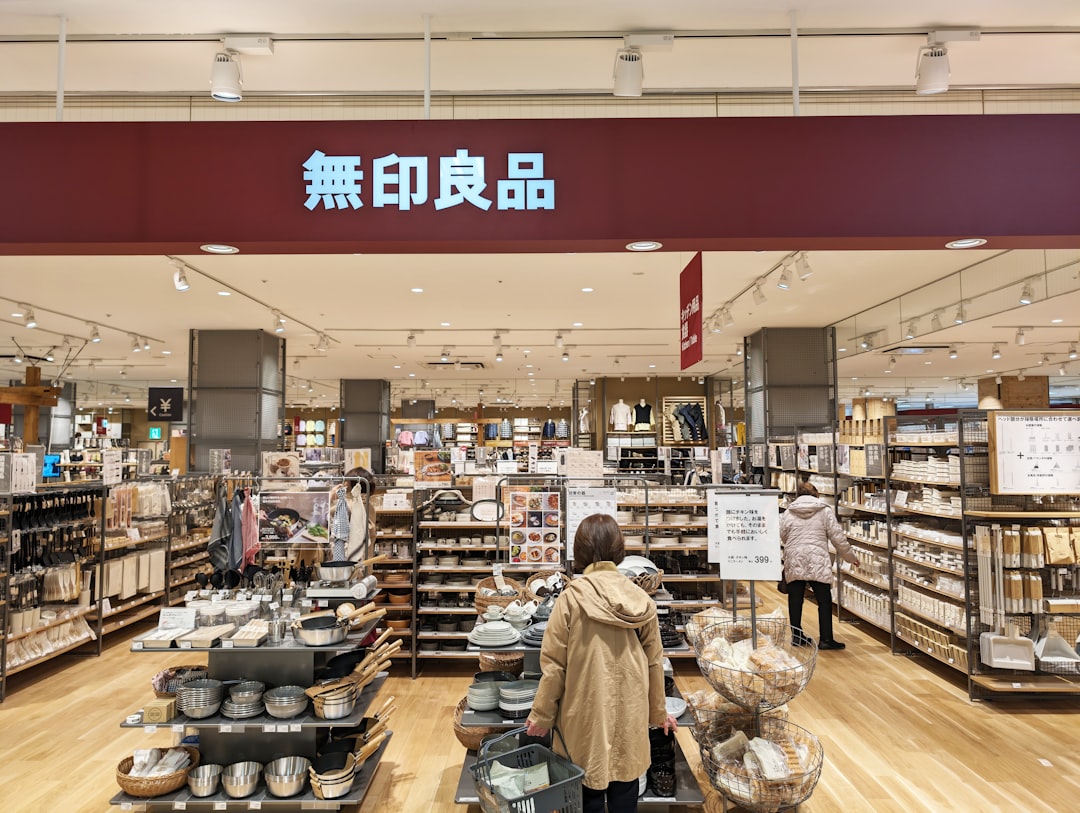
Wholesale variety store merchandise businesses face the challenge of connecting with buyers who are ready to purchase, yet often remain outside traditional sales funnels. Google Ads bridges this gap by enabling brands to engage high-intent prospects precisely when demand spikes, including those who have never filled out a form or interacted directly with a sales team. For teams that want to know which companies are visiting their website, even anonymously, Sona's Identity Resolution unlocks that visibility and triggers timely sales actions.
With advanced audience targeting and real-time analytics, Google Ads empowers wholesale variety stores to seize new opportunities in untapped markets and rapidly scale during promotional events or seasonal peaks. The platform's granular data also supports measurement across multiple touchpoints, ensuring marketing teams maintain a full view of ROI and can adjust spend with confidence. Explore Shopify's guide to Google Shopping Ads for actionable steps tailored to e-commerce growth.
- Direct high-intent traffic: Google Ads identifies and targets active searchers for variety store products, ensuring marketing spend reaches prospects already expressing commercial intent.
- Expand into new markets: Businesses can drive growth by using geographic and demographic filters to efficiently reach emerging segments or regions previously underserved.
- Immediate campaign impact: Google Ads enables swift activation of promotional campaigns, keeping inventory top-of-mind during key buying periods and driving timely foot traffic or online conversions.
- Comprehensive analytics: Integration with platforms like Sona's Identity Resolution transforms raw ad data into actionable insights, unifying anonymous and known visitor activity for closed-loop measurement.
- Dynamic audience management: As buyer intent shifts, dynamic audience segments are refreshed in real time, allowing revenue teams to focus budget on accounts most likely to convert and sync enriched audience data into CRM and ad platforms for precise retargeting.
Google Ads for wholesale variety store merchandise breaks down the wall between digital and offline demand, replacing guesswork with data tied to actual purchases. For distributors juggling dozens of product categories and unpredictable seasonal spikes, that connection between click and closed sale is what separates a scalable channel from a budget drain.
Common Types of Google Ads Campaigns for Wholesale Variety Store Merchandise

- Search Campaigns: Capture bottom-funnel, high-intent inquiries by targeting shoppers actively searching for wholesale variety store merchandise, using Responsive Search Ads to test headline and description combinations against terms like "bulk merchandise supplier" or "variety store liquidation pallets." Sona's Intent Signals surface which accounts behind these queries are actually in-market, and Identity Resolution identifies the companies themselves, sharpening targeting and lifting conversions.
- Display Ads: Maintain visibility with prospects throughout the buying cycle by delivering banner and visual ads across relevant websites. Display campaigns reinforce your brand message and keep your products top-of-mind, effectively supporting ongoing email and social outreach. When display audience segments are dynamically updated based on real-time engagement and CRM data, teams can ensure only qualified, sales-ready accounts receive retargeted impressions, optimizing spend and driving awareness. Explore more about Google Ads for e-commerce to further enhance your campaign strategy.
- Video Ads: Showcase the breadth and uniqueness of your merchandise through engaging video content on platforms like YouTube and the Google Display Network. Video ads are particularly effective for communicating value in a crowded market, helping B2B buyers visualize product application and variety. Integrating advanced audience insights allows marketers to serve video content to in-market accounts at key moments, deepening engagement and accelerating pipeline velocity.
- Remarketing Campaigns: Re-engage previous site visitors and shopping cart abandoners through strategically timed remarketing ads. These campaigns address the challenge of anonymous web traffic by reconnecting with high-potential leads who have shown interest but have not yet converted. By syncing enriched account data from CRM and offline channels directly into Google Ads, teams track full-funnel attribution and ensure remarketing efforts reach prioritized accounts, increasing conversion rates and ROI. Get started for free with Sona.
Where to Find Growth Opportunities?

B2B marketers serving wholesale variety store merchandise must continuously scan for overlooked channels to drive pipeline growth. Success depends on finding market segments and audience profiles yet to be saturated by competitors, and acting quickly to deliver compelling, relevant messaging. Sona helps reveal which companies are visiting your website, even if they don't fill out a form, empowering you to act on new opportunities and refine your outreach.
- Niche service targeting: Leverage vertical keyword strategies to surface hidden demand within specialty merchandise categories. By isolating long-tail keywords tailored to specific buyer needs, marketers can reach decision-makers actively searching for solutions but overlooked by broad campaigns. This approach ensures your campaigns capture intent-driven leads who otherwise remain invisible.
- Competitor gap analysis: Use advanced digital analysis tools to uncover competitor blind spots. Identify segments where other distributors are under-represented, such as underserved geographic regions or emerging industry verticals. For actionable tips, visit our blog hub and discover methods to prioritize budget and creative toward high-opportunity audiences.
- Industry forum and directory engagement: Engage in relevant industry-specific forums and directories where content saturation is low. Establishing a presence in these channels not only builds brand credibility but also creates a steady flow of referral traffic from buyers seeking trusted partners. Authentic participation and value-driven contributions often yield high-quality leads.
- Content retargeting for education: Retarget users who interact with educational resources like whitepapers or how-to videos. Aligning your ads with these assets keeps prospects engaged as they research bulk purchasing options and supplier reliability. When intent signals are unified across your website and advertising channels, marketers can shift spend to in-market buyers, optimize audience segments in real time, and sync enriched account data directly into their ad platforms and CRM for seamless follow-up.
How to Apply Audience Segmentation for Wholesale Variety Store Merchandise
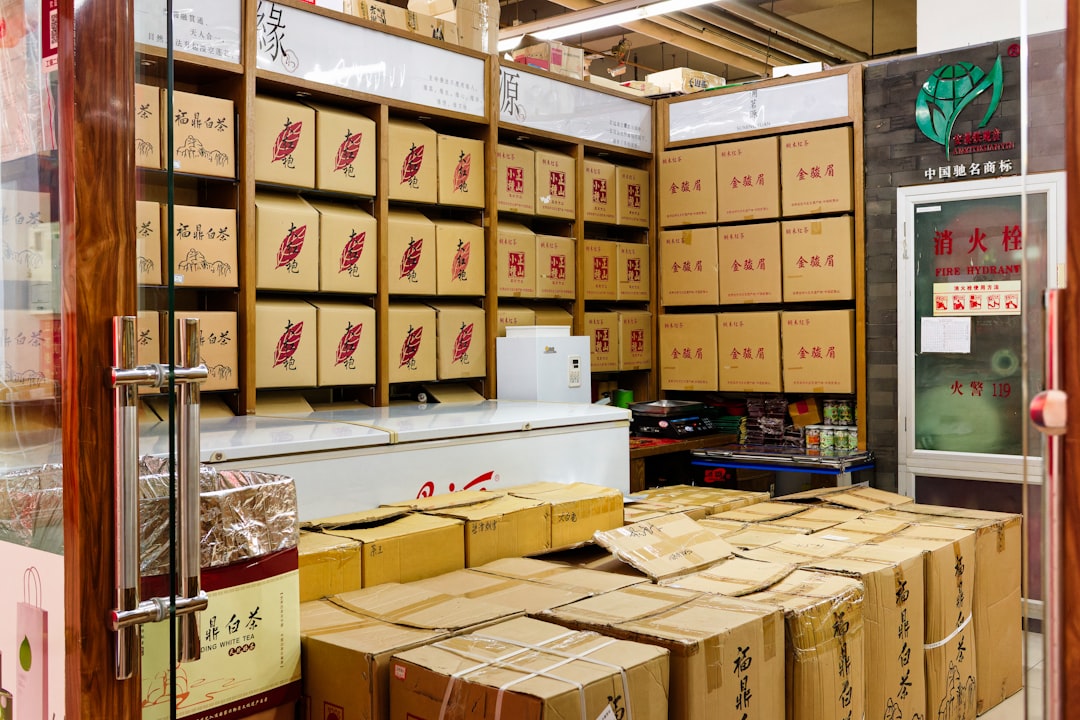
Wholesale variety stores operate in a complex marketplace where customer needs and purchase behaviors shift rapidly. Precise audience segmentation transforms broad targeting into focused, intent-driven engagement, maximizing the relevance and ROI of every campaign.
- Define Segments: Start by categorizing your audience into clearly defined groups based on buying patterns, business size, or purchasing frequency. For example, bulk buyers typically seek volume discounts and inventory replenishment, while small business owners prioritize variety and flexibility. By structuring these segments early, you can allocate marketing resources more efficiently and ensure that creative assets resonate with each group's specific motivations. Explore actionable segmentation tactics in our marketing and sales playbooks.
- Overlay Intent Signals: Next, layer in real-time intent data to distinguish between audiences actively searching for seasonal merchandise, promotional deals, or last-minute inventory fills. Platforms that unify website, CRM, and ad engagement data unlock deep insights into which visitors are showing high in-market signals. This allows for dynamic audience updates, ensuring ad spend pivots toward those most likely to convert, even as buyer intent changes throughout the sales cycle.
- Create Ad Groups: Structure Google Ads for wholesale merchandise into dedicated ad groups that align with each segment. Tailor messaging, creative, and bid strategies to address pain points unique to each audience, such as highlighting bulk savings for large purchasers or featuring trend-driven SKUs for smaller retailers. Segment-specific budgeting enables you to double down on high-performing groups, while suppressing spend for low-engagement segments. Audience sync capabilities make it possible to automatically refresh these groups as contacts move between stages, preventing wasted impressions and improving relevance. For a practical walkthrough, watch this video tutorial on setting up Google Shopping Ads.
- Validate Conversion Paths: Ensure that every lead, call, form fill, or online purchase is tracked across the buyer journey. Integrate all conversion events back to your CRM, so you get a unified, accurate view of ROI and can attribute revenue to each audience and touchpoint. Advanced conversion tracking closes the loop between paid media and sales outcomes, revealing which segments and campaign tactics generate the greatest value. This holistic measurement, especially when bridging online and offline actions, empowers data-driven optimization for variety store products.
With these segmentation strategies, wholesale variety stores can move beyond basic demographic filters to engage buyers at precisely the right moment with tailored offers. By integrating enriched audience data and real-time behavioral signals, B2B marketers elevate both efficiency and personalization in every campaign.
This is also where measurement changes the economics. With Sona Marketing Measurement you can identify the companies behind your ad clicks, not just anonymous sessions, and segment audiences by which accounts actually become customers. That lets you build bid adjustments and audience signals around the segments that convert and de-prioritize the ones that don't, so you feed Google's algorithms "this click became a paying wholesale variety store merchandise customer" instead of just "someone filled out a form."
Keyword Strategy & Sample Target Terms
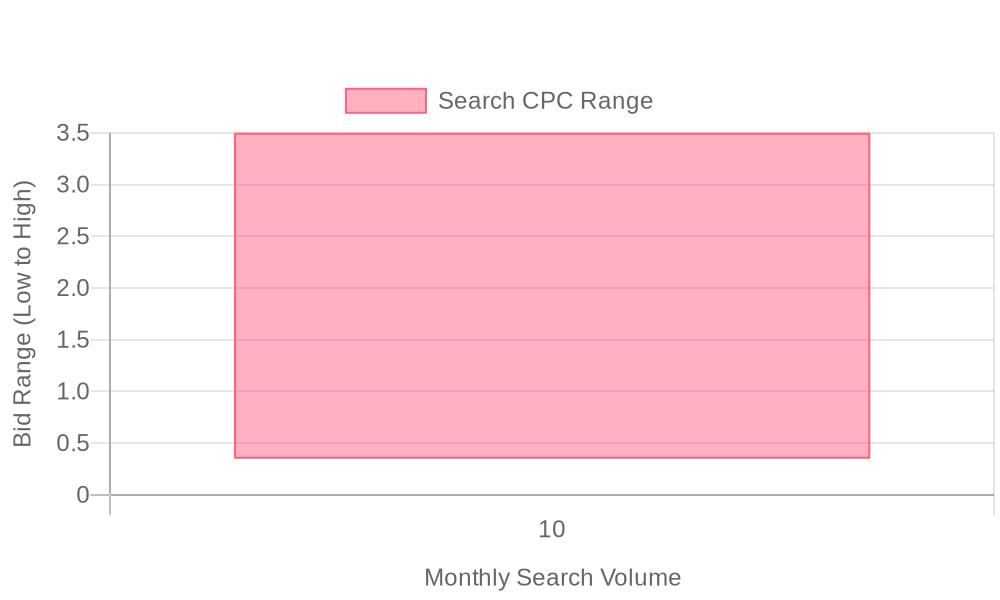
| Industry | Keyword | Monthly Search Volume | Competition Level | Low Bid | High Bid |
| Wholesale Variety Store Merchandise | wholesale variety store merchandise | 10 | MEDIUM | 0.35 | 3.5 |
Wholesale variety store merchandise businesses operate in a competitive environment where visibility and precise keyword targeting drive revenue. The right keyword strategy ensures that marketing efforts capture high-intent prospects at the pivotal moment they search for relevant products or suppliers.
- Precision targeting of decision-makers: By leveraging Identity Resolution, marketers can identify and intercept procurement managers and business buyers when they are actively evaluating options. Using granular keyword targeting, such as "wholesale variety store products," "bulk merchandise suppliers," or "discounted variety goods wholesale," campaigns can be tailored to attract buyers ready to convert. This moves beyond anonymous site visits, revealing which companies and buyers are expressing real interest.
- Attribution for measurable ROI: Keyword selection directly impacts conversion tracking and ROI measurement. When campaigns are mapped to keywords that align with transactional intent, such as "buy wholesale merchandise online" or "variety store bulk deals," it becomes possible to attribute results to both digital and offline touchpoints. Advanced conversion tracking tools allow teams to connect online lead capture with offline sales, offering a true picture of campaign effectiveness.
- Cross-channel synergy and momentum: Wholesale variety store marketers often face fragmented data across search, display, and shopping campaigns. By deploying unified keyword lists and dynamically updating audiences as they progress through the funnel, marketers ensure that each interaction builds on the last. Real-time intent data can trigger timely shifts in budget, focusing spend on segments that show the highest likelihood of purchasing, and syncing enriched lead lists directly into platforms like Google Ads or CRM systems for seamless follow-up.
A data-driven approach to keyword selection, rooted in intent, attribution, and connected audience management, empowers wholesale variety retailers to maximize every touchpoint and drive measurable business growth.
Step-by-Step Campaign Execution Framework
A robust campaign execution framework transforms sporadic marketing efforts into a predictable revenue engine for wholesale variety store merchandise. By integrating precision targeting, consistent messaging, and seamless analytics, revenue teams gain a clear path to measurable growth and actionable insights. For more strategies on pipeline attribution and performance, visit the Sona blog.
Step 1: Build Targeted Keyword Lists
- Categorize by product types and services: Group keywords according to the core product categories and services your variety store offers. This structure ensures ad spend aligns with merchandise that drives the highest business value.
- Include geographic-specific modifiers: Enhance relevance and reach by incorporating terms tied to your target regions, cities, or delivery areas. This increases local visibility for both online and offline sales.
- Integrate long-tail queries and negative keywords: Capture high-intent buyers with detailed, purchase-driven phrases, while filtering out irrelevant traffic with a comprehensive negative keyword strategy. This approach is pivotal for maximizing Google Ads ROI.
- Synchronize with content marketing terminology: Align keyword selection with ongoing content themes, ensuring synergy across organic and paid channels and reinforcing brand authority.
Campaigns benefit when marketers leverage Identity Resolution and intent signals to discover which companies and buyers are searching for specific products. This empowers teams to shift budget toward the accounts most likely to convert and continuously refine keyword lists based on live engagement data.
The upgrade most wholesale variety store merchandise advertisers miss is going beyond raw keyword volume to layer in intent and identity signals. By connecting website-visitor data and CRM records with Sona Marketing Measurement, you can see which specific search terms bring in the accounts and customers that actually convert, and weight your keyword and bidding strategy toward those rather than the terms with the highest search volume alone.
Step 2: Develop Compelling Ad Copy
- Compelling headlines focused on pain points: Address industry challenges directly in ad headlines, such as "Never Miss High-Volume Orders Again," to resonate with wholesale buyers and procurement teams.
- Emphasize trust signals: Showcase reviews, certifications, or partnership badges to build credibility and overcome buyer hesitation.
- Create urgency with time-sensitive offers: Use limited-time discounts or exclusive bulk pricing to prompt immediate action from decision-makers.
- Maintain consistent messaging across channels: Ensure that the narrative in ads matches website content, email outreach, and social messaging. This consistency prevents campaign fragmentation and builds stronger recognition.
Dynamic audience segmentation lets revenue teams keep messaging relevant as leads move through the pipeline. Automated audience updates, informed by CRM and site behavior, allow ad copy to adapt in real time, ensuring prospects always receive timely, personalized offers.
Step 3: Design Effective Landing Pages
- Direct mapping from ads to pages: Each ad should lead to a dedicated landing page tailored for the specific product or offer mentioned. This minimizes friction and increases conversion rates.
- Organize by product categories or themes: Structure landing pages by major product groups, making navigation effortless for wholesale buyers and procurement professionals.
- Use trust signals and clear CTAs: Prominently display customer logos, testimonials, and certifications, paired with unmistakable calls to action, such as "Request Wholesale Pricing" or "Book a Demo."
- Ensure mobile-friendly design: Optimize all landing pages for fast loading and seamless usability on any device, catering to on-the-go buyers.
Landing page engagement data, when synchronized with CRM and advertising platforms, allows teams to identify which content drives the most pipeline. This feedback loop informs further optimization and personalized follow-up, increasing both lead quality and conversion rates.
Step 4: Implement Data-Driven Optimizations
- Monitor all conversion metrics, including offline events: Track every interaction, from online form fills to in-store purchases and phone orders, for a 360-degree view of campaign effectiveness.
- Use automated bidding strategies: Leverage bid automation such as Target CPA or Maximize Conversions to dynamically allocate spend toward the most profitable opportunities, and test Performance Max where you have enough conversion volume to feed its automation. For a deeper look into Google Shopping Ads optimization, view this video tutorial for e-commerce.
- Test variations in ad copy and landing elements: Continuously A/B test headlines, images, CTAs, and form layouts to uncover what resonates best with wholesale buyers.
- Integrate deal data for offline conversion optimization: Connect sales-closed data from CRM with ad platforms, enabling closed-loop attribution and more accurate measurement of campaign optimization.
Revenue teams with a unified data stack can attribute conversions across every touchpoint, digital and offline, providing a complete ROI picture. This advanced attribution makes it possible to confidently scale spend on the highest-performing channels, doubling down on what drives real business outcomes.
Sona Marketing Measurement closes the gap between clicks and revenue. It captures ad clicks with first-party, company-level tracking, ties that click through UTM capture and ad-platform APIs to the actual record in your CRM, and reports ROAS by keyword and campaign instead of by last-click form fill. Feeding that revenue signal back into Smart Bidding and Performance Max compounds over time: the algorithms optimize toward booked wholesale variety store merchandise revenue, not cheap leads.
Tips on Expanding Your Wholesale Variety Store Merchandise Presence
Wholesale variety store operators can expand their merchandise presence by strategically integrating data-driven marketing tactics with their omnichannel efforts. Precision in campaign execution and alignment with buyer intent drive higher engagement, greater brand visibility, and tangible growth.
- Cross-promote educational content in retargeting efforts: Delivering value-rich educational materials to retargeted audiences nurtures previously engaged leads, moving them further down the funnel and increasing the likelihood of conversion. By leveraging dynamic audience updates, teams can ensure content remains relevant as prospects' interests evolve.
- Upsell services to segmented audiences informed by CRM data: Segmenting audiences based on CRM insights enables tailored upsell and cross-sell campaigns to reach accounts with the highest propensity to buy. Syncing these enriched segments directly into ad platforms minimizes wasted spend and maximizes opportunities with decision-ready buyers.
- Forge partnerships with industry bodies for co-branded ads and referral traffic: Collaborating on co-branded campaigns with trusted industry organizations amplifies reach and enhances credibility. Referral traffic from these partnerships delivers qualified leads and supports measurable pipeline growth.
- Localize your marketing efforts by state or metro regions: Customizing campaigns by geographic areas aligns messaging with local demand signals, increasing relevance and ad performance. Localized audience targeting and creative adaptation ensure marketing resonates at every regional touchpoint.
- Use search query data to develop new comprehensive content, addressing any visibility gaps: Analyzing search query trends exposes gaps in content strategy, guiding the development of new resources that fulfill unmet demand. This continuous feedback loop helps variety store marketers maintain strong organic and paid visibility for highly relevant, intent-driven searches.
Effective adoption of Google Ads for wholesale variety store merchandise connects these strategies through insightful keyword targeting, nuanced audience segmentation, and creative optimization tied to offline sales impact. When integrated across CRM and analytics systems, teams can pinpoint high-intent visitors, capture granular attribution, and continuously feed insights back into the campaign cycle.
Beyond Google Ads: Winning the AI Answers Wholesale Variety Store Merchandise Buyers Now Trust
Paid search captures demand at the moment someone types a query. But a fast-growing share of wholesale variety store merchandise buyers no longer start at Google at all, they ask ChatGPT, Gemini, or Perplexity before they ever run a search, and Google's own AI Overviews increasingly summarize an answer above the traditional results. If your business isn't referenced in those AI answers, you're invisible at the exact moment buyers build their shortlist.
Sona AI Visibility shows where your business shows up across ChatGPT, Gemini, Perplexity, Google AI Overviews, and 10+ engines, and, much like a keyword report, which prompts actually send you buyers, so you can prioritize the ones that convert. Run the two together and you cover the entire buyer path: get cited where buyers research (AI Visibility), then prove which of that demand turns into booked revenue (Marketing Measurement).
Helpful resources
Conclusion
The wholesale variety store distributors winning with Google Ads share one habit: they treat every click as a data point about which accounts actually buy, not just which keywords get clicked.
As AI answer engines take over more of the early research that used to happen in a Google search bar, the distributors who connect their ad spend to closed revenue now will have the data to feed those systems later, whichever platforms end up mattering most.
We invite you to start for free and see how Sona connects your Google Ads spend to the wholesale accounts that actually convert.
FAQ
How can I set up Google Ads for my wholesale variety store merchandise?
Setting up Google Ads involves leveraging data-driven search strategies, using specific keywords like 'bulk office supplies' and 'wholesale cleaning products,' aligning landing pages with ad content, and optimizing for offline conversions to enhance ROI.
What are the best practices for Google Ads targeting variety store merchandise?
Best practices include using granular keyword targeting, segmenting audiences dynamically, aligning ad creatives with landing pages, and integrating CRM data to track offline conversions for improved ROI.
How can I track the ROI of my Google Ads for wholesale variety store merchandise?
You can track ROI by connecting Google Ads with CRM data to attribute sales accurately, using advanced conversion tracking to capture the full path from click to purchase, and integrating offline conversion data.
What are the differences between Google Shopping Ads and regular Google Ads for variety store merchandise?
Google Shopping Ads focus on product images and pricing directly in search results, while regular Google Ads use text ads. Shopping Ads may be more suited for e-commerce, providing a visual emphasis on merchandise.
How can I retarget visitors with Google Ads for my wholesale variety store merchandise?
Retargeting can be achieved by syncing enriched lead data from CRM with Google Ads, ensuring remarketing efforts reach prioritized accounts, and using dynamic audience segments to update targeting based on real-time engagement.







