


Wholesale pet supply buyers, distributors sourcing bulk dog food, retailers hunting for a new grooming-product line, veterinary clinics restocking, rarely browse casually. They search with a purchase already in mind, and Google Ads is how a supplier meets that moment head-on. The trouble is that most of these visitors never enter a CRM: they hit a pricing page, leave no trace, and the opportunity disappears. Newer tools can identify and import those anonymous company visits directly into marketing workflows, so ad spend actually reaches the buyers with real intent behind their click. Done well, Google Ads lets a wholesale pet supplies business catch decision-makers at the right moment, spot demand in emerging regions, and track ROI from the first click all the way to a closed deal.
How to Generate Google Ads for Wholesale Pet Supplies: A Step-by-Step Guide
A data-driven Google Ads strategy for wholesale pet supplies empowers B2B marketers to connect with decision-makers who control significant purchasing budgets. By systematically applying segmentation and live behavioral insights, these campaigns consistently outperform generic paid search efforts and drive measurable growth in qualified lead volume.
Precision targeting and dynamic audience building address the one-size-fits-all problem that plagues traditional search campaigns. Marketers segment their Google Ads audiences by business size, industry focus, or product line, then align messaging and landing experiences to each segment, resulting in higher engagement and conversion rates from high-value prospects.
Aligning landing pages and creative assets ensures every user journey is relevant and frictionless. Wholesale pet supplies providers create tailored landing experiences showcasing bulk pricing, minimum order requirements, and distributor programs, all designed specifically for commercial buyers. This alignment, supported by real-time visitor identification, enables immediate follow-up by sales teams when a qualified business shows intent.
Optimizing performance for return on investment means focusing budgets and bidding strategies on segments and accounts most likely to convert into large orders. When marketers use advanced conversion tracking, including online and offline attribution, they uncover which Google Ads tactics and keywords drive true revenue, not just top-funnel engagement. For a practical look at effective strategies, this Google Ads for pet stores guide offers actionable tips for setup, optimization, and driving targeted traffic. Continuous testing, A/B creative optimization, and automated bidding informed by real-time intent data all play a key role.
Cross-channel integration strengthens the entire marketing ecosystem for wholesale pet supplies. Marketers reinforce Google Ads campaigns with email, social, and display retargeting to maximize touchpoints and guide prospects through complex B2B sales cycles. Real-time syncing of enriched audience lists to and from CRM platforms ensures the most valuable leads are always prioritized, driving faster responses and higher close rates in both new and emerging markets. Ready to see these steps in action? Get started for free with Sona.
Why Google Ads Matter for Wholesale Pet Supplies

The wholesale pet supplies sector demands precision in reaching commercial buyers, rapid response to shifting demand, and the ability to distinguish high-value prospects from general website visitors. Google Ads, when executed with a data-driven approach, enables marketers to engage decision-makers at the critical moment they search for specialized pet products and solutions, reducing sales lag and maximizing the impact of each marketing dollar. For a comprehensive overview of effective Google Shopping strategies specific to this industry, see Google Shopping strategies for pet supply retailers.
Success in wholesale pet supplies advertising depends on understanding where buyer intent signals emerge and acting on them in real time. By leveraging advanced analytics and integration with platforms that identify the company behind the engagement, marketers can respond to the most promising leads immediately, ensuring warm opportunities are never lost to slow manual follow-up or generic outreach.
- Complex, Specialized Audience: Google Ads provides the targeting control needed to capture business buyers, such as procurement managers and specialty retailers, the moment they express intent. With connected platforms, marketers can identify not just anonymous clicks but the actual organizations engaging with key content, supporting proactive sales outreach.
- Higher Margin Services: By segmenting audiences based on firmographic and behavioral data, campaigns can prioritize high-margin SKUs and custom service offerings. As audience lists evolve dynamically, reflecting pipeline movement or changing account priorities, budget and messaging are continuously refined to attract and convert the highest-value opportunities.
- Faster Demand Response: During seasonal surges or supply chain pivots, Google Ads offers the agility to shift spend where demand is peaking. Integration with buyer intent insights and real-time visitor identification allows teams to quickly spotlight and pursue leads most likely to convert, reducing delay and increasing conversion rates.
- Visibility in Emerging Regions: Geographic and account-based targeting ensures that online pet supplies ads reach both established markets and fast-growing regions. Marketers can track which businesses from target geographies engage with campaigns, using these insights to tailor follow-up strategies and inform expansion efforts.
Common Types of Google Ads Campaigns for Wholesale Pet Supplies

- Search Campaigns: Search campaigns excel at capturing high-intent buyers searching for wholesale pet supplies, such as pet store owners or distributors in need of immediate stock. By leveraging data on in-market behavior, marketers can allocate budget toward keywords proven to convert, driving meaningful engagement when purchase urgency is at its peak. With Sona, B2B teams gain the ability to identify which companies are conducting these high-value searches, helping prioritize outreach to accounts with genuine buying signals. For additional strategies, explore this overview of Google Shopping strategies.
- Display Ads: Display campaigns keep your brand visible during the research and decision phases, reinforcing messages with consistent visual cues across the web. By analyzing which accounts visit key product or pricing pages, marketers can use display ads to nurture these prospects over a longer sales cycle. Sona enables precise identification of these engaged companies, allowing teams to build dynamic display audiences based on real-time site activity and intent.
- Video Ads: Video ads are powerful for demonstrating product features, manufacturing processes, or wholesale advantages in a format that accelerates understanding and trust. B2B buyers often require more in-depth information before making large purchases, and video campaigns help visualize complex offerings or customization options. When connected to a unified data platform, marketers can track which businesses engage with specific video content and tailor follow-up outreach accordingly, increasing the likelihood of conversion. For a playbook on tracking buyer touchpoints, see Sona’s Buyer Journeys.
- Remarketing: Remarketing campaigns bring past site visitors back into the conversation, creating repeated touchpoints that guide prospects from awareness to action. By dynamically updating audiences as leads move through the funnel, marketers ensure only qualified wholesale buyers see tailored remarketing ads, reducing wasted impressions. Sona’s Destinations feature syncs CRM and site data for audience lists that reflect up-to-the-minute engagement, so remarketing efforts target those closest to buying.
- Assets: Ad assets provide additional information that builds trust and encourages action, such as displaying warehouse locations, certifications, or bulk order incentives. These enhancements give buyers the context needed to move forward with confidence, especially in a B2B environment where credibility matters. Integrating advanced data sources ensures asset content remains relevant, for example, surfacing custom certifications or volume pricing only to verified business accounts, further personalizing the experience and boosting conversion rates.
Ready to optimize your wholesale pet supplies ad campaigns? Get started for free with Sona.
Where to Find Growth Opportunities in Google Ads for Wholesale Pet Supplies

B2B marketers in the pet products industry consistently seek new avenues to increase qualified lead flow and reduce wasted ad spend. With Google Ads for Wholesale Pet Supplies, the key to scalable growth lies in identifying untapped demand pockets and building campaigns that exploit gaps missed by competitors. By uniting keyword targeting with precise audience intelligence, teams can narrow in on high-value commercial intent and drive more effective campaign results.
- Vertical keyword targeting: Expanding beyond generic pet supply terms allows teams to reach specialty buyers with intent to purchase at volume. By prioritizing long-tail, industry-specific phrases like “wholesale grain-free dog food distributor” or “eco-friendly cat litter bulk supplier,” advertisers capture high-value queries with lower competition and higher commercial intent. This vertical focus supports a broader content strategy, driving authority for related topics and signaling relevance to both search engines and buyers. For campaign examples and PPC insights, see this Google Ads pet products tutorial.
- Competitor gap analysis: Systematically reviewing auction insights, impression share, and lost opportunity data uncovers market segments underserved by major players. When a competitor neglects certain product lines or territories, campaigns can be tailored to target those gaps, often at reduced cost-per-click. Analyzing lost impression share by device or location further refines where to deploy additional budget for maximum impact. Leverage marketing analytics insights to spot these opportunities and make data-driven optimizations.
- Industry-specific placements: Leveraging placements on trade association sites, wholesale directories, and B2B pet industry publications extends reach well beyond basic search and shopping ads. Placing display ads or sponsored content on these platforms increases exposure to procurement professionals and business buyers researching suppliers. This tactic aligns pet supply marketing with the actual purchase journey, engaging buyers at every research touchpoint. For supplier discovery, consult the wholesale pet supply manufacturers directory.
- Content retargeting and engagement: Integrating Google Ads with retargeted whitepapers, industry guides, or product demonstration videos adds multiple touchpoints for prospects. Each interaction can be tracked and scored, providing deeper insight into buyer readiness. With advanced visitor identification, marketers can pinpoint which companies view key resources and automatically move these accounts into higher-priority nurturing sequences. This real-time intent data allows budget to flow toward audiences most likely to convert, maximizing ROI from every campaign dollar.
When marketers connect Google Ads campaigns to unified audience data, each click is enriched with firmographic and behavioral signals. Audiences can be dynamically updated as leads progress from anonymous research to sales-qualified status, ensuring spend is continually focused on accounts closest to revenue. To capture more opportunities and accelerate sales cycles in the wholesale pet supplies market, get started for free with Sona.
How to Apply Audience Segmentation for Wholesale Pet Supplies

Effective audience segmentation is fundamental for wholesale pet supplies distributors who need to reach multiple business types and buying committees. Moving beyond generic campaigns, segmentation empowers marketers to target independent retailers, franchise chains, veterinary clinics, and specialty resellers with messaging that aligns to their specific procurement cycles and product needs. This approach avoids wasted spend and low engagement by ensuring that each segment receives only the most pertinent ad content and offers. For a deeper dive into optimizing ad performance for pet supply retailers, review this overview of effective Google Shopping strategies.
Defining your target audience segments begins with a granular understanding of your market’s structure. For wholesale pet supplies, this often means separating buyers by business model, such as brick-and-mortar pet stores, online e-commerce retailers, grooming salons, or animal hospitals. Each group has distinct inventory requirements, order volumes, and decision criteria. By mapping these segments to unique ad groups and landing experiences, marketers can overcome the inefficiency of one-size-fits-all campaigns and create a tailored journey for every commercial buyer. For more guidance, explore our actionable playbooks.
Overlaying intent signals is essential to prioritize outreach and budget allocation. Purchase readiness can be inferred from website activity, such as repeated visits to pricing pages or catalog downloads, or by monitoring engagement with high-value keywords like “bulk dog treats distributor” or “private label pet food supplier.” When platforms surface real-time in-market behaviors, it becomes possible to dynamically shift spend toward accounts showing the strongest buying intent. This ensures that sales teams engage the right prospects first, reducing sales cycle time and improving conversion efficiency.
Customizing ad groups to match segment-specific messaging brings relevance to every touchpoint. Ad copy should highlight benefits most meaningful to the target segment, such as flexible minimum order quantities for small pet boutiques or private labeling capabilities for mid-sized e-commerce brands. Callout and structured snippet extensions can be adjusted to emphasize features like expedited shipping for urgent replenishment or volume discounts for large chains. With dynamic audience management, lists update as leads progress through the funnel, guaranteeing that remarketing and upsell campaigns are always timely and contextually appropriate.
Ensuring robust conversion tracking and CRM integration is critical for tying campaign activity directly to revenue. Advanced tracking setups connect each ad interaction, form fill, and call to closed-won deals, providing a transparent view of ROI for every segment. When CRM and ad platforms sync in real time, enriched leads and audience lists can be fed back into the system, enabling more precise retargeting and lookalike modeling for future campaigns. This closed-loop approach empowers wholesale pet supplies distributors to justify advertising investment, drive continuous optimization, and build sustainable growth across every business segment. If you’re ready to optimize your segmentation and ad strategy, get started for free with Sona.
This is also where measurement changes the economics. With Sona Marketing Measurement you can identify the companies and buyers behind your ad clicks, not just anonymous sessions, and segment audiences by who actually becomes a customer. That lets you build bid adjustments and audience signals around the segments that convert and de-prioritize the ones that don't, so you feed Google's algorithms "this click became a paying wholesale pet supplies customer" instead of just "someone filled out a form."
Keyword Strategy & Sample Target Terms
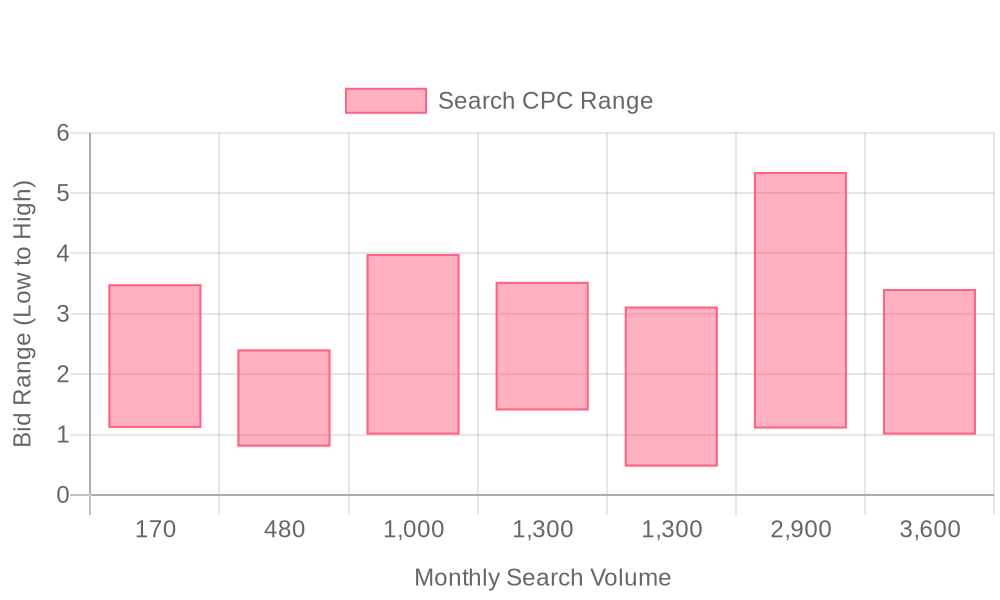
| Industry | Keyword | Monthly Search Volume | Competition Level | Low Bid | High Bid |
| Wholesale Pet Supplies | wholesale pet products | 170 | HIGH | 1.11 | 3.49 |
| Wholesale Pet Supplies | wholesale dog toys | 480 | HIGH | 0.8 | 2.41 |
| Wholesale Pet Supplies | wholesale dog supplies | 1000 | HIGH | 1 | 3.99 |
| Wholesale Pet Supplies | wholesale dog food | 1300 | HIGH | 1.4 | 3.53 |
| Wholesale Pet Supplies | bulk dog toys | 1300 | HIGH | 0.47 | 3.12 |
| Wholesale Pet Supplies | wholesale pet | 2900 | MEDIUM | 1.1 | 5.35 |
| Wholesale Pet Supplies | wholesale pet supplies | 3600 | HIGH | 1 | 3.41 |
A results-driven keyword strategy is essential for maximizing ROI and aligning ad spend with the highest-value opportunities in wholesale pet supplies. Targeting the right search intent ensures that every dollar invested reaches decision-makers and purchase-ready buyers rather than casual browsers or retail consumers. For a comprehensive overview of effective Google Shopping strategies tailored for online pet supply retailers, review this Google Shopping strategies overview.
- High-value, low-competition keywords: Identifying and prioritizing search terms with significant search volume but lower competition, such as "bulk organic pet food supplier" or "wholesale pet grooming products," helps wholesalers capture qualified leads without incurring excessive cost-per-click. This approach leverages deep market research, uncovering niche phrases like "private label dog treats wholesale" or "OEM pet accessories distributor" that indicate strong commercial intent and signal readiness to purchase at scale. To further refine your targeting, utilize Sona Audiences to ensure campaigns reach buyers with the highest purchase intent.
- Negative keyword implementation: Applying a rigorous negative keyword list is critical to filter out irrelevant traffic. Terms like "pet supplies for home," "pet adoption," or "pet supplies near me" can siphon budget away from core B2B objectives. By excluding these, campaigns remain focused on high-intent signals, improving lead quality and conversion rates. For more actionable tips, check out our demand generation playbooks.
- Industry-specific keyword tailoring: Customizing keyword strategies for Google Ads for Wholesale Pet Supplies involves understanding unique industry dynamics, such as seasonal buying cycles, SKU diversity, and supply chain considerations. Targeting terms like "commercial pet bedding supplier," "bulk pet food MOQ 250," or "pet store wholesale distributor USA" ensures ads resonate with procurement professionals and business buyers conducting complex purchase research. For guidance on integrating your marketing analytics and CRM data to support keyword strategy, review our Sona-HubSpot integration steps.
Advanced visitor identification enhances keyword targeting by revealing which companies are engaging with specific terms. When a potential buyer searches "bulk cat litter supplier" and lands on a campaign, marketers can use Sona's Identity Resolution to pinpoint which business is behind the visit, allowing for precise retargeting and personalized follow-up. This unification of search behavior and company insight turns standard keyword strategy into an actionable B2B account-based marketing pipeline.
As audience behaviors shift, dynamic keyword lists adapt in real-time, automatically surfacing new high-converting phrases based on live market trends and in-market activity. When synced with Sona Destinations, marketers can prioritize spend on keywords proven to attract top-tier accounts, ensuring ongoing optimization and sustained revenue growth. To see how this works for your business, get started for free with Sona.
Step-by-Step Campaign Execution Framework for Google Ads in Wholesale Pet Supplies
Targeted Google Ads execution enables wholesale pet supply distributors to precisely reach business buyers, shifting advertising from guesswork to clear, results-driven strategy. By structuring campaigns around the unique requirements of wholesale buyers, teams unlock higher conversion rates, lower acquisition costs, and a scalable path to revenue growth in a competitive market. For a deeper dive into how Google Ads accelerates B2B sales growth, review this guide to Google Ads for wholesale distributors.
This framework outlines the operational blueprint for B2B pet supply marketers to build, optimize, and scale Google Ads programs. The approach unites precise audience intelligence, tailored messaging, and real-time performance measurement, supporting both immediate lead generation and long-term pipeline development.
Step 1: Build Targeted Keyword Lists
Effective keyword lists are the foundation of high-performing Google Ads for wholesale pet supplies. Cluster keywords by service type, such as “bulk pet food distributor,” “wholesale pet grooming supplies,” or “private label pet treats”, to capture traffic from decision-makers with specific procurement needs. Segmenting by application (e.g., veterinary, retail, kennel) tailors the search funnel and filters out irrelevant consumer clicks. Explore a keyword strategy for wholesale suppliers for actionable ideas on segmenting and prioritizing terms.
Marketers who leverage intent signals from site engagement can further refine these lists. Identifying the actual companies visiting your pricing or catalog pages helps you spot trends, discover new long-tail opportunities, and prioritize keywords linked to high-value B2B accounts. Connecting these insights to your audience setup means you can allocate budget to terms showing purchase signals, not just search volume.
The upgrade most wholesale pet supplies advertisers miss is going beyond raw keyword volume to layer in intent and identity signals. By connecting website-visitor data and CRM records with Sona Marketing Measurement, you can see which specific search terms bring in the accounts and customers that actually convert, and weight your keyword and bidding strategy toward those rather than the terms with the highest search volume alone.
Step 2: Develop Compelling Ad Copy
Ad copy drives engagement and differentiates your brand in crowded auction environments. Focus on headlines that speak directly to B2B priorities: “Bulk Discounts for Pet Retailers,” “Flexible MOQs, Fast Shipping,” or “OEM Pet Products for Resellers.” Incorporate trust markers such as “Over 10,000 Retail Partners” or “ISO Certified Manufacturing” to establish credibility with business buyers. See how effective messaging and ad structure can elevate results in this Google Ads case study for pet supplies.
Use descriptions and extensions to surface core value propositions, like volume pricing, exclusive B2B programs, or custom branding. Monitor engagement data and in-market behavior to dynamically update messaging for different audience segments, ensuring ads stay relevant as buyers move through the decision journey. This responsive approach consistently improves click-through rates and lead quality.
Step 3: Align Landing Pages with Buyer Segments
Optimized landing pages are critical for converting wholesale pet supply leads. Each page should mirror the ad group’s keywords and audience intent, presenting clear next steps for bulk inquiries, sample requests, or account applications. For example, a page targeting “wholesale organic dog treats” should display volume tiers, downloadable product specs, and a streamlined wholesale signup form.
Integrate visitor identification to personalize content or trigger dynamic offers for returning or high-value accounts. Syncing landing page forms with CRM and ad platforms ensures every qualified lead is tracked, scored, and routed for rapid follow-up, bridging the gap between marketing and sales. For an example of how technology streamlines wholesale pet supply operations, review this pet products distributor case study.
Step 4: Inform Content and Campaign Strategies with Google Ads Data
Google Ads is more than an acquisition channel, it’s a source of actionable market intelligence. Analyzing search term reports, audience engagement, and conversion rates reveals which product categories, solution types, or buyer verticals are gaining traction in the wholesale pet supplies ecosystem. Discover how paid media effectiveness is measured in this analysis of PPC advertising for pet supply brands.
Marketers can use these insights to guide content creation, prioritize new SKUs for promotion, and refine broader demand generation tactics. When CRM and advertising data sync seamlessly, it becomes possible to test new offers, assess message resonance, and adapt multi-channel strategies based on real buyer activity, not assumptions.
Sona Marketing Measurement closes the gap between clicks and revenue. It captures every ad click with first-party, company-level tracking, then ties that click through UTM capture and ad-platform APIs to the actual record in your CRM, and reports ROAS by keyword and campaign instead of by last-click form fill. Feeding that revenue signal back into Smart Bidding and Performance Max compounds over time: the algorithms optimize toward booked wholesale pet supplies revenue, not cheap leads.
Step 5: Optimize with Data-Driven Automation
Continuous optimization is essential to maximize ROI from Google Ads for wholesale pet supplies. Implement smart bidding strategies, such as Target CPA or ROAS, aligned with actual revenue data from closed deals. Use A/B testing on headlines, callouts, and landing pages to steadily lift conversion rates. For best practices on paid ads optimization, review this paid ads guide for pet products marketing.
Real-time conversion tracking and advanced attribution connect online and offline activity, linking form fills, calls, or demo requests to downstream revenue. Automated audience management keeps prospect lists up to date as leads engage or move through the funnel, ensuring every dollar is spent on the highest-potential accounts. Looking to put these strategies into action? Get started for free with Sona.
Tips on Expanding Your Wholesale Pet Supplies Presence

Growth for a wholesale pet supplies business depends on precision across every digital touchpoint, not just volume. Advanced ad strategies let B2B suppliers reinforce their brand consistently, engage high-value prospects, and adapt quickly as new markets and seasonal demand emerge.
- Cross-promote retargeting content: Maintain top-of-mind awareness by serving tailored ads to buyers who have interacted with your site or shown purchase intent. With modern visitor identification tools, marketers can pinpoint which businesses have visited and automatically deliver relevant product ads or bulk promotions, keeping your offering visible during lengthy B2B sales cycles.
- Upsell related services through segmentation: Segment audiences by lifecycle stage and buyer persona to offer complementary products or services at the right moment. Using dynamic audience management, marketers can trigger new ad sets as leads progress, ensuring that kennel operators see grooming supplies after an initial inquiry about pet food, or that retailers receive shipping solutions once they’ve shown intent to purchase in bulk.
- Engage with industry associations: Forge advertising partnerships with pet industry associations and trade groups to enhance credibility and reach. These collaborations enable wholesale suppliers to place their brand alongside trusted industry names, driving both reputation and top-funnel demand through targeted sponsorships and co-branded content.
- Localize campaigns for regional growth: Adapt offers and messaging for specific geographic markets, addressing regional variations in pet ownership trends and regulatory requirements. Localized campaigns enable a stronger market voice, while real-time intent signals allow shifting budget to high-converting regions or adjusting bids based on local demand surges.
Efficient use of Google Ads for wholesale pet supplies begins with disciplined keyword targeting, intelligent segmentation, and ongoing creative optimization. By unifying campaign data with CRM and offline touchpoints, teams can attribute revenue to specific ad interactions and measure the true impact of their efforts. To streamline your digital advertising and audience segmentation, get started for free with Sona.
Beyond Google Ads: Winning the AI Answers Wholesale Pet Supplies Buyers Now Trust
Paid search captures demand at the moment someone types a query. But a fast-growing share of wholesale pet supplies buyers no longer start at Google at all, they ask ChatGPT, Gemini, or Perplexity before they ever run a search, and Google's own AI Overviews increasingly summarize an answer above the traditional results. If your business isn't referenced in those AI answers, you're invisible at the exact moment buyers build their shortlist.
Sona AI Visibility shows where your business shows up across ChatGPT, Gemini, Perplexity, Google AI Overviews, and 10+ engines, and, much like a keyword report, which prompts actually send you buyers, so you can prioritize the ones that convert. Run the two together and you cover the entire buyer path: get cited where buyers research (AI Visibility), then prove which of that demand turns into booked revenue (Marketing Measurement).
Helpful resources
Conclusion
Google Ads will keep working as the moment-of-search channel for wholesale pet supplies, catching the buyer who needs bulk dog food or a new private-label line right now. But that channel is no longer the whole map. Buyers increasingly form their shortlist before they ever type a query, asking an AI assistant which suppliers to trust, and a campaign that ignores that shift is competing for a shrinking share of attention.
The distributors who win the next few years will treat paid search, intent data, and AI visibility as one connected system, each one feeding proof of what actually converts into the next round of targeting. Start narrow: tighten keyword lists around genuine B2B buying signals, connect ad clicks to closed deals, and check whether your business is even mentioned when a buyer asks an AI assistant for a wholesale pet supplier.
FAQ
What are the best practices for Google Ads in the pet supplies industry?
The best practices include using data-driven strategies, audience segmentation by business size or product line, aligning landing pages with ad messaging, and employing advanced conversion tracking to measure ROI.
How can I effectively target pet owners with Google Ads?
Effectively targeting pet owners involves precision targeting, dynamic audience building, and aligning messaging and landing experiences to specific segments to increase engagement and conversion rates.
What budget should I allocate for Google Ads for wholesale pet supplies?
The budget should focus on segments and accounts most likely to convert into large orders, using advanced conversion tracking and data analysis to optimize spending.
What types of ads work best for selling pet supplies?
Search campaigns, display ads, video ads, remarketing, and ad extensions are effective types to capture high-intent buyers and nurture prospects through the sales cycle.
How do I measure the success of my Google Ads campaigns for pet products?
Success is measured by tracking high-value conversions using advanced conversion tracking, integrating Google Ads data with CRM, and analyzing which tactics and keywords drive true revenue.







