


Variety stores live or die on impulse and convenience, someone needs a phone charger, a birthday card, or discount cleaning supplies right now, and whichever store shows up first online often wins the trip. Google Ads lets these retailers meet that moment of intent directly, turning a search for "cheap kitchen gadgets near me" into a store visit or an online order. Used well, it bridges digital discovery with in-store foot traffic and becomes a core piece of a cross-channel marketing strategy. This guide walks through how variety stores can build that bridge, and how to fix the common failure points, anonymous traffic that never gets pursued, and slow follow-up on leads that were ready to buy.
How to Generate Variety Store Leads with Google Ads: A Step-by-Step Guide

Variety stores operate in a fast-moving retail environment where capturing local intent and driving direct engagement are essential for growth. Google Ads for Variety Stores provides a measurable framework to turn online discovery into store visits and transactions, giving retailers an edge over larger competitors with focused, data-driven lead generation.
The following step-by-step process empowers retailers to seamlessly unify campaign strategy, audience building, and attribution. By leveraging real-time behavioral insights, every stage of the funnel becomes an opportunity to identify, engage, and convert high-value leads.
- Set Clear Objectives: Start with revenue-aligned goals, more foot traffic during peak shopping hours, more online orders, a push for exclusive product lines, rather than vanity metrics like impressions. Sona's Identity Resolution helps bridge the gap between anonymous website traffic and actionable leads, so every campaign ties back to the bottom line.
- Keyword Research: Use Google's Keyword Planner to surface intent-rich search terms that match your store's diverse offerings, from seasonal decor to everyday household items. Good keyword research weighs behavioral signals, not just volume, to predict which terms are likeliest to convert. With dynamic tools for marketers, you can track visitor actions and adjust keyword targets quickly, keeping budget on the searches most likely to produce qualified leads.
- Ad Campaign Structuring: Organize campaigns around specific product categories or seasonal promotions, back-to-school supplies, holiday decor, everyday essentials, so budget isn't diluted across unrelated searches. Dynamic segmentation updates in real time, adjusting audience lists as leads move through the funnel, which keeps messaging matched to buying stage across every touchpoint.
- Ad Copy Crafting: Write copy around what makes a variety store worth the trip, exclusive brands carried, seasonal deals, same-day in-store pickup, with a call to action that matches the shopper's urgency. Real-time data integration lets messaging adapt to current visitor behavior, which helps conversion and shortens the path to a qualified lead.
- Landing Page Optimization: Match each landing page tightly to its ad, with a clear, single call to action. A streamlined page proves its value by tying a specific visitor touchpoint to a revenue event, closing the loop between digital advertising for retail and an in-store or online sale. Ongoing A/B testing and intent-based personalization push engagement and conversion higher over time.
- Tracking and Analytics: Set up conversion tracking and connect Google Analytics for granular campaign measurement. Advanced attribution solutions unify online and offline interactions, so you can measure real ROI from a click or a store visit alike. Predictive analytics can then shift budget toward the segments that actually perform, sharpening PPC for variety stores over each cycle.
This framework turns Google Ads for Variety Stores from a generic advertising channel into a precision demand-generation engine. By unifying data, updating target audiences dynamically, and closing attribution gaps, variety store marketers can convert high-intent searchers into loyal customers both online and in-store. Ready to boost your lead generation? Get started for free with Sona.
Why Does Google Ads Matter for Variety Stores?

Variety stores operate in a fast-moving retail environment where standing out to both local and digital shoppers is critical. Google Ads delivers measurable value by enabling stores to reach buyers at key decision points and adapt quickly to changing demand, ensuring campaigns align with real-world shopping behavior. For actionable insights on campaign optimization, explore our marketing blog.
- Capturing Specialized Audiences: Variety stores can use segmented account data to identify and engage customers searching for specific product categories or timely promotions. With Sona's Identity Resolution, marketers move beyond anonymous web traffic and can identify the companies (and, where available, the individuals) showing real interest, so spend concentrates on the audiences most likely to convert.
- Enhancing Offline Sales: Local and mobile advertising tools help bridge the gap between online intent and in-store purchases. Campaigns can be structured to push store visits by focusing on users actively searching within a defined geographic radius. When in-market behavior is tracked in real time, budgets shift fluidly toward high-converting accounts, maximizing impact for each store location.
- Improving ROI Measurement: Accurate measurement is essential in retail advertising. Closed-loop attribution connects clicks and impressions to in-store conversions, revealing which campaigns drive true sales outcomes. With advanced conversion tracking, both online and offline touchpoints are measured, equipping teams to optimize spend and prove the value of their Google Ads strategies for variety stores.
- Complementing Other Marketing Channels: Google Ads strengthens omnichannel marketing by integrating seamlessly with organic search, social, and email. Strategic retargeting keeps messaging consistent across platforms, while enriched CRM and ad audience sync ensures dynamic segmentation as leads progress through the funnel. For a detailed breakdown of how Google Shopping Ads can elevate visibility and sales for e-commerce and retail, see this comprehensive guide.
Common Types of Google Ads Campaigns for Variety Stores

- Search Campaigns: Capture high-intent searches for urgent buying decisions by segmenting customer intents using predictive behavioral data. For variety stores, this means identifying which keywords reflect immediate purchase needs, such as “discount home essentials near me”, and prioritizing bids accordingly. By leveraging Sona’s visitor identification and real-time intent signals, marketers can go beyond anonymous clicks to pinpoint which companies or individuals show repeat search patterns, allowing for budget shifts toward the highest-converting search queries.
- Display Ads: Maintain top-of-mind awareness as shoppers browse sites and content related to retail or home goods. Display campaigns are most effective when informed by firmographic data, enabling you to serve relevant creative to different business segments or consumer demographics. With Sona, audience lists dynamically update as new behavioral and firmographic data flows in, letting marketers tailor creative assets and placements at scale.
- Shopping Ads: Showcase products directly within search results, complete with price, image, and inventory status. For variety stores, Google Shopping ads are essential for reaching buyers who are already comparing products across multiple vendors. Explore how Google Shopping Ads work to boost product visibility and sales. By integrating Sona’s online/offline attribution, revenue teams can connect ad-driven clicks to both e-commerce purchases and in-store transactions, providing a holistic view of campaign effectiveness.
- Remarketing: Reengage previous visitors with personalized ad placements that encourage return visits and shorter sales cycles. Remarketing for variety stores involves segmenting audiences based on prior site actions, such as viewing specific product categories or starting but not completing a purchase. Sona enhances this step by continuously syncing enriched lead and audience profiles into Google Ads, ensuring your remarketing pools reflect the most current engagement and purchase data.
- Local Ads: Target consumers based on proximity to your physical locations, catering directly to local shopping behaviors. Local campaigns are designed to drive in-store visits by highlighting inventory, special offers, or directions within a defined geographic radius. Using Sona’s anonymous site visit data, marketers can refine local ad delivery to only the most engaged neighborhoods or business districts. Learn more in this overview of Local Inventory Ads.
Where to Find Growth Opportunities?
Variety stores operate in a landscape where traditional marketing tactics quickly saturate, making the hunt for new growth channels a priority. The most successful teams consistently move beyond basics by identifying underutilized digital strategies that align with both product breadth and local customer intent.
- Vertical Keyword Targeting: Targeting niche products within your inventory attracts precise customer segments, particularly valuable for variety stores with extensive SKUs. Conducting deep competitor analysis reveals which product-focused keywords competitors neglect, allowing for high-impact bidding on terms with significant purchase intent. Tapping into this data lets teams unlock opportunities that drive incremental growth, especially as dynamic audience segments evolve and new products come into play.
- Competitor Gap Analysis: Utilizing advanced tools such as SEMrush, teams can systematically dissect competitor keyword portfolios to expose unaddressed gaps. By surfacing high-intent search terms your competitors overlook, you can direct spend toward keywords that deliver measurable ROI improvements. Integrating real-time intent signals helps reallocate budget in response to shifting market activity, ensuring that campaigns consistently focus on accounts most likely to convert and yield strong returns.
- Leverage Shopping Campaign Growth: Optimizing Google Shopping ads uncovers significant growth potential, especially when promoting new product lines or exclusive promotions. This guide to Google Shopping Ads explains how the ad format works and gives actionable tips for boosting visibility and sales. Feeding behavioral insights into campaign structure allows variety stores to highlight curated assortments to audiences primed for purchase, while connecting CRM and ad systems ensures updated audience lists power Shopping campaigns with high-fit prospects and timely promotions.
Growth-driven teams in retail continuously monitor keyword trends, competitor movements, and live behavioral data to surface the next wave of opportunity. By connecting digital signals across channels and rapidly activating tailored campaigns, variety stores maintain a competitive edge and get more out of every marketing dollar.
How to Apply Audience Segmentation for Variety Stores
Audience segmentation is the engine behind successful digital marketing for retail, especially for variety stores that serve a broad spectrum of customers. Effective segmentation enables marketers to tailor campaigns to distinct groups, resulting in higher engagement, more meaningful interactions, and a measurable uplift in sales. By pairing segmentation with advanced analytics, variety stores can move away from blanket messaging and toward a strategy that prioritizes relevance and customer intent.
- Identify Audience Segments: Begin by defining clear audience groups based on demographic data such as age, gender, and location, and further refine by behaviors like purchase frequency or product categories browsed. For variety stores, this approach helps ensure that promotions for seasonal items or daily essentials reach those most likely to engage. Sona's Identity Resolution turns anonymous website visitors into known contacts, so marketers can align campaign messages with real customer profiles.
- Utilize Intent Signals: Integrate browsing history, add-to-cart activity, and past purchase data to build intent-driven audience lists. Predictive modeling and real-time analytics reveal which segments are primed for conversion, enabling marketers to reallocate budget toward high-value prospects. Dynamic audience systems enhance this process, automatically updating lists as customers progress through the buying funnel and as new behaviors emerge.
- Customize Ad Messaging: Develop distinct creative and copy for each identified segment, aligning messaging with the consumer's position in the purchase journey. Data-driven insights make it possible to match product recommendations and offers with stage-specific needs, for example, highlighting new arrivals to frequent browsers or promoting in-store pickup to nearby shoppers. When CRM and ad platforms are seamlessly integrated, enriched audience data is instantly available for campaign personalization, ensuring that every ad reflects up-to-date customer context.
- Verify Conversion Paths: Track the complete customer journey, from initial ad click to final purchase or in-store visit, by connecting your CRM system directly to Google Ads reporting. This provides a comprehensive view of which segments and campaigns drive the most valuable conversions, both online and offline. Advanced attribution capabilities close the measurement loop, allowing digital marketers and revenue teams to link ad spend to real business outcomes and continuously optimize their variety store marketing strategy for greater ROI.
This is also where measurement changes the economics. With Sona Marketing Measurement you can identify the companies behind your ad clicks, not just anonymous sessions, and segment audiences by who actually becomes a customer. That lets you build bid adjustments and audience signals around the segments that convert and de-prioritize the ones that don't, so you feed Google's algorithms "this click became a paying variety stores customer" instead of just "someone filled out a form."
Keyword Strategy & Sample Target Terms
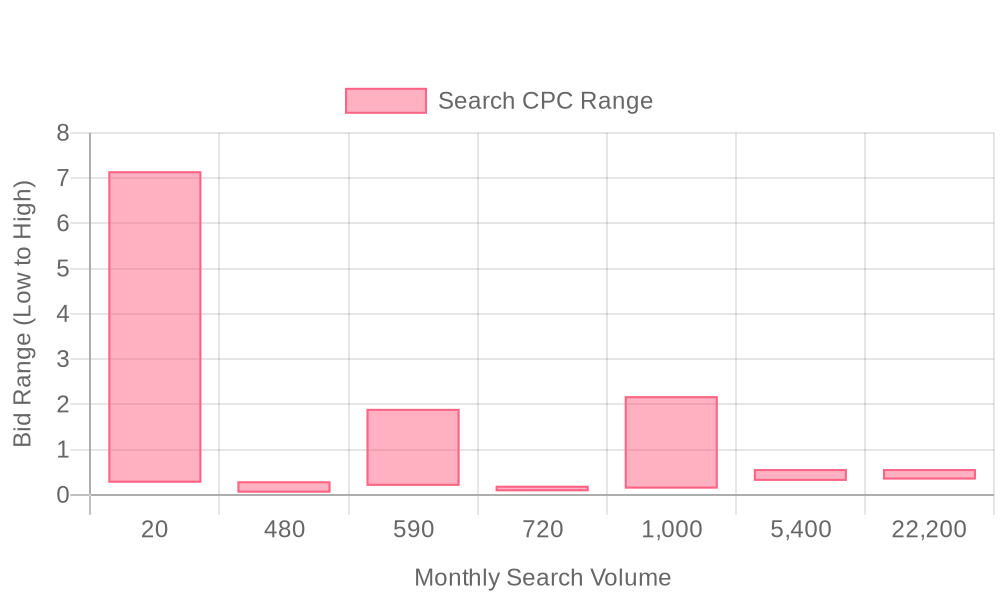
| Industry | Keyword | Monthly Search Volume | Competition Level | Low Bid | High Bid |
| Variety Stores | sam's club skinny pop variety pack | 20 | HIGH | 0.27 | 7.15 |
| Variety Stores | walmart variety chips | 480 | HIGH | 0.05 | 0.3 |
| Variety Stores | spindrift sparkling water costco | 590 | HIGH | 0.2 | 1.9 |
| Variety Stores | walmart sparkling ice | 720 | HIGH | 0.08 | 0.2 |
| Variety Stores | sparkling ice costco | 1000 | HIGH | 0.14 | 2.18 |
| Variety Stores | variety store near me | 5400 | LOW | 0.31 | 0.57 |
| Variety Stores | variety stores | 22200 | LOW | 0.34 | 0.57 |
A robust keyword strategy is crucial for driving qualified traffic and maximizing returns in online advertising for variety stores. By aligning keyword selection with business objectives and local intent, marketers can attract both price-sensitive shoppers and customers seeking unique product assortments. The right blend of broad and highly specific keywords ensures visibility across competitive retail categories and helps stretch the Google Ads budget further.
- Essential Keywords: Start with high-volume terms like “cheap household items near me,” “discount party supplies,” and “seasonal decorations store.” These core phrases reflect strong purchase intent and are easily recognized by shoppers. Dynamic keyword insertion techniques can further tailor ad copy, ensuring each search query triggers highly relevant messaging and product listings. For practical tips on optimizing Google Shopping Ads in retail, see this Shopify guide to Google Shopping Ads. This approach increases click-through rates and ensures budget efficiency.
- Geo-targeting: Incorporate location modifiers such as “variety store in New York City” or “discount gifts Brooklyn.” These local keywords connect search campaigns directly to shoppers in proximity to your physical stores, driving both online conversions and in-store visits. By layering real-time visitor identification and intent data, marketers can prioritize spend on regions or zip codes where high-intent searches convert best, optimizing local advertising for variety stores.
- Long-tail Keywords: Select specific phrases that reference unique features, brands, or use cases, such as “eco-friendly kitchen gadgets downtown” or “licensed children’s toys Queens.” These long-tail keywords attract niche audiences with clear buying signals, improving ad relevance and reducing competition with big-box retailers. Automated audience updates based on CRM and site activity ensure that ads are consistently shown to shoppers expressing the strongest intent for targeted inventory.
- Negative Keywords: Apply negative keyword lists to filter out traffic from unrelated searches, like “free,” “jobs,” or “wholesale only.” This practice minimizes wasted spend on low-intent clicks and keeps PPC for variety stores focused on attracting shoppers likely to convert. By syncing campaign data with CRM and sales platforms, marketers maintain a clean, intent-focused traffic profile and refine their keyword sets as customer behaviors evolve.
A structured keyword approach, supported by real-time data and dynamic audience management, helps variety store marketers reach the right shoppers with the right offers at the right moments, increasing ad efficiency and driving measurable revenue growth across both digital and physical storefronts.
Step-by-Step Campaign Execution Framework
Step 1: Build Targeted Keyword Lists
Precision in keyword strategy is the foundation of successful Google Ads for Variety Stores. Start by compiling a robust set of search terms specific to your product mix, store location, and seasonal demand. Use a combination of broad, phrase, and exact match to maximize reach while maintaining relevance. Negative keywords are equally important, filter out unrelated queries to prevent budget waste and sharpen campaign intent. To further refine your approach, review this overview of Google Ads campaign types, which breaks down options and best use cases for marketers. Advanced audience signals further refine targeting by aligning ads with real-time shopper behaviors and intent, capturing consumers who exhibit high purchase readiness.
With Sona's Identity Resolution, marketers move beyond generic targeting and can identify which companies and high-value prospects are browsing, so spend concentrates on segments showing in-market signals. This dynamic approach keeps your Google Ads budget on high-intent leads, not just anonymous traffic. For additional strategies, explore our collection of actionable playbooks to optimize your campaign.
The upgrade most variety stores advertisers miss is going beyond raw keyword volume to layer in intent and identity signals. By connecting website-visitor data and CRM records with Sona Marketing Measurement, you can see which specific search terms bring in the accounts and customers that actually convert, and weight your keyword and bidding strategy toward those rather than the terms with the highest search volume alone.
Step 2: Develop Compelling Ad Copy
Effective ad copy for variety stores requires a blend of creativity and data-driven specificity. Headlines and descriptions should address the unique desires and pain points of your local audience, such as convenience, product variety, and immediate availability. Use insights from segment analysis to tailor messaging by audience cohort, ensuring relevance and higher engagement rates.
Sona enables deeper personalization by integrating real-time behavioral signals into creative decisions. As leads move through the funnel or demonstrate new intent, audience segments and ad messaging update dynamically. This level of responsiveness drives stronger clickthrough and conversion rates, as ads remain aligned with evolving customer needs and context.
Step 3: Design Effective Landing Pages
Landing pages for variety stores must reinforce the promise made in your ads while streamlining the path to purchase or visit. Consistent messaging, clear calls to action, and rich visuals are essential. Including current customer testimonials or local reviews further builds trust and credibility, increasing the likelihood of in-store visits or online conversions. For useful tips on optimizing your landing experience, see our guide to different Google Ad campaign types.
By leveraging Sona, marketers can map every landing page touchpoint to revenue outcomes. This allows for continuous optimization based on which combinations of copy, layout, and testimonial placement directly influence conversions. The result is a frictionless, high-performing digital experience that supports both online and offline store goals.
Step 4: Implement Data-Driven Optimizations
Continuous campaign improvement hinges on rigorous analysis of performance metrics. Regularly review impression share, clickthrough rates, and conversion data to identify areas for bid adjustments or creative refreshes. Predictive models help forecast shifts in demand, allowing for proactive reallocation of budget to the highest-performing keywords and audiences. To ensure you're maximizing your omnichannel performance, check out this guide to Performance Max campaigns for brick-and-mortar retailers.
Sona enhances this process by delivering actionable insights through advanced attribution and conversion tracking. Marketers can measure true ROI, both online and in-store, by linking ad engagements with actual sales and lead outcomes. CRM and ad platform sync ensures audiences are always updated, and learnings from one channel are quickly applied to others, creating a feedback loop that accelerates revenue growth for variety stores.
Sona Marketing Measurement closes the gap between clicks and revenue. It captures ad clicks with first-party measurement, ties them through UTM capture and ad-platform APIs to the actual record in your CRM, and reports ROAS by keyword and campaign instead of by last-click form fill. Feeding that revenue signal back into Smart Bidding and Performance Max compounds over time: the algorithms optimize toward booked variety stores revenue, not cheap leads.
Tips on Expanding Your Variety Store Presence

Expanding a variety store’s reach requires a blend of targeted digital strategies and strong local connections. By thoughtfully combining content promotion, local partnerships, and precise audience intelligence, retailers can strengthen both online and offline engagement with high-intent buyers.
- Cross-Promote Content: Use ad retargeting to bridge the gap between passive visitors and active buyers. Directing Google Shopping ad traffic toward educational blogs or promotional videos not only boosts engagement but also nurtures prospects throughout the buyer journey. If you want an overview of how Google Shopping Ads can work for your retail business, check out this guide for e-commerce visibility. When first-party data is unified with campaign analytics, marketers can identify which visitors engage most with content and dynamically build retargeting audiences. This enables budget allocation to focus on leads most likely to convert, while integrating CRM data ensures your most valuable audience segments are automatically updated for future campaigns using Sona.
- Leverage Partnerships: Collaborating with local influencers or regional bloggers creates co-branded promotions that resonate within specific communities. This approach expands reach without sacrificing targeting precision, as campaign data reveals which partner audiences drive the highest in-store visits or online conversions. By integrating real-time intent signals, variety stores can adapt their creative and offers in partnership campaigns to align with trending local interests and purchasing behaviors, optimizing results with every iteration.
- Utilize Local Listings: Accurate, up-to-date store profiles on Google Business and key local directories are essential for capturing nearby shoppers. These listings, when linked with proximity-targeted Google Ads, drive higher foot traffic by surfacing store information to people searching for products in the immediate area. With advanced attribution, retailers can track which online ads, listings, or search queries lead to physical visits or in-store sales, providing a holistic view of campaign effectiveness and true ROI. This visibility enables ongoing optimization and ensures that every advertising dollar supports measurable growth for your variety store.
Beyond Google Ads: Winning the AI Answers Variety Stores Buyers Now Trust
Paid search captures demand at the moment someone types a query. But a fast-growing share of variety stores buyers no longer start at Google at all, they ask ChatGPT, Gemini, or Perplexity before they ever run a search, and Google's own AI Overviews increasingly summarize an answer above the traditional results. If your business isn't referenced in those AI answers, you're invisible at the exact moment buyers build their shortlist.
Sona AI Visibility shows where your business shows up across ChatGPT, Gemini, Perplexity, Google AI Overviews, and 10+ engines, and, much like a keyword report, which prompts actually send you buyers, so you can prioritize the ones that convert. Run the two together and you cover the entire buyer path: get cited where buyers research (AI Visibility), then prove which of that demand turns into booked revenue (Marketing Measurement).
Helpful resources
Conclusion
The variety store category is only getting more contested online, and the stores that win will be the ones that treat Google Ads as a measurement problem as much as a media-buying one, tying clicks to actual sales, not just form fills, and feeding that signal back into how they bid. That's the shift worth making now, before AI-driven search reshapes where buyers start looking altogether.
FAQ
What are the best practices for using Google Ads for variety stores?
Best practices include setting clear, revenue-aligned objectives, conducting thorough keyword research, structuring ad campaigns around specific product categories, crafting compelling ad copy, optimizing landing pages, and implementing robust tracking and analytics to measure campaign success.
How can variety stores optimize their Google Ads campaigns?
Variety stores can optimize their campaigns by using dynamic audience segmentation, leveraging real-time behavioral insights, continuously testing and refining ad copy and landing pages, and reallocating budgets towards high-performing keywords and ads based on predictive analytics.
What budget should I allocate for Google Ads as a variety store?
The budget should be aligned with the store's goals and the expected return on investment, focusing on high-intent search terms and efficient audience targeting to maximize conversion rates and revenue impact.
What types of ads work best for variety stores on Google?
The most effective ad types for variety stores include search campaigns for high-intent searches, display ads for maintaining brand awareness, shopping ads for showcasing products, remarketing ads for re-engaging visitors, and local ads for targeting nearby consumers.
How do I measure the success of my Google Ads for a variety store?
Success can be measured by implementing conversion tracking and connecting Google Analytics for detailed campaign measurement, using advanced attribution solutions to link online and offline interactions, and analyzing metrics like ROI, conversion rates, and revenue outcomes.







