


Trenching contractors lose bids they should win, not because the crew is worse, but because the lead never made it into the CRM before a competitor called back. Google Ads solves the visibility half of that problem: it puts your business in front of plant managers and project leads at the moment they're searching for excavation work, rather than waiting on referrals. With precise targeting, contractors can reach decision-makers actively comparing bids, keeping ad spend on high-intent traffic instead of cold, unqualified visitors. This guide walks through how trenching contractors can build and optimize Google Ads campaigns that generate qualified leads and pipeline.
How to Generate Trenching Contractor Leads with Google Ads: A Step-by-Step Guide

Google Ads for Trenching Contractors creates immediate opportunities for targeted visibility among decision-makers who need specialized excavation work. Using a finely tuned, data-driven approach ensures every dollar spent goes toward reaching high-intent prospects rather than wasted impressions. For a foundational overview of strategies that maximize ROI in this industry, check out this Google Ads guide for land clearing and excavation businesses.
Results-oriented marketers gain an edge by leveraging Sona's Intent Signals and unified data to pinpoint both anonymous and known visitors, turning website sessions into actionable leads. Precision in campaign design, message alignment, and attribution unlocks scalable growth for trenching and excavation contractors seeking consistent project pipelines.
- Define Your Campaign Objectives: Setting clear goals gives structure and direction to your entire Google Ads strategy. Whether the aim is to increase brand awareness, drive qualified leads, or boost on-site consultations, objectives should be measurable. For trenching contractors, this often means prioritizing lead form submissions, phone calls, or requests for bids. Integrating first-party audience data allows revenue teams to focus spend on accounts with the highest likelihood of converting, especially powerful when paired with real-time engagement tracking.
- Conduct Keyword Research: Keyword selection is the foundation of Google Ads for trenching contractors. Identify high-volume, high-intent phrases such as "trenching service near me," "excavation contractors," and "site preparation companies," using tools like the Google Keyword Planner. Search volume for trenching keywords often spikes ahead of construction season and after storms or utility failures that trigger emergency digs, so bid strategy needs to flex with that seasonality rather than stay flat year-round. Marketers benefit from platforms that surface in-market search activity at the company level, allowing for more informed decisions on which keywords warrant increased bids and which to suppress. This approach ensures campaigns capture both local service ads for contractors and broader construction industry Google Ads demand.
- Craft Compelling Ad Copy: Ad copy must speak directly to the pain points and needs of construction project managers, site developers, and commercial property owners. Headlines should promise reliability and compliance, while descriptions reinforce expertise in navigating permitting, safety, and project timelines. Advanced analytics platforms empower marketers to segment audiences and test variations, ensuring the right message reaches every stage of the funnel. Dynamic audience segmentation keeps campaigns agile as contacts move from initial awareness to ready-to-buy.
- Optimize Landing Pages: Landing pages aligned with ad messaging accelerate conversion rates and reduce wasted spend. A strong page features clear CTAs, fast load times, and proof points like certifications or case studies. Connecting landing page engagement data to offline sales activities, such as booked consultations or site visits, provides a complete view of ROI, especially when using solutions that unify web analytics with CRM and ad performance data.
- Monitor and Adjust Bids: Smart bidding strategies help trenching contractors stretch their ad budgets further. By leveraging conversion data, marketers can automatically shift spend toward high-performing keywords and audiences, responding instantly to changing market demand. Real-time syncing of enriched lead data into Google Ads and CRM systems enables continuous optimization, ensuring only the most valuable prospects get prioritized follow-up.
Why Does Google Ads Matter for Trenching Contractors?

Trenching contractors operate in a market where timing and precision drive revenue. Modern buyers demand rapid, relevant responses to their service requests, making digital visibility critical for success.
- Precise Targeting: Google Ads empowers trenching contractors to match their services to active searchers, ensuring marketing budgets are spent on prospects actively seeking excavation or trenching work. By leveraging real-time audience data, contractors avoid wasted impressions and focus on the highest-intent leads.
- High-Value Leads: Advanced visitor identification pushes campaigns beyond anonymous website traffic, enabling marketers to recognize companies and decision-makers visiting their site. Real-time data enrichment surfaces key buyer attributes, so trenching teams can prioritize and personalize outreach to those most likely to convert.
- Immediate Demand Response: Emergency and urgent service requests are common in construction and utility sectors. Google Ads allows contractors to position their services at the top of search results when quick response is essential, capturing high-intent leads who need immediate solutions. For a practical overview of how Google Ads can power lead generation in this sector, see this video walkthrough for land clearing and excavation contractors.
- Analytics and Tracking: Integrated analytics and attribution connect every click and impression to actual service inquiries. Offline and online attribution ensures trenching contractors can measure campaign ROI with accuracy, trace leads from initial ad interaction through to contract signing, and continually optimize spend and messaging to maximize conversions.
Common Types of Google Ads Campaigns for Trenching Services
Beyond these formats, Performance Max campaigns let trenching contractors combine Search, Display, YouTube, and Discover inventory into a single goal-based campaign, useful for filling in reach where manual campaign types leave gaps.

- Search Ads: Search campaigns are essential for capturing high-intent search traffic, such as queries like "trenching services near me" or "excavation contractors." Responsive search ads, an ad format within Search that tests multiple headline and description combinations, help contractors prioritize prospects who are actively seeking trenching solutions while reducing wasted clicks from misaligned targeting. When CRM audience lists are synced with search campaigns, teams can dynamically prioritize bids toward in-market accounts, optimizing for both relevance and efficiency. For a detailed overview of Google Ads strategies tailored to land clearing and excavating businesses, review this Google Ads strategies for land clearing.
- Display Campaigns: Display campaigns reinforce brand presence by retargeting site visitors as they browse related industry websites. This approach keeps your services top-of-mind and can help clarify your value proposition, especially when messaging is coordinated between display banners and landing pages. Real-time visitor identification adds further precision by ensuring display investments reach verified decision-makers, not just anonymous traffic.
- Remarketing: Remarketing campaigns are designed to re-engage users who have interacted with your ads or visited your website but have not yet converted. Customized ad sequences nudge these prospects further down the funnel, addressing objections and highlighting service differentiators specific to trenching and excavation. Integrating advanced attribution and conversion tracking, including offline actions, enables marketers to understand which remarketing touchpoints truly drive revenue, allowing continuous optimization of the remarketing funnel.
- Video Campaigns: Video campaigns leverage engaging visual content to explain complex trenching projects and showcase expertise. These are effective for building trust with potential clients who may require more education on the scope and safety standards of trenching work. With dynamic audience capabilities, video viewers can be segmented and nurtured based on their engagement level, allowing for follow-up ads tailored to their interest and stage in the buying journey.
Where to Find Growth Opportunities?

- Vertical Keyword Targeting: Pinpointing specialty keywords such as "trenching contractors," "land clearing," and "excavation services near me" ensures your ads capture high-intent searchers ready to engage. Segmenting by location and service type refines traffic quality, driving more qualified leads and lowering wasted ad spend. When combined with Sona's Audiences tool, marketers can identify and prioritize companies that show in-market intent, allowing for focused budget allocation and higher conversion rates.
- Industry Placements: Advertising on construction forums, contractor directories, and niche industry sites places your brand in front of decision-makers when they are actively seeking trenching and excavation solutions. These platforms often attract professionals comparing bids or researching vendors, making them ideal for lead generation. Integrating Sona's Identity Resolution and dynamic audience updates lets revenue teams retarget high-value accounts across display and native placements, increasing campaign impact.
- Competitor Insights: Leveraging competitive analysis tools reveals which search terms and placements drive results for market peers, uncovering gaps where your services can stand out. For a breakdown of effective Google Ads tactics in the construction industry, refer to this Google Ads strategies for contractors resource. Feeding these insights into a unified data platform allows marketers to map buyer journeys and adjust campaigns in real time for maximum relevance.
- Content Retargeting: Re-engaging visitors with case studies, service explainer videos, or customer testimonials reinforces credibility and keeps your business top-of-mind for trenching projects. Applying advanced Sona Ad Conversions enables measurement of both online and offline actions, such as calls or form fills, providing a true picture of ROI. Syncing these leads with your CRM and ad platforms ensures retargeting lists are always up to date, streamlining follow-up and nurturing efforts.
Ready to uncover more actionable growth strategies? Get started for free with Sona.
How to Apply Audience Segmentation for Trenching
Effective audience segmentation drives higher ROI for trenching contractors by ensuring every ad dollar is spent reaching the right market. Segmenting by service type and intent prevents wasted impressions and builds pathways for more qualified leads to enter your sales funnel. Explore additional Google Ads strategies for land clearing and excavating businesses to maximize ROI in niche contractor markets.
- Segment Audiences: Trenching contractors serve a diverse base, including residential, commercial, and industrial clients, plus municipalities and utility companies awarding public bids. Each segment has distinct priorities: homeowners typically focus on safety and property value, commercial properties demand compliance and speed, and industrial and municipal buyers prioritize large-scale logistics, permitting, and risk management. Organizing audience lists according to these segments allows for granular control over bidding, budgeting, and creative direction, and it consistently outperforms generic campaigns that speak to everyone but resonate with no one. With Sona, marketers can move beyond basic segmentation, pinpointing not only industry but also company size and decision-maker role to sharpen targeting and maximize relevance.
- Custom Intent Audiences: Successful campaigns go beyond demographics by building intent-driven audiences. For trenching contractors, users searching for "emergency trench repair" or "commercial trenching services" reveal high-value intent signals, often tied to a burst utility line or a permit deadline rather than idle research. Integrating this search behavior with firmographic data, such as job title, industry, and company revenue, enables hyper-focused campaign delivery. Sona surfaces intent signals to unify this intent and firmographic data, dynamically updating audience lists as new leads demonstrate purchase readiness. This allows for real-time budget shifts to accounts most likely to convert, reducing spend on low-fit clicks and improving overall lead quality.
- Ad Messaging by Segment: Messaging must reflect the unique pain points and language of each audience segment. Residential messaging should emphasize safety and affordability, while commercial and industrial segments care about compliance, scale, and minimizing downtime. Tailoring ad copy and landing pages for each audience not only enhances ad relevance but also improves Quality Score and reduces cost-per-click. When platforms sync CRM and ad audiences, teams can ensure that ad creative evolves as prospects move through the funnel, allowing for continuous personalization and stronger engagement at each touchpoint.
This is also where measurement changes the economics. With Sona Marketing Measurement you can identify the companies behind your ad clicks, not just anonymous sessions, and segment audiences by which accounts actually become customers. That lets you build bid adjustments and audience signals around the segments that convert and de-prioritize the ones that don't, so you feed Google's algorithms "this click became a paying trenching contractors customer" instead of just "someone filled out a form."
Keyword Strategy & Sample Target Terms
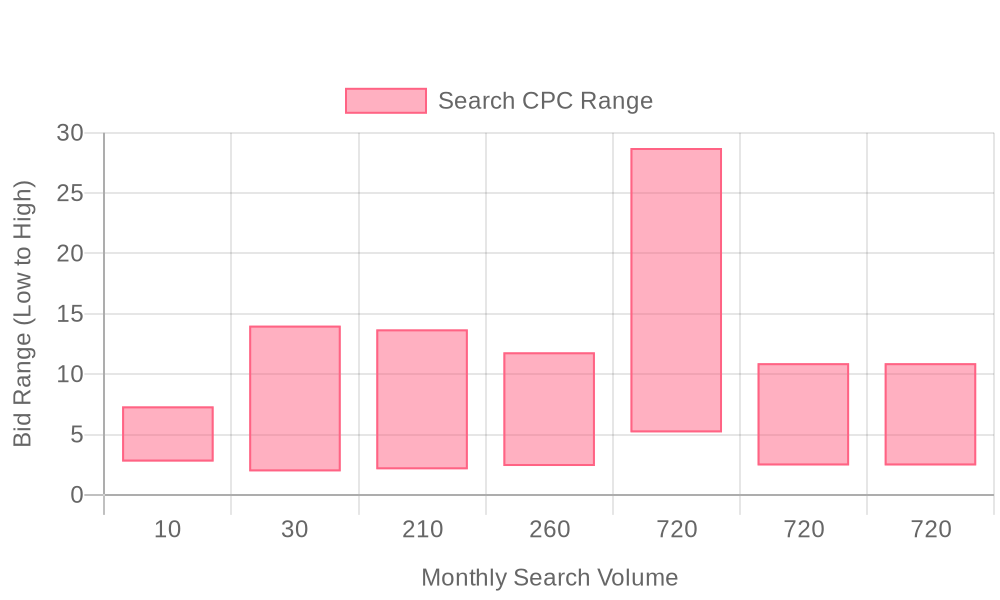
| Industry | Keyword | Monthly Search Volume | Competition Level | Low Bid | High Bid |
| Trenching Contractors | trench digging contractors near me | 10 | MEDIUM | 2.76 | 7.33 |
| Trenching Contractors | trenching contractor near me | 30 | MEDIUM | 1.95 | 14.02 |
| Trenching Contractors | trenching companies | 210 | LOW | 2.12 | 13.71 |
| Trenching Contractors | trenching contractors | 260 | LOW | 2.39 | 11.81 |
| Trenching Contractors | french drain company near me | 720 | MEDIUM | 5.18 | 28.74 |
| Trenching Contractors | trenching companies near me | 720 | MEDIUM | 2.44 | 10.91 |
| Trenching Contractors | trenching contractors near me | 720 | MEDIUM | 2.44 | 10.91 |
Effective keyword strategy drives qualified traffic and maximizes budget efficiency in trenching contractor campaigns. Precision in targeting ensures marketing spend reaches decision-makers seeking commercial excavation and trenching solutions. By integrating real-time visitor identification, marketers can distinguish between genuine commercial prospects and irrelevant consumer queries, allowing for more precise targeting and improved cost per acquisition.
- High-Volume Keywords: Targeting broad, high-intent terms like "trenching contractors near me" captures users actively searching for local or regional service providers. These keywords generate consistent impressions and clicks, offering strong visibility among businesses or property developers with immediate project needs. For additional keyword tactics tailored to the construction and excavation industry, review this overview of Google Ads strategies.
- Long-Tail Searches: Incorporating niche phrases such as "commercial trenching services," "pipeline trenching for utilities," or "land clearing and trenching" taps into specialized demand. These long-tail keywords attract higher-value leads with specific project requirements and stronger intent, leading to increased conversion rates. Dynamic audience updates ensure that as leads display deeper engagement with these terms, campaigns automatically retarget or nurture them across channels for higher lifecycle value.
- Negative Keywords: Excluding terms like "DIY excavation," "trenching machine rental," or "free trenching tips" prevents wasteful clicks from non-commercial, low-intent audiences. Regular negative keyword audits help maintain campaign focus on decision-makers and project managers. When CRM and ad platforms are synced, enriched exclusion lists can be applied automatically, optimizing budget allocation and refining audience quality at scale.
By aligning keyword selection with both broad and niche intent, trenching contractors can reach the right buyers at the right moment, while advanced analytics and audience enrichment accelerate the path from first search to conversion. To streamline your next campaign, get started for free with Sona.
Step-by-Step Campaign Execution Framework
Step 1: Build Targeted Keyword Lists
Effective Google Ads for trenching contractors start with a comprehensive keyword strategy. Segment keywords by core service types such as trenching, excavation, and site preparation, then add local modifiers reflecting service areas or city names. This structured approach captures high-intent searches and surfaces your ads when buyers are most likely to need specialized contracting services. For a detailed walkthrough on setting up Google Ads campaigns for this industry, check out this video guide for land clearing and excavation contractors.
Sophisticated platforms enable marketers to move beyond basic keyword lists. By leveraging Sona's Identity Resolution, teams can analyze which keywords drive quality company traffic, rather than just clicks, and continuously refine keyword sets to focus on the terms producing the best leads. For more actionable keyword strategies, explore our marketing playbooks.
The upgrade most trenching contractors advertisers miss is going beyond raw keyword volume to layer in intent and identity signals. By connecting website-visitor data and CRM records with Sona Marketing Measurement, you can see which specific search terms bring in the accounts and customers that actually convert, and weight your keyword and bidding strategy toward those rather than the terms with the highest search volume alone.
Step 2: Write Compelling Ad Copy
Ad copy for the trenching and excavation sector should address industry pain points such as project deadlines, safety compliance, and local regulatory expertise. Integrate trust signals like safety certifications, years in business, or industry association memberships to build credibility within a highly competitive market. For inspiration on industry-specific messaging, review this blog on Google Ads tactics for construction companies.
Modern marketing teams benefit from real-time prospect intent. When platforms surface in-market behaviors, you can adjust ad messaging to target high-converting accounts, highlight relevant trust signals, and position your business as the most credible, responsive choice in the region.
Step 3: Design Landing Pages
Landing pages aligned with your ad messaging consistently outperform generic website pages. Ensure each campaign links to a dedicated page that reflects the ad's promise, features clear calls to action, and makes it easy for trenching contractors' prospects to request quotes or consultations. For further guidance on optimizing conversion paths, visit our blog on B2B marketing reports for dashboards.
Connecting CRM and ad audiences enables dynamic personalization. As leads progress through the funnel, landing pages can automatically update messaging or offers based on their previous engagement, increasing the likelihood of conversion and streamlining the handoff to sales.
Step 4: Optimize Using Data
Continuous optimization requires robust conversion tracking and agile testing. Set up tracking for online actions, form fills, calls, chat initiations, and integrate offline conversion data, such as closed deals or booked site visits, to properly attribute revenue. For additional learning, watch this instructional video on Google Ads setup and optimization for local contractors.
Integrating advanced analytics solutions allows you to measure true ROI by tying conversions back to specific keywords, audiences, and campaigns. With enriched audience data syncing directly to Google Ads and CRM systems, revenue teams can rapidly adjust spend, retarget high-value leads, and ensure your trenching contractor campaigns evolve with market demand and buyer behavior.
Sona Marketing Measurement closes the gap between clicks and revenue. It captures every ad click with first-party measurement, then ties that click through UTM capture and ad-platform APIs to the actual record in your CRM, and reports ROAS by keyword and campaign instead of by last-click form fill. Feeding that revenue signal back into Smart Bidding and Performance Max compounds over time: the algorithms optimize toward booked trenching contractors revenue, not cheap leads.
Tips on Expanding Your Trenching Presence

- Leverage Content Marketing: Aligning Google Ads with a robust content marketing strategy ensures trenching contractors deliver value-driven information to potential clients. Educational articles, case studies, and guides addressing excavation challenges not only drive paid clicks but also build trust and authority in the industry. When visitors arrive from a targeted ad and find relevant, insightful content, conversion rates increase and brand recall strengthens. Platforms that unify ad and web engagement data allow revenue teams to identify the companies behind anonymous traffic, providing actionable insights for more precise follow-up and nurturing. Explore more strategies in our marketing analytics blog.
- Partnerships and Sponsorships: Collaborating with construction industry associations or local trade organizations expands your network and fosters credibility in the trenching sector. Strategic sponsorships at industry events or joint webinars create touchpoints with high-value prospects, extending reach beyond digital channels. When marketing teams sync CRM records and Sona's Audiences tool, they can dynamically retarget contacts engaged through partnership events, ensuring consistent messaging across every interaction and maximizing the long-term value of these relationships.
- Localized Campaigns: Focusing on specific geographic markets enables trenching contractors to tailor messaging and offers based on local regulations, soil conditions, and regional project trends. Hyperlocal Google Ads campaigns that reflect this knowledge drive higher engagement and conversion rates by resonating with local decision-makers. Real-time intent signals from Sona and offline conversion tracking reveal which regional campaigns generate the most qualified leads, empowering teams to shift budget toward the highest-performing areas. For a detailed walkthrough on Google Ads setup and optimization for local contractors, check out this instructional video.
Beyond Google Ads: Winning the AI Answers Trenching Contractors Buyers Now Trust
Paid search captures demand at the moment someone types a query. But a fast-growing share of trenching contractors buyers no longer start at Google at all, they ask ChatGPT, Gemini, or Perplexity before they ever run a search, and Google's own AI Overviews increasingly summarize an answer above the traditional results. If your business isn't referenced in those AI answers, you're invisible at the exact moment buyers build their shortlist.
Sona AI Visibility shows where your business shows up across ChatGPT, Gemini, Perplexity, Google AI Overviews, and 10+ engines, and, much like a keyword report, which prompts actually send you buyers, so you can prioritize the ones that convert. Run the two together and you cover the entire buyer path: get cited where buyers research (AI Visibility), then prove which of that demand turns into booked revenue (Marketing Measurement).
Helpful resources
Conclusion
Google Ads works for trenching contractors because it puts your business in front of the plant manager or project lead at the exact moment they're searching, not weeks later when a referral finally comes through. Strategic campaigns, sharp audience segmentation, and disciplined ad spend turn that moment into booked work.
The contractors who win going forward will be the ones who treat AI search and Google Ads as one system: measurement that ties clicks to booked revenue, and visibility in the AI answers buyers now consult before they ever type a search. That's where the next round of qualified leads comes from.
If you're ready to take your advertising efforts to the next level, start for free to experience our platform and its capabilities today.
FAQ
How do I set up Google Ads for my trenching business?
To set up Google Ads for your trenching business, define campaign objectives, conduct keyword research, craft compelling ad copy, optimize landing pages, and monitor and adjust bids using smart bidding strategies.
What are the best keywords for Google Ads in the trenching industry?
The best keywords for Google Ads in the trenching industry include high-volume, high-intent phrases such as 'trenching service near me,' 'excavation contractors,' and 'site preparation companies.'
How much should I budget for Google Ads as a trenching contractor?
The article does not specify an exact budget amount, but it emphasizes optimizing ad spend by targeting high-intent traffic and using smart bidding strategies to stretch the ad budget further.
What is the conversion rate for Google Ads in the construction industry?
The article does not provide a specific conversion rate but suggests optimizing landing pages and using real-time data to improve conversion rates.
How can I track the ROI of my Google Ads for my trenching business?
You can track the ROI of your Google Ads by integrating analytics and attribution to connect ad interactions to service inquiries, using both online and offline conversion tracking.







