Excavation projects rarely start with a handshake anymore, they start with a search: a developer typing "grading contractor near me" the week before a permit deadline, or a homeowner googling "emergency trench repair" after a pipe fails. Google Ads for Excavating Contractors lets you show up in that exact moment, closing the gap between a stranger's search and a signed contract. Done well, it means intercepting real project leads while they're still comparing bids, not after they've already picked someone.
How to Generate Excavating Contractor Leads with Google Ads: A Step-by-Step Guide
Effective digital marketing for excavators demands tailored, data-driven strategies to capture high-value commercial and residential leads. Excavation businesses that align their Google Ads approach with real customer intent consistently outperform competitors in both lead quality and cost efficiency. For a deeper dive into how Google Ads generates leads in this space, see this industry overview.
A modern, high-performing campaign for excavating contractors begins with deep keyword research. By identifying the terms that decision-makers actually search, such as "excavation project bidding" or "how much does excavation cost", contractors can connect with project owners early in the buying process, before they've requested three competing quotes. Integrating long-tail keywords and intent-based questions ensures every ad dollar targets prospects with real purchasing power. Sona's Intent Signals help marketers update keyword lists dynamically, matching seasonal swings in permitting and groundbreaking activity as new project types emerge.
Organizing campaigns by both service type and target location matters for excavation business growth. Segmenting ad groups into specialties like land clearing, site preparation, or trench digging keeps messaging precise, so ads speak directly to the service a prospect needs. Geographic targeting filters out irrelevant clicks and focuses spend on regions with active development or seasonal thaw windows, when excavation work actually resumes. Sona's Identity Resolution lets marketers move past anonymous traffic to pinpoint companies and decision-makers, increasing the value of each impression.
Smart ad copy and landing page alignment is the next lever for lead generation for excavators. Ads should address the pain points that actually drive excavation inquiries: cost transparency, equipment availability, licensing and insurance, and how fast a crew can mobilize, paired with calls to action that match user intent. Landing pages should reinforce those promises with detailed service breakdowns and fast contact options. When ad and landing page messaging line up, conversion rates rise and wasted spend drops. Sona's Audiences sync CRM data with ad audiences for seamless retargeting, so prospects see messaging relevant to their stage in the buying process.
Performance tracking is non-negotiable in PPC for contractors. Monitoring click-through rates, conversion data, and offline actions (like phone calls or on-site visits) in real time ensures you can optimize campaigns quickly. Sophisticated attribution models go beyond standard web analytics, capturing the full customer journey from first click to closed deal. This lets revenue teams tie ad spend directly to pipeline impact and prioritize channels delivering the highest ROI. Systems that integrate online and offline conversion data provide full-funnel transparency, so marketers can double down on strategies proven to drive excavating leads.
Dynamic Search Ads are a powerful addition for excavation marketing. These campaigns automatically match your website’s content to high-intent search queries, filling in gaps not covered by manual keyword lists. As new excavation services or equipment are added to your portfolio, Dynamic Search Ads ensure your campaigns remain comprehensive and up to date. When paired with dynamic audience building, your ads adapt in real time as leads move through the funnel, keeping your brand top-of-mind during critical decision windows.
Why does Google Ads matter for Excavating Contractors
Excavating contractors operate in a high-value, project-driven market where timing and relevance are crucial for capturing the right opportunities. Google Ads offers a direct line to decision-makers precisely when they are actively evaluating and planning earthwork, grading, or site prep projects, making every ad impression count toward serious business outcomes. For more strategies on reaching decision-makers at the right moment, explore our account-based marketing guide.
- Precision Targeting: Google Ads enables contractors to zero in on key stakeholders like project managers, developers, and general contractors at the moment they are searching for excavation solutions. Leveraging intent-based audience segments ensures that campaigns reach active buyers, not just passive browsers. With modern platforms, marketers can go beyond anonymous clicks by identifying which companies are engaging and which accounts are showing high in-market intent, allowing for real-time budget shifts to maximize conversions.
- Demonstrate Specialization: The ability to highlight niche services such as grading, trenching, or environmental remediation directly in ads helps excavators stand out in a crowded field. Tailored messaging and dynamic ad content ensure that prospects see the most relevant capabilities, reinforcing expertise and making it easier for buyers to differentiate among providers. As audiences progress through the buying journey, dynamic segmentation updates ensure that messaging adapts to their current needs, driving higher engagement and more qualified leads.
- Informed Decision-Making: Google Ads delivers transparent analytics so excavating contractors can measure campaign performance, compare results to other marketing channels, and understand which keywords, ads, and audiences drive the highest-value leads. Integrating advanced conversion tracking makes it possible to attribute both online and offline actions, like form fills, calls, and even signed contracts, back to specific campaigns. For insights on how Google Ads drives lead generation specifically for excavation businesses, review this industry overview. By syncing enriched lead data from CRM and marketing platforms into Google Ads, teams gain a complete ROI view and can confidently allocate budget to the campaigns fueling true excavation business growth. If you're ready to see how seamless attribution and advanced targeting can boost your results, get started for free with Sona.
Common Types of Google Ads Campaigns for Excavating Contractors

- Search Campaigns: Excavating contractors rely on search campaigns to capture high-intent local leads at the moment of need. Targeting phrases like “excavating companies near me” or “emergency excavation services” ensures ad spend is funneled toward prospects actively seeking solutions, driving immediate inquiries and quote requests. By leveraging enriched audience data and connecting CRM insights, marketers can align search ads with signals such as project urgency, location, or prior engagement, narrowing focus on the highest-value opportunities and increasing conversion rates. For a deeper dive into how Google Ads can generate leads for excavation businesses, check out this guide.
- Display Campaigns: Display campaigns allow excavation businesses to maintain visibility and brand familiarity with both commercial and residential audiences across a broad network of industry-relevant sites. Visual ads featuring recent projects, safety certifications, or specialized equipment create repeated touchpoints, keeping the contractor top-of-mind for future excavation needs. Integrating display targeting with real-time behavioral data enables marketers to dynamically adjust creative and budget allocation, ensuring that ads reach profiles exhibiting current buying intent and project readiness.
- Video Campaigns: Video campaigns offer a powerful platform for excavating contractors to demonstrate expertise, showcase complex site work, and highlight safety protocols. These campaigns build trust and authority by visually conveying the scale and precision of past projects, which can be critical for winning large commercial bids or high-stakes residential jobs. By syncing video audiences with CRM and sales data, marketers ensure that tailored messages reach prospects at the right stage of the buying cycle, deepening engagement and accelerating lead progression.
- Remarketing: Remarketing campaigns enable excavation contractors to re-engage visitors who previously interacted with their website or ads but did not convert. By delivering contextually relevant messaging, such as case studies, seasonal offers, or follow-up consultations, remarketing helps nurture long-cycle B2B leads and prompt action from those comparing multiple vendors. Sona's Identity Resolution identifies anonymous visitors and maps them to company records, further enhancing remarketing effectiveness with outreach that reflects each account's unique needs and readiness to buy.
Where to Find Growth Opportunities
Identifying growth opportunities in excavation contractor advertising requires precision and a data-driven approach. Marketers who consistently uncover untapped segments gain an edge, reaching new clients before competitors saturate the space. To discover which companies are visiting your website and understand their engagement, Sona's Identity Resolution turns anonymous web traffic into actionable sales opportunities.
- Vertical Keywords: Vertical-specific keywords offer a powerful avenue for reaching in-market buyers who are often overlooked by generic campaigns. By focusing on industry-specific phrases such as “hydrovac excavation for utilities” or “emergency trenching services,” excavation businesses can connect with high-intent prospects searching for precise solutions. Real-time analytics enable revenue teams to refine keyword lists as they see actual visitor behavior, ensuring spend is allocated to terms that draw qualified excavating leads. To get a sense of high-performing keywords for this industry, explore this excavation keywords resource.
- Competitor Analysis: Auction insights in Google Ads reveal not only how your campaigns are performing relative to others but also highlight gaps where competitors are underserving the market. Excavation contractors can spot patterns in bid strategies, keyword focus, and ad timing, allowing them to deploy targeted campaigns in less-contested niches. When marketers have unified access to both their own intent data and external market signals, they can confidently shift budget to the most promising verticals, increasing share of voice in lucrative segments and boosting excavation business growth.
- Content Retargeting: Retargeting with educational content keeps contractors top-of-mind for prospects who are not ready to convert on the first visit. Guides, checklists, and case studies tailored to excavation project planning or compliance requirements support longer buying cycles. The timing and sequencing of these touchpoints become more effective when based on real-time engagement signals, ensuring follow-ups land precisely when a lead is evaluating vendors.
How to Apply Audience Segmentation for Excavating Contractors

Effective audience segmentation is fundamental for excavating contractors who want to maximize their digital marketing investments. By isolating distinct buyer profiles, marketing teams can deliver messaging that aligns with the urgency, scale, and intent of each potential client, leading to higher conversion rates and more qualified excavating leads. For more strategies on refining your audience approach, explore our advanced B2B marketing playbooks.
- Define and Segment Your Audience: Start by distinguishing between commercial and residential excavation clients. Commercial prospects often have longer planning cycles, require detailed project portfolios, and expect enterprise-level service assurances, while residential clients are likely to need urgent solutions for projects like foundation repairs or landscaping. This clarity prevents wasted follow-ups and ensures your sales team focuses on the most relevant opportunities. Segmenting by project type, urgency, and geographic location further refines targeting, making it easier to allocate budget and manpower toward the highest-value prospects using real-time audience segmentation.
- Overlay Intent Signals: Incorporate behavioral and intent data to differentiate between prospects who are ready to request a quote and those still comparing options. For example, users who visit pricing pages or download technical documentation signal immediate purchase intent, while others may be in the research phase. Real-time analytics can trigger dynamic audience updates, automatically shifting high-intent visitors into prioritized remarketing lists. Learn how to use intent signals to segment and prioritize your outreach.
- Segmented Ad Groups: Tailoring ad copy and creative assets to each segment increases relevance and engagement. Ads for commercial developers should emphasize large-scale site preparation, compliance certifications, and case studies, while residential messaging focuses on rapid response, free assessments, and trust indicators like insurance and reviews. Segmented ad groups make it possible to align every touchpoint to the specific needs of the audience, driving up click-through and conversion rates in Google Ads strategies for excavating contractors.
- Track Conversion Paths: Integrating CRM and marketing data closes the loop between ad engagement and actual contract wins. By syncing enriched audience profiles directly into platforms like Google Ads and Salesforce, teams can track every interaction, online and offline, from first click to signed agreement. This comprehensive attribution reveals which segments and messages produce the most revenue, enabling continuous optimization of digital marketing for excavators.
This is also where measurement changes the economics. With Sona Marketing Measurement you can identify the companies behind your ad clicks, not just anonymous sessions, and segment audiences by which accounts actually become customers. That lets you build bid adjustments and audience signals around the segments that convert and de-prioritize the ones that don't, so you feed Google's algorithms "this click became a paying excavating contractors customer" instead of just "someone filled out a form."
Keyword Strategy & Sample Target Terms
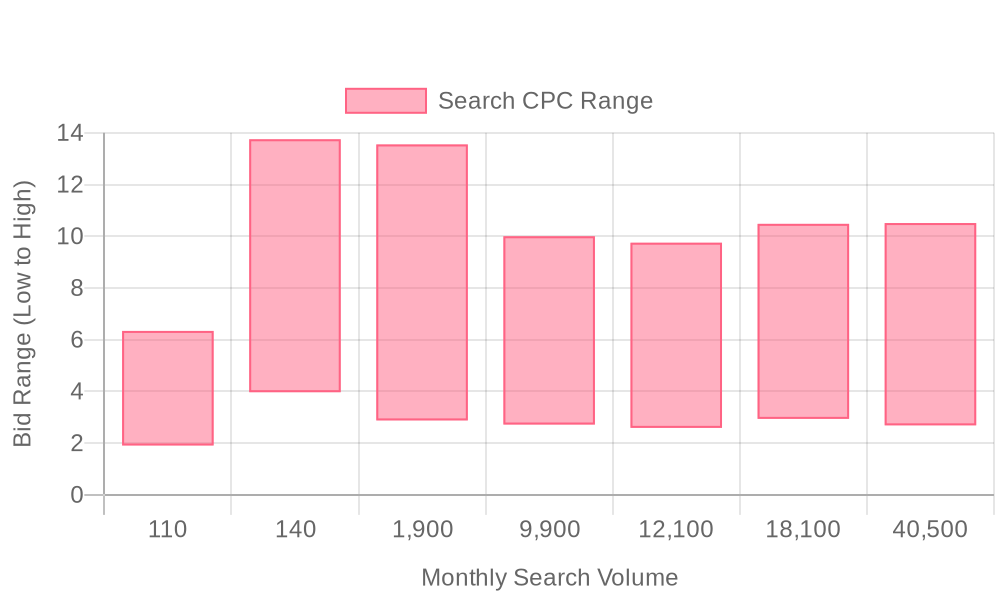
| Industry | Keyword | Monthly Search Volume | Competition Level | Low Bid | High Bid |
| Excavating Contractors | small excavation contractors near me | 110 | LOW | 1.91 | 6.34 |
| Excavating Contractors | excavation and foundation contractors near me | 140 | LOW | 3.97 | 13.75 |
| Excavating Contractors | excavation services near me | 1900 | LOW | 2.88 | 13.55 |
| Excavating Contractors | excavation company | 9900 | LOW | 2.72 | 10 |
| Excavating Contractors | excavation contractors near me | 12100 | LOW | 2.59 | 9.75 |
| Excavating Contractors | excavating contractors | 18100 | LOW | 2.94 | 10.48 |
| Excavating Contractors | excavation companies near me | 40500 | LOW | 2.69 | 10.51 |
Strategic keyword selection determines whether digital marketing for excavators translates into qualified leads or wasted spend. Effective Google Ads for excavating contractors relies on a layered approach, combining intent-driven, localized, and negative keywords to filter and attract the most relevant traffic. The process hinges on understanding how prospects search for excavation services, which terms indicate strong purchasing intent, and how budget can be protected from low-value clicks. For a deeper dive into how Google Ads can generate leads for excavation businesses, explore this comprehensive guide.
- High-Intent Keywords: Prioritizing terms like "excavating leads," "commercial excavation contractors," and "emergency foundation repair" ensures campaigns attract users actively seeking excavation solutions. These keywords reflect buyers further down the funnel and are ideal for maximizing conversion rates. By leveraging real-time intent signals, marketers can dynamically allocate budget to accounts demonstrating readiness to engage, rather than passively targeting broad audiences.
- Localized Keywords: Using location-based phrases such as "excavation contractors [Your City]" or "land clearing [Your County]" captures searchers seeking services in specific geographies. Geo-modified keywords improve relevance and reduce wasted impressions. When campaign data is unified with CRM and pipeline systems, marketing teams can trigger hyper-local messaging as soon as a new developer or homeowner enters the buying cycle in a target area, producing timely engagement and higher-quality excavating leads.
- Negative Keywords: Filtering out non-converting queries like "free excavation services," "DIY trench digging," or "excavator operator jobs" is essential to protect marketing budgets. Negative keyword management reduces irrelevant clicks and boosts overall campaign ROI. As visitor identification technology matures, marketers can identify patterns in low-value traffic and proactively update negative lists, ensuring only high-potential prospects are reached.
- ROI Focused Terms: Keywords that signal urgency or commercial readiness, such as "24-hour excavation," "licensed excavation team," or "same-day land grading", should be prioritized. These terms indicate immediate need, where conversion rates and project values often peak. With unified analytics, teams can measure which keywords not only drive form fills or calls, but also translate into closed business, allowing for continuous optimization of spend toward the terms delivering true excavation business growth.
Integrating these keyword strategies with advanced audience and CRM data allows revenue teams to create dynamic, performance-focused campaigns. As leads progress from initial inquiry to qualified opportunity, audience segments and keyword priorities can automatically update, reflecting the real-world sales cycle. The result: online advertising for contractors that consistently delivers measurable results and fuels sustainable excavation business growth.
Step-by-Step Campaign Execution Framework
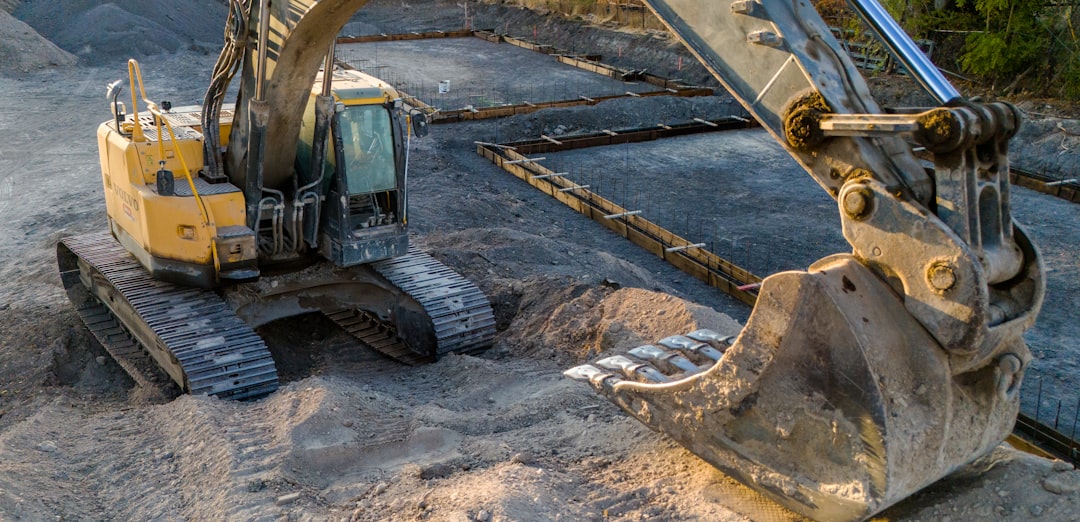
A well-structured Google Ads approach is essential for excavating contractors seeking more qualified leads and measurable project growth. Executing campaigns with clear, data-driven steps ensures that every marketing dollar generates maximum return and directly supports business development goals. For more strategies on marketing attribution and maximizing ROI, explore the Sona blog.
Step 1: Build Targeted Keyword Lists
Excavating contractors achieve better results by anchoring campaigns around high-intent search phrases specific to each service segment, such as “commercial grading contractor near me” or “emergency trenching services.” These targeted keywords attract prospects who are actively seeking excavation solutions, reducing wasted spend on irrelevant queries. Adding local modifiers, like city names or neighborhoods, ensures that ads appear for searches with strong purchase intent in relevant service areas. This precision not only increases click-through rates but also improves lead quality, as traffic is filtered for geographic and service alignment.
Modern B2B marketers can further elevate keyword targeting by integrating visitor-level data. With unified go-to-market intelligence, marketers can move beyond anonymous impressions and identify which companies or accounts are actively searching for excavation services. For a curated list of high-performing keywords, review this excavation keywords resource. As a result, ad budgets are increasingly allocated to segments where the likelihood of conversion is highest, driving both efficiency and pipeline velocity.
The upgrade most excavating contractors advertisers miss is going beyond raw keyword volume to layer in intent and identity signals. By connecting website-visitor data and CRM records with Sona Marketing Measurement, you can see which specific search terms bring in the accounts and customers that actually convert, and weight your keyword and bidding strategy toward those rather than the terms with the highest search volume alone.
Step 2: Develop Compelling Ad Copy
Compelling ad copy for excavating contractors should clearly showcase unique selling propositions, such as 24/7 emergency service, specialized certifications, or decades of local project experience. Headlines need to be direct and action-oriented, while descriptions should reinforce credibility and prompt immediate action with strong calls to action like “Request a Free Site Assessment Today.” Authenticity and specificity in messaging differentiate contractors in a crowded space, ensuring ads stand out to property managers, developers, and homeowners alike.
With enriched audience data, ad messaging can be tailored to the specific needs or pain points of in-market accounts. For example, commercial developers may see copy focused on large-scale site preparation, while residential audiences are shown ads with urgent repair solutions. This level of personalization, fueled by real-time behavioral insights, leads to higher engagement rates and a noticeable lift in qualified inquiry volume. For practical guidance on effective ad copy, explore these ad copy tips and examples.
Step 3: Design Effective Landing Pages
Landing pages must be tightly aligned with ad messaging to sustain user trust and momentum. For excavating contractors, this means featuring project-specific visuals, client testimonials from similar industries, and clear CTAs such as “Schedule Your Excavation Consultation.” Fast-loading, mobile-optimized layouts ensure that on-site engagement remains high, while easily accessible forms or click-to-call buttons remove barriers to conversion. Incorporating badges for insurance, certifications, and association memberships further instills confidence among both commercial and residential prospects.
Data-driven teams can leverage unified funnel tracking to connect ad clicks to real sales outcomes. When visitor identities are resolved, landing pages can dynamically adjust content based on company type or decision stage, ensuring that every prospect receives the most relevant offer and information. Discover how Google Ads can generate leads for land clearing and excavating businesses by visiting this lead generation with Google Ads guide. This seamless handoff from ad to landing page significantly increases conversion rates and shortens sales cycles.
Step 4: Implement Data-Driven Optimizations
Ongoing optimization is crucial for maintaining performance and adapting to shifting market dynamics. Excavating contractors should implement robust conversion tracking that measures not just form fills or calls, but also revenue outcomes tied to specific campaigns and keywords. This level of granularity uncovers which channels, audiences, and messages drive the most profitable excavating leads, enabling precise budget reallocation and bid adjustments.
When campaign, CRM, and offline sales data are unified, marketers can attribute revenue back to original ad interactions, capturing the full impact of both online and offline touchpoints. This closed-loop insight reveals the true ROI of each channel and campaign, empowering teams to double down on strategies that move the needle on excavation business growth. With synchronized audiences and automated triggers, high-value leads can be instantly routed from ad platforms into sales workflows, accelerating follow-up and maximizing close rates.
Sona Marketing Measurement closes the gap between clicks and revenue. It captures every ad click with first-party measurement, then ties that click through UTM capture and ad-platform APIs to the actual record in your CRM, and reports ROAS by keyword and campaign instead of by last-click form fill. Feeding that revenue signal back into Smart Bidding and Performance Max compounds over time: the algorithms optimize toward booked excavating contractors revenue, not cheap leads.
Tips on Expanding Your Excavating Contractor Presence
Expanding your excavating contractor presence requires a multifaceted approach that blends digital innovation with targeted relationship-building. By moving beyond standard advertising tactics, contractors can reach new audiences, generate high-value leads, and increase project opportunities in both established and emerging markets.
- Cross-Promote Content: Distributing high-value resources such as in-depth guides or whitepapers positions your business as an authority and drives qualified traffic. When these assets are promoted across your website, email, and social channels, they serve as powerful magnets for lead generation. Integrating robust retargeting efforts ensures visitors who engage with your content are re-engaged at key decision points, while precise offline conversion tracking reveals which assets drive phone calls, form fills, or in-person consultations. Sona's Identity Resolution identifies the companies engaging with your content, allowing for more personalized retargeting and accurate ROI reporting across both online and offline channels.
- Partnership Opportunities: Forming alliances with adjacent industry players, such as land surveyors, real estate developers, or civil engineers, opens the door to cross-promotion that taps into aligned customer needs. These collaborations can include co-branded educational events, bundled service offerings, or referral programs that create a shared pipeline of qualified leads. By synchronizing your audience data across platforms, you ensure that newly acquired contacts from partner campaigns automatically feed into your advertising and CRM systems, keeping your outreach timely and relevant as prospects move through the decision funnel.
- Geo-Targeting Enhancements: Maximizing your footprint in high-growth or underserved regions is essential for excavating contractors aiming to capture the most profitable opportunities. Geo-targeted advertising allows you to allocate spend precisely where construction activity, permitting, or land development is surging. Google Ads strategies for excavation contractors provide actionable ideas for optimizing your reach in these markets. Advanced data platforms further refine this process by layering real-time buyer intent and in-market behavior, enabling you to dynamically shift budget to areas and accounts most likely to convert. As your audiences update automatically based on geographic and behavioral signals, your campaigns remain agile, ensuring your message is always in front of the right decision-makers at the right time.
Leveraging Google Ads for excavating contractors involves more than keyword selection; it demands ongoing segmentation, data enrichment, and continuous optimization to align with both industry trends and evolving client expectations. When these strategies are woven into a broader marketing framework, one that unifies digital, partnership, and geo-targeting efforts, contractors gain sustained market visibility and a measurable competitive advantage. Start by auditing your current campaign setup and integrating these advanced methods to unlock new growth channels and position your firm as a leader in excavation business growth.
Beyond Google Ads: Winning the AI Answers Excavating Contractors Buyers Now Trust
Paid search captures demand at the moment someone types a query. But a fast-growing share of excavating contractors buyers no longer start at Google at all, they ask ChatGPT, Gemini, or Perplexity before they ever run a search, and Google's own AI Overviews increasingly summarize an answer above the traditional results. If your business isn't referenced in those AI answers, you're invisible at the exact moment buyers build their shortlist.
Sona AI Visibility shows where your business shows up across ChatGPT, Gemini, Perplexity, Google AI Overviews, and 10+ engines, and, much like a keyword report, which prompts actually send you buyers, so you can prioritize the ones that convert. Run the two together and you cover the entire buyer path: get cited where buyers research (AI Visibility), then prove which of that demand turns into booked revenue (Marketing Measurement).
Helpful resources
Conclusion
Google Ads works for excavating contractors because it meets buyers at the moment they're deciding who to call, not months later when the project's already been awarded to a competitor who showed up first in the results.
The contractors who win the next few years of bids won't just run better search ads, they'll be the ones whose measurement systems can prove which keywords and campaigns actually built their pipeline, and whose visibility extends into the AI answers buyers now consult before they ever open Google. That combination, precise targeting today plus proof of what it's worth, is what separates a marketing line item from a growth engine.
To experience the difference firsthand and gain deeper insights, why not take the next step? Start for free
FAQ
What are the best practices for Google Ads in the excavation industry?
Best practices include conducting deep keyword research, organizing campaigns by service type and location, aligning ad and landing page messaging, and utilizing advanced tracking and attribution models.
How can I create effective Google Ads campaigns for my excavation business?
Create effective campaigns by targeting high-intent keywords, segmenting ad groups by service type and location, crafting compelling ad copy, and ensuring landing pages align with ad messages.
What keywords should I target for Google Ads as an excavating contractor?
Target high-intent keywords like 'commercial excavation contractors' and localized phrases such as 'excavation contractors [Your City]' to attract relevant traffic.
How much should I budget for Google Ads as an excavation contractor?
Budgeting should focus on targeting high-intent keywords and utilizing data-driven insights to allocate spend efficiently, ensuring alignment with business growth goals.
What metrics should I track to measure the success of my Google Ads campaigns for excavation?
Track metrics such as click-through rates, conversion data, offline actions, and use advanced attribution models to tie ad spend to pipeline impact and ROI.