


Travel and tourism education programs sell a decision that takes months: a prospective student or partner researches accreditation, compares destinations, and checks reviews long before they fill out a form. Google Ads reaches that person during the research window itself, at the exact moment they type a query about a certification or a study-abroad option. Search complements the awareness work of social and email by catching buyers when intent is highest. For educational institutions and travel sector businesses, Google Ads offers targeted precision, complete ROI measurement, and the ability to strengthen other channels through remarketing and audience insights. That combination helps solve familiar problems: high-value prospects who slip through unnoticed, anonymous traffic with no visibility into who's behind it, and demo or inquiry interest that never converts.
How to Generate Travel and Tourism Education Leads with Google Ads
Travel and tourism education organizations face unique hurdles in connecting with high-intent prospects ready to enroll or partner. A refined Google Ads strategy delivers measurable visibility, precise targeting, and pipeline growth when built on unified, actionable data.
Enhance your marketing strategy with Google Ads by addressing challenges such as missing high-value prospects and disconnected campaigns. Here's a framework to integrate Google Ads for lead generation effectively:
- Develop a data-driven search approach tailored to your audience, considering challenges like manual audience creation. Transform static prospecting by leveraging platforms that unify behavioral, firmographic, and CRM data to identify and prioritize high-value accounts. For a deeper dive into specialized Google Ads management for tourism, review this overview of Google Ads management services.
- Utilize keyword and audience targeting specific to travel and tourism education to ensure reaching the right prospects at the right stage. Dynamic audience updates allow for seamless retargeting as leads move from awareness to consideration, ensuring that ad spend is always focused on in-market decision-makers rather than cold lists. Explore our library of actionable playbooks to refine your targeting strategies.
- Align landing pages and ads for maximum conversion impact, keeping in mind prospects' decision-making journeys. Integrating enriched visitor data into landing page experiences helps personalize messaging and CTAs, increasing conversion rates and shortening sales cycles.
- Implement continuous performance optimization tactics to remain adaptable and responsive. Real-time tracking and advanced attribution models let marketers quickly identify high-performing segments and shift spend, eliminating wasted budget and improving overall campaign ROI.
- Explore cross-channel integration methods to amplify marketing effectiveness and consistency. Syncing enriched audiences and lead data between Google Ads, CRM, and marketing automation platforms supports a unified buyer journey, allowing for better nurture, retargeting strategies, and closed-loop reporting across travel and tourism education campaigns.
Why Google Ads Matter for Travel and Tourism Education Businesses

Modern travel and tourism education providers face a rapidly evolving digital landscape. Institutions and operators must engage prospective learners and partners with tailored messaging at the critical moment of their online search journey. To learn more about building effective strategies, explore these insights for B2B marketing.
- Complex Audience Targeting: Advanced audience segmentation enables teams to reach decision-makers precisely as they research destination programs, certifications, or industry partnerships. Rather than letting high-value website visitors remain anonymous, marketers now leverage identity resolution to pinpoint companies and individuals showing in-market intent, unlocking opportunities that would otherwise be lost.
- Immediate Results: Unlike organic content efforts that may take months to yield results, paid search campaigns deliver measurable traffic and leads within days. This speed allows enrollment teams and marketers to capture fluctuating demand for seasonal or trend-driven offerings, ensuring agile alignment with business goals.
- Regional Visibility: With granular targeting, organizations can efficiently expand into new regions or serve niche markets without wasted ad spend. This capability is essential for educational travel programs and tourism-focused schools looking to diversify their applicant pool and strengthen their global reach. You can create real-time audience segments to enhance ad targeting for new markets.
- Comprehensive Data Analysis: Closed-loop measurement tracks every click through to actual enrollment or inquiry, connecting digital efforts directly to business outcomes. Integrating advanced attribution ensures that both online and offline conversions are captured, providing true visibility into ROI and enabling smarter budget allocation for ongoing campaign optimization.
Common Types of Google Ads Campaigns for Travel and Tourism Education
Travel and tourism education providers rely on digital campaigns to fill their pipelines with qualified leads and maintain a competitive advantage. Unifying campaign data and intent signals allows revenue teams to maximize every touchpoint, moving prospects from initial discovery through conversion with precision and consistency. Common campaign types include Search, Display, Video, Performance Max, and remarketing, each suited to a different stage of the enrollment or partnership decision.
- Search Campaigns: High-intent decision-makers often begin their journey with targeted searches for travel and tourism education programs. Well-structured search campaigns ensure your offering appears at the top of relevant queries, capturing qualified interest before competitors do. Unified visitor identification enables marketers to move beyond anonymous clicks and pinpoint which organizations are actively researching programs, allowing for more strategic bid adjustments and messaging.
- Display Ads: Consistent brand presence across industry-specific sites is essential for nurturing awareness and trust. Display ads offer visual reinforcement throughout the consideration process; when layered with real-time audience data, marketers can prioritize inventory and budget toward accounts progressing through the funnel. As audiences evolve, dynamic audience updates ensure that only the most relevant prospects continue to see your creative, reducing wasted impressions and improving engagement rates. For a step-by-step approach to leveraging Google Ads for tour and activity operators, review this comprehensive Google Ads guide.
- Video Ads: Educational travel experiences often require visual storytelling to differentiate value and foster emotional connection. Video ads enable institutions to showcase campus life, alumni testimonials, or immersive program highlights. By syncing enriched audience segments from CRM and marketing automation platforms, these ads reach the right viewers at the optimal stage, increasing the likelihood of high-value conversions. For best practices on building B2B video ad audiences, explore our actionable playbooks.
- Remarketing: Many prospects show interest but delay conversion, making remarketing a critical tactic for travel and tourism education marketers. Cross-channel touchpoints, search, display, and social, bring prior visitors back into the funnel. Leveraging advanced conversion tracking and offline attribution, teams can measure which interactions drive actual enrollments, optimizing retargeting spend for true ROI. See how to maximize ROI through offline attribution.
- Assets: Building trust and credibility is paramount in education marketing. Utilizing ad assets, such as location, callout, and structured snippet assets, ensures prospects receive tailored, stage-appropriate messaging. With unified data syncing, assets can dynamically reflect the latest program accreditations, local campus details, or unique value propositions, reinforcing brand authority and driving deeper engagement.
Where to Find Growth Opportunities?

Travel and tourism education marketers face unique challenges in reaching the right audiences and standing out in a crowded digital landscape. Growth comes from identifying overlooked opportunities and aligning marketing strategies with the evolving expectations of prospective students, educators, and industry partners.
- Target specialty travel education services: Many campaigns over-focus on broad, high-competition keywords, missing the chance to reach niche audiences. By targeting specialized travel education services, such as sustainable tourism courses, adventure travel certifications, or destination-specific programs, marketers can capture interest from segments actively searching for tailored learning experiences. This approach fills market gaps and ensures a higher degree of relevance and engagement, leading to stronger conversion rates and brand recognition. For more strategies, explore this Google Ads guide for tour operators.
- Perform competitor analysis: A focused competitor analysis uncovers unaddressed opportunities in the travel and tourism education sector. By mapping competitors' ad spend, keyword targets, and content strategies, teams can pinpoint underserved markets or messaging gaps. Additionally, using Sona's Identity Resolution lets marketers identify which companies and decision-makers are interacting with their content, enabling more precise targeting and higher-value account prioritization.
- Use content retargeting: Engaged prospects in the research phase often require multiple touchpoints before committing to a program or service. Content retargeting, keeping educational webinars, brochures, and guides visible to past website visitors, sustains engagement and increases the likelihood of conversion. When marketers connect real-time audience intent data and dynamically update retargeting audiences based on funnel progression, they ensure each prospect receives relevant content at the optimal moment, resulting in measurable increases in application and inquiry rates. If you're ready to optimize your targeting and engagement, get started for free with Sona.
How to Apply Audience Segmentation for Travel and Tourism Education

Audience segmentation directly impacts lead quality and campaign efficiency in travel and tourism education. By structuring audiences intelligently, marketing teams can ensure every ad impression serves a clear, relevant purpose and supports a measurable path to enrollment. For additional insights on optimizing campaign structure, visit our B2B marketing blog.
- Define Segments: Segmenting by student demographics and educational needs is the foundation for precise targeting. Travel and tourism education spans undergraduate, postgraduate, and certificate programs, each attracting candidates with different motivators, backgrounds, and decision timelines. Marketers can further break down segments by geography, language proficiency, or career aspirations, ensuring each ad group targets a well-defined audience. When marketers leverage unified data across web, CRM, and offline touchpoints, they gain an accurate view of who is engaging and why, making segmentation granular and actionable.
- Overlay Intent Signals: With intent signals layered onto demographic segments, teams can prioritize students actively researching relevant programs or comparing providers. Behavioral data, such as site searches for specific courses, webinar registrations, or whitepaper downloads, identifies high-potential prospects even before direct outreach. Real-time intent monitoring dynamically updates audiences so ad spend pivots toward students closest to application or enrollment, minimizing wasted impressions and maximizing campaign efficiency.
- Create Segment-Specific Ads: Personalized messaging is critical in a competitive education market. Ads tailored to each segment, whether undergraduate explorers, career switchers, or corporate training managers, speak directly to their unique needs and decision drivers. Dynamic audience updates allow creative teams to automate message swaps as users progress through the funnel, ensuring relevance from first touch to application. This approach increases engagement, boosts conversion rates, and builds brand trust.
- Validate Conversion Paths: Accurate conversion tracking is essential for optimizing Google Ads for travel and tourism education. Integrating ad platforms with CRMs and enrollment systems closes the loop on lead attribution, capturing both online and offline interactions. Robust systems ensure no prospect drops off due to siloed data or fragmented tracking, providing a single source of truth for ROI measurement. Unified audience and conversion data syncs directly into Google Ads and core sales tools, enabling real-time feedback and continual campaign optimization. For detailed strategies on maximizing audience value, explore retargeting strategies.
This is also where measurement changes the economics. With Sona Marketing Measurement you can identify the companies behind your ad clicks, not just anonymous sessions, and segment audiences by who actually becomes a customer. That lets you build bid adjustments and audience signals around the segments that convert and de-prioritize the ones that don't, so you feed Google's algorithms "this click became a paying travel and tourism education customer" instead of just "someone filled out a form."
Keyword Strategy & Sample Target Terms
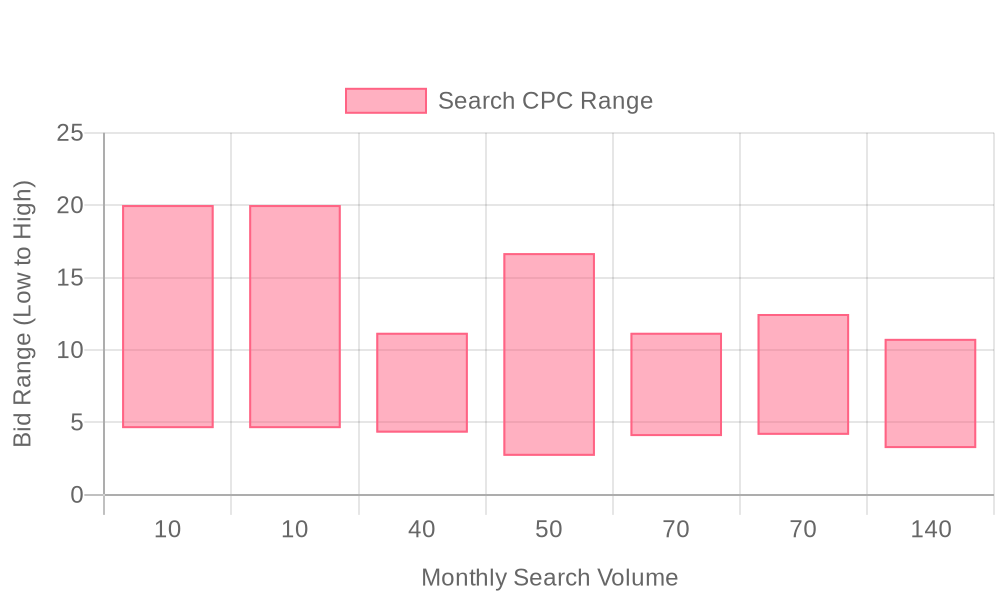
| Industry | Keyword | Monthly Search Volume | Competition Level | Low Bid | High Bid |
| Travel And Tourism Education | best colleges for travel and tourism | 10 | MEDIUM | 4.61 | 20.01 |
| Travel And Tourism Education | best colleges for tourism | 10 | MEDIUM | 4.61 | 20.01 |
| Travel And Tourism Education | colleges for travel and tourism | 40 | LOW | 4.3 | 11.19 |
| Travel And Tourism Education | colleges for travel agents | 50 | MEDIUM | 2.7 | 16.69 |
| Travel And Tourism Education | best colleges for hospitality and tourism | 70 | MEDIUM | 4.06 | 11.19 |
| Travel And Tourism Education | tourism colleges | 70 | LOW | 4.15 | 12.49 |
| Travel And Tourism Education | online classes for travel and tourism | 140 | LOW | 3.23 | 10.77 |
Precision in keyword selection shapes the effectiveness of Google Ads for travel and tourism education campaigns. B2B growth teams can drive qualified leads and boost pipeline quality by focusing on intent-driven queries that align with the unique needs of educators, program operators, and institutional buyers in this sector.
- High-Volume, Intent-Based Targeting: Prioritize keywords that demonstrate clear purchase or inquiry intent, such as "study abroad programs," "educational travel courses," or "tourism management certification." These terms capture prospects actively seeking solutions, ensuring ad spend reaches audiences most likely to convert. In-market intent signals, when surfaced in real time, allow teams to dynamically reallocate budget to higher-value keyword clusters, improving efficiency and campaign agility. For a deeper dive on surfacing intent signals and prioritizing high-value accounts, explore intent data strategies.
- Geographic and Long-Tail Modifiers: Phrases like "courses near me," "online travel education," and "custom educational tours for schools" pull in high-relevance traffic and reduce wasted impressions. Using granular location modifiers helps localize offerings for prospects searching within specific regions or cities, a common decision driver in educational travel planning. Enhance targeting precision by leveraging real-time audience segmentation that auto-syncs with your ad platforms.
- Negative Keyword Filtering: Integrate robust negative keyword lists, such as "free," "jobs," or unrelated degree programs, to prevent budget loss from unqualified clicks. This filtration is vital for maximizing ROI, especially in competitive markets where similar terms can attract both B2B and B2C searchers. For practical guidance on negative keyword management and campaign structuring in the travel sector, see this beginner's Google Ads guide.
- Dynamic Audience Sync: As leads engage or progress through the sales funnel, syncing enriched audience segments into Google Ads ensures that campaigns remain tightly targeted to high-propensity buyers. This continuous refresh of audience data allows marketers to personalize messaging and bid strategies for each stage of the buying journey. Sona enables seamless data activation by automatically syncing audience insights to your ad platforms and CRM for real-time optimization.
Leveraging these keyword strategies within Google Ads for travel and tourism education empowers B2B teams to minimize cold traffic, prioritize high-converting accounts, and confidently attribute revenue to the right sources. This approach also lays the foundation for advanced tactics like multi-channel orchestration, enabling a holistic, data-driven demand generation engine.
Step-by-Step Campaign Execution Framework
Step 1: Build Targeted Keyword Lists
Segmenting keywords by course type and geographic location is essential when scaling Google Ads for Travel And Tourism Education. High-performing campaigns start with granular targeting: focus on educational tours, certifications, or industry-specific programs, and adjust for local versus international student audiences. Avoiding generic terms reduces wasted spend, while long-tail variants capture highly motivated prospects. For actionable tips, see this beginner-friendly guide for tour operators.
Integrate advanced negative filters to exclude irrelevant traffic, refining targeting with each campaign iteration. Marketers using unified go-to-market platforms benefit from Sona's Identity Resolution, which reveals which companies and decision-makers are visiting their sites. This clarity transforms campaign planning, allowing for real-time adjustment of bids and creative to align with active, in-market behavior. With precise audience intelligence, targeting adapts as prospective students engage or progress through the funnel, ensuring ad spend always aligns with the highest-value segments.
The upgrade most travel and tourism education advertisers miss is going beyond raw keyword volume to layer in intent and identity signals. By connecting website-visitor data and CRM records with Sona Marketing Measurement, you can see which specific search terms bring in the accounts and customers that actually convert, and weight your keyword and bidding strategy toward those rather than the terms with the highest search volume alone.
Step 2: Develop Compelling Ad Copy
Ad copy for travel and tourism education must address both industry pain points and the tangible benefits of each program. Use clear, direct language that resonates with the decision criteria of educational coordinators, HR leaders, or student recruitment managers. Highlighting certifications, unique learning experiences, or post-course incentives can significantly increase conversion rates, especially when tailored to the audience's stage in the decision journey. For industry-specific messaging insights, explore this Google Ads strategies analysis.
Maintaining messaging consistency from ad to landing page is vital for trust and credibility. Platforms that unify CRM and ad data enable marketers to sync enriched audience profiles directly into Google Ads, ensuring that creative assets are always relevant and reinforced by the most current lead intelligence. For more strategies on optimizing your campaigns, browse our B2B marketing insights.
Step 3: Design Effective Landing Pages
Every click from a Google Ads campaign should land on a page that matches the ad's promise and guides the visitor toward a clear next step. For travel and tourism education, landing pages must address information gaps, showcase trust signals, such as accreditation badges, testimonials, or partner logos, and present a direct call to action, like "Book a Consultation" or "Download Program Details." Read a step-by-step guide for tours and activities for additional landing page best practices.
Real-time intent data allows for continuous adjustment, ensuring landing pages always reflect the needs and concerns of high-intent prospects. With advanced attribution measurement, revenue teams can connect form fills, calls, or downloads back to specific ads, enabling precise Google Ads campaign optimization for maximum ROI.
Step 4: Implement Data-Driven Optimizations
Smart bidding technologies leverage real-time performance insights to fine-tune budgets, bids, and targeting for travel and tourism education campaigns. Regular A/B testing of copy, creative, and landing pages is critical for uncovering what resonates with different audience segments. The most effective teams integrate these insights with broader go-to-market strategy, using unified data to drive both immediate improvements and long-term efficiency. For official guidance, consult campaign optimization techniques.
Synchronizing online and offline conversion data provides a holistic view of campaign impact, revealing which audiences actually enroll or engage beyond initial interest. When first-party and CRM data are kept in sync with Google Ads, it becomes possible to retarget high-value segments, suppress churn risks, and accurately measure true ROI.
Sona Marketing Measurement closes the gap between clicks and revenue. It captures every ad click with first-party measurement, ties that click through UTM capture and ad-platform APIs to the actual record in your CRM, and reports ROAS by keyword and campaign instead of by last-click form fill. Feeding that revenue signal back into Smart Bidding and Performance Max compounds over time: the algorithms optimize toward booked travel and tourism education revenue, not cheap leads.
Tips on Expanding Your Travel and Tourism Education Presence
Digital-first strategies are transforming how travel and tourism education providers reach and engage prospective students. Modern marketers who leverage data-driven audience insights consistently outperform competitors in both reach and enrollment impact.
- Enhance retargeting with rich educational content: Serving tailored follow-up ads featuring immersive program details, student testimonials, and virtual campus experiences nurtures prospective students through longer consideration cycles. Sona's Identity Resolution identifies both anonymous and known visitors, helping marketers pinpoint high-value leads for more relevant retargeting and less wasted spend. This ensures your campaigns stay top-of-mind with decision-makers and influencers evaluating program options.
- Collaborate with industry associations: Building partnerships with recognized travel and tourism organizations unlocks new referral channels and bolsters credibility. Shared campaigns or joint webinars increase exposure among qualified audiences, while data enrichment tools help identify which inbound leads are sourced from these high-value partnerships. For actionable tactics on travel sector ad strategy, see this Google Ads travel best practices guide. Integrating these insights with your ad strategy allows for dynamic segmentation and more accurate attribution, critical for optimizing co-marketing investments.
- Localize marketing for higher engagement: Regionalizing ad copy, keywords, and landing pages enables institutions to resonate deeply with local audiences. Tapping into real-time intent data reveals shifting demand in specific markets, allowing agile reallocation of spend toward high-converting regions. When CRM and ad platform data sync seamlessly, enriched audience profiles can be activated in Google Ads for precise local targeting, ensuring every dollar drives measurable results. For more guidance on optimizing campaigns, explore our B2B marketing insights.
Integrating Google Ads into your travel and tourism education marketing mix enables laser-focused targeting and dynamic measurement of campaign performance. By aligning real-time behavioral signals with robust attribution systems, institutions can capture more in-market prospects, optimize spend, and scale student acquisition across global and niche markets. For B2B revenue teams, this unified approach shortens the sales cycle, increases ROI, and builds a sustainable competitive edge in a rapidly evolving sector.
Beyond Google Ads: Winning the AI Answers Travel And Tourism Education Buyers Now Trust
Paid search captures demand at the moment someone types a query. But a fast-growing share of travel and tourism education buyers no longer start at Google at all, they ask ChatGPT, Gemini, or Perplexity before they ever run a search, and Google's own AI Overviews increasingly summarize an answer above the traditional results. If your business isn't referenced in those AI answers, you're invisible at the exact moment buyers build their shortlist.
Sona AI Visibility shows where your business shows up across ChatGPT, Gemini, Perplexity, Google AI Overviews, and 10+ engines, and, much like a keyword report, which prompts actually send you buyers, so you can prioritize the ones that convert. Run the two together and you cover the entire buyer path: get cited where buyers research (AI Visibility), then prove which of that demand turns into booked revenue (Marketing Measurement).
Helpful resources
Conclusion
The travel and tourism education providers who win the next few years won't just run more search campaigns, they'll be the ones who can say which keyword, which ad, and which landing page actually produced an enrolled student or a signed partnership, not just a filled-out form. That's the shift worth making now: from counting clicks to tracing revenue, and from generic targeting to campaigns built on who your real customers turn out to be.
Start for free and see how unifying go-to-market data turns anonymous ad clicks into a clear picture of which accounts actually enroll.
FAQ
What are the best practices for using Google Ads in travel and tourism education?
Best practices include developing a data-driven search approach, utilizing specific keyword and audience targeting, aligning landing pages with ads, implementing continuous performance optimization, and exploring cross-channel integration methods.
How can Google Ads help in targeting the right audience for travel and tourism education?
Google Ads helps by allowing precise audience segmentation and targeting based on high-intent searches, enabling marketers to reach decision-makers precisely as they research relevant programs.
What is the cost-effectiveness of Google Ads for travel and tourism education campaigns?
Google Ads offers complete ROI measurement, allowing marketers to track performance accurately and adjust budgets to eliminate wasted spend and improve campaign efficiency.
How can I track and measure the success of my Google Ads for travel and tourism education?
Success can be tracked through real-time performance monitoring, advanced attribution models, and integrating ad platforms with CRMs to connect digital efforts directly to business outcomes.
What are some examples of successful Google Ads campaigns in the travel and tourism education sector?
Successful campaigns often involve search campaigns for high-intent decision-makers, display ads for brand presence, video ads for storytelling, and remarketing to re-engage prospects.







