


A trailer sitting idle at a shipper's yard costs someone money every hour it waits, which is why trailer transport buyers rarely browse, they search with a deadline already in mind. Companies in this trade often lose these prospects simply because the CRM never captures who's visiting the site, and a hot inquiry cools before anyone calls back. Google Ads matters here precisely because it meets logistics managers and fleet operators at the moment they're typing 'trailer transport near me' or 'reliable trailer shipping services,' rather than hoping they find you later. A deliberate campaign strategy turns that moment of urgency into pipeline, catching decision-makers when they're ready to book, not just browse.
How to Generate Trailer Transport Leads with Google Ads: A Step-by-Step Guide

Optimizing Google Ads for trailer transport services delivers measurable pipeline impact by connecting marketing directly to buyer intent. Efficient digital marketing for cargo trailer businesses is built on data-driven audience segmentation and campaign orchestration that reach decision-makers at precisely the right moment.
Modern trailer transport companies face a persistent obstacle: anonymous website traffic that leaves valuable leads unidentified. Advanced marketing technology now enables revenue teams to attribute each touchpoint, and sync enriched lead data between Google Ads, CRMs, and sales platforms for full-funnel visibility.
Strategic ad placements and insightful keyword strategies are the foundation of high-performing Google Ads for trailer transport services. Marketers who leverage intent signals can activate dynamic audience segments, continually updating ad targets as new high-intent buyers emerge or existing leads move through the funnel. This approach ensures that ad spend prioritizes accounts with real buying potential, reducing wasted impressions and boosting Google Ads ROI for the transportation industry.
Integrating real-time visitor identification with PPC for trailer transport services transforms how B2B teams understand their audience. With precision targeting, teams can align ad campaigns with the companies and roles most likely to convert, while advanced conversion tracking links every click to pipeline value. This holistic approach to online advertising for transport services enables marketing and sales to collaborate on actionable insights, driving more qualified trailer transport leads and accelerating revenue growth.
Why Does Google Ads Matter for Trailer Transport Services?
Trailer transport companies operate in a competitive space where speed and precision in customer acquisition directly impact revenue. Google Ads provides a direct, measurable way to connect with high-intent buyers who are actively searching for trailer transport solutions, making it possible to generate qualified leads faster than traditional marketing methods.
The ability to target audiences by service area, cargo type, and urgency ensures that marketing budgets are allocated efficiently toward those most likely to convert. For businesses that struggle with slow or missed lead follow-up, integrating digital campaigns with CRM workflows closes the gap between inquiry and response, reducing lost opportunities to competitors. Real-time visibility into campaign performance, paired with actionable insights from unified data, empowers teams to adjust bids, shift budget to the highest-converting segments, and refine messaging for maximum impact.
By leveraging advanced tools that connect ad engagement with CRM and sales outcomes, trailer transport services can track every touchpoint, online and offline, providing a clear line of sight into ROI. This holistic approach transforms online advertising for transport services from a siloed channel into a coordinated driver of business growth.
Common Types of Google Ads Campaigns for Trailer Transport Services

Understanding campaign formats is foundational for driving measurable results in trailer transport marketing strategies. Each campaign type aligns with a specific buyer journey stage, allowing marketers to engage decision-makers with messaging tailored to their intent and timeline. For comprehensive campaign planning, see this Google Ads guide for transport companies or explore actionable marketing playbooks for additional industry insights.
- Search Campaigns: These campaigns target users actively searching for trailer transport services, such as "cargo trailer shipping" or "vehicle transport near me." Leveraging high-intent keywords ensures ads appear at critical moments, attracting prospects ready to convert. When marketers integrate real-time intent data and CRM insights, they can dynamically prioritize budget on searches from in-market accounts, improving qualified lead volume and reducing wasted spend.
- Display Campaigns: Display ads extend reach to relevant audiences browsing industry websites and forums. Creative banners and visuals amplify brand awareness and nurture interest among stakeholders who may not be actively searching yet. With advanced audience segmentation, marketers can sync enriched audiences from their CRM directly into Google Ads, ensuring display budgets focus on known targets and supplementing prospecting with remarketing strategies.
- Video Campaigns: Video ads, particularly on YouTube, deliver complex value propositions and educational content to transport buyers. Trailer transport services can showcase differentiators, customer testimonials, or logistics solutions in a compelling format. By syncing funnel stage data, marketers ensure video content is served to decision-makers progressing from awareness to consideration, driving higher engagement and nurturing future demand.
- Remarketing Campaigns: Remarketing targets site visitors and previous leads who did not convert, keeping trailer transport services top-of-mind throughout the research process. Using unified go-to-market data, remarketing audiences refresh automatically as prospects engage with content, submit forms, or request quotes. This dynamic approach serves relevant creative to the right accounts, boosting conversion rates and nurturing longer sales cycles common in B2B logistics.
- Ad Assets: Ad assets, such as location, call, and sitelink assets, make search ads more informative and actionable. For trailer transport companies, highlighting service areas, direct contact numbers, and quick links to quote forms increases ad relevance and click-through rates. By pulling verified business data from central platforms, marketers can ensure assets always reflect the latest service coverage and contact details, maximizing every paid search impression.
Segmenting accounts using firmographic data, such as company size or industry, lets marketers tailor each campaign type to the needs of small businesses, mid-market, or enterprise logistics buyers. This targeted approach ensures messaging resonates, engagement rises, and Google Ads ROI for transportation industry initiatives consistently improves.
Where to Find Growth Opportunities?

Pinpointing growth opportunities in trailer transport marketing starts with sharp industry alignment. Success hinges on using tailored keyword strategies that reflect the nuanced needs of logistics buyers and decision-makers, ensuring ads resonate at every stage of the customer journey. For actionable campaign planning, see this Google Ads advertising plan for transport companies.
Consistent campaign performance requires more than keyword bidding: it demands a unified approach to cross-channel data and granular competitive analysis. By mapping buyer stages to Google Ads campaigns, revenue teams can match ad creatives and offers to each prospect's readiness, minimizing wasted spend and boosting engagement. Integrating advanced analytics tools allows marketers to break down channel silos, revealing which campaigns drive true pipeline value and which underperform.
Sophisticated solutions now empower teams to move beyond surface-level metrics by identifying not just anonymous traffic, but actual visitors and target companies engaging with ads. Real-time intent data enables marketers to dynamically shift budgets toward high-converting accounts, while dynamic audience updates ensure remarketing lists always reflect the latest funnel movement. When CRM and ad platforms sync enriched audiences and conversion data, teams achieve precise attribution, connecting online and offline behaviors for a holistic view of ROI in the transportation industry.
Aligning these data-driven tactics with Google Ads optimization for logistics, PPC for trailer transport services, and targeted digital marketing for cargo trailer businesses provides a clear path to revenue growth. This approach helps trailer transport companies capture in-market demand efficiently and scale advertising efforts according to real buyer intent. For in-depth strategies, explore retargeting strategies that unify multi-channel engagement and drive higher conversion rates.
How to Apply Audience Segmentation for Trailer Transport

Precise audience segmentation is essential for trailer transport marketing strategies aiming to increase campaign efficiency and maximize advertising spend. Accurately defined segments allow revenue teams to deliver messaging that resonates with each buyer group, resulting in higher engagement rates and more qualified leads. For additional insights on segmenting and identifying key accounts, explore the essential guide to account identification.
Effective segmentation within Google Ads for Trailer Transport Services involves identifying meaningful customer attributes and intent signals. For example, separating fleet managers seeking commercial trailer solutions from small business owners looking for one-time rentals enables campaign managers to tailor creative, offers, and landing pages to each segment's unique motivations. This level of granularity prevents wasted impressions on unqualified audiences and improves click-through and conversion rates. For actionable advice on optimizing Google Ads for transportation, see these Google Ads tips for your transportation company.
Modern B2B marketers benefit from platforms that unify CRM, web, and advertising data to build dynamic audience segments. By leveraging real-time visitor identification, teams can go beyond anonymous site traffic and pinpoint high-value accounts actively researching trailer transport services. When in-market behavior shifts, marketing budgets can be quickly reallocated to prioritize segments most likely to convert, supporting agile campaign management.
Integrating online and offline attribution further empowers teams to measure Google Ads ROI for transportation industry campaigns at every touchpoint. For example, syncing enriched audiences and lead data with Google Ads and CRM platforms ensures that only engaged, sales-ready prospects receive targeted ads, creating a seamless bridge between digital marketing and sales outcomes. This unified approach supports consistent messaging and a closed-loop demand generation strategy in the highly competitive trailer transport sector.
This is also where measurement changes the economics. Sona Marketing Measurement identifies the companies behind your ad clicks, not just anonymous sessions, and segments audiences by which accounts actually become customers. That lets you build bid adjustments and audience signals around the segments that convert and de-prioritize the ones that don't, so you feed Google's algorithms "this click became a paying trailer transport services customer" instead of just "someone filled out a form."
Keyword Strategy & Sample Target Terms
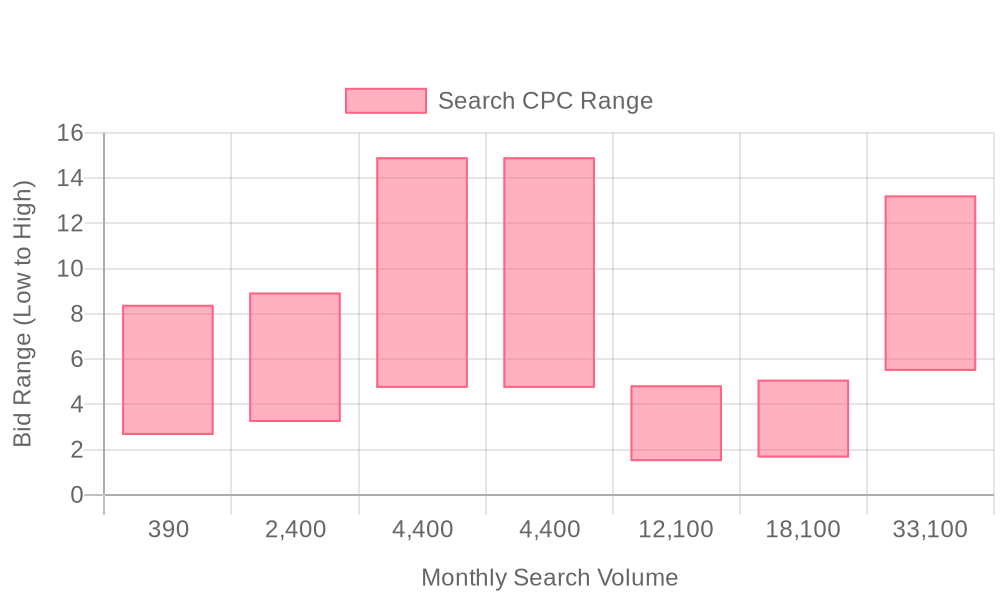
| Industry | Keyword | Monthly Search Volume | Competition Level | Low Bid | High Bid |
| Trailer Transport Services | trailer transport services | 390 | HIGH | 2.65 | 8.4 |
| Trailer Transport Services | car hauling | 2400 | MEDIUM | 3.22 | 8.94 |
| Trailer Transport Services | enclosed car transport | 4400 | MEDIUM | 4.73 | 14.92 |
| Trailer Transport Services | enclosed car shipping | 4400 | MEDIUM | 4.73 | 14.92 |
| Trailer Transport Services | mobile home movers near me | 12100 | LOW | 1.49 | 4.84 |
| Trailer Transport Services | mobile home movers | 18100 | LOW | 1.65 | 5.09 |
| Trailer Transport Services | car transporters | 33100 | MEDIUM | 5.48 | 13.23 |
A robust keyword strategy is foundational for digital marketing success in trailer transport services. High-intent keywords ensure your ads appear for prospects actively searching for solutions, driving relevant demand and boosting conversion rates while minimizing wasted spend.
Integrate commercial search terms that signal purchase intent, such as "trailer transport services near me," "cargo trailer shipping," or "vehicle transport quotes." For local impact, pair these with geographic modifiers, think "trailer hauling in Dallas" or "vehicle transport California." These combinations help capture regional demand and reach buyers with immediate needs. Alongside core terms, build comprehensive lists of negative keywords to exclude irrelevant clicks, such as "trailer rentals," "DIY trailer," or "used trailer for sale." This sharpens your targeting and prioritizes high-conversion audiences.
The most effective campaigns continually refresh their keyword lists using insights from search query reports and performance analytics. Advanced platforms can surface new high-performing phrases as user intent shifts, allowing you to dynamically optimize targeting for evolving market trends. When visitors engage with your ads, Sona's Destinations identifies not just anonymous clicks, but the specific companies and buyer personas who show in-market behavior, helping focus budget on accounts with the greatest likelihood to convert. This intelligent orchestration of keyword targeting, negative filtering, and real-time intent data delivers consistently higher ROI for trailer transport advertising efforts.
For additional strategies, explore how leading teams approach segmentation and keyword refinement in this sector.
Step-by-Step Campaign Execution Framework
Modern trailer transport service providers can achieve measurable growth by executing tightly integrated digital campaigns that connect marketing, sales, and customer data. Precision targeting and data-driven optimization are essential for outperforming generalist approaches, especially in competitive, high-value B2B markets. For more strategies on connecting marketing and sales data, explore these actionable playbooks for marketers.
Campaigns that leverage unified intent signals and actionable insights deliver higher conversion rates and more efficient ad spend. This ensures every marketing dollar works harder, turning anonymous web visitors into qualified pipeline and actionable sales opportunities.
Step 1: Build Targeted Keyword Lists
Success in Google Ads for trailer transport services starts with a targeted keyword strategy. Focusing on service-specific keywords such as "trailer transport companies," "cargo trailer shipping," or "vehicle hauler near me" ensures visibility to high-intent buyers. Adding local modifiers like city names, regions, or service corridors narrows targeting and reduces wasted spend, aligning every click with core business objectives. For a comprehensive overview of the process, review this guide to generating car hauler leads through Google Ads.
Integrating keyword strategies with real-time intent data further improves audience quality. By syncing CRM insights with Google Ads, marketers can dynamically adjust bids and messaging when high-value accounts are in-market. This approach ensures campaigns stay relevant as buyer intent evolves, maximizing opportunity capture without manual guesswork.
The upgrade most trailer transport services advertisers miss is going beyond raw keyword volume to layer in intent and identity signals. By connecting website-visitor data and CRM records with Sona Marketing Measurement, you can see which specific search terms bring in the accounts and customers that actually convert, and weight your keyword and bidding strategy toward those rather than the terms with the highest search volume alone.
Step 2: Develop Compelling Ad Copy
Effective ad copy highlights what sets a trailer transport service apart, such as on-time delivery guarantees, specialized equipment, or expedited scheduling. Incorporating urgency-driven offers like "24/7 dispatch available" or "instant quote" motivates immediate action from prospects searching for solutions. Consistency between ad messaging and overall brand promise is crucial for building trust and credibility. For guidance on creating high-performing ads, check out our blog on B2B marketing reports and dashboards.
With access to granular audience data, teams can tailor messaging to reflect each prospect's stage in the buying cycle. Dynamic audience management enables marketers to adjust creative assets in real time, ensuring that repeat visitors, decision-makers, and new prospects see relevant, conversion-focused messaging every time they engage with an ad.
Step 3: Design Effective Landing Pages
Seamless alignment between ads and landing pages is vital for converting trailer transport leads. Each landing page should mirror the promise and language of its corresponding ad, reinforcing credibility and making it easy for visitors to take the next step. Clear calls to action, such as booking a consultation, requesting a quote, or scheduling a call, drive higher engagement and lower bounce rates. For industry-specific tips, explore Google Ads best practices for transportation companies.
Visitor identification tools elevate this approach by enabling marketers to personalize landing page content for returning companies or known contacts. Integrating offline and online conversion tracking allows teams to attribute every lead or booking back to its campaign source, providing full-funnel visibility and ensuring that optimizations are based on real outcomes, not just digital interactions.
Step 4: Implement Data-Driven Optimizations
Continuous optimization is essential for achieving strong Google Ads ROI for transportation industry campaigns. Leveraging smart bidding strategies, conversion tracking, and audience segmentation ensures every campaign adapts to changing market conditions and buyer behavior. This proactive approach eliminates wasted spend and improves efficiency over time. To build a robust optimization plan, see our steps for a Google Ads plan for transport companies.
Connecting CRM and ad platforms enables real-time audience enrichment, so as leads move through the funnel, audiences update automatically. Marketers can shift budget and creative to the highest-converting segments, track both online and offline conversions, and address the challenge of disconnected campaigns. The result is a unified, agile system that unlocks incremental growth and delivers actionable insights across the entire trailer transport marketing strategy. If you want to experience these capabilities firsthand, get started for free with Sona.
Sona Marketing Measurement closes the gap between clicks and revenue. It captures every ad click with first-party measurement, then ties that click through UTM capture and ad-platform APIs to the actual record in your CRM, and reports ROAS by keyword and campaign instead of by last-click form fill. Feeding that revenue signal back into Smart Bidding and Performance Max compounds over time: the algorithms optimize toward booked trailer transport services revenue, not cheap leads.
Tips on Expanding Your Trailer Transport Presence
A high-impact online presence multiplies qualified leads and sharpens competitive differentiation for trailer transport companies. Executing a unified strategy across Google Ads and other digital channels ensures every buyer touchpoint amplifies your brand and moves prospects closer to conversion. For actionable step-by-step advice, explore this guide to car hauler Google Ads, which highlights digital lead generation tactics tailored to the industry.
Maximize your Google Ads for Trailer Transport Services by integrating campaigns with content marketing and industry partnerships. Cross-promotion is powerful when blog articles, customer stories, and video testimonials are repurposed as ad creatives, social posts, and email nurturing assets. This synchronized content flow keeps your brand top-of-mind for buyers at every stage of their journey.
Partnering with industry associations, trade groups, and relevant logistics forums can extend your reach into established networks of decision-makers. Collaborations such as sponsored webinars, joint whitepapers, or co-branded events help build trust and generate referral traffic to your landing pages. You can further enhance these partnerships by leveraging real-time audience insights to build dynamic, high-intent target lists for your campaigns.
Geographic targeting is crucial for trailer transport marketing strategies. Focus Google Ads spend on regions with high shipping demand or underserved routes, layering in real-time intent signals to prioritize accounts actively searching for transport solutions. By enriching your CRM and ad platforms with these insights, you can dynamically update audiences and shift budget toward the areas and buyers most likely to convert.
Maintaining consistent messaging across each channel is fundamental. Use unified campaign data to ensure your value proposition, offers, and calls-to-action remain aligned from Google Ads to follow-up emails and retargeting ads. Tools that sync enriched lead and account data between your ad platform, CRM, and marketing automation help automate this process, giving your team a single source of truth for every audience segment.
This integrated approach not only enhances visibility but also streamlines attribution and performance measurement. Advanced tracking connects online and offline conversions, revealing which ads and content drive the highest ROI for your trailer transport business. As a result, every dollar spent can be optimized for maximum impact within your digital marketing for cargo trailer businesses.
Beyond Google Ads: Winning the AI Answers Trailer Transport Services Buyers Now Trust
Paid search captures demand at the moment someone types a query. But a fast-growing share of trailer transport services buyers no longer start at Google at all, they ask ChatGPT, Gemini, or Perplexity before they ever run a search, and Google's own AI Overviews increasingly summarize an answer above the traditional results. If your business isn't referenced in those AI answers, you're invisible at the exact moment buyers build their shortlist.
Sona AI Visibility shows where your business shows up across ChatGPT, Gemini, Perplexity, Google AI Overviews, and 10+ engines, and, much like a keyword report, which prompts actually send you buyers, so you can prioritize the ones that convert. Run the two together and you cover the entire buyer path: get cited where buyers research (AI Visibility), then prove which of that demand turns into booked revenue (Marketing Measurement).
Helpful resources
Conclusion
The trailer transport companies winning right now aren't the ones with the biggest budgets, they're the ones who can prove which keyword, which ad, and which account actually turned into booked freight. Keyword targeting and ad assets get a campaign in front of the right searcher; connecting that click to a CRM record is what tells you whether the spend was worth it.
The shift ahead is measurement, not just more spend. As buyers increasingly research trailer transport options through AI tools before ever running a search, the businesses that connect ad clicks to closed revenue, and that show up in those AI answers, will keep compounding their advantage while competitors keep guessing at which leads were ever worth chasing.
FAQ
How can I set up a successful Google Ads campaign for my trailer transport business?
To set up a successful Google Ads campaign, focus on data-driven audience segmentation, strategic ad placements, and insightful keyword strategies to target high-intent buyers actively searching for trailer transport solutions.
What are the best practices for Google Ads in the trailer transport industry?
Best practices include leveraging intent signals, integrating real-time visitor identification, and using advanced conversion tracking to align campaigns with potential buyers and maximize ROI.
How can I target the right audience with Google Ads for my trailer transport services?
Target the right audience by using data-driven audience segmentation, intent signals, and CRM insights to dynamically update ad targets, ensuring ad spend focuses on accounts with real buying potential.
What is the average cost per click for Google Ads in the trailer transport sector?
The article does not specify the average cost per click for Google Ads in the trailer transport sector.
How can I measure the ROI of my Google Ads campaign for trailer transport services?
Measure ROI by integrating digital campaigns with CRM workflows to track every touchpoint, using real-time data to adjust bids and refine messaging for enhanced performance.
What are some effective ad copy examples for Google Ads in the trailer transport industry?
Effective ad copy should highlight unique service benefits like on-time delivery guarantees and include urgency-driven offers such as '24/7 dispatch available' to motivate immediate action.
How can I retarget potential customers with Google Ads for my trailer transport business?
Use remarketing strategies to target site visitors and previous leads by syncing unified go-to-market data to refresh remarketing audiences automatically, boosting conversion rates.
How do I create compelling landing pages for my Google Ads in the trailer transport niche?
Create landing pages that align with ad messaging, have clear calls to action like booking consultations, and use visitor identification tools for personalization to improve conversion rates.
What are some common mistakes to avoid when running Google Ads for trailer transport services?
Avoid targeting unqualified audiences by refining audience segmentation, managing negative keywords, and ensuring ad and landing page alignment to reduce wasted impressions.
How can I improve my Google Ads quality score for my trailer transport business?
Improve your quality score by creating relevant, high-quality ad copy and landing pages, using precise targeting, and continually optimizing keyword lists based on performance analytics.







