


A cargo trailer buyer searching "enclosed trailer for sale" or "utility trailer financing" has already decided to buy, they're just deciding from whom. Google Ads meets that buyer at the moment of decision, while offline methods build relationships over a longer runway. For cargo trailer sellers, this speed advantage, reaching a fleet manager or contractor the day they start looking, closes a gap that brand awareness campaigns leave open.
How to Generate Google Ads for Cargo Trailers Leads...
A data-driven approach connects paid search directly with the real priorities of cargo trailer buyers, closing the gap between generic campaigns and the specific needs of B2B decision makers. Marketers who pair robust analytics with their Google Ads for Cargo Trailers strategy consistently outperform competitors by surfacing high-intent accounts, identified at the company level, that would otherwise stay invisible.
Blending Google Ads with other digital channels builds a unified marketing engine that catches prospects at every stage of their research, from a first search for "cargo trailer prices" to a final comparison of financing terms. That integration increases qualified lead flow and lets teams engage earlier, before a fleet buyer signs with a faster-moving competitor. See our marketing analytics blog for more digital tactics.
- Blend Paid Search with Omnichannel Data: Combining Google Ads insights with cross-channel signals reveals not just who visits, but which companies and decision makers are actively searching for cargo trailers. This unified view lets revenue teams reallocate budget toward accounts showing real-time purchase intent, sharpening campaign efficiency.
- Implement Precision Keyword Targeting: Cargo trailer keyword strategy has to reflect both product specifics, enclosed versus open, single versus tandem axle, and buyer urgency: a contractor searching "cargo trailer in stock near me" wants to buy this week, while "cargo trailer financing calculator" signals someone still comparing terms. Aligning keyword targeting with enriched audience data keeps outreach timed to when prospects are actually ready to talk.
- Align Ad Creatives and Landing Pages: Generic ad copy loses sophisticated buyers fast. Using intent data, teams can tailor ad copy and landing pages to match what a buyer actually wants, trailer type, financing terms, or dealership location, which lifts engagement and conversion.
- Continuous Performance Optimization: Ongoing campaign refinement is essential for maximizing ROI in competitive trailer advertising. Rather than relying on static, one-size-fits-all tactics, marketers can leverage real-time performance data to adjust bids, refresh creative, and fine-tune targeting as buyer behavior evolves.
- Integrate with Broader Marketing Efforts: Effective Google Ads for Cargo Trailers campaigns don’t exist in isolation. By syncing audience segments and conversion data across CRM and ad platforms, teams accelerate follow-up, reduce manual errors, and ensure that every prospect receives a timely, personalized response as they move through the sales funnel.
Why Google Ads Matters for Cargo Trailers

Google Ads delivers measurable impact by connecting cargo trailer sellers directly with high-intent buyers at the moment they're searching for solutions. Unlike broader campaigns, this approach focuses spend on people already evaluating cargo trailers, skipping the wasted effort of cold outreach or passive brand awareness. Teams get immediate visibility into which companies are visiting their pages and engaging, thanks to tools like Sona's Identity Resolution, which identifies the company behind a visit, closing gaps that traditional CRMs and analytics tools miss.
- Specialized Audience: Google Ads pinpoints buyers with immediate interest in cargo trailers, so a dealership or manufacturer reaches prospects on the verge of a purchasing decision. Identifying visitor companies and their profiles lets marketing teams prioritize follow-up and personalize outreach, eliminating the common scenario where a fleet inquiry slips through the cracks of a fragmented data system.
- High-value Conversions: With the ability to serve ads at the exact moment a user searches for cargo trailer inventory, financing, or specifications, you maximize the likelihood of landing qualified leads. Fast-moving buyers do not wait for nurture emails or generic social ads; instead, they engage with options presented precisely when the need arises. Sophisticated campaign management lets you shift budget to accounts showing immediate buying signals, amplifying results compared to static list-based targeting. Enhance your dynamic targeting strategy with Sona audiences to reach prospects based on real-time intent and buying stage.
- Fast Response to Demand: Cargo trailer demand spikes seasonally, spring construction ramp-up, storm season generator and equipment hauling, year-end fleet replacement budgets, and Google Ads lets you activate campaigns to catch that demand within hours rather than weeks. Real-time intent data further refines who sees your ads, so spend goes only to accounts showing current, relevant interest, shortening the sales cycle. For more on this, see the intent signals guide.
- Expanding Market Reach: Broad advertising wastes spend on audiences that will never buy a trailer. Google Ads lets cargo trailer businesses segment by geography, industry, and buyer behavior, opening markets that legacy sales efforts miss. As audience lists update dynamically while leads move through the funnel, teams can keep tailoring messaging and offers, driving more efficient acquisition and wider brand reach.
Common Types of Google Ads Campaigns for Cargo Trailers

- Search Campaigns: Search campaigns are the foundation for high-intent lead capture in the cargo trailer market. Within Search, Responsive Search Ads (an ad format, not a separate campaign type) let you test multiple headlines and descriptions so Google can serve the best-performing combination to a buyer researching trailer features, financing, or local dealership inventory. When enhanced with real-time visitor identification, marketers can route spend to searches from known commercial fleet buyers or repeat customers, mapping each click to a real revenue opportunity. For a step-by-step approach, see this Google AdWords guide.
- Display Ads: Display campaigns extend reach across industry-relevant websites, trade publications, and targeted placements, keeping your trailers visible throughout the buyer’s decision process. With dynamic audience data, display ads can be tailored to match the user’s stage in the funnel, presenting custom creative to visitors who previously browsed enclosed models or compared financing terms. This level of audience granularity prevents wasted impressions and ensures budget is allocated to those progressing toward purchase.
- Video Ads: Video campaigns enable trailer dealers and manufacturers to present dynamic walkthroughs, feature demonstrations, and testimonial clips that engage audiences more deeply than static images. By integrating in-market behavior signals, video ad sequences can be prioritized for leads showing recent interest in high-value inventory or who have interacted with key product pages. This ensures that compelling visual content is strategically delivered to prospects at the ideal moment, increasing engagement and driving conversions.
- Remarketing: Remarketing campaigns allow brands to re-engage prospects who have visited the site, viewed inventory, or started but not completed an inquiry or purchase. Advanced audience management tools enable segmentation based on visit depth, model interest, or even offline showroom visits. As leads move between digital and physical touchpoints, remarketing lists update in real time, ensuring follow-up messaging is always relevant and personalized to the prospect’s most recent interactions.
- Ad Assets: Ad assets (formerly called extensions) amplify campaign effectiveness by adding business information, dealership locations, certifications, and selling points, directly into search results. These elements build credibility and reduce friction for buyers comparing providers. When synced with CRM and inventory systems, assets can reflect current promotions, available models, or after-sales support, giving prospects the most relevant details and shortening the path to conversion.
Where to Find Growth Opportunities
Growth in the cargo trailer market comes from sharp focus on intent, timing, and channel alignment. Businesses that use data-driven targeting engage decision-makers early in the buying process, positioning their offerings ahead of competitors and stretching every marketing dollar. Targeting high-intent keywords like "enclosed trailer for sale" or "utility trailer financing" ensures budget intercepts buyers already in-market rather than early browsers.
Competitor analysis offers a practical path to underserved market segments. By tracking which audiences competitors overlook, niche industries like landscaping or mobile catering, or specific regions, cargo trailer marketers can carve out unique positioning and reach prospects before broader outreach saturates them. This approach uncovers new sales opportunities and directs budget toward segments with less competitive noise, improving share of voice and conversion potential.
Industry-specific ad placements are especially effective where organic search presence is thin. Placing vehicle ads on targeted forums, trade publications, or partner networks builds visibility among decision-makers who haven't started searching directly yet. Paired with robust first-party audience insights, these placements help marketers reach customers at key touchpoints and nurture them toward purchase. For demand generation, retargeting with guides, how-to videos, and product walkthroughs matches engagement to each prospect's stage in the research process. As these audiences update dynamically and sync with ad platforms, campaigns adjust automatically to reflect real-time buying signals.
Strategically, identifying anonymous site visitors and connecting their behavior with CRM profiles unlocks more accurate audience building. This lets revenue teams surface in-market accounts quickly, shift budget to high-converting segments, and personalize experiences across Google Ads for cargo trailers. As campaigns progress, attribution models and online-offline conversion tracking provide a clearer picture of ROI, supporting continuous optimization of trailer advertising strategy.
How to Apply Audience Segmentation for Cargo Trailers

Effective segmentation gives cargo trailer marketers a decisive edge by enabling precise targeting throughout the customer journey. Campaigns structured with clear buyer type distinctions consistently outperform broad, generic efforts, driving both higher engagement and more qualified conversions. For additional segmenting strategies and actionable templates, explore our playbooks.
- Define Segments: Distinguishing between commercial and individual buyers is fundamental. Commercial clients often prioritize payload, durability, and fleet pricing, while individuals may focus on recreational use or mobility solutions. Organizing campaigns by these segments prevents wasted impressions and ensures each audience receives messaging aligned with their needs. Discover more digital ad campaign strategies for trailer marketing to enhance your segmentation approach.
- Intent Signals: Sona surfaces intent signals, such as product page views or configuration tool interactions, to help prioritize high-potential leads. Spotting in-market behavior lets marketers redirect budget toward prospects showing commercial purchase research or repeat visits to finance pages, minimizing lead leakage.
- Ad Group Customization: Customizing ad groups by segment enables tailored messaging that addresses unique challenges. For example, ads shown to commercial buyers can highlight fleet discounts and after-sales support, while those targeting individuals can feature flexible payment options and local showroom availability. Dynamic audience updates ensure that as a lead moves from research to purchase consideration, campaigns automatically adjust ad content and bidding strategies to maintain alignment.
- Track Conversions: Robust conversion tracking is critical to understanding the true impact of segmentation. Connecting online form submissions, inbound call logs, and offline sales data lets marketers accurately attribute value to each audience segment. Feeding enriched audience and conversion data back into CRM and ad platforms creates a closed-loop system, so high-value segments get prioritized follow-up while revenue teams gain insight to refine targeting and improve ROI.
This is also where measurement changes the economics. With Sona Marketing Measurement you can identify the companies and buyers behind your ad clicks, not just anonymous sessions, and segment audiences by who actually becomes a customer. That lets you build bid adjustments and audience signals around the segments that convert and de-prioritize the ones that don't, so you feed Google's algorithms "this click became a paying cargo trailers customer" instead of just "someone filled out a form."
Keyword Strategy & Sample Target Terms
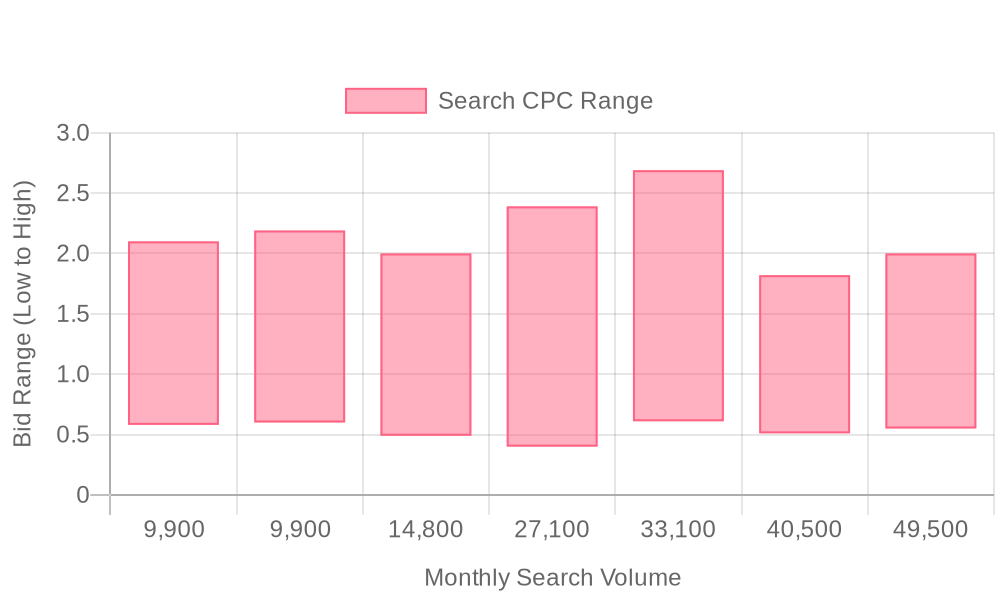
| Industry | Keyword | Monthly Search Volume | Competition Level | Low Bid | High Bid |
| Cargo Trailers | cargo trailers for sale near me | 9900 | HIGH | 0.58 | 2.1 |
| Cargo Trailers | enclosed trailers for sale near me | 9900 | HIGH | 0.6 | 2.19 |
| Cargo Trailers | cargo trailers for sale | 14800 | HIGH | 0.49 | 2 |
| Cargo Trailers | utility trailers for sale | 27100 | HIGH | 0.4 | 2.39 |
| Cargo Trailers | cargo trailers | 33100 | HIGH | 0.61 | 2.69 |
| Cargo Trailers | enclosed trailers for sale | 40500 | HIGH | 0.51 | 1.82 |
| Cargo Trailers | enclosed trailer | 49500 | HIGH | 0.55 | 2 |
Precision in keyword strategy elevates cargo trailer advertising from broad outreach to focused acquisition. By aligning each term with actual buying intent, marketing teams direct spend toward prospects most likely to convert while minimizing wasted impressions. This approach not only improves click-through rates but also ensures that high-value searches lead directly to actionable opportunities, as outlined in this guide to mastering Google AdWords. For more tactical insights, explore our actionable playbooks.
- Precision Targeting: High-performing campaigns identify and engage decision-makers as they actively research cargo trailers. Using intent signals, marketers adjust keyword bids and creative in real time, responding instantly to changing demand. With Sona's Identity Resolution, marketers can go beyond anonymous website traffic, pinpointing which companies are showing interest and aligning budget to those most likely to buy.
- Measurable ROI: Rigorous tracking from first engagement through final conversion is key in the cargo trailer sector. Advanced conversion tracking, including both online submissions and offline sales, enables teams to measure true ROI for every keyword and campaign. Sona’s attribution models help connect ad spend directly to revenue outcomes, reducing the risk of over-investment in low-converting segments and surfacing the keywords driving the greatest impact.
- Synergize Channels: Successful campaigns do not end at first click. Retargeting strategies ensure that visitors who showed interest in specific trailer models receive timely follow-ups across search, display, and social channels. Dynamic audience updates, powered by Sona, ensure that segments evolve as leads progress through the funnel, keeping messaging relevant and maximizing re-engagement rates.
- Strategic Use: Prioritizing service-oriented and conversion-focused keywords ensures that paid media spend is allocated to searches most likely to result in sales or high-quality leads. By syncing enriched audiences and CRM data back into Google Ads and marketing automation tools, Sona enables precise targeting for both new and returning prospects, closing the loop from keyword to closed deal.
Sample target terms for cargo trailer marketing include:
- cargo trailers for sale near me
- custom cargo trailer dealer
- enclosed trailer financing options
- buy used cargo trailer
- heavy duty trailer leasing
- utility trailer supplier
- commercial trailer fleet pricing
- vehicle ads for trailers
- online trailer sales
- google vehicle ads inventory
- trailer listing ads cost
- google merchant center trailers
Each of these terms targets a distinct stage in the buying journey, from initial research to procurement, ensuring that campaigns meet buyers where and when they are most likely to engage. This keyword discipline, combined with real-time data and unified audience management, gives B2B cargo trailer sellers a competitive edge in digital acquisition. If you’re ready to put these strategies into action, get started for free with Sona to power your next campaign.
Step-by-Step Campaign Execution Framework

Achieving measurable growth in online trailer sales requires a campaign structure that prioritizes relevance and agility at every stage. For B2B teams in the trailer industry, this means unifying customer intent data, surfacing high-conversion opportunities, and adapting messaging as audience behavior evolves. This five-step execution framework brings advanced targeting, real-time insight, and attribution into each phase, maximizing return from Google Ads for Cargo Trailers. Sona layers in dynamic audience segmentation and activation to keep campaigns aligned with buyer intent as they run.
Step 1: Build Targeted Keyword Lists
Precision in keyword selection is essential for reaching both commercial fleet buyers and independent operators. Segment your lists by trailer type, industry vertical, and geography to avoid diluting budget on broad, low-converting terms. For example, create clusters for "enclosed cargo trailers Houston," "equipment hauler financing," and "custom aluminum trailers for logistics." By connecting CRM and website data, marketers can identify which search terms consistently attract high-value prospects and adjust keyword prioritization accordingly. With dynamic audience integration, lists stay updated as leads move through the funnel, ensuring you always target active, in-market accounts.
The upgrade most cargo trailers advertisers miss is going beyond raw keyword volume to layer in intent and identity signals. By connecting website-visitor data and CRM records with Sona Marketing Measurement, you can see which specific search terms bring in the accounts and customers that actually convert, and weight your keyword and bidding strategy toward those rather than the terms with the highest search volume alone.
Step 2: Develop Compelling Ad Copy
Effective ad copy addresses specific pain points, highlights differentiated value, and assures buyers of quality with industry certifications. Headlines such as "DOT-Compliant Cargo Trailers Available for Fast Delivery" or "Custom Fleet Solutions, ISO Certified Manufacturing" speak directly to urgent needs. Incorporate trust signals and offers that resonate with B2B buyers, such as flexible financing or tailored after-sales support. Continuous feedback from campaign analytics enables rapid copy testing, letting teams shift budget toward ads proven to engage decision-makers and drive qualified actions.
Step 3: Design Effective Landing Pages
Landing pages must align seamlessly with ad messaging and keyword focus, guiding visitors to clear next steps based on their intent. Create distinct pages for each audience segment: fleet procurement, small business owners, and specialty haulers. Use inventory modules that display relevant models, live availability, and pricing, reducing friction in the conversion process. Integrate visitor identification tools to recognize return users or accounts, enabling tailored content and faster follow-up. By embedding advanced conversion tracking, every inquiry, whether a form fill, call, or quote request, is attributed back to its source, empowering continuous optimization.
Step 4: Implement Data-Driven Optimizations
Consistent performance monitoring is fundamental to sustained results in trailer ad campaigns. Track conversion rates, lead quality, and pipeline velocity for each segment, then adjust bids, creative, and targeting based on actionable insights. Real-time intent signals help shift spend to high-converting accounts as buying cycles accelerate or slow. Syncing enriched lead and audience data between CRM, Google Ads, and sales platforms ensures every marketing dollar is assigned to its true revenue impact, closing the loop between online engagement and closed deals. To experience unified campaign management and smarter optimizations, get started for free with Sona and see how streamlined data can drive more predictable growth.
Tips on Expanding Your Cargo Trailer Presence
Successful cargo trailer businesses outpace competitors by reaching buyers at multiple touchpoints and personalizing engagement at every stage. Modern digital strategies focus not just on acquiring leads, but on nurturing them into long-term customers with tailored messaging and data-driven insights. If you want to streamline your marketing operations and get the most out of your digital presence, you can get started for free with Sona.
- Cross-promote educational materials through retargeting: When visitors engage with your guides, comparison charts, or maintenance tips, retargeting campaigns ensure your brand remains visible as they research options. By mapping audience segments based on real-time behavior and intent data, marketers can align ad creative and frequency with each lead’s position in the decision cycle. For deeper tactical insights, this comprehensive AdWords guide can help you master digital ad campaign retargeting.
- Leverage CRM data to upsell related products: Integrating CRM and ad platforms allows for seamless audience syncing, meaning recent buyers or high-value prospects can be targeted with offers for accessories, financing, or service packages. With advanced pipeline visibility, marketers can prioritize outreach to accounts showing renewed interest or nearing contract renewal. Sona’s real-time syncing between CRM, Google Ads, and sales tools enriches audiences with fresh contact and company intelligence, enabling upsell and cross-sell campaigns that reach the right decision-makers before competitors intervene.
- Partner with relevant industry associations for traffic: Collaborating with trade groups or specialized forums unlocks high-intent referral traffic and positions your brand as a recognized authority in the cargo trailer space. Co-branded webinars, association newsletter features, and joint promotions expand your reach into niche segments like logistics companies, construction fleets, or agricultural buyers. Marketers can track the impact of these partnerships with multi-touch attribution, using conversion data to optimize spend across both paid and organic channels, ensuring ROI is measured accurately as new traffic sources are activated.
Final Reflections
Campaigns built on sharp keyword research and dynamic audience segmentation outperform generic tactics, especially once you can see which searches turn into paying cargo trailer customers rather than just form fills. Sona's Identity Resolution identifies the companies behind anonymous site visits, so budget moves toward accounts that actually convert instead of accounts that merely click.
Ad strategy for cargo trailers is no longer set-and-forget. Top-performing teams adjust bids and creative in real time, using behavioral insight to focus spend on buyers further down the funnel. When that insight flows into Google Ads and your CRM, every interaction becomes measurable and attributable to actual revenue, not just clicks.
Folding Google Ads for Cargo Trailers into your broader marketing operation isn't just about visibility, it's about orchestrating every touchpoint for efficiency and ROI. Unified lead and account data lets your revenue team prioritize high-value opportunities, retarget with precision, and quantify results across online and offline sales channels.
Beyond Google Ads: Winning the AI Answers Cargo Trailers Buyers Now Trust
Paid search captures demand at the moment someone types a query. But a fast-growing share of cargo trailers buyers no longer start at Google at all, they ask ChatGPT, Gemini, or Perplexity before they ever run a search, and Google's own AI Overviews increasingly summarize an answer above the traditional results. If your business isn't referenced in those AI answers, you're invisible at the exact moment buyers build their shortlist.
Sona AI Visibility shows where your business shows up across ChatGPT, Gemini, Perplexity, Google AI Overviews, and 10+ engines, and, much like a keyword report, which prompts actually send you buyers, so you can prioritize the ones that convert. Run the two together and you cover the entire buyer path: get cited where buyers research (AI Visibility), then prove which of that demand turns into booked revenue (Marketing Measurement).
Helpful resources
Conclusion
The cargo trailer sellers who win the next few years won't be the ones running the most ads, they'll be the ones who know which keywords, campaigns, and creative actually produce paying fleet customers, not just form fills. That requires connecting ad spend to closed revenue, not stopping at click and lead counts.
FAQ
What are Google Ads for cargo trailers?
Google Ads for cargo trailers are targeted advertising campaigns that connect cargo trailer sellers directly with high-intent buyers who are actively searching for trailer solutions.
How do I set up Google Ads for my cargo trailer business?
To set up Google Ads for your cargo trailer business, build targeted keyword lists, develop compelling ad copy, design effective landing pages, and implement data-driven optimizations to reach high-intent buyers.
What are the costs associated with Google Ads for cargo trailers?
The costs of Google Ads for cargo trailers can vary based on keyword bidding, ad placements, and campaign targeting, but they are designed to allocate spend towards high-intent searches to maximize ROI.
What strategies can I use for advertising cargo trailers on Google?
Strategies include precision keyword targeting, integrating Google Ads with omnichannel data, aligning ad creatives with landing pages, continuous performance optimization, and using real-time intent signals.
How effective are Google Ads for selling cargo trailers?
Google Ads are effective for selling cargo trailers as they target high-intent buyers at key moments, leading to measurable impacts and faster sales cycles by focusing on prospects actively evaluating cargo trailers.







