


Time tracking equipment suppliers sell into a buying process that rarely starts and ends in one place: a facilities manager researches biometric clocks, an HR director compares integrations with payroll software, and a procurement officer signs off weeks later. Google Ads earns its keep in that gap, putting your brand in front of buyers at the moment they're evaluating options and, when paired with real measurement, showing which of those clicks actually turned into closed business. Many suppliers can see the ad spend but not the sale; without a way to connect anonymous website visits back to a CRM record, high-value prospects slip through unnoticed.
How to Generate Leads for Time Tracking Equipment Suppliers with Google Ads
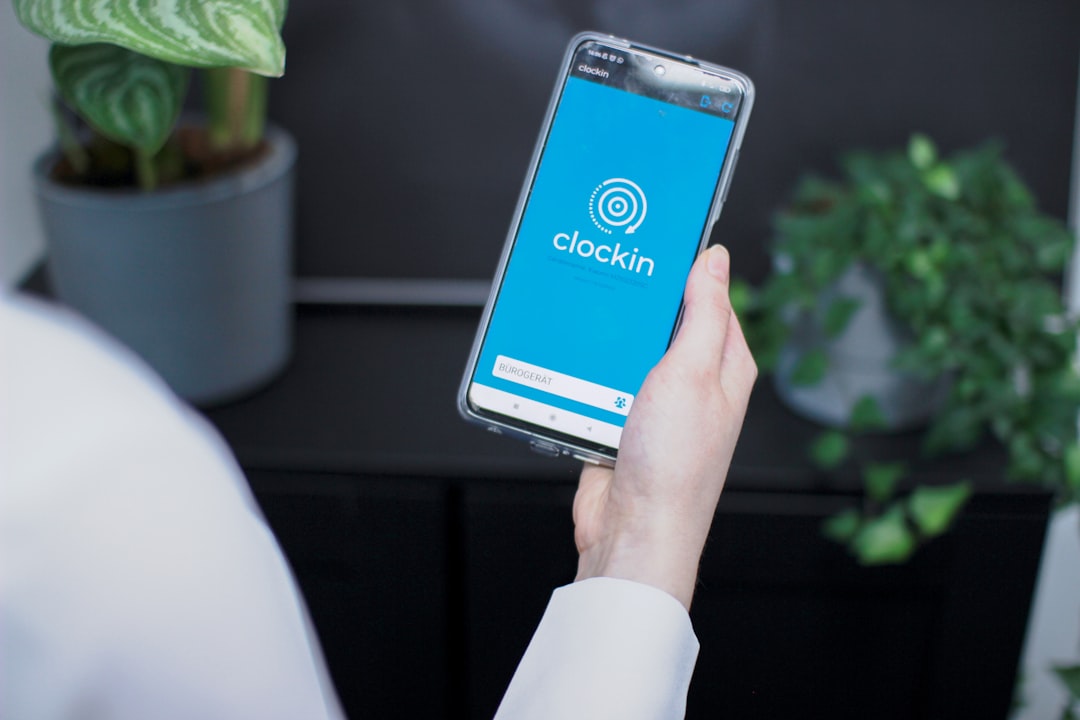
Leveraging Google Ads within a multichannel marketing framework transforms how time tracking equipment suppliers capture, qualify, and convert high-value prospects. A precise, data-driven approach enables organizations to maximize every impression and click, ensuring that marketing spend consistently targets those most likely to convert. Explore the latest marketing analytics insights to stay ahead of evolving paid search strategies.
- Data-driven paid search strategy complements your marketing mix: Pair paid search with organic and outbound channels rather than running it in isolation. Analyzing attribution data and intent signals shows which queries and campaigns drive real engagement, so budget moves toward proven revenue drivers. Attribution that spans the full funnel connects ad performance to offline sales, not just form fills.
- Keywords and audience targeting tailored to time tracking equipment buyers: Start with high-intent, industry-specific keywords such as "employee time management systems," "timesheet management tools," and "attendance tracking solutions," then layer in queries tied to compliance deadlines and payroll cycles, since many buyers search only after an audit or a labor-law change forces the issue. Historical CRM and site engagement data can update audience segments as visitors move through the funnel, so real-time audience insights prioritize accounts showing genuine buying urgency rather than casual research traffic.
- Alignment of landing pages and creative for optimal conversion: Each ad should direct users to a landing page with messaging and content tailored to their intent and stage in the buying cycle. For instance, prospects searching for "workforce management systems" expect detailed product benefits, integration capabilities, and proof of ROI. Creative assets must reinforce value propositions, while A/B testing ensures continuous improvement in engagement and conversion rates.
- Continuous performance optimization tactics: Ongoing testing and optimization, across bids, ad copy, and audience segments, are vital for sustained performance. Revenue teams can use granular conversion tracking, linking online interactions to both demo requests and downstream pipeline activity. By connecting CRM data to Google Ads, campaigns automatically adjust as leads progress or disengage, optimizing spend for accounts in-market now.
- Cross-channel integration to amplify marketing efforts: Coordinating Google Ads with email, paid social, and outbound sales amplifies reach and reinforces brand trust. Modern platforms enable syncing enriched audiences and lead data from Google Ads into CRM and sales engagement tools, ensuring that sales teams are alerted when high-intent accounts engage with ads. Additionally, advanced visitor identification technology helps marketers recognize previously anonymous website visitors, enabling timely outreach and reducing wasted spend on low-fit traffic.
Anonymous web traffic is a persistent problem, but company-level identification tools can surface which organizations are visiting, even before they fill out a form. That visibility lets suppliers engage purchase-ready prospects sooner, improving pipeline velocity and ROI. If you're ready to optimize your lead generation strategy, get started for free with Sona.
Why Google Ads Matter for Time Tracking Equipment Suppliers Businesses

Time tracking equipment suppliers operate in a market where purchasing cycles are complex and often led by specialized decision-makers. Precision targeting and rapid response are essential for capturing high-value opportunities, especially when procurement or HR teams are actively searching for solutions.
Google Ads enables suppliers to directly reach procurement and HR professionals seeking time management systems, ensuring marketing efforts focus on well-qualified leads. By surfacing in search results during critical decision moments, suppliers can secure large-scale projects such as enterprise-wide installations or system upgrades.
Real-time campaign management empowers teams to react instantly to urgent procurement needs, positioning offers when demand is highest. This immediacy is especially valuable for time tracking equipment, where businesses may require fast turnaround due to compliance changes, workforce expansion, or technology refreshes. To understand how to track which campaigns drive conversions, see this overview of Google's conversion tracking tool.
Expanding into new regions or niche verticals becomes more accessible through Google Ads' targeted visibility. Suppliers can effectively introduce their brand to untapped markets, reaching businesses that may not yet be familiar with advanced time tracking solutions. For more actionable strategies on reaching new segments, explore our marketing and sales playbooks.
Integrated data analysis across campaigns allows for more accurate marketing attribution and optimization. By leveraging unified data from sources like CRM and website analytics, suppliers can identify engagement signals, reduce the risk of churn, and spot upsell opportunities within their existing client base. Modern platforms now synthesize intent and behavioral data, making it possible to engage high-potential accounts and allocate budget where it drives the most impact.
Common Types of Google Ads Campaigns for Time Tracking Equipment Suppliers
Most Google Ads campaigns for this trade fall into a few core types, alongside Performance Max, which lets Google's automation blend Search, Display, and video inventory into a single campaign optimized for conversions.

- Search Campaigns: Capturing high-intent queries is essential for time tracking equipment suppliers. These campaigns enable your brand to appear when decision-makers actively seek workforce management solutions or attendance tracking devices. By leveraging real-time intent signals, marketers can dynamically prioritize budgets toward keywords and accounts demonstrating in-market activity. This approach ensures messaging resonates with those closest to purchase decisions, optimizing conversion rates for Google Ads.
- Display Ads: Maintaining visibility across relevant industry websites and forums keeps your brand top-of-mind for procurement teams and HR leaders. Display ads reinforce your solution's credibility and recall at the consideration stage. When paired with advanced visitor identification, marketers can move beyond anonymous impressions, pinpointing which companies are actually engaging. This precision allows for more personalized retargeting and efficient budget allocation.
- Video Ads: Demonstrating equipment features and unique value through video captures attention from technical buyers and operations stakeholders. Video ads provide a platform to educate and visually differentiate timesheet management tools or employee time management systems. Audience data can be continuously refined as viewers engage, enabling dynamic updates to nurture lists and tailored follow-up across the funnel.
- Remarketing: Re-engaging visitors who have shown interest, requested demos, or abandoned quote forms is critical in a long B2B buying cycle. Remarketing campaigns deliver multiple touchpoints, improving conversion odds among high-potential leads. By syncing CRM data and enriched lead profiles with ad platforms, teams can ensure that remarketing audiences reflect the most current funnel stage and prioritize outreach based on real revenue potential.
- Assets: Adding ad assets such as certifications, response time guarantees, and support channels builds trust and boosts click-through rates. These trust signals address common purchase barriers for time tracking software and attendance tracking solutions. Integrating conversion tracking, both online and offline, provides a unified view of campaign performance, so revenue teams can optimize spend and confidently measure ROI across digital and in-person touchpoints.
Disconnected campaigns often lead to fragmented messaging and inefficient spend. Mapping each campaign type to buyer journey stages, then activating unified data and dynamic audiences, ensures every touchpoint is relevant and consistently drives prospects toward a decision. Ready to streamline your campaigns and boost your pipeline? Get started for free with Sona.
Where to Find Growth Opportunities?

Expanding your digital reach in the time tracking equipment market means moving beyond saturated channels and toward tactics that follow buyer intent and seasonal demand, such as the surge in inquiries around new fiscal years or labor-law compliance deadlines. For more strategies on improving marketing and sales outcomes, explore the marketing analytics blog.
- Vertical-Specific Keywords: Integrate keywords like "employee time management systems," "attendance tracking solutions," and "timesheet management tools" into your content strategy. These terms address both broad and niche queries, capturing interest from organizations with varying needs. By focusing on vertical-specific language, your campaigns attract leads that are closer to a purchasing decision and searching for tailored solutions. Build real-time audience segments to ensure your targeting adapts automatically as prospects reveal new intent signals.
- Competitor Analysis with Advanced Tools: Use analytics platforms to reveal gaps in competitors' strategies, including which keywords, ad placements, and creative assets are underutilized by other suppliers. This uncovers opportunities where your brand can gain visibility, letting you prioritize ad spend on untapped segments and outperform incumbents with more relevant messaging.
- Industry Forum Placements: Secure advertising spots or sponsored content on respected industry forums where organic visibility is limited. These platforms are frequented by decision-makers researching time tracking solutions. Targeted placements in these communities support multi-touch engagement and position your brand as a trusted authority. Find actionable playbooks for outreach to optimize your forum advertising strategy.
- Retargeting Content Assets: Repurpose high-value assets, such as whitepapers or instructional videos, for retargeting campaigns. By identifying visitors who engaged with, but did not convert on, key demo or download pages, you can re-engage them with custom messaging that addresses their pain points and nudges them toward action. Leveraging real-time intent signals, these dynamic audiences automatically update as leads progress, ensuring retargeting remains personalized and effective.
High demo interest often represents missed revenue. With advanced visitor identification and CRM + ad sync capabilities, marketers can pinpoint which companies or individuals have engaged but stalled, then seamlessly sync enriched audience segments into Google Ads or connected CRM platforms. This maximizes return on retargeting spend, driving higher conversion rates from high-intent accounts that may otherwise fall through the cracks. For a detailed overview of setting up conversion tracking on Google Ads, see Google's conversion tracking tool.
How to Apply Audience Segmentation for Time Tracking Equipment Suppliers
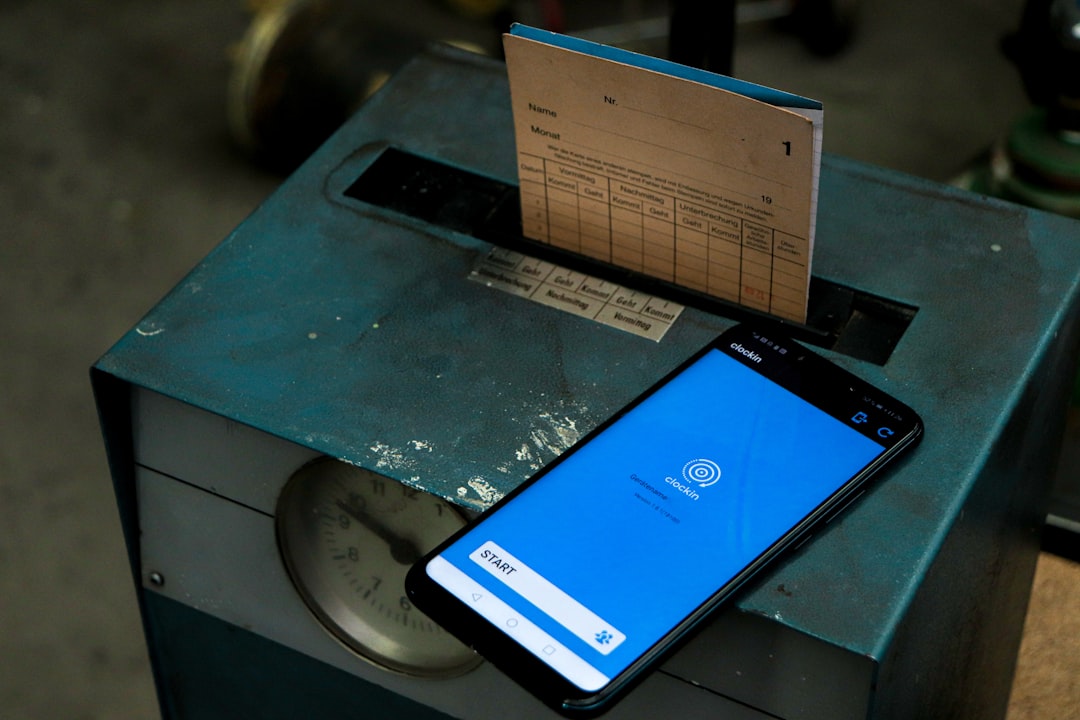
Audience segmentation is essential for time tracking equipment suppliers aiming to drive qualified leads and maximize ad spend efficiency. Tailoring campaigns by organization type, intent, and readiness to purchase enables marketers to match messaging with each prospect's unique needs, resulting in higher engagement and conversion rates.
- Define distinct audience segments based on organization types (e.g., hospitals vs. corporate offices): Start by categorizing potential buyers into clear segments such as healthcare facilities, manufacturing plants, educational institutions, and corporate offices. Each segment faces distinct operational demands: hospitals often prioritize compliance and integration with HR systems, while corporate buyers may focus on scalability and analytics. This allows for tailored creative and keyword strategies, ensuring your Google Ads campaigns speak directly to each vertical's pain points. For more strategies on reaching the right market, explore our account-based marketing guide.
- Incorporate intent signals specific to equipment upgrades or compliance needs: Intent data is vital for distinguishing between prospects researching general information and those actively seeking solutions. By layering in-market behaviors, such as repeated visits to product pages, downloading compliance resources, or engaging with upgrade guides, marketers can dynamically shift budgets toward accounts most likely to convert. Real-time intent signals surface high-value opportunities, ensuring bids are allocated to segments demonstrating purchase urgency, not just passive interest.
- Create targeted ad groups with specialized messaging: Building ad groups around segmented audiences enables deeper personalization. For example, messaging for a workforce management system targeting a hospital should highlight compliance, biometric integration, and scheduling flexibility. In contrast, ads aimed at corporate offices can focus on cloud connectivity and reporting automation. This approach increases relevancy, resulting in higher click-through and conversion rates for time tracking software and related solutions.
- Ensure CRM is integrated for seamless conversion tracking: Integrating CRM data with Google Ads campaigns eliminates data silos and enables real-time syncing of enriched leads and audience segments. This connection ensures that marketing and sales teams have a unified view of each account, allowing for timely follow-up and accurate attribution across both online and offline touchpoints. Advanced platforms enable automated syncing of audience lists and conversion data into Google Ads, Salesforce, and HubSpot, supporting closed-loop reporting and refined audience updates as leads progress through the funnel.
Lack of visibility into anonymous traffic has long hindered B2B suppliers' ability to recognize in-market buyers. Sona's Identity Resolution helps time tracking equipment suppliers link anonymous web sessions to actual companies, closing the gap between digital signals and sales action so campaigns for employee time management systems and attendance tracking solutions can engage high-priority accounts as soon as they show interest. For teams seeking to maximize ROI, this alignment between ad targeting and market demand drives tangible business outcomes.
This is also where measurement changes the economics. With Sona Marketing Measurement you can identify the companies behind your ad clicks, not just anonymous sessions, and segment audiences by who actually becomes a customer. That lets you build bid adjustments and audience signals around the segments that convert and de-prioritize the ones that don't, so you feed Google's algorithms "this click became a paying time tracking equipment suppliers customer" instead of just "someone filled out a form."
Step-by-Step Campaign Execution Framework
This framework walks through building a time tracking equipment suppliers campaign from keyword research to optimization, in the order the work actually happens.
Innovative revenue teams in the time tracking equipment industry rely on precise, data-driven digital strategies to drive pipeline and outperform competitors. Leveraging Google Ads unlocks targeted visibility with decision-makers actively searching for advanced workforce management solutions.
This execution framework breaks down the campaign build process into four actionable steps. Each phase balances granular control with scalable automation, ensuring your ad dollars shift toward the highest-value buyers and that performance is tracked from first touch to closed deal. Explore our marketing analytics blog for more proven strategies.
Step 1: Build Targeted Keyword Lists
Clustering keywords by service specification and geographic modifiers ensures your campaigns reach prospects searching for solutions relevant to their business location and operational needs. For example, segmenting by phrases like "time tracking systems for manufacturing in Texas" or "attendance management equipment Toronto" allows for precise targeting of high-intent audiences. This approach also uncovers underserved market segments and niche buyer groups.
Incorporate long-tail and informational queries, such as "how to automate employee time tracking" or "biometric time clock compliance," to capture users at various funnel stages. Applying negative keywords and filters eliminates irrelevant traffic, improving both click-through rates and lead quality. When paired with advanced visitor identification, marketers can recognize which companies are landing on their pages and refine keyword lists to focus budget on real buyers.
The upgrade most time tracking equipment suppliers advertisers miss is going beyond raw keyword volume to layer in intent and identity signals. By connecting website-visitor data and CRM records with Sona Marketing Measurement, you can see which specific search terms bring in the accounts and customers that actually convert, and weight your keyword and bidding strategy toward those rather than the terms with the highest search volume alone.
Step 2: Develop Compelling Ad Copy
Effective ad copy addresses the pain points of operations managers, HR leaders, and IT teams evaluating time tracking infrastructure. Highlighting product certifications, reliability, and compliance demonstrates authority and builds trust, elements critical for B2B purchase decisions. Messaging that reflects the urgency of accurate payroll or regulatory deadlines further increases relevance and drives action.
Incentivize ad engagement with offers like free implementation demos or limited-time consultation slots. This urgency-driven messaging can boost conversion rates and help segment audiences by readiness to buy. Leveraging real-time intent data, teams can dynamically adjust ad content to mirror emerging customer needs, ensuring ad copy remains relevant as audience behavior shifts.
Step 3: Design Effective Landing Pages
A seamless transition from ad click to landing page is vital for maximizing conversion rates. Landing pages should reflect keyword and ad copy themes, offering clear product benefits and immediately addressing anticipated objections. Including ROI calculators, compliance checklists, or interactive product tours enables buyers to self-qualify and deepens engagement.
Robust call-to-action elements, such as request-a-quote forms, demo schedulers, or downloadable case studies, should be positioned prominently above the fold. Integrating enriched data from ad platforms with CRM and sales workflows allows follow-up teams to personalize outreach based on real-time engagement and attributes captured on the landing page. For guidance on aligning your sales and marketing data, see our HubSpot CRM integration guide.
Step 4: Implement Data-Driven Optimizations
Employing Google Ads conversion tracking helps maximize conversions while controlling cost per acquisition. Automated bidding algorithms can allocate budget to the highest-converting queries and audiences, adapting in real time as market conditions evolve. Continuous A/B testing of ad headlines, descriptions, and landing page elements uncovers incremental gains in click and conversion performance.
Importing offline conversion data, such as sales-qualified lead status or closed-won deals, enables holistic attribution. This deeper integration supports advanced conversion tracking, connecting online ad interactions with downstream revenue outcomes. Dynamic audience syncing ensures that as leads progress through the funnel, ad targeting and spend are automatically adjusted, reducing waste and accelerating pipeline velocity. Get started for free with Sona.
Sona Marketing Measurement closes the gap between clicks and revenue. It captures every ad click with first-party measurement, then ties that click through UTM capture and ad-platform APIs to the actual record in your CRM, and reports ROAS by keyword and campaign instead of by last-click form fill. Feeding that revenue signal back into Smart Bidding and Performance Max compounds over time: the algorithms optimize toward booked time tracking equipment suppliers revenue, not cheap leads.
Tips on Expanding Your Time Tracking Equipment Suppliers Presence
A competitive presence in the time tracking equipment market requires more than ad spend: it demands a unified, data-driven approach to targeting and engagement. The most successful suppliers use advanced tactics to connect with buyers at every stage, ensuring consistent messaging and measurable impact. For insights on marketing analytics and campaign optimization, explore the marketing analytics blog.
- Utilize educational retargeting to boost content marketing: Retargeting works best when it delivers value, not just a reminder. By mapping buyer interests and intent signals, marketers can retarget visitors with educational content tailored to their specific challenges. Sona's Identity Resolution identifies the companies behind anonymous traffic, enabling relevant retargeting and turning unknown visits into known opportunities.
- Upsell through segmented CRM audiences: Segmentation within your CRM provides a direct path to personalized upsell campaigns. When CRM and ad platforms are synced, enriched audience lists can be pushed into Google Ads for precise targeting. Dynamic audience updates, powered by tools such as Sona's Intent Signals, ensure that only accounts in the right lifecycle stage see upsell messaging, increasing conversion rates and reducing wasted impressions.
- Partner with industry associations for strategic exposure: Collaborating with industry associations elevates brand credibility and extends reach to vetted, engaged audiences. Joint webinars, co-branded resources, or sponsor placements can put your solutions in front of decision-makers searching for time tracking equipment. These partnerships also generate referral traffic and create new avenues for content syndication, feeding data back into your account-based strategies.
- Customize campaigns regionally to strengthen market share: Regional customization allows suppliers to address local regulations, workforce trends, or competitive dynamics. By analyzing location-based performance data, marketers can optimize spend toward high-performing regions and tailor messaging for local buyer concerns. Advanced platforms enable real-time, region-specific audience creation using signals from web activity and CRM data, ensuring campaigns remain relevant and timely.
- Leverage search queries for insights into new content opportunities: Search query analysis reveals gaps in your content strategy and uncovers rising buyer needs. By monitoring which queries lead to conversions around workforce management systems or attendance tracking solutions, suppliers can develop new assets that answer pressing questions. Feeding these insights into your content roadmap ensures ongoing relevance and positions your brand as a thought leader.
Consistency across channels is critical. Mapping account stages to ad campaigns ensures that every touchpoint aligns with the buyer's journey, reducing confusion and reinforcing your value proposition. When marketing teams sync unified data from multiple sources, ads reflect the true context of each account, increasing engagement and driving higher ROI. For more on aligning campaign messaging, review retargeting strategies.
Beyond Google Ads: Winning the AI Answers Time Tracking Equipment Suppliers Buyers Now Trust
Paid search captures demand at the moment someone types a query. But a fast-growing share of time tracking equipment suppliers buyers no longer start at Google at all, they ask ChatGPT, Gemini, or Perplexity before they ever run a search, and Google's own AI Overviews increasingly summarize an answer above the traditional results. If your business isn't referenced in those AI answers, you're invisible at the exact moment buyers build their shortlist.
Sona AI Visibility shows where your business shows up across ChatGPT, Gemini, Perplexity, Google AI Overviews, and 10+ engines, and, much like a keyword report, which prompts actually send you buyers, so you can prioritize the ones that convert. Run the two together and you cover the entire buyer path: get cited where buyers research (AI Visibility), then prove which of that demand turns into booked revenue (Marketing Measurement).
Helpful resources
Conclusion
A well-structured Google Ads strategy gives time tracking equipment suppliers a direct line to the buyers who matter: the HR director comparing compliance features, the procurement officer under deadline, the operations manager mid-refresh. Understanding your target market, writing ad copy that speaks to their actual constraints, and optimizing continuously turns that ad spend into pipeline instead of noise.
The suppliers who pull ahead won't just spend more on ads, they'll be the ones who can prove which keyword, campaign, and account actually closed, and feed that signal back into Google's bidding algorithms faster than competitors still optimizing toward form fills. That measurement loop, not ad spend alone, is what will separate the winners in this category over the next few years.
To see how our platform can support your Google Ads strategy, start for free and explore the capabilities that await you.
FAQ
How can I set up Google Ads for my time tracking equipment business?
Set up Google Ads by building targeted keyword lists specific to your services and location, developing compelling ad copy, designing effective landing pages, and implementing data-driven optimizations to maximize conversions.
What are the best practices for Google Ads targeting in the time tracking equipment industry?
Best practices include using high-intent, industry-specific keywords, aligning landing pages with ad intent, continuously optimizing performance, and integrating campaigns with CRM for seamless conversion tracking.
How can I measure the ROI of my Google Ads for time tracking equipment?
Measure ROI by employing Google Ads conversion tracking, integrating offline conversion data, and using advanced attribution methods to link digital ad performance to offline sales and pipeline outcomes.
What kind of keywords should I use for Google Ads in the time tracking equipment niche?
Use industry-specific keywords like 'employee time management systems,' 'timesheet management tools,' and 'attendance tracking solutions' to capture high-intent prospects in the time tracking equipment niche.
How can I integrate Google Ads with my CRM for time tracking equipment leads?
Integrate Google Ads with your CRM by syncing enriched audience data and conversion tracking to ensure a unified view of leads, enabling timely follow-up and accurate attribution across touchpoints.
What are some creative ad copy ideas for Google Ads targeting time tracking equipment buyers?
Ad copy should address pain points like compliance and integration, highlight product certifications, and incentivize engagement with offers such as free demos or limited-time consultations.
How can I localize my Google Ads campaigns for time tracking equipment in different regions?
Localize campaigns by analyzing location-based performance data, optimizing spend towards high-performing regions, and tailoring messaging to address local buyer concerns and regulatory needs.
What is the difference between using Google Ads and other platforms for promoting time tracking equipment?
Google Ads offers precision targeting, real-time campaign management, and the ability to directly reach procurement and HR professionals actively seeking solutions, making it effective for capturing high-intent leads.
How can I retarget potential customers who have shown interest in my time tracking equipment through Google Ads?
Retarget potential customers by using remarketing campaigns that deliver personalized touchpoints based on real-time intent signals, and sync enriched lead profiles to ensure updated audience segments.







