


Time and attendance vendors lose deals in the gap between a prospect's first search and a sales rep's first call. Missing high-value prospects and slow follow-ups turn warm leads cold before anyone from your team reaches out. Google Ads sits at that pivotal middle-funnel position, capturing prospects at the moment they're searching for a solution. For Time and Attendance Systems, Google Ads bridges online and offline efforts by:
How to Generate Time and Attendance Systems Leads with Google Ads: A Step-by-Step Guide

B2B companies in the time and attendance systems space face a distinct challenge: reaching decision-makers at the precise moment they are researching workforce management solutions. Leveraging Google Ads for Time and Attendance Systems enables marketers to tap into high-intent demand, targeting prospects who may never surface through outbound or organic channels.
Integrating data-driven Google Ads strategies with your broader marketing mix ensures every impression and click is attributable to real business impact. This approach reduces wasted spend and accelerates pipeline velocity by focusing resources on accounts already demonstrating buying signals. For guidance on optimizing attribution, explore the importance of accurate revenue attribution.
- Optimize with data-driven methodologies: Start with granular campaign analytics and audience segmentation to identify which ad placements, keywords, and times of day drive qualified traffic. Modern marketers move beyond relying on intuition by using real-time audience insights to refine targeting and maximize efficient budget allocation. For example, when enriched data from your go-to-market stack is piped directly into Google Ads, you can prioritize spend on accounts showing in-market intent, ensuring your message reaches stakeholders who are most likely to convert.
- Target keywords and audiences unique to time and attendance buyers: Effective demand generation requires deep understanding of buyer motivations. Google Ads for attendance tracking and Google Ads for workforce management are highly competitive spaces, so winning marketers build out extensive negative keyword lists to filter out unqualified clicks and layer in custom intent audiences. By identifying not just job titles but also company size, industry, and compliance requirements, you can serve tailored creative that speaks directly to the prospect’s pain points. Advanced platforms further streamline this process by dynamically updating audiences as leads progress through the buying journey.
- Align landing pages and creative for conversions: Poor alignment between ad messaging and landing page experience is a primary cause of lead drop-off in time and attendance system campaigns. Ensure each ad points to a dedicated page that mirrors the promise, offers a frictionless form, and addresses objections with social proof and clear value propositions. Leveraging visitor identification technology allows marketers to personalize content and trigger immediate sales follow-ups, reducing the lag that typically results in lost opportunities.
- Implement performance optimization techniques: Use Google Ads bidding strategies such as Target CPA or Target ROAS to automate bid management and continually drive down cost-per-acquisition. Layer in advanced conversion tracking, capturing both online form fills and offline sales activities, to accurately attribute pipeline and revenue. This closed-loop measurement empowers teams to optimize creatives, placements, and audiences based on actual business outcomes, not vanity metrics.
- Apply cross-channel integration methods: A strong Google Ads strategy for HR solutions is amplified when seamlessly connected with other platforms in your tech stack. Syncing CRM and marketing automation data enables marketers to build dynamic audiences for retargeting and nurture, deliver consistent messaging across channels, and close the loop on lead quality. Real-time data syncs ensure that high-intent leads are automatically added to Google Ads campaigns or excluded from further spend once converted, eliminating duplicate outreach and driving higher ROI for time systems.
With this step-by-step guide, B2B revenue teams can unlock the full potential of Google Ads for employee time tracking and workforce management. By unifying intent signals, optimizing for conversion, and reinforcing every campaign with actionable data, marketers can consistently generate pipeline and accelerate growth in a complex, competitive industry.
Why Does Google Ads Matter for Time and Attendance Systems?

Time and attendance systems face the unique challenge of reaching HR decision-makers who demand tailored solutions. Google Ads excels at capturing this specialized audience by surfacing your message exactly when these prospects are searching for answers, ensuring your solution enters consideration at the point of highest intent. For an overview of how platforms can automate employee tracking and improve workforce management, see this cloud-based time and attendance system.
Winning high-margin projects often requires extending reach beyond your nurtured email lists or cold outreach. With intent-based targeting, marketers can intercept prospects who may never have engaged with your brand before, delivering precisely matched offers that prompt immediate action and move leads swiftly down the funnel.
Peak hiring periods, regulatory changes, or expansion into new regions frequently create spikes in demand that traditional marketing cannot address quickly. Google Ads allows for agile campaign activation in these windows, ensuring you capitalize on urgent needs and keep your pipeline filled with qualified, sales-ready leads.
A critical advantage is the ability to measure every step from initial click to closed deal, giving revenue teams closed-loop analytics. This granular insight enables precise follow-up and resource allocation, so the most promising accounts receive priority. With unified data across ad engagement, website behavior, and CRM outcomes, teams can continuously refine audience segments, optimize bidding, and maximize Google Ads ROI for time systems in a measurable, repeatable way.
Common Types of Google Ads Campaigns for Time and Attendance Systems

- Search Campaigns: Search campaigns allow B2B marketers to intercept high-intent buyers actively searching for time and attendance systems, workforce management solutions, or attendance tracking tools. By focusing budgets on keywords tied to decision-stage queries such as “best employee time tracking system,” teams convert organic demand into pipeline with measurable efficiency. Integrating enriched audience and visitor identification ensures campaigns target verified companies and decision-makers, not just anonymous clicks. For more on cloud-based automation, see this overview of a cloud-based time and attendance system that highlights workforce management improvements.
- Display Ads: Display campaigns keep your brand top of mind across industry sites and relevant content hubs, extending reach beyond search results. Visual placements reinforce awareness, nurture prospects still evaluating options, and retarget visitors who engaged but did not convert. By leveraging dynamic audience segmentation, marketers adjust targeting as leads move through the funnel, automatically updating creative and reach based on real-time behavior and CRM data.
- Video Ads: Video campaigns offer a powerful channel to demonstrate the unique capabilities of modern time and attendance solutions, especially for complex features like mobile punch-in, geofencing, and automated compliance. Targeting precise company profiles and job titles using enriched intent data, marketers deliver video content that resonates with key decision-makers and translates technical benefits into business outcomes for HR and operations leaders.
- Remarketing: Remarketing campaigns reconnect with site visitors, demo form abandoners, or past leads who have yet to convert, using personalized messaging based on their specific actions and interests. With the ability to sync CRM and ad audiences in real time, remarketing lists stay current, enabling tailored creative and offers as prospects progress through the buying journey. For a practical guide, explore this comparison of top-rated time and attendance systems for small business.
- Assets: Ad assets add critical context and trust-building elements to every ad impression, from review snippets and certifications to direct links for demo scheduling. When integrated with validated data from unified platforms, assets showcase real customer testimonials, industry compliance badges, and pricing transparency, building credibility with cautious buyers. Dynamic updating ensures new assets and validation are surfaced for ongoing campaign optimization.
Where to Find Growth Opportunities in Time and Attendance Systems

Identifying untapped growth opportunities in the time and attendance systems sector starts with granular targeting. Vertical keyword targeting unlocks access to highly specialized HR audiences, ensuring ads reach decision-makers looking for precise solutions rather than being diluted among generic search terms. This approach not only improves click-through rates but also attracts prospects who are actively researching Google Ads for time and attendance systems, Google Ads for attendance tracking, and Google Ads for HR solutions. By leveraging enriched audience data, marketers can pinpoint visitors by company, function, or industry segment, breaking free from the limitations of anonymous web traffic and basic analytics.
Competitor gap analysis reveals overlooked market segments where legacy vendors may be slow to respond or rely on manual sales follow-up. By monitoring competitors’ campaigns and keyword gaps, you can identify growing verticals or emerging compliance needs left unaddressed. With real-time intent signals from site visits or high-value content downloads, marketing teams can dynamically shift ad budget toward accounts showing the strongest buying signals. To see how time and attendance vendors are automating employee tracking and workforce management, explore this overview of a cloud-based time and attendance system. This ensures that spend is always prioritized for the highest-converting opportunities within Google Ads for workforce management or employee time tracking.
Strategic ad placements on industry-specific forums and directories further enhance lead quality by reaching companies immersed in HR technology discussions and best practices. Running sponsored content or display ads in these specialized environments identifies organizations investing time in evaluating advanced solutions. As leads engage with whitepapers, compliance checklists, or ROI calculators, dynamic retargeting nurtures them with relevant follow-up, aligning content offers with their stage in the buyer's journey. Marketers can automate audience updates as contacts move through research, demo, and proposal phases, ensuring messaging remains relevant and maximizing Google Ads ROI for time systems. This data-driven approach enables ongoing optimization as prospects' intent and engagement evolve.
How to Apply Audience Segmentation for Time and Attendance Systems
Audience segmentation stands as a foundational tactic for driving high-impact Google Ads for Time and Attendance Systems. By separating and targeting by vertical, buyer readiness, and engagement history, B2B teams increase campaign efficiency and unlock more precise messaging that resonates with decision makers. For more strategies on segmenting and targeting, explore this playbook on buying stage segmentation.
- Define Segments: For time and attendance platforms, segmenting by industry, such as healthcare, corporate enterprises, or manufacturing, ensures campaigns address sector-specific compliance, scheduling, and integration needs. This prevents wasted spend on generic messaging that misses the operational pain points unique to each buyer group. Leveraging firmographic data and company-level insights, marketers can create granular audiences that map to real-world purchasing committees, not just broad job titles.
- Overlay Intent Signals: Audience lists become exponentially more valuable when layered with intent signals including recent research on workforce management upgrades, queries for attendance tracking automation, or engagement with product comparison content. This dynamic approach enables marketers to prioritize budget and outreach toward contacts actively considering a change, ensuring follow-up happens precisely as interest peaks. Sona surfaces real-time intent signals on in-market behavior, so budget can shift from low-engagement accounts to those showing signs of imminent buying activity.
- Ad Groups by Segment: Structuring ad groups around each segment allows for tailored creative and budget allocation, maximizing relevance and cost efficiency. A campaign targeting HR leaders in healthcare, for example, can emphasize compliance automation and mobile clock-in, while a manufacturing-focused group might highlight biometric tracking and labor cost controls. Insights from past company interactions, such as engagement with compliance webinars or demo signups, inform messaging that reflects where each account is in the decision journey. Sona empowers these segmentations to update in real time, so as new leads engage or existing ones progress, ad groups and creative refresh automatically.
- Validate Conversion Paths: Complete campaign tracking is essential for understanding true Google Ads ROI for time systems. Ensure that every inquiry, whether demo request, whitepaper download, or chatbot conversation, is captured and linked to downstream CRM records. This integration means campaign attribution is not siloed, enabling teams to see which segments and tactics drive actual closed-won deals, not just top-of-funnel activity. Using advanced online and offline attribution, revenue teams can optimize bidding strategies and retargeting flows to focus on the highest-yielding audiences and conversion paths, closing the loop between ads and sales outcomes. For a comprehensive overview of top-rated solutions, see this comparison of time and attendance systems for small businesses.
This is also where measurement changes the economics. With Sona Marketing Measurement you can identify the companies behind your ad clicks, not just anonymous sessions, and segment audiences by which accounts actually become customers. That lets you build bid adjustments and audience signals around the segments that convert and de-prioritize the ones that don't, so you feed Google's algorithms "this click became a paying time and attendance systems customer" instead of just "someone filled out a form."
Keyword Strategy & Sample Target Terms
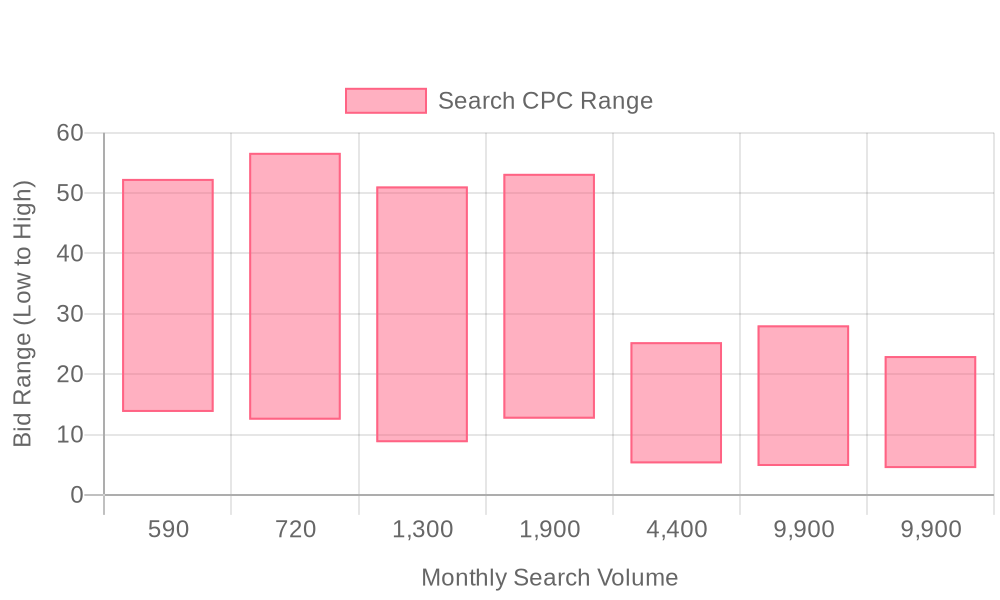
| Industry | Keyword | Monthly Search Volume | Competition Level | Low Bid | High Bid |
| Time and Attendance Systems | time clock software for small business | 590 | LOW | 13.74 | 52.36 |
| Time and Attendance Systems | clock in clock out system | 720 | HIGH | 12.46 | 56.68 |
| Time and Attendance Systems | time and attendance systems | 1300 | MEDIUM | 8.73 | 51.11 |
| Time and Attendance Systems | employee clock in system | 1900 | HIGH | 12.63 | 53.2 |
| Time and Attendance Systems | time and attendance | 4400 | LOW | 5.23 | 25.3 |
| Time and Attendance Systems | adp time and attendance | 9900 | LOW | 4.79 | 28.09 |
| Time and Attendance Systems | adp time clock | 9900 | LOW | 4.44 | 23 |
Effective Google Ads campaigns for time and attendance systems depend on a keyword strategy that adapts to the shifting needs of HR leaders, IT decision-makers, and operations directors. A deliberate blend of broad, high-intent keywords and more granular, niche search terms captures both mainstream buyers and specialized segments searching for specific compliance, integration, or automation features.
- High-competition terms: Target broad, high-volume keywords such as “Google Ads for Time and Attendance Systems,” “Google Ads for attendance tracking,” and “Google Ads for workforce management.” These phrases ensure visibility among buyers actively seeking full-platform solutions or considering a switch from legacy systems. For a comprehensive comparison of solutions, review this guide to top time and attendance systems.
- Long-tail and niche phrases: Incorporate more specific keywords like “Google Ads for employee time tracking,” “Google Ads for HR solutions,” and “Google Ads campaign setup for payroll automation.” These terms attract prospects with urgent needs or unique compliance requirements, such as businesses operating across multiple states or industries with complex labor regulations. Discover strategies for leveraging intent data signals to capture these high-value segments.
- Real-time and intent-driven terms: Adjust targeting to include keywords that reflect current market trends or timely pain points, such as “Google Ads ROI for time systems,” “Google Ads bidding strategies for HR SaaS,” and “Google Ads ad scheduling tips for time tracking.” These terms catch prospects at the decision stage, often after they have identified gaps in their current approach. Utilize real-time audience creation to ensure campaigns reach buyers with the highest likelihood to convert.
This multi-tiered approach enables revenue teams to reach buyers at every stage of the funnel. By leveraging real-time intent signals, marketers can automatically prioritize spend on campaigns that attract accounts showing increased buying activity. When connected with unified data platforms, these keyword strategies allow for dynamic audience creation, adjusting target lists as prospects move from research to demo requests and beyond. This ensures budget is always focused on those most likely to convert, maximizing both reach and relevance in a competitive B2B marketplace. To experience these capabilities, get started for free with Sona.
Step-by-Step Campaign Execution Framework
Step 1: Build Targeted Keyword Lists
B2B marketers driving demand for time and attendance systems need keyword lists that reflect every nuance of their solution offerings. Segmenting keywords by core services, such as employee time tracking, workforce management, or attendance analytics, allows for granular campaign oversight and more actionable insights at the account level. For an in-depth look at cloud-based systems, explore this overview of a cloud-based time and attendance system, which highlights automation and improved workforce management. This structure ensures that every click and impression is mapped back to a relevant business goal, making budget allocation and performance analysis straightforward.
Localizing keyword clusters is essential for capturing intent signals tied to region-specific compliance or labor needs. For example, incorporating city or state modifiers addresses buyers searching for workforce management solutions tailored to local requirements. Negative keyword filters help marketers avoid irrelevant traffic, ensuring campaigns exclude generic searches that dilute analytics and lead to wasted spend. The ability to enrich these lists with real-time firmographic and behavioral data, as seen with advanced visitor identification, further refines targeting by surfacing accounts that match your ideal customer profile.
The upgrade most time and attendance systems advertisers miss is going beyond raw keyword volume to layer in intent and identity signals. By connecting website-visitor data and CRM records with Sona Marketing Measurement, you can see which specific search terms bring in the accounts and customers that actually convert, and weight your keyword and bidding strategy toward those rather than the terms with the highest search volume alone.
Step 2: Develop Compelling Ad Copy
Effective ad copy for Google Ads for Time and Attendance Systems must speak directly to the priorities and challenges faced by HR leaders and operations managers. Messaging that addresses pain points, such as manual data entry, compliance risk, or fragmented reporting, resonates deeply with decision-makers seeking to unify their workforce data. For practical tips on maximizing campaign timing, review this blog post on Google Ads ad scheduling, which explores how strategic timing can boost ROI. By weaving in trust markers like case studies, industry certifications, and verified savings claims, advertisers establish credibility and foster confidence among discerning B2B audiences.
Layering incentives, such as complimentary audits or demo offers, elevates engagement for high-value segments. Ad extensions that spotlight features like automated scheduling or integration with payroll systems add further relevance and drive higher click-through rates. When enriched audience insights are used to personalize copy dynamically, marketers can adapt messaging for each stage of the buying journey, ensuring prospects always see the most relevant value proposition.
Step 3: Design Effective Landing Pages
Successful Google Ads for attendance tracking campaigns hinge on seamless keyword-to-landing page alignment. Each landing page should reflect the specific service or solution being advertised, using dynamic content to adapt as user signals and intent evolve. For a comparison of top-rated platforms, consider this review of the best time and attendance systems for small businesses, which can help inform your landing page differentiation. This contextual approach ensures every visitor sees precisely the information that matches their search, increasing trust and accelerating the path to conversion.
Segmenting landing pages by offering, such as employee scheduling, mobile time tracking, or compliance automation, caters to the diverse needs and buying behaviors of enterprise, mid-market, and SMB buyers. Streamlined conversion paths, such as single-step demo requests or integrated calendar scheduling, minimize drop-off and support rapid follow-up by sales teams. When marketers leverage real-time audience enrichment, landing page experiences can be tailored not only by service but also by account, industry, or buying stage, driving deeper engagement and higher lead quality.
Step 4: Implement Data-Driven Optimizations
Ongoing optimization of Google Ads for workforce management demands precise measurement and agile iteration. Conversion tracking should focus not just on volume but on quality, highlighting the freshest, highest-intent profiles surfacing through your campaigns. For guidance on integrating ad and time tracking, see this guide to integrating Google Ads with Monitask for actionable analytics and optimization insights. With advanced attribution, including both online and offline interactions, marketers can measure true ROI for time systems and pinpoint which channels and touchpoints drive pipeline growth.
Smart bidding strategies, informed by live intent and engagement signals, allow for real-time budget shifts to the segments and keyword themes delivering the strongest results. By continuously A/B testing ad copy, landing page elements, and audience segments, marketers ensure campaigns remain responsive to shifting buyer behavior and market trends. Integrating CRM and ad platforms ensures that enriched audience data and campaign learnings sync automatically, keeping targeting and messaging aligned with the latest revenue priorities.
Sona Marketing Measurement closes the gap between clicks and revenue. It captures ad clicks with first-party measurement, ties that click through UTM capture and ad-platform APIs to the actual record in your CRM, and reports ROAS by keyword and campaign instead of by last-click form fill. Feeding that revenue signal back into Smart Bidding and Performance Max compounds over time: the algorithms optimize toward booked time and attendance systems revenue, not cheap leads.
Tips on Expanding Your Time and Attendance Systems Presence

Promoting your time and attendance systems requires a blend of precision targeting and adaptive messaging. Modern B2B revenue teams see higher conversion rates when they segment outreach around real-time buying signals and intent data.
- Promote educational content through retargeting, segmented by emergent buying signals, to maintain a cohesive message: Retargeting campaigns perform best when segmented by user action, such as demo requests or specific page visits tied to workforce management concerns. Integrating advanced visitor identification, marketers can pinpoint not just anonymous traffic but also the specific companies evaluating time and attendance solutions. This enables highly relevant educational assets, such as compliance guides or ROI calculators, to follow high-intent prospects, ensuring each touchpoint reinforces core value propositions and accelerates movement through the funnel. As audiences shift from research to purchase, real-time intent signals ensure budget and messaging adjust dynamically to match their readiness, boosting Google Ads ROI for time systems and increasing nurture efficiency.
- Upsell related services via CRM data to address disconnected signals and unify messaging: Expanding your presence is not limited to acquiring new accounts. Leveraging CRM data in tandem with Google Ads for HR solutions allows teams to identify cross-sell and upsell opportunities within their existing customer base. By syncing CRM and ad platforms, enriched audience segments remain current as contacts engage with new product offerings, such as biometric attendance upgrades or advanced analytics modules. Marketers can then deliver personalized upsell campaigns that reflect recent activity, unifying the customer journey and preventing fragmented messaging. This approach ensures every ad dollar targets the accounts most likely to expand, resulting in higher overall LTV and a streamlined sales cycle, especially when paired with automated audience data sync.
- Partner with industry associations for referrals, ensuring outreach is informed by consistent intent data: Industry associations represent high-value referral sources for time and attendance system providers. Data-driven collaboration with these partners is essential, by sharing intent data and engagement metrics, marketing teams can coordinate on tailored campaigns that speak directly to association members' challenges. When referral program outreach is continually informed by up-to-date behavioral and firmographic data, messaging remains consistent and relevant, increasing referral conversion rates and brand trust.
- Localize ads to expand geographic reach, responding to the intent of new market entrants: Geographic expansion demands more than translation. Using location-based targeting options within Google Ads for attendance tracking, marketers can adjust creative and offers to match local regulations and buyer behaviors. As new entrants show intent in regions with distinct labor laws or workforce management priorities, ad localization ensures your messaging and value propositions remain relevant. Dynamic audience updates, fueled by real-time segmentation, allow campaigns to automatically include new high-potential markets as their intent signals appear, maximizing market share and minimizing wasted impressions.
- Use search data to innovate marketing content, updating strategies with insights from intent signal shifts: Search query analysis offers a constant stream of market intelligence. By monitoring shifts in keyword trends, such as rising searches for "touchless attendance" or "remote employee time tracking", marketing teams can tailor content and campaigns to reflect emerging customer interests. Real-time alignment between search data and creative assets keeps your marketing fresh, while dynamic audience management ensures new campaign variants reach in-market prospects as soon as their needs evolve. For a deeper dive into optimizing search and content strategy, explore our actionable playbooks.
Beyond Google Ads: Winning the AI Answers Time and Attendance Systems Buyers Now Trust
Paid search captures demand at the moment someone types a query. But a fast-growing share of time and attendance systems buyers no longer start at Google at all, they ask ChatGPT, Gemini, or Perplexity before they ever run a search, and Google's own AI Overviews increasingly summarize an answer above the traditional results. If your business isn't referenced in those AI answers, you're invisible at the exact moment buyers build their shortlist.
Sona AI Visibility shows where your business shows up across ChatGPT, Gemini, Perplexity, Google AI Overviews, and 10+ engines, and, much like a keyword report, which prompts actually send you buyers, so you can prioritize the ones that convert. Run the two together and you cover the entire buyer path: get cited where buyers research (AI Visibility), then prove which of that demand turns into booked revenue (Marketing Measurement).
Helpful resources
Conclusion
Google Ads works for time and attendance systems because it meets HR and operations buyers at the moment they're already searching, whether that's a compliance deadline, a new location opening, or a payroll headache driving the search. Ad scheduling, budget discipline, and precise audience targeting turn that moment into a qualified conversation instead of an anonymous click.
The vendors who win this category increasingly measure past the click, connecting ad spend to which accounts actually sign contracts, and feeding that signal back into bidding so campaigns optimize for revenue rather than form fills.
Ready to see which of your Google Ads clicks are actually turning into time and attendance systems customers? Start for free with Sona.
FAQ
What are the best practices for using Google Ads for time and attendance systems?
Best practices include using data-driven methodologies to optimize campaigns, targeting specific keywords and audiences, aligning ad messaging with landing pages, and integrating cross-channel data for better targeting and ROI.
How can I optimize my Google Ads budget for time and attendance solutions?
Optimize your budget by focusing on high-intent accounts, using advanced bidding strategies like Target CPA or ROAS, and leveraging real-time audience insights to prioritize spend on accounts showing buying signals.
What keywords should I target for Google Ads in the time and attendance industry?
Target a mix of high-volume keywords like 'Google Ads for Time and Attendance Systems' and niche phrases such as 'Google Ads for employee time tracking' to capture both broad interest and specific needs.
How do I set up ad scheduling for my time and attendance Google Ads?
Set up ad scheduling by analyzing data to determine the best times of day and days of the week for reaching your audience, ensuring your ads are shown when decision-makers are most likely to engage.
What metrics should I track to measure the success of my Google Ads for time and attendance systems?
Track metrics such as cost-per-acquisition, conversion rates, ROI, and engagement metrics from both online and offline interactions to measure success and refine your strategies.







