Telephone contractors win jobs by being the first credible answer when a business's phone system goes down or a new office needs lines installed, and Google Ads is where that urgency plays out in real time. A facilities manager searching for "business phone system repair" at 8am on a Monday is ready to hire, not browse. Google Ads lets contractors meet that moment directly, turning a search into a call or a form fill within minutes. The platform's real advantage is speed and precision: it surfaces the buyers actively evaluating vendors right now, rather than hoping they stumble onto your website. Contractors who miss these high-intent searches, or respond to them too slowly, hand the job to a competitor who answered first.
How to Generate Telephone Contractor Leads with Google Ads: A Step-by-Step Guide

Effective lead generation for telephone contractors hinges on targeted digital strategies that prioritize both visibility and conversion. Google Ads offers a robust foundation for capturing high-quality leads, but success requires a blend of precise targeting, compelling messaging, and real-time adaptability.
To outperform in PPC advertising for telephone contractors, revenue teams must leverage advanced data insights and automation. Unifying go-to-market data, identifying high-intent audiences, and dynamically responding to in-market behavior ensure that ad spend consistently converts into qualified pipeline. The following framework provides a stepwise approach to building and optimizing Google Ads campaigns tailored for telephone contractors.
- Identify High-Intent Keywords: Start by researching and selecting keywords that signal strong purchase intent, such as "telephone contractors near me" or "business phone system installers." Sona's Identity Resolution lets marketers go beyond anonymous web traffic, pinpointing which companies and prospects are actively searching for contractor services. This enables teams to allocate budget toward audiences most likely to convert, reducing wasted spend and improving campaign efficiency.
- Create Focused Campaigns: Structure campaigns around specific services, such as VoIP installation, PBX maintenance, or emergency repairs, to streamline ad delivery and enhance clarity for prospects. Leading revenue teams automate the alignment of service categories with audience segments, allowing for real-time updates as leads move through the buying journey. This means ad groups remain relevant and budgets are shifted to high-performing, high-margin services as market demand fluctuates.
- Optimized Ad Copy: Craft ad messaging that highlights what sets your services apart, such as rapid response times, certified technicians, or local expertise. Incorporate intent signals and dynamic content to ensure consistency with the specific needs and stage of each potential buyer. Use ad assets, like sitelinks and callouts, to surface licensing credentials and emergency service availability alongside the main ad, giving urgent searchers a reason to call immediately.
- Develop Responsive Landing Pages: Design landing pages that directly reflect the intent and promises of each ad group. Streamlined navigation, clear calls-to-action, and trust-building signals (like testimonials or certifications) are essential. Top-performing teams map user journeys and ensure that landing page content adapts as prospects progress from initial inquiry to ready-to-buy, minimizing drop-off and maximizing the value of every click.
- Monitor & Optimize Performance: Continuous monitoring of campaign metrics, such as impressions, clicks, and conversions, is critical for optimizing lead generation. Modern analytics platforms provide visibility into which channels, keywords, and creatives drive the highest ROI. Integrating online and offline conversion tracking allows revenue teams to attribute every lead accurately, fine-tune bidding strategies, and automate budget shifts to campaigns that deliver measurable results. For organizations using unified data solutions, syncing CRM and ad engagement data empowers even faster, data-driven decision making and enhances retargeting strategies throughout the sales funnel.
This step-by-step approach helps telephone contractors get more from every dollar of Google Ads spend, from initial targeting to final conversion, while staying agile as demand shifts season to season. To experience these strategies firsthand, get started for free with Sona.
Why Does Google Ads Matter for Telephone Contractors?

Telephone contractors face a unique blend of audience complexity, time-sensitive service demands, and the need to secure high-margin contracts in a crowded digital marketplace. Google Ads provides the infrastructure to target decision-makers who are actively searching for specialized telephone contracting services, ensuring every marketing dollar is aligned to actual intent.
- Targeting Complex Audiences: Decision-makers seeking telephone contracting solutions are often hidden within broader audiences. Advanced targeting capabilities within Google Ads empower contractors to segment and engage buyers based on enriched profile data, narrowing outreach to those showing authentic purchase signals. Sona's Identity Resolution identifies the companies behind anonymous visits, unlocking access to previously invisible, high-value prospects and allowing for sharper and more cost-effective targeting.
- Enhancing High-Margin Projects: Winning profitable contracts, like multi-site phone system rollouts or long-term maintenance agreements, requires precise timing and tailored messaging. Sona's Identity Resolution uncovers the companies behind web traffic, recognizing when influential stakeholders are in the evaluation phase. This insight enables tailored outreach to businesses with immediate project needs, positioning contractors to secure lucrative deals with messaging that speaks directly to urgent requirements.
- Immediate Demand Fulfillment: Telephone contractors must respond quickly to urgent service requests and seasonal surges. Real-time intent data from Google Ads campaigns, combined with dynamic audience updates, allow teams to adjust messaging and bidding strategies on the fly. Contractors can rapidly shift budgets towards accounts displaying high-conversion potential, capturing demand as it emerges and improving campaign responsiveness.
- Precision in Emerging Markets: Google Ads' location-based targeting is crucial for expanding into new or underserved regions. Contractors can fine-tune campaigns to reach only those within specific geographies, giving them a competitive edge in capturing untapped demand. Integrating these insights into broader analytics sheds light on which markets are ripest for expansion, supporting data-driven growth strategies.
- Comprehensive Data Integration: Effective contractor marketing on Google relies on unifying campaign data with the broader marketing stack. Integrating Google Ads with CRM and analytics platforms provides full-funnel visibility, tracking leads from anonymous visits to closed deals, including both online and offline conversions. This holistic approach empowers revenue teams to measure true return on investment, sync enriched leads across platforms like HubSpot and Salesforce, and continuously refine strategies for higher efficiency and growth.
Common Types of Google Ads Campaigns for Telephone Contractor Services

- Search Campaigns: Search campaigns deliver immediate access to high-intent leads for telephone contractor services, and Responsive Search Ads are the standard ad format within them, testing headline and description combinations to find what pulls in callers searching for urgent repairs or new installations. By targeting keywords tied to time-sensitive service needs, these campaigns connect your brand to prospects ready to act. Real-time audience segmentation can further refine reach, ensuring ads are only shown to companies demonstrating sales-readiness. Advanced visitor identification and dynamic audience segmentation make it possible to pinpoint and prioritize accounts with immediate needs, allowing budget to be allocated where conversion likelihood is highest.
- Display Ads: Display campaigns ensure your telephone contractor brand remains visible across industry-relevant websites and platforms. This broad visibility keeps your service top of mind for decision-makers at key accounts, even outside active search periods. Integrating display campaigns with unified data enables teams to align creative, messaging, and targeting, addressing gaps caused by disconnected campaign management. For more guidance on maximizing display and other ad formats, explore our B2B marketing playbooks.
- Video Ads: Video advertising offers a compelling way to explain complex telecom solutions and differentiate your services. These campaigns can demonstrate advanced installations, integrations, and support, building trust and credibility with prospects. Video content remains in prospects' consideration set, especially when retargeted to previous website visitors. Leveraging real-time intent data, teams can ensure that video ads reach stakeholders who are actively researching or evaluating telephony upgrades.
- Remarketing: Remarketing campaigns keep your telephone contractor brand visible to individuals and companies that have previously engaged with your website or digital assets. Persistent, personalized messaging nurtures prospects through each stage of the funnel, reminding them of your expertise and solutions. Dynamic remarketing audiences update as leads interact with your brand, ensuring follow-up is relevant and timely. This matters for telephone contractors because commercial buyers often research vendors weeks before a contract is signed, comparing licensing and response-time guarantees before committing. Synchronizing CRM data and enriched lead information with ad platforms ensures remarketing efforts are informed by the latest account activity, bridging online and offline touchpoints for seamless nurturing.
To experience the impact of advanced segmentation, intent data, and seamless CRM integration, get started for free with Sona.
Where to Find Growth Opportunities?

Identifying untapped growth areas is essential for telephone contractors aiming to surpass stagnant lead pipelines and outmaneuver entrenched competitors. By executing precise, data-driven strategies, companies can consistently open new channels for high-quality lead generation and improved ROI.
- Target Vertical Keywords: Shifting from broad keywords to highly specialized terminology allows telephone contractors to connect with prospects actively seeking niche services, such as business VoIP integration, multi-site phone system installations, or emergency line repair for commercial buildings. By analyzing competitive gaps with real-time search data, teams can prioritize high-value verticals and orchestrate targeted campaigns that minimize wasted spend while capturing intent-rich traffic from buyers who already know what they need.
- Conduct Competitor Analysis: Auction insights and advanced analytics reveal where rivals are over-indexed or vulnerable. Monitoring these movements, especially when using unified go-to-market data, lets marketing teams adjust bids, budgets, and creative assets in response to shifting market conditions. This approach ensures that every campaign remains agile, responding dynamically as competitors change tactics or as search interest spikes for specific contractor services, such as after a regional storm knocks out business phone lines.
- Explore Industry-Specific Placements: Many qualified buyers frequent directories or forums outside the typical search ecosystem. By securing ad placements or sponsored content in these industry hubs, telephone contractors can broaden their reach and build authority in circles where organic visibility may lag. This approach fills engagement gaps and positions the brand as a trusted resource among decision-makers during their discovery phase, read more strategies in our B2B marketing playbooks.
- Leverage Content Retargeting: Retargeting users with educational assets, such as implementation guides or regulatory compliance checklists, nurtures longer sales cycles and keeps the brand top-of-mind. With platforms capable of identifying website visitors, contractors can reinforce messaging to those progressing through the funnel. This ensures outreach is always relevant, driving higher conversion rates and greater value from each marketing touchpoint.
How to Apply Audience Segmentation for Telephone Contractors

Effective audience segmentation is the foundation for maximizing campaign relevance and minimizing wasted ad spend for telephone contractors. By precisely organizing your prospects according to their needs, intent, and buyer journey stage, you unlock more actionable insights and navigate complex sales cycles with greater accuracy. Explore the essential guide to account-based marketing for a deeper dive on aligning segmentation with B2B go-to-market strategies.
- Define Distinct Segments: Separate your target markets into clear categories, such as commercial versus residential clients. This distinction enables you to tailor messaging, creative assets, and offers that resonate with each group, addressing their specific pain points and expectations. Consistent segmentation eliminates generic outreach and supports a unified customer experience across every touchpoint. For dynamic segment creation and management, leverage real-time audience insights.
- Integrate Intent Signals: Identify and act on intent cues, such as whether a prospect is searching for a new telephone system installation or ongoing service support. By surfacing real-time intent signals, teams can anticipate needs and proactively adjust ad positioning and messaging. For practical strategies, review this contractor Google Ads guide to maximize campaign performance.
- Formulate Ad Groups by Segment: Create tailored ad groups that map directly to your segments, aligning ad copy, call-to-action, and budget with each audience's requirements. For example, commercial leads may warrant higher bids and more comprehensive offers, while residential segments could benefit from localized messaging and value-driven promotions. As audiences progress through the funnel, dynamic audience updates ensure continual relevance, keeping campaigns aligned with actual engagement.
- Validate Conversion Paths: Ensure every step from initial inquiry to final conversion is tracked and attributed accurately, integrating both online and offline touchpoints. Robust CRM and ad platform syncing streamlines the capture of enriched lead data, closes the loop on engagement, and surfaces upsell opportunities. When conversion data flows seamlessly between systems, teams gain a holistic view of ROI and can optimize for both immediate wins and long-term customer value.
This is also where measurement changes the economics. With Sona Marketing Measurement you can identify the companies behind your ad clicks using first-party, company-level data, not just anonymous sessions, and segment audiences by which accounts actually become customers. That lets you build bid adjustments and audience signals around the segments that convert and de-prioritize the ones that don't, so you feed Google's algorithms "this click became a paying telephone contractors customer" instead of just "someone filled out a form."
Keyword Strategy & Sample Target Terms
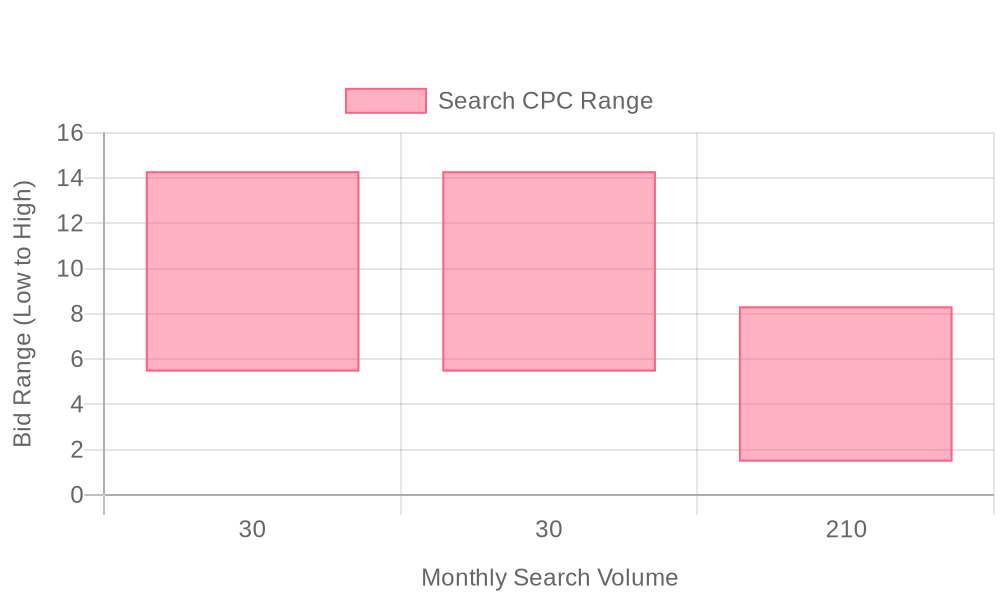
| Industry | Keyword | Monthly Search Volume | Competition Level | Low Bid | High Bid |
| Telephone Contractors | telephone contractors | 30 | LOW | 5.45 | 14.3 |
| Telephone Contractors | phone contractors | 30 | LOW | 5.45 | 14.3 |
| Telephone Contractors | landline phone companies near me | 210 | LOW | 1.47 | 8.33 |
A high-impact keyword strategy for Google Ads in the telephone contractor sector centers on intent-driven, industry-specific search terms. Prioritizing phrases that directly reflect urgent needs or project readiness ensures campaigns consistently reach decision-makers with purchase authority. For deeper insights on building a winning B2B keyword approach, review this guide to account-based marketing.
Strategic Targeting: Leveraging advanced keyword research, telephone contractors can focus ad spend on terms like "PPC advertising for telephone contractors" and "local service ads for contractors." These keywords attract prospects actively seeking communication infrastructure solutions, narrowing wasted impressions and boosting qualified lead volume. Explore an overview of Google Local Service Ads to better understand features and benefits for local businesses.
Precision Targeting: Identifying and engaging decision-makers at the exact moment of need is critical. Real-time data feeds enable marketers to refine keyword lists and bidding strategies dynamically, ensuring budget allocation follows shifts in market demand. With integrated visitor identification, teams can move beyond anonymous clicks and directly capture insights on which companies or segments are expressing buying intent.
ROI Measurement: Tracking each interaction from initial ad click through to closed contract provides a holistic view of campaign performance. Advanced conversion tracking, including online and offline attribution, empowers revenue teams to calculate the true impact of each keyword and optimize spend for maximum return. For an in-depth look at quantifying marketing impact, see measuring marketing's influence on the sales pipeline.
Synergized Channels: Retargeting strategies connect with previous site visitors across display, video, and social platforms, reinforcing brand presence and increasing conversion rates. Dynamic audience syncing ensures that as leads progress through the funnel, they are automatically segmented into relevant retargeting pools, supporting a seamless omnichannel experience.
Recommended Keywords: Focusing on high-volume, high-intent phrases such as "Google Ads for Telephone Contractors," "Google Ads for local contractors," "Google Ads strategies for contractors," and "Contractor marketing on Google" ensures that campaigns remain tightly aligned with target audiences. Capturing these exact-match searches drives a steady stream of qualified leads ready to engage. To see how you can put these strategies into action, get started for free with Sona.
Step-by-Step Campaign Execution Framework
A structured, data-driven campaign framework is critical for telephone contractors aiming to capture more qualified leads and drive sustained growth. By implementing each execution step with specificity, teams can outperform in competitive markets and maximize advertising ROI.
Step 1: Build Targeted Keyword Lists
Audience intent shapes every high-performing campaign for telephone contractors. Start by researching service-specific and location-based terms using advanced keyword tools. Group keywords by core offerings, such as business phone system installations, VoIP upgrades, or emergency repair services, paired with geographic qualifiers. This level of segmentation enables ad spend to concentrate on prospects with the highest likelihood to convert. For added precision, integrating visitor identification technology reveals which companies are actually searching for your services, helping refine keyword lists and negative keywords for continual improvement. You can also explore actionable keyword research strategies to further optimize your targeting.
The upgrade most telephone contractors advertisers miss is going beyond raw keyword volume to layer in intent and identity signals. By connecting website-visitor data and CRM records with Sona Marketing Measurement, you can see which specific search terms bring in the accounts and customers that actually convert, and weight your keyword and bidding strategy toward those rather than the terms with the highest search volume alone.
Step 2: Develop Engaging Ad Copy
Each ad must address the pain points unique to your target market: unreliable phone systems, urgent downtime, or scaling challenges. Build trust by highlighting industry certifications, response times, or local expertise directly in the ad text. Strong calls to action, such as "Book a Free Consultation" or "Schedule a Rapid Assessment," should prompt action while remaining relevant to the intent behind each keyword group. With real-time intent insights, teams can dynamically adjust messaging to align with emerging needs, ensuring every impression is an opportunity for qualified engagement. For practical examples and peer advice, check out this discussion thread for contractors starting out on Google Ads.
Step 3: Design Effective Landing Pages
Landing pages should maintain a seamless connection with ad copy, carrying forward promises made in the advert. Prioritize fast load times, mobile responsiveness, and a single, compelling call to action to reduce friction. Feature testimonials, guarantees, or client logos to reinforce credibility. Use intuitive navigation and clear contact forms to lower bounce rates and guide visitors toward conversion. Audience data enrichment enables pages to personalize content for returning visitors, subtly increasing relevance and boosting conversion rates. If you want to see how these tactics align with B2B best practices, explore our guide to B2B marketing reports.
Step 4: Implement Data-Driven Optimizations
Leverage analytics to monitor performance at every touchpoint: impressions, clicks, form fills, and closed deals. Analyze which keywords, ads, and audiences deliver the most pipeline value and allocate budget accordingly. Use comprehensive attribution models to capture both online and offline conversions, closing the loop on true ROI for each channel. By syncing CRM and ad platforms, enriched lead data flows seamlessly back into Google Ads, enabling dynamic audience updates and more precise retargeting strategies. To see these steps in action, you can review this step-by-step guide for contractors on launching Google Local Service Ads. For telephone contractors ready to put these strategies to use, get started for free with Sona.
Sona Marketing Measurement closes the gap between clicks and revenue. It captures every ad click with first-party measurement, then ties that click through UTM capture and ad-platform APIs to the actual record in your CRM, and reports ROAS by keyword and campaign instead of by last-click form fill. Feeding that revenue signal back into Smart Bidding and Performance Max compounds over time: the algorithms optimize toward booked telephone contractors revenue, not cheap leads.
Beyond Google Ads: Winning the AI Answers Telephone Contractors Buyers Now Trust
Paid search captures demand at the moment someone types a query. But a fast-growing share of telephone contractors buyers no longer start at Google at all, they ask ChatGPT, Gemini, or Perplexity before they ever run a search, and Google's own AI Overviews increasingly summarize an answer above the traditional results. If your business isn't referenced in those AI answers, you're invisible at the exact moment buyers build their shortlist.
Sona AI Visibility shows where your business shows up across ChatGPT, Gemini, Perplexity, Google AI Overviews, and 10+ engines, and, much like a keyword report, which prompts actually send you buyers, so you can prioritize the ones that convert. Run the two together and you cover the entire buyer path: get cited where buyers research (AI Visibility), then prove which of that demand turns into booked revenue (Marketing Measurement).
Helpful resources
Conclusion
Buyers who need a telephone contractor rarely wait, they search when a line is down or a project deadline is looming, and the businesses that show up first, answer fastest, and can prove their leads convert into booked jobs are the ones that keep winning bids. Pairing precise Google Ads targeting with measurement that ties clicks to closed revenue, and increasingly with visibility in the AI tools buyers now consult before they search, is what separates contractors scaling steadily from those still guessing at what's working. Start for free with Sona to see which of your campaigns are actually producing customers.
FAQ
How do Google Ads work for telephone contractors?
Google Ads provide telephone contractors with targeted reach and measurable ROI by converting awareness into actionable leads, allowing them to engage high-intent prospects and capture interest efficiently.
What are the best practices for Google Ads in the contracting industry?
Best practices include identifying high-intent keywords, creating focused campaigns, optimizing ad copy, developing responsive landing pages, and continuously monitoring and optimizing performance for better ROI.
How can I target local customers with Google Ads as a contractor?
You can target local customers by using location-based targeting options in Google Ads, focusing on specific geographic areas to capture demand and improve campaign responsiveness.
What is the cost-effectiveness of Google Ads for telephone contractors?
Google Ads are cost-effective for telephone contractors as they ensure marketing dollars are aligned to actual intent, allowing for precise targeting and capturing high-value prospects.
How can I measure the success of my Google Ads campaign in the contracting business?
Success can be measured by tracking metrics such as impressions, clicks, and conversions, integrating online and offline conversion tracking, and using analytics platforms to attribute leads and optimize strategies.