


Data communication equipment sales rarely close on a single channel. Trade shows and direct mail build the relationships; email and SEO keep prospects warm; but the moment a network engineer or procurement lead types a search for a switch, router, or transceiver, Google Ads is what puts your business in front of them. For data communication equipment businesses, that search moment is where online and offline efforts finally meet:
Tips on Expanding Your Data Communication Equipment Presence
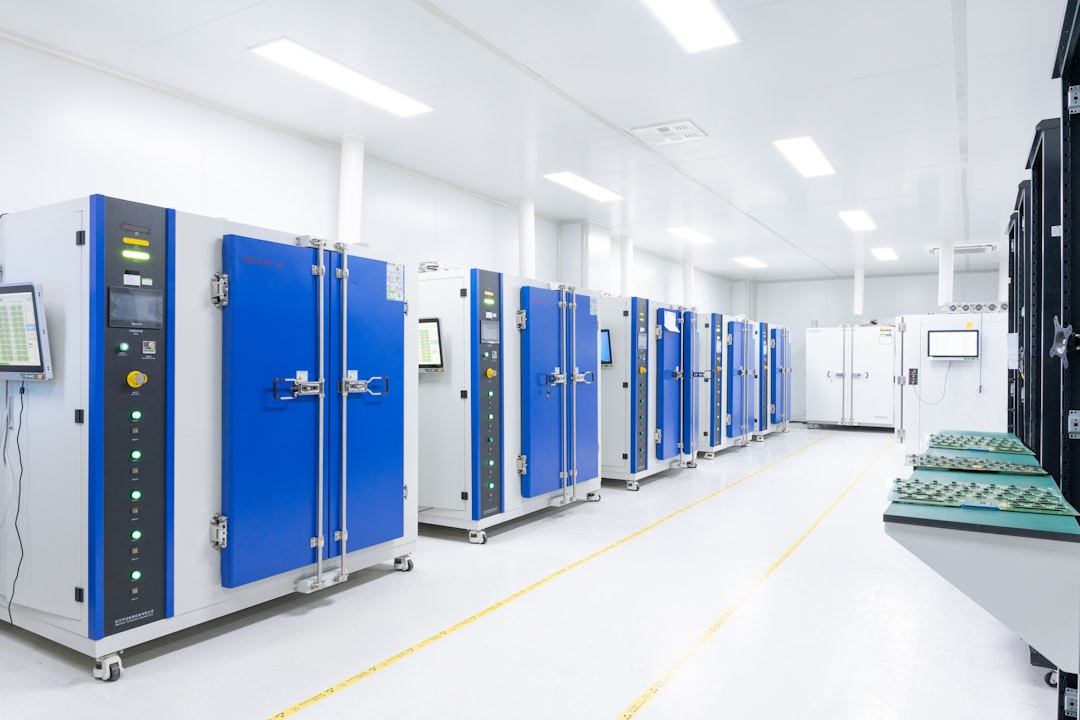
Modern B2B marketers in the data communication equipment sector need a connected approach to scale their presence and outperform competitors. Success comes from a strategy that uses every available touchpoint to engage high-value accounts, nurture prospects, and convert qualified leads efficiently.
- Cross-promote educational assets in retargeting to support content marketing goals: Retargeting works best when tailored precisely. By analyzing intent signals, marketers can serve relevant whitepapers, webinars, or comparison guides, like fiber vs. copper infrastructure breakdowns, to contacts who've already engaged. Matching each asset to where an account sits in its buying cycle (early research vs. RFP stage) drives deeper consideration and shortens deal cycles.
- Upsell related services via segmented audiences based on CRM data: CRM-rooted segmentation enables precise upsell targeting, think maintenance contracts, firmware support, or capacity upgrades tied to equipment already in a customer's network. Syncing enriched account lists into Google Ads lets marketers update audiences as accounts progress, so cross-sell and upsell messaging reaches decision-makers just as budgets renew or hardware nears end-of-life.
- Partner with industry associations for referral traffic or co-branded ads: Strategic alliances with respected industry associations open new avenues for referral traffic and brand credibility. Co-branded Google Ads campaigns, when fueled by shared audience insights and intent data, can drive targeted traffic from highly qualified prospects. Integrating referral sources into your unified data stack allows marketing teams to track performance and optimize spend for joint campaigns.
- Localize by state or metro areas to grow share-of-voice in targeted regions: Regional targeting matters for data communication equipment suppliers chasing specific territory goals, especially where regional carriers, utilities, or municipal broadband projects drive demand. Using geo-segmented audience lists and localized creative increases relevance at the state or metro level. Syncing campaign data with CRM and sales activity lets teams prioritize spend where infrastructure buildouts are active and measure local impact with more accuracy.
- Use search query data to identify new content topics for your broader marketing efforts: Search query analysis reveals emerging customer needs and whitespace opportunities. Aggregating search data from Google Ads with onsite behavior and sales conversations highlights content gaps and demand trends. This approach allows marketing teams to develop high-value resources, such as solution briefs or technical guides, that attract and nurture both new and existing audiences.
Fragmented data sources make it hard to keep messaging consistent across touchpoints. Unified data orchestration connects intent, engagement, and revenue impact, giving marketers a scalable, ROI-focused presence in the data communication equipment market. To see how unified data activation can accelerate your growth, get started for free with Sona.
Effective Google Ads Execution in Data Communication Equipment Hinges On:

Success in data communication equipment marketing comes from precision and efficiency at every campaign stage. High-performing teams align budgets with high-value prospects and consistently drive measurable business outcomes. Discover more tactics in our marketing strategy insights.
- Smart keyword targeting based on service and intent: Effective campaigns start with keyword research tailored to core offerings, separating browsers researching "what is a managed switch" from buyers searching "enterprise router RFP" or a specific model number. Targeting transactional and decision-stage terms ensures ads reach buyers with clear purchasing intent. Sona surfaces intent signals to help prioritize spend on the keywords most likely to convert, cutting wasted impressions.
- Audience segmentation to match decision-maker needs: Segmenting audiences by role, industry, and buying stage sharpens targeting, network engineers researching specs need different messaging than procurement teams comparing vendor quotes. Marketers get even better results by updating these segments dynamically in response to real-time behavioral signals, so campaigns adapt as prospects move through the funnel. Enriched audience data flowing directly into Google Ads maximizes relevance and shortens sales cycles.
- High-converting creative and user experience (UX): In a crowded data communication equipment advertising market, sharp ad copy and landing pages aren't optional. Messaging needs to address technical pain points, like interoperability, latency, or compliance with carrier-grade standards, and present a clear next step, while fast load times and mobile responsiveness remove friction from the conversion process. Continuous A/B testing, informed by unified analytics, pinpoints which creative elements drive the most engagement.
- Real-time optimization using reliable conversion data: Success depends on attributing conversions accurately across channels, online and offline alike. Real-time feedback loops powered by robust analytics show which campaigns generate real pipeline impact, so marketers can shift budget to top-performing segments quickly. Integrating CRM and ad data closes the loop on measurement for data communication equipment lead generation.
- Seamless integration with your overall marketing ecosystem: True scale comes from aligning Google Ads efforts with broader marketing operations. Syncing enriched audiences, conversion events, and intent signals across Google Ads, HubSpot, and Salesforce centralizes insights and powers more coordinated outreach. This ecosystem approach streamlines demand generation, accelerates high-fit account identification, and enables personalized engagement at scale.
With these strategies, marketers can capture high-intent leads efficiently and build a resilient, data-driven funnel. When supported by unified data platforms, high-fit accounts are surfaced, nurtured, and converted with precision, setting a new standard for data communication equipment PPC performance.
Beyond Google Ads: Winning the AI Answers Data Communication Equipment Buyers Now Trust
Paid search captures demand at the moment someone types a query. But a fast-growing share of data communication equipment buyers no longer start at Google at all, they ask ChatGPT, Gemini, or Perplexity before they ever run a search, and Google's own AI Overviews increasingly summarize an answer above the traditional results. If your business isn't referenced in those AI answers, you're invisible at the exact moment buyers build their shortlist.
Sona AI Visibility shows where your business shows up across ChatGPT, Gemini, Perplexity, Google AI Overviews, and 10+ engines, and, much like a keyword report, which prompts actually send you buyers, so you can prioritize the ones that convert. Run the two together and you cover the entire buyer path: get cited where buyers research (AI Visibility), then prove which of that demand turns into booked revenue (Marketing Measurement).
Helpful resources
Conclusion
Google Ads works because it meets data communication equipment buyers at the exact moment they're evaluating a purchase, not months earlier when they're still forming opinions. Getting there takes disciplined targeting, creative that speaks to technical buyers, and measurement that ties spend to closed deals.
As AI answer engines take on more of the early research work, the businesses that show up consistently, in search results and in AI-generated answers, will set the pace for the data communication equipment market. Pairing tight Google Ads execution with visibility into how buyers find and evaluate you elsewhere puts you ahead of competitors still relying on search alone.
FAQ
How can I optimize my Google Ads for data communication equipment?
To optimize Google Ads for data communication equipment, focus on smart keyword targeting based on service and intent, segment audiences by role and buying stage, use high-converting creative, and leverage real-time optimization via reliable conversion data.
What are the best keywords for Google Ads in the data communication equipment industry?
The best keywords are those that are transactional and decision-stage search terms, as they ensure ads are served to buyers with clear purchasing intent.
How do I target the right audience for data communication equipment with Google Ads?
Target the right audience by segmenting them based on roles, industries, and buying stages, and dynamically updating these segments using real-time behavioral signals.
What is the conversion rate for Google Ads in the data communication equipment sector?
The conversion rate is not specified, but real-time feedback loops powered by robust analytics can help reveal which campaigns generate true pipeline impact.
How can I measure the ROI of my Google Ads campaign for data communication equipment?
Measure the ROI by ensuring seamless integration with your marketing ecosystem, using closed-loop measurement systems by integrating CRM and ad data to attribute conversions accurately across channels.







