


A parent searching for "IEP due process lawyer" at 11 p.m. is not browsing, she is in crisis, and the firm that answers first often wins the case. Special education law runs on urgency and licensing scope: families need representation admitted in their state, familiar with their district's procedures, and available before a filing deadline closes. Google Ads lets firms meet that moment directly, intercepting parents, educators, and advocates the instant they start searching, and connecting online outreach to the offline relationships that drive referrals. The persistent challenge is speed: many firms respond too slowly to inbound interest, a gap that better audience segmentation and faster follow-up can close.
How to Generate Special Education Legal Services Leads with Google Ads: A Step-by-Step Guide

Special education legal services require precise outreach to families, educators, and professionals seeking immediate, knowledgeable support. Effective Google Ads strategies enable law practices to connect with high-intent prospects at the exact moment they begin their search for advocacy or representation. For a practical overview of using Google Ads in this niche, explore this guide to Google Ads for special education teachers, which includes actionable tips for targeted lead generation.
Digital marketing for education law relies on capturing demand before competitors intervene. Data-driven campaign design, granular segmentation, and real-time insight into audience behavior ensure that every marketing dollar maximizes reach and conversion potential.
- Identify your audience: Focus on personas such as parents navigating special education law, educators seeking knowledge, and other legal professionals. Swift engagement is crucial: these individuals often have urgent legal questions and will move on quickly if they don't find the expertise they need. Sona's Identity Resolution identifies the companies and organizations behind anonymous website visits, letting marketers prioritize outreach to qualified, in-market leads rather than guessing from traffic alone.
- Build specific campaigns: Craft campaigns around core services such as advocacy, IEP representation, or disability rights advisory. Each should use language and value propositions matched to the pain points of its audience segment. Sona's Intent Signals track in-market behavior, helping shift budget toward the campaigns attracting the highest-converting prospects.
- Ad group organization: Use tightly themed ad groups tied to specific legal services or case types, such as mediation, due process, or compliance consulting. Advanced audience management tools help align these ad groups with firmographic data, allowing for greater relevance and message personalization throughout the buyer journey. Dynamic audience updates ensure that as leads engage, ad delivery and targeting stay highly relevant.
- Creative alignment: Align ad copy to highlight proven expertise in special education law. Calls to action should convey both urgency and depth of knowledge, since generic legal-marketing language tends to underperform in this niche. Insights into user engagement and intent help refresh creative in real time, keeping campaigns responsive as interest shifts.
- Conversion tracking setup: Implement conversion goals that encompass form submissions, call tracking, live chat initiations, or resource downloads. This clarity allows teams to identify and nurture hot leads before they lose interest or seek out alternative providers. Integrating advanced attribution, including both online and offline touchpoints, provides a true measure of ROI and helps refine the overall Google Ads strategy for special education legal services. Audience and lead data can also be synced directly to CRM and advertising platforms, ensuring that follow-up is timely, personalized, and informed by the latest engagement insights.
Why Does Google Ads Matter for Special Education Legal Services

Special education legal services require highly focused outreach to families and organizations seeking specialized advocacy and representation. Precise targeting is essential to connect with individuals who are often searching for urgent, sensitive support rather than general legal advice.
- Specialized Audience Reach: Google Ads provides advanced targeting options that allow legal professionals to reach parents, educators, and administrators actively searching for assistance in special education law. Custom intent audiences and keyword targeting ensure that campaigns are visible to those most likely to engage, increasing qualified lead volume. With integration of real-time visitor identification, marketers can move beyond anonymous clicks, pinpointing which organizations or school districts are interacting with their ads and landing pages, allowing for rapid, data-backed outreach.
- Immediate Impact: Time-sensitive legal matters in special education require immediate action. Google Ads delivers instant visibility at the moment potential clients search for help, driving traffic and increasing consultations when families are making critical decisions. Fast activation allows firms to respond to demand surges, such as new regulations or local policy changes, without waiting for organic search rankings to catch up.
- Data-Driven Adjustments: Google Ads campaigns for special education legal services benefit from granular data feedback, enabling continuous optimization. Marketers can monitor demand spikes for specific services, such as IEP advocacy or mediation, and adjust bids, budgets, and creative assets in real time. When unified with advanced attribution and CRM-ad sync solutions, revenue teams gain a complete view of which campaigns and keywords drive actual consultations, not just clicks, supporting ongoing budget optimization and higher ROI.
Common Types of Google Ads Campaigns for Special Education Legal Services

- Search Campaigns: Search campaigns allow legal teams specializing in special education to capture immediate, high-intent queries such as "special education lawyer near me" or "IEP advocacy legal help." By focusing ad budgets on these urgent searches, firms gain direct access to families or educators actively seeking legal guidance. Using real-time intent data, marketers can dynamically allocate spend toward audiences demonstrating the strongest buying signals, improving conversion rates and maximizing return on investment.
- Display Ads: Display ads broaden a firm’s digital presence by placing visually engaging content across platforms and websites frequented by parents, educators, and advocacy groups. Consistent visibility in forums and resource hubs ensures that special education legal services remain top of mind during a prospect's research and decision-making journey. When these campaigns are informed by unified audience data, firms can ensure their display ads are seen by the most relevant segments, increasing brand recall without wasted impressions. For more tips on using Google Ads in education, see this guide for special education teachers.
- Remarketing Strategies: Remarketing keeps your firm front and center for users who have previously visited your site or submitted inquiries, capturing those who may not have converted during their initial visit. Personalized messaging, tailored to the stage of the user journey, helps prevent potential clients from slipping through the cracks or being lost to competitors. Leveraging dynamic audience updates, legal teams can automatically refine retargeting pools as user intent evolves, ensuring ads stay relevant and contextual.
- Call Assets: Call assets offer an immediate connection point for those who prefer speaking directly with a legal expert, often critical in sensitive or time-sensitive special education cases. Including direct phone links in ads can significantly reduce the lag between interest and action, facilitating faster consultations and improving lead capture rates. When integrated with advanced call tracking and CRM sync, firms gain full attribution visibility, tying inbound calls to specific campaigns and optimizing for true business outcomes.
Where to Find Growth Opportunities
- Vertical Keyword Targeting: Precision in keyword targeting is essential for special education legal services. Moving beyond general terms, use niche phrases such as "disability rights legal support" and "special needs education law help" to reach highly qualified prospects. This approach filters out irrelevant clicks and ensures your ads align closely with the searcher’s intent. By leveraging unified go-to-market data, marketers can identify which specialized queries drive the highest engagement, continuously refining keyword sets to capitalize on high-potential segments.
- Competitor Analysis: Systematic competitor analysis reveals campaign gaps that can be transformed into growth opportunities. By pinpointing where others underperform, such as weak ad copy, overlooked negative keywords, or missing audience segments, your team can design campaigns that fill those voids and outperform the market. Integrating advanced data insights uncovers which competitor campaigns fail to engage target accounts, allowing for strategic budget shifts toward keywords and segments with untapped demand. This data-driven approach ensures resources are allocated to areas with the greatest potential for conversion.
- Content Retargeting: Effective retargeting leverages valuable educational resources, such as FAQs and legal guides, to re-engage users who have previously interacted with your site but have not yet converted. Instead of relying on generic retargeting, segment audiences based on their engagement with specific content pieces, then deliver messaging tailored to their demonstrated interests. By syncing dynamic audience segments across platforms, marketers can ensure each prospect receives relevant follow-ups at the right stage of their decision journey. For practical industry insights on Google Ads for special education, explore this guide for special education teachers.
How to Apply Audience Segmentation for Special Education Legal Services

Audience segmentation remains a critical driver of campaign efficiency and relevance in legal services for special education. By dividing your audience into precise groups based on legal needs, intent, and engagement history, your messaging and spend directly address the pain points of each segment. For in-depth strategies on using Google Ads to reach these audiences, explore this guide to Google Ads for special education teachers, which offers actionable insights for targeted lead generation in the education sector.
- Clinical Case Segmentation: Segmenting by the type of educational issue, such as IEP disputes, 504 plan eligibility, discipline cases, or transition services, ensures marketing aligns with unique client journeys. Overlaying Sona's Intent Signals, such as recent website activity or specific page visits, lets marketers prioritize prospects who show readiness to engage with legal support, adjusting outreach as behavior shifts. Sona's Identity Resolution reveals which companies and school districts are behind anonymous traffic, helping legal marketers move from general awareness to pinpointing the organizations most likely to need specialized intervention.
- Ad Group Customization: Customizing ad groups by segment enables highly specific creative and budget allocation. For example, families actively researching due process hearings may respond to case outcome testimonials, while those early in the journey benefit from educational guides or webinars. With enriched audience data flowing seamlessly from CRM and case management platforms into Google Ads, teams can automate audience updates as leads progress through the funnel. This ensures each ad group reflects current engagement, moving prospects from consideration to consultation. Real-time audience sync also empowers revenue teams to shift spend toward high-intent segments, maximizing ROI while maintaining strict compliance with Google Ads policy guidelines.
This is also where measurement changes the economics. With Sona Marketing Measurement you can identify the companies and buyers behind your ad clicks, not just anonymous sessions, and segment audiences by who actually becomes a customer. That lets you build bid adjustments and audience signals around the segments that convert and de-prioritize the ones that don't, so you feed Google's algorithms "this click became a paying special education legal services customer" instead of just "someone filled out a form."
Keyword Strategy & Sample Target Terms
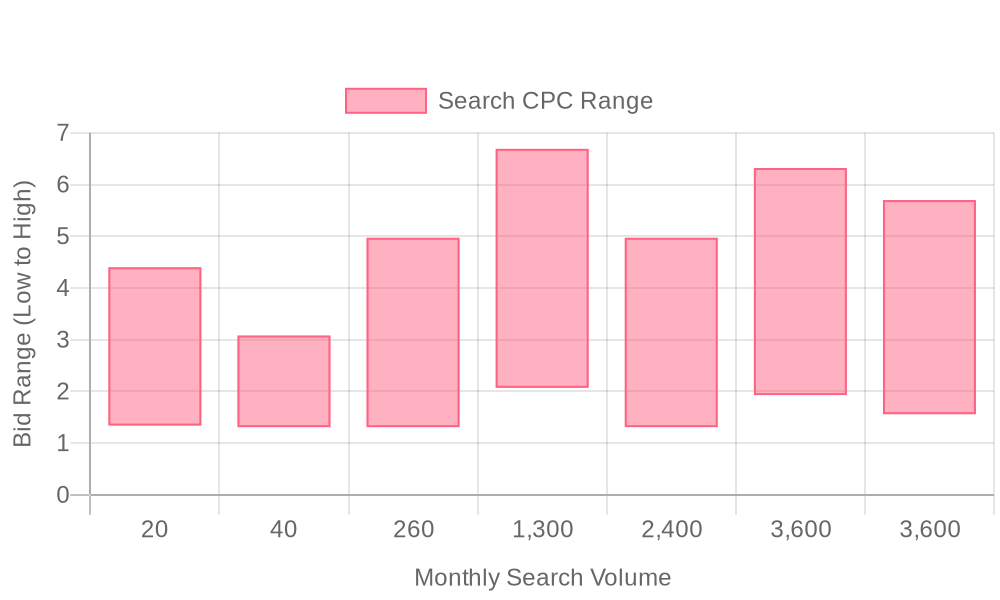
| Industry | Keyword | Monthly Search Volume | Competition Level | Low Bid | High Bid |
| Special Education Legal Services | free special education lawyers | 20 | MEDIUM | 1.34 | 4.4 |
| Special Education Legal Services | lawyers for special education students | 40 | LOW | 1.31 | 3.08 |
| Special Education Legal Services | free special education lawyer near me | 260 | MEDIUM | 1.31 | 4.97 |
| Special Education Legal Services | education lawyers | 1300 | LOW | 2.07 | 6.69 |
| Special Education Legal Services | special education lawyer near me | 2400 | MEDIUM | 1.31 | 4.97 |
| Special Education Legal Services | education lawyer near me | 3600 | MEDIUM | 1.93 | 6.32 |
| Special Education Legal Services | special education lawyer | 3600 | LOW | 1.56 | 5.7 |
This is also where measurement changes the economics. With proper measurement and attribution you can identify the companies and buyers behind your ad clicks, not just anonymous sessions, and segment audiences by who actually becomes a customer. That lets you build bid adjustments and audience signals around the segments that convert and de-prioritize the ones that don't, so you feed Google's algorithms "this click became a paying special education legal services customer" instead of just "someone filled out a form."
Begin by incorporating target terms such as "special education legal representation," "education attorney services," and "IEP legal rights." These keywords reflect both the intent of families seeking legal guidance and the specific areas of expertise offered by specialized law practices. For additional ideas on keyword targeting and campaign setup, this guide to Google Ads for special education teachers offers useful tips on reaching education-focused audiences. Leveraging Google's keyword matching options enables revenue teams to identify search volumes, competition levels, and long-tail variations. This process uncovers new opportunities and helps refine ad groups for higher quality scores and lower costs per click.
A modern keyword strategy also evolves with real-time audience signals. As intent data surfaces from site visitors or CRM touchpoints, audience lists can dynamically update to prioritize keywords most likely to convert. When integrated with platforms that unify ad and sales data, marketers gain a closed-loop view of which terms drive qualified leads and retained clients, allowing constant optimization of their Google Ads for Special Education Legal Services investments. To see how you can connect these insights and maximize your campaigns, get started for free with Sona.
Step-by-Step Campaign Execution Framework
Step 1: Build Targeted Keyword Lists
Successful Google Ads for Special Education Legal Services requires a keyword strategy that mirrors your specific casework and regional focus. Start by clustering keywords according to service type, such as IEP disputes, due process, or mediation, and overlay location modifiers to capture families searching within your jurisdiction. This structure ensures ad spend zeroes in on prospects who are actively seeking your expertise, while reducing wasted impressions from generic or unrelated searches.
For revenue teams, advanced platforms can further enhance this step by identifying high-fit schools, districts, or advocacy groups based on historical engagement data. With enriched firmographic and intent data, marketers can dynamically refine keyword clusters to align with evolving client demand in special education law. This approach extends beyond basic search term matching, unlocking a pipeline of in-market leads and driving higher campaign efficiency. For additional tips on reaching these audiences, explore this guide to Google Ads for special education teachers.
The upgrade most special education legal services advertisers miss is going beyond raw keyword volume to layer in intent and identity signals. By connecting website-visitor data and CRM records with Sona Marketing Measurement, you can see which specific search terms bring in the accounts and customers that actually convert, and weight your keyword and bidding strategy toward those rather than the terms with the highest search volume alone.
Step 2: Write Compelling Ad Copy
Effective ad copy in this sector must address the nuanced pain points faced by parents and advocates, such as navigating complex IEP processes or overcoming school district resistance. Headlines should speak directly to these needs, examples include “Struggling with IEP Meeting Delays?” or “Resolve Disputes with Expert Legal Guidance.” Supporting text can underscore your firm’s proven track record or commitment to personalized support, and always include actionable calls to connect or schedule a consultation.
Sophisticated solutions enable dynamic ad personalization based on real-time user behavior and prior interactions. For B2B legal teams, this means ad messaging can automatically adjust for returning visitors or contacts already in your CRM, maintaining relevance as leads advance through the funnel. By synchronizing ad creative and audience segments, campaign managers can deliver consistent, targeted messaging that increases both engagement and qualified conversions.
Step 3: Optimize High-Trust Landing Pages
Landing pages for special education legal services should serve as a seamless extension of the ad experience, reinforcing the promise and messaging delivered in the ad copy. Key elements include clear, prominent calls-to-action, such as “Book a Free Consultation”, and proof points like recent case outcomes or authentic client testimonials. These elements quickly build visitor confidence, reducing friction and boosting conversion rates.
Integrating robust visitor identification tools allows marketers to attribute visits to specific companies or organizations, even if users don’t immediately convert. This enables comprehensive online and offline attribution, helping legal marketers measure true ROI from each campaign touchpoint. Additionally, syncing CRM and ad data ensures that follow-up efforts are timely and well-informed, closing the loop between digital engagement and real-world inquiry for maximum pipeline velocity. For a deeper look at related tactics, see measuring marketing’s influence.
Tips on Expanding Your Special Education Legal Presence

Building a strong reputation in special education legal services requires more than visibility: it demands meaningful connections with the right communities and effective communication of your unique value. Strategic online advertising, especially through Google Ads, empowers legal professionals to target key audiences with precision and engage decision-makers who are actively seeking support. For actionable guidance on using Google Ads to reach special education audiences, explore this guide to Google Ads for special education teachers, which offers targeted strategies for lead generation.
- Integration with Advocacy Networks: Collaborating with disability advocacy groups not only bolsters your credibility but also deepens your impact within the special education ecosystem. By co-hosting webinars or informational events and amplifying these initiatives through targeted Google Ads campaigns, you can reach families and professionals who are already engaged in these networks. Using CRM and ad sync capabilities ensures your audience lists are always current, allowing you to customize messaging and offers for each segment and measure engagement in real time. This approach also enables accurate tracking of event-driven conversions, attributing both online and offline interactions to your marketing spend. For more practical insights, review our library of actionable B2B marketing playbooks.
- Localized Campaigns: Geo-targeting is essential for matching your legal expertise with communities that have unmet needs for special education legal services. By analyzing granular location data and leveraging real-time intent signals, you can direct budget to zip codes or regions where demand is high but local representation is scarce. Marketers benefit from dynamic audience updates as new high-intent leads are identified, ensuring that your campaigns continually prioritize prospects most likely to convert. This data-driven geographic focus allows you to expand your presence efficiently, delivering tailored messaging to those who need your services most while maximizing advertising efficiency and ROI. If you're ready to experience these capabilities firsthand, get started for free with Sona.
Beyond Google Ads: Winning the AI Answers Special Education Legal Services Buyers Now Trust
Paid search captures demand at the moment someone types a query. But a fast-growing share of special education legal services buyers no longer start at Google at all, they ask ChatGPT, Gemini, or Perplexity before they ever run a search, and Google's own AI Overviews increasingly summarize an answer above the traditional results. If your business isn't referenced in those AI answers, you're invisible at the exact moment buyers build their shortlist.
Sona AI Visibility shows where your business shows up across ChatGPT, Gemini, Perplexity, Google AI Overviews, and 10+ engines, and, much like a keyword report, which prompts actually send you buyers, so you can prioritize the ones that convert. Run the two together and you cover the entire buyer path: get cited where buyers research (AI Visibility), then prove which of that demand turns into booked revenue (Marketing Measurement).
Helpful resources
Conclusion
The firms winning special education legal clients through Google Ads are the ones that treat urgency as a design principle, not an afterthought. Campaigns built around specific case types, matched to families and educators at the moment they search, outperform broad, generic legal advertising every time.
The next shift is already underway: as families start their research in AI chat tools rather than a search bar, firms that pair precise Google Ads targeting with visibility in those AI answers will reach clients earlier, before a shortlist even forms.
To take your efforts further, start for free and see how Sona unifies your marketing data into actionable insight.
FAQ
What are the best practices for using Google Ads in special education legal services?
Best practices include precise audience targeting, building specific campaigns around core services, organizing ad groups by legal service types, aligning creative content with expertise, and setting up conversion tracking for comprehensive ROI measurement.
How can Google Ads help law firms specializing in special education?
Google Ads can help by increasing visibility and connecting law firms with high-intent prospects searching for specialized advocacy and representation in special education law.
What keywords should I target for Google Ads in special education legal services?
Target keywords such as 'special education legal representation,' 'education attorney services,' and 'IEP legal rights' to reach both broad audiences and those seeking specialized support.
What are the common challenges in advertising special education legal services on Google?
Common challenges include delayed engagement with potential clients, which can be mitigated by using advanced audience segments and timely follow-ups.
How do I measure the success of my Google Ads campaigns for special education legal services?
Success can be measured by setting up conversion goals, integrating advanced attribution to track both online and offline touchpoints, and syncing audience data with CRM to ensure timely and personalized follow-up.







