


Sewer equipment buyers, municipal procurement officers, contractors, and facilities managers, rarely browse casually. They search when a jetter breaks down mid-job or a bid deadline is looming, and they often move from search to purchase decision faster than typical B2B cycles allow. Trade shows and direct mail still play a role, but Google Ads reaches these buyers at the exact moment they're searching for a specific solution, whether that's a replacement part, a CCTV inspection unit, or a full fleet upgrade. Done well, it also connects the online research phase to the offline sales conversations and site visits that actually close these deals, so marketing spend maps to real revenue instead of vanishing into anonymous traffic.
How to Generate Sewer Equipment Supplier Leads with Google Ads: A Step-by-Step Guide
B2B marketers in the sewer equipment supply industry face unique challenges in attracting high-intent buyers and converting interest into sales-ready leads. Using Google Ads, you can reach decision-makers at the exact moment they search for specialized equipment, driving efficient lead generation and measurable growth. For a comprehensive look at Google Ads strategies tailored to plumbing and home service contractors, explore this guide on Google Ads for plumbing, HVAC, and home service contractors, which shares insights applicable to sewer equipment suppliers as well.
This step-by-step guide details how to structure and execute Google Ads campaigns tailored for sewer equipment suppliers. Each phase, from audience targeting to conversion tracking, aligns with best practices for multi-channel marketing, ensuring your strategy maximizes ROI and captures both immediate and long-term demand. The framework below emphasizes practical tactics that unify your marketing data, streamline lead management, and provide actionable insights for continuous improvement.
Why does Google Ads matter for Sewer Equipment Suppliers?
Sewer equipment suppliers operate in a specialized B2B environment defined by complex procurement cycles, urgent service requests, and regionally fragmented markets. Google Ads provides a direct channel to procurement professionals and facility managers actively searching for solutions, capturing high-intent leads at the precise moment of need. For a detailed breakdown of how Google Ads can generate leads and support growth for contractors in similar industries, review this comprehensive guide for plumbing, HVAC, and home service contractors.
- Reaching Specialized Audiences: Google Ads enables suppliers to target decision-makers such as procurement specialists and operational managers during critical research phases. When paired with Sona's Identity Resolution, marketers can pinpoint not just anonymous website traffic but specific companies and roles, dramatically improving outreach quality and message relevance.
- Boosting High-Margin Sales: With precision targeting, suppliers can prioritize campaigns around high-value contracts, like full equipment overhauls or installations, ensuring these opportunities enter the sales funnel efficiently. Automated audience updates help sales and marketing teams engage accounts as they show new purchase intent, reducing the risk of delayed or lost follow-ups.
- Immediate Demand Response: A jetter or pump failure doesn't wait for a budget cycle, and municipal contracts often carry hard compliance deadlines that create sudden spikes in search activity. Google Ads lets suppliers reallocate budget within hours to catch these surges, while Sona's Intent Signals flag which accounts are actively evaluating a purchase right now, so spend follows real urgency instead of a flat weekly budget.
- Enhanced Regional Targeting: Suppliers can expand into emerging markets or underserved regions by leveraging Google Ads’ geo-targeting features. Dynamic audience building ensures that as new leads emerge in these geographies, sales teams are alerted and equipped to engage, overcoming limitations of static regional lists.
- Comprehensive Data Analysis: Closed-loop measurement capabilities provide granular insight into campaign performance across all touchpoints. By integrating online and offline conversion tracking, marketers gain a full view of ROI, addressing common challenges with fragmented data and disconnected reporting in traditional PPC for sewer equipment.
Common Types of Google Ads Campaigns for Sewer Equipment Supplier Services

- Search Campaigns: Capturing high-intent searches such as “sewer pumps suppliers near me” is the most direct route to qualified leads. Search campaigns enable sewer equipment suppliers to intercept decision-makers actively seeking solutions, offering immediate engagement at the moment of need. Responsive search ads, the standard format within these campaigns, let you test multiple headlines and descriptions to match the exact language buyers use, from model numbers to "emergency sewer jetter rental." With Sona's Identity Resolution, marketers identify which companies are behind anonymous clicks, allowing for budget optimization toward accounts most likely to convert. For an in-depth look at tailoring Google Ads strategies to home services, see this comprehensive guide for plumbing and HVAC contractors.
- Display Ads: Display campaigns keep your brand visible on industry-specific sites, targeting both new prospects and past visitors who may not have converted on their first visit. This approach reinforces your presence throughout the buyer’s journey and supports broader PPC for sewer equipment strategies. When display audiences are enriched with real-time behavioral data, marketers can dynamically adjust creative and budgets toward users showing renewed interest or emerging intent.
- Video Ads: Demonstration videos are particularly effective for showcasing complex sewer equipment, providing visual clarity that static ads cannot match. Video campaigns support content marketing by maintaining high engagement throughout long buying cycles, which are common in B2B equipment procurement. Leveraging unified audience data, marketers deliver tailored video content to in-market buyers, ensuring messaging aligns with each stage of research and evaluation. To see a step-by-step walkthrough, check out this video tutorial on Google Ads for plumbing companies.
- Remarketing: Remarketing campaigns target previous site visitors with custom offers, bringing back prospects who showed initial interest but did not convert. By leveraging updated customer intent signals, these ads can be fine-tuned to address barriers or objections specific to each account. Platforms that unify web, CRM, and ad data allow marketers to target the most sales-ready leads, increasing the likelihood of re-engagement and conversion. For actionable guidance on intent-driven retargeting, explore this playbook for high-impact campaigns.
- Assets: Ad assets, such as location and call extensions, build trust and credibility while increasing the effectiveness of your campaigns. For sewer equipment suppliers, these features highlight local presence, direct lines of communication, and key differentiators. When enabled by integrated data flows, asset triggers can be personalized based on prospect stage or geography, maximizing relevance and response rates. To see how you can implement these tactics, get started for free with Sona.
Where to Find Growth Opportunities
Precision targeting is essential for sewer equipment suppliers navigating highly specialized markets. Vertical keyword targeting allows campaigns to surface for niche products or services, capturing demand overlooked by broader keyword strategies. This approach ensures visibility in front of decision-makers searching for trenchless rehab tools, CCTV inspection units, or proprietary nozzles, without wasting spend on low-intent search terms. Aligning ad copy and landing experiences with these granular keywords increases relevance and quality scores, reducing cost per acquisition. For additional insights on how Google Ads can generate highly-qualified leads in this sector, check out this comprehensive guide for plumbing and home service contractors.
A competitor gap analysis uncovers untapped opportunities by revealing which keywords and placements competitors dominate, or neglect. Auction insights tools, when paired with enriched intent data, help teams identify shifts in search trends or gaps where outdated competitor data limits response. Marketers who combine this intelligence with real-time visitor identification can spot new entrants, shifting budgets quickly to exploit weaknesses in the competitive landscape. Dynamic intent signals ensure that campaigns remain agile, redirecting spend to the highest-value segments as new market data emerges.
Industry forums and equipment directories offer prime placement for ads, especially where organic rankings may lag. Sponsored listings or display placements on these platforms put your brand in front of an audience actively researching sewer solutions and procurement options. This channel is ideal for positioning special offers, new product launches, or event participation, as these audiences exhibit strong purchase intent but are less saturated than broad search results. If you need a step-by-step playbook on amplifying outreach, explore precision prospecting using intent signals.
Retargeting content assets, such as technical whitepapers, product comparison guides, and how-to videos, keeps your brand top-of-mind throughout the buyer's journey. Advanced retargeting capabilities enable you to dynamically serve tailored content based on visitor engagement and funnel stage. For example, leads who download a specification sheet may be retargeted with webinar invitations, while those who watched a demo video see a limited-time consultation offer. CRM and ad platform integration allows seamless audience updates, ensuring only the most relevant prospects receive your messaging, increasing conversion rates and pipeline velocity. For more on these tactics, explore retargeting strategies.
How to Apply Audience Segmentation for Sewer Equipment Suppliers
Accurate audience segmentation is foundational for high-performing Google Ads campaigns in the sewer equipment supply sector. A tailored approach leverages both firmographic and behavioral data, ensuring messaging and offers reach the right buyers at the right stage of their purchasing journey. To dive deeper into B2B segmentation, explore this guide to account-based marketing.
- Define Segments: Start by breaking down your target market into actionable segments. Common divisions include municipalities, contractors, and private sector buyers, each with distinct procurement cycles, budgets, and solution requirements. This granular segmentation uncovers overlooked opportunities and enables precise campaign targeting, which is critical for maximizing PPC for sewer equipment and related campaigns. For instance, municipalities might prioritize compliance and infrastructure upgrades, while contractors focus on project-based solutions with faster turnaround.
- Overlay Intent Signals: Real-time behavioral data adds a second layer to segmentation. By monitoring signals such as website activity, content downloads, or demo requests, you can differentiate between prospects seeking routine maintenance and those evaluating major system upgrades. This lets marketers dynamically shift budgets toward in-market accounts most likely to convert. With platforms that unify CRM, website, and ad engagement data, identifying these shifts becomes seamless, allowing your Google Ads strategies to adapt instantly for higher ROI. To build real-time, signal-based audiences, consider tools that auto-sync segments with your ad platforms for hyper-personalized targeting.
- Create Ad Groups by Segment: Once segments are established, structure your Google Ads account with dedicated ad groups for each buyer type or intent state. Tailor ad copy, landing pages, and budget allocation to resonate with each segment’s pain points and urgency. Dynamic audience updates, powered by unified data, help keep ad groups aligned with real-time funnel progression. This workflow supports both lead generation for plumbing suppliers and effective sewer equipment advertising, ensuring no effort is wasted on outdated or irrelevant messaging. For actionable steps, review this playbook on intent-driven retargeting.
- Validate Conversion Paths: Conversion tracking is essential for attributing outcomes to the correct segment and optimizing spend. Ensure every form fill and call is mapped to a tracked journey, connected to your CRM for full-funnel attribution. Advanced sync between your ad account and CRM enables automated lead assignment, accurate follow-ups, and true measurement of both online and offline conversions. This tight integration addresses common pain points like missed follow-ups or misattributed conversions, directly supporting PPC for sewer equipment and enhancing your retargeting strategies. For seamless data activation, utilize Sona Destinations to sync audience and intent data across your GTM stack.
Audience segmentation, when executed with real-time data and automated workflows, empowers sewer equipment suppliers to run more effective, scalable, and measurable campaigns. These best practices ensure your spend is always focused on the highest-intent, best-fit buyers in the market. To see how you can apply these strategies, get started for free with Sona.
This is also where measurement changes the economics. With Sona Marketing Measurement you can identify the companies behind your ad clicks, not just anonymous sessions, and segment audiences by which accounts actually become customers. That lets you build bid adjustments and audience signals around the segments that convert and de-prioritize the ones that don't, so you feed Google's algorithms "this click became a paying sewer equipment suppliers customer" instead of just "someone filled out a form."
Keyword Strategy & Sample Target Terms
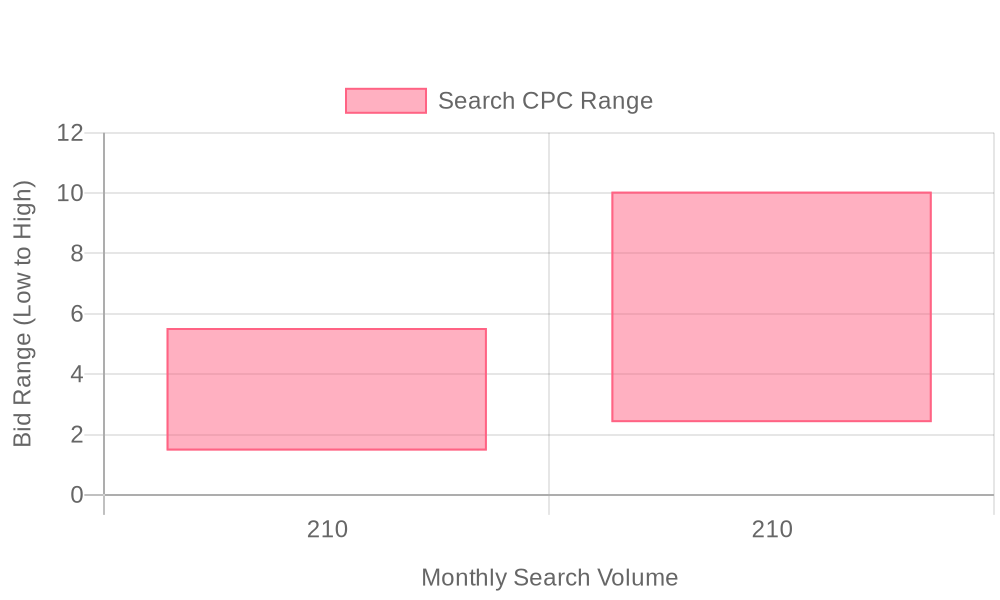
| Industry | Keyword | Monthly Search Volume | Competition Level | Low Bid | High Bid |
| Sewer Equipment Suppliers | sewer supplies | 210 | MEDIUM | 1.47 | 5.53 |
| Sewer Equipment Suppliers | sewer supplies near me | 210 | MEDIUM | 2.41 | 10.05 |
Effective keyword strategy is foundational for Google Ads for sewer equipment suppliers. Targeting high-intent terms such as "sewer jetter for sale near me" or specific model numbers ensures exposure to decision-makers who are ready to engage or purchase. These transactional queries drive qualified leads and reduce the noise from research-focused visitors, directly improving lead quality for B2B sales teams. For a deeper dive into effective strategies tailored specifically for plumbers and home service contractors, review this comprehensive guide on keyword matching options.
- Sewer equipment lead generation: Focus on keywords with commercial intent, pairing them with modifiers like “buy,” “supplier,” or geographic tags. This approach aligns ads with buyers actively searching for solutions, increasing the likelihood of conversion and shortening sales cycles. Explore more actionable tips and frameworks for optimizing campaigns in our marketing and attribution blog.
- Negative keyword integration: Incorporate negative keywords to screen out non-transactional searches like “DIY sewer repair” or “how to clean drains.” This tactic controls wasted spend and keeps campaigns focused only on revenue-driving prospects, not informational browsers. Learn how to enhance your targeting and attribution strategy with our best practices for B2B marketing reports.
- Location and audience specificity: Apply geographic and audience-based targeting to prioritize local service ads for plumbing suppliers. By leveraging real-time audience lists that update in real time as leads move through the funnel, marketers can ensure their reach remains highly relevant. This precision also allows for automated adjustments as new high-intent leads are identified, maintaining optimal campaign efficiency.
A unified data approach enables marketers to go beyond keyword targeting and segment audiences based on actual in-market behavior. When enriched lead and account data flows directly into campaign targeting, teams can automatically prioritize high-converting accounts and shift budgets toward the most valuable prospects using Sona Destinations. Unlock more agile, ROI-driven Google Ads strategies and streamline your sewer equipment advertising efforts, get started for free with Sona.
Step-by-Step Campaign Execution Framework

Modern B2B marketers expect clarity, accuracy, and measurable outcomes from their paid media investments. Sewer equipment suppliers face a unique challenge: ensuring each marketing dollar targets high-intent prospects while bridging fragmented data and maximizing ROI. Advanced PPC for sewer equipment allows suppliers to shift from generic outreach to precise, context-driven advertising that aligns with sales pipelines. For a comprehensive overview of Google Ads strategies tailored to this industry, review this guide for plumbing and home service contractors.
A unified, data-driven approach is crucial for online marketing for sewer suppliers, as it reduces waste and accelerates lead generation. By leveraging enriched account insights and real-time conversion data, teams can continuously refine targeting, messaging, and attribution, resulting in more closed deals and fewer missed opportunities. The following framework delivers a practical, stepwise method to elevate Google Ads strategies for suppliers.
Step 1: Build Targeted Keyword Lists
- Customer-Driven Keywords: Use industry jargon and the actual phrases buyers use when searching for sewer equipment. This results in more relevant clicks and higher conversion rates.
- Local and Negative Keywords: Apply geographic modifiers to reach buyers in designated territories. Integrate negative keywords to filter out unrelated searches, reducing spend on low-value traffic and keeping campaigns tightly focused.
- Solving Data Fragmentation: By connecting CRM and website data, marketers can identify the specific terms converting most often. This allows for continuous keyword refinement and enables dynamic audience updates as leads progress through the sales funnel.
With visitor identification and enriched account data, marketing teams can move beyond broad terms and build highly segmented keyword lists. This approach addresses both volume and intent, ensuring that campaigns for Google Ads for Sewer Equipment Suppliers attract the right prospects at the right time.
The upgrade most sewer equipment suppliers advertisers miss is going beyond raw keyword volume to layer in intent and identity signals. By connecting website-visitor data and CRM records with Sona Marketing Measurement, you can see which specific search terms bring in the accounts and customers that actually convert, and weight your keyword and bidding strategy toward those rather than the terms with the highest search volume alone.
Step 2: Develop Compelling Ad Copy
- Pain Points and Trust Signals: Focus ad headlines on the urgent challenges buyers face, such as equipment downtime or regulatory compliance. Integrate trust signals like certifications, years in business, or industry awards to build credibility instantly.
- Dynamic Relevance: Use dynamic keyword insertion to maintain message alignment and increase Quality Scores, enabling ads to resonate with each unique search query.
- Highlighting Incentives: Promote limited-time offers, free consultations, or downloadable guides tailored to sewer equipment buyers, driving click-through and lead engagement.
Leveraging real-time intent signals, advertisers can dynamically adjust messaging as prospects move through the funnel. This means ads for sewer equipment advertising are always relevant to the user's stage, increasing both engagement and conversion efficiency.
Step 3: Design Effective Landing Pages
- 1:1 Alignment: Create dedicated landing pages for each core service or product line, matching ad messaging precisely to the page content. This eliminates friction and keeps users focused on a single conversion goal.
- Conversion Optimization: Include clear, actionable CTAs such as "Request a Demo" or "Download Specifications," and ensure forms are short and intuitive. Use social proof, testimonials, and product images to build trust and urgency.
- Lead Follow-Up Acceleration: Sync lead data directly into CRM and sales platforms. This automation reduces lag in follow-up, increasing the chances of converting high-intent visitors while they are still engaged.
When landing pages and ad campaigns are unified with enriched audience and intent data, suppliers can measure true engagement and continuously test messaging for higher lead generation for plumbing and sewer equipment.
Step 4: Implement Data-Driven Optimizations
- Offline Conversion Integration: Import sales and pipeline data to refine bidding strategies, ensuring campaigns optimize not just for clicks, but for actual revenue-generating actions. This allows suppliers to pivot spend toward channels and keywords that drive the highest long-term value.
- Predictive Insights for Growth: Utilize predictive analytics to spot emerging trends, prioritize accounts showing intent, and update audience segments in real time. This solves the static list problem and ensures retargeting strategies stay current with buyer behavior.
- Attribution Across Touchpoints: Track every interaction, from the first click to offline sales conversations, to measure full-funnel ROI and inform future budget allocation.
By syncing enriched leads and activity directly into advertising and CRM platforms, sewer equipment suppliers gain a comprehensive view of their marketing impact. This empowers teams to make faster, smarter adjustments, maximizing every opportunity for growth in Google Ads for plumbing suppliers campaigns. Get started for free with Sona.
Sona Marketing Measurement closes the gap between clicks and revenue. It captures ad clicks with first-party measurement, then ties that click through UTM capture and ad-platform APIs to the actual record in your CRM, and reports ROAS by keyword and campaign instead of by last-click form fill. Feeding that revenue signal back into Smart Bidding and Performance Max compounds over time: the algorithms optimize toward booked sewer equipment suppliers revenue, not cheap leads.
Tips on Expanding Your Sewer Equipment Supplier Presence
Targeted expansion strategies are essential for sewer equipment suppliers aiming to capture a larger share of a highly specialized market. By integrating educational content, localized campaigns, and data-driven partnerships, suppliers position themselves to attract qualified buyers and stand out against less sophisticated competitors. For more insights on growth, explore our marketing, attribution, and demand generation blog.
- Promote educational resources: Offering guides, webinars, and technical documentation aligns with broader content marketing objectives, nurturing prospects at every stage of their buying journey. Educational resources not only foster trust but also drive organic visibility and prime audiences for targeted Google Ads for Sewer Equipment Suppliers, ensuring your brand stays top-of-mind as buyers progress from research to purchase.
- Use localized advertising: Hyperlocal campaigns allow suppliers to dominate select cities or regions, adapting bids and creative in real time as demand shifts. Leveraging visitor identification enables precise budget allocation towards high-converting accounts, while dynamic audience updates ensure that only prospects demonstrating purchase signals receive your most compelling offers.
- Collaborate with industry partners: Partnerships with adjacent service providers, distributors, or trade organizations can generate valuable referral traffic and fill gaps in account data. Seamless CRM and ad system sync ensures that enriched lead profiles flow directly into sales platforms, turning previously incomplete or outdated records into actionable revenue opportunities.
- Leverage search query data for new content themes: Analyzing actual search queries uncovers emerging trends and buyer concerns, guiding both SEO and online marketing for sewer suppliers. This process keeps campaigns relevant, boosts click-through rates, and informs future advertising strategies, while advanced tracking links offline conversations or pipeline milestones to digital touchpoints for accurate ROI measurement.
A disciplined approach to Google Ads, supported by unified data and real-time insights, helps sewer equipment suppliers cut wasted spend and generate consistent, qualified leads.
Beyond Google Ads: Winning the AI Answers Sewer Equipment Suppliers Buyers Now Trust
Paid search captures demand at the moment someone types a query. But a fast-growing share of sewer equipment suppliers buyers no longer start at Google at all, they ask ChatGPT, Gemini, or Perplexity before they ever run a search, and Google's own AI Overviews increasingly summarize an answer above the traditional results. If your business isn't referenced in those AI answers, you're invisible at the exact moment buyers build their shortlist.
Sona AI Visibility shows where your business shows up across ChatGPT, Gemini, Perplexity, Google AI Overviews, and 10+ engines, and, much like a keyword report, which prompts actually send you buyers, so you can prioritize the ones that convert. Run the two together and you cover the entire buyer path: get cited where buyers research (AI Visibility), then prove which of that demand turns into booked revenue (Marketing Measurement).
Helpful resources
Conclusion
Sewer equipment suppliers who treat Google Ads as a precision instrument, not a generic lead faucet, win the accounts that matter: the municipal contract with a compliance deadline, the contractor who needs a jetter by Friday. Getting there means matching keyword intent to buyer urgency, tightening ad copy and landing pages around the specific product line searched, and feeding real conversion data back into bidding so the algorithm learns what a closed deal looks like, not just a form fill.
The suppliers pulling ahead right now are the ones connecting their ad spend to which accounts actually close, then letting that signal shape bidding and targeting going forward. As buyer research increasingly starts in AI chat tools rather than a search box, the same discipline, know who's engaging and what turns into revenue, will decide who gets found next.
To see how data-driven strategies can sharpen your advertising, start for free and explore what's possible for your pipeline today.
FAQ
How can sewer equipment suppliers effectively use Google Ads?
Sewer equipment suppliers can use Google Ads to target decision-makers like procurement heads and facilities managers precisely when they're searching for specific solutions, intercepting potential buyers at their moment of need and bridging online and offline marketing efforts.
What budget should I allocate for Google Ads in the sewer equipment industry?
While the article does not specify an exact budget, it emphasizes the importance of precision targeting and maximizing ROI, suggesting that budgets should be aligned with high-value contracts and demand spikes.
What are the best practices for Google Ads targeting in plumbing?
Best practices include using audience targeting, leveraging geo-targeting features, and incorporating real-time intent data to ensure campaigns focus on high-intent leads, improving outreach quality and message relevance.
How do I measure the success of my Google Ads campaigns for sewer equipment?
Success can be measured through closed-loop measurement capabilities, integrating online and offline conversion tracking to gain a full view of ROI, and ensuring that every interaction is tracked to measure full-funnel ROI.
What keywords should I focus on for Google Ads in the sewer equipment sector?
Focus on high-intent terms such as 'sewer jetter for sale near me' or specific model numbers, and incorporate negative keywords to filter out non-transactional searches, improving lead quality and conversion rates.







