


A vintage denim jacket or a mid-century teak chair sells to the person searching for it that week, not the person who might stumble on it eventually. Second-hand inventory turns over fast and rarely repeats, which makes timing and targeting harder than in ordinary retail: miss the buyer's window and the item, and the sale, are gone. Google Ads solves for that by putting listings in front of shoppers at the exact moment they search for second-hand goods, closing the gap between curiosity and checkout. This guide walks through how to build that kind of campaign, one that drives both foot traffic and online sales for a resale business.
How to Generate Second-Hand Store Leads with Google Ads: A Step-by-Step Guide

Second-hand stores must compete for attention in a digital landscape filled with new and established retailers. A precise Google Ads strategy offers the opportunity to surface unique inventory to high-intent buyers, fueling lead generation and sustainable revenue growth.
Effective advertising for second hand goods hinges on accurate targeting, timely engagement, and seamless measurement across the funnel. By leveraging a unified approach, revenue teams can minimize wasted budget and focus on prospects with immediate purchase intent. Google Shopping Ads provides a channel for surfacing second-hand products to active shoppers.
- Data-driven Strategies For Targeting Second-hand Buyers: Identifying and segmenting high-value buyers is essential for second hand stores. With advanced visitor identification layered onto Google Ads, marketers can pinpoint not only anonymous traffic but also reveal the companies and individuals most engaged with their listings. Sona's Identity Resolution helps reveal highly engaged visitors, enabling priority targeting and nurturing of top prospects.
- Alignment Of Ads And Landing Pages For Optimal Conversion: Relying on generic ad copy or non-specific landing pages often leads to missed conversion opportunities. By aligning ad messaging with user intent and personalizing landing pages based on behavioral signals, second hand retailers drive relevance and increase conversion rates. Using real-time data flows, campaigns dynamically match each user’s search with curated inventory and relevant offers, reducing friction and improving engagement.
- Optimization Techniques Using Intent Signals: Understanding in-market behavior transforms campaign performance. For second-hand stores, that behavior often looks like repeat visits to a specific category page, such as vintage outerwear ahead of winter, or a return trip to a listing that was almost bought. Real-time intent monitoring lets marketers shift budget toward those segments as they browse or add items to their carts, and dynamic audience lists update automatically within Google Ads, making retargeting more precise and timely. This builds on the strategies outlined in the Intent Retargeting Guide.
- Cross-channel Integration For A Cohesive Marketing Approach: Isolated campaigns limit insight and slow down response times. Integrating Google Ads with CRM and other marketing platforms enables second hand stores to sync enriched audiences, update lead statuses, and orchestrate messaging across channels. Thrift Store Marketing provides a deeper look at integrating digital and in-store campaigns for maximum ROI.
Why Does Google Ads Matter for Second-Hand Stores

Second-hand stores operate in a highly dynamic market where inventory turnover, consumer demand, and regional trends shift rapidly. Leveraging Google Ads gives these retailers the agility to engage digital-first shoppers who actively seek unique items, bargains, or sustainable shopping experiences.
- Engage Specialized Audiences: Google Ads enables precise targeting of shoppers searching for rare, vintage, or gently used products, improving campaign engagement and reducing wasted spend on generic audiences. Advanced campaign segmentation allows marketers to build creative tailored to collectors, eco-conscious buyers, or deal hunters, maximizing relevance and click-through rates for every ad impression. By identifying not just anonymous clicks but actual visitors and companies, marketers can adapt content and offers to the true intent behind each search. Sona's Identity Resolution helps retailers recognize valuable web visitors and act on meaningful signals in real time.
- Respond To Inventory And Demand Shifts: Second-hand inventory is inherently unpredictable, with product availability changing daily or even hourly. Google Ads’ real-time controls allow campaigns to pause, promote, or highlight stock as it moves, ensuring ads reflect what’s truly available. With a data platform that tracks real-time in-market behavior, retailers can shift budget toward high-converting accounts or trending product categories as soon as demand spikes, eliminating wasted impressions and improving conversion rates. Shopping case studies provide a deeper look at how merchants adapt their campaigns to fast-moving inventory.
- Reach Underserved And Emerging Markets: Many resale and thrift stores thrive on local or regional demand that larger brands overlook. Through geo-targeted campaigns, store owners can advertise second hand goods to specific zip codes, neighborhoods, or cities where demand is highest. Enhanced audience building ensures that as leads progress, from interest to visit to purchase, messaging and ad frequency evolve automatically. Dynamic audience updates and CRM syncing empower marketers to nurture prospective buyers across the entire funnel, delivering relevant offers to the right segment at the right time.
With unified online and offline attribution, second-hand retailers can connect ad spend directly to both digital transactions and in-store visits, finally gaining a complete view of true ROI. For more insights on maximizing paid media impact, check out our guide on Boost Google Ads ROAS. This data-driven approach transforms online thrift store marketing from guesswork into a measurable, scalable growth engine.
Common Types of Google Ads Campaigns for Second-Hand Stores

Second-hand stores operate in an environment where brand visibility, timely engagement, and targeted acquisition drive measurable results. Leveraging Google Ads unlocks multiple campaign formats that address these objectives, each tailored to unique marketing hurdles commonly faced in resale retail.
- Search Campaigns: These campaigns target high-intent audiences actively searching for second-hand goods, vintage apparel, or specific used items. Effective search initiatives rely on precise keyword lists and robust negative keyword management to capture only the most qualified leads, often served as responsive search ads that test multiple headlines against real buyer queries. By integrating visitor identification and real-time intent data, marketers can pinpoint which prospects are most likely to convert and adjust bidding strategies accordingly, ensuring ad spend is focused on accounts demonstrating clear purchase motivation. Sona's Identity Resolution helps reveal which visitors are actively considering a purchase, enabling smarter targeting for high-intent search campaigns.
- Display Ads: Display campaigns keep your store top-of-mind across a broad network of relevant sites, supporting brand recognition long before a purchase decision is made. This approach is particularly valuable for second-hand and thrift stores looking to build trust and credibility among new audiences. Thrift store marketing provides a deeper look at this trend and how display campaigns fit into the broader digital marketing mix.
- Video Ads: Video advertising lets stores showcase unique inventory with high visual appeal, from limited-edition collectibles to rapidly trending styles. Video formats excel at storytelling and giving personality to used goods, which often require more context or emotional resonance than new products. Leveraging in-market behavior signals, marketers can shift budget toward segments who have engaged with similar items or recently expressed interest in specific categories, maximizing video ad ROI and engagement rates.
- Remarketing: Remarketing campaigns re-engage visitors who previously interacted with your online thrift store but did not convert. By syncing enriched audience data and recent lead activity from CRM systems directly into Google Ads, remarketing lists remain accurate and highly targeted. Advanced conversion tracking, including both online and in-store visits, helps attribute revenue to the right campaigns and refine messaging to win back interested shoppers. This approach is essential for reducing sales cycle friction and maintaining momentum with prospects who need extra touchpoints before making a purchase.
Where to Find Growth Opportunities

Second hand stores navigating the digital landscape can unlock growth by focusing on precise, intent-driven marketing strategies tailored to their unique inventory. Success depends on identifying segments and channels that deliver incremental reach and actionable engagement rather than relying on broad, generic campaigns.
- Niche Keyword Targeting: Prioritize keyword research that narrows in on specific descriptors such as “vintage 1980s denim jackets,” “mid-century modern teak chairs,” or “authentic used designer handbags.” This approach surfaces high-intent buyers who are actively searching for unique products, minimizing wasted spend on broad keywords that attract less qualified traffic. By refining keyword lists and aligning ad groups to distinct product types, marketers can outpace competitors using broad match terms and improve campaign efficiency for Google Ads tips for second hand stores.
- Competitor Analysis For Segment Discovery: Conduct a comprehensive review of other second hand and thrift retailers’ online advertising. This includes analyzing their ad copy, landing pages, and visible targeting strategies. Look for underserved niches, such as rare collectibles, region-specific vintage, or upcycled goods, that your competitors neglect. Use these insights to design campaigns that fill market gaps, positioning your store as the go-to source for specialized inventory. For more on leveraging visitor insights, check out our guide on website visitor intelligence.
- Content Retargeting For Deeper Engagement: Retarget shoppers based on their browsing and content consumption patterns, not just abandoned carts. Segment audiences by the categories or guides they interact with, such as “how to buy authentic vintage watches” or “restoration tips for antique furniture.” Dynamic audience management ensures these segments are always current, letting you deliver personalized follow-ups as leads progress through your funnel. By syncing enriched audience data and engagement signals directly into advertising platforms, second hand stores maximize relevance while increasing the odds of repeat visits and conversions.
Integrating advanced visitor identification and real-time intent data into these strategies allows second hand stores to move beyond anonymous web traffic, shifting budget toward high-converting accounts as soon as they demonstrate buying signals. Sona's Identity Resolution reveals which businesses are visiting your site, supporting smarter budget allocation and more effective second hand store advertising strategies.
How to Apply Audience Segmentation for Second-Hand Stores
Precise audience segmentation unlocks greater relevance and ROI for second-hand stores, matching each campaign to the right shoppers at the right moment. By analyzing customer behaviors and preferences, revenue teams can personalize messaging, offers, and ad creative for maximum impact throughout the buyer journey.
- Define Key Customer Segments: Identify and profile high-value groups such as sustainable shoppers, vintage collectors, or deal hunters. Each segment responds to unique value drivers: eco-conscious buyers prioritize sustainable sourcing and transparent supply chains, while bargain seekers engage with flash sales and limited-time discounts. Mapping these segments with clear criteria helps align ad messaging and creative with what matters most to each audience. Marketing strategies for thrift stores provides practical approaches for segmenting and engaging these audiences effectively.
- Overlay Intent Signals And Seasonality: Layering in-market intent indicators, such as recent website visits, engagement with specific product categories, or peak seasonal demand windows, ensures campaigns remain responsive to active shoppers. For example, targeting users who browse winter coats in November or vintage furniture during spring estate-sale season improves ad relevance and conversion rates. Sona surfaces intent signals to help marketers capture these real-time behaviors, allowing budgets to shift automatically toward segments showing immediate buying intent.
- Customize Ad Groups For Relevance: Develop ad groups tailored to the priorities and triggers of each audience segment. For sustainable shoppers, highlight certifications or eco-friendly materials in headlines and descriptions. For deal hunters, showcase price drops or "last chance" offers. Dynamic audience management ensures these groups update as leads move through the funnel, keeping campaigns accurate and maximizing engagement. By syncing enriched audience data directly from CRM systems into ad platforms, second-hand stores ensure their Google Ads reflect both online and in-store interactions, supporting more granular optimization and comprehensive attribution.
Implementing advanced audience segmentation transforms second hand store advertising strategies. Teams can identify visitors at the company and contact level, sync these enriched audiences with Google Ads or Salesforce, and tailor touchpoints as prospects progress toward conversion. This builds on the strategies outlined in our Retargeting guide, enabling second-hand retailers to scale sustainable growth in a competitive landscape.
This is also where measurement changes the economics. With Sona Marketing Measurement you can identify the companies and buyers behind your ad clicks, not just anonymous sessions, and segment audiences by who actually becomes a customer. That lets you build bid adjustments and audience signals around the segments that convert and de-prioritize the ones that don't, so you feed Google's algorithms "this click became a paying second hand stores customer" instead of just "someone filled out a form."
Keyword Strategy & Sample Target Terms
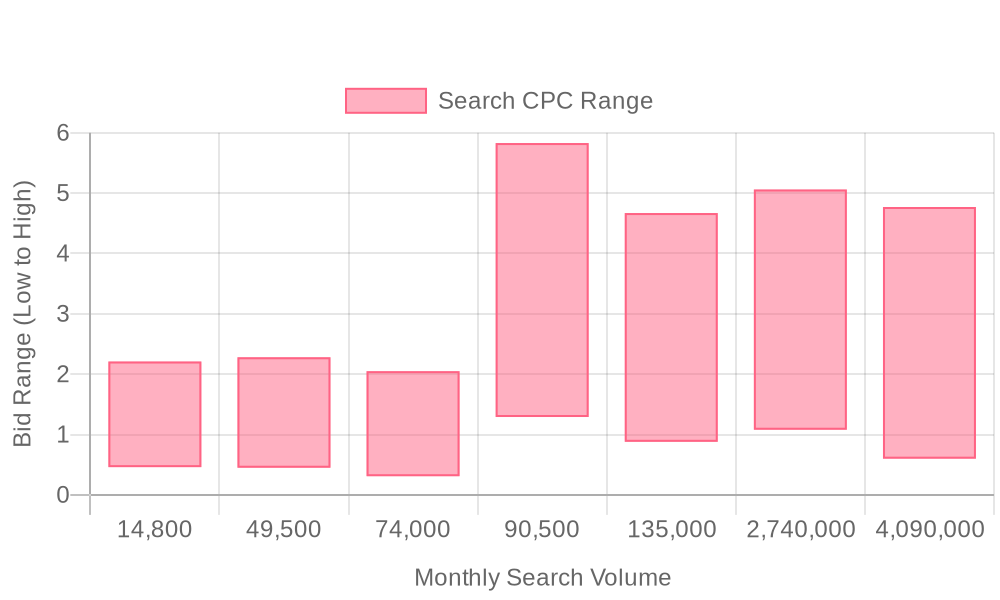
| Industry | Keyword | Monthly Search Volume | Competition Level | Low Bid | High Bid |
| Second Hand Stores | second hand furniture near me | 14800 | MEDIUM | 0.46 | 2.21 |
| Second Hand Stores | used furniture stores near me | 49500 | MEDIUM | 0.45 | 2.28 |
| Second Hand Stores | used furniture near me | 74000 | MEDIUM | 0.31 | 2.05 |
| Second Hand Stores | second hand stores | 90500 | LOW | 1.29 | 5.83 |
| Second Hand Stores | thrift shops near me | 135000 | LOW | 0.88 | 4.67 |
| Second Hand Stores | thrift store | 2740000 | LOW | 1.08 | 5.06 |
| Second Hand Stores | thrift stores near me | 4090000 | LOW | 0.6 | 4.77 |
A precise keyword strategy is the backbone of high-performing Google Ads for second hand stores. Targeting terms like "Google Ads for thrift stores," "PPC for second hand shops," and "Google Shopping ads for used items" captures buyers actively searching for pre-owned products, maximizing campaign relevance and conversion potential. These keywords reflect strong purchasing intent, ensuring ad spend reaches consumers ready to buy rather than those only browsing. Google Shopping ads provides a deeper look at this trend.
To further refine performance, focus on building negative keyword lists that exclude searches with low intent or unrelated queries, such as "free," "DIY," or "how to donate." This practice filters out unqualified traffic, protecting budget and ensuring every click has a higher chance of driving value. By consistently analyzing search query reports, marketers can identify emerging negative keywords and fine-tune targeting for sustained efficiency. For more insights on increasing ad efficiency, check out our guide on Google Ads ROI.
Sona enables marketers to move beyond surface-level keyword targeting by linking CRM and behavioral data to ad campaigns. This approach allows revenue teams to identify high-intent accounts and sync enriched audience segments directly into Google Ads. As a result, ads dynamically reach prospects most likely to convert, and budgets are automatically shifted toward top-performing audiences as in-market intent changes. Platforms like Sona Audiences are designed to help you find and engage your most valuable segments, driving measurable ROI for second hand store advertising strategies.
Step-by-Step Campaign Execution Framework
Modern second-hand stores can elevate growth by structuring digital ad campaigns around precision, consistency, and actionable data. Teams that align messaging, tracking, and user experience at every campaign touchpoint see greater ROI and more efficient lead management.
A robust execution framework not only drives more qualified traffic but also empowers revenue teams to act on real buyer intent. The following steps detail a proven process for running high-converting Google Ads for second hand stores. One analysis in Google Shopping case studies explores how strategic campaign frameworks drive measurable improvements in e-commerce performance.
Step 1: Build Targeted Keyword Lists
Effective keyword selection is fundamental when driving Google Ads for thrift stores and resale shops. Start by compiling granular lists focused on your most profitable categories, such as "vintage denim jackets," "used designer handbags," and "mid-century modern furniture." Localize queries to attract shoppers in your service area by incorporating geo-specific phrases like "second hand store near [city]" or "thrift furniture in [neighborhood]." Utilize negative keywords to filter out irrelevant searches, such as "free," "DIY," or "replica," ensuring the ad budget stays focused on buyers with real purchase intent.
Sona enables marketers to move beyond anonymous traffic data, connecting keyword performance to real visitor identities and company profiles. Sona's Identity Resolution helps reveal which search terms are driving high-value leads, allowing teams to optimize spend and messaging around those that correlate with actual conversions.
The upgrade most second hand stores advertisers miss is layering intent and identity signals on top of raw keyword volume. By connecting website-visitor data and CRM records with Sona Marketing Measurement, you can see which specific search terms bring in the accounts and customers that actually convert, and weight your keyword and bidding strategy toward those rather than the terms with the highest search volume alone.
Step 2: Write Engaging, Action-Oriented Ad Copy
Compelling ad copy must speak directly to common friction points in second hand store advertising strategies, such as slow response times or lack of inventory transparency. Highlight solutions to these pain points with phrases like “Instant inventory updates” or “Same-day pickup available.” Integrate time-sensitive offers, “20% off first purchase today”, to prompt immediate action and differentiate your store in crowded search results.
With Sona’s real-time intent signals, marketers can quickly identify which ad variations are resonating with in-market buyers. This builds on the strategies outlined in Retargeting Playbook, allowing for rapid creative iteration and alignment with audiences demonstrating active buying intent.
Step 3: Build Purpose-Driven Landing Pages
Landing pages should provide a seamless transition from ad to site, reinforcing the promise made in your copy and supporting users with clear next steps. For online thrift store marketing, prioritize mobile-friendly layouts, large product imagery, and straightforward CTAs such as “Reserve Now” or “Book a viewing.” Address the need for prompt and accurate follow-up by integrating features like live chat or instant inquiry forms, helping visitors feel valued and attended to from the outset.
Sona's advanced attribution and conversion tracking ensures every interaction, including form fills, calls, and in-store visits, is captured and attributed to the correct campaign and ad group. Conversion Attribution gives teams clarity to prioritize follow-up with leads demonstrating the highest value, maximizing the impact of each touchpoint.
Step 4: Optimize Performance with Data-Driven Testing
Continuous optimization is essential for sustainable results in PPC for second hand shops. Implement regular split testing of ad creative, targeting, and landing pages to identify what drives the best conversion rates. Use campaign data to adjust bids, allocate budget to top-performing segments, and pause underperforming assets. Google Ads Tips provides a deeper look at this trend and offers actionable testing strategies for retailers.
Integrating Sona into this workflow enables dynamic audience updates as leads move through the funnel. Audience lists automatically sync between Google Ads, your CRM, and sales platforms, ensuring ads and follow-up communications are always relevant to the lead’s current stage. This reduces wasted spend, boosts engagement, and delivers a measurable lift in overall campaign ROI for advertising second hand goods.
Sona Marketing Measurement closes the gap between clicks and revenue. It captures every ad click with first-party measurement, ties that click through UTM capture and ad-platform APIs to the actual record in your CRM, and reports ROAS by keyword and campaign instead of by last-click form fill. Feeding that revenue signal back into Smart Bidding and Performance Max compounds over time: the algorithms optimize toward booked second hand stores revenue, not cheap leads.
Tips on Expanding Your Second-Hand Store Presence

Second-hand store operators are navigating a highly competitive market where digital presence and tailored outreach determine growth. Success depends on leveraging data-driven tactics that zero in on the right audiences while maximizing budget efficiency. Thrift store marketing provides a deeper look at this trend and offers actionable tips for standing out in a crowded market.
- Educational Retargeting Ads: Move beyond standard remarketing by delivering tailored educational content to past visitors. Instead of generic promotions, segment your audience by recent on-site behavior and deliver ads addressing their unique questions or hesitations about secondhand purchases. With unified visitor identification and real-time intent data, you can identify which companies and individuals are most likely to convert, then launch retargeting sequences that nurture them through the funnel. Platforms like Sona Audiences are designed to help you attract high-value visitor segments with precision, ensuring your campaigns reach the most relevant shoppers.
- Localized Campaign Strategies: Targeting by region is crucial for second-hand stores, especially when inventory or demand varies by geography. Use localization to tailor creative, offers, and inventory displays for each market. Tap into dynamic audience features to adjust your ad groups as local demand changes, when a specific category spikes in a city or neighborhood, shift budget accordingly for maximum impact. Integrating advanced conversion tracking ensures every local action, including in-store visits and offline purchases, is attributed back to the campaign, revealing true ROI at the market level.
- Community-driven Influencer Partnerships: Second-hand stores thrive on authenticity and local trust. Partner with neighborhood influencers, sustainability advocates, or relevant associations to amplify your presence within the community. Go further than surface-level collaborations by activating real-time CRM + ad sync workflows: as new leads engage with influencer content, they are seamlessly enriched and segmented for follow-up Google Ads campaigns. For more insights on partnership attribution, check out our guide on revenue attribution.
Beyond Google Ads: Winning the AI Answers Second Hand Stores Buyers Now Trust
Paid search captures demand at the moment someone types a query. But a fast-growing share of second hand stores buyers no longer start at Google at all, they ask ChatGPT, Gemini, or Perplexity before they ever run a search, and Google's own AI Overviews increasingly summarize an answer above the traditional results. If your business isn't referenced in those AI answers, you're invisible at the exact moment buyers build their shortlist.
Sona AI Visibility shows where your business shows up across ChatGPT, Gemini, Perplexity, Google AI Overviews, and 10+ engines, and, much like a keyword report, which prompts actually send you buyers, so you can prioritize the ones that convert. Run the two together and you cover the entire buyer path: get cited where buyers research (AI Visibility), then prove which of that demand turns into booked revenue (Marketing Measurement).
Helpful resources
Conclusion
A resale business wins on Google Ads by treating inventory like the perishable asset it is: matching listings to searchers fast, before the item sells or the season turns. Targeting high-intent keywords, segmenting audiences by what they actually browse, and keeping landing pages current all serve that one goal.
The stores that pull ahead treat every click as a chance to learn something: which categories are heating up, which searches turn browsers into buyers, which touchpoints actually deserve budget. Build that feedback loop once, and it keeps paying out as inventory turns over.
FAQ
How do I set up Google Ads for my second-hand store?
To set up Google Ads for your second-hand store, focus on building targeted keyword lists, writing engaging ad copy, creating purpose-driven landing pages, and optimizing performance through data-driven testing. Utilize platforms like Sona for visitor identification and intent data to enhance targeting and budget allocation.
What are the best practices for Google Shopping ads for second-hand items?
Best practices for Google Shopping ads for second-hand items include accurate targeting, aligning ads with landing pages, leveraging real-time intent signals, and integrating cross-channel marketing strategies to maximize engagement and ROI.
How much should I budget for Google Ads for a thrift store?
The budget for Google Ads for a thrift store should focus on high-intent audiences and optimize spend by using precise targeting and keyword strategies to ensure every click is valuable, minimizing wasted spend.
What types of ads work best for second-hand retail?
Search campaigns, display ads, video ads, and remarketing are effective for second-hand retail, each tailored to engage specific audiences and improve brand visibility and conversion rates.
How can I optimize my Google Ads for used goods?
Optimize Google Ads for used goods by using intent signals for precise targeting, aligning ads with user intent and landing pages, and integrating CRM data to tailor messaging and improve retargeting efforts.







