


A cracked load cell or a drifting calibration doesn't wait for business hours, and the facility manager dealing with it searches Google the moment it happens. Google Ads matters for scale repair businesses precisely because it catches that moment: a plant is down, a certification deadline is looming, a scale has failed an audit, and someone is typing that problem into a search bar right now. Missing that instant means losing the job to whichever competitor shows up first. Done well, Google Ads bridges the gap between broader brand awareness and the sales conversation, giving repair companies a way to reach real decision-makers exactly when they're ready to act, capture the lead, and turn it into a booked service call.
How to Generate Leads for Scale Repair with Google Ads: A Step-by-Step Guide
A focused Google Ads strategy empowers scale repair businesses to capture in-market leads precisely when decision-makers begin their search. Executing a data-driven approach ensures every ad dollar works harder, targeting only those most likely to convert. For a comprehensive overview of successful scaling approaches, check out this guide to scaling Google Ads campaigns.
Integrate Google Ads into your marketing by identifying keywords that mirror the intent of facility managers and operations leaders. Building campaigns around phrases like "industrial scale repair near me" or "emergency scale calibration" intercepts buyers as they evaluate service partners. Address the challenge of tracking anonymous web traffic with Sona's Identity Resolution, which surfaces the companies and decision-makers engaging with your site. This lets scale repair firms refine campaigns, shifting budget and messaging toward the audiences showing real purchase intent.
Leverage audience targeting to reach the professionals responsible for maintenance contracts and equipment reliability. Advanced audience insights allow marketers to go beyond basic demographics, layering in real-time firmographic and behavioral data. Dynamic audience segments update as leads progress through the funnel, ensuring retargeting efforts always reflect the most current engagement. Integrating CRM and ad platforms streamlines this process, enabling unified, up-to-date audience sync between Google Ads and your internal lead databases for immediate follow-up.
Landing page optimization is critical for converting ad clicks into qualified scale repair leads. Instead of relying on generic pages, tailor landing experiences to the specific keywords and job functions targeted by each campaign. Personalized messaging and relevant case studies speak directly to facility managers’ concerns, increasing both conversion rates and lead quality. Connecting Google Ads campaigns to these segmented landing pages ensures every interaction delivers value, moving prospects efficiently from click to consultation.
Performance tracking completes the loop, enabling continuous improvement of your Google Ads for scale repair campaigns. Advanced analytics provide a full view of both online and offline conversions, linking ad spend to real service contracts. With precise attribution, you can identify which keywords, audiences, and landing pages drive the highest ROI. Prioritizing these insights lets revenue teams double down on what works, scaling campaigns without guesswork and keeping resources aligned to the most profitable jobs.
Why does Google Ads matter for Scale Repair
Google Ads enables scale repair businesses to meet precise buyer intent at the exact moment of need. This unlocks measurable advantages for acquiring high-value commercial contracts, reducing wasted spend, and outperforming slower-moving competitors. For additional strategies on scaling your campaigns, explore this comprehensive guide to scaling Google Ads.
- Specialized Audience: Scale repair services require reaching decision-makers like facilities managers, operations directors, or plant technicians who are actively seeking repair solutions. Google Ads delivers this through granular keyword targeting and intent-based audience segmentation, ensuring only the most relevant prospects see your offer. With integrated visitor identification, marketers can pinpoint which companies are visiting landing pages, moving far beyond generic web traffic to actionable account-level engagement.
- High-Value Projects: Many scale repair opportunities involve substantial investments and complex service agreements. Google Ads allows campaigns to focus on high-ticket keywords such as “industrial scale repair” or “certified scale calibration,” intercepting buyers before they contact competitors. When combined with real-time intent signals, marketers can dynamically shift budget toward accounts showing strong purchase readiness and prioritize immediate follow-up, securing larger deals and reducing sales cycle friction.
- Immediate Demand: The scale repair industry often operates in urgent, high-stakes scenarios where equipment downtime is costly. Google Ads empowers teams to deploy rapid-response bidding strategies for “emergency scale repair” searches, connecting with buyers at the precise moment they are ready to act. By leveraging dynamic audience updates, campaigns can adjust messaging for leads progressing through the funnel, while syncing enriched audience data and leads into Google Ads and CRM platforms ensures no urgent opportunity is lost due to slow handoffs or incomplete data.
Common Types of Google Ads Campaigns for Scale Repair Services
Most scale repair advertisers run some mix of Search, Display, Video, and Performance Max. Performance Max is worth calling out on its own: it pools Search, Display, YouTube, and Discover inventory into a single Google-managed campaign that automates bidding and placement using your conversion data, useful once you have enough conversion volume to give the algorithm something to learn from. Responsive Search Ads, meanwhile, aren't a separate campaign type at all, they're an ad format within Search campaigns that tests combinations of headlines and descriptions to find what resonates with buyers searching for repair services.

- Search Campaigns: Search campaigns are essential for scale repair providers aiming to capture high-intent demand. By appearing directly in response to service-related queries, you intercept prospects actively seeking solutions, which maximizes the efficiency of your ad spend. Leveraging account-level granularity, marketers can segment campaigns by repair type, urgency, or even location, ensuring every click is both relevant and actionable. When integrated with advanced visitor identification and real-time intent data, campaigns can dynamically shift budget toward high-value accounts, increasing both conversion rates and Google Ads ROI.
- Display Ads: Display campaigns extend your brand’s presence across relevant industry websites and platforms. For scale repair services, this fosters ongoing awareness among both decision-makers and facility managers who may not be in-market today but represent future demand. With sophisticated audience-building, display ads can continuously update targeting as leads move through the funnel, syncing enriched segments from CRM or marketing automation tools directly into Google Ads. This enables precise retargeting and ensures that your messaging remains aligned with where each prospect is in their buying journey. For additional tips, explore the Sona blog.
- Video Ads: Video ads enable scale repair companies to visually demonstrate technical expertise and reliability, building trust with both prospects and existing clients. Instructional or testimonial videos can address common pain points, showcase repair processes, or highlight compliance with industry standards. By measuring engagement and syncing offline conversions, marketers gain a complete view of video-driven inquiries, allowing for both granular performance analysis and attribution. To see video scaling strategies in action, check out this video tutorial.
Where to Find Growth Opportunities

Growth in scale repair services relies on precise targeting and continuous optimization. Teams that leverage a data-driven approach can identify untapped segments, respond to shifting demand, and maximize ROI.
- Vertical Keywords: Focusing on high-intent vertical keywords, such as "industrial scale calibration" or "commercial scale maintenance," positions your campaigns directly in front of decision-makers searching for specialized repair solutions. Integrating these terms across ad groups and landing pages captures niche demand and drives qualified leads, while dynamic keyword expansion ensures ongoing relevance as industry trends evolve.
- Competitor Gap Analysis: Analyzing competitor ad placements and keyword coverage pinpoints areas where rivals underperform or lack presence. By mapping these gaps to your own offering, you can deploy targeted ads that reach overlooked prospects, often at a lower cost per click. With advanced audience enrichment and real-time visitor identification, revenue teams can go beyond surface-level engagement, uncovering which companies repeatedly visit your site but have not yet converted. This empowers more strategic budget allocation and sharper creative messaging.
- Content Retargeting: Nurturing prospects who have engaged with educational resources or product pages but failed to convert is essential. Retargeting with value-driven content, such as maintenance checklists or cost-saving guides, keeps your brand top-of-mind while addressing common obstacles in the buyer journey. Solutions that dynamically update audience lists as leads interact with new assets ensure that only the most relevant prospects receive tailored messaging. Unified online and offline attribution clarifies which retargeting assets contribute directly to booked scale repair jobs, refining future investment for greater efficiency.
Ready to uncover hidden segments and drive more qualified leads? Get started for free with Sona.
How to Apply Audience Segmentation for Scale Repair

Precise audience segmentation is foundational for scale repair businesses aiming to maximize their Google Ads ROI. Structuring campaigns around the real needs and behaviors of target industries, rather than broad or generic targeting, drives stronger engagement and conversion rates.
- Define Segments: Start by mapping out the industries most likely to require scale repair, such as logistics, manufacturing, food processing, and pharmaceuticals. Each of these sectors brings its own compliance standards, operational priorities, and urgency levels. Segmenting campaigns by industry allows messaging, ad copy, and offers to be tailored, increasing relevance and preventing wasted spend on poorly matched audiences. For example, a campaign for logistics firms should address downtime costs and rapid response, while campaigns for food processing companies should emphasize compliance and calibration. To deepen your segmentation approach, explore audience segmentation best practices specifically designed for B2B teams.
- Overlay Intent Signals: Analyze search behaviors and digital footprints to pinpoint potential clients actively seeking scale repair services. Identifying terms like "industrial scale repair near me," "emergency calibration," or "certified commercial scale maintenance" allows for more accurate targeting. Sona surfaces intent signals on top of industry segmentation to ensure ads reach procurement managers or operations leads at the moment they're most likely to convert. Real-time intent data improves budget efficiency and boosts lead quality by intercepting high-value accounts before competitors have a chance to engage.
Integrating advanced platforms allows marketers to go beyond anonymous clicks and impressions. Visitor identification tools reveal which companies are researching repair services, enabling immediate outreach and tailored follow-up. As leads interact with ads, dynamic audience lists automatically update, ensuring messaging remains relevant as prospects move through the funnel. For further insight on scaling your campaigns, check out this guide to scaling Google Ads.
This is also where measurement changes the economics. With Sona Marketing Measurement you can identify the companies behind your ad clicks, not just anonymous sessions, and segment audiences by which accounts actually become customers. That lets you build bid adjustments and audience signals around the segments that convert and de-prioritize the ones that don't, so you feed Google's algorithms "this click became a paying scale repair customer" instead of just "someone filled out a form."
Keyword Strategy & Sample Target Terms
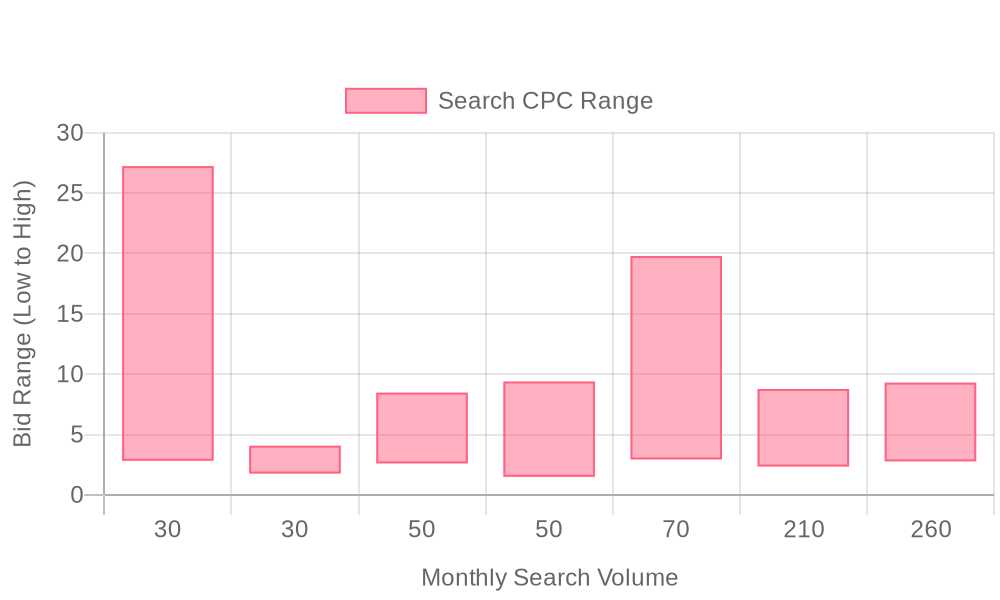
| Industry | Keyword | Monthly Search Volume | Competition Level | Low Bid | High Bid |
| Scale Repair | scale repair and calibration | 30 | LOW | 2.83 | 27.24 |
| Scale Repair | weighing scale repair near me | 30 | LOW | 1.77 | 4.07 |
| Scale Repair | scale repair and calibration near me | 50 | LOW | 2.61 | 8.47 |
| Scale Repair | mettler toledo scale repair | 50 | LOW | 1.5 | 9.39 |
| Scale Repair | scale repair services near me | 70 | LOW | 2.94 | 19.79 |
| Scale Repair | scale repair near me | 210 | LOW | 2.35 | 8.77 |
| Scale Repair | scale repair | 260 | LOW | 2.78 | 9.3 |
Precision in keyword selection directly influences the efficiency and ROI of Google Ads for scale repair providers. By leveraging a structured keyword strategy, B2B revenue teams efficiently allocate budget to prospects most likely to convert, maximizing every dollar spent.
- High-Intent Terms: Prioritize service-specific phrases such as “commercial scale repair,” “industrial scale calibration,” or “emergency scale troubleshooting.” These keywords capture buyers with urgent needs and clear intent, allowing ads to intercept decision-makers at the exact moment they are ready to engage or request a quote. Targeting high-intent terms ensures your ad budget focuses on leads with strong purchase signals, not just casual browsers.
- Niche Keywords: Expand reach with specialized terms related to unique industry requirements, such as “ISO certified scale repair” or “NTEP compliance calibration.” These niche keywords connect you with prospects searching for tailored solutions, ensuring your ads resonate with buyers who demand specific expertise. This approach supports deeper engagement, reduces irrelevant clicks, and positions your offerings as the best-fit solution for complex B2B scenarios.
- Negative Keywords: Actively exclude irrelevant queries like “bathroom scale DIY” or “digital kitchen scale replacement.” Filtering out unrelated traffic prevents budget waste and elevates conversion rates, ensuring that only qualified commercial or industrial prospects see your ads. A robust negative keyword list eliminates distractions and focuses your campaign on revenue-generating opportunities.
Modern B2B marketers can amplify the impact of these keyword strategies by layering real-time intent data to dynamically adjust bidding and audience targeting. With unified go-to-market data, it becomes possible to identify which companies and decision-makers are actively searching for scale repair services. This enables revenue teams to shift ad spend to high-converting segments and continually refine audience lists as leads move through the funnel, all while measuring true ROI across online and offline touchpoints. When CRM and ad platforms are seamlessly synced, enriched audiences and lead data flow effortlessly into Google Ads campaigns, supporting smarter targeting and more effective retargeting strategies. This holistic approach drives higher conversion rates and sustainable performance improvements in a competitive scale repair market.
Step-by-Step Campaign Execution Framework
Step 1: Build Targeted Keyword Lists
Effective Google Ads for Scale Repair campaigns begin with robust keyword research. Identifying search terms that reflect both service urgency and specific repair needs places your ads in front of high-intent users. Go beyond generic phrases by prioritizing terms that reveal competitive gaps: for example, "industrial scale repair near me," "calibration service for warehouse scales," or "emergency scale troubleshooting." Analyze search trends and competitor gaps to surface keywords competitors miss, allowing you to capture overlooked demand and improve Google Ads ROI.
To further refine your targeting, leverage platforms that surface visitor-level data. With Sona's Identity Resolution, you can see which companies are landing on your site and their engagement patterns, helping filter out low-quality clicks and double down on keywords generating qualified traffic. This shifts budget toward audiences most likely to convert, elevating Google Ads performance in a crowded market.
The upgrade most scale repair advertisers miss is going beyond raw keyword volume to layer in intent and identity signals. By connecting website-visitor data and CRM records with Sona Marketing Measurement, you can see which specific search terms bring in the accounts and customers that actually convert, and weight your keyword and bidding strategy toward those rather than the terms with the highest search volume alone.
Step 2: Develop High-Trust, Urgency-Focused Ads
Craft ad copy that signals reliability, expertise, and fast response. For scale repair, trust signals such as "certified technicians," "24/7 emergency service," and "guaranteed calibration" address customer anxiety and shorten decision cycles. Emphasizing urgency in your messaging meets the immediate needs of prospects searching for fast, dependable service.
Dynamic audience integration takes this a step further. By syncing real-time audience and intent data from your CRM directly with Google Ads, you can serve personalized messages to leads as they progress through the buying journey. This ensures your ads remain relevant whether the prospect is in initial research or ready to book a repair, enhancing both immediate lead generation and long-term brand value.
Step 3: Align Landing Pages for Seamless Journeys
Landing page experience is a critical link between ad click and conversion. For scale repair, ensure landing pages match the ad’s promise, reinforce key trust indicators, and provide direct paths to conversion, such as click-to-call buttons for urgent service or short forms for quote requests. Consistency in messaging and design minimizes friction, preventing leads from cooling during the transition from ad to site.
With advanced attribution and real-time visitor tracking, you can analyze which landing pages drive the highest conversion rates and adjust content accordingly. Integrating lead data from web forms and phone calls back into your ad platform closes the loop, allowing you to optimize both creative and user experience based on actual revenue outcomes.
Step 4: Optimize and Scale Using Conversion Data
Continuous optimization is essential to scaling Google Ads for service businesses like scale repair. Monitor conversion data, cost per lead, and customer acquisition cost to identify which keywords, ads, and landing pages yield the strongest results. Use negative keywords to filter out irrelevant clicks and allocate more budget to high-performing segments.
As campaign data accumulates, leverage real-time intent signals to shift spend toward accounts showing active buying behavior. Sync enriched lead and account data from your CRM, ensuring that high-value audiences are automatically updated in your Google Ads targeting. This dynamic feedback loop allows you to scale campaigns confidently, maintaining alignment between marketing and sales for maximum efficiency and impact.
For further detail on optimizing campaigns with dynamic audience updates and attribution, see retargeting strategies.
Sona Marketing Measurement closes the gap between clicks and revenue. It captures ad clicks with first-party measurement rather than third-party cookies, ties that click through UTM capture and ad-platform APIs to the actual record in your CRM, and reports ROAS by keyword and campaign instead of by last-click form fill. Feeding that revenue signal back into Smart Bidding and Performance Max compounds over time: the algorithms optimize toward booked scale repair revenue, not cheap leads.
Tips on Expanding Your Scale Repair Presence
Industry leaders in scale repair services reach new clients by blending advanced digital tactics with a clear understanding of local demand. Leveraging precise campaign management, they efficiently convert online interest into qualified leads, ensuring ongoing business growth.
Further strategies to strengthen your market footprint:
- Cross-Promote Assets: Integrate educational resources like maintenance guides and troubleshooting videos into retargeting campaigns to nurture undecided prospects. When these assets are mapped to visitor behavior, marketers can re-engage site visitors with tailored content, closing communication gaps and reducing the risk of missed follow-up opportunities. For example, unified data platforms allow teams to identify which prospects interacted with specific guides, enabling timely and relevant ad placements that move leads further down the funnel.
- Localized Targeting: Focus marketing spend on high-potential regions where timely service is critical and delayed engagement can cost business. By segmenting audiences geographically and syncing CRM insights, scale repair providers ensure campaigns reach in-market buyers at the right moment. Real-time audience updates, powered by intent signals and sales data, help keep ads relevant and boost conversion rates in target localities.
Optimizing Google Ads campaigns for scale repair services means capturing high-intent prospects and converting them efficiently. With dynamic audience segmentation, advanced conversion tracking, and enriched lead data, teams can overcome industry challenges like untracked inquiries and lagging follow-up processes. For step-by-step guidance on campaign optimization, see this guide to scaling Google Ads. Integrating analytics across sales and marketing ensures every campaign is measurable, aligned, and designed to maximize both lead quality and return on investment.
Beyond Google Ads: Winning the AI Answers Scale Repair Buyers Now Trust
Paid search captures demand at the moment someone types a query. But a fast-growing share of scale repair buyers no longer start at Google at all, they ask ChatGPT, Gemini, or Perplexity before they ever run a search, and Google's own AI Overviews increasingly summarize an answer above the traditional results. If your business isn't referenced in those AI answers, you're invisible at the exact moment buyers build their shortlist.
Sona AI Visibility shows where your business shows up across ChatGPT, Gemini, Perplexity, Google AI Overviews, and 10+ engines, and, much like a keyword report, which prompts actually send you buyers, so you can prioritize the ones that convert. Run the two together and you cover the entire buyer path: get cited where buyers research (AI Visibility), then prove which of that demand turns into booked revenue (Marketing Measurement).
Helpful resources
Conclusion
Scaling Google Ads for a repair business comes down to three disciplines done consistently: targeting the people who actually make the call, spending against evidence instead of guesswork, and measuring which clicks turn into booked jobs rather than just filled-out forms.
The next shift is already underway: buyers increasingly ask AI tools before they ever open Google, which means visibility now extends past the search results page into the answers those tools give. Repair companies that pair sharp Google Ads execution with a presence in AI-generated answers will reach buyers twice, once while they're researching and once while they're ready to book.
To see how Sona connects ad spend to booked revenue, start for free and explore its capabilities.
FAQ
What are the common challenges in scaling Google Ads for the scale repair industry?
Challenges include targeting high-value prospects effectively, tracking anonymous web traffic, and integrating audience data to ensure campaigns reach decision-makers at the right moment.
How can I optimize my Google Ads for better performance in scale repair services?
Optimize by aligning landing pages with ad messages, using precise keyword targeting, and leveraging real-time audience data to adjust campaigns for high-conversion segments.
What strategies can I use to scale my Google Ads campaigns in the scale repair industry?
Strategies include using high-intent keywords, dynamic audience segmentation, and integrating CRM data to target decision-makers effectively.
Why does increasing my budget not lead to better results in Google Ads?
Simply increasing the budget without precise targeting and optimization may lead to wasted spend on irrelevant clicks rather than improving results.
What metrics should I track to measure the success of my Google Ads campaigns for scale repair?
Track conversion rates, cost per lead, customer acquisition cost, and ROI to evaluate the effectiveness of your campaigns.







