


Road contractors win projects on timing as much as reputation: bid windows close fast, emergency repair calls need same-day response, and public works RFPs surface on tight municipal calendars. Google Ads matters here because it catches a facilities director or procurement officer at the moment they're searching for a paving crew or a DOT-certified contractor, not weeks earlier when a brochure might have reached them. But many contracting firms still let leads sit in an inbox, missing the callback window that separates the bid winner from the runner-up. Tools that connect Google Ads to CRM and lead-tracking systems close that gap, helping teams prioritize and follow up before a prospect calls the next name on the list.
How to Generate Google Ads for Road Contractors Leads with Google Ads: A Step-by-Step Guide
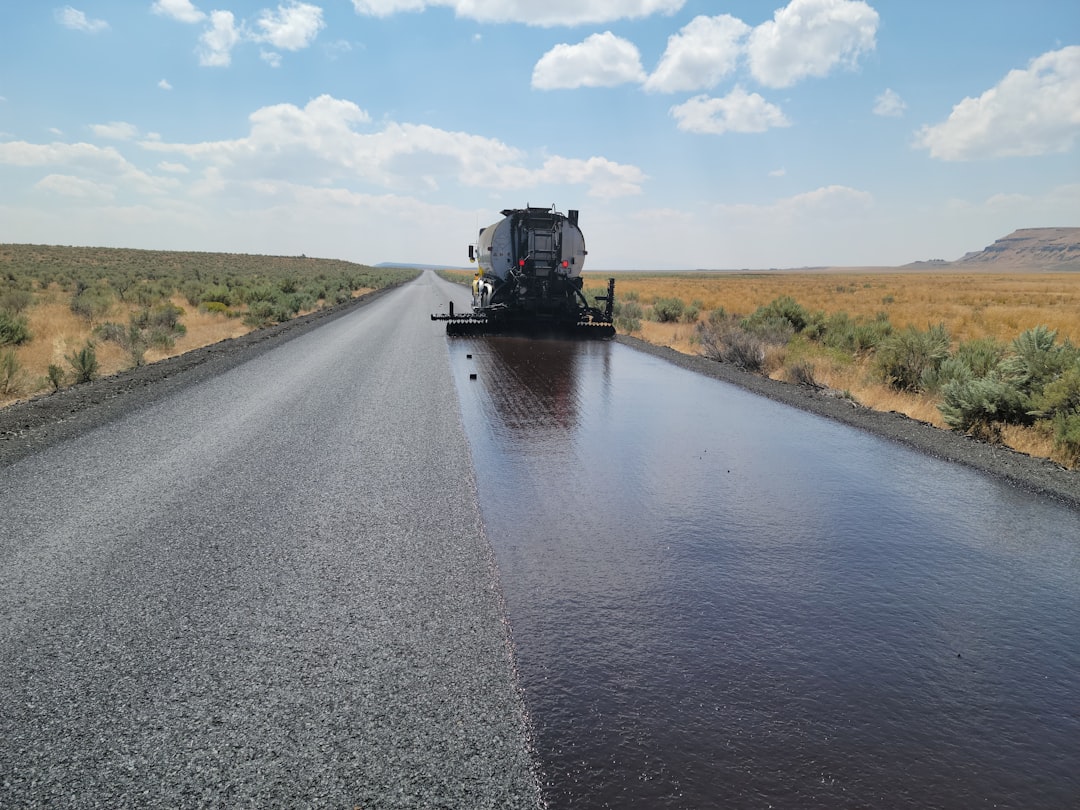
Bidding on public and private road projects rewards contractors who move fast and target precisely. A well-structured Google Ads strategy captures prospects with urgent needs, whether that's a municipality issuing an emergency repair RFP or a developer sourcing a paving subcontractor, by putting your business in front of them at the exact moment they search. For a full walkthrough of setting up effective campaigns, see this comprehensive guide on Google Ads for contractors, which covers planning, targeting, and optimizing ads for lead generation.
This guide lays out a data-driven framework for working Google Ads into a broader marketing mix. Using Audiences, sharper targeting, and real-time performance data, road contractors can generate qualified leads, improve campaign ROI, and put marketing dollars behind the buyers most likely to convert. Sona's Identity Resolution identifies high-value visitors at the company level, adapts messaging to in-market accounts, and tracks engagement across online and offline channels, closing the gap between digital touchpoints and actual revenue.
Why Does Google Ads Matter for Road Contractors
Road contractors operate in a high-stakes environment where timing, relevance, and visibility drive competitive advantage. Google Ads plays a pivotal role by connecting contractors with plant managers and facilities directors precisely when they are searching for specialized construction solutions or emergency repairs. For an in-depth look at generating leads and structuring effective campaigns, explore this comprehensive guide for contractors.
Immediate access to decision-makers enables contractors to win new, high-value projects in growth metros or underserved regions. Google Ads ensures that marketing efforts translate quickly into qualified leads, especially during urgent procurement cycles or infrastructure bidding windows. To further optimize targeting and personalize outreach, leverage real-time audience insights that sync directly with ad platforms.
Another core advantage is the ability to deliver closed-loop measurement from click to contract. Integrating Google Ads with CRM systems bridges the gap between digital marketing and sales, allowing teams to track which campaigns result in real project wins and revenue. This end-to-end visibility eliminates wasted spend and sharpens future targeting by focusing on the highest-converting segments.
Many road contractors struggle with delays in following up on digital leads, leading to missed opportunities as interest cools. By synchronizing ad platforms and CRM systems, marketers can automate real-time follow-up based on user activity, ensuring no hot lead slips through the cracks. When enriched with real-time intent signals, teams can move beyond generic retargeting and instead prioritize outreach to the companies most likely to buy. This tech-driven approach to contractor advertising sharpens both efficiency and ROI, building a marketing engine that keeps pace with the demands of modern road construction.
Common Types of Google Ads Campaign for Road Contractor Services

Road contractors operate in a competitive market where visibility and trust translate directly into project wins. Effective use of Google Ads enables these firms to reach decision-makers at the precise moment they are searching for specialized services, driving quality leads and supporting revenue growth. For a deep dive into how contractors can plan and execute effective ad campaigns, see this comprehensive guide to Google Ads for contractors.
- Search Campaigns: These campaigns target users actively seeking road construction, maintenance, or emergency repair services. High-intent keywords, like "asphalt paving contractor near me" or "emergency pothole repair," put your business at the top of results for urgent, location-specific queries that matter for time-sensitive jobs. Sona's Identity Resolution, integrated with Google Ads, helps marketing teams recognize and prioritize serious prospects, shifting budget toward high-converting accounts and getting more out of every click.
- Display Campaigns: Display ads offer broad visibility, promoting your brand’s expertise to property managers, municipalities, and infrastructure planners across relevant web properties. This format excels at reinforcing brand recognition and keeping your company top-of-mind for future RFP cycles. Connecting Sona Audiences ensures these impressions are served to decision-makers who have previously engaged with your content or are exhibiting in-market signals, tightening the loop between awareness and conversion.
- Video Campaigns: For complex or large-scale roadwork, video campaigns provide a platform to showcase project capabilities, safety protocols, and past success stories. Visual storytelling builds credibility, especially when buyers are evaluating several contractors. By syncing Sona Destinations directly into Google Ads, marketers can retarget viewers who have watched key portions of a video, nurturing them through the funnel with tailored follow-up messaging.
- Remarketing Campaigns: Many visitors researching contractor services require multiple touchpoints before committing. Remarketing campaigns re-engage these high-intent users with ads that reflect their previous interactions, highlighting service differentiators, case studies, or seasonal promotions. With Sona Audiences, remarketing lists automatically adapt as leads progress, ensuring messaging remains relevant and timely.
- Ad Assets: Ad assets (formerly called extensions) amplify the effectiveness of all campaign types by adding information such as phone numbers, service areas, certifications, and recent project highlights. These enhancements validate claims, streamline the decision process, and increase the likelihood of direct contact. Integrating offline attribution tracking confirms which assets and messages drive the highest engagement, enabling continuous improvement in contractor advertising.
Road contractors that leverage a strategic mix of these Google Ads formats, coupled with Sona Audiences and advanced attribution, consistently outperform peers in cost efficiency and lead quality. The most successful teams unify campaign data with CRM and offline sales insights, tying ad spend to real business outcomes and elevating their Google Ads ROI for contractors.
Where to Find Growth Opportunities

Road contractors aiming to accelerate pipeline growth need to look beyond generic keywords and focus on vertical opportunities that align with their specialized services. By targeting high-intent phrases such as “asphalt paving contractors near me” or “road resurfacing bids,” advertisers can capture demand from prospects already searching for niche solutions. For a comprehensive overview of how to generate more qualified leads through paid search, check out this complete guide to Google Ads for contractors. This approach not only increases lead quality but also reduces wasted spend by narrowing audience focus to those most likely to convert.
Analyzing auction insights against competitors reveals untapped segments and keyword gaps, enabling smart budget allocation where others may be underspending. Industry-specific ad placements on trade forums or infrastructure procurement platforms add another layer of visibility, positioning your services in front of decision-makers at the moment of need. Retargeting strategies using value-driven content, like downloadable whitepapers and project showcase videos, help nurture undecided prospects and reinforce brand credibility across multiple digital touchpoints. For additional ways to optimize campaign performance, explore contractor advertising playbooks that provide actionable strategies.
Data-driven marketers can further refine their strategy by examining which services attract the most interaction on their landing pages and digital assets. By tracking content engagement at the company level, teams can identify which verticals or service offerings generate higher interest and pipeline velocity. Sona's Identity Resolution enables company-level visitor identification and real-time intent scoring, ensuring ad spend prioritizes high-converting accounts while underperforming segments get targeted messaging or reallocated budgets. This continuous feedback loop turns every campaign into a learning opportunity, supporting smarter retargeting and more efficient contractor advertising.
How to Apply Audience Segmentation for Road Contractors

Effective audience segmentation is foundational for road contractors aiming to maximize every marketing dollar. By refining segments based on real-time audience data, contractors can deliver highly relevant messaging that resonates with each stage of the customer journey.
Segmenting audiences begins with clearly defining groups that align with the broader customer journey mapping. For road contractors, this often means considering firmographics such as company size, project type, decision-maker roles, and geographic coverage. Overlaying intent signals, like recent website behavior, content downloads, or engagement with estimating tools, further sharpens these segments for higher-impact targeting.
Creating ad groups by segment allows contractors to tailor ad copy and landing page experiences, improving Quality Scores and conversion rates. For comprehensive campaign planning, review this complete guide to Google Ads for contractors for strategies tailored to the construction sector. Audience definitions should be validated continuously by tracking how each segment moves through the conversion path, leveraging advanced attribution models to connect both online and offline actions to specific audience cohorts.
Synchronizing your CRM with Google Ads is essential for maintaining data accuracy. Enriched audience and lead data can be pushed directly into ad platforms, ensuring that targeting adapts as new signals emerge and leads progress through the sales funnel. This continuous sync eliminates the risk of outdated or incomplete segmentation, giving road contractors a competitive edge by activating the freshest, most relevant data in their campaigns.
This is also where measurement changes the economics. With Sona Marketing Measurement you can identify the companies behind your ad clicks, not just anonymous sessions, and segment audiences by which accounts actually become customers. That lets you build bid adjustments and audience signals around the segments that convert and de-prioritize the ones that don't, so you feed Google's algorithms "this click became a paying road contractors customer" instead of just "someone filled out a form."
Keyword Strategy & Sample Target Terms
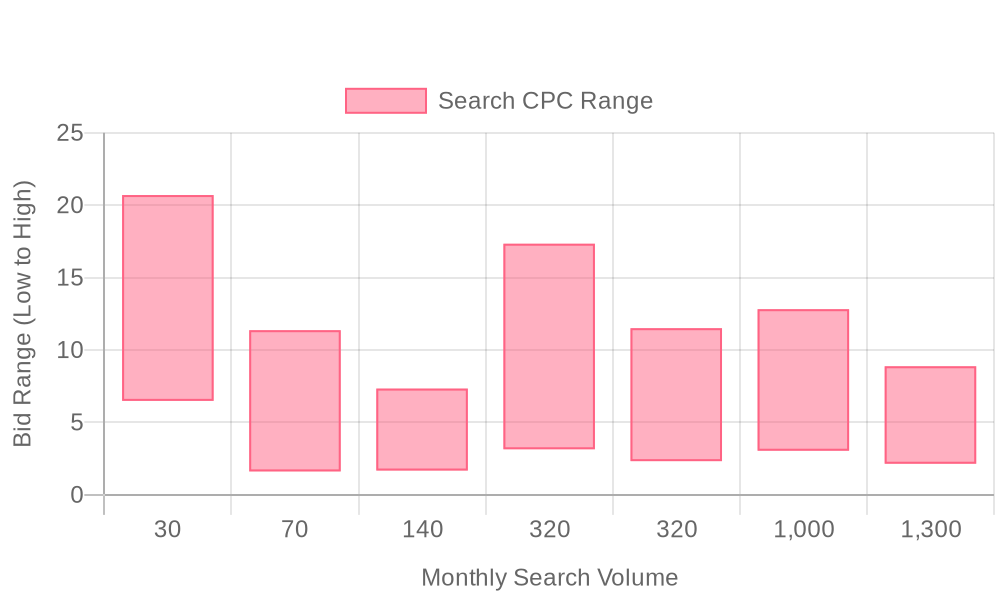
| Industry | Keyword | Monthly Search Volume | Competition Level | Low Bid | High Bid |
| Road Contractors | street paving companies near me | 30 | LOW | 6.49 | 20.7 |
| Road Contractors | road repair companies near me | 70 | LOW | 1.62 | 11.37 |
| Road Contractors | gravel driveway services near me | 140 | LOW | 1.68 | 7.34 |
| Road Contractors | road paving companies near me | 320 | MEDIUM | 3.15 | 17.34 |
| Road Contractors | road contractors near me | 320 | LOW | 2.33 | 11.51 |
| Road Contractors | road contractors | 1000 | LOW | 3.05 | 12.82 |
| Road Contractors | road construction companies near me | 1300 | LOW | 2.15 | 8.88 |
Road contractors face a search landscape where decision-makers expect relevance and speed. High-performing campaigns rely on capturing high-intent prospects as they actively seek services, ensuring every ad dollar goes toward leads that are most likely to convert.
A robust keyword strategy for Google Ads for road contractors begins with segmenting terms by service categories and buyer journey stages. This approach targets transactional intent, keywords such as "road construction company near me," "asphalt paving contractors," and "highway maintenance bids" signal users ready to engage. Integrating long-tail and location-specific terms, like "DOT certified road contractor in [city]," delivers hyper-local relevance and reduces wasted spend. Regularly reviewing search term reports lets teams expand on high-performing keywords and add negatives to filter out irrelevant queries such as "DIY road repair" or "government road grants." This refinement ensures budget is allocated to the most qualified traffic.
Advanced platforms streamline this process by aligning live CRM and website signals with keyword selection. Marketers can identify not just which keywords drive clicks, but which ones generate qualified pipeline and revenue, enabling rapid reallocation of budget for optimal results. Real-time audience enrichment empowers teams to adapt keyword lists as market demand shifts, ensuring their message stays aligned with what buyers are searching for now. For revenue teams managing multi-channel strategies, syncing enriched audiences and lead data into campaigns further sharpens targeting, resulting in higher conversion rates and improved ROI. To explore effective campaign planning, see this comprehensive guide to Google Ads for contractors.
Step-by-Step Campaign Execution Framework
Executing high-performing Google Ads for road contractors requires a systematic approach that aligns search intent, ad copy, and conversion pathways with business objectives. Each step is a chance to sharpen visibility, conversion quality, and downstream attribution, so marketing spend directly supports pipeline growth. The following framework is built for contractor advertising teams ready to unify their data, sharpen targeting, and drive measurable results.
Step 1: Build Targeted Keyword Lists
Building targeted keyword lists is foundational for Google Ads success in the road construction sector. Focus on high-intent keywords for contractors, such as “road repair services near me,” “highway construction companies,” and “asphalt paving contractors.” Expand lists with keyword variations, including long-tail terms and relevant service locations, to boost relevance and capture qualified leads. Segment keywords by service category and region to ensure ads surface for the most valuable local searches. Leverage first-party data and CRM insights to prioritize keywords aligned with actual customer needs, not just search volume.
Dynamic keyword targeting becomes even more effective when paired with real-time audience intelligence. By integrating CRM and web analytics, marketers can pinpoint which search terms drive the highest-quality leads, refine negative keyword lists, and eliminate wasted spend on irrelevant clicks. For a full walkthrough on effective Google Ads for contractors, consider this comprehensive guide. As leads progress through the funnel, dynamic audiences update automatically, ensuring ad budgets consistently target accounts most likely to convert.
The upgrade most road contractors advertisers miss is going beyond raw keyword volume to layer in intent and identity signals. By connecting website-visitor data and CRM records with Sona Marketing Measurement, you can see which specific search terms bring in the accounts and customers that actually convert, and weight your keyword and bidding strategy toward those rather than the terms with the highest search volume alone.
Step 2: Develop Compelling Ad Copy
Effective ad copy for road contractors must balance clarity, trust, and urgency. Craft headlines that directly address the searcher’s intent, such as “Trusted Road Construction Experts” or “Fast Response Highway Repair.” Use descriptions to highlight differentiators: years of experience, certified crews, or rapid project turnaround. Incorporate call-to-action phrases that drive engagement, like “Request a Free Bid” or “Book a Site Visit Today.” Maintain consistent messaging from ad to landing page to build trust and reduce bounce rates.
With unified intent signals from Sona, marketers can dynamically tailor ad copy to reflect in-market behavior and company attributes. For example, when a prospect revisits a project portfolio or requests a quote, ad messaging can automatically shift to showcase relevant case studies or testimonials. This precision increases click-through and conversion rates while ensuring ads speak directly to the needs of each segment.
Step 3: Design Effective Landing Pages
Landing pages are where interest becomes action. For road contractors, an effective Google Ads landing page should feature clear service descriptions, trust signals (licenses, certifications, testimonials), and frictionless conversion paths like embedded contact forms or direct scheduling tools. Visual proof, such as before-and-after photos or recent project videos, reinforces credibility and sets expectations.
Connect landing page forms directly to automation platforms and CRMs, allowing for instant lead capture, enrichment, and routing. When a visitor completes a form, enriched data (company, role, project type) flows into both the CRM and Google Ads, enabling precise retargeting and follow-up. To learn more about maximizing your ad spend and ROI, see this article on Google Ads in construction. This closed-loop process ensures every interaction is tracked, attributed, and acted upon, driving higher ROI and supporting continuous optimization.
Step 4: Implement Data-Driven Optimizations
Ongoing optimization transforms a static campaign into a compounding asset. Monitor campaign performance by segment, service type, location, device, and audience stage, to identify where spend produces the highest return. Adjust bids based on real conversion data, not just click volume, reallocating budget to campaigns generating the most qualified leads and pipeline value.
Leverage advanced attribution to connect online ad interactions and offline conversions, such as phone calls or project bids. This holistic view illuminates true Google Ads ROI for contractors and uncovers hidden opportunities for cost savings and revenue growth. As new data emerges, update negative keyword lists, refresh ad copy, and test new landing page variants to maximize every ad dollar.
Sona Marketing Measurement closes the gap between clicks and revenue. It captures every ad click with first-party measurement, then ties that click through UTM capture and ad-platform APIs to the actual record in your CRM, and reports ROAS by keyword and campaign instead of by last-click form fill. Feeding that revenue signal back into Smart Bidding and Performance Max compounds over time: the algorithms optimize toward booked road contractors revenue, not cheap leads.
Step 5: Ensure CRM Integration and Audience Sync
Integrating Google Ads with CRM and automation platforms is essential for seamless handoff and targeting. Connect ad campaigns to enriched CRM segments, such as recent project inquirers or dormant accounts, enabling personalized retargeting and nurture. Unified data sync ensures that as leads move through the funnel, audiences update in real-time, preventing wasted impressions and keeping messaging relevant.
This integration also allows contractors to pinpoint website visitors and match them to company records, turning anonymous traffic into actionable pipeline. As new leads are captured, their full journey, from initial click to contract signing, is visible, empowering revenue teams to iterate, report, and scale with confidence. For actionable retargeting strategies, unified data ensures that every touchpoint reflects the lead’s current needs and stage, driving higher engagement and conversion rates. Explore more retargeting strategies for effective audience engagement.
Tips on Expanding Your Road Contractor Presence
Modern road contractors benefit from a multi-channel approach that leverages both digital and industry relationships to grow awareness and generate qualified leads. Combining advanced audience segmentation, hyper-local targeting, and strategic partnerships creates a scalable foundation for long-term market share expansion.
- Cross-promote educational assets in retargeting: Sharing guides, checklists, and project case studies through retargeting campaigns keeps your brand top-of-mind for prospects who have already engaged with your content. With dynamic audience updates, marketers can ensure only those who have shown specific interests receive the most relevant resources, increasing the value of each interaction and nurturing leads more efficiently.
- Upsell related services via segmented audiences: Using enriched CRM data synced with Google Ads enables tailored upsell campaigns to segments most likely to need additional solutions, such as maintenance or consulting. This tight integration between marketing and sales data means your teams can coordinate on timing and messaging, reducing wasted ad spend and boosting cross-sell rates. For a comprehensive overview of successful strategies, consult this guide to Google Ads for contractors.
- Partner with industry associations for referral traffic: Collaborating with local and national associations gives your campaigns additional credibility and access to highly targeted referral audiences. These partnerships not only drive direct leads but can also inform audience building in paid search and display efforts.
- Localize by areas to grow share-of-voice: Targeting specific geographies ensures your ads reach decision-makers overseeing projects in your preferred markets. Localized messaging and area-specific landing pages improve both Quality Scores and conversion rates, allowing for better allocation of your Google Ads budget for contractors and more measurable ROI.
- Use search query data to identify new content topics: Analyzing high-intent keywords for contractors and emerging search trends uncovers content gaps and new service opportunities. Feeding this insight back into your campaign and content calendar accelerates organic growth and keeps your offering aligned with shifting market demand.
A unified approach to data ensures marketing and sales teams operate from a single source of truth. This alignment empowers synchronized outreach, maximizes engagement, and prevents inefficiencies that often arise from fragmented reporting or duplicated targeting. For teams leveraging platforms that unify go-to-market data, audience lists stay accurate in real time, enabling precise retargeting and seamless attribution from ad click to closed deal. Ready to streamline your targeting and attribution? Get started for free with Sona.
Beyond Google Ads: Winning the AI Answers Road Contractors Buyers Now Trust
Paid search captures demand at the moment someone types a query. But a fast-growing share of road contractors buyers no longer start at Google at all, they ask ChatGPT, Gemini, or Perplexity before they ever run a search, and Google's own AI Overviews increasingly summarize an answer above the traditional results. If your business isn't referenced in those AI answers, you're invisible at the exact moment buyers build their shortlist.
Sona AI Visibility shows where your business shows up across ChatGPT, Gemini, Perplexity, Google AI Overviews, and 10+ engines, and, much like a keyword report, which prompts actually send you buyers, so you can prioritize the ones that convert. Run the two together and you cover the entire buyer path: get cited where buyers research (AI Visibility), then prove which of that demand turns into booked revenue (Marketing Measurement).
Helpful resources
Conclusion
Google Ads works for road contractors because it meets buyers at the exact moment they're searching, whether that's a facilities manager with an emergency repair or a municipality opening bids on a resurfacing project. The tactics here, from keyword segmentation to CRM-synced audiences, are what turn that moment into a signed contract instead of a missed callback.
The contractors pulling ahead right now are the ones treating AI search and Google Ads as one system rather than two. Start for free with Sona to connect your ad spend to booked revenue and see which campaigns actually win projects.
FAQ
What are the best practices for Google Ads for road contractors?
Best practices include integrating Google Ads with CRM systems, targeting high-intent keywords, and utilizing audience segmentation to ensure precise targeting and maximize ROI.
How can road contractors optimize their Google Ads campaigns?
Road contractors can optimize their campaigns by leveraging advanced targeting, real-time performance insights, and integrating with CRM systems for seamless lead management and follow-up.
What budget should road contractors allocate for Google Ads?
The article does not specify an exact budget but emphasizes the importance of smart budget allocation to high-performing segments and keywords that result in qualified leads and revenue.
Are there specific keywords road contractors should target in Google Ads?
Yes, road contractors should target high-intent keywords such as 'road construction company near me,' 'asphalt paving contractors,' and location-specific terms to capture demand from prospects actively seeking services.
What metrics should road contractors track to measure Google Ads success?
Contractors should track metrics such as conversion rates, Quality Scores, and ROI by connecting ad interactions to offline conversions and using advanced attribution models to determine campaign effectiveness.







