


Railroad contracting is a business of long sales cycles, technical RFPs, and buyers who are hard to reach through broad marketing alone. A steady lead pipeline depends on coordinating online and offline channels: social media builds awareness, email keeps relationships warm, SEO drives organic traffic, while trade shows, direct mail, and industry publications build the face-to-face trust this industry runs on. Inside that mix, Google Ads plays a critical middle-funnel role, capturing high-intent prospects at the exact moment they're searching for a contractor, bridging the gap between broader awareness efforts and the sales process. Railroad contracting businesses often struggle with incomplete account data, which hampers personalization and causes missed segmentation opportunities. Modern analytics can enrich company databases and keep audience lists current, so ads target companies by accurate size, industry, and revenue.
How to Generate Railroad Contractor Leads with Google Ads: A Step-by-Step Guide
Railroad contractors face a persistent challenge: attracting the right decision-makers in a market defined by long sales cycles, complex RFPs, and technical buyer expectations. Building a steady pipeline of high-value leads requires more than just blanket outreach, it demands precise targeting, data-driven messaging, and seamless alignment between marketing and sales.
Integrating Google Ads for railroad contractors into your broader marketing mix transforms how you identify, engage, and qualify prospects. By combining precise audience intelligence with dynamic campaign optimization, railroad industry marketing leaders can maximize the efficiency of every advertising dollar, prioritize the highest-value accounts, and accelerate revenue outcomes across the board.
This playbook offers a comprehensive framework to help you generate and convert qualified leads using paid search as a core pillar within your multi-channel strategy. The approach balances industry-specific keyword research, audience targeting, and conversion-focused creative with analytics-driven optimization and cross-channel integration. For an example of real-world Google Ads success in transportation, explore this digital marketing for rail logistics case study. The result is a scalable, repeatable process that consistently delivers measurable ROI for B2B service providers, project consultants, and local operators in the railroad sector.
A key differentiator in modern contractor advertising is the ability to unify digital and offline data, providing a holistic view of each buying journey. With Sona's Identity Resolution, marketers can move beyond anonymous web traffic, identifying which companies are engaging with your ads and landing pages. This actionable insight enables immediate lead routing to sales, tighter budget allocation, and more personalized follow-up, so high-intent opportunities don't slip through the cracks.
A data-driven approach also means using Sona's Intent Signals to adjust bidding and messaging on the fly. As target accounts show increased in-market behavior, such as researching signal upgrades or reviewing past project case studies, budgets can shift toward these high-converting segments. Dynamic audience lists update automatically as prospects move through the funnel, allowing for hyper-relevant retargeting and nurturing that shortens deal cycles.
Integrating advanced conversion tracking closes the loop between digital campaigns and real business outcomes. By capturing both online form submissions and offline events, like RFP downloads or contract signings, marketers can attribute every dollar spent to actual pipeline and revenue. That transparency improves Google Ads ROI for contractors and sharpens decision-making across marketing and sales. When CRM and ad platforms sync seamlessly, enriched lead data flows in both directions, fueling continuous optimization and tighter alignment on shared revenue goals. To start building a data-driven lead pipeline, get started for free with Sona.
Why Does Google Ads Matter for Railroad Contractors

Railroad contractors compete in a specialized field where high-value contracts are won or lost based on visibility and timing. Google Ads allows these businesses to connect with decision-makers like plant managers and procurement heads at the pivotal moment they search for rail-specific solutions, driving engagement from the earliest stages of project planning. For additional insight into how construction and rail logistics teams achieve growth through digital marketing, see this case study on digital marketing for rail logistics.
This direct digital connection gives railroad contractors access to higher-margin projects, such as large-scale infrastructure upgrades and emergency repair contracts, that may have previously been out of reach. With Google Ads, your brand intercepts new prospects before competitors, even if those buyers have not yet entered your traditional sales funnel. For more strategies to convert website traffic into qualified leads, explore the account identification guide.
Google Ads also accelerates demand response during critical windows, such as infrastructure modernization projects or unplanned service disruptions. Automated, intent-based audience integration ensures every qualified inquiry receives timely follow-up. For revenue teams, this means fewer missed opportunities and a streamlined workflow that keeps engagement high when urgency peaks. To maximize your efforts, consider using Sona Destinations to sync high-quality audience data into your CRM and ad platforms for real-time follow-up.
The platform delivers unmatched precision in targeting underserved or rapidly developing regions. By leveraging geo-targeting, contractors can focus efforts on growth markets or municipalities allocating new infrastructure budgets. When paired with advanced visitor identification, marketers move beyond anonymous web traffic, pinpointing exactly which companies and stakeholders are engaging with campaigns.
Integrated data analysis further distinguishes Google Ads in railroad industry marketing. With closed-loop measurement capabilities, marketers gain insight into which campaigns drive not just clicks, but actual contract wins. By syncing enriched lead and audience data into your CRM and ad platforms, you can track every touchpoint from first impression to signed agreement. This unified view of Google Ads ROI for contractors empowers smarter budget allocation and ongoing optimization, helping teams prove value and justify spend across every region and project type.
Common Types of Google Ads Campaigns for Railroad Contractor Services

Choosing the right Google Ads campaigns ensures railroad contractor services reach the right buyers, at the right stage, with messages that drive results. Each campaign type aligns with a different phase of the marketing funnel and addresses the unique buying cycles, long sales processes, and technical requirements of this industry. For a comprehensive overview on optimizing your Google Ads outreach, see this case study on Google Ads for construction companies.
- Search Campaigns: Search campaigns are critical for capturing intent-driven leads, those actively searching for specialized railroad contractor services. Targeting high-value, job-specific keywords ensures that ads appear when project managers, procurement specialists, or facility operators are seeking immediate solutions. Unifying search data with audience signals helps identify not only the searchers’ needs but also the companies behind those searches, allowing marketers to shift budgets toward high-converting accounts and prioritize outreach to decision-makers showing genuine in-market intent.
- Display Ads: Display campaigns keep your railroad contractor brand front and center across relevant industry sites and forums. By maintaining visibility throughout long buying cycles, these campaigns reinforce messages seeded by search and email efforts. When display audience segments dynamically update based on lead status, marketers can tailor creative and offers to reflect each stage of the journey, keeping top prospects engaged and moving toward conversion. Discover strategies for intent-driven retargeting to maximize the impact of your display ad investments.
- Video Ads: For complex railroad infrastructure and engineering services, video ads deliver nuanced technical information in a digestible format. Rich visuals help communicate expertise, safety credentials, and project portfolio highlights to procurement and engineering audiences. Video ad engagement can be tracked at the company level, feeding back into lead scoring and nurturing efforts, so sales teams can prioritize follow-up with organizations showing the highest engagement and intent. To see digital advertising in action for rail and logistics, watch this video advertising case study.
- Remarketing: Remarketing campaigns re-engage stakeholders who have interacted with your site or requested information but have not yet converted. By layering in CRM and offline engagement data, remarketing audiences become more accurate, allowing marketers to deliver hyper-relevant content or offers based on the visitor’s actual buying stage. This multi-touch approach increases the likelihood of winning bids by nurturing relationships over extended sales cycles and ensuring no warm opportunity is lost. Learn how buyer journeys can be mapped and optimized for more effective remarketing.
- Assets: Ad assets build trust and credibility across all campaign types, highlighting certifications, geographic coverage, and rapid response times. When assets pull in real-time business attributes, such as updated project certifications or response stats, ads become more persuasive and relevant. Accurate, enriched asset data validates claims made in sales decks and on landing pages, boosting both click-through and conversion rates among cautious enterprise buyers. For more tips on maximizing campaign ROI, explore B2B marketing reports.
Where to Find Growth Opportunities?
Railroad contractors gain a competitive edge by expanding beyond traditional marketing channels into highly targeted, data-driven strategies. Leveraging advanced digital tactics allows teams to reach new buyers, surface hidden demand, and create measurable value in an evolving industry landscape.
- Vertical keyword targeting: Specializing campaign targeting with niche, project-specific terms moves you beyond generic searches. For railroad contractors, this means focusing on keywords around signal upgrades, rail electrification, or emergency maintenance, segments where broader content rarely ranks organically. By integrating granular intent signals, marketers can identify visitors and companies engaging with these specialized queries, enabling precise outreach and custom nurture sequences.
- Competitor gap analysis: Using auction insights or third-party data tools, revenue teams pinpoint gaps where competitors underinvest. These underserved segments present immediate opportunities for budget reallocation. When real-time in-market behavior is tracked, budget can be dynamically shifted to high-converting accounts or regions where competitors have limited visibility, ensuring every dollar is tied to demonstrable business impact.
- Industry-specific placements: Targeting trade forums, rail engineering directories, and specialized procurement platforms ensures your brand appears where decision-makers research suppliers. Since organic content often fails to surface in these niche environments, paid placements bridge the gap and put your message directly in front of buyers evaluating their next contractor.
- Content retargeting: Deploying whitepapers, checklists, or technical videos as retargeting assets connects your content marketing calendar with high-intent audiences. Engagement with these assets signals readiness for direct outreach and allows for dynamic audience updating as prospects progress through the sales funnel. When CRM and ad platforms are in sync, enriched audiences flow seamlessly into Google Ads, maximizing relevance and minimizing wasted impressions.
Many businesses overlook offline conversions, yet attributing these events, such as contract signings or onsite consultations, to their original campaign source uncovers high-value growth paths. By capturing both online and offline outcomes, marketers measure true Google Ads ROI for contractors and surface which content, channels, or placements drive the most profitable deals. This holistic view identifies expansion opportunities that traditional analytics miss, ensuring every campaign is optimized for maximum impact.
How to Apply Audience Segmentation for Railroad Contractors

Railroad contractors operate in a market characterized by diverse client types, from industrial operators to public agencies and occasional residential projects. Precision in audience segmentation is essential to align messaging and outreach with these distinct buying cycles and technical requirements.
- Define Segments: Begin by distinguishing between key client groups such as industrial rail operators, public sector transportation authorities, and residential property developers. Each segment brings unique priorities: industrial clients may focus on long-term infrastructure reliability, while public agencies often prioritize compliance and bid transparency. Segmenting your campaigns at this foundational level allows for tailored content and more relevant ad experiences. For inspiration on effective segmentation and campaign execution in the rail sector, review this digital marketing case study for rail logistics.
- Overlay Intent Signals: Beyond basic segmentation, layer in intent data signals to capture the specific needs of each audience. For example, infrastructure upgrade intent can be surfaced by analyzing search patterns around “rail modernization grants” or “grade crossing compliance.” Real-time behavioral signals, such as repeated visits to regulatory documentation or RFP portals, can reveal high-value prospects actively seeking solutions. Sona's Intent Signals lets you track and prioritize prospects based on these real-time behavioral triggers, so your budget goes toward segments most likely to convert.
- Create Ad Groups by Segment: Develop discrete ad groups mapped to each audience, customizing ad copy, extensions, and landing pages to the pain points and terminology of that segment. Industrial clients might engage with messaging focused on predictive maintenance and uptime, while public sector leads respond to content centered on certification and regulatory adherence. Budgets should be dynamically allocated based on segment performance, letting high-intent groups receive more aggressive bidding and remarketing. For a practical guide to launching and optimizing Google Ads for construction and infrastructure businesses, explore this Google Ads guide for construction businesses.
- Validate Conversion Paths: Accurate tracking is critical for evaluating the effectiveness of segmentation. Ensure all quote requests, calls, and form fills are attributed to the correct segment and seamlessly integrated with your CRM. This closed-loop approach not only streamlines follow-up but also allows for end-to-end measurement of ROI. By syncing enriched audience data and conversion events between your CRM and your ad platform, you can constantly refine segments as leads progress or disengage, ensuring campaigns remain relevant and high-performing.
Avoiding a one-size-fits-all approach prevents wasted spend and poor engagement. Tailored segmentation ensures that every touchpoint speaks directly to the unique challenges and decision-making processes of each railroad contracting audience, setting the stage for more qualified leads and higher close rates. If you’re ready to enhance your segmentation and campaign performance, get started for free with Sona.
This is also where measurement changes the economics. With Sona Marketing Measurement you can identify the companies and buyers behind your ad clicks, not just anonymous sessions, and segment audiences by who actually becomes a customer. That lets you build bid adjustments and audience signals around the segments that convert and de-prioritize the ones that don't, so you feed Google's algorithms "this click became a paying railroad contractors customer" instead of just "someone filled out a form."
Keyword Strategy & Sample Target Terms
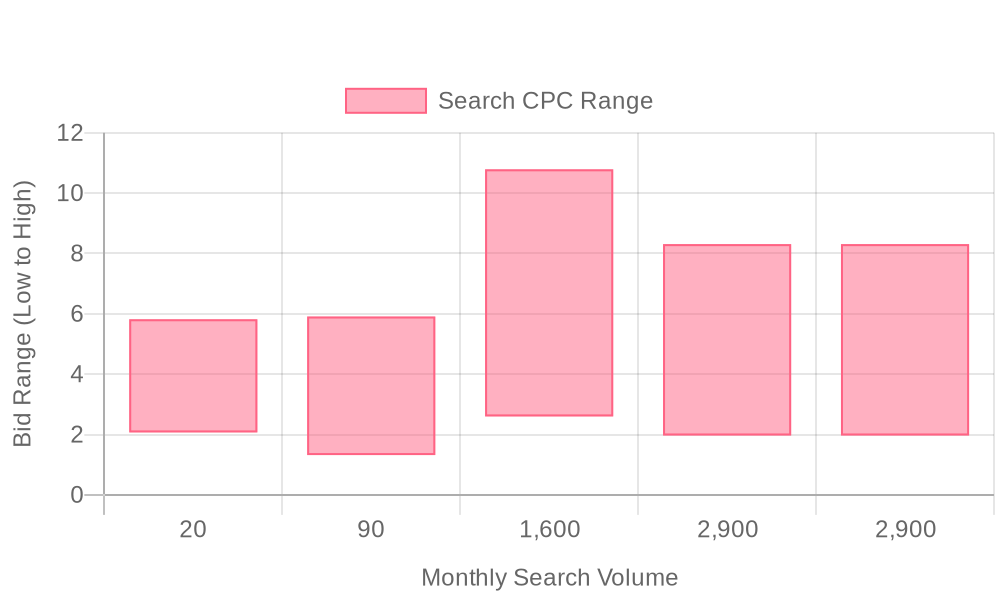
| Industry | Keyword | Monthly Search Volume | Competition Level | Low Bid | High Bid |
| Railroad Contractors | railroad track maintenance contractors | 20 | LOW | 2.07 | 5.82 |
| Railroad Contractors | railroad contractor companies | 90 | LOW | 1.32 | 5.91 |
| Railroad Contractors | railroad contractors near me | 1600 | LOW | 2.6 | 10.79 |
| Railroad Contractors | railroad contractors | 2900 | LOW | 1.97 | 8.31 |
| Railroad Contractors | railroad contractor | 2900 | LOW | 1.97 | 8.31 |
Railroad contractors operate in a competitive, high-value environment where every project can represent millions in revenue and complex stakeholder influence. Google Ads stands out as the most powerful channel to capture decision-makers at the pivotal moment when they are actively researching rail infrastructure solutions, equipment upgrades, or maintenance partners. Unlike broad digital outreach, search-driven campaigns reach procurement officers and project managers who are already in-market and evaluating vendors, delivering a direct path to project pipeline acceleration. For inspiration on industry-specific campaign tactics, see this case study on Google Ads for construction companies.
A precise keyword strategy is foundational to generating qualified leads and maximizing Google Ads ROI for contractors in the railroad sector. By targeting specialized terms such as "railroad construction services," "track maintenance contractors," "FRA compliance consulting," and "rail signaling installation," marketers can tap into the intent-rich queries that signal a high likelihood of engagement. Layering these with location-based modifiers, like "railroad contractors in Texas" or "Northeast rail infrastructure bidding", further narrows the field to only the most relevant prospects, reducing wasted spend and increasing conversion rates. For additional insights, explore this comprehensive guide to account identification strategies.
- Precision Targeting: Reaching decision-makers during their exact research phase is only possible when keyword lists are meticulously mapped to buyer intent and project stage. Advanced platforms can help identify not only the keywords prospects use but also the companies behind anonymous searches, enabling a shift from generic traffic to actionable account-level targeting.
- Measurable ROI: With enriched conversion tracking, revenue teams can trace the full journey from ad click to RFQ submission, bid request, and project close. Integrating online and offline data reveals which keyword and ad combinations are truly driving revenue, informing future budget allocation and campaign optimization.
- Channel Synergy: Modern marketing teams unify keyword-driven Google Ads with retargeting across display, video, and social channels. As leads progress through the buying cycle, audience segments dynamically update, ensuring that high-value accounts receive tailored messaging at each touchpoint. Automated syncing of enriched audiences and lead data between Google Ads and CRM systems keeps sales and marketing efforts perfectly aligned, leading to higher conversion rates and more efficient demand generation.
For railroad contractors, this elevated keyword and targeting strategy supports not just lead generation, but account-based marketing, pipeline velocity, and sustainable revenue growth.
Step-by-Step Campaign Execution Framework
Step 1: Build Targeted Keyword Lists
Success in Google Ads for railroad contractors starts with precision in keyword selection. Segmenting keywords by service type, such as rail maintenance, track installation, or signal upgrades, delivers campaigns that resonate with real procurement searches. Localizing with city, neighborhood, and "near me" modifiers ensures ads appear only where your teams can deploy quickly, and where demand is active.
Long-tail and question-based keywords, like "freight rail maintenance near Chicago" or "how to install positive train control," attract higher-intent leads and edge out broad competitors. Filtering out irrelevant search terms with negative keywords prevents wasted spend and irrelevant clicks. Aligning keyword clusters with the language used in your content marketing creates a unified experience for both searchers and your sales team, making handoffs seamless and increasing close rates. With a unified data solution, marketers can identify exactly which companies are searching and adapt keywords in real time, shifting focus to the most valuable accounts.
The upgrade most railroad contractors advertisers miss is going beyond raw keyword volume to layer in intent and identity signals. By connecting website-visitor data and CRM records with Sona Marketing Measurement, you can see which specific search terms bring in the accounts and customers that actually convert, and weight your keyword and bidding strategy toward those rather than the terms with the highest search volume alone.
Step 2: Develop Compelling Ad Copy
Effective ad copy for railroad contractors must address industry pain points head-on. Headlines should reference challenges like regulatory compliance, project delays, or safety requirements, immediately signaling expertise. Trust markers, such as certifications, star ratings, or documented case wins, reinforce credibility and differentiate your offering from less specialized competitors.
Incentives like free quotes or same-day site assessments add urgency, converting consideration into direct engagement. Ad extensions, including click-to-call, service highlights, and structured snippets, boost visibility and make it easy for busy procurement teams to act. Consistency in language and offers across Google Ads, social, and email campaigns builds brand recognition and trust. By leveraging unified engagement data, teams can personalize ad messaging based on where a lead is in the buying journey, ensuring the right value proposition is delivered at the right moment.
Step 3: Design Effective Landing Pages
High-performing Google Ads for railroad contractors depend on landing pages that match search intent and campaign structure. Ensure every keyword and ad group lands on a page built for that service, such as dedicated pages for freight rail upgrades or passenger rail maintenance. Segmenting landing experiences by project type, industry vertical, or region increases relevance and drives conversions from complex B2B buyers.
Embedding ROI calculators, compliance badges, and detailed FAQs helps overcome hesitation and validates your expertise. Persistent, mobile-friendly calls-to-action remove friction on any device, supporting both field engineers and procurement officers on the go. Connecting landing page forms directly to your CRM and marketing automation ensures every lead is captured, enriched, and tracked through the sales process. With real-time visitor identification, you can instantly recognize key accounts and trigger tailored follow-up, increasing response rates and accelerating deal cycles.
Step 4: Implement Data-Driven Optimizations
Optimization is an ongoing process in Google Ads for contractors, especially in the railroad sector where deal values and cycles are substantial. Track both micro conversions (downloads, video views) and macro conversions (form submissions, scheduled calls) to understand where prospects drop off and where value accumulates. Leveraging smart bidding strategies, like Target CPA or Max Conversions, lets you automate budget allocation toward campaigns with the highest likelihood of delivering profitable projects. For deeper insight into industry-specific strategies, review this case study on digital marketing for rail logistics.
A/B testing ad headlines, CTA placements, and landing page layouts uncovers insights that drive incremental gains. Integrating offline conversion data, such as contract signings or bid wins, refines bidding algorithms with the real business outcomes that matter. By syncing Google Ads data with content performance across your channels, you’ll continually uncover new topics, keywords, and offers to fuel future campaigns. Dynamic audience updates, powered by unified intent and deal-stage data, ensure your targeting evolves as prospects move through the funnel, maximizing both efficiency and impact.
Sona Marketing Measurement closes the gap between clicks and revenue. It captures every ad click with first-party, company-level measurement, ties that click through UTM capture and ad-platform APIs to the actual record in your CRM, and reports ROAS by keyword and campaign instead of by last-click form fill. Feeding that revenue signal back into Smart Bidding and Performance Max compounds over time: the algorithms optimize toward booked railroad contractors revenue, not cheap leads.
Tips on Expanding Your Railroad Contractor Presence
Railroad contractors that use a modern, data-driven approach consistently outperform peers in both lead quality and pipeline velocity. Expanding your digital presence requires more than running ads, it calls for a tightly integrated strategy that connects content, campaign targeting, and real-time customer insights.
- Cross-promote educational assets in retargeting to support content marketing goals: Retargeting is a powerful lever for nurturing prospects who have interacted with technical guides, project profiles, or compliance resources on your site. By tracking which whitepapers or case studies resonate most, you can deliver tailored follow-up ads that move prospects further down the funnel. When your platform recognizes visitor identity and intent, you can automatically serve content that aligns directly with their interests, increasing both engagement and conversion rates.
- Upsell related services via segmented audiences based on CRM data: Not all prospects need the same message. Use CRM insights to segment your audience by project type, location, or decision-maker role, then upsell maintenance packages to infrastructure managers or design-build upgrades to engineers. When your system syncs enriched audience data into Google Ads, you ensure your upsell campaigns reach the right contacts at the right time, triggering offers as soon as a lead signals readiness.
- Partner with industry associations for referral traffic or co-branded ads: Aligning with recognized rail industry associations amplifies credibility and reach. Co-branded webinars or technical bulletins can drive qualified traffic from association newsletters and member portals. For an example of how digital marketing strategies drive growth in the sector, see this rail logistics case study. Integrating partner referral data allows you to build high-value lookalike audiences, so your ad targeting reflects the real-world networks driving your business.
- Localize by state or metro areas to grow share-of-voice in targeted regions: Regional infrastructure funding and procurement cycles mean that demand varies dramatically by geography. By running state- or metro-focused campaigns, you capture localized search intent and appear in front of decision-makers during active bidding windows. Platforms that connect visitor IP and company data let you instantly pivot campaigns as new markets heat up, maximizing your market coverage without wasted spend.
- Use search query data to identify new content topics for your broader marketing efforts: Every click and impression reveals what your audience is actively researching. Mining this data surfaces emerging service needs, such as new compliance mandates or innovative rail technology, so you can quickly create blog posts, webinars, or downloadable resources that address those queries. Dynamic audience updates mean that as leads engage with new content, your targeting and messaging evolve in real time, keeping your campaigns always relevant and top of mind.
In the railroad sector, generic campaigns fall short because procurement cycles, technical requirements, and buyer committees are unique. The most successful contractors continually refine their strategy, using real-time intent data and CRM integration to personalize every touchpoint. This approach closes the loop from first click to contract award, driving measurable ROI and sustainable growth.
Beyond Google Ads: Winning the AI Answers Railroad Contractors Buyers Now Trust
Paid search captures demand at the moment someone types a query. But a fast-growing share of railroad contractors buyers no longer start at Google at all, they ask ChatGPT, Gemini, or Perplexity before they ever run a search, and Google's own AI Overviews increasingly summarize an answer above the traditional results. If your business isn't referenced in those AI answers, you're invisible at the exact moment buyers build their shortlist.
Sona AI Visibility shows where your business shows up across ChatGPT, Gemini, Perplexity, Google AI Overviews, and 10+ engines, and, much like a keyword report, which prompts actually send you buyers, so you can prioritize the ones that convert. Run the two together and you cover the entire buyer path: get cited where buyers research (AI Visibility), then prove which of that demand turns into booked revenue (Marketing Measurement).
Helpful resources
Conclusion
Railroad contracting runs on relationships built over years and contracts won through rigorous, technical bids, but the search that starts that relationship increasingly happens on Google first. Contractors who treat paid search as a precision instrument, built on real keyword intent, account-level data, and closed-loop measurement, win the RFPs that never make it to a public bid board.
Ready to turn your next Google Ads click into a tracked, attributable bid win? Start for free and see which campaigns are actually building your railroad contracting pipeline.
FAQ
Do Google Ads work for railroad contractors?
Yes, Google Ads are effective for railroad contractors as they allow businesses to connect with decision-makers at the crucial moment they search for rail-specific solutions, driving early engagement in project planning.
What is the best way to set up Google Ads for my railroad contracting business?
The best way to set up Google Ads for a railroad contracting business is to integrate precise audience intelligence, conduct industry-specific keyword research, and optimize campaigns with analytics-driven insights to target high-value leads.
How much should I budget for Google Ads as a railroad contractor?
While the article does not specify exact budget amounts, it emphasizes the importance of prioritizing the highest-value accounts and optimizing budget allocation to maximize advertising efficiency and revenue outcomes.
What are the common mistakes to avoid in Google Ads for contractors?
Common mistakes include not personalizing ads due to incomplete account data, missing segmentation opportunities, and failing to integrate digital and offline data for a holistic view of the buying journey.
How can I measure the success of my Google Ads campaigns for railroad contracting?
Success can be measured by integrating advanced conversion tracking to capture both online and offline events, attributing every dollar spent to actual pipeline and revenue, and syncing enriched lead data between CRM and ad platforms.







