Retaining wall contractors lose winnable jobs in the gap between a click and a callback. A homeowner searches after a storm washes out a slope, a commercial developer needs an engineered wall approved before a permit deadline, and if that lead isn't tracked and followed up within hours, it goes to the next contractor in the results. Google Ads closes that gap by putting your business in front of buyers at the moment they're searching, and this guide covers how to structure campaigns, keywords, and follow-up so retaining wall contractors turn that visibility into signed jobs.
How to Generate Leads with Google Ads for Retaining Wall Contractors: A Step-by-Step Guide
Retaining wall contractors can rapidly accelerate their project pipelines by deploying targeted Google Ads campaigns that surface their services at the moment of buyer intent. Leveraging data-driven targeting and advanced lead qualification ensures that every advertising dollar is aimed at property owners and decision-makers actively seeking retaining wall solutions.
A modern approach to Google Ads for Retaining Wall Contractors starts by identifying high-intent keywords such as "retaining wall services near me" and "retaining wall installation." These phrases serve as the foundation for campaign targeting, capturing both residential and commercial prospects at critical decision stages. When integrated with predictive analytics, marketers can dynamically score inbound leads as Hot or Warm based on behavioral signals, allowing for immediate prioritization and follow-up by sales teams. This process turns anonymous web traffic into identified companies and qualified business opportunities, giving contractors a distinct edge in lead generation efficiency.
Creating tightly themed ad groups is the next step, grouping related services such as block wall construction, engineered wall solutions, and decorative stone walls. This structure increases ad relevance and Quality Score, resulting in lower cost-per-click and higher conversion rates. Advanced tools map out the buyer's journey, enabling marketers to tailor messaging for different stages from early research to ready-to-buy. For more inspiration on industry-specific Google Ads strategies, explore this guide for contractors.
Landing page optimization is critical for converting ad clicks into consultations or quote requests. Each landing page must mirror the ad copy's promise, provide clear service descriptions, and offer frictionless next steps such as click-to-call buttons or estimate forms. By connecting ad engagement to enriched CRM profiles, contractors gain a unified view of every touchpoint, including call tracking and form submissions. This integration allows for full-funnel attribution, so marketing teams can calculate true ROI and continuously refine campaigns for maximum conversion.
Modern contractors benefit from tools that unify real-time intent signals, CRM data, and advertising platforms. As new leads engage, enriched audience profiles can be synced directly into Google Ads, Salesforce, or HubSpot, keeping follow-up sequences and retargeting precise and timely. This closed-loop approach drives higher-quality retaining wall lead generation and stretches every dollar of a contractor's Google Ads budget. Ready to drive more leads? Get started for free with Sona.
Why Google Ads Matter for Retaining Wall Contractors
Retaining wall contractors operate in a market where timing and intent are critical. Google Ads gives contractors the ability to reach clients at the exact moment they begin searching for solutions, minimizing wasted spend and maximizing the likelihood of engagement. For those seeking proven strategies tailored to this niche, hardscape marketing for retaining walls offers insights on attracting more leads and growing your business.
- Precision targeting: Modern digital platforms allow contractors to zero in on high-value prospects who are actively seeking retaining wall services. With Sona's Identity Resolution, marketers can move beyond anonymous traffic to identify the companies and property owners behind a visit, not just track a session. This level of targeting reduces wasted impressions and keeps budgets focused on real opportunities.
- Immediate demand response: Retaining wall demand spikes after heavy rain, freeze-thaw cycles, or a neighbor's wall visibly failing, moments when homeowners search urgently and commercial clients need a bid before a permitting window closes. Automation in Google Ads lets contractors raise bids ahead of storm season, pause spend during frozen ground months when jobs can't be scheduled, and push time-sensitive offers when demand surges. With Sona's Intent Signals, budget can shift instantly toward the segments showing real buying urgency, so spend tracks the market instead of a flat monthly plan.
- Data-driven insights: Digital advertising works best when every interaction ties back to a business outcome. Robust analytics and attribution let contractors see which campaigns and keywords drive leads through to closed projects, not just clicks. Conversion tracking that spans both online forms and phone calls, still the primary way many retaining wall clients reach out, shows the real picture of ROI and surfaces gaps in the funnel. As leads move through the pipeline, dynamic audiences update automatically, sharpening retargeting for retaining wall advertising.
Common Types of Google Ads Campaigns for Retaining Wall Services

- Search Campaigns: Search campaigns drive immediate, high-intent inquiries from property owners and developers ready to invest in retaining wall solutions. Within Search, Responsive Search Ads let contractors test multiple headlines and descriptions, such as "retaining wall installation near me" or "concrete retaining wall contractor", so Google can surface the highest-performing combination automatically. When search behavior and CRM data are unified, marketers can see which companies and decision-makers are most likely to close, and prioritize budget toward those segments.
- Display Campaigns: Display campaigns are essential for building ongoing brand visibility and reinforcing trust among prospects researching hardscaping and landscaping options. Rich audience targeting leverages insights from prior site visits, material preferences, and engagement history to serve tailored visuals across relevant industry sites. For regional project planning, retaining wall solutions and products are available for contractors in Florida and South Georgia. As audiences progress through the buying cycle, real-time updates ensure that only the most engaged accounts see messaging about new service offerings, project portfolios, or seasonal promotions, driving greater brand recall and retargeting performance.
- Remarketing: Remarketing campaigns systematically re-engage high-value prospects who visited your website but did not convert, using the latest behavioral and firmographic data to customize each touchpoint. Dynamic audience segments automatically reflect prospects’ journey stage, allowing for more relevant follow-ups, such as sending case studies to engineering firms that reviewed permitting resources or time-limited offers to homeowners who checked pricing pages. With advanced attribution and CRM integration, every remarketing action is measured for true deal impact, ensuring that spend drives pipeline growth and not just top-of-funnel activity.
- Performance Max Campaigns: Performance Max lets retaining wall contractors run a single campaign across Search, Display, Maps, and YouTube, which is useful for reaching both the homeowner researching options and the commercial buyer comparing contractors on Google Maps before a site visit. Feeding it strong conversion data, like completed quote requests and booked consultations, helps its automated bidding find similar high-intent prospects without manual segment-by-segment management.
Where to Find Growth Opportunities in Retaining Wall Services

Growth-minded retaining wall contractors are expanding their reach by targeting highly specific service types paired with geographic modifiers. This level of vertical keyword targeting uncovers niche audiences, such as property managers or commercial developers searching for "engineered retaining wall installation in Dallas" or "block retaining wall repair near me." Prioritizing these granular keywords in your Google Ads campaigns ensures your message reaches decision-makers at the peak of purchasing intent, resulting in a higher conversion rate and more efficient use of your Google Ads budget for contractors.
Industry placements offer another channel for sustainable growth. Advertising on contractor directories and review platforms positions your business directly in front of prospective clients who are actively comparing retaining wall specialists. These placements complement search campaigns, increasing brand visibility and capturing high-quality leads from users further along in the buying process. For contractors, this dual approach bridges the gap between demand generation and direct response, driving a consistent flow of opportunities even during seasonal slowdowns.
Leveraging advanced marketing capabilities is vital for staying ahead in digital marketing for retaining walls. Syncing enriched audiences across platforms enables tailored remarketing campaigns, so messaging adapts in real time as visitor intent evolves. With dynamic audience segmentation, contractors can re-engage website visitors who viewed specific project galleries or requested quotes, while excluding those who already converted. Automated audience updates, powered by unified go-to-market data, keep retention and expansion efforts precise as leads progress through the funnel. This adaptive strategy stretches every advertising dollar further and streamlines workflows for revenue teams focused on scalable, measurable growth in retaining wall lead generation.
How to Apply Audience Segmentation for Retaining Wall Services
Effective audience segmentation transforms ordinary campaigns into highly targeted engines for retaining wall business growth. Contractors who master segmentation can direct their Google Ads budget for contractors to the highest-yield audiences, driving more qualified leads while reducing wasted spend. For more guidance on optimizing your segmentation and digital strategy, explore Sona’s blog on marketing analytics.
- Defining customer personas: Distinguish between residential and commercial buyers early in your segmentation process. Residential clients typically search for solutions for backyard landscaping, erosion control, or aesthetic upgrades, while commercial clients prioritize structural integrity and compliance. By mapping these personas to distinct ad groups, marketers can tailor messaging, offers, and call-to-actions that directly address the unique pain points and purchase cycles of each segment. These nuanced distinctions ensure that PPC for retaining wall contractors reaches decision-makers at the right moments with the most relevant messages.
- Layering intent signals: Go beyond surface demographics by segmenting based on the nature of customer inquiries, such as repair requests versus new installation projects. For example, a prospect searching for “retaining wall repair near me” signals a different urgency and expected solution than someone exploring “engineered retaining wall construction.” Using real-time behavioral data from ad clicks, landing page engagement, and form submissions, revenue teams can shift budgets toward segments demonstrating higher buying intent. Dynamic audience management ensures that as prospects show new behaviors, like requesting a quote or downloading technical specs, they are automatically moved into higher-priority nurture streams for more personalized follow-up.
- Customizing ad groups: Allocate budget and creative resources to match each segment’s revenue potential and readiness to act. Ad groups can be structured around service type, project scope, or urgency, with custom copy and landing pages that mirror the specific needs of each audience. When enriched CRM and web analytics data are unified, marketers can sync segmented lists directly into Google Ads or CRM platforms, ensuring ongoing alignment between digital ad targeting and pipeline management. This approach not only boosts conversion rates but also provides full-funnel attribution, helping teams measure ROI and optimize future campaigns based on actual business outcomes rather than click metrics alone.
By integrating advanced segmentation with real-time intent signals and unified data flows, retaining wall contractors can orchestrate digital marketing that consistently delivers high-quality leads, improves sales velocity, and accelerates business growth.
This is also where measurement changes the economics. With Sona Marketing Measurement you can identify the companies and buyers behind your ad clicks, not just anonymous sessions, and segment audiences by who actually becomes a customer. That lets you build bid adjustments and audience signals around the segments that convert and de-prioritize the ones that don't, so you feed Google's algorithms "this click became a paying retaining wall contractors customer" instead of just "someone filled out a form."
Keyword Strategy & Sample Target Terms
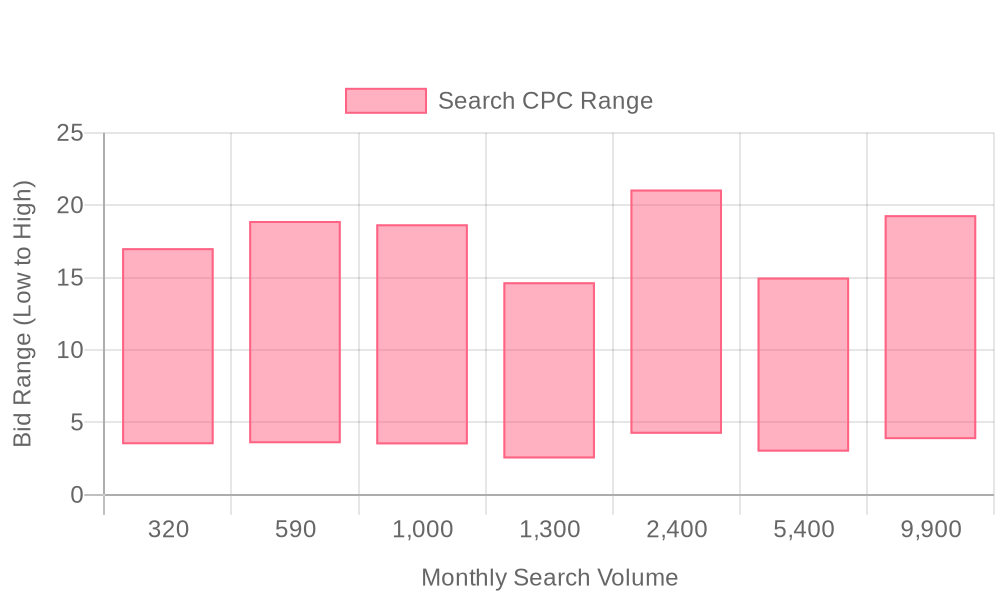
| Industry | Keyword | Monthly Search Volume | Competition Level | Low Bid | High Bid |
| Retaining Wall Contractors | block wall repair near me | 320 | MEDIUM | 3.5 | 17.03 |
| Retaining Wall Contractors | block wall contractors | 590 | MEDIUM | 3.57 | 18.91 |
| Retaining Wall Contractors | retaining wall companies near me | 1000 | MEDIUM | 3.49 | 18.68 |
| Retaining Wall Contractors | retaining wall builders near me | 1300 | MEDIUM | 2.52 | 14.68 |
| Retaining Wall Contractors | retaining wall repair near me | 2400 | MEDIUM | 4.22 | 21.08 |
| Retaining Wall Contractors | retaining wall contractors near me | 5400 | MEDIUM | 2.99 | 15 |
| Retaining Wall Contractors | retaining wall contractors | 9900 | LOW | 3.85 | 19.31 |
An effective keyword strategy is the cornerstone of high-performing Google Ads for retaining wall contractors. Targeting high-intent queries and filtering out irrelevant traffic drives both efficiency and growth, allowing contractors to connect with decision-makers who are actively seeking solutions. By focusing on search terms that align closely with your service offerings, you maximize the impact of every ad dollar while reducing wasted spend. For further keyword inspiration, review these top-performing landscaping keywords to sharpen your targeting and attract quality leads.
- Primary keywords: Select terms that reflect core business objectives and buyer intent, such as 'retaining wall contractor Google Ads guide' and 'optimize Google Ads for landscaping services.' Use advanced planning tools and historical search data to identify which variations consistently deliver qualified leads ready to engage your team. Precision targeting ensures ads appear when and where clients are most likely to convert, setting the stage for measurable business growth. To deepen your campaign planning, explore actionable insights in our B2B marketing reports guide.
- Negative keywords: Exclude terms that signal DIY research or non-commercial interest. Filtering out queries like 'how to build a retaining wall' or 'retaining wall design ideas' prevents your budget from being diluted by users who are not in-market for professional services. This level of control preserves resources for the clicks that matter most.
- Local targeting: Incorporate location modifiers such as 'near me,' city names, or neighborhood identifiers to ensure your campaigns reach homeowners and businesses within your service area. Local targeting not only increases relevance but also enhances ad rank by matching user search behavior with precise geographic intent.
Integrating real-time visitor identification and intent data lets marketers distinguish casual browsers from serious buyers, refining keyword targeting dynamically. As prospective leads show in-market behavior, budgets can shift quickly toward the highest-converting keywords and regions. Audience lists update automatically as contacts engage with your brand, keeping your Google Ads aligned with the latest pipeline data.
Step-by-Step Campaign Execution Framework
Modern retaining wall contractors seeking competitive advantage need a campaign process rooted in precision and adaptability. Each step in the framework builds on actionable data, ensuring every marketing dollar is allocated toward the highest-impact opportunities. By integrating advanced intent signals and real-time audience updates, contractors can shift from broad outreach to a focused, revenue-generating strategy that consistently delivers qualified leads.
Step 1: Build Targeted Keyword Lists
A robust campaign starts with developing a keyword list tailored to the specific services and customer pain points in retaining wall construction. Contractors benefit from targeting service-specific phrases such as “retaining wall installation,” “block retaining wall contractors near me,” and “slope stabilization solutions,” which align with both residential and commercial buyer intent. For additional inspiration, consider this list of high-converting landscaping keywords that can be adapted to the retaining wall niche. By expanding into long-tail keywords and question-based queries, like “how much does a retaining wall cost” or “best retaining wall material for drainage”, marketers capture niche searchers with high purchase probability. Adding negative keywords such as “DIY,” “free,” or unrelated services like “fence repair” ensures resources are not wasted on irrelevant clicks, refining audience focus and improving overall campaign ROI.
Effective keyword targeting for retaining walls increasingly relies on real-time audience enrichment and behavioral insight. As in-market behaviors are detected, high-intent accounts can be prioritized, shifting spend dynamically to keywords that are driving conversions. When marketers connect offline and online conversion data directly into their ad platforms, attribution becomes more accurate, revealing which keywords are producing true business outcomes. Unified data lets contractors continuously refine campaigns, suppress unqualified traffic, and double down on the search intent that moves leads through the funnel.
The upgrade most retaining wall contractors advertisers miss is going beyond raw keyword volume to layer in intent and identity signals. By connecting website-visitor data and CRM records with Sona Marketing Measurement, you can see which specific search terms bring in the accounts and customers that actually convert, and weight your keyword and bidding strategy toward those rather than the terms with the highest search volume alone.
Tips on Expanding Your Retaining Wall Service Presence
Expanding your retaining wall service presence means more than simply running ads. It requires a strategic approach that combines visibility, credibility, and ongoing optimization, ensuring you consistently attract and convert the right prospects. By leveraging targeted digital marketing for retaining walls, contractors can outpace competitors and generate a reliable stream of high-value leads.
- Use call and location assets: Adding call and location assets to your search campaigns gives potential customers a direct way to reach your team or find your business, right from the ad. These assets make each ad more actionable, lifting click-through rates and qualified inquiries. When your CRM and ad accounts are synced with real-time visitor identification, enriched contact information lets you prioritize which leads see which contact options, phone for a homeowner ready to book, address for a commercial client planning a site visit.
- Create educational content: Retargeting is most effective when it delivers genuine value, such as guides, how-to videos, or case studies that showcase your expertise in retaining wall installation and design. Running follow-up ads that answer common client questions or demonstrate project outcomes helps build trust and authority with both residential and commercial audiences. Using dynamic audience updates, you can ensure your retargeting campaigns always reach warm leads based on their latest behaviors and interactions with your brand, amplifying engagement and accelerating the buying journey.
- Implement modern automation: Continuous campaign optimization hinges on data-driven automation. When your online marketing for contractors is integrated with CRM data, you can automatically update audiences, exclude closed deals, and target high-intent profiles as they emerge. This approach keeps your PPC for retaining wall contractors agile and cost-efficient, allowing budget to shift toward the most conversion-ready accounts. With enhanced attribution insights, you can track both online and offline conversions, revealing which ads and keywords drive true business growth for your retaining wall services.
Beyond Google Ads: Winning the AI Answers Retaining Wall Contractors Buyers Now Trust
Paid search captures demand at the moment someone types a query. But a fast-growing share of retaining wall contractors buyers no longer start at Google at all, they ask ChatGPT, Gemini, or Perplexity before they ever run a search, and Google's own AI Overviews increasingly summarize an answer above the traditional results. If your business isn't referenced in those AI answers, you're invisible at the exact moment buyers build their shortlist.
Sona AI Visibility shows where your business shows up across ChatGPT, Gemini, Perplexity, Google AI Overviews, and 10+ engines, and, much like a keyword report, which prompts actually send you buyers, so you can prioritize the ones that convert. Run the two together and you cover the entire buyer path: get cited where buyers research (AI Visibility), then prove which of that demand turns into booked revenue (Marketing Measurement).
Helpful resources
Conclusion
Google Ads works for retaining wall contractors because it meets buyers at the moment a slope is failing, a permit deadline is looming, or a homeowner finally decides to stop patching a crumbling wall. Getting there takes disciplined keyword targeting, ad groups built around real service distinctions, and follow-up fast enough to matter.
The contractors pulling ahead right now aren't just running more ads, they're the ones showing up in the AI answers buyers are starting to trust before they ever open Google Maps. Pair tight Google Ads execution with visibility in those AI answers, and you're positioned for both the searches happening today and the buyer behavior taking over next.
Take the next step toward achieving your advertising goals and harness the power of data-driven insights. Start for free to experience our platform's capabilities today and see how we can support your journey to success.
FAQ
What are the best keywords for Google Ads targeting retaining wall services?
High-intent keywords such as 'retaining wall services near me' and 'retaining wall installation' are ideal for targeting both residential and commercial prospects at critical decision stages.
How much should I budget for Google Ads as a retaining wall contractor?
The budget should be allocated towards high-yield audiences and optimized campaigns that focus on high-intent keywords and precise targeting to maximize conversion rates and return on investment.
What are effective strategies for Google Ads in the construction industry?
Effective strategies include using data-driven targeting, creating tightly themed ad groups, optimizing landing pages, leveraging remarketing, and ensuring precise audience segmentation.
How can I optimize my Google Ads campaigns for retaining wall services?
Optimize campaigns by using high-intent keywords, creating relevant ad groups, optimizing landing pages, and integrating CRM data for precise targeting and full-funnel attribution.
What are the benefits of using Google Local Service Ads for retaining wall contractors?
Google Local Service Ads allow contractors to reach clients at the exact moment they begin searching for solutions, minimizing wasted spend and maximizing engagement likelihood.