


Real estate lawyers lose deals in the gap between when a buyer searches for help and when a firm actually responds. A title dispute, a blown closing deadline, a commercial lease gone sideways: these are moments when someone is searching right now, ready to hire, and the firm that shows up first with the right message usually wins the client. Google Ads, used well, closes that gap by putting a firm in front of prospects at the exact moment they need counsel.
How to Generate Real Estate Lawyers Leads with Google Ads: A Step-by-Step Guide

Real estate lawyers operate in a fast-paced, high-stakes environment where client decisions are shaped by urgency, trust, and the complexity of property transactions. Winning new business depends on reaching in-market prospects at the precise moment they seek legal counsel, with messaging that speaks directly to their needs.
With Google Ads, real estate law firms can capture this intent-driven demand by targeting high-value search queries and aligning every interaction across the digital journey. Advanced advertising strategies now allow for seamless integration of company-level identity resolution, intent tracking, and real-time data flows that drive measurable results.
- Keyword and Audience Targeting: Every Google Ads strategy for real estate lawyers starts with the language clients actually type: "commercial lease dispute attorney," "property closing lawyer near me," "emergency eviction attorney." Layering in demographic detail, such as zip codes with active real estate markets or industries with high commercial-lease turnover, cuts wasted spend and sharpens relevance. Company-level identity resolution takes this further, revealing which businesses are behind the anonymous clicks on your ads or site. Firms can then shift budget toward accounts showing real in-market intent, like a property management company suddenly researching landlord-tenant disputes, and update audience segments automatically as those accounts move closer to hiring counsel.
- Landing Page Alignment: Effective law firm advertising requires that every click takes prospects to a landing page finely tuned to their original search intent. For real estate legal services, this means replacing generic forms with tailored content, such as dedicated pages for residential closings, commercial disputes, or title defect resolution. A tightly aligned landing page builds trust and makes it easy for visitors to take the next step, whether scheduling a consultation or uploading legal documents for review. Firms that unify ad data with onsite engagement can identify which messages and offers truly resonate, allowing for rapid iteration that eliminates silos and improves conversion rates. Seamless integration between ad platforms and CRM ensures that every new lead is captured, enriched, and routed to the right follow-up workflow without delay.
- Data and Performance Optimization: Real-time measurement lets firms shift spend toward the keywords and audiences actually producing signed retainers, not just form fills. End-to-end attribution tracks both online conversions and offline outcomes, closings, retainer agreements, consultations, so bidding reflects what really drives revenue. This case study on real estate law firm PPC results shows what that looks like in practice. Real-time alerts flag high-value leads (a commercial developer inquiring about a zoning dispute, say) so they get a call back within minutes, not days, since a same-day response often decides whether a prospect hires your firm or the next one in the search results.
To see how these strategies can work for your firm, get started for free with Sona and unlock advanced lead generation and ad optimization tools.
Why Does Google Ads Matter for Real Estate Lawyers?
Every qualified lead a real estate lawyer wins can be worth a signed retainer on a commercial lease dispute or a multi-property closing, so the cost of missing one is steep. Google Ads lets firms reach people actively searching for legal help, which keeps the pipeline filled with clients who already know they need specialized counsel. For more on legal marketing, see our blog.
The platform's granular targeting capabilities allow firms to segment audiences by geography, property type, legal need, and even urgency, maximizing ad relevance and minimizing waste. As market conditions shift, rapid adjustments to campaigns ensure that advertising budgets are allocated to high-converting searches, especially during periods of increased demand such as seasonal real estate booms or regulatory changes. Unlock even more precise targeting by using real-time audience segments that auto-sync with your ad platforms.
- Capture active searchers: Real estate lawyers can intercept prospects actively looking for help, such as those searching “commercial lease dispute attorney in [city]”, and guide them directly to a consultation, reducing the lag between discovery and engagement.
- Respond to demand surges: When local property markets shift or legislation changes, firms can immediately adjust ad copy and targeting, ensuring their message stays top-of-mind for those most likely to need counsel.
Digital marketing for attorneys depends on measuring what a dollar of ad spend actually returns. Google Ads tracks the client journey closely enough to link a click to a real consultation or case. Paired with solutions that unify lead and client data, real estate lawyers can see not just which ads generate clicks, but which turn into retained business, turning Google Ads into an engine for predictable growth rather than a generic source of leads. Get started for free with Sona.
Common Types of Google Ads Campaigns for Real Estate Lawyers

- Search Campaigns: Search campaigns target prospects actively searching for legal help, phrases like "real estate attorney near me" or "property dispute lawyer." Responsive search ads, an ad format within Search, let firms test multiple headlines and descriptions to find the combination that converts urgent searchers fastest. Pairing this with unified audience data reveals the companies and individuals behind clicks, not just anonymous traffic, so follow-up can start from real context instead of a blank form.
- Display Ads: Display ads maintain brand awareness across sites frequented by property professionals and individuals researching legal content. Unlike one-size-fits-all campaigns, a data-driven approach allows real estate law practices to segment audiences by in-market activity and previous engagement, displaying tailored visuals and messaging that reinforce expertise even before a search occurs. As prospect behaviors shift, real-time audience updates ensure ad spend is continuously allocated toward the most relevant and conversion-ready segments.
- Video Ads: Video campaigns deliver legal expertise and client testimonials through engaging content that builds trust and authority. For firms specializing in complex transactions or litigation, video offers a powerful medium to explain unique processes, showcase successful outcomes, and humanize the brand for prospective clients. By cross-referencing CRM and on-site engagement data, marketers can serve these videos to relevant audiences who have already signaled intent, maximizing view-through rates and driving deeper funnel progression.
- Remarketing: Remarketing targets visitors who've already engaged with the firm's site or content, bringing them back with messaging tailored to their stage in the buyer journey, a homebuyer who read a closing FAQ, a landlord who downloaded an eviction guide. Intent signals let firms update these lists automatically as leads move through the pipeline. Enriched conversion attribution, covering both online and offline touchpoints, shows which remarketing efforts are actually driving signed engagements.
Where to Find Growth Opportunities for Real Estate Lawyers

Growth opportunities for real estate lawyers are closely tied to how precisely they can target clients searching for nuanced legal services. The most effective digital marketing strategies leverage granular keyword targeting to capture prospects seeking solutions for specific challenges such as property disputes, title insurance complexities, zoning issues, or commercial lease negotiations. For a deeper dive into PPC strategies tailored to real estate law, see PPC advertising for real estate lawyers.
- Legal keyword targeting: By focusing on highly specific legal terms, like “property boundary litigation attorney” or “title insurance claim lawyer”, firms attract clients with urgent, high-value needs. This not only improves lead quality, but also reduces wasted ad spend by filtering out low-intent searchers. These tailored keyword portfolios allow for refined audience segmentation, ensuring each click is a potential client seeking expertise in an area where the firm excels. By integrating intent signals, marketers can further prioritize keywords that generate the highest conversion rates, making every advertising dollar more efficient.
- Competitor analysis: Tools such as SEMrush empower real estate law firms to reverse-engineer the digital strategies of top competitors. By analyzing which keywords competitors dominate and where they are underrepresented, attorneys can identify gaps in service offerings and rapidly deploy targeted Google Ads campaigns to capture that demand. This intelligence also reveals which legal services are trending, informing decisions about new practice areas or content development. When combined with real-time audience segmentation, firms can dynamically shift budget to campaigns that are outperforming, capitalizing on emerging opportunities as they arise.
- High discovery placements: Beyond traditional search, real estate lawyers can drive discovery through placements on high-traffic legal forums, local business directories, and community Q&A sites. These platforms attract users in the research phase of their legal journey, offering a prime environment for educational content and subtle calls to action. Marketers who identify the specific pages or threads generating in-market traffic can use this insight to create custom audience segments, nurturing those users with tailored ad creative and landing pages that address their exact needs. As visitor identities become more transparent through advanced analytics, firms can retarget known prospects with hyper-relevant messaging, increasing the likelihood of conversion.
Unified data lets real estate attorneys move past anonymous clicks. By identifying the companies and individuals behind high-intent searches, marketers can concentrate outreach on the accounts most likely to convert, sharpening both prospecting and follow-up so that campaigns are built for relevance as well as reach.
How to Apply Audience Segmentation for Real Estate Lawyers

Audience segmentation enables real estate law firms to reach prospects with precision, ensuring advertising dollars are directed toward the highest-value leads. Tailored segmentation strategies prevent wasted spend and enhance conversion rates by aligning messaging with the specific needs of each client segment. For actionable tips on segmenting legal audiences, explore this guide to PPC advertising for lawyers.
- Define Segments: Real estate legal practices should build audience segments around core services and client type. An attorney handling residential buyer transactions needs different messaging than one focused on commercial litigation or landlord-tenant disputes. Segmenting into groups like first-time homebuyer support, investor advisory, or eviction defense avoids one-size-fits-all messaging and sharpens ad relevance. Modern platforms can identify the companies behind anonymous site visits, surfacing firm-level detail so marketers can prioritize high-value accounts. This segmentation is the foundation for effective law firm PPC.
- Overlay Intent Signals: A first-time homebuyer researching closing costs behaves very differently online than a developer vetting counsel for a zoning fight. Layering behavioral signals, search queries, content engagement, downloaded resources, onto these segments lets firms shift budget toward prospects showing real conversion potential rather than relying on demographics alone. When Sona surfaces intent signals in real time, sales and marketing can trigger personalized outreach before a competitor does.
- Validate Conversion Paths: Ensuring the alignment of audience segments with actual conversion outcomes is critical for sustained performance. By integrating segmentation logic with a CRM, firms can track the full journey from ad click to signed engagement letter, validating which segments are truly driving revenue. This closed-loop approach prevents disengagement from irrelevant follow-up and enables marketing teams to update audience lists as prospects move through the sales funnel. Advanced solutions connect ad platforms and CRMs, syncing enriched audience data and lead status bi-directionally. This ensures that Google Ads for Real Estate Lawyers campaigns always reflect the latest pipeline insights, supporting accurate attribution and ongoing optimization.
This is also where measurement changes the economics. With Sona Marketing Measurement you can identify the companies and buyers behind your ad clicks, not just anonymous sessions, and segment audiences by who actually becomes a customer. That lets you build bid adjustments and audience signals around the segments that convert and de-prioritize the ones that don't, so you feed Google's algorithms "this click became a paying real estate lawyers customer" instead of just "someone filled out a form."
Keyword Strategy & Sample Target Terms
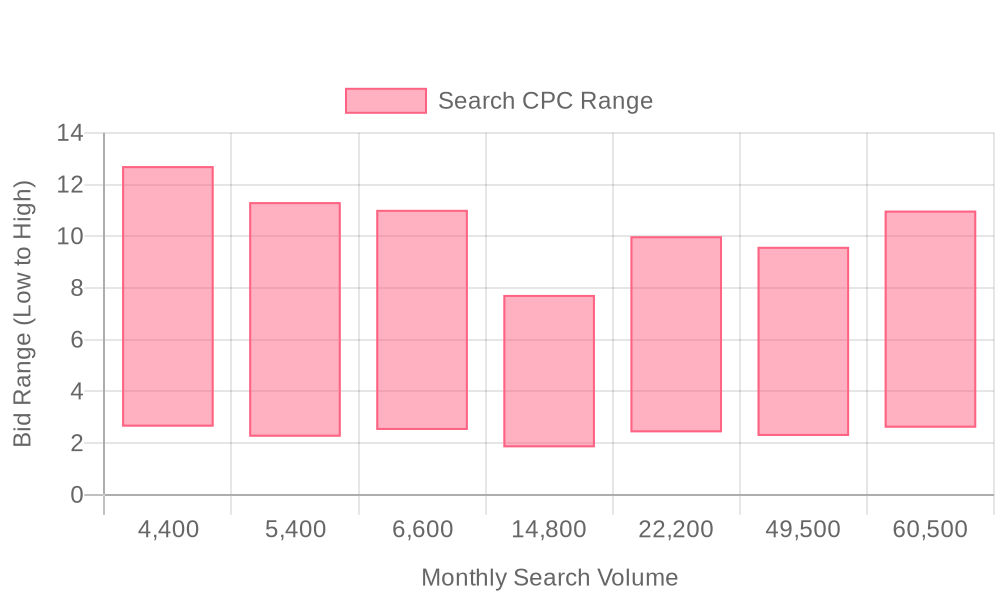
| Industry | Keyword | Monthly Search Volume | Competition Level | Low Bid | High Bid |
| Real Estate Lawyers | property lawyer | 4400 | LOW | 2.64 | 12.71 |
| Real Estate Lawyers | property lawyers near me | 5400 | MEDIUM | 2.25 | 11.32 |
| Real Estate Lawyers | real estate lawyers | 6600 | LOW | 2.51 | 11.02 |
| Real Estate Lawyers | landlord tenant lawyer | 14800 | LOW | 1.84 | 7.73 |
| Real Estate Lawyers | real estate lawyer near me | 22200 | LOW | 2.42 | 10 |
| Real Estate Lawyers | real estate attorney near me | 49500 | LOW | 2.28 | 9.59 |
| Real Estate Lawyers | real estate attorney | 60500 | LOW | 2.6 | 10.99 |
Building a high-impact Google Ads strategy for real estate lawyers begins with intentional keyword selection. The most effective approach targets both high-volume, urgent legal queries and niche, service-specific terms that reflect the complexities of real estate law. By analyzing actual client search patterns, such as “real estate legal services,” “property dispute attorney,” and “emergency eviction lawyer”, marketers can align campaigns with the exact needs of clients searching for immediate legal assistance. For a comprehensive overview of best practices, explore this guide to PPC for lawyers.
To maximize campaign efficiency, it is crucial to identify keywords that signal clear intent. High-intent, high-volume phrases like “find a real estate lawyer near me” or “commercial property closing attorney” capture prospects at the decision-making stage, ensuring that each click is more likely to convert into a consultation or case intake. At the same time, incorporating niche keywords that address unique legal scenarios, such as “title defect resolution law firm” or “tenant-landlord contract attorney,” enables firms to reach clients seeking specialized expertise that generic law firm advertising cannot address. For actionable tactics on keyword targeting and campaign optimization, see the Sona blog.
Negative keywords filter out irrelevant searches, such as "free real estate forms" or "DIY property lease," that waste spend on low-quality clicks. When this process is supported by Sona's Identity Resolution, marketers move beyond anonymous traffic and see which companies and firms are actively researching real estate legal services, sharpening targeting.
Dynamic keyword targeting improves further with real-time intent signals. When in-market behavior shifts, a spike in searches for "urgent zoning dispute lawyer," say, budget can move automatically toward the most promising segments. Integrating CRM and ad platforms means new leads and updated records feed Google Ads targeting instantly, creating a loop where audience segments adjust as prospects move through the funnel.
Step-by-Step Campaign Execution Framework
Step 1: Build Targeted Keyword Lists
Effective Google Ads for Real Estate Lawyers begins with assembling a precise keyword portfolio that reflects both location and legal service specificity. High-value prospects consistently use terms tied to their city, transaction type, or legal challenge, such as “commercial lease attorney San Diego” or “urgent property dispute lawyer.” By focusing on these localized, industry-driven phrases, campaigns capture the intent of clients who are actively seeking help and are closer to decision-making. Incorporating negative keywords like “real estate license classes” or “DIY property forms” also ensures that budgets are protected from low-quality clicks and non-legal queries.
Contemporary revenue teams move beyond basic keyword research by leveraging intent and behavioral signals to refine their audience further. With integrated solutions, marketers identify not just the keywords driving clicks but also the companies and individuals behind those queries. This visitor-level intelligence enables the creation of dynamic audience lists, which automatically update as leads progress through the buying cycle. The result is a campaign that continuously aligns with actual market demand, minimizing wasted spend and elevating the quality of leads entering the funnel.
The upgrade most real estate lawyers advertisers miss is going beyond raw keyword volume to layer in intent and identity signals. By connecting website-visitor data and CRM records with Sona Marketing Measurement, you can see which specific search terms bring in the accounts and customers that actually convert, and weight your keyword and bidding strategy toward those rather than the terms with the highest search volume alone.
Step 2: Develop Compelling Ad Copy
Ad copy for real estate legal services must address the nuanced concerns of buyers, sellers, and property developers while making the firm’s expertise unmistakably clear. Each message should focus on solving urgent problems, like “Resolve Title Defects Before Closing” or “Immediate Legal Help for Commercial Eviction.” Tailoring language for each audience segment increases engagement and ensures that ads resonate with both residential and commercial prospects. Incorporating trust signals, such as years in practice or successful case outcomes, further differentiates law firms in a crowded search landscape.
Personalization goes beyond inserting keywords. By syncing CRM and website engagement data, teams can trigger ad variations based on a prospect’s journey stage or prior interactions. When an individual has previously downloaded a case study or requested a consultation, ad platforms can serve them creative emphasizing next steps, such as “Schedule Your Free Strategy Session.” This seamless integration of first-party data ensures every impression is contextually relevant and advances the prospect toward conversion.
Step 3: Design Conversion-Optimized Landing Pages
A well-designed landing page bridges the gap between ad click and client intake, serving as the linchpin for real estate lawyer leads. Pages should reflect the precise query and promise of the ad, featuring headlines like “Connect with a Local Real Estate Attorney Today” and clear, concise calls to action such as “Request Your Confidential Case Review.” Trust elements, client reviews, professional certifications, and recent case wins, build credibility instantly and reduce hesitation. Fast load times and mobile responsiveness are essential, as most real estate legal searches now begin on mobile devices.
To accelerate engagement, modern teams leverage CRM syncing tools that capture form submissions, phone calls, and chat interactions in real time. Instead of waiting for manual follow-up, enriched lead profiles are routed directly to sales platforms, enabling rapid outreach and nurturing. This closed-loop workflow not only shortens response times but also arms attorneys with actionable insights about each lead’s intent and history, increasing the probability of successful intake.
Step 4: Implement Data-Driven Optimizations
Sustained performance in law firm PPC campaigns depends on continuous, analytics-driven optimization. Regularly reviewing ad group performance, search term reports, and conversion paths uncovers opportunities to pause underperforming keywords, expand on high-ROI terms, and refine targeting parameters. By deploying predictive models, revenue teams can proactively increase bids for audiences exhibiting strong in-market signals, while reducing investment in segments with low conversion probability. For an in-depth look at PPC strategies tailored to law firms, see this PPC for lawyers guide.
Real-time attribution and advanced conversion tracking empower marketers to connect online engagements with offline outcomes, such as signed retainers or closed cases. Syncing these insights back into ad platforms allows for automated budget reallocation to channels and tactics that deliver measurable business impact. This iterative approach transforms Google Ads ROI for lawyers from guesswork into a scalable, data-backed engine for real estate legal services growth.
Sona Marketing Measurement closes the gap between clicks and revenue. It captures every ad click with first-party measurement, ties that click through UTM capture and ad-platform APIs to the actual record in your CRM, and reports ROAS by keyword and campaign instead of by last-click form fill. Feeding that revenue signal back into Smart Bidding and Performance Max compounds over time: the algorithms optimize toward booked real estate lawyers revenue, not cheap leads.
Tips on Expanding Your Real Estate Lawyer's Digital Presence

Real estate legal professionals gain a measurable advantage by leveraging digital channels that target clients where and when it matters most. Precision targeting, actionable data, and agile content strategies are key to sustaining growth in a crowded legal market. Explore how PPC for lawyers can attract more clients and consider building a foundation with real-time audience segmentation to ensure your message reaches the right prospects.
Cross-promoting content across platforms and harnessing AI-powered tools transforms disconnected data into actionable insights, eliminating silos that commonly undermine law firm advertising. Enhanced campaign orchestration becomes possible when real-time visitor identification is layered into your digital marketing for attorneys: this capability enables marketers to pinpoint which companies and individuals are engaging with your ads and content, not just anonymous clicks. By syncing audiences and lead data directly with Google Ads and CRM systems, you ensure that high-intent prospects are engaged with personalized follow-up and relevant messaging as they move through the funnel.
Engaging with local and national industry associations provides collaborative marketing opportunities that expand reach and reinforce authority. Joint webinars, co-authored articles, and legal update series distributed through association channels can connect your firm to new referral networks. These relationships, combined with data-driven insights from integrated marketing platforms, enable your real estate legal services to adapt content and offers to the topics and trends that are getting traction among decision-makers and property professionals.
Utilizing search query insights enables you to uncover new content opportunities and stay ahead of evolving client needs. By analyzing which terms drive actual conversions, not just clicks, you can identify emerging topics and pain points that inform new guides, resource pages, or interactive tools. Automated audience segmentation ensures that leads are continuously nurtured, with dynamic updates as prospects engage or progress through different stages. This approach minimizes the risk of lead attrition due to delayed follow-up or irrelevant outreach and drives higher Google Ads ROI for lawyers by focusing resources on in-market prospects with active intent.
Executed together, these strategies help real estate attorneys attract, engage, and convert high-value clients. Each tactic feeds into broader B2B demand generation, turning digital presence into an engine for both immediate leads and long-term practice growth.
Beyond Google Ads: Winning the AI Answers Real Estate Lawyers Buyers Now Trust
Paid search captures demand at the moment someone types a query. But a fast-growing share of real estate lawyers buyers no longer start at Google at all, they ask ChatGPT, Gemini, or Perplexity before they ever run a search, and Google's own AI Overviews increasingly summarize an answer above the traditional results. If your business isn't referenced in those AI answers, you're invisible at the exact moment buyers build their shortlist.
Sona AI Visibility shows where your business shows up across ChatGPT, Gemini, Perplexity, Google AI Overviews, and 10+ engines, and, much like a keyword report, which prompts actually send you buyers, so you can prioritize the ones that convert. Run the two together and you cover the entire buyer path: get cited where buyers research (AI Visibility), then prove which of that demand turns into booked revenue (Marketing Measurement).
Helpful resources
Conclusion
Google Ads works for real estate lawyers because it meets a prospect at the moment they realize they need counsel, not weeks earlier when a referral might eventually surface. Firms that pair sharp keyword targeting with landing pages built for the specific transaction, a closing, a dispute, an eviction, turn that moment into a signed engagement more often than firms running generic campaigns.
The firms that will pull ahead over the next few years are the ones that connect ad spend to actual retained business, not just clicks, and that show up in the AI-generated answers buyers increasingly consult before they ever open Google. Measurement and visibility, together, are what turn a Google Ads budget into a durable source of client acquisition rather than a recurring expense to justify.
Ready to connect ad spend to real client outcomes? Start for free with Sona.
FAQ
How can real estate lawyers effectively use Google Ads?
Real estate lawyers can leverage Google Ads by targeting high-intent search queries, aligning landing pages with search intent, and using predictive analytics to optimize ad spend and track conversions.
What are the costs associated with Google Ads for law firms?
Costs are primarily influenced by keyword selection, targeting strategy, and campaign optimization, with budgets being allocated to high-converting searches to maximize ROI.
What keywords should real estate lawyers target in Google Ads?
Lawyers should target keywords that reflect urgent legal queries and specific services, such as 'commercial lease dispute attorney' or 'property closing lawyer near me,' while also using negative keywords to filter out irrelevant searches.
How do I measure the success of my Google Ads campaign as a lawyer?
Success is measured by tracking conversions from ad clicks to consultations or signed agreements, using end-to-end attribution and real-time data to optimize campaigns.
What are the common mistakes to avoid in Google Ads for real estate attorneys?
Common mistakes include not aligning landing pages with ad intent, failing to use negative keywords, and not utilizing real-time data to adjust campaigns for better targeting and conversion.







