


Custom car dealers sell a different kind of transaction than a standard franchise lot: a buyer commissioning a bespoke build or restoration expects consultation, patience, and proof of craftsmanship before they'll hand over a deposit. That longer, research-heavy path means high-value prospects often browse anonymously for weeks, never filling out a form, and slip out of the funnel before a CRM ever sees them. Google Ads gives dealers a way to intercept these buyers at the moment they search for a specific build, part, or shop, closing the gap between broad brand awareness and an actual sale. Modern targeting and tracking tools let dealers zero in on the right keywords, follow performance in real time, and turn that visibility into revenue. Here's how Google Ads can reshape lead generation for custom car dealers.
How to Generate Google Ads for Custom Car Dealers Leads: A Step-by-Step Guide

Custom car dealers contend with high-value purchases, long buyer journeys, and niche audience segments that demand precise targeting and consistent messaging across every channel. Real-time audience insights help these dealers reach the right prospects and build campaigns that stay relevant throughout that journey.
Disconnected campaigns drain budgets and erode trust, so unifying marketing data into one coherent customer experience matters. Aligning audience insights with ad targeting and attribution ensures every dollar spent moves prospects closer to conversion. For proven strategies, see our actionable marketing playbooks.
This step-by-step guide gives custom car dealerships a framework for integrating Google Ads into their marketing strategy. By combining advanced targeting, real-time intent signals, and robust attribution, dealers can identify high-intent buyers, personalize engagement, and get more out of every lead.
Modern platforms let marketers move beyond anonymous web traffic, connecting visitor data to CRM records and ad platforms. That lets custom car dealers update audience segments in Google Ads as buyers move through the sales funnel, and enriched data streams cut wasted spend by focusing budget on the prospects most likely to convert.
The sections that follow cover proven Google Ads strategies for car dealers, from keyword selection and campaign structure to cross-channel integration and conversion tracking. The approach reflects the realities of automotive Google Ads, where actionable data and seamless workflows drive results for high-ticket, relationship-driven sales. If you're ready to put these strategies into action, get started for free with Sona.
Why Does Google Ads Matter for Custom Car Dealers?

Custom car dealers face a complex landscape where traditional marketing fails to surface buyers seeking unique builds and bespoke automotive solutions. Modern search advertising lets these dealers intercept high-intent prospects at the exact moment they research custom vehicles or specialty upgrades, ensuring marketing dollars reach buyers truly ready to engage. For a deeper dive into how different Google ad campaigns can benefit dealerships, check out types of Google ad campaigns.
Google Ads delivers more than broad visibility: its advanced targeting identifies niche audiences, filters out tire-kickers, and drives qualified leads directly into the sales funnel. For custom car dealer marketing, this means campaigns can focus on keywords and intent signals that align with bespoke inventory, allowing for efficient spend and measurable ROI. With company-level visitor identification and intent insights, marketers can surface which companies and accounts behind anonymous website traffic are actively searching for custom vehicle solutions.
By integrating dynamic audience updates, custom car dealers can automatically move prospects through tailored remarketing sequences as buyer intent shifts. This enables seamless CRM and ad sync, ensuring enriched lead data continually refines Google Ads targeting and reporting. Unified conversion tracking, online and offline, further attributes sales to the exact campaigns, helping custom car dealerships optimize every dollar invested in digital acquisition.
Common Types of Google Ads Campaigns for Custom Car Dealers

Aligning campaign types with each stage of the car buyer's journey is essential for maximizing engagement and conversion rates. Custom car dealers benefit from tailoring their Google Ads strategy to different decision points, from the enthusiast still comparing build options to the buyer ready to put down a deposit, matching campaign type and ad format to intent. For a deep dive into campaign options, see this overview of Google ad campaign types for car dealerships.
- Search Campaigns: These campaigns capture high-intent buyers actively searching for custom vehicles or related services. Precise keywords and geo-targeting put dealer ads in front of queries like "custom muscle car dealers near me" or "bespoke SUV builds," and Responsive Search Ads let dealers test multiple headlines, so messaging about financing, turnaround time, or shop specialties surfaces to the right searcher. Integrating CRM and ad platforms with Sona's Audiences tool lets segments such as recent site visitors or leads from car shows sync automatically with updated messaging, lifting conversion rates.
- Display Campaigns: Display ads reach prospects early in their research phase, targeting users across automotive forums, enthusiast blogs, and relevant digital publications. Visual display formats allow dealers to showcase unique inventory, build brand awareness, and retarget visitors who have shown interest but haven't converted. Leveraging real-time intent signals can prioritize ad spend on users engaging with high-value content or competitor websites, driving efficiency across the funnel.
- Remarketing Campaigns: Remarketing keeps custom car dealer brands top-of-mind for website visitors who did not immediately engage, which matters given how long a custom build decision can take. By segmenting audiences based on behavior, such as vehicle page views or financing interest, dealers deliver tailored follow-up ads that address specific objections or highlight new inventory. Sona's Identity Resolution pinpoints both individual buyers and potential partner companies, ensuring no high-value lead slips through the cracks.
- Video Campaigns: Video ads demonstrate the craftsmanship, performance, and unique features of custom vehicles. These campaigns build trust and credibility, especially when using testimonials, behind-the-scenes footage, or walk-throughs of recent builds. Advanced ad conversion tracking links both online video engagements and offline showroom visits, providing a full view of ROI and informing future creative decisions.
- Performance Max and Vehicle Ads: Performance Max campaigns automate placement across Google's networks, optimizing for conversions using a dealer's full vehicle feed. Google's Vehicle Listings on Search are particularly powerful for displaying current inventory with up-to-date pricing and details, capturing buyers who are ready to decide. Dynamic audience updates through Sona Destinations keep high-intent leads nurtured as they move from research to purchase.
- Local Campaigns: Local campaigns drive foot traffic by targeting users searching for custom car dealers in a specific region or city. These campaigns use location assets and map integrations to make it easy for prospects to find and visit the dealership. Syncing enriched CRM data with Sona ensures ads only target those most likely to convert, reducing wasted impressions.
Selecting the right mix of these Google Ads campaigns lets custom car dealers maximize visibility, personalize engagement, and guide prospects efficiently from initial interest to closed sale. Consistent integration of enriched audience data and real-time intent signals turns fragmented ad efforts into one high-performing strategy. For more advanced tactics, explore retargeting strategies that further accelerate custom car dealer lead generation.
Where to Find Growth Opportunities?
Growth-minded custom car dealerships leverage digital marketing to access overlooked audiences and unlock incremental revenue. The most successful teams go beyond basic keyword targeting, tapping into hyper-specific buyer interests and aligning outreach with emerging automotive trends. For insights on maximizing unique campaign types, explore Google ad campaign strategies for dealerships to determine the best fit for your business.
- Niche Keyword Targeting: Focus campaigns on custom vehicle modifications, rare parts, or specialty services to reach high-intent prospects who are underserved by generic automotive advertising. Google Ads for custom car dealerships supports granular keyword segmentation, allowing dealers to dominate SERPs for unique queries tied to their inventory and expertise. Discover how precise audience intelligence can further refine your targeting for maximum ROI.
- Competitor Gap Analysis: Regularly audit competing dealerships to identify areas where their paid search presence is weak or inconsistent. By filling gaps, such as targeting lesser-known models or new customization options, custom car dealers can capture qualified buyers who may have otherwise slipped through the cracks. For actionable playbooks on identifying and capitalizing on these opportunities, refer to proven demand generation tactics.
- Content Retargeting with Educational Assets: Move beyond standard retargeting by promoting value-driven content, such as buyer's guides, build walk-throughs, or financing checklists, to re-engage website visitors and stay top of mind through a long decision process. Dynamic audience updates keep these retargeting pools current with real buyer behavior, so marketing dollars go toward leads actively progressing through the funnel. Use company-level visitor identification to turn anonymous traffic into actionable leads.
Traditional outreach often struggles to distinguish casual browsers from serious buyers. AI-powered intent models now let dealerships prioritize accounts showing genuine purchase readiness, sharpening both ad spend and sales team focus. Company-level visitor identification turns previously anonymous web traffic into named accounts worth pursuing, while audience enrichment tools sync lead and customer data directly from CRM platforms into Google Ads. This integration supports more precise targeting, better budget allocation, and measurable gains in custom car dealer lead generation.
Dealerships can accelerate growth by exploring untapped regions and partnering with adjacent industry brands, such as aftermarket parts suppliers or enthusiast clubs. Combining advanced targeting with strategic partnerships and rich educational content positions custom car dealers to capture new demand and outperform competitors as automotive marketing keeps shifting online.
How to Apply Audience Segmentation for Custom Car Dealers
Custom car dealers operate in a landscape shaped by precise consumer intent and shifting buyer journeys. Effective audience segmentation in Google Ads for custom car dealers means using data to create highly relevant messaging, ensuring each campaign is aligned with the prospect's current needs and interests. For a foundational overview of requirements and setup, visit Google's Vehicle Listings on Search.
Tailoring Google Ads campaigns to align with different customer segments is essential. This starts by defining overlay intent signals such as recent search queries, on-site behaviors, and engagement with inventory pages. Grouping audiences by vehicle preference, budget sensitivity, or readiness to buy enables custom car dealerships to deploy personalized ad groups. Segment-specific creative and offers resonate more deeply and reduce wasted spend from irrelevant impressions, as detailed in our proven marketing and sales tactics.
Disconnected campaigns often drain budget and muddy measurement. Unified segmentation, supported by real-time audience data, allows marketing teams to serve ads that reflect the buyer's journey stage across search, display, and vehicle listing formats. By pinpointing anonymous website visitors and matching them to company records, marketers can identify which segments are engaging and dynamically update audiences as leads progress through the funnel. This approach ensures that as a visitor shifts from research to purchase intent, ad messaging and bidding strategies automatically adapt.
Validating conversion paths is critical for lead generation and sales attribution. Effective tracking should capture every meaningful touchpoint: form fills, calls, chat initiations, and dealership visits. Centralizing these engagements in the CRM provides a full-funnel view, helping revenue teams attribute pipeline to specific segments and campaigns. Integrating CRM and ad platforms ensures that enriched audience data and new leads sync seamlessly, supporting precise retargeting and nurturing. Automotive marketers leveraging unified data can move budget to the highest-converting segments, optimize creative, and deliver measurable improvements in custom car dealer marketing ROI.
Maintaining consistent messaging across channels, while reflecting the latest buyer journey signals, is achievable with advanced audience management tools. These solutions bridge ad platforms and internal systems, ensuring each prospect receives relevant, timely communication, whether they're seeing a Performance Max vehicle ad, a tailored search result, or a retargeted display banner. For custom car dealers, this unified approach is the foundation for sustainable growth and efficient lead generation.
This is also where measurement changes the economics. With Sona Marketing Measurement you can identify the companies and buyers behind your ad clicks, not just anonymous sessions, and segment audiences by who actually becomes a customer. That lets you build bid adjustments and audience signals around the segments that convert and de-prioritize the ones that don't, so you feed Google's algorithms "this click became a paying custom car dealers customer" instead of just "someone filled out a form."
Keyword Strategy & Sample Target Terms
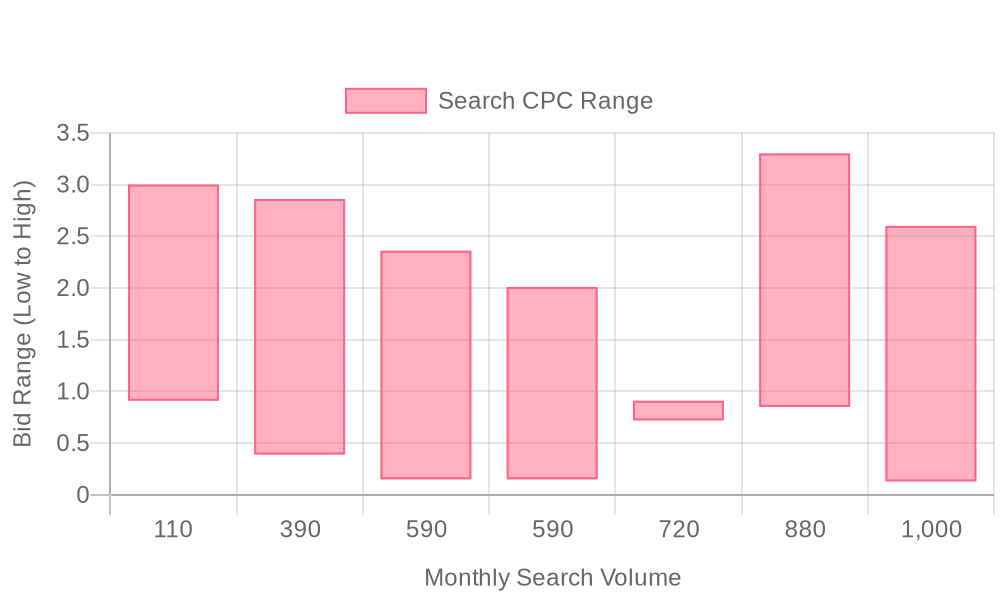
| Industry | Keyword | Monthly Search Volume | Competition Level | Low Bid | High Bid |
| Custom Car Dealers | custom jeep dealers | 110 | HIGH | 0.91 | 3 |
| Custom Car Dealers | custom car dealers | 390 | MEDIUM | 0.39 | 2.86 |
| Custom Car Dealers | custom cars for sale near me | 590 | HIGH | 0.15 | 2.36 |
| Custom Car Dealers | custom car sales | 590 | HIGH | 0.15 | 2.01 |
| Custom Car Dealers | loyal auto sales | 720 | MEDIUM | 0.72 | 0.91 |
| Custom Car Dealers | custom auto sales | 880 | LOW | 0.85 | 3.3 |
| Custom Car Dealers | chevy custom van for sale | 1000 | HIGH | 0.13 | 2.6 |
Custom car dealers face a unique digital landscape, where buyers demand specificity and personalization at every touchpoint. Effective keyword strategies must reflect both the high intent of custom vehicle shoppers and the nuanced inventory these businesses offer. Explore more practical guidance in our marketing analytics blog to inform your automotive keyword approach.
Strategic keyword mapping is foundational for multi-channel success in the automotive sector. Begin by segmenting keywords into intent-based categories: transactional phrases like "buy custom muscle cars online," branded modifiers such as "custom [dealership name] inventory," and informational queries like "best custom car features 2024." Integrating negative keyword lists is critical to filter out irrelevant traffic, preventing wasted spend on generic automotive terms that fail to convert. For a comprehensive look at Google ad campaign types for car dealerships, review the available formats to align your keywords with campaign objectives.
To maximize campaign performance, identify high-value prospects before they engage directly with your forms. With company-level visitor identification, marketers can match anonymous website visitors to company records, enriching Google Ads customer match lists for precise retargeting. This lets custom car dealer marketing teams capture in-market shoppers who research extensively but rarely submit contact details on their first visit. Use CRM and ad platform integrations to sync enriched audience segments in real time, so campaigns target only the most relevant, high-intent buyers.
Refining your strategy with real-time search term analysis ensures budget goes toward those closest to a purchase decision. Monitor which queries drive qualified traffic, then adjust bidding and audience rules as leads progress through the funnel. Leveraging unified go-to-market data, automotive Google Ads strategies can continually optimize toward higher conversion rates, stronger lead quality, and measurable revenue impact.
Step-by-Step Campaign Execution Framework

Unlocking greater ROI from Google Ads for custom car dealers demands precision at every stage: targeting, messaging, and measurement. Sophisticated teams maximize budget impact by systematically prioritizing high-intent prospects, ensuring every dollar chases the right audience. For deeper insights on maximizing Google ad effectiveness in automotive, explore Google ad campaign types for car dealerships.
A robust campaign execution framework starts with detailed keyword research, precise audience segmentation, and seamless CRM integration. When marketing and sales teams align around shared data and intent signals, outreach becomes focused on likely buyers, not just generic site visitors. Leverage intent signals to ensure your campaigns are always targeting the most engaged prospects.
Step 1: Build Targeted Keyword Lists
Effective keyword strategies for custom car dealerships rely on understanding buyer intent, and that intent looks different depending on where someone sits in a long, considered purchase. A search for "custom truck builder [city]" signals someone shopping shops, while "1969 Camaro restomod cost" signals someone still pricing out the idea. Group keywords by funnel stage and buyer persona, weight budget toward specific models, customization services, and location-based phrases, and use search demand and competitive density to decide where to spend first. For a hands-on walkthrough, watch this Google Vehicle Listing Ads video.
Dynamic keyword management accelerates response to shifting market trends. When advanced platforms surface real-time audience intent, teams can update negative keywords, expand long-tail opportunities, and avoid wasted spend on low-value searches. Integrating keyword insights with CRM records ensures campaigns reflect actual pipeline priorities, not guesswork.
The upgrade most custom car dealers advertisers miss is going beyond raw keyword volume to layer in intent and identity signals. By connecting website-visitor data and CRM records with Sona Marketing Measurement, you can see which specific search terms bring in the accounts and customers that actually convert, and weight your keyword and bidding strategy toward those rather than the terms with the highest search volume alone.
Step 2: Develop Compelling Ad Copy
High-converting ad copy for custom car dealers addresses urgency, trust, and differentiation. Highlight exclusive inventory, custom features, and easy financing to match what buyers care about most. Use clear calls-to-action and tie messaging to the keyword themes driving each ad group. Discover more on Google Ads features for automotive dealers.
Copy performance improves rapidly when messaging adapts to intent data from both online and offline touchpoints. For example, platforms that identify returning site visitors or score leads by buying stage allow marketers to personalize headlines and offers for each segment. This level of granularity boosts click-through rates and conversion quality while supporting consistent brand positioning across channels.
Step 3: Launch Effective Landing Pages
Landing pages must reinforce ad promises and remove friction from the conversion process. For custom car dealership campaigns, prioritize mobile-first design, rapid load times, and inventory-specific content. Use rich visuals, customer testimonials, and clear pricing to build trust and prompt action. Review Google's Vehicle Listings on Search requirements to ensure your listings stand out.
Connect landing pages directly with your CRM and lead management systems to capture every inquiry and sync audience data for retargeting. Intelligent tracking ensures that visitor actions, test drive requests, financing applications, or quote downloads, are attributed to the correct ad group and keyword, streamlining reporting and funnel analysis. This creates a closed loop where real engagement signals feed back into campaign optimization.
Step 4: Optimize with Data-Driven Insights
Ongoing optimization separates high-performing Google Ads for custom car dealerships from average efforts. Review conversion rates, cost per lead, and quality scores daily, and let them guide budget allocation and bid adjustments. A/B test ad variations, landing page layouts, and new keyword groups, paying particular attention to seasonal swings in build requests and how quickly leads go cold on high-consideration purchases. For real-world tactics from industry peers, join the Reddit discussion on car dealership Google Ads.
Advanced analytics platforms provide a tactical advantage by linking online engagement to offline outcomes, such as showroom visits or closed deals. Audience segments update automatically as prospects progress through the funnel, enabling timely retargeting and nurturing. When CRM and ad data are unified, sales teams receive enriched lead profiles while marketers see which channels and messages drive true revenue, not just clicks.
Sona Marketing Measurement closes the gap between clicks and revenue. It captures every ad click with first-party measurement, then ties that click through UTM capture and ad-platform APIs to the actual record in your CRM, and reports ROAS by keyword and campaign instead of by last-click form fill. Feeding that revenue signal back into Smart Bidding and Performance Max compounds over time: the algorithms optimize toward booked custom car dealers revenue, not cheap leads.
Step 5: Align Marketing and Sales with CRM Integration
Custom car dealers thrive when marketing and sales operate from a single source of truth. Syncing Google Ads audience data with CRM systems like Salesforce or HubSpot ensures that leads are enriched, scored, and routed in real time. This reduces manual hand-offs and allows sales teams to prioritize follow-up based on actual buying intent. For seamless data activation, leverage Sona Destinations to auto-sync audiences across your GTM stack.
Dynamic audience syncing means that as prospects engage with ads, visit landing pages, or interact with sales, their status updates across systems. Marketers can automate retargeting or exclude converted leads, keeping campaigns efficient and relevant.
Tips on Expanding Your Custom Car Dealership Presence
Custom car dealerships face unique challenges when building a recognizable presence in a competitive market. Evolving your digital strategy with precise retargeting and cross-promotion tactics positions your brand in front of high-intent buyers and drives measurable results across multiple channels. For a deeper understanding of the various types of Google ad campaigns available to dealerships, explore this guide to Google ad campaign types.
Breaking down data silos is essential for scaling marketing impact. By continuously syncing intent signals and updating audience lists in Google Ads, dealerships can target users with timely, relevant messaging. Using Sona's Identity Resolution, teams move beyond anonymous site traffic and recognize returning prospects, enabling more personalized retargeting and better campaign efficiency.
Collaboration with industry associations opens doors to new audience segments and strengthens market credibility. Localizing marketing efforts helps custom car dealers dominate their specific geographic area, leveraging community events, partnerships, and hyper-targeted ads. Real-time analysis of search query data uncovers emerging topics and purchase behaviors, giving marketers the insight needed to refresh both ad copy and content offers. Integrating CRM and ad platforms ensures audience segments remain dynamic, automatically reflecting prospects' stage in the buying journey and optimizing spend toward the most conversion-ready leads.
Beyond Google Ads: Winning the AI Answers Custom Car Dealers Buyers Now Trust
Paid search captures demand at the moment someone types a query. But a fast-growing share of custom car dealers buyers no longer start at Google at all, they ask ChatGPT, Gemini, or Perplexity before they ever run a search, and Google's own AI Overviews increasingly summarize an answer above the traditional results. If your business isn't referenced in those AI answers, you're invisible at the exact moment buyers build their shortlist.
Sona AI Visibility shows where your business shows up across ChatGPT, Gemini, Perplexity, Google AI Overviews, and 10+ engines, and, much like a keyword report, which prompts actually send you buyers, so you can prioritize the ones that convert. Run the two together and you cover the entire buyer path: get cited where buyers research (AI Visibility), then prove which of that demand turns into booked revenue (Marketing Measurement).
Helpful resources
Conclusion
Google Ads works for custom car dealerships because it meets a deliberate, research-heavy buyer at the exact moment they're searching, whether that's a first look at build options or a final comparison before a deposit. The strategies here, from keyword segmentation to CRM-synced retargeting, are built around that long consideration window rather than the impulse purchase most retail advertising assumes.
The dealers who pull ahead won't just run more ads, they'll close the loop between a click and a sale, so every dollar spent teaches the algorithm what a real custom car dealers customer looks like. That's the shift worth making next: from counting leads to counting the ones who actually bought.
FAQ
How can custom car dealers optimize their Google Ads campaigns?
Custom car dealers can optimize their Google Ads campaigns by leveraging advanced targeting, real-time audience insights, and robust attribution to identify high-intent buyers, personalize engagement, and maximize lead generation efficiency.
What are the best practices for Google Ads in the custom car industry?
Best practices include integrating CRM data with ad platforms, dynamically updating audience segments, using precise keyword targeting, and employing remarketing techniques to engage prospects throughout the buyer journey.
How do Google Ads work for custom car dealerships?
Google Ads help custom car dealerships reach high-intent prospects by targeting specific keywords and audiences, enabling personalized campaigns, and tracking performance to drive measurable sales results.
What are the key differences between Google Ads for custom car dealers and traditional car dealerships?
The key differences lie in the need for precise targeting and messaging due to the niche audience segments and high-value purchases typical in custom car dealerships, compared to more general automotive advertising.
How can custom car dealers track and measure the success of their Google Ads campaigns?
Custom car dealers can track and measure success by using conversion tracking, integrating CRM systems with ad platforms, analyzing real-time data, and ensuring that all audience interactions are captured and attributed accurately.







