


Printing roller suppliers sell into a market where the buyer rarely announces themselves. A plant engineer searches for a replacement roller at 11pm after a press goes down; a procurement manager quietly compares three vendors before anyone picks up the phone. Google Ads gives suppliers a way to show up at that exact moment of need, rather than waiting for a trade show or a referral. This article lays out how to build campaigns that convert those high-intent searches into qualified leads, and how to connect the resulting online activity back to the offline sales process that still closes most of these deals.
How to Generate Printing Roller Supplier Leads with Google Ads: A Step-by-Step Guide
Generating high-quality leads for printing roller suppliers requires precise targeting and an agile digital strategy. B2B decision cycles in the print industry are complex, and effective lead generation depends on surfacing intent signals and responding with tailored engagement.
Modern revenue teams can drive sustained pipeline growth by building data-driven Google Ads campaigns designed specifically for the nuances of the print supply chain. Leveraging real-time audience segmentation, marketers can overcome challenges like anonymous website traffic and delayed sales outreach, capturing high-value prospects exactly when they are in the market for printing rollers or related equipment.
The core approach involves several critical steps:
- Identifying High-Intent Keywords and Audiences: Focus on phrases such as "industrial printing rollers," "custom roller suppliers," and "bulk print equipment parts." Align keyword selection with buying signals and industry-specific terminology, ensuring campaigns reach purchasing managers and procurement leads actively searching for solutions.
- Aligning Creative and Landing Pages: Customize ad creative and landing pages to address the specific pain points and priorities of print operations professionals. Messaging should speak directly to durability, supply chain reliability, and technical specifications, maximizing relevance and conversion rates.
- Performance Optimization Tactics: Implement advanced conversion tracking to measure both online and offline engagement, enabling teams to adapt bids, budgets, and creative in real time. Sona's Identity Resolution helps move beyond surface-level metrics, surfacing which accounts are progressing through the funnel and warrant increased investment.
- Google Ads and CRM Integration: Syncing campaign data with CRM and sales tools ensures lead details are instantly enriched, routed, and nurtured. With dynamic audience updates, when a prospect's engagement level changes, ad targeting and messaging automatically adjust, sustaining momentum and personalizing follow-up throughout the buying journey.
For printing roller suppliers, a unified, data-rich approach to Google Ads shortens sales cycles and improves pipeline efficiency. For an overview of the top-performing digital ad formats for print shops, review industry benchmarks to refine your tactics. Each step in the process, from keyword research to audience management, benefits from integrated insights and automation that keep B2B teams ahead of shifting market opportunities. Get started for free with Sona.
Why Google Ads is Crucial for Printing Roller Suppliers

Printing roller suppliers operate in a highly specialized B2B market where traditional marketing often fails to deliver measurable, high-quality leads. Digital channels like Google Ads offer the precision and agility required to cut through noise and connect with decision-makers actively seeking printing equipment, supplies, or technical solutions.
Google Ads stands out by enabling suppliers to pinpoint niche audiences based on real-time search intent, making campaigns highly relevant and minimizing wasted spend. By leveraging granular targeting, suppliers can identify the companies behind previously anonymous website visits, turning web traffic into actionable sales opportunities.
Synchronized engagement is essential in this sector, as timing can be the difference between winning or losing a contract. Google Ads allows printing roller suppliers to immediately engage high-intent prospects with tailored messaging, ensuring no lead slips through the cracks. Real-time insights empower marketing teams to react quickly, shifting focus and budget toward accounts demonstrating active interest in printing rollers or related supplies.
Comprehensive analytics further elevate the strategy by integrating data from both digital and offline touchpoints. With advanced attribution and CRM synchronization, revenue teams can track every stage of the buyer journey, accurately measuring ROI and identifying what drives conversions. This unified view informs smarter investment and continuous optimization, closing the loop between marketing, sales, and customer success for sustainable growth in the print industry.
Common Types of Google Ads Campaigns for Printing Roller Suppliers
- Search Campaigns: Capture high-intent searches from buyers actively seeking printing roller solutions or specific roller types, using Responsive Search Ads to test headline and description combinations that speak to durability, lead times, and technical fit. With tailored keyword strategies, suppliers ensure their ads appear at critical decision points, attracting professionals searching for printing equipment or maintenance services. By integrating real-time intent signals, marketers can prioritize spend on in-market accounts, ensuring resources focus on those most likely to convert.
- Display Ads: Reinforce brand consistency by appearing across relevant industry websites, forums, and procurement platforms. Display campaigns enable printing roller suppliers to maintain top-of-mind awareness among procurement managers and engineers, especially those still considering options. Unified audience data ensures these ads reach not just a wide segment, but the right segment, as audience lists dynamically update based on buyer behaviors and lifecycle stage. For a breakdown of the top-performing digital ad formats in the print sector, see this overview of popular digital ads for print shops.
- Video Ads: Engage prospects with visual storytelling that demonstrates unique product features, manufacturing processes, or problem-solving capabilities. Video campaigns help educate buyers on technical differentiators, such as roller material quality or precision tolerances, which are often missed in static ads. With advanced visitor identification, marketers can pinpoint which companies interact with videos, enabling targeted follow-ups and nurturing sequences.
- Remarketing: Utilize advanced segmentation to re-engage site visitors who explored product pages, pricing, or technical specs but left without converting. Personalized remarketing campaigns address specific hesitations or objections, driving return visits and higher conversion rates. With CRM and ad sync, suppliers ensure remarketing lists reflect the latest lead data, preventing wasted spend on outdated or irrelevant contacts.
- Assets: Enhance ad credibility with location, certification, and callout assets that highlight manufacturing standards, rapid delivery, or compliance with industry regulations. These assets foster trust among buyers who demand transparency and reliability from their suppliers. By unifying online and offline touchpoints, marketers can attribute calls, form fills, and showroom visits back to specific assets, accurately measuring influence and ROI impact.
Where to Find Growth Opportunities in the Printing Roller Industry

Expanding reach in the printing roller industry requires nuanced strategies that align precisely with the needs of high-value buyers. Modern revenue teams must move beyond basic outreach to capture overlooked demand and deliver measurable results with approaches like Sona's Identity Resolution, which reveals which companies are visiting your site and their intent level.
- Targeting specialized vertical keywords: Pinpointing sector-specific keywords such as "UV-resistant printing rollers" or "FDA-approved roller coatings" draws in buyers actively seeking tailored solutions. Leveraging data-driven insights into search intent ensures campaigns focus on segments where conversion probability is highest, allowing for real-time budget reallocation to high-converting accounts.
- Conducting detailed competitor analysis: In-depth monitoring of competitor ad activity and organic presence uncovers under-served buyer segments and product gaps. Integrating visitor identification technology enables marketers to reveal which companies are engaging with their content and compare this data against competitor audiences, helping develop bespoke offers that address unmet needs.
- Positioning ads on industry-specific platforms and directories: Advertising on trusted print industry directories and specialized B2B platforms increases visibility among procurement managers and engineers researching suppliers. For an overview of the top-performing digital ad formats for print shops, consider reviewing digital ad strategies that resonate most within the sector. Syncing enriched audience segments from CRM and web analytics into these campaigns, using tools like Sona's Destinations feature, ensures that ads reach decision-makers who have demonstrated interest across multiple channels, strengthening brand recall and pipeline quality.
- Employing retargeting based on content engagement: Retargeting visitors who engage with technical guides or product specification sheets reinforces brand presence and nurtures prospects through complex buying cycles. Utilizing dynamic audiences that update as leads progress allows marketers to automate outreach and deliver timely, relevant offers, increasing the likelihood of converting interest into committed supplier relationships.
By structuring outreach around intent, competitive insights, and multichannel precision, printing roller suppliers can continuously surface new growth opportunities and improve the return on digital investment.
How to Apply Audience Segmentation for Printing Roller Suppliers
Precision audience segmentation enables printing roller suppliers to connect with buyers when their needs are most acute. Leveraging advanced audience segmentation ensures marketing budgets focus on high-fit accounts, maximizing conversion potential and minimizing waste.
- Defining customer segments based on project needs and purchasing behaviors, ensuring detailed focus on high-fit profiles: For printing roller suppliers, segmenting by project scale, industry vertical, and procurement cycle length is essential. Some buyers seek rollers for frequent small-batch jobs, while others require customized equipment for large-scale manufacturing. By mapping these attributes, teams can prioritize segments most likely to drive revenue and tailor messaging to their distinct purchase motivators. For a comprehensive directory of U.S. suppliers, refer to printing rollers suppliers.
- Tracking intent signals and custom attributes for nuanced engagements, whether these signal maintenance phases or intentions to invest in new equipment: Monitoring digital footprints, such as content downloads, quote requests, and maintenance inquiry frequency, provides clear indicators of a buyer's position in the journey. Real-time intent signals, when layered onto CRM and website data, allow marketers to dynamically adjust spend, reallocating budget to in-market buyers and deprioritizing low-intent segments. This approach ensures PPC for printing rollers is aligned with actual demand and readiness to buy.
- Customizing ad groups with creative narratives that deeply resonate with targeted segments: High-performing Google Ads for Printing Roller Suppliers rely on ad group structures that mirror segmentation logic. Tailored creative speaks directly to the unique challenges of each segment: for example, emphasizing fast turnaround for urgent maintenance buyers or durability and precision for OEM procurement teams. For a closer look at top-performing digital ad formats, see most popular digital ads for print shops. Ad copy and landing pages use language and visuals that reinforce segment-specific pain points and desired outcomes.
- Capitalizing on Sona's data to enrich audience profiling and refine targeting with intricate intent insights: Unifying go-to-market data means marketers move beyond anonymous website traffic. Sona's Identity Resolution reveals which companies are engaging, enabling the creation of dynamic audiences that update as prospects progress through the funnel. Advanced CRM and ad platform syncs ensure enriched profiles and high-intent leads are automatically activated in Google Ads, with segmentation rules evolving in real time as new behaviors emerge. For more actionable tips and expert Q&A, explore the Sona blog.
This is also where measurement changes the economics. With Sona Marketing Measurement you can identify the companies behind your ad clicks, not just anonymous sessions, and segment audiences by who actually becomes a customer. That lets you build bid adjustments and audience signals around the segments that convert and de-prioritize the ones that don't, so you feed Google's algorithms "this click became a paying printing roller suppliers customer" instead of just "someone filled out a form."
Keyword Strategy & Sample Target Terms
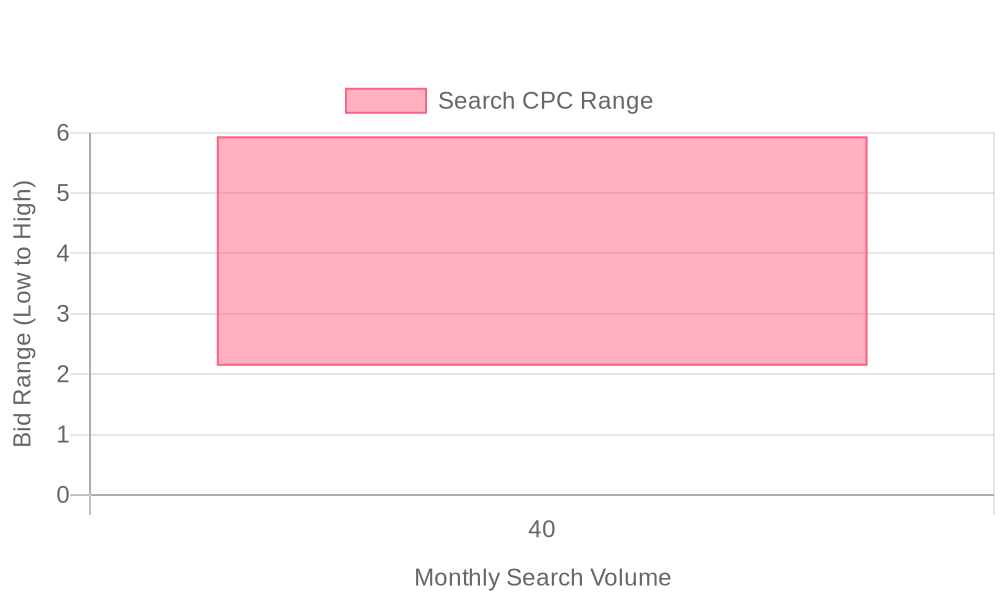
| Industry | Keyword | Monthly Search Volume | Competition Level | Low Bid | High Bid |
| Printing Roller Suppliers | printing rollers manufacturers | 40 | MEDIUM | 2.14 | 5.94 |
Modern print industry advertising strategies require precision targeting to overcome wasted ad spend and low-quality leads. In the competitive market for printing roller suppliers, success hinges on identifying and prioritizing keywords that map tightly to buyer intent and actual purchasing behavior. For an overview of the most effective ad formats in this vertical, review this digital ads for print shops guide.
A high-impact approach begins with long-tail keyword selection: terms like "industrial printing rollers supplier," "custom rubber rollers for printing," and "OEM print roller replacement" attract prospects who know what they want and are closer to purchase. These specific search queries minimize ambiguity, ensuring campaigns reach professionals seeking solutions relevant to their operations. For more actionable keyword planning tactics and campaign ideas, explore our long-tail keyword selection.
Incorporating robust negative keyword lists further refines campaign performance. Excluding terms such as "DIY," "second-hand," or "roller painting" systematically filters out audiences outside the B2B space or those with non-commercial intent. This sharpens the focus on high-value decision makers in the print equipment sector, preventing budget losses to irrelevant clicks. For ongoing insights and expert Q&A on campaign optimization, visit Ask Sona.
For revenue teams seeking sustained growth, leveraging real-time intent data and ICP (ideal customer profile) scoring is critical. When platforms facilitate deeper keyword refinement based on live in-market signals, marketers can continuously adjust keyword bids and lists to align with changes in buyer behavior. As new high-value search trends emerge, campaign managers avoid missed opportunities while dynamically reallocating spend toward accounts showing the strongest purchase signals.
Step-by-Step Campaign Execution Framework
A strategic, repeatable execution process is the backbone of successful Google Ads for Printing Roller Suppliers. Clear frameworks help B2B revenue teams overcome operational bottlenecks, deliver timely engagement, and outpace competitors in highly contested markets. By prioritizing precision, marketers drive higher conversion rates and maximize the impact of every advertising dollar spent. For ongoing tips and actionable strategies, explore the Sona blog.
This framework ensures campaigns are grounded in local demand, deeply relevant messaging, seamless conversion paths, and continuous optimization. Each step connects data and action, empowering print industry teams to target, convert, and nurture high-intent buyers with efficiency. If you're ready to elevate your campaign execution, get started for free with Sona.
Step 1: Build Targeted Keyword Lists
Developing localized keyword lists tailored to printing roller suppliers is an essential first step. Start by researching terms related to printing rollers, roller refurbishing, and regional print equipment needs. Incorporate variations that reflect how buyers in different geographies search for solutions, such as "industrial printing rollers supplier in Chicago" or "rubber rollers for offset printers Dallas." This granular approach ensures your Google Ads campaigns reach prospects who are ready to engage, reducing wasted spend and minimizing irrelevant clicks. See an overview of the top-performing digital ad formats for print shops to identify which formats pair best with your keyword strategy.
The process should involve ongoing keyword refinement. By integrating real-time audience data and in-market signals, marketers can dynamically adjust keyword strategy to focus on segments demonstrating the highest intent. Leveraging advanced analytics allows teams to identify which keywords drive not just clicks, but qualified leads and revenue.
The upgrade most printing roller suppliers advertisers miss is going beyond raw keyword volume to layer in intent and identity signals. By connecting website-visitor data and CRM records with Sona Marketing Measurement, you can see which specific search terms bring in the accounts and customers that actually convert, and weight your keyword and bidding strategy toward those rather than the terms with the highest search volume alone.
Step 2: Write Industry-Specific Ad Copy
Ad copy must address the unique pain points and priorities of print industry buyers. Craft messaging that highlights core differentiators such as fast lead times, custom roller fabrication, and compliance with industry certifications. Use language that speaks directly to operational challenges, like minimizing downtime or supporting specialized press equipment, while showcasing how your solution meets those needs.
Integrating predictive intent data into copywriting can elevate performance. When marketers know which companies are actively researching printing roller suppliers, they can tailor ad text to match intent signals, increasing relevance and boosting click-through rates.
Step 3: Design High-Converting Landing Pages
Every click from Google Ads for printing equipment must land on a page optimized for conversion. Design dedicated landing pages for each core product or service, with messaging tightly aligned to ad copy. Include compelling calls to action, such as "Request a Quote," "Book a Demo," or "Download Product Specs," and eliminate unnecessary distractions to streamline the user journey.
Seamless integration between landing page forms and your CRM is essential. When a prospect submits their information, the lead should flow directly into your sales pipeline for immediate follow-up. This real-time sync enables sales teams to respond while intent is highest, improving close rates and shortening the sales cycle. Audience data captured can also be enriched and pushed back into ad platforms, supporting more refined retargeting strategies as leads progress through the funnel.
Step 4: Optimize with Predictive, Data-Driven Insights
Continuous optimization distinguishes high-performing print industry advertising strategies. Use predictive intent analysis to identify which accounts are most likely to convert, then automatically shift budget and bids to prioritize those segments. This adaptive approach allows marketers to respond instantly to shifts in buyer behavior, market trends, or competitive activity. Stay current with the latest bid strategy optimization to ensure your optimization tactics remain effective.
Connecting first-party data, including offline conversions and sales outcomes, into campaign optimization is critical for accurate attribution and ROI measurement. Advanced solutions enable teams to track the entire customer journey, from ad click to closed deal, revealing true performance at every stage. Automated audience sync ensures that as leads move through the funnel, remarketing and lookalike audiences update in real time, keeping campaigns focused on those most likely to buy.
Sona Marketing Measurement closes the gap between clicks and revenue. It captures every ad click with first-party measurement, then ties that click through UTM capture and ad-platform APIs to the actual record in your CRM, and reports ROAS by keyword and campaign instead of by last-click form fill. Feeding that revenue signal back into Smart Bidding and Performance Max compounds over time: the algorithms optimize toward booked printing roller suppliers revenue, not cheap leads.
Tips on Expanding Your Printing Roller Presence
Establishing a robust presence in the printing roller market requires a multi-pronged approach that addresses both digital and traditional engagement barriers. Success hinges on data-driven decisions, precise audience alignment, and actionable insights that close the gap between online discovery and sales conversion.
- Cross-promoting educational content: Sharing specialized resources, such as technical guides or case studies, builds authority and trust among industry buyers. When content is informed by detailed search query data and market trends, it not only draws inbound interest but also addresses the unique challenges faced by procurement teams and engineers sourcing printing rollers.
- Focusing on niche geographical markets: Tailoring PPC campaigns by region allows suppliers to allocate budgets where demand and competition are most favorable. Hyper-localized digital ads for print shops, informed by real-time intent signals, enable marketing teams to prioritize outreach toward buyers actively evaluating new vendors and solutions.
- Harnessing search query data for innovation: Analyzing trending queries helps suppliers identify emerging needs, like sustainable materials or custom roller fabrication, prompting the creation of new content or service offerings. This direct line to buyer intent ensures that marketing and product development stay aligned with evolving procurement priorities.
- Building industry partnerships: Collaborating with OEMs, maintenance companies, or print industry distributors extends reach and amplifies credibility. Joint initiatives, such as webinars or technical workshops, can generate high-quality leads and foster deeper engagement throughout the supply chain. Explore potential partners and suppliers in the printing rollers directory to expand your network.
Strategic use of Google Ads, supported by unified data and automated workflows, transforms anonymous web visits into actionable lead profiles and high-value engagements. Platforms that enable seamless audience syncing and attribution across digital and CRM channels help printing roller suppliers optimize spend, nurture prospects through the funnel, and measure true campaign ROI. This integrated approach blends the precision of modern digital marketing with the relationship-driven nature of industrial sales, positioning suppliers for durable growth as the buying process keeps shifting online.
Beyond Google Ads: Winning the AI Answers Printing Roller Suppliers Buyers Now Trust
Paid search captures demand at the moment someone types a query. But a fast-growing share of printing roller suppliers buyers no longer start at Google at all, they ask ChatGPT, Gemini, or Perplexity before they ever run a search, and Google's own AI Overviews increasingly summarize an answer above the traditional results. If your business isn't referenced in those AI answers, you're invisible at the exact moment buyers build their shortlist.
Sona AI Visibility shows where your business shows up across ChatGPT, Gemini, Perplexity, Google AI Overviews, and 10+ engines, and, much like a keyword report, which prompts actually send you buyers, so you can prioritize the ones that convert. Run the two together and you cover the entire buyer path: get cited where buyers research (AI Visibility), then prove which of that demand turns into booked revenue (Marketing Measurement).
Helpful resources
Conclusion
Google Ads works for printing roller suppliers because it meets buyers at the one moment traditional marketing can't reach: the search itself. Get the keyword targeting, creative, and landing pages right, and the channel turns anonymous industrial demand into a pipeline you can actually forecast.
The suppliers who pull ahead won't just be running more ads, they'll be the ones feeding real revenue data back into Google's bidding systems and showing up in the AI tools buyers now consult before they ever search. That's where the next round of competitive advantage in this industry will be won.
Ready to see these strategies in action? Start for free and put your campaign data to work.
FAQ
What are the best Google Ads strategies for printing roller suppliers?
The best strategies include targeting high-intent keywords, aligning ad creative and landing pages with industry-specific pain points, optimizing conversions with real-time data, and integrating Google Ads data with CRM systems for dynamic audience updates.
How can printing roller suppliers target their audience effectively with Google Ads?
Effective targeting involves identifying high-intent keywords, using real-time audience segmentation to focus on high-value prospects, and customizing ad messaging to address specific industry challenges and needs.
What are the costs associated with running Google Ads for printing roller suppliers?
Costs are influenced by targeted keywords, bid strategies, and audience segmentation. Printing roller suppliers can minimize wasted spend by focusing on high-intent keywords and excluding irrelevant terms.
How can printing roller suppliers measure the success of their Google Ads campaigns?
Success can be measured through conversion tracking for both online and offline engagements, integrating Google Ads with CRM systems for enriched lead details, and analyzing data-driven insights for ROI and conversion drivers.
What are some examples of successful Google Ads campaigns for printing roller suppliers?
Successful campaigns often include search ads for high-intent searches, display ads for brand reinforcement, video ads for showcasing product features, and remarketing strategies to re-engage potential buyers.







