


A post-construction cleanup call often comes in on short notice: a general contractor needs a commercial site turned over in 48 hours, or a homeowner wants sawdust and debris gone before move-in day. That urgency is exactly what makes Google Ads valuable for this trade. High demo interest often goes unconverted because there's no mechanism to follow up when prospective customers abandon forms midway, and Google Ads gives post-construction cleaning companies a way to reach property managers and contractors at the moment they're searching, not weeks later. Modern tools now let businesses flag those in-market visitors and target them with intent-based audience segments, serving timely ads that reignite interest before the job goes to a competitor. This guide walks through how to fine-tune targeting, sharpen ad copy, and spend your budget where the highest-intent buyers actually are.
How to Generate Google Ads for Post Construction Cleaning Leads: A Step-by-Step Guide

Post-construction cleaning businesses grow fastest when digital marketing ties directly to revenue, not vanity metrics like impressions. Targeting only prospects who show real-time intent, rather than anyone searching a cleaning-adjacent term, keeps ad spend pointed at the fastest route to a booked job.
Each phase of the campaign, from keyword targeting to lead nurturing, demands tailored messaging, audience segmentation, and agile optimization. With the right technology in place, marketers can move beyond anonymous website traffic: Sona's Identity Resolution identifies which companies and decision-makers are engaging with their post construction cleaning ads, unlocking a new level of actionable insight.
- Employ a Data-Driven Method: Begin every campaign by tying keyword selection, budget allocation, and audience targeting directly to your broader post construction cleaning marketing strategy. This matters more in this trade than most because demand is lumpy: a single large commercial buildout can generate a cleanup job worth far more than a dozen small residential ones, so budget needs to flex toward the accounts that look like real projects, not just any household search. With advanced tracking and analytics, marketers can monitor which accounts are showing true in-market intent, licensed contractors researching final cleanup vendors, property managers close to a handover date, and shift budget toward those rather than casual browsers. For a step-by-step approach, see this guide to Google Ads for cleaning companies.
- Utilize Targeted Keywords and Audience Insights: Use keyword research tools and intent data to identify the highest-converting phrases for Google Ads for Post Construction Cleaning, such as “emergency construction cleanup” or “commercial builder cleaning service.” Layer in firmographic and behavioral insights to build audiences that match your ideal customer profile, ensuring that every impression is relevant. As leads engage with your ads and website, audience lists should update dynamically, automatically shifting prospects between nurture streams or remarketing audiences based on their stage in the buying journey.
- Align Landing Pages and Ad Creative for High Conversions: Ensure that your ad copy and landing pages speak directly to the pain points of construction managers and property developers, highlighting compliance, flexibility, and rapid turnaround. Personalized landing experiences that reflect the user’s search intent and business context drive higher conversion rates and reduce bounce. By integrating visitor identification and intent signals, marketers can optimize creative in real time, tailoring offers and messaging for each audience segment.
- Implement Optimization Strategies for Continuous Improvement: Set up clear performance benchmarks for each campaign, from click-through rates to pipeline contribution. Leverage advanced attribution and conversion tracking to capture both online and offline interactions, giving you visibility into which ads drive not just form fills, but signed contracts and booked jobs. Automated lead routing and real-time notifications ensure that hot leads are engaged immediately, eliminating the lag that can lead to lost opportunities in a fast-moving industry.
- Integrate with Other Channels for a Holistic Ecosystem: Connect your Google Ads efforts for cleaning business lead generation with CRM, sales, and marketing automation systems. This integration allows for seamless sync of enriched audiences and newly captured leads, ensuring your sales teams always have the most up-to-date, qualified contacts to pursue. Real-time data flows and unified dashboards enable agile budget adjustments, quick ROI analysis, and campaign tweaks on the fly, turning post construction cleaning marketing into a predictable, scalable growth engine. For more inspiration, review creative cleaning ad ideas.
Ready to unlock more qualified leads and maximize every campaign? Get started for free with Sona.
Why Does Google Ads Matter for Post Construction Cleaning?

Precision digital advertising is essential for post construction cleaning companies facing fierce competition and fragmented demand. Google Ads delivers immediate access to property managers and contractors searching for cleanup services, making it possible to capture high-intent inquiries right when projects wrap up. This type of targeted reach helps teams capitalize on urgent cleaning needs, converting last-minute requests into booked jobs with minimal lag. For more actionable marketing insights, explore the Sona blog.
The ability to pinpoint decision-makers, such as facilities directors or project managers, removes wasted spend associated with generic or mass-market approaches. With advanced targeting, campaign managers can specify job titles, locations, or even recent construction activity. This granularity ensures cleaning businesses remain visible to those who genuinely need specialized post construction cleaning, especially in peak seasons when timing is critical. Marketers can further refine outreach by building real-time audience segments that auto-sync with their ad platforms for maximum relevance.
Emerging neighborhoods and untapped commercial developments often escape traditional marketing efforts. Google Ads enables cleaning companies to deploy hyper-local campaigns, using location data and custom audience segments to reach new markets as they develop. By leveraging robust analytics, marketers can measure every step from click to completed job, closing historical gaps in ROI tracking and campaign optimization. Sophisticated attribution solutions now connect online engagement directly to offline cleaning contracts, allowing teams to understand which ads and audiences drive real job completions and repeat business.
Common Types of Google Ads Campaigns for Post Construction Cleaning Services
Most post construction cleaning advertisers run some combination of Search, Display, Video, and Remarketing campaigns, often alongside Performance Max, which pools Google's inventory (Search, Display, YouTube, Discover, Gmail, and Maps) into a single goal-based campaign. Performance Max is worth testing once you have enough conversion data for Google's bidding models to learn from, since it can surface high-intent traffic across placements you wouldn't build manually.

- Search Campaigns: Search campaigns are the primary driver of high-intent leads in post construction cleaning marketing. When contractors, property managers, or developers search for urgent cleaning after project completion, search ads surface your offerings at the critical decision point. Optimizing Google Ads targeting for cleaning means leveraging intent signals, location, and service keywords to ensure your ads appear when urgency and budget are highest. Using precise audience intelligence, marketers can prioritize spend on keywords and locations that consistently yield qualified project opportunities. When visitor identification is enabled, search campaigns move beyond anonymous clicks, linking actual companies and key contacts to each inquiry for faster follow-up and higher win rates.
- Display Ads: Display ads extend post construction cleaning ads across industry publications, real estate blogs, and contractor-focused forums, actively raising awareness before prospects even initiate a search. This format supports cleaning service advertising by continually reminding decision-makers of your capabilities throughout lengthy construction timelines. Dynamic audience updates allow your display campaigns to automatically segment viewers, showing different creative to new developers versus repeat general contractors. These campaigns become even more effective when enriched with real-time intent data, ensuring your ads reach those actively researching project closeout vendors.
- Video Ads: Video ads provide a visually compelling medium for demonstrating the results of a professional cleaning crew in action, from debris removal to sparkling handover spaces. In sectors where visual proof of quality is essential, these ads build trust and differentiate your business. Targeting can be refined using behavioral signals, ensuring your content is served to facilities managers and construction executives evaluating post-construction solutions. Integrating advanced conversion tracking, including both online requests and offline job bookings, ensures that video campaign performance directly reflects real sales pipeline impact.
- Remarketing: Remarketing campaigns play a pivotal role in cleaning business online advertising, re-engaging site visitors who showed interest but did not convert. Prospects in construction often require multiple touchpoints due to project complexity and approval cycles. By syncing CRM and ad platforms, remarketing lists update dynamically as leads progress through bidding, procurement, and closeout stages, ensuring relevant messaging at every interaction. This approach reduces lead decay and maximizes the value of every website visit, especially when attribution models tie ad spend to both digital and offline conversions.
Where to Find Growth Opportunities?
Identifying scalable growth in post-construction cleaning means moving beyond broad, generic outreach and aligning each campaign with the nuanced demands of commercial property managers, contractors, and real estate developers. The most effective strategies prioritize vertical keyword research, competitor benchmarking, and advanced audience segmentation, all orchestrated to surface the accounts most likely to convert at premium project rates. To dive deeper into proven digital strategies, explore three effective Google Ads strategies for cleaning services that can generate higher-quality leads.
- Vertical keyword research for niche targeting: Growth begins by mapping the post-construction cleaning landscape through vertical keyword research, uncovering high-intent phrases that reflect buyer urgency and service specificity. Building keyword sets such as "post-renovation commercial cleaning," "construction debris removal specialists," or "certified builder site cleanup" ensures campaigns reach decision-makers with defined project needs. This approach outperforms generic catch-all terms by increasing relevance and quality score, while also reducing wasted spend on poorly qualified clicks. By integrating real-time intent data, marketers can dynamically prioritize ad groups that align with current construction cycles or upcoming property launches, placing spend where the conversion potential is highest.
- Competitor analysis to uncover untapped markets: Systematic competitor analysis reveals white space in the market, highlighting geographic regions or service niches where existing players are underinvested. By monitoring ad placement patterns, keyword gaps, and creative messaging trends, cleaning businesses can identify segments, such as LEED-certified cleanup or rapid-turnaround post-construction cleans, that are underserved. With visitor identification tools, marketers can pinpoint which commercial contractors or developers are showing early buying signals, allowing for more precise campaign adjustments and budget reallocations based on account-level intent.
- Industry-specific placements for high-fit exposure: Growth is amplified by positioning ads across construction forums, professional directories, and procurement platforms frequented by project managers and site coordinators. These placements align cleaning service advertising directly with high-fit company profiles, increasing the likelihood of engagement from decision-makers in active project phases. By leveraging dynamic audience capabilities, audiences can be updated automatically as prospects move from research to bid request, ensuring retargeting efforts are tailored to each buyer’s journey stage.
- Educational retargeting for stronger engagement: Retargeting with value-driven educational content, such as "5 Compliance Pitfalls in Post-Construction Cleaning" or "Checklist for Final Site Handover," creates continuity across paid and organic channels. This approach nurtures leads who are not yet ready to engage directly, building trust and positioning the brand as a knowledgeable partner in the construction process. Advanced conversion tracking links online interactions to offline project consultations, enabling revenue teams to attribute pipeline and bookings back to specific content investments, optimizing campaign performance based on true business impact.
By unifying keyword research, competitor intelligence, industry placements, and intent-driven retargeting, post-construction cleaning companies can identify and activate growth opportunities that previously went untapped. This integrated approach surfaces high-intent accounts, maximizes budget efficiency, and supports a continuous pipeline of premium project leads.
How to Apply Audience Segmentation for Post Construction Cleaning
Audience segmentation is critical for post construction cleaning companies aiming to drive more efficient Google Ads campaigns. By dividing your audience based on unique service needs and project urgency, you can replace generic messaging with targeted, high-impact ads that resonate with real business challenges. This approach not only improves ad relevance but also increases conversion rates by aligning offers with the distinct pain points of each segment. For further insights on segmenting and reaching high-value prospects, explore real-time audience strategies.
This is also where measurement changes the economics. With Sona Marketing Measurement you can identify the companies and buyers behind your ad clicks, not just anonymous sessions, and segment audiences by who actually becomes a customer. That lets you build bid adjustments and audience signals around the segments that convert and de-prioritize the ones that don't, so you feed Google's algorithms "this click became a paying post construction cleaning customer" instead of just "someone filled out a form."
Define Customer Segments
- Residential vs. Commercial: Residential and commercial customers approach post construction cleaning with distinct objectives. Homeowners often seek fast, one-time cleanup after renovations, prioritizing trust, flexibility, and safety. Commercial clients, such as property developers or facility managers, demand compliance documentation, scalable crews, and a proven ability to handle large sites or recurring projects. Tailoring your Google Ads copy to these differences, highlighting certifications, fleet capacity, or safety protocols for commercial, and reliability and convenience for residential, ensures each audience sees messaging directly relevant to their context. Sona's Identity Resolution helps marketers pinpoint whether incoming traffic is from a homeowner or a commercial contractor, enabling dynamic audience segmentation and more precise ad delivery.
- Immediate Need vs. Planned Maintenance: Some clients face urgent, unscheduled cleanup after an unexpected project wraps, while others schedule post construction cleaning as part of a planned facilities turnover. Messaging for urgent needs should emphasize rapid response times and 24/7 availability, while campaigns targeting planned maintenance can focus on reliability, scheduling guarantees, and cost-efficient contract packages. Leveraging real-time intent data, marketers can identify when a lead is in-market for immediate service versus researching long-term partners, allowing budgets and messaging to shift fluidly to capture the most valuable, in-market opportunities.
Create Targeted Ad Groups
Building targeted ad groups aligned with each customer segment is essential for driving engagement and maximizing ROI. For example, separate ad groups for residential and commercial cleaning allow for customized creatives, residential ads might feature before-and-after images and testimonials, while commercial ads focus on compliance certifications, project timelines, and references from similar industries. Budgets can be allocated based on segment performance, ensuring high-value commercial leads receive increased investment during peak construction seasons. For a detailed guide to optimizing Google Ads for cleaning companies, see this step-by-step Google Ads guide.
With Sona, dynamic audience capabilities ensure that as leads move from initial inquiry to proposal stage, their ad experience updates accordingly. This not only maintains relevance but also supports remarketing strategies that nurture prospects through complex B2B sales cycles. Advanced conversion tracking provides visibility into which segments deliver the highest lifetime value, helping cleaning businesses iterate campaigns based on real profitability, both online and offline. When CRM and ad platforms are integrated, enriched audience lists are automatically synced, so new leads and account updates drive immediate, relevant outreach, streamlining campaign setup and accelerating cleaning service lead generation. If you’re ready to put these strategies into action, get started for free with Sona.
Keyword Strategy & Sample Target Terms
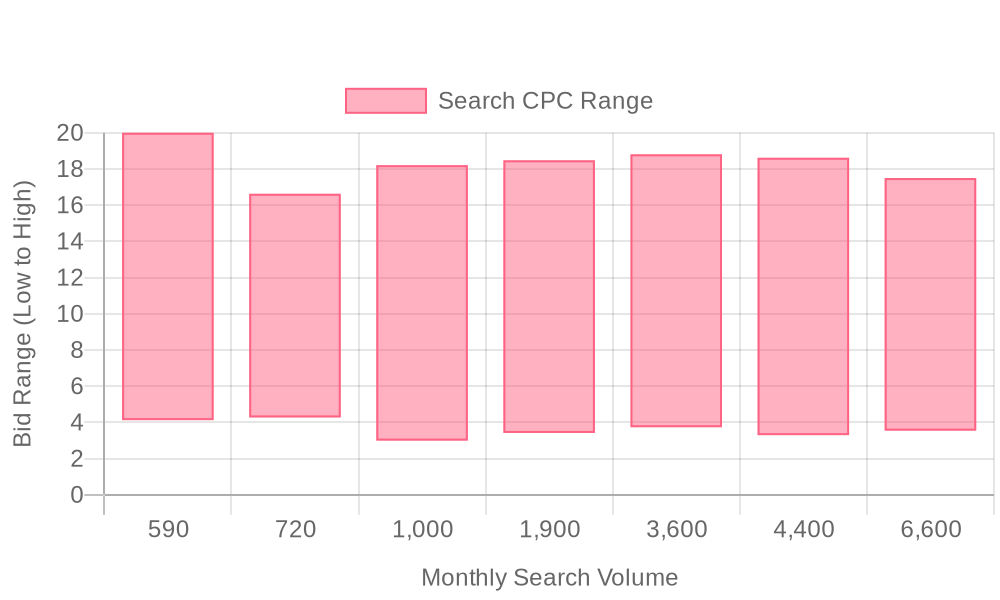
| Industry | Keyword | Monthly Search Volume | Competition Level | Low Bid | High Bid |
| Post Construction Cleaning | construction clean up services | 590 | LOW | 4.13 | 20 |
| Post Construction Cleaning | post renovation cleaning | 720 | LOW | 4.28 | 16.63 |
| Post Construction Cleaning | construction clean up | 1000 | LOW | 3 | 18.21 |
| Post Construction Cleaning | construction cleaning | 1900 | LOW | 3.42 | 18.48 |
| Post Construction Cleaning | post construction cleaning services | 3600 | LOW | 3.74 | 18.81 |
| Post Construction Cleaning | construction cleaning services | 4400 | LOW | 3.3 | 18.62 |
| Post Construction Cleaning | post construction cleaning | 6600 | LOW | 3.55 | 17.5 |
Intent-driven keyword selection is essential for effective Google Ads for post construction cleaning. Prioritizing phrases like "post construction cleaning near me" ensures ad budgets capture active buyers, not casual browsers. This approach directly aligns paid media with the local, urgent needs typical of construction project closeouts, see this list of high-performing keywords for inspiration.
Long-tail keyword targeting further sharpens campaign focus by addressing highly specific user queries. Examples such as “commercial renovation debris removal in [city]” or “certified builders clean services for offices” reach niche audiences overlooked by broader cleaning service advertising. For more actionable tips, explore our collection of demand generation playbooks.
Incorporating negative keywords protects the campaign from irrelevant clicks. Excluding terms like “DIY,” “jobs,” or “equipment rental” prevents wasted spend and ensures ads only display for prospects primed for professional cleaning solutions. This negative filtering not only maximizes budget accuracy but also supports better lead quality and actionable pipeline growth, learn more about improving lead quality with account identification.
Modern marketers can now go beyond anonymous traffic: Sona's Identity Resolution identifies the companies and decision-makers behind each click. By surfacing visitor intent in real time, revenue teams can dynamically adjust keyword bids and shift spend toward accounts exhibiting active in-market behaviors. As leads progress through the funnel, audiences automatically refresh, syncing enriched contact data and engagement signals into Google Ads and top CRM systems for seamless, compliant remarketing and conversion tracking. This unified approach drives a measurable increase in ROI and helps B2B cleaning businesses achieve predictable, scalable growth. Ready to see the impact for yourself? Get started for free with Sona.
Step-by-Step Campaign Execution Framework

Step 1: Build Targeted Keyword Lists
Precision in keyword selection is foundational for effective Google Ads for Post Construction Cleaning. Identify terms that mirror the specific services offered, such as “post-construction clean-up,” “final builder cleaning,” or “commercial construction site cleaning”, and pair these with geographic modifiers to capture local demand in target markets. For inspiration on keyword selection and intent-based phrases, explore this list of high-performing keywords for house cleaning services. Incorporating intent-based phrases, like “same-day post-construction cleaning” or “licensed debris removal company,” ensures ads reach prospects who are actively seeking solutions, not just browsing.
A data-driven approach leverages Sona's Identity Resolution to refine these keyword lists continuously using real-time visitor behavior. By analyzing search patterns and conversion histories, marketers can surface high-intent queries and minimize spend on generic or low-converting terms. Audience insights, including business type and decision stage, inform the addition of negative keywords to filter out irrelevant traffic, maximizing the impact of every budgeted dollar.
The upgrade most post construction cleaning advertisers miss is going beyond raw keyword volume to layer in intent and identity signals. By connecting website-visitor data and CRM records with Sona Marketing Measurement, you can see which specific search terms bring in the accounts and customers that actually convert, and weight your keyword and bidding strategy toward those rather than the terms with the highest search volume alone.
Step 2: Develop Compelling Ad Copy
Ad copy for post construction cleaning must communicate trust, professionalism, and the ability to solve urgent, high-stakes challenges. Highlighting industry certifications, safety compliance, and strong track records with commercial clients addresses the risk concerns that often delay purchase decisions. For a deeper look at effective messaging, review these Google Ads strategies for cleaning services. Messaging should reflect the unique priorities of different segments: property managers, general contractors, and developers each respond to tailored language around timelines, site safety, or regulatory compliance.
Dynamic ad customization, driven by real-time account insights, enables ads to shift tone and emphasis based on a prospect’s previous interactions and demonstrated needs. Marketers can prioritize high-value accounts by adjusting messaging to reference recent projects or specific pain points, ensuring relevance and increasing click-through rates. Automated creative rotation, informed by performance data, ensures the most effective headlines and descriptions are always in play.
Step 3: Design Effective Landing Pages
Landing page design must mirror the intent and promise of the ad while converting skeptical visitors into qualified leads. Every landing page should present service details that align with the keyword and ad copy, creating a seamless experience that reassures prospects they are in the right place. Trust signals, including project photos, client testimonials, and compliance documentation, address objections and build confidence in your expertise. See how post-construction cleaning services are presented to inspire your own landing page approach.
Personalization extends to dynamically updating content blocks based on referral keyword, company profile, or stage in the buying journey. This level of customization, supported by unified data from all prospect touchpoints, can lift conversion rates significantly. Integrating lead forms that pre-fill with known visitor data further reduces friction and enables faster, more accurate lead capture.
Step 4: Implement Data-Driven Optimization
Continuous optimization is essential for maintaining high performance in post construction cleaning ads. Smart bidding strategies, powered by real-time intent signals, allow marketers to allocate budget dynamically toward the accounts and keywords most likely to convert. Explore these nine follow-up tactics for cleaning pros to maximize conversion from your campaigns. By monitoring engagement and conversion events across channels, teams can shift spend to campaigns or audiences delivering the strongest return.
Importing offline conversion data, such as closed deals tracked in a CRM, provides a complete view of ad impact from first click to final contract. This integration enables attribution models that reflect the true value of every lead source, allowing for precise ROI calculations. As audiences progress through the funnel, advanced segmentation ensures that remarketing and follow-up campaigns reach the right contacts at the right moment, nurturing relationships and driving revenue growth.
Sona Marketing Measurement closes the gap between clicks and revenue. It captures every ad click with first-party tracking rather than relying on third-party cookies, then ties that click through UTM capture and ad-platform APIs to the actual record in your CRM, and reports ROAS by keyword and campaign instead of by last-click form fill. Feeding that revenue signal back into Smart Bidding and Performance Max compounds over time: the algorithms optimize toward booked post construction cleaning revenue, not cheap leads.
Tips on Expanding Your Post Construction Cleaning Presence
Post-construction cleaning companies operate in a fast-moving environment where reputation, lead velocity, and geographic reach define growth potential. Establishing a dominant market presence requires an integrated approach that leverages every channel and data touchpoint to move beyond generic, fragmented tactics. To explore actionable strategies tailored for the industry, review these Google Ads strategies for cleaning services and consider integrating insights from the Sona blog for data-driven growth.
Use cross-channel synergies to support broader marketing initiatives, creating a cohesive and dynamic strategy that adapts to changing market conditions. By combining paid search, programmatic display, and social with organic efforts, brands can reinforce messaging and capture attention at multiple stages of the decision journey. Google Ads for post construction cleaning, when synchronized with these channels, ensures high-intent buyers consistently encounter your brand whether they start with a search, revisit via display, or engage through remarketing. Real-time unified reporting enables agile budget shifts toward the channels and audiences demonstrating the highest engagement, preventing wasted spend and maximizing ROI.
Implement localized strategies to dominate in targeted areas, overcoming geographic limitations often faced by generic marketing tactics. Hyperlocal Google Ads targeting for cleaning, combined with geo-fenced display and localized landing pages, allows companies to concentrate resources where demand is highest and competition is most intense. This precision targeting ensures that post construction cleaning ads are seen by the most relevant prospects, property developers, site managers, and general contractors who actually purchase these services. When visitor identification technology is layered in, marketers can pinpoint which companies and decision makers are engaging, then tailor follow-up content or offers to match their specific needs and project timelines.
Leverage CRM data for audience segmentation and upsell opportunities, ensuring that customer data drives strategy and aligns closely with prospect needs. Segment audiences based on project history, service mix, and engagement patterns to deliver personalized post construction cleaning marketing that speaks directly to each client's pain points. Syncing enriched CRM audiences into Google Ads campaigns enables dynamic audience updates as leads progress through the funnel, ensuring retargeting and upsell campaigns always reach the right accounts at the right moment. This level of integration closes the gap between marketing and sales, making cleaning service lead generation more efficient, scalable, and measurable across every touchpoint.
Beyond Google Ads: Winning the AI Answers Post Construction Cleaning Buyers Now Trust
Paid search captures demand at the moment someone types a query. But a fast-growing share of post construction cleaning buyers no longer start at Google at all, they ask ChatGPT, Gemini, or Perplexity before they ever run a search, and Google's own AI Overviews increasingly summarize an answer above the traditional results. If your business isn't referenced in those AI answers, you're invisible at the exact moment buyers build their shortlist.
Sona AI Visibility shows where your business shows up across ChatGPT, Gemini, Perplexity, Google AI Overviews, and 10+ engines, and, much like a keyword report, which prompts actually send you buyers, so you can prioritize the ones that convert. Run the two together and you cover the entire buyer path: get cited where buyers research (AI Visibility), then prove which of that demand turns into booked revenue (Marketing Measurement).
Helpful resources
Conclusion
A post-construction cleaning company doesn't win on ad spend alone. It wins by showing up the moment a contractor's timeline slips and a site needs turning over fast, and by proving, deal by deal, which keywords and audiences actually produce signed contracts rather than form fills.
The next step is tying ad performance to what actually closes, not just what gets clicked. As AI tools increasingly shape how buyers shortlist vendors before they ever type a search, pairing tight Google Ads execution with visibility into those answers will separate the crews that stay booked from the ones still chasing cold leads.
FAQ
What are the best Google Ads strategies for post construction cleaning?
The best strategies include leveraging intent-based audience segments, using precise targeting with high-converting keywords, integrating CRM data for audience segmentation, and employing continuous optimization through data-driven insights.
How can I create effective Google Ads for my cleaning business?
Create effective ads by targeting high-intent keywords, aligning ad copy and landing pages with customer pain points, and using audience segmentation to deliver tailored messaging.
What keywords should I target for post construction cleaning ads?
Target keywords such as 'emergency construction cleanup' or 'commercial builder cleaning service' and incorporate geographic modifiers to capture local demand.
How do I measure the success of my Google Ads campaigns for cleaning services?
Measure success by setting performance benchmarks like click-through rates, using advanced attribution and conversion tracking to capture both online and offline interactions, and analyzing ROI.
What budget should I allocate for Google Ads in the cleaning industry?
Allocate the budget by tying it to broader marketing strategies, focusing on high-intent keywords and shifting spend towards more likely converting accounts while reducing waste on underperforming segments.







