


A cracked bathtub or a scorched stove top rarely waits for a convenient moment, and the search that follows, "porcelain enamel repair near me" typed at midnight, is exactly the kind of high-intent query Google Ads is built to catch. For a specialized trade like this one, paid search puts your business in front of homeowners and property managers at the instant they need a fix, not weeks later when they've forgotten your name. Done well, it also gives you something word-of-mouth never can: a clear line from ad click to booked job, so you can see which searches actually turn into revenue instead of guessing. Skip that tracking and you're left flying blind, unable to tell a profitable keyword from one that's quietly draining the budget.
How to Generate Porcelain Enamel Repair Leads with Google Ads: A Step-by-Step Guide

Porcelain enamel repair businesses face unique challenges when it comes to attracting qualified leads in a niche market. Precision in targeting and accurate attribution are critical for maximizing every dollar spent on digital marketing for porcelain enamel repair, especially when leveraging intent data and behavioral analytics to focus on high-converting prospects.
This guide outlines data-driven methods and actionable strategies for leveraging Google Ads to drive porcelain enamel repair business growth. Each section focuses on practical steps for audience targeting, campaign optimization, and cross-channel alignment to generate reliable, high-quality leads. For hands-on guidance, watch this Google Ads setup tutorial to see foundational ad strategies in action.
- Data-driven methods: Using intent data and behavioral analytics, businesses can adapt budgets and messaging based on real-time signals from high-converting accounts. This ensures marketing efforts focus on prospects most likely to convert, optimizing both spend and lead quality.
- Keyword and audience targeting: Identifying and targeting searchers actively seeking porcelain enamel repair services is essential. With dynamic audience syncing, marketers can segment and update lists as leads move through the funnel, automatically aligning campaigns with in-market users.
- Landing page optimization: Optimized landing pages tailored to targeted keywords increase conversion rates and reduce wasted ad spend. Integrated tracking enables advanced attribution, linking online actions to offline outcomes for a full view of marketing ROI.
- Cross-channel tactics: Synchronizing Google Ads campaigns with CRM and other marketing platforms allows for enriched audience data and seamless retargeting. Marketers can identify anonymous website visitors and sync enriched profiles back into Google Ads or sales tools, ensuring consistent engagement across all touchpoints.
- Built for service providers seeking to efficiently generate quality leads while optimizing marketing inputs: The framework below is designed for porcelain enamel repair businesses aiming to maximize results with minimal waste. Each step is actionable and tailored to the nuances of PPC campaigns for porcelain repair.
Ready to put these strategies into action? Get started for free with Sona.
Why Google Ads Matter for Porcelain Enamel Repair Businesses
Porcelain enamel repair companies operate in a niche where timing and precision define business growth. Digital outreach must engage specialized audiences during critical moments, ensuring that every relevant search turns into a potential opportunity.
- Complex, Specialized Audience: Effective targeting in online advertising for porcelain enamel repair requires reaching decision-makers such as property managers or restoration specialists exactly when they seek urgent solutions. Modern platforms let marketers identify not just anonymous website visitors but also the companies behind high-value searches, turning invisible demand into actionable leads with Sona's Identity Resolution.
- Higher Margin Services: Word-of-mouth referrals serve established relationships, but digital channels expand access to new, profitable projects. By connecting digital intent signals to enriched audience profiles, marketers can prioritize outreach to those most likely to convert, even in cases where traditional lead forms are bypassed.
- Faster Demand Response: Porcelain enamel repair is often a time-sensitive need. Google Ads tutorial for detailing businesses ensures companies are front-and-center during urgent searches, capturing leads before they select a competitor. Integrations that provide real-time insight into buyer intent help shift budgets and resources toward accounts exhibiting immediate demand.
- Visibility Across Regions: Growth requires expanding into underserved markets or emerging geographies. With precise audience intelligence, businesses can efficiently allocate spend to regions where demand is rising, using unified data to refine audience attributes and messaging for each local context.
- Integrated Data Analysis: Linking digital interactions with offline conversions is critical for porcelain enamel repair marketing strategies. Modern solutions close the loop by tying ad engagement to CRM outcomes, providing revenue teams with the clarity needed to optimize spend, measure true ROI, and refine future campaigns based on complete customer journeys.
Common Types of Google Ads Campaigns for Porcelain Enamel Repair Services
- Search Campaigns: Search campaigns are the backbone for capturing high-intent prospects seeking immediate porcelain enamel repair. These ads appear as users search for targeted keywords like "porcelain enamel repair near me" or "emergency porcelain repair service," meeting urgent needs at the moment of demand. By leveraging real-time visitor identification and intent data, marketers can prioritize spend on those demonstrating readiness to convert, ensuring that ads reach both new prospects and those who previously interacted but did not convert.
- Display Ads: Display campaigns keep your porcelain enamel repair brand visible across relevant industry websites and forums, reinforcing your message throughout the customer journey. These visually engaging banners are crucial for nurturing awareness and consideration, especially for longer buying cycles typical in B2B environments. Display ads can use dynamic audiences that update as leads engage with content, ensuring your message stays aligned with where prospects are in the funnel.
- Video Ads: Video campaigns allow you to visually demonstrate expertise in repairing porcelain enamel, using before-and-after showcases, process walk-throughs, and customer testimonials. These ads engage users on YouTube and partner sites, extending your reach and building trust through compelling narratives. Marketers can use data on video engagement to identify high-intent viewers, then retarget them with search or display ads for higher conversion rates. For inspiration on effective formats, watch this professional ceramic coating application video.
- Remarketing: Remarketing campaigns re-engage visitors who previously explored your site but did not request a quote or schedule service. By leveraging detailed behavioral data, you can tailor ads based on specific pages viewed or actions taken, creating highly personalized follow-ups. Dynamic audiences that sync with your CRM ensure that messaging evolves as leads move from awareness to consideration, improving overall conversion rates for porcelain enamel repair services.
- Assets: Ad assets add critical trust signals such as certifications, awards, and positive customer reviews directly to your search and display ads. This builds credibility and addresses common concerns about reliability or service quality. Pairing assets with advanced conversion tracking provides granular attribution data, helping porcelain repair businesses measure which trust signals most effectively drive inquiries and bookings. To explore more marketing strategies, visit our blog hub.
Where to Find Growth Opportunities?

Porcelain enamel repair businesses can accelerate growth by targeting untapped audiences and optimizing their digital marketing strategies. Identifying these new pathways requires a blend of data-driven research and tactical execution.
- Vertical Keyword Targeting: Pinpointing industry-specific terms goes beyond generic search traffic, unlocking intent-rich prospects seeking porcelain enamel repair services. This approach captures both urgent repair inquiries and long-term maintenance opportunities, fueling a consistent pipeline of qualified leads. By leveraging advanced audience insights, marketers can dynamically prioritize keywords that align with high-converting behaviors, ensuring spend is focused on segments most likely to engage and convert.
- Competitor Gap Analysis: Analyzing your competitors' ad strategies reveals missed opportunities in your own approach. Examine which search terms competitors rank for, the ad copy they use, and gaps in their coverage. With unified go-to-market data and real-time visitor identification, revenue teams can uncover overlooked segments and shift budget toward higher-value keywords or audiences that competitors are not actively targeting. This not only drives incremental traffic but also improves return on ad spend.
- Content Retargeting: Retargeting previous website visitors with relevant offers is essential for porcelain enamel repair businesses. By identifying anonymous traffic and connecting engagement data to CRM records, marketers can build dynamic audiences that reflect buyers' real-time interests and lifecycle stages. Personalized retargeting ensures that prospects who researched common repair issues, chip touch-ups, hairline cracks, high-heat damage on stoves or tubs, or requested quotes receive timely, relevant follow-ups, increasing conversion rates and shortening sales cycles.
How to Apply Audience Segmentation for Porcelain Enamel Repair

Precision in audience segmentation drives measurable gains in online advertising for porcelain enamel repair. Targeted messaging ensures budgets are allocated efficiently while conversions rise from more relevant ad experiences. For ongoing insights on optimizing your strategy, visit the blog hub for marketing analytics.
- Define Segments: Differentiating between commercial and residential clients allows campaigns to address the unique challenges of each group. Residential prospects may prioritize quick turnaround and affordability, while commercial clients often need compliance, durability, or ongoing maintenance contracts. With modern CRM integrations, marketers can automatically enrich contact records and sync lists, ensuring ads reflect the latest segment distinctions without manual effort.
- Overlay Intent Signals: Recognizing urgency, such as emergency repairs versus scheduled maintenance, elevates both timing and relevancy of your ads. By monitoring real-time intent signals, revenue teams can dynamically adjust bids and creative to reach users at the moment their need is highest.
- Create Ad Groups by Segment: Custom ad groups with tailored messaging and budgets minimize the risk of sending irrelevant offers to the wrong prospects. Each segment receives targeted value propositions and calls to action, increasing the likelihood of engagement. As leads interact with ads and content, their audience status can update in real time, automatically moving them into more relevant campaigns and nurturing flows.
- Validate Conversion Paths: Seamless integration between ad platforms and CRM systems ensures that every conversion, whether a form fill, call, or request for quote, is attributed and tracked. When users abandon forms or drop off partway through the journey, enriched visitor identification helps re-engage them with personalized follow-up. This full-funnel, closed-loop approach supports both online and offline attribution, allowing revenue teams to measure true ROI from each segment and continuously improve marketing strategies.
Looking to put segmentation into practice quickly? Get started for free with Sona.
This is also where measurement changes the economics. With Sona Marketing Measurement you can identify the companies behind your ad clicks, not just anonymous sessions, and segment audiences by which accounts actually become customers, using first-party data rather than individual tracking. That lets you build bid adjustments and audience signals around the segments that convert and de-prioritize the ones that don't, so you feed Google's algorithms "this click became a paying porcelain enamel repair customer" instead of just "someone filled out a form."
Keyword Strategy & Sample Target Terms
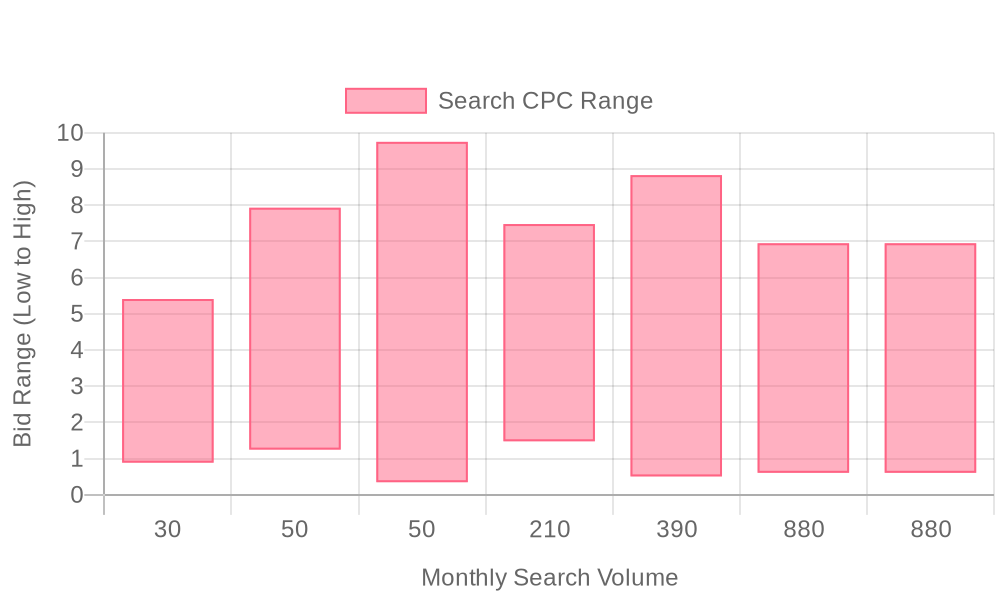
| Industry | Keyword | Monthly Search Volume | Competition Level | Low Bid | High Bid |
| Porcelain Enamel Repair | enamel sink refinishing near me | 30 | LOW | 0.89 | 5.41 |
| Porcelain Enamel Repair | enamel sink repair near me | 50 | LOW | 1.25 | 7.93 |
| Porcelain Enamel Repair | cast iron sink enamel repair | 50 | MEDIUM | 0.35 | 9.75 |
| Porcelain Enamel Repair | porcelain sink restoration near me | 210 | MEDIUM | 1.48 | 7.48 |
| Porcelain Enamel Repair | enamel sink repair | 390 | HIGH | 0.51 | 8.83 |
| Porcelain Enamel Repair | tub enamel repair | 880 | HIGH | 0.61 | 6.95 |
| Porcelain Enamel Repair | bath tub enamel repair | 880 | HIGH | 0.61 | 6.95 |
Porcelain enamel repair businesses operate in a market where timing and relevance drive high-value conversions. Digital strategies that leverage intent-based keywords allow marketers to pinpoint prospects in urgent need, ensuring every ad dollar is spent reaching those most likely to engage and convert.
Effective keyword strategy begins by mapping the exact terms decision-makers use when searching for repair services. Prioritizing high-intent phrases such as "porcelain enamel repair services near me" and "emergency porcelain repair" ensures visibility at the moment of need. Supplementing these with modifiers like "digital marketing for porcelain enamel repair" and "porcelain enamel repair SEO" captures a broader range of motivated buyers while filtering out low-value or irrelevant traffic.
B2B revenue teams benefit from integrating PPC campaigns for porcelain repair with ongoing organic strategies. This unified approach targets both immediate lead capture and long-term brand growth. Advanced platforms facilitate this by continuously identifying in-market visitors and updating keyword lists based on real-time user behavior, ensuring every ad is optimized for the most lucrative segments.
Marketers focused on porcelain enamel repair marketing strategies should also build negative keyword lists to avoid wasted spend on unrelated searches. Including variants like "DIY porcelain repair" or "porcelain enamel art" further sharpens campaign targeting. For more insights into real-world campaign performance, see this ceramic coating campaign discussion. Through consistent refinement and automated keyword analysis, businesses can scale online advertising for porcelain enamel repair efficiently, accelerating business growth.
Step-by-Step Campaign Execution Framework
Step 1: Build Targeted Keyword Lists
Precision in keyword targeting defines the effectiveness of Google Ads for Porcelain Enamel Repair. Segment keywords by primary service types, restoration, protective coatings, or emergency repairs, to ensure each campaign reaches the correct audience subset. Local targeting boosts relevance: add modifiers like "porcelain enamel repair near me" or specify cities and neighborhoods to connect with customers seeking local expertise. For marketers seeking a hands-on walkthrough, this Google Ads tutorial for detailers offers practical setup steps that can be adapted for enamel repair businesses.
Long-tail keywords such as "bathtub porcelain enamel crack repair" or "high-heat porcelain enamel touch-up" capture specialized queries with stronger purchase intent. Integrating negative keywords filters out unrelated traffic, safeguarding budgets and further refining lead quality. When marketers align these keyword clusters with their existing content strategy, they ensure messaging is consistent across web, ad, and social channels. Leveraging unified data platforms, teams can map high-intent search terms to website behaviors, enhancing both keyword targeting and qualification efforts.
The upgrade most porcelain enamel repair advertisers miss is going beyond raw keyword volume to layer in intent and identity signals. By connecting website-visitor data and CRM records with Sona Marketing Measurement, you can see which specific search terms bring in the accounts and customers that actually convert, and weight your keyword and bidding strategy toward those rather than the terms with the highest search volume alone.
Step 2: Develop Compelling Ad Copy
Porcelain enamel repair customers are motivated by urgency and trust. Headlines should address the pain point directly, "Restore Damaged Enamel Fast", and mention certifications or years in the trade. Offers like free estimates or same-day service prompt faster responses and cut down on leads lost to slow follow-up.
Trust signals and clear calls to action matter: include third-party ratings, affiliations, or before-and-after imagery to reinforce credibility. Messaging should mirror the tone and value propositions used in social and email outreach for seamless brand recognition. Advanced platforms allow marketers to update ad copy dynamically for segmented audiences, ensuring that prospects see the most relevant pain points and offers as they interact with multiple channels. Marketers can leverage real-time audience segmentation to deliver highly personalized messaging that increases engagement across campaigns.
Step 3: Design Effective Landing Pages
High-performing landing pages for porcelain enamel repair campaigns create a direct connection between the ad promise and the web experience. Each page should reflect the search term, reinforcing confidence with visuals of past projects, client testimonials, or interactive cost calculators. Prominently display certifications and guarantees to satisfy customers' need for assurance in service quality. For DIY repair solutions, reference this porcelain high-heat touch-up kit as an example of value-added content.
Mobile-optimized calls to action, such as quick quote forms or instant callback buttons, reduce friction for on-the-go users. Integrating landing page data with CRM and marketing automation platforms supports real-time lead routing, ensuring no inquiry is missed. When platforms sync first-party visitor data with ad campaigns, marketers can retarget or nurture leads who engaged but did not convert, increasing overall campaign yield.
Step 4: Implement Data-Driven Optimizations
Continuous optimization is central to maximizing ROI for Google Ads for Porcelain Enamel Repair. Employ smart bidding strategies focused on conversions, allowing budgets to adapt to high-performing segments and peak demand periods. Regular A/B testing of ad variations, landing page layouts, and calls to action uncovers what resonates with distinct customer profiles.
Synchronizing offline conversions, such as phone inquiries or in-person consultations, provides a holistic view of true campaign performance. Platforms that unify Google Ads data with CRM and sales systems enable revenue teams to attribute closed deals back to the original ad click, improving future targeting and creative. Insights from ad engagement fuel cross-channel marketing, guiding content creation and nurturing workflows to ensure cohesive, data-driven growth for porcelain enamel repair businesses.
Sona Marketing Measurement closes the gap between clicks and revenue. It captures every ad click with first-party, privacy-safe tracking, then ties that click through UTM capture and ad-platform APIs to the actual record in your CRM, and reports ROAS by keyword and campaign instead of by last-click form fill. Feeding that revenue signal back into Smart Bidding and Performance Max compounds over time: the algorithms optimize toward booked porcelain enamel repair revenue, not cheap leads.
Tips on Expanding Your Porcelain Enamel Repair Presence
Growing a porcelain enamel repair business requires strategic marketing that delivers value through every customer touchpoint. Savvy leaders in this space use targeted digital tactics to build trust and drive measurable results. For ongoing education and best practices in marketing analytics, be sure to visit our main blog hub.
- Retarget educational content: Retargeting previous site visitors with educational content keeps your brand top-of-mind and reinforces expertise. Using advanced audience segmentation lets you identify high-intent visitors, such as those who viewed service pages or requested quotes, and serve them relevant repair guides or "how it works" videos. For a step-by-step walkthrough on launching Google Ads for a detailing or repair business, this beginner's tutorial video demonstrates practical campaign setup and targeting strategies.
- Upsell other services: Cross-promoting additional repair or restoration offerings can increase average order value and customer retention. For example, if a user requested information about enamel tub repair, follow up with ads or emails promoting tile restoration or preventative maintenance packages. With Sona Destinations, syncing CRM and ad data in real-time ensures newly acquired leads and existing clients receive personalized upsell messaging based on their full engagement history.
- Partner with industry bodies: Collaborations with trusted trade organizations or manufacturers expand reach and build credibility in the porcelain repair sector. Co-branded webinars, joint promotions, or educational resources can attract new audiences who are actively seeking reputable partners. Integrating audience data from these partnerships into your digital marketing campaigns allows for hyper-targeted ads to engaged prospects.
Final Thoughts
Effectively managing Google Ads campaigns in the porcelain enamel repair industry requires precision and a nuanced understanding of both service delivery and user behavior. Prioritizing the connection between what users search and the solutions offered leads to higher-quality leads and better campaign efficiency.
- Strategic keyword targeting: Aligning keyword lists with actual customer intent ensures that ads reach prospects actively seeking porcelain enamel repair services. By leveraging real-time visitor identification, marketers can move beyond generic search traffic and surface high-value accounts showing intent, minimizing wasted budget and maximizing qualified opportunities.
- Audience segmentation: Segmenting audiences to align with decision-makers' priorities increases campaign relevance. Dynamic audience lists allow for updates as leads move through the sales funnel, ensuring ad messaging always matches the prospect's stage and needs for porcelain enamel repair.
- Creative solutions and seamless user experience: High-impact ad creative, paired with frictionless landing pages, maintains consistent messaging from click to conversion. This consistency builds trust and enhances brand perception, critical in industries where technical credibility is a key differentiator.
- Real-time optimization using conversion and attribution data: Access to robust online and offline conversion tracking ties specific ad touchpoints directly to revenue outcomes. This granular view into what drives pipeline allows for smarter budget allocation and rapid adjustments, ensuring campaigns for porcelain enamel repair stay agile and ROI-focused. Explore offline attribution strategies to maximize both digital and non-digital touchpoints.
- Integration with holistic marketing strategy: Synchronizing campaign data and enriched audiences across CRM, marketing automation, and ad platforms creates a unified buyer journey. This integration supports consistent brand messaging, deeper client relationships, and the ability to optimize digital marketing for porcelain enamel repair across every channel.
Google Ads keeps earning its place in the porcelain enamel repair marketer's toolkit because it meets buyers at the exact moment they search. Keyword intent, precise targeting, and steady optimization, backed by unified data and real-time insight, translate directly into more booked jobs and cleaner attribution. Integrating these strategies with broader marketing initiatives reduces wasted spend and builds a more resilient pipeline in a market that rewards speed and trust.
Beyond Google Ads: Winning the AI Answers Porcelain Enamel Repair Buyers Now Trust
Paid search captures demand at the moment someone types a query. But a fast-growing share of porcelain enamel repair buyers no longer start at Google at all, they ask ChatGPT, Gemini, or Perplexity before they ever run a search, and Google's own AI Overviews increasingly summarize an answer above the traditional results. If your business isn't referenced in those AI answers, you're invisible at the exact moment buyers build their shortlist.
Sona AI Visibility shows where your business shows up across ChatGPT, Gemini, Perplexity, Google AI Overviews, and 10+ engines, and, much like a keyword report, which prompts actually send you buyers, so you can prioritize the ones that convert. Run the two together and you cover the entire buyer path: get cited where buyers research (AI Visibility), then prove which of that demand turns into booked revenue (Marketing Measurement).
Helpful resources
Conclusion
Google Ads works for porcelain enamel repair because it puts your business in front of buyers at the instant they need one, not a season later. Targeted keywords and ad placements built around that urgency turn searches into booked jobs rather than missed calls.
The businesses that pull ahead in porcelain enamel repair won't just run more ads, they'll be the ones who can trace a search all the way to a signed job and let that data sharpen every future campaign. Start for free with Sona to connect that data and put it to work.
FAQ
How can I set up Google Ads for my porcelain enamel repair business?
To set up Google Ads for your porcelain enamel repair business, follow a step-by-step guide that includes building targeted keyword lists, developing compelling ad copy, designing effective landing pages, and implementing data-driven optimizations for better ROI.
What are the best keywords for Google Ads in the porcelain enamel repair industry?
The best keywords include high-intent phrases like 'porcelain enamel repair services near me' and 'emergency porcelain repair,' supplemented with modifiers for local targeting and long-tail keywords for specific repair services.
How can I track the success of my Google Ads campaign for porcelain enamel repair?
Track the success by using integrated tracking and CRM systems to link online actions to offline outcomes, ensuring a full view of marketing ROI and enabling real-time optimization.
What is the average cost per click for Google Ads in the porcelain enamel repair niche?
The article does not specify the average cost per click for Google Ads in the porcelain enamel repair niche.
How can I improve my Google Ads conversion rate for porcelain enamel repair services?
Improve conversion rates by optimizing landing pages, using precise audience targeting, and employing data-driven methods to focus on high-converting prospects.
What are some effective ad copy examples for Google Ads in the porcelain enamel repair market?
Effective ad copy should address urgency and trust by highlighting pain points, industry certifications, and offers like 'free estimates' or 'same-day repair.'
How can I use Google Ads to target customers specifically looking for porcelain enamel repair?
Use advanced targeting capabilities to reach specific segments like homeowners or commercial entities by identifying high-intent searchers and employing dynamic audience syncing.
What is the return on investment (ROI) for Google Ads in the porcelain enamel repair sector?
The article suggests that Google Ads provides measurable ROI by capturing potential clients at the moment of demand and linking ad engagement to CRM outcomes.
How can I compete with larger businesses in Google Ads for porcelain enamel repair?
Compete by employing precise keyword targeting, leveraging advanced audience insights, and identifying untapped opportunities through competitor gap analysis.
How often should I update my Google Ads campaign for porcelain enamel repair to maintain effectiveness?
Regular updates through continuous optimization, A/B testing, and real-time adjustments based on data insights are recommended to maintain campaign effectiveness.







