


Pole line contractors win projects by being the first credible bid a utility or municipality finds, often during an emergency or a compliance-driven upgrade window. Google Ads matters here because it catches decision-makers exactly when they're searching, not months earlier during a brand-awareness push. Yet most contractors still lose ground to a quieter problem: the engineers, procurement officers, and project managers who visit the site never fill out a form, so they vanish from the CRM entirely. Identifying which companies are behind that anonymous traffic turns those missed visits into real pipeline.
How to Generate Pole Line Contractor Leads with Google Ads: A Step-by-Step Guide
Pole line contractors face a unique challenge in capturing high-value prospects who often remain anonymous despite visiting digital properties. By adopting a data-driven approach with Google Ads, marketing teams can shift from reactive lead capture to proactive, intent-based engagement that surfaces actionable opportunities. Sona's Identity Resolution helps teams reveal which companies and people are visiting your website, turning anonymous visitors into qualified pipeline.
Integrating Google Ads into a unified marketing strategy enables pole line contractors to precisely target the search behaviors and digital footprints of those most likely to convert. Each campaign can be optimized for measurable ROI, ensuring that previously invisible traffic is transformed into qualified leads within a cohesive, high-performing ecosystem. Learn more about the benefits of Google Ads for contractors in this video overview.
- Target keywords and audiences with intent: Success with Google Ads for pole line contractors starts with identifying keywords and audience segments signaling imminent project needs, such as "utility pole installation," "emergency pole repair," or "storm damage restoration contractor." These searches spike seasonally around storm season and ahead of municipal budget cycles, and they often come from procurement staff comparing licensed, insured contractors under time pressure. Using precise audience intelligence, marketers can shift spend toward accounts showing that kind of urgent, in-market behavior instead of spreading budget evenly across broad terms.
- Align landing pages and creative content: Pole line contractor leads expect immediate relevance and value. Landing pages must reflect the specific needs captured in ad copy, while creative assets should address pain points unique to the industry, such as rapid response times or regulatory expertise. Unifying ad engagement data with website analytics lets marketing and sales teams recognize returning visitors and route them into targeted nurture sequences.
- Optimize performance for improved ROI: Ongoing performance optimization is critical for PPC advertising for pole line contractors. By leveraging advanced conversion tracking, teams can attribute both online and offline actions, such as form fills, phone calls, or CRM-recorded sales, directly to campaigns. This closed-loop measurement surfaces which keywords, ads, and audiences are generating true revenue, not just clicks or impressions.
- Integrate across marketing channels: A synchronized approach prevents wasted spend and messaging silos. When pole line contractor leads interact with Google Ads, their engagement data can be unified with CRM and sales platforms. This enables automatic audience updates as leads progress through the funnel and ensures all outreach is contextually relevant, whether through retargeting, email, or outbound sales cadences.
With these strategies, pole line contractors can use Google Ads not only to boost lead generation, but to build a data-rich marketing engine that keeps pipeline steady between project cycles. For more on how a unified approach supports digital marketing for pole line contractors, explore additional resources or get started for free with Sona to see how it works for your campaigns.
Why Google Ads Matter for Pole Line Contractors Businesses

Pole line contractors operate in a niche market where timing, relevance, and visibility determine who secures high-value projects. Google Ads provides a direct pipeline to decision-makers actively searching for infrastructure partners, making it possible to connect with utility companies, municipalities, and large construction firms at the exact moment they need specialized services.
By leveraging Google Ads, pole line contractors can target hyper-specific service areas and project types, ensuring that ad spend is focused on the most lucrative opportunities. This platform allows rapid responses to shifts in regional demand, entry into new geographic markets, and fine-tuned audience segmentation that traditional marketing cannot match. Real-time intent signals allow contractors to identify which prospects are closest to a purchasing decision, enabling more efficient resource allocation and competitive advantage.
Google Ads also helps pole line contractors improve lead quality and prove ROI through advanced conversion tracking and attribution. When paired with unified go-to-market intelligence, marketers can identify anonymous website visitors, sync enriched lead data with CRMs, and update audience lists automatically as projects move through the sales funnel. The result is more personalized outreach, higher close rates, and a pipeline that holds up even as competition for utility and municipal contracts intensifies.
Common Types of Google Ads Campaigns for Pole Line Contractors

- Search Campaigns: Search campaigns connect pole line contractors to high-intent prospects at the moment of need. By targeting keywords specific to utility infrastructure, service areas, and urgent repair requests, search ads capture buyers who are actively looking for solutions. Using advanced visitor identification, marketers can pinpoint which companies are engaging with these ads, helping prioritize follow-up and align sales outreach with immediate demand.
- Display Ads: Display campaigns maintain brand visibility across relevant sites, industry publications, and decision-maker digital journeys. For pole line contractors, this consistent presence ensures prospective clients recognize your brand throughout lengthy consideration cycles. Dynamic audience capabilities allow for real-time updates, keeping the display targeting focused on accounts progressing through the funnel or engaging in new research.
- Video Ads: Video campaigns deliver visual demonstrations that highlight safety, technical expertise, and past project success. These assets build trust and educate potential clients, crucial in a sector where reliability and compliance are non-negotiable. Real-time intent signals can be used to adjust video spend toward audiences showing increased engagement or project readiness for pole line construction or maintenance. For an overview of how Google Ads can help contractors grow, watch this video overview for contractors.
- Remarketing: Remarketing re-engages previous site visitors, proposal downloaders, or those who started but did not complete a contact form. For pole line contractors, this strategy recaptures decision-makers who may need multiple touchpoints before conversion. With advanced CRM and ad sync, lists of warm leads can be automatically refreshed, ensuring remarketing efforts always target the most qualified prospects. You can find more actionable strategies in our collection of demand generation playbooks.
- Assets: Ad assets add layers of trust and utility, such as call buttons, location info, certifications, or client testimonials. In pole line contracting, these elements help validate expertise and compliance, reducing hesitation and speeding up inquiry timelines. Assets can be updated to reflect current service availability or highlight urgent response capabilities, which matters when a storm or outage drives a spike in emergency search traffic.
Where to Find Growth Opportunities?

Pole line contractors face unique challenges in a rapidly evolving digital landscape. Growth comes from identifying and acting on specific opportunities that competitors often overlook, especially when campaigns run in silos or rely on generic tactics.
- Vertical keyword targeting: Targeting niche service keywords ensures ads reach customers with immediate needs, such as emergency repairs or specialized installations. By analyzing search trends and identifying gaps where other utility contractors fail to show up, contractors can attract high-value leads that are often left unaddressed. For more insights on optimizing campaigns, explore why Google Ads benefit contractors.
- Competitor analysis: A focused review of competitors' paid and organic presence reveals underserved segments within the market. By mapping out which services competitors prioritize and spotting low-competition, high-intent searches, pole line contractors can redirect resources to areas with the greatest unmet demand.
- Industry-specific ad placements: Placing ads within forums and websites frequented by utility managers, project coordinators, and procurement officers connects pole line contractors directly with decision-makers. These hyper-targeted placements bypass broader audiences and place messaging where it is most likely to influence key stakeholders.
- Cross-platform retargeting: Retargeting allows marketing teams to maintain brand presence across multiple touchpoints, increasing the chance of conversion as prospects move through the buying cycle. Leveraging real-time audience insights and dynamic updates ensures that as new leads engage with content or submit inquiries, they are immediately integrated into ongoing campaigns, keeping engagement consistent and relevant.
With visitor identification and intent analysis, pole line contractors can pinpoint which companies are actively researching their services. This enables a shift in campaign focus toward high-probability accounts, ensuring budget is directed to prospects most likely to convert. Integrating CRM and ad platforms further allows enriched lead data and audiences to sync seamlessly, providing a holistic view of campaign performance and accelerating response times. Ready to gain a sustainable competitive edge? Get started for free with Sona.
How to Apply Audience Segmentation for Pole Line Contractors
Effective audience segmentation is the foundation of high-performing digital marketing for pole line contractors. Precision targeting ensures that each campaign message resonates with the unique priorities and buying cycles of distinct customer groups, resulting in higher engagement and conversion rates. Learn more about best practices for segmentation and targeting in our B2B marketing blog.
- Segment by business type: Distinguish between utility firms, government agencies, and private sector clients. Tailor ad messaging so that utility companies see content focused on service reliability and compliance, while government buyers receive messages emphasizing regulatory adherence and partnership experience. This approach ensures each segment is addressed with relevant solutions, increasing the likelihood of qualified responses.
- Overlay intent signals: Identify prospects seeking urgent repairs versus those planning scheduled upgrades. By integrating real-time behavioral data, campaigns can prioritize audiences based on immediate needs, such as storm damage or emergency restoration, versus long-term infrastructure projects. Leveraging in-market intent signals enables dynamic budget allocation to accounts most likely to convert, ensuring timely and relevant ad delivery.
- Niche-focused ad groups: Structure ad groups to reflect the research stage and pain points of each segment. For example, create groups for prospects comparing pole line installation methods, researching compliance for large-scale projects, or evaluating ongoing maintenance providers. As leads move through the funnel, audience lists update in real time, allowing marketers to refine messaging and offers based on engagement history and CRM data. This ongoing audience sync capability supports seamless retargeting and maximizes relevance at every stage.
With unified go-to-market data, pole line contractors can move beyond anonymous traffic, identifying specific visitors and accounts engaging with their campaigns. This lets sales and marketing focus outreach on high-intent segments, closing the loop between ad spend and real business outcomes. For teams managing ad campaigns for pole line contractors, advanced segmentation and audience enrichment are what separate steady demand generation from wasted spend on the wrong audiences.
This is also where measurement changes the economics. With Sona Marketing Measurement you can identify the companies and buyers behind your ad clicks, not just anonymous sessions, and segment audiences by who actually becomes a customer. That lets you build bid adjustments and audience signals around the segments that convert and de-prioritize the ones that don't, so you feed Google's algorithms "this click became a paying pole line contractors customer" instead of just "someone filled out a form."
Keyword Strategy & Sample Target Terms
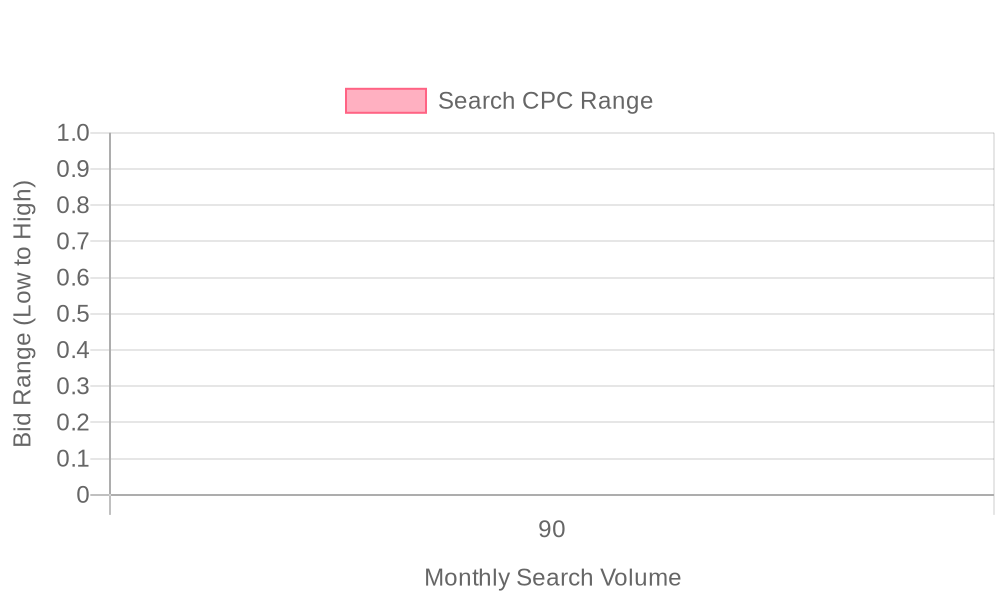
| Industry | Keyword | Monthly Search Volume | Competition Level | Low Bid | High Bid |
| Pole Line Contractors | pole line contractors | 90 | LOW |
Effective keyword strategy sits at the core of high-performance Google Ads for Pole Line Contractors. Success depends on surfacing your services in searches from utility companies, municipalities, and developers the moment they signal purchase intent. By focusing on granular, industry-specific terms, campaigns can avoid wasted spend and deliver measurable ROI on every click. For practical guidance on keyword planning and B2B campaign optimization, explore the Sona blog.
Pole line contractors benefit from targeting keywords that reflect urgent needs and technical requirements. Sample target terms include "pole line construction companies near me," "utility pole installation services," "emergency pole replacement contractors," "power line maintenance firms," and "communications line repair experts." Negative keywords, such as "DIY," "training," or "used poles," further refine intent and eliminate low-value traffic. For a visual overview of how Google Ads can help contractors grow their businesses, watch this video guide for beginners.
Precision targeting is amplified when leveraging Sona's Identity Resolution, which enriches every search and click. Marketers can move beyond anonymous website visits by identifying the actual companies and decision-makers behind high-value queries. Real-time intent signals enable dynamic budget allocation, shifting spend toward accounts showing strong in-market behavior. As prospects engage or move through the sales funnel, audience lists update automatically, keeping ad exposure relevant and timely. Connecting CRM and ad platforms streamlines lead follow-up and tracks attribution from initial search to closed deal, giving pole line contractor marketing teams true end-to-end measurement.
Step-by-Step Campaign Execution Framework
Pole line contractors operate in a highly specialized sector where precision targeting and clear messaging drive lead quality. With digital channels like Google Ads, the ability to reach decision-makers at the exact moment of need creates a strategic advantage that accelerates pipeline growth. For those new to digital advertising in contracting, this video overview on Google Ads offers a helpful starting point to visualize how these campaigns work in practice.
This framework guides pole line contractors through the essential stages of building, launching, and optimizing high-converting Google Ads campaigns. Each step emphasizes actionable tactics, data-driven adjustments, and audience-centric messaging aligned with industry needs. For additional strategies, explore our B2B marketing playbooks to further refine your digital campaigns.
Step 1: Build Targeted Keyword Lists
Segmenting keywords by service type and layering local modifiers is foundational for campaign precision. For pole line contractors, clustering keywords around core offerings, such as overhead line installation, utility pole replacement, and emergency repair, ensures ads surface for high-intent searchers. Incorporate location-based terms (city, region, service area) to capture local demand and reduce wasted spend on irrelevant clicks.
Leveraging real-time audience and behavioral data enables marketers to identify not just which keywords drive traffic, but which prospects are actively researching pole line solutions. By integrating CRM and website data, marketers can also continuously refine keyword lists as new trends emerge in the utility and infrastructure sector. For more insights on optimizing keyword-driven campaigns, visit our marketing analytics blog.
The upgrade most pole line contractors advertisers miss is going beyond raw keyword volume to layer in intent and identity signals. By connecting website-visitor data and CRM records with Sona Marketing Measurement, you can see which specific search terms bring in the accounts and customers that actually convert, and weight your keyword and bidding strategy toward those rather than the terms with the highest search volume alone.
Step 2: Develop Compelling Ad Copy
Effective ad copy for pole line contractors directly addresses the urgent challenges faced by utilities, municipalities, and commercial property managers. Messaging should reflect industry pain points: rapid response for outages, regulatory compliance, safety standards, and project scalability. Highlighting specialized certifications or 24/7 emergency support demonstrates expertise and builds trust with high-value prospects.
With advanced visitor identification, campaign managers can tailor ad messaging to companies and roles most likely to engage, ensuring relevance at every impression. Dynamic audience updates allow creative to evolve in real time as leads progress through the buying journey, maintaining alignment between ad content and buyer needs. For a real-world example of results, watch this video case study.
Step 3: Design Effective Landing Pages
A seamless user journey from keyword to ad to landing page is critical for maximizing conversion rates in pole line contractor campaigns. Each landing page should mirror the search intent and messaging of its corresponding ad group, featuring clear headlines, concise value propositions, and visual proof of past project success. Including trust signals, such as industry certifications, client testimonials, and safety records, reinforces credibility with procurement teams.
By tracking engagement and integrating conversion data, marketers can pinpoint which landing page elements drive the highest quality leads. Automated syncing of enriched leads into CRM and sales platforms reduces manual effort and accelerates follow-up, shortening the sales cycle. For actionable guides on optimizing landing pages and conversion tracking, check out our blog on maximizing ROI through offline channels.
Step 4: Implement Data-Driven Optimizations
Conversion tracking should account for both digital and offline actions, such as inbound calls, site visits, and contract requests, to provide a holistic view of attribution. By analyzing which channels and touchpoints produce the most valuable leads, marketers can shift investment to campaigns with the strongest pipeline impact.
When audience segments are automatically updated based on intent and qualification criteria, ad spend remains focused on prospects most likely to convert. These optimizations, driven by unified go-to-market data, help pole line contractors get more from every dollar spent on PPC advertising and outpace competitors chasing the same municipal and utility contracts. To streamline your campaign execution, get started for free with Sona and unlock advanced targeting and attribution tools.
Sona Marketing Measurement closes the gap between clicks and revenue. It captures every ad click with first-party, company-level measurement, then ties that click through UTM capture and ad-platform APIs to the actual record in your CRM, and reports ROAS by keyword and campaign instead of by last-click form fill. Feeding that revenue signal back into Smart Bidding and Performance Max compounds over time: the algorithms optimize toward booked pole line contractors revenue, not cheap leads.
Tips on Expanding Your Pole Line Contractor Presence

Expanding market presence as a pole line contractor requires a blend of credibility, strategic partnerships, and localized outreach. Sustained growth comes from leveraging actionable data and aligning marketing tactics with specialized regional opportunities.
- Cross-promoting educational assets to enhance credibility: Sharing technical guides, safety protocols, and industry insights across digital channels positions your team as trusted experts. Webinars and downloadable resources not only educate prospects but also drive inbound leads, helping to foster long-term customer relationships. By tracking content engagement and visitor identity, marketers can pinpoint which assets resonate with decision-makers and tailor follow-up accordingly.
- Using CRM data segmentation to upsell relevant services effectively: Segmenting customer records based on contract type, project history, or geographic location enables precise upsell and cross-sell initiatives. Dynamic audience updates ensure that as clients move through the sales funnel, marketing messages stay aligned with their needs. Automated syncing between the CRM and ad platforms ensures offers reach qualified contacts at the right time, increasing conversion rates and maximizing ROI.
- Partnering with industry associations to boost visibility: Collaborating with electrical, utility, and infrastructure organizations builds authority and opens doors to new business. Co-branded events and joint campaigns extend reach, while real-time intent signals help identify which association members are actively researching pole line services. This targeted approach ensures your brand appears in front of in-market buyers during critical decision windows.
- Localizing campaigns by region: Tailoring digital marketing for pole line contractors to specific regions allows businesses to dominate niche markets and outperform competitors. Geo-targeted ads, localized landing pages, and regional SEO boost share-of-voice and attract high-intent local leads. Integrating online and offline attribution provides a clear view of campaign effectiveness across each territory, informing spend and resource allocation for continued expansion.
Beyond Google Ads: Winning the AI Answers Pole Line Contractors Buyers Now Trust
Paid search captures demand at the moment someone types a query. But a fast-growing share of pole line contractors buyers no longer start at Google at all, they ask ChatGPT, Gemini, or Perplexity before they ever run a search, and Google's own AI Overviews increasingly summarize an answer above the traditional results. If your business isn't referenced in those AI answers, you're invisible at the exact moment buyers build their shortlist.
Sona AI Visibility shows where your business shows up across ChatGPT, Gemini, Perplexity, Google AI Overviews, and 10+ engines, and, much like a keyword report, which prompts actually send you buyers, so you can prioritize the ones that convert. Run the two together and you cover the entire buyer path: get cited where buyers research (AI Visibility), then prove which of that demand turns into booked revenue (Marketing Measurement).
Helpful resources
Conclusion
Google Ads works for pole line contractors because it meets a narrow, urgent buyer exactly when they're searching, not because it's a volume play. Getting there means precise keyword targeting, ad copy and landing pages that speak to compliance and response time, and measurement that connects a click to a signed contract.
The contractors who pull ahead over the next few bid cycles won't just be running more ads, they'll be the ones who can prove which keyword, which ad, and which landing page turned into a signed contract, and who show up when a procurement officer asks an AI assistant for a shortlist before ever typing a search.
To put these tools to work on your own campaigns, start for free today.
FAQ
How can pole line contractors use Google Ads to increase their online visibility?
Pole line contractors can use Google Ads to target high-intent prospects and connect with decision-makers by leveraging precision targeting and advanced tools to identify anonymous site visitors, thereby enhancing lead capture and online visibility.
What are the best practices for setting up Google Ads campaigns for pole line contractors?
Best practices include identifying keywords and audience segments that signal imminent project needs, aligning landing pages with ad copy, and integrating ad engagement data with website analytics for targeted nurturing.
How much should pole line contractors budget for Google Ads?
The article does not specify an exact budget, but emphasizes allocating spend towards accounts showing increased engagement or intent to ensure budget is used on the most promising opportunities.
What are the most effective keywords for pole line contractors in Google Ads?
Effective keywords include terms like 'utility pole installation,' 'emergency pole repair,' and other industry-specific terms that reflect urgent needs and technical requirements.
How can pole line contractors measure the success of their Google Ads campaigns?
Success can be measured by optimizing campaigns for measurable ROI, using advanced conversion tracking to attribute both online and offline actions to campaigns, and monitoring real revenue generation, not just clicks or impressions.
Are there any specific ad formats or extensions that work best for pole line contractors?
Effective ad formats include search, display, video, remarketing campaigns, and ad extensions such as call buttons and location info that validate expertise and compliance.
What is the average cost-per-click for pole line contractor ads on Google?
The article does not provide specifics on the average cost-per-click for pole line contractor ads on Google.
How can pole line contractors target local customers with Google Ads?
Pole line contractors can target local customers by using geo-targeted ads, localized landing pages, and regional SEO to capture high-intent local leads.
What are some examples of successful Google Ads campaigns for pole line contractors?
The article does not provide specific examples of successful campaigns but emphasizes strategies like targeting high-intent keywords and integrating CRM data for enhanced targeting.
How can pole line contractors integrate Google Ads with their other marketing efforts?
Pole line contractors can integrate Google Ads with other marketing efforts by unifying ad engagement data with CRM and sales platforms to ensure contextually relevant outreach and seamless audience updates across channels.







