


A cracked lens mount or a dead shutter can take a working photographer out of commission for days, which is why camera and lens repair shops live or die on how fast they reach someone with a broken body in hand. Google Ads lets these businesses meet that urgency directly, putting a repair shop in front of the studio or freelancer searching 'camera repair services near me' at the exact moment the gear fails, rather than hoping word of mouth eventually gets there.
How to Generate Photographic Equipment Repair Leads with Google Ads: A Step-by-Step Guide
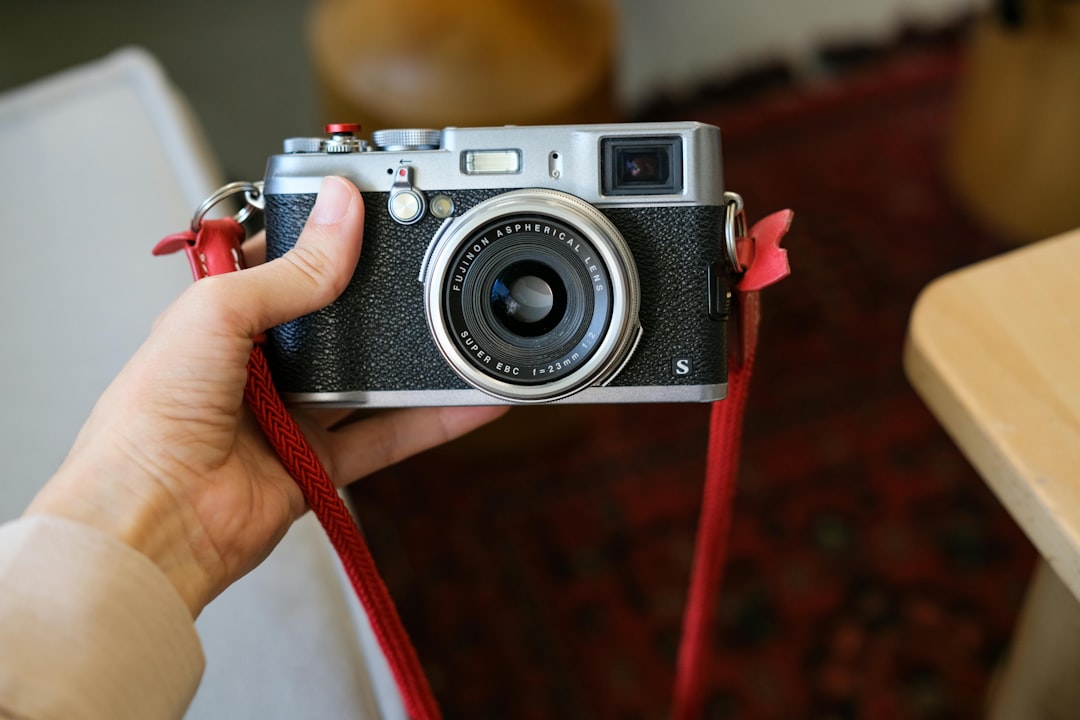
Photographic equipment repair businesses operate in a high-intent, time-sensitive niche where every qualified lead is valuable. Aligning paid search with multi-channel marketing ensures that your outreach captures professionals and organizations actively seeking repair solutions.
A data-driven framework helps surface the highest-value prospects, reducing wasted spend across search and digital channels. By leveraging real-time behavioral insight, you can identify the accounts most likely to convert and prioritize budget accordingly.
Integrating Google Ads for Photographic Equipment Repair with CRM and analytics tools transforms anonymous site traffic into actionable leads. Marketers gain visibility on which companies and individuals engage with their ads and can adjust targeting dynamically as prospects move through the funnel using Sona's Identity Resolution.
Optimized keyword and audience strategies, tailored for camera repair and photo equipment maintenance, ensure ads reach users with immediate service needs. Customized copy and landing pages, mapped precisely to search intent, drive higher conversion rates and deliver a seamless user experience. For an overview of how Google's Local Service Ads can help connect with local customers searching for repair services, see Google's Local Service Ads.
Cross-channel integration and advanced attribution give photographic equipment repair providers a full view of campaign impact. Performance optimization becomes continuous once online and offline signals, such as call bookings or in-store drop-offs, are tracked alongside digital conversions with Sona.
This step-by-step guide gives B2B revenue teams a practical way to unify paid search efforts, lift ROI, and generate more leads for photographic equipment repair services. You can get started for free with Sona to unify your lead generation and marketing analytics.
Why Google Ads Matter for Photographic Equipment Repair Businesses
Photographic equipment repair businesses operate in a fast-moving, specialized market where timing and precision directly impact revenue. Connecting with professional photographers and studios at the exact moment they need urgent repairs can mean the difference between closing high-value deals and missing critical opportunities. Google's Local Service Ads can help these businesses connect with local customers who are actively searching for repair services.
- Specialized Audience: Google Ads allows repair shops to precisely target segments such as commercial studios or freelance photographers searching for emergency camera or lens repair. By leveraging intent-driven targeting, campaigns reach people with immediate needs, cutting wasted spend and lifting conversion rates.
- High-Value Services: Through strategic campaign structuring, businesses can highlight in-demand services like camera maintenance, sensor cleaning, or gear overhauls. This focus ensures ads are aligned with the most profitable service lines, increasing the lifetime value of each new client. For a deeper dive into structuring campaigns for high-value services, explore our marketing strategy blog.
- Faster Demand Response: Access to real-time search data enables repair businesses to ramp up campaigns during peak periods such as holiday seasons, product launch cycles, or major photography events. By monitoring in-market behavior, marketing teams can quickly shift budget to campaigns that attract the highest-intent leads, ensuring competitors do not capture the surge in demand. Enhance your targeting by automatically syncing high-quality audience data across your marketing platforms.
- Integrated Data Analysis: Integrating Google Ads data with CRM and sales platforms provides a unified view of lead quality and campaign performance. This makes it possible to identify which keywords, ad groups, or geographic regions generate the most valuable inquiries, guiding investment toward the channels that consistently drive growth. As enriched audience and lead profiles sync across platforms, marketing teams can track every touchpoint and attribute revenue back to the campaigns that matter most.
Ready to maximize your repair shop's marketing impact? Get started for free with Sona.
Common Types of Google Ads Campaigns for Photographic Equipment Repair Services
Most photographic equipment repair advertisers run some mix of Search, Display, Video, Remarketing, and Performance Max campaigns, each suited to a different point in the buyer's path from noticing broken gear to booking a repair.
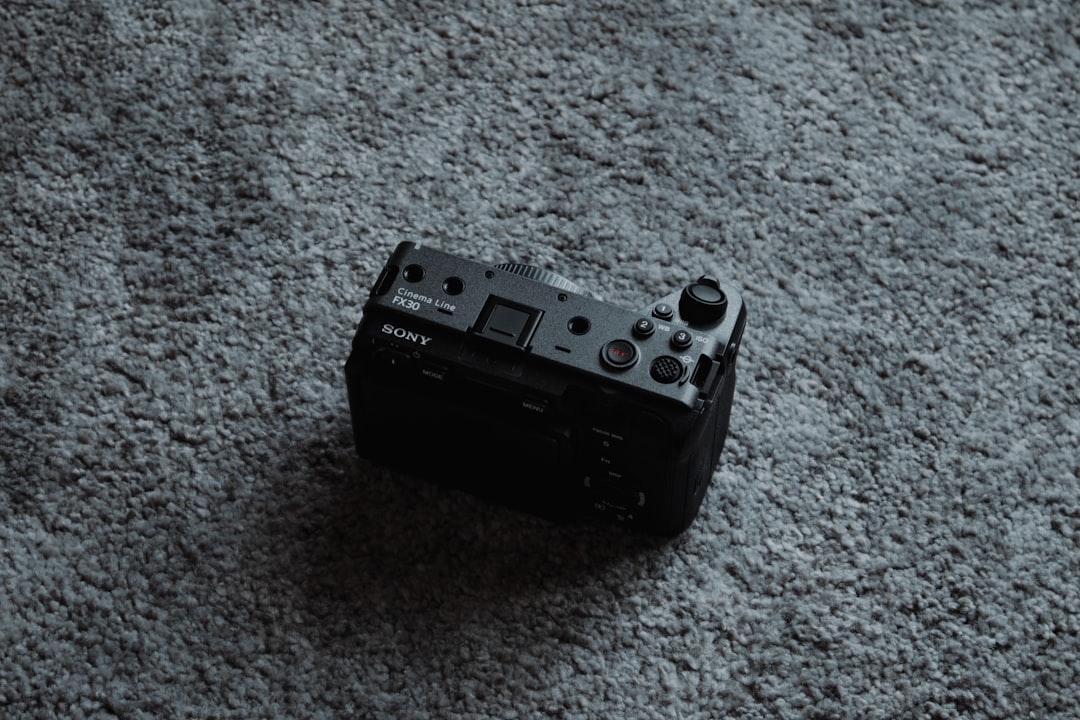
- Search Campaigns: Search campaigns directly address high-intent prospects searching for photographic equipment repair, camera repair services, or photo equipment maintenance. These campaigns capture urgent queries, allowing you to convert prospects actively seeking solutions. By integrating unified visitor identification, marketers can move beyond anonymous clicks to recognize which companies and individuals are expressing urgent repair needs, enabling swift, targeted follow-up.
- Display Ads: Display campaigns keep your repair services top-of-mind across relevant websites and apps, ensuring brand visibility even after the initial search. With dynamic audience syncing, display ads can automatically update creative and targeting as leads progress through the sales funnel, delivering consistent messaging that adapts to each contact's real-time behavior and engagement level.
- Video Ads: Video campaigns offer an opportunity to demonstrate your repair expertise and processes, building trust with potential clients considering camera repair businesses. Leveraging real-time intent data, you can prioritize ad spend on viewers whose digital engagement signals genuine purchase intent, maximizing your investment and ensuring that video content reaches those most likely to convert.
- Remarketing: Remarketing campaigns effectively re-engage previous website visitors, reminding them of your expertise in photographic equipment services and encouraging them to return rather than switch to competitors. Enhanced CRM and ad platform sync lets you retarget only those leads who have not yet converted, while excluding existing clients, making every impression count and reducing wasted ad spend.
- Assets: Ad assets (formerly called extensions) add crucial trust signals such as location, call buttons, and customer ratings to your ads, addressing potential hesitation and improving click-through rates. Advanced conversion tracking ties these interactions back to revenue outcomes, giving full visibility into which assets drive the most qualified leads for your photographic equipment repair business. For an overview of how Local Service Ads can connect you with local customers, see Google's Local Service Ads.
Where to Find Growth Opportunities?
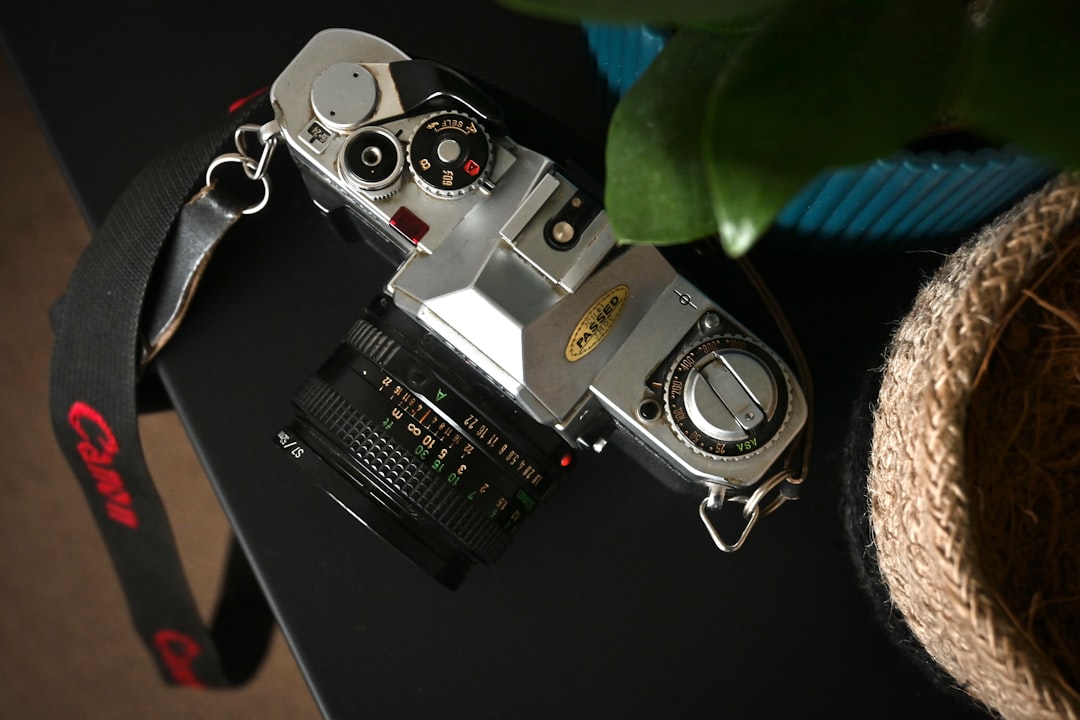
Identifying untapped growth opportunities is essential for photographic equipment repair providers seeking to scale efficiently. Strategic use of digital marketing for photography equipment repair offers clear pathways to engage high-intent buyers and outmaneuver competitors who rely on traditional channels.
- Leverage vertical-specific keywords to tap into niche services: Focusing campaigns around precise, intent-driven phrases such as "camera repair advertising" or "camera repair services" captures prospects actively searching for specialized solutions. Layering in long-tail keywords like "emergency photo equipment maintenance" or "same-day camera sensor repair" ensures higher match relevance and attracts customers with immediate needs. As search trends shift, platforms that enable real-time audience insights allow marketers to rapidly adjust targeting and message alignment, maximizing qualified traffic and minimizing wasted spend.
- Identify and address gaps left by competitors using tools like SEMrush: Competitive analysis surfaces search terms and ad placements rivals overlook. Mapping your paid and organic visibility against direct competitors reveals lucrative keyword gaps and underused ad formats. Integrating intent signals drawn from visitor behavior and CRM records refines this further: marketers can prioritize the segments or keywords where close rates and deal sizes are highest, then sync enriched audiences directly into campaigns. This feedback loop steers budget toward the segments with the greatest revenue potential.
- Target industry forums and spaces beyond organic reach: Prospects often research repair solutions on industry-specific forums and online groups. Running display or video ads targeted to these platforms helps extend reach to buyers outside the scope of SEO. With unified visitor identification and audience data, marketers can pinpoint which forums or content hubs drive the most engaged traffic, then tailor creative and offers to match the unique context of each space.
- Use content retargeting to re-engage with interested prospects: Not every visitor converts on the first touch. Retargeting strategies enable ongoing engagement with high-potential accounts that interacted with service pages, pricing tools, or educational content. By syncing audience segments between your CRM and Google Ads, dynamic retargeting lists update automatically as leads progress through the evaluation cycle. Marketers can then deliver personalized ads or offers, increasing the likelihood of conversion and ensuring that no high-value opportunity falls through the cracks.
How to Apply Audience Segmentation for Photographic Equipment Repair
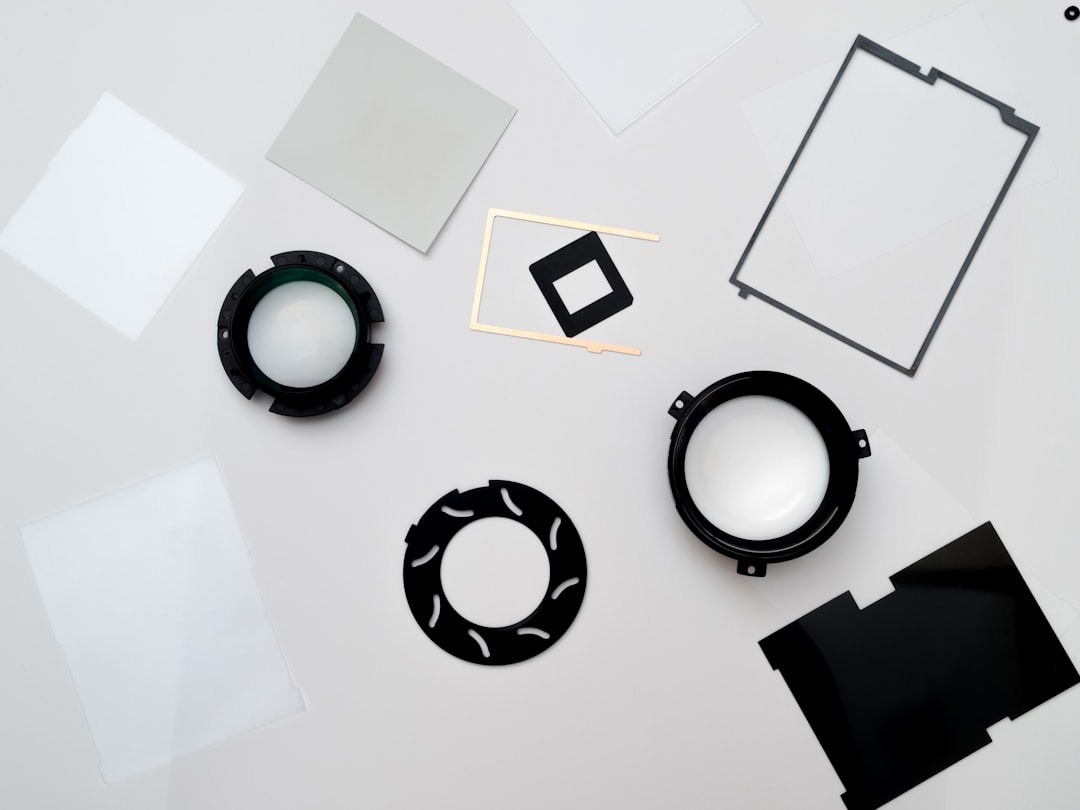
Precise audience segmentation enables repair businesses to allocate budget and creative resources where they yield the highest returns. By tailoring campaigns to the nuanced needs of photographers, studios, and hobbyists, marketers unlock stronger engagement and higher conversion rates. For more on segmenting and targeting in B2B, see the essential guide to account-based marketing.
- Define Segments: Separate your audience into clear categories, such as casual camera owners versus professional photographers or rental houses. Casual users may seek quick fixes or basic maintenance, while industry professionals require rapid turnaround and ongoing service contracts. This distinction allows you to align messaging, offers, and creative assets with the priorities of each segment, increasing relevance and response. Use Sona to build dynamic, intent-based segments that reflect these unique needs.
- Overlay Intent Signals: Go beyond static personas by incorporating Sona's Intent Signals and behavioral data. Identify visitors urgently searching for "emergency camera repair" or "same-day lens cleaning," and distinguish them from those researching routine maintenance packages. This lets marketers dynamically spot in-market buyers and route budget toward the segments most likely to convert.
- Create Ad Groups by Segment: Develop dedicated ad groups for each segment, using tailored copy and creative that address their specific pain points. Industry professionals may respond to messages about rapid repair SLAs and multi-device service bundles, while casual users seek transparent pricing and convenience. Leveraging unified data platforms, teams can automate the creation and refresh of these audiences as leads progress through the funnel, ensuring the right message always reaches the right segment. Learn how to automate personalization at scale to improve campaign efficiency.
- Validate Conversion Paths: Track every interaction across ads, landing pages, phone calls, and offline appointments. Integrate these touchpoints seamlessly with your CRM so no lead or deal slips through the cracks. Sona can sync enriched audience and lead data directly into Google Ads, Salesforce, and HubSpot, delivering a closed-loop view of performance for both online and offline activity.
Effective audience segmentation for Google's Local Service Ads for photographic equipment repair creates a feedback loop where engagement, intent, and conversion data drive smarter targeting and more personalized outreach. This foundation improves PPC advertising for camera repair businesses and strengthens digital marketing for photography equipment repair by matching each prospect to the experience that fits their needs.
This is also where measurement changes the economics. With Sona Marketing Measurement you can identify the companies behind your ad clicks, not just anonymous sessions, and segment audiences by who actually becomes a customer. That lets you build bid adjustments and audience signals around the segments that convert and de-prioritize the ones that don't, so you feed Google's algorithms "this click became a paying photographic equipment repair customer" instead of just "someone filled out a form."
Keyword Strategy & Sample Target Terms

| Industry | Keyword | Monthly Search Volume | Competition Level | Low Bid | High Bid |
| Photographic Equipment Repair | photographic equipment repair | 10 | LOW |
Effective marketing for photographic equipment repair relies on an intentional keyword strategy built around commercial intent. Targeting users ready to book camera repair services or seeking trusted nearby shops enables campaigns to capture high-value leads at peak intent. Prioritizing high-intent keywords improves the quality of inbound inquiries and maximizes advertising efficiency, learn more about optimizing paid and organic channels on our marketing strategy blog.
- Top Keywords: Focus on highly specific phrases such as photography equipment repair near me, camera repair services, and camera repair shops. These terms attract prospects who are actively seeking solutions and have a strong likelihood of converting.
- High-Intent Keyword Emphasis: Integrate terms like digital marketing for photography equipment repair, PPC advertising for camera repair businesses, and Google Ads targeting for photographic equipment repair. These keywords reflect commercial urgency and align with the core service offering, ensuring campaigns reach decision-makers and business owners searching for immediate repair solutions.
- Local and Service-Based Terms: Extend keyword coverage to include geographically targeted queries, such as camera repair shops in [city], emergency camera repair, and same-day photographic equipment repair. This approach increases local market penetration and ensures budget is spent on users most likely to convert, Sona can help you reach these intent-driven segments automatically.
By prioritizing granular, intent-driven keywords, revenue teams can align their paid search strategy with actual customer needs and behaviors. Leveraging advanced platforms to unify keyword performance data across paid and organic channels delivers actionable insights for ongoing optimization and more precise audience targeting. To experience these capabilities firsthand, get started for free with Sona.
Step-by-Step Campaign Execution Framework
Step 1: Build Targeted Keyword Lists
- Cluster by service type and localize: Segment keywords for camera repair, lens calibration, and sensor cleaning, then refine them for local intent using geo-modifiers. This drives relevance for users searching "camera repair near me" or "photo equipment maintenance in [city]," ensuring your ads reach those ready to engage.
- Long-tail and question-based queries: Incorporate phrases like "how to fix DSLR autofocus" or "best camera repair shop downtown." These terms capture high-intent traffic and position your business as a solution for specific problems, not just generic repair needs.
- Negative keyword filters: Exclude terms such as "DIY camera repair" or "free camera maintenance" to avoid unqualified clicks. This preserves budget for those with commercial intent.
- Content integration: Align keyword clusters with on-site content and landing pages dedicated to each repair type. This ensures messaging consistency across paid and organic channels, supporting brand recognition and relevance.
Modern platforms that surface company-level identity data let marketers spot which businesses are actively seeking camera repair services, not just which keywords are driving clicks. Integrating CRM and ad platforms ensures that audience segments update in real time as prospects move from research to purchase intent, keeping targeting precise and budget allocation efficient. Learn more about how Google's Local Service Ads can help connect service businesses with local customers.
The upgrade most photographic equipment repair advertisers miss is going beyond raw keyword volume to layer in intent and identity signals. By connecting website-visitor data and CRM records with Sona Marketing Measurement, you can see which specific search terms bring in the accounts and customers that actually convert, and weight your keyword and bidding strategy toward those rather than the terms with the highest search volume alone.
Step 2: Develop Compelling Ad Copy
- Highlight pain points and solutions: Address core issues like equipment downtime or warranty concerns, and clearly state how your service solves them. "Get your camera back in action fast" speaks to urgency and reassurance.
- Urgency and incentives: Offer clear, time-bound promotions, such as "Free diagnostics this week only," to encourage immediate action.
- Consistent messaging: Carry the same voice and promises from ad to landing page, so prospects never feel misled or confused during their journey.
A unified data platform ensures ad copy can be personalized based on real-time intent signals, such as repeated visits to sensor repair pages or multiple searches for specific models. This data-driven approach refines copy dynamically, maximizing relevance for each visitor and supporting higher conversion rates. For additional tips, check out our actionable playbooks for demand generation and campaign optimization.
Step 3: Design Effective Landing Pages
- Direct keyword-to-landing flow: Each ad group should connect to a landing page tailored to its keywords, for example, "mirrorless camera repair" ads lead to a page optimized for mirrorless repair services.
- Calculators and FAQs: Embed repair cost calculators and common question sections to help visitors self-qualify and make faster decisions.
- Mobile-ready CTAs: Clear, action-oriented calls to action like "Book Your Repair Now" should be prominent and optimized for mobile users.
Platforms that unify web analytics and CRM data help identify which landing page elements drive conversions for photographic equipment repair services. Testing can focus on high-value prospects, and engagement data can be used to retarget visitors with personalized offers, increasing the likelihood of capturing those who need immediate service. Discover community perspectives on the value of advertising for photography services.
Step 4: Implement Data-Driven Optimizations
- Continuous conversion tracking: Monitor online and offline conversions, connecting ad clicks to actual service appointments, not just form fills.
- Smart bidding optimization: Use automated bidding strategies that prioritize high-value actions, such as confirmed bookings or repeat visits, maximizing ROI.
- A/B testing: Routinely test ad headlines, images, and landing page layouts to uncover combinations that resonate best with local audiences.
With advanced attribution models that combine web, CRM, and offline data, marketers gain a full view of which campaigns are driving measurable business outcomes. Real-time feedback loops allow for dynamic audience updates and instant budget shifts toward campaigns producing the highest-value leads, ensuring every marketing dollar works harder for your business. For more on refining your approach, see retargeting strategies for B2B services. Ready to optimize your campaigns? Get started for free with Sona.
Sona Marketing Measurement closes the gap between clicks and revenue. It captures ad clicks with first-party measurement, ties that click through UTM capture and ad-platform APIs to the actual record in your CRM, and reports ROAS by keyword and campaign instead of by last-click form fill. Feeding that revenue signal back into Smart Bidding and Performance Max compounds over time: the algorithms optimize toward booked photographic equipment repair revenue, not cheap leads.
Tips on Expanding Your Photographic Equipment Repair Presence
Modern photographic equipment repair businesses achieve sustainable growth by focusing on data-driven, actionable tactics that move beyond basic advertising. Adopting advanced digital marketing for photography equipment repair helps target high-intent prospects, foster trust, and increase market share in a competitive field.
- Use educational content in retargeting efforts to guide prospects through the decision process: Educational resources such as video explainers, maintenance checklists, and repair guides serve as powerful retargeting assets. Delivering this content to visitors who have interacted with your ads or site reinforces your expertise, builds trust, and keeps your brand top-of-mind as they consider repair options. With platforms that unify go-to-market data, marketers can identify which content resonates most and automate personalized follow-ups, ensuring prospects receive the right information at the right stage of their decision journey. For more ideas, explore this Reddit discussion on advertising photography services.
- Explore upselling opportunities by targeting segmented audiences with specific offers: Segmenting your audience based on previous repair history, equipment type, or service frequency enables highly tailored upsell campaigns. For example, targeting DSLR owners with sensor cleaning packages or offering extended warranties to frequent customers drives incremental revenue. Utilizing dynamic audience management tools, these segments can be updated automatically as customers move through the funnel, ensuring new offers remain relevant and timely.
- Build partnerships with industry associations to increase referral traffic: Strategic alliances with camera clubs, photography schools, and industry associations can deliver a steady stream of qualified referrals. Joint webinars, co-branded educational content, and exclusive member discounts position your service as an industry authority and trusted partner. Tracking the source and conversion rates of these referrals within a unified CRM and ad platform allows you to optimize partnership ROI and prioritize the channels delivering the highest-value leads.
- Tailor localization efforts to grow presence in specific areas, expanding market reach: Fine-tuning your PPC advertising for camera repair businesses with hyper-local targeting ensures your ads reach photographers and studios within your service radius. Localized ad copy, landing pages, and geotargeted keywords such as "camera repair near [city]" enhance relevance and boost conversion rates. Marketers can further refine these efforts using real-time intent signals, shifting budget and creative toward the most promising local markets as performance data evolves. For an overview of how local ad solutions work, see Google's Local Service Ads.
- Innovate new content based on insights from search query data: Analyzing search queries from your ad campaigns reveals emerging trends and customer pain points. Creating new service pages, blog posts, or video tutorials that address these queries increases organic visibility and strengthens ad performance. Platforms that integrate search data with CRM insights allow revenue teams to identify the most lucrative topics and rapidly develop content that attracts and converts high-intent prospects. For actionable ideas, review this step-by-step guide on importing ad platform cost data into Google Analytics.
Digital advertising for photographic equipment repair services rests on sharp keyword targeting, precise audience segmentation, ad messaging that speaks to urgency, and data-driven optimization tied to a CRM. Follow this framework and your business engages high-intent prospects at the moment gear breaks, not after they've already called a competitor. If you're ready to accelerate your repair business's growth, you can get started for free with Sona.
Beyond Google Ads: Winning the AI Answers Photographic Equipment Repair Buyers Now Trust
Paid search captures demand at the moment someone types a query. But a fast-growing share of photographic equipment repair buyers no longer start at Google at all, they ask ChatGPT, Gemini, or Perplexity before they ever run a search, and Google's own AI Overviews increasingly summarize an answer above the traditional results. If your business isn't referenced in those AI answers, you're invisible at the exact moment buyers build their shortlist.
Sona AI Visibility shows where your business shows up across ChatGPT, Gemini, Perplexity, Google AI Overviews, and 10+ engines, and, much like a keyword report, which prompts actually send you buyers, so you can prioritize the ones that convert. Run the two together and you cover the entire buyer path: get cited where buyers research (AI Visibility), then prove which of that demand turns into booked revenue (Marketing Measurement).
Helpful resources
Conclusion
Google Ads works for photographic equipment repair when it's built around the moment gear actually breaks: precise targeting that finds the studio or freelancer mid-crisis, ad copy that speaks to that urgency, and campaigns tuned continuously against real conversions rather than clicks.
The next shift is already underway: buyers increasingly ask AI tools where to get gear fixed before they ever type a search query, which means visibility now has to extend past the search results page. Start for free with Sona to connect your paid search performance to real revenue and see where your business stands in that new landscape.
FAQ
How can I set up Google Ads for my photographic equipment repair business?
To set up Google Ads for your photographic equipment repair business, start by building targeted keyword lists, develop compelling ad copy, design effective landing pages, and implement data-driven optimizations, ensuring your campaigns align with customer needs and behaviors.
What are the best keywords for Google Ads in the photographic equipment repair industry?
The best keywords include specific phrases such as photography equipment repair near me, camera repair services, and camera repair shops, as they attract prospects actively seeking solutions with a high likelihood of converting.
How can I target the right audience with Google Ads for my photo equipment repair service?
Target the right audience by using precise audience segmentation, overlaying intent signals, creating ad groups by segment, and validating conversion paths to ensure your ads reach users with immediate service needs.
What is the conversion rate for Google Ads in the photographic equipment repair niche?
The conversion rate depends on factors like keyword strategy, audience targeting, and campaign optimization, focusing on high-intent users to improve the quality of inbound inquiries and maximize advertising efficiency.
How much should I budget for Google Ads for my photographic equipment repair business?
Budget allocation should focus on precise, intent-driven keywords and target segments most likely to convert, ensuring efficient use of ad spend to capture high-value leads at peak intent.
What are some successful Google Ads examples for photographic equipment repair services?
Successful examples include search campaigns targeting high-intent queries, display ads for brand visibility, and remarketing campaigns to re-engage previous visitors, all optimized with customized copy and landing pages.
How can I track the ROI of my Google Ads campaign for photographic equipment repair?
Track ROI by integrating Google Ads data with CRM and sales platforms, monitoring online and offline conversions, and using advanced attribution models to connect ad clicks to actual service appointments.
Are there any specific ad formats that work better for Google Ads in the photographic equipment repair sector?
Effective ad formats include search ads for high-intent prospects, display ads for maintaining visibility, video ads for demonstrating expertise, and remarketing ads to re-engage potential clients.
What are some tips for optimizing Google Ads for a photographic equipment repair business?
Optimize by using high-intent keywords, precise audience segmentation, compelling ad copy, effective landing pages, and continuous data-driven adjustments to enhance conversion rates and maximize ROI.







