


Phlebotomy training programs live or die by the gap between browsing and inquiring. A prospective student might read three program pages and a tuition comparison, then leave without filling out a form, and that visit vanishes from the funnel entirely. Google Ads closes that gap by capturing students precisely as they search for certification programs, classes, or career-change options, giving schools a middle-funnel bridge between awareness campaigns and actual enrollments. Used well, it lets phlebotomy training centers target students by intent, whether they're comparing costs, checking accreditation, or hunting for weekend and online formats, and measure how those clicks turn into seats filled.
How to Generate Google Ads for Phlebotomy Training Leads: A Step-by-Step Guide

Phlebotomy training providers face unique challenges in reaching motivated learners at the exact moment they are considering career advancement. A precision-driven digital strategy ensures that ad budgets are focused on capturing high-intent prospects, resulting in more efficient lead generation and measurable growth.
By leveraging advanced data insights, marketers can pinpoint which campaigns and touchpoints drive not just clicks, but actual enrollments. Aligning creatives, landing pages, and targeting with the real-world behaviors of prospective students raises the quality of inquiries, boosts conversion rates, and sustains a healthy pipeline for phlebotomy program visibility.
- Data-driven Prospect Identification: Using sophisticated visitor identification and in-market behavior analysis enables marketers to recognize high-value prospects, even before they fill out a form. Sona's Identity Resolution helps surface these high-potential leads, allowing for immediate and personalized engagement that reduces the lag between lead interest and outreach.
- Audience And Keyword Targeting For Medical Training: Effective phlebotomy training marketing starts with detailed segmentation. Building keyword lists around certification, local training, and online phlebotomy courses ensures ads are surfaced to those actively seeking relevant programs. Google Ads Training provides a deeper look at this trend and how dynamic audiences can keep campaigns nimble and responsive to real-time intent shifts.
- Landing Pages And Creative That Convert: Every touchpoint, from ad creative to landing page, should reflect the language, accreditation, and outcomes that matter most to aspiring phlebotomists. Well-structured landing pages tailored to ad messaging reduce bounce rates and establish trust, capitalizing on momentum when interest is at its peak. This tailored approach increases conversion rates and supports efficient PPC for phlebotomy campaigns.
- Iterative Performance Optimization: True ROI measurement in digital marketing for healthcare depends on capturing both online and offline conversions. Advanced attribution methods that connect phone inquiries, campus visits, and digital forms paint a comprehensive picture of performance. For more on advanced ROI tracking, check out our guide on Sona attribution.
- Channel Integration For Sustained Engagement: Seamlessly connecting Google Ads campaigns with email and social media ensures continuity in nurturing students who may not convert immediately. Syncing enriched lead data and audience segments between platforms supports retargeting and ongoing communication, maximizing every opportunity to move prospects further down the enrollment funnel.
A strategic approach to Google Ads for phlebotomy training blends advanced targeting, continuous optimization, and integrated channel efforts to consistently deliver high-quality leads and measurable program growth.
Why Google Ads Matter for Phlebotomy Training
Phlebotomy training programs face the challenge of reaching prospective students at the precise moment they are considering a career move or upskilling in healthcare. Google Ads enables these programs to connect with high-intent audiences, ensuring that messaging appears exactly when potential students are actively researching certification options or comparing course providers.
The platform’s advanced targeting capabilities make it possible to segment audiences based on behavior, demographics, and intent, allowing marketers to deliver personalized content that speaks directly to individual needs. Healthcare Google Ads provides a deeper look at this trend, highlighting the importance of matching ad content to user intent.
Visibility is a persistent barrier for training providers in saturated markets, yet Google Ads solves this with sponsored placements that guarantee top-of-page presence for relevant search queries. By leveraging integrated analytics, institutions benefit from a complete view of the applicant journey, from first click to completed registration, enabling smarter budget allocation and campaign optimization.
The ability to track interactions across both digital and offline touchpoints provides a unified understanding of which marketing efforts drive actual enrollments. For more on maximizing advertising efficiency with advanced attribution, check out our guide on Improve Google Ads ROAS. This creates a feedback loop that improves the efficiency of every advertising dollar invested in phlebotomy training marketing.
Common Types of Google Ads Campaigns for Phlebotomy Training Services
High-quality digital advertising is crucial for phlebotomy training providers aiming to attract students in a competitive healthcare education market. With the right mix of campaign types, training programs can connect with motivated learners at every stage of the applicant journey and maximize return on ad spend.
- Search Campaigns: These campaigns target prospective students actively searching for phlebotomy classes, certification programs, or online learning opportunities. By aligning keyword strategies with high-intent queries such as "online phlebotomy courses near me" or "phlebotomy certification enrollment," marketers ensure their ads reach individuals who are most likely to convert. For tips on optimizing paid search efforts, Google Ads healthcare guide provides a deeper look at this trend.
- Display Ads: Display campaigns build awareness among audiences browsing medical content, educational blogs, and healthcare career forums. Rather than using generic visuals, effective display ads highlight program strengths, unique certifications, or flexible learning options. Tools like visitor identification help marketers refine display placements by identifying relevant visitors with healthcare interests.
- Video Ads: Video campaigns use platforms like YouTube to engage candidates with dynamic storytelling, virtual campus tours, and instructor-led introductions. These ads are especially powerful during periods of increased career interest, such as graduation season or local job fair promotions. By monitoring in-market behaviors, marketing teams can trigger video ads for viewers who have demonstrated repeated engagement with healthcare career content, further increasing the likelihood of capturing committed applicants.
- Remarketing: Remarketing campaigns re-engage users who have visited a phlebotomy training site but have not yet submitted an application or inquiry. These ads use tailored messaging to address common drop-off points, such as cost concerns or scheduling questions. With dynamic audience segmentation, remarketing lists update automatically as new leads interact with site content, ensuring that follow-up messaging remains timely and relevant throughout the enrollment funnel.
- Assets: Ad assets (formerly called extensions) are essential for conveying practical information without requiring extra clicks. Location assets help prospective students find nearby training centers, while callout and structured snippet assets can promote upcoming open houses, scholarship deadlines, or evening class options. For an overview of the features and best practices, Google Ads assets offers useful guidance.
Growth Opportunities in Phlebotomy Training Marketing

Phlebotomy training providers can accelerate growth by targeting overlooked digital opportunities that reach serious learners seeking flexible and career-focused education. By integrating advanced audience and intent data, marketing teams can move beyond broad search campaigns to pinpoint untapped demand and optimize every dollar spent.
- Phlebotomy-specific Keyword Targeting: Using tailored search terms such as "online phlebotomy courses," "bilingual phlebotomy training," and "weekend phlebotomy certification" allows campaigns to capture students from diverse backgrounds that generic ads miss. This precision helps fill program seats faster, especially for part-time or language-specific cohorts.
- Competitor Gap Analysis: Tools like SEMrush reveal which keywords and placements competitors are neglecting. By identifying these gaps, phlebotomy training marketers ensure no potential lead slips by, and budgets are directed into high-opportunity segments.
- Industry-focused Placements: Running Google Ads on healthcare education portals, medical career forums, and allied health blogs expands reach where organic presence is thin. This approach surfaces phlebotomy programs to prospective students who may not be actively searching but are engaged with relevant industry content. Learn more about Google Ads in healthcare for a deeper look at this trend.
Modern demand generation relies on more than keyword volume. Incorporating visitor identification makes it possible to move from anonymous clicks to actionable contacts, allowing marketers to recognize which companies are showing high intent for phlebotomy training. Sona's Identity Resolution is designed to connect anonymous web traffic to real company profiles, enabling smarter outreach.
Dynamic audience management keeps prospect pools updated as leads progress, ensuring messaging remains relevant throughout the decision journey. For more insights on optimizing your Google Ads strategy for education, check out our guide on boosting Ads ROI. By syncing audience segments and enriched lead data directly with advertising platforms and CRMs, teams maintain program visibility across every touchpoint, driving measurable improvements in both lead quality and enrollment rates.
Audience Segmentation for Phlebotomy Training
Audience segmentation is essential for phlebotomy training providers aiming to maximize the efficiency of their digital marketing. By identifying and targeting distinct groups within the prospective student population, campaigns move beyond generic messaging and deliver tailored experiences that resonate at every stage of the decision journey. This approach increases engagement rates and ensures that marketing resources are allocated where they generate the most measurable impact.
- Define Segments: Begin by differentiating your audience according to their primary motivations, such as individuals seeking initial certification, those aiming for advanced credentials, or career-switchers looking for stable healthcare roles. Each segment exhibits unique behaviors and intent signals, allowing marketers to craft specific messaging and value propositions that address their needs. For example, certification-focused prospects respond to messaging around exam preparation, while career-switchers prioritize job placement rates and flexible scheduling. Phlebotomy training choices provides a closer look at what influences decisions and costs.
- Overlay With Intent Signals: Enhance segment definitions by integrating real-time signals such as repeated visits to enrollment pages, downloads of course guides, or engagement with financial aid content. Tracking these behaviors enables your team to prioritize leads who are actively evaluating programs, shifting ad spend and content to focus on high-conversion opportunities. Sona surfaces intent signals to help identify and prioritize high-intent student segments, streamlining your follow-up process.
- Tailor Ad Groups By Segment: Customize ad creative, copy, and budget allocation for each audience segment. Certification renewals may require reminders about continuing education deadlines, while recent graduates could benefit from information on advanced phlebotomy skills. Dynamic audience capabilities ensure that as prospects interact with your campaigns and website, their segment membership updates in real time, automatically adjusting which ads they see and how much budget is devoted to each group.
- Track Conversion Paths: Maintain a unified view of each prospect’s journey by connecting every form submission, phone inquiry, or enrollment to your CRM and analytics systems. This alignment bridges the gap between online engagement and offline conversions, empowering your team to attribute enrollments accurately and continually optimize campaign performance. For more on bridging digital and offline attribution, see our guide on revenue attribution.
This is also where measurement changes the economics. With Sona Marketing Measurement you can identify the companies and buyers behind your ad clicks, not just anonymous sessions, and segment audiences by who actually becomes a customer. That lets you build bid adjustments and audience signals around the segments that convert and de-prioritize the ones that don't, so you feed Google's algorithms "this click became a paying phlebotomy training customer" instead of just "someone filled out a form."
Keyword Strategy & Sample Target Terms
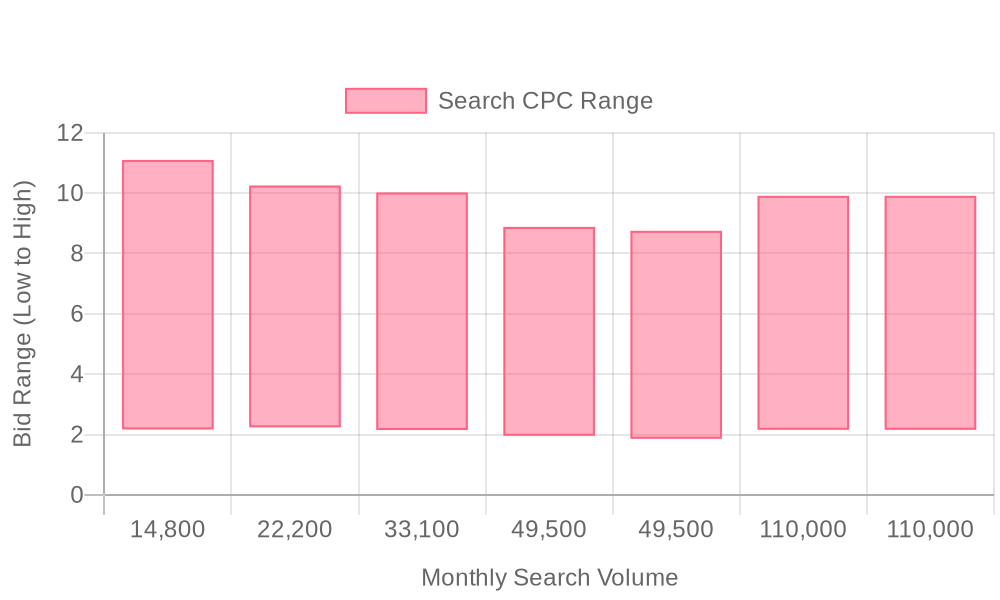
| Industry | Keyword | Monthly Search Volume | Competition Level | Low Bid | High Bid |
| Phlebotomy Training | phlebotomy course | 14800 | MEDIUM | 2.17 | 11.1 |
| Phlebotomy Training | phlebotomy school | 22200 | MEDIUM | 2.24 | 10.25 |
| Phlebotomy Training | phlebotomy classes | 33100 | MEDIUM | 2.15 | 10.02 |
| Phlebotomy Training | phlebotomy training | 49500 | MEDIUM | 1.96 | 8.88 |
| Phlebotomy Training | phlebotomy certification | 49500 | MEDIUM | 1.86 | 8.75 |
| Phlebotomy Training | phlebotomy classes near me | 110000 | MEDIUM | 2.16 | 9.91 |
| Phlebotomy Training | phlebotomy training near me | 110000 | MEDIUM | 2.16 | 9.91 |
Effective keyword strategies are integral for phlebotomy training providers seeking to maximize the impact of their digital marketing budgets. The right terms connect programs directly with prospective students who are actively researching career advancement, certification, and local course options, resulting in higher conversion rates and more efficient cost per lead.
- Targeting Optimization: Selecting keywords such as "phlebotomy classes near me," "affordable phlebotomy certification," and "online phlebotomy courses" ensures the ad spend is directed toward users exhibiting clear enrollment intent. Long-tail terms like "weekend phlebotomy certification classes" or "NHA phlebotomy prep course" further refine targeting, capturing high-value prospects ready to take action. Using these intent-driven terms not only narrows the audience to those most likely to convert but also reduces competition and cost per click. Keyword match types provides a helpful overview of keyword targeting options.
- Intent Focus: Prioritizing phrases that signal readiness, such as "enroll in phlebotomy training" or "phlebotomy certification registration," shifts campaign focus to users demonstrating immediate interest. This approach filters out passive browsers, allowing marketing teams to allocate resources where they drive measurable outcomes. Platforms leveraging real-time behavioral insights can dynamically identify which keywords are converting, automatically shifting budget toward high-performing segments as audience intent evolves.
- Avoid Common Mistakes: Building robust negative keyword lists is critical in preventing ad spend waste. Excluding terms like "phlebotomy job openings," "free phlebotomy equipment," or irrelevant healthcare roles ensures campaigns do not attract employment seekers or individuals outside the training funnel. Advanced solutions that identify anonymous site visitors and match them to enriched company and contact data help refine keyword targeting further, enabling continuous optimization as market trends shift. Tools like visitor identification support accurate tracking and optimization by revealing which segments are engaging with your campaigns.
A well-structured keyword strategy for google ads for phlebotomy training not only drives more qualified leads but also supports full-funnel attribution. By synchronizing CRM and ad platforms, marketers can refresh keyword lists and audience segments in real time, ensuring that campaigns evolve alongside student demand and deliver a consistently high ROI. For more insights on boosting advertising effectiveness, check out our guide on boosting Google Ads ROAS.
Campaign Execution Framework for Phlebotomy Training
Phlebotomy training programs operate in a highly competitive digital landscape, requiring precision in every stage of campaign execution. Driving consistent, high-quality enrollment leads demands a unified approach: from granular keyword targeting to advanced attribution and audience management.
Revenue teams seeking to dominate in phlebotomy training marketing achieve superior results by transforming fragmented data into actionable insights. Leveraging the right technology stack makes it possible to identify in-market prospects, shift budgets to where real opportunities emerge, and dynamically engage the most qualified future students. Sona's Identity Resolution supports this process by revealing which organizations are showing true intent.
Step 1: Build Targeted Keyword Lists
Effective keyword list creation for phlebotomy training starts with clustering by service or class type. This approach allows marketers to address specific learner needs, such as “weekend phlebotomy certification,” “accelerated online phlebotomy courses,” or “medical assistant with phlebotomy training.” Integrating location-based keywords, like city, state, or region, ensures the campaigns capture intent-driven local searches and solve pointer issues, directing traffic to the most relevant campus or online program. Applying negative filters excludes non-relevant or low-intent queries, protecting budget from waste and keeping lead quality high.
Modern marketers elevate their targeting by layering visitor identification technology. This enables pinpointing not just anonymous clicks, but also the organizations and individuals most likely to enroll, supporting smarter segmentation for PPC for phlebotomy and digital marketing for healthcare. Phlebotomy Marketing Strategies explores additional tactics for reaching high-conversion audiences.
The upgrade most phlebotomy training advertisers miss is going beyond raw keyword volume to layer in intent and identity signals. By connecting website-visitor data and CRM records with Sona Marketing Measurement, you can see which specific search terms bring in the accounts and customers that actually convert, and weight your keyword and bidding strategy toward those rather than the terms with the highest search volume alone.
Step 2: Ad Copy Development
Phlebotomy program advertisements must cut through noise by emphasizing tangible benefits and unique offerings. Rather than relying on generic phrases, effective copy highlights features such as “national certification included,” “hands-on clinical externships,” or “job placement assistance.” Trust signals are essential: referencing program accreditations, alumni outcomes, and testimonials directly addresses credibility concerns common among prospective students.
Incorporating real-time behavioral insights further strengthens ad copy impact. When in-market activity or funnel progression is detected, messaging can automatically adjust to emphasize urgency or next steps, ensuring each audience segment receives tailored, conversion-focused experiences.
Step 3: Landing Page Design
A seamless transition from ad to landing page is vital for maximizing conversion rates in medical training advertising. Successful landing pages align closely with ad messaging, instantly reaffirming the offer and guiding visitors toward a clear call to action. This includes prominent “apply now” buttons, concise program details, and transparent tuition information. Reducing friction, such as removing unnecessary form fields or streamlining mobile layouts, keeps high-intent users engaged and minimizes drop-off.
Utilizing advanced attribution and audience sync allows teams to personalize landing experiences based on user profile or campaign source. For example, a returning visitor may see a pre-filled application form or a reminder of their last interaction, increasing the likelihood of successful enrollment. We’ve covered landing page best practices in detail in the Landing Page Guide.
Step 4: Optimize Continuously
Sustained campaign performance in google ads for phlebotomy training depends on ongoing optimization. Implementing smart bidding strategies, such as Target CPA, drives efficiency by automatically adjusting bids to meet enrollment goals within budget constraints.
With unified data and CRM integration, teams can sync enriched audience segments and real-time conversion signals back into their ad platforms. This enables continuous refinement of targeting and spend, ensuring resources focus on the highest-value prospects as they progress through the funnel and supporting true phlebotomy program visibility across all digital channels. For more insights on attribution and revenue alignment, check out our guide on Revenue Attribution.
Sona Marketing Measurement closes the gap between clicks and revenue. It captures ad clicks with first-party measurement, then ties that click through UTM capture and ad-platform APIs to the actual record in your CRM, and reports ROAS by keyword and campaign instead of by last-click form fill. Feeding that revenue signal back into Smart Bidding and Performance Max compounds over time: the algorithms optimize toward booked phlebotomy training revenue, not cheap leads.
Expanding Your Phlebotomy Training Presence
Phlebotomy training programs achieve meaningful growth by addressing geographic limitations and reaching prospective students where they are most engaged. Adopting multi-channel strategies allows training providers to connect with audiences both inside and outside their immediate regions, driving broader awareness and higher enrollment rates without diluting program quality.
- Cross-promote Training Content In Display Campaigns: Extending your online presence with Display ads puts phlebotomy coursework and career advancement stories in front of audiences across healthcare forums, education blogs, and lifestyle platforms. This approach increases visibility beyond organic search and builds early-stage interest among candidates who may not be actively searching yet. Google Ads Training provides a deeper look at making the most of Display campaigns for education providers.
- Partner With Healthcare Industry Sites For Increased Referral Traffic: Collaborating with established medical news providers, professional associations, and healthcare education directories drives qualified referral visits. These partnerships foster trust, facilitate high-intent visits, and improve the likelihood of conversion by positioning your program in a credible context.
- Utilize Geographic-specific Strategies To Tap Into Local Enrollments: Tailoring campaigns by city, ZIP code, or region ensures ads are seen by candidates most likely to attend in-person or hybrid programs. By integrating local statistics, employment outcomes, and testimonials from nearby alumni, you speak directly to community needs and boost local enrollment rates.
- Encourage Alumni Referrals Through Digital Marketing For Broader Social Proof: Leveraging alumni networks in ad campaigns and social content amplifies authentic success stories. When combined with PPC for phlebotomy initiatives and remarketing lists, these efforts enhance social proof, increase program credibility, and organically expand your reach through digital word-of-mouth. Phlebotomy Service Marketing explores how alumni stories and digital tactics drive awareness.
Strategically executed Google Ads campaigns can transform the visibility and enrollment pipeline for phlebotomy training programs. Marketers who incorporate visitor identification and real-time intent analysis can pinpoint high-value prospects, shifting resources toward those most likely to convert. Dynamic audience updates ensure that as leads move through the enrollment funnel, messaging and offers remain relevant, maximizing both efficiency and campaign ROI. Sona surfaces intent signals to help identify and reach the right prospective students with precision targeting.
By integrating these insights with a robust healthcare digital marketing approach, you create a unified, data-driven strategy that amplifies reach and positions your program as a leader in a crowded education market. This proactive alignment with student needs and evolving industry expectations sets the stage for sustained growth and long-term reputation building.
Beyond Google Ads: Winning the AI Answers Phlebotomy Training Buyers Now Trust
Paid search captures demand at the moment someone types a query. A growing share of phlebotomy training buyers now start elsewhere: they ask ChatGPT, Gemini, or Perplexity before running a search at all, and Google's own AI Overviews increasingly summarize an answer above the traditional results. If your program isn't referenced in those AI answers, you're invisible at the exact moment buyers build their shortlist.
Sona AI Visibility shows where your business shows up across ChatGPT, Gemini, Perplexity, Google AI Overviews, and 10+ engines, and, much like a keyword report, which prompts actually send you buyers, so you can prioritize the ones that convert. Run the two together and you cover the entire buyer path: get cited where buyers research (AI Visibility), then prove which of that demand turns into booked revenue (Marketing Measurement).
Helpful resources
Conclusion
The phlebotomy training programs that win enrollment aren't the ones spending the most on Google Ads, they're the ones that can prove which keywords, ads, and audiences actually turn into paying students, then feed that proof back into their bidding. That's the real shift underway: from counting form fills to counting enrollments, and letting Google's algorithms optimize toward the second number instead of the first.
Ready to see how powerful data-driven advertising can be? Start a free trial to experience Sona's platform and its capabilities.
FAQ
What are the best Google Ads strategies for phlebotomy training?
The best strategies include leveraging intent-driven targeting, advanced data insights for prospect identification, and integrating Google Ads with other channels like email and social media to maintain engagement.
How can I optimize my Google Ads budget for medical training programs?
Optimizing your Google Ads budget can be done by focusing on high-intent prospects, using advanced attribution methods to track both online and offline conversions, and employing smart bidding strategies to meet enrollment goals within budget constraints.
What keywords should I target for phlebotomy training ads?
Target keywords like 'phlebotomy classes near me,' 'affordable phlebotomy certification,' and 'online phlebotomy courses' to connect with users showing clear enrollment intent.
How do I measure the success of my Google Ads campaigns for training?
Success can be measured through advanced attribution methods that connect digital interactions with offline conversions, providing a comprehensive view of campaign performance and ROI.
What are common mistakes to avoid in Google Ads for healthcare training?
Common mistakes include not using negative keywords to filter out irrelevant searches, failing to align ad creatives with landing pages, and not integrating real-time behavioral insights for better targeting.







