


A family scrolling through weekend options rarely plans a petting zoo visit far in advance, they search "petting zoos near me" on a Friday afternoon and book whoever answers first with the right hours and photos. That compressed decision window is why Google Ads matters so much to this trade: it puts your zoo in front of parents, teachers, and event planners at the exact moment they're comparing options, and it works alongside the word-of-mouth and repeat-visit loyalty that already drives most petting zoo traffic. Tools that track who's actually visiting your site, not just how many people clicked, help operators tell which searches turn into paid admissions and birthday bookings rather than idle browsing.
How to Generate Google Ads for Petting Zoos: A Step-by-Step Guide
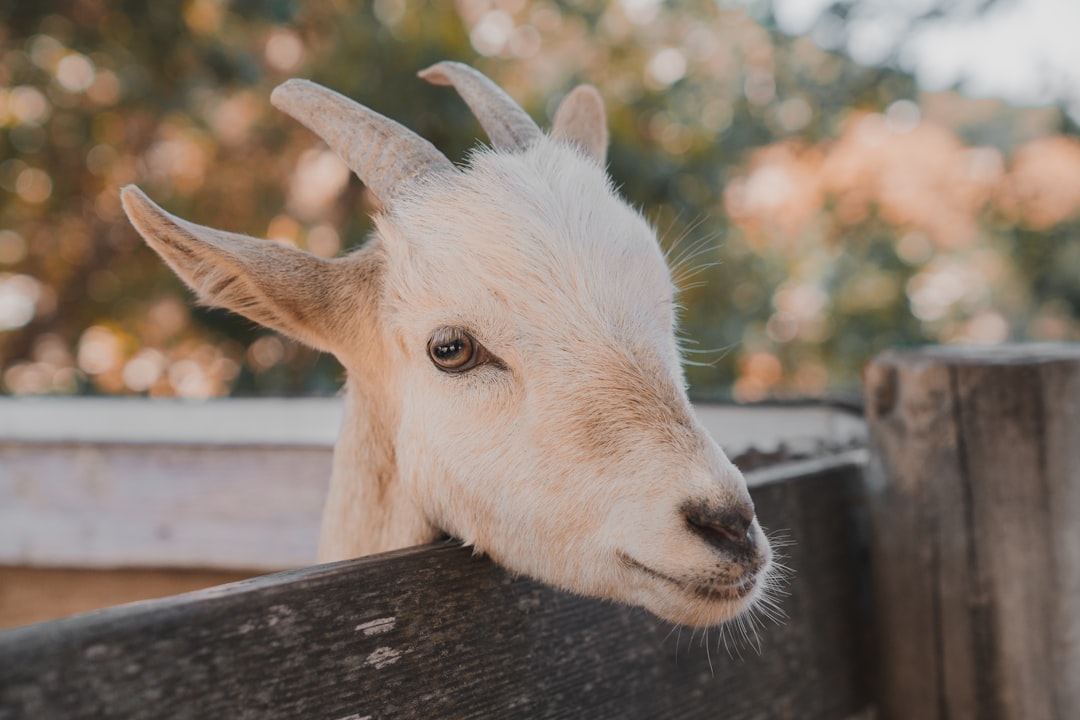
Petting zoo operators need efficient digital marketing strategies that bring measurable results and drive consistent attendance. Modern pay-per-click (PPC) solutions like Google Ads offer precision targeting, real-time performance feedback, and the flexibility to optimize campaigns for both local families and organizational event planners.
Leveraging Google Ads for petting zoos enables marketers to capture demand from high-intent audiences searching for family activities, educational outings, and unique event experiences. By combining granular audience segmentation with targeted creative and seamless landing page experiences, petting zoos can maximize every advertising dollar and turn clicks into confirmed bookings. For a detailed look at how pet breeders and similar businesses use Google Ads to reach potential customers and expand their business, review this step-by-step guide for pet breeders.
Understand the Landscape of PPC for Petting Zoos
Success in online advertising for zoos begins with an understanding of the unique audience and seasonal dynamics in this sector. The majority of visitors are families, schools, and local organizations seeking interactive animal experiences, often for weekends, holidays, or group events. Educational resources on business management can help operators understand the importance of digital-first outreach, as more than 70% of potential guests research and plan activities online before visiting in person.
The competitive landscape for petting zoo marketing is shaped by a mix of hyperlocal intent and the need for differentiation. PPC for petting zoos gives marketers the tools to identify and prioritize high-converting segments, adapting ad spend to target parents, teachers, and event coordinators during relevant periods. Real-time audience insights ensure that promotions and offers align with local school calendars, weather patterns, and peak visitation windows.
Integrating Google Ads with unified data platforms allows marketers to move beyond anonymous web traffic and identify the companies and organizations showing the strongest intent, such as schools and event planners. With access to enriched visitor profiles and historical engagement data, petting zoos can prioritize outreach to those most likely to book, ensuring budget efficiency and improved campaign ROI.
Common Types of Google Ads Campaigns
- Search Campaigns: These campaigns capture prospects searching for terms like "petting zoo near me," "kids animal birthday party," or "mobile petting zoo for schools." Highly relevant ad copy and sitelink assets help drive immediate action from motivated searchers.
- Display Campaigns: Visual banners on relevant websites build brand awareness and retarget visitors who previously showed interest. Display campaigns work well for reminding local families of seasonal events or special promotions. For further inspiration, review this case study on PPC for theme parks and zoos.
- Video Campaigns: YouTube video ads showcase the unique atmosphere, animals, and guest experiences at your zoo. Video content builds trust and excitement, particularly effective when promoting upcoming seasonal attractions or group packages.
- Local Campaigns: These automate ad distribution across Search, Maps, YouTube, and Google Display Network to drive in-person visits. Local ads highlight business hours, location, and quick booking links, ideal for last-minute planners.
- Remarketing Campaigns: Retargeting previous website visitors with custom offers or reminders increases conversion rates, especially among users who viewed booking pages but did not complete a reservation.
- Performance Max Campaigns: Performance Max uses Google's automation to serve ads across Search, Display, YouTube, Maps, and Gmail from a single campaign, bidding toward booking or lead goals. For petting zoos with clear conversion data, such as completed reservations, this campaign type can surface incremental demand that manual campaign structures miss during peak booking season.
By aligning campaign types to specific marketing goals, petting zoos can efficiently allocate budget and deliver tailored messaging throughout the customer journey.
Step 1: Build Targeted Keyword Lists
Effective petting zoo audience targeting starts with deep research into what local families, teachers, and planners are searching for. Focus on high-intent, location-based phrases such as "petting zoo party rental [city]," "animal encounters for kids," and "field trip petting zoo." Use negative keywords to filter out irrelevant searches like "free events" or "zoo jobs," ensuring each click is a qualified prospect. Explore pet products keywords to find additional targeting opportunities for ads.
Sona surfaces intent signals and company-level data that let marketers constantly refresh and expand keyword lists according to real visitor demand. This dynamic approach ensures your ads appear for the most relevant, conversion-ready queries as trends shift.
Most petting zoo advertisers stop at keyword volume. The bigger gain comes from layering in intent and identity signals: connecting website-visitor data and CRM records with Sona Marketing Measurement shows which search terms, "field trip petting zoo" versus "petting zoo birthday party," actually bring in the school bookings and paid group events that convert, so you can weight bidding toward those terms instead of whichever gets the most searches.
Step 2: Audience Segmentation and Building
Segment audiences by demographic, location, interest, and behavioral intent. For petting zoos, prioritize parents with young children, teachers, and local event organizers. Geo-targeting at the city or zip code level ensures budget is focused on realistic, high-value prospects. Learn more about building dynamic audiences for hyper-personalized ad targeting.
With advanced marketing solutions, audiences update in real time as leads engage with content, request info, or revisit the website. Marketers can build lookalike audiences from high-intent visitors, matching new prospects to the profiles most likely to convert. Unified CRM and ad platform syncing ensures no hot lead is missed, and every audience segment receives the right messaging at the right stage.
Step 3: Craft Compelling Ad Copy
Compelling ad copy for Google Ads petting zoo campaigns should highlight exclusive experiences, safety protocols, and clear calls-to-action. Headlines might focus on "Book a Birthday Party with Baby Goats" or "Interactive Animal Encounters for Kids & Schools." Use ad assets to showcase packages, reviews, and quick links to directions or booking forms. For practical examples of effective ad copy and campaign structure, watch this video guide on Google Ads for petting zoo businesses.
By analyzing which copy, offers, and creative elements drive engagement, marketers can quickly iterate and deploy top-performing ads across all campaigns. Real-time feedback loops ensure messaging stays relevant, seasonal, and aligned with the needs of each audience segment.
Step 4: Integrate and Optimize Landing Pages
A seamless transition from ad to landing page is crucial for maximizing conversions. Dedicated booking pages should mirror the ad’s promise, offer detailed event information, and make it simple for users to reserve their spot or request a quote. Incorporate testimonials, FAQ sections, and vivid images to build trust. For examples of high-converting petting zoo websites, see website design services for petting zoos.
Advanced attribution tools bridge the online-to-offline gap, measuring outcomes like confirmed visits or phone bookings and connecting them directly to specific ads and audience segments. Marketers can confidently report true ROI and adjust campaigns to focus on sources delivering the highest value.
Sona Marketing Measurement closes the gap between clicks and revenue. It captures every ad click with first-party measurement, then ties that click through UTM capture and ad-platform APIs to the actual record in your CRM, and reports ROAS by keyword and campaign instead of by last-click form fill. Feeding that revenue signal back into Smart Bidding and Performance Max compounds over time: the algorithms optimize toward booked petting zoo revenue, not cheap leads.
Step 5: Conversion Tracking and Retargeting
Implement robust conversion tracking to capture all forms of interest, form submissions, phone calls, ticket purchases, and even walk-in visits. Integrate with CRM and booking systems for a single source of truth, allowing full-funnel attribution and ongoing audience enrichment. Gain further insights from this case study on using Google Ads to drive results for animal care businesses.
Retarget prospects who engaged but did not convert with tailored offers or event reminders. Dynamic audience updates ensure retargeting ads automatically reach those most likely to take the next step, reducing wasted spend and boosting overall campaign efficiency.
Embedding unified data, real-time insights, and automated workflows into each stage of campaign execution lets petting zoos consistently generate qualified leads, fill event calendars, and deliver a memorable visit for every guest. If you're ready to streamline your digital marketing and drive more qualified bookings, get started for free with Sona.
Why Does Google Ads Matter for Petting Zoos?
Google Ads for petting zoos provides a direct connection between family-focused audiences and immersive animal experiences. These campaigns leverage real-time search intent, ensuring petting zoos appear when parents, schools, or local groups look for engaging weekend plans or educational field trips. For more marketing insights, visit the Sona blog.
By addressing the challenge of fragmented digital signals, advertising petting zoos with Google Ads transforms curiosity into high-value visits. Operators can deploy tailored ads for unique offerings such as interactive exhibits, group rates, or seasonal promotions, ensuring their attraction stands out in a crowded leisure market. Discover how identifying the companies and organizations visiting your site can further improve targeting and campaign results.
Synchronized operational insights allow petting zoos to time their messaging with seasonal patterns, maximizing attendance during peak periods and maintaining engagement in slower months. Dynamic ad strategies ensure that as visitors move from online research to actual bookings, messaging adapts to nurture intent and increase conversion rates. Using real-time audience segments helps refine these strategies for better performance.
Integrating advanced data tools, petting zoos can now identify not just anonymous site visitors, but also the companies and organizations most likely to book an event or group outing. This level of insight empowers revenue teams to prioritize campaigns, refine budget allocation, and personalize outreach for each segment, increasing the efficiency and ROI of every advertising dollar. For actionable playbooks, explore Sona’s resources.
Common Types of Google Ads Campaigns for Petting Zoo Services
- Search Campaigns: Search campaigns give petting zoo operators a direct line to families, schools, and organizations actively searching for unique animal experiences or event entertainment. By focusing on high-intent queries such as “petting zoo near me” or “petting zoo birthday party,” operators can promote their specialized offerings and secure bookings at the moment interest peaks. With unified data on the companies and organizations visiting your site, marketers can further refine targeting, moving beyond anonymous traffic to focus on high-value prospects.
- Display Ads: Display ads keep petting zoo brands top-of-mind with visually compelling graphics across a network of websites and apps. These ads excel at building awareness among local audiences who may not yet be searching for a petting zoo but would respond to engaging visuals or seasonal promotions. For further inspiration on display strategies and creative examples, explore effective Google Ads strategies for pet products. When audience data integrates seamlessly across platforms, marketers can shift budgets in real time, prioritizing segments with demonstrated in-market behavior and improving return on ad spend for petting zoo promotions.
- Remarketing: Remarketing campaigns enable petting zoos to re-engage website visitors who showed interest but didn’t convert, such as those who viewed booking pages or event packages. By presenting tailored offers, like “Book your petting zoo party today and save”, to these warm leads, conversion rates rise substantially. Dynamic audience updates ensure remarketing lists evolve as leads progress through the funnel, automatically focusing spend where the chances of conversion are highest.
- Responsive Search Ads: Within Search campaigns, responsive search ads use Google's AI to dynamically mix and match headlines and descriptions, optimizing for the best-performing combinations in real time. For petting zoos, this means ad copy can adapt instantly to highlight timely offers, seasonal events, or unique animal attractions, matching each user's search context. Marketers benefit from advanced conversion tracking and granular attribution, capturing both online and offline bookings to measure true ROI from every creative variation.
- Dynamic Search Ads: Dynamic search ads expand reach by automatically targeting relevant searches based on website content, uncovering untapped keywords that drive incremental bookings. This campaign type is especially effective for petting zoos with diverse services, capturing long-tail queries and filling gaps in manual keyword lists. When CRM and ad platforms are tightly synced, enriched lead and audience data flow directly into campaign execution, ensuring ads are always aligned with the latest business priorities and audience insights.
Finding Growth Opportunities in the Petting Zoo Market
Identifying growth opportunities in the petting zoo market begins with a sharp focus on specialty services and the audiences who value them most. Petting zoos can boost bookings and awareness by targeting digital touchpoints that align with family interests and seasonal demand. For step-by-step tactics, see this guide to marketing petting zoos effectively.
- Niche Keyword Targeting: Using Google Ads for Petting Zoos, operators can home in on intent-rich search terms like “mobile petting zoo for birthday parties” or “petting zoo school field trips.” This approach filters out generic traffic and attracts high-value prospects who are actively searching for specialty experiences. By integrating intent data from visitor interactions, marketers can prioritize budget toward keywords and audiences most likely to convert, ensuring every dollar reaches in-market families and event planners.
- Competitor Gap Analysis: Conducting a deep-dive analysis into competing petting zoos’ digital footprints reveals underserved segments and content gaps. Operators can analyze which keywords competitors dominate, where their ads appear, and which offers resonate. Company-level identification data further reveals which organizations and schools are researching your competitors, enabling campaigns that directly address unmet needs or highlight event packages not offered elsewhere.
- Family-Focused Placements: Placing ads on parenting forums, local event blogs, or family adventure websites elevates brand credibility and captures attention at the research phase. These placements provide a contextual bridge between awareness and conversion, especially when ad copy spotlights hands-on animal encounters, safety protocols, or exclusive seasonal promotions. Audience data can be dynamically synced and enriched, ensuring that every impression and click is attributed to the right family segment or local organizer.
- Customized Retargeting: Retargeting strategies, when centered around promotional content or limited-time events, re-engage website visitors and social followers who showed interest but did not convert. Marketers can automate audience updates as leads move through the funnel, serving timely reminders for upcoming events or special offers. With unified attribution, teams can track online and offline conversions, such as event bookings made over the phone, giving a complete picture of campaign ROI and informing future petting zoo marketing investments.
How to Apply Audience Segmentation for Petting Zoos
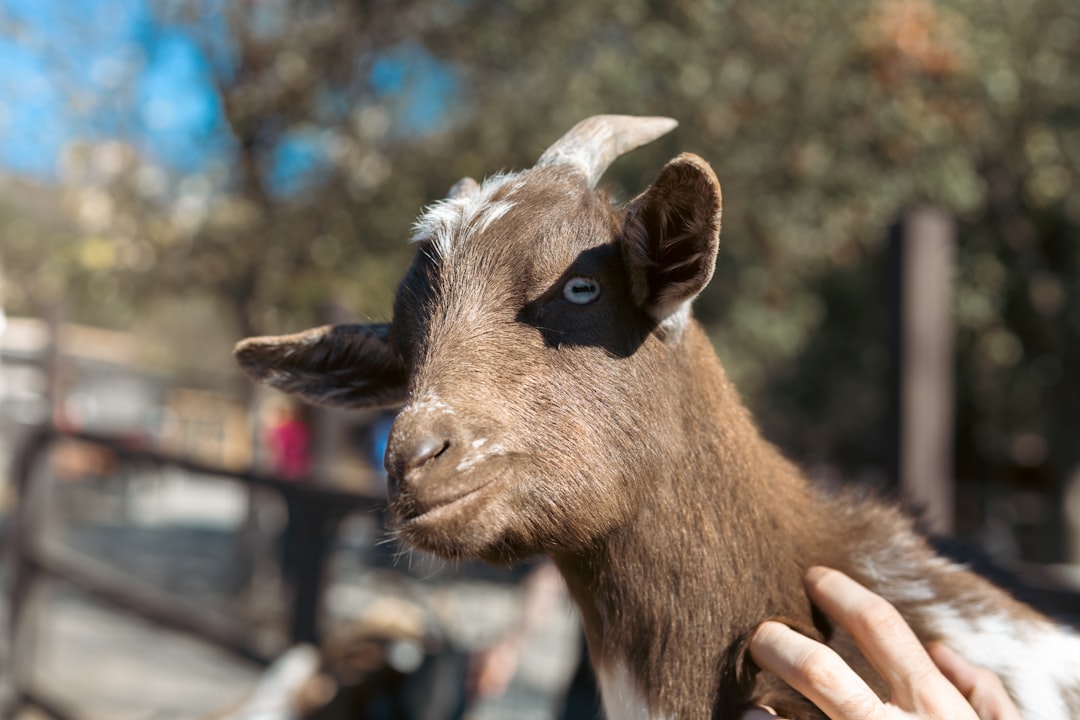
Effective audience segmentation is essential for petting zoos seeking to maximize the impact of their Google Ads campaigns. By focusing resources on the most relevant groups, operators can minimize budget waste and increase both engagement and bookings. To dive deeper into strategic segmentation and other marketing techniques, explore Sona’s marketing blog.
- Define clear segments: Break down your target market into actionable categories such as families with young children, school groups, and local event planners. Each group brings its own motivations and decision criteria, families prioritize weekend activities and animal variety, while schools may focus on educational value and group rates. Event planners are typically concerned with logistics, capacity, and customizable experiences. For actionable steps and inspiration, review this guide on how to market petting zoos effectively.
- Overlay intent signals: Move beyond basic demographic filters by integrating behavioral and contextual intent. Target users based on their search queries, recent website activity, or engagement with related attractions. For example, tracking searches for “birthday party petting zoo” or “school field trip ideas” pinpoints visitors already in-market. Leveraging intent signals and in-market behavior allows marketers to shift budget toward audiences showing real-time intent, increasing the probability of converting high-value leads.
- Create differentiated ad groups and customize ads: Build separate ad groups tailored to each segment. For families, highlight weekend packages and exclusive animal encounters. For schools, showcase lesson plans, group discounts, and safety protocols. Event planners respond well to flexible booking options and testimonials from successful past events. Dynamic audience management ensures segments update in real time as prospects move through the funnel, enabling campaigns to deliver hyper-relevant ads that reflect current interests and readiness to book.
- Validate conversion paths with clear tracking: Establish comprehensive tracking to attribute actions from ad impression to actual visit or event booking. Advanced conversion tracking captures both online and offline conversions, providing a complete view of campaign ROI. Syncing enriched audience data and lead outcomes from CRM and ad platforms gives marketers the ability to measure true revenue impact, optimize for the most profitable segments, and respond instantly to high-intent visitor activity.
This is also where measurement changes the economics. With Sona Marketing Measurement you can identify the companies and buyers behind your ad clicks, not just anonymous sessions, and segment audiences by who actually becomes a customer. That lets you build bid adjustments and audience signals around the segments that convert and de-prioritize the ones that don't, so you feed Google's algorithms "this click became a paying petting zoos customer" instead of just "someone filled out a form."
Keyword Strategy & Sample Target Terms
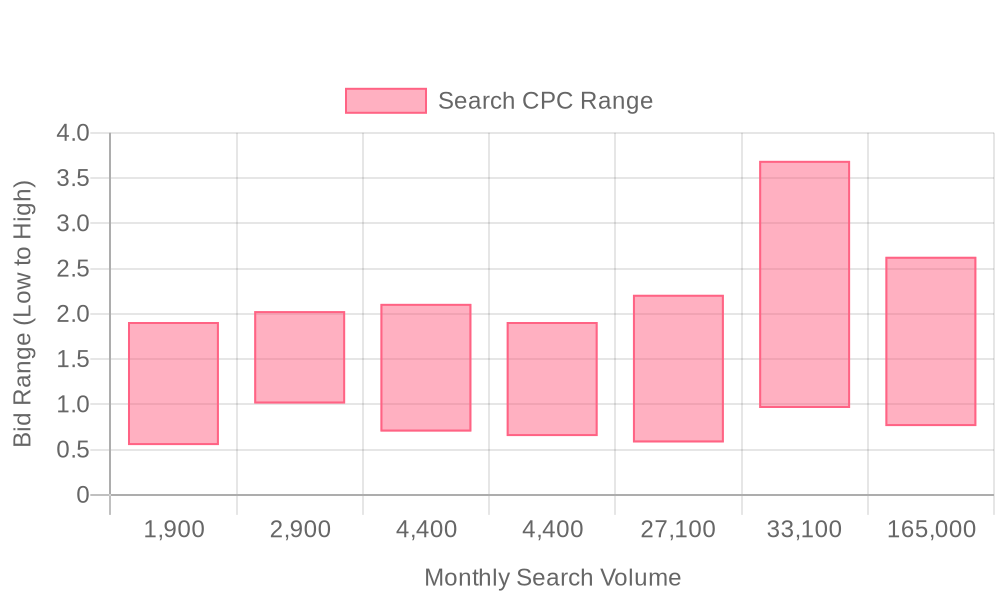
| Industry | Keyword | Monthly Search Volume | Competition Level | Low Bid | High Bid |
| Petting Zoos | petting zoo for parties | 1900 | LOW | 0.55 | 1.91 |
| Petting Zoos | petting zoos | 2900 | LOW | 1.01 | 2.03 |
| Petting Zoos | mobile petting zoo | 4400 | LOW | 0.7 | 2.11 |
| Petting Zoos | mobile petting zoo near me | 4400 | LOW | 0.65 | 1.91 |
| Petting Zoos | petting farm near me | 27100 | LOW | 0.58 | 2.21 |
| Petting Zoos | animal farms near me | 33100 | LOW | 0.96 | 3.69 |
| Petting Zoos | petting zoo near me | 165000 | LOW | 0.76 | 2.63 |
A high-performance keyword strategy for petting zoos must prioritize intent, hyper-local relevance, and conversion potential. Combining search data with precise audience signals enables marketers to reach families, educators, and event planners as they research or plan visits, ensuring ad budgets serve audiences most likely to engage and purchase.
- Location-specific modifiers: Using keywords that include geographic intent, such as "petting zoo near me," "petting zoo in [city]," or "mobile petting zoo [region]," delivers ads directly to users who are demonstrating immediate interest in local experiences. These terms outperform generic search phrases by capturing users at the decision-making stage, which is critical for driving both walk-in and scheduled bookings.
- High-intent transactional phrases: Phrases like "petting zoo online booking," "interactive petting zoo experiences," or "book petting zoo birthday party" signal strong intent to purchase or reserve, rather than casual browsing. Prioritizing these in your campaigns helps petting zoos connect with ready-to-book prospects, leading to higher click-through and conversion rates. For further ideas, review this list of pet products keywords.
- Negative keyword layering: Eliminating terms such as "petting zoo jobs," "free petting zoo," or "petting zoo volunteer" prevents wasted spend on irrelevant clicks. This discipline keeps campaign budgets focused on audiences actively seeking entertainment or event services, not employment or unpaid opportunities.
- Predictive and trending keyword metrics: Using historical search trends and in-market buyer signals ensures that budget allocation remains dynamic, shifting spend toward rising seasonal terms or new audience segments showing strong engagement. With the right data infrastructure, marketers can identify which keywords and queries are trending toward purchase, allocating more budget in real time for maximum impact.
Integrating CRM and ad platforms with advanced solutions allows marketers to build keyword lists that reflect actual customer journeys. When searchers from high-value accounts visit your site and trigger high-intent keywords, marketing teams can automatically sync those visitors into dynamic audiences for Google Ads retargeting. As leads move through the funnel or show increased engagement, audiences update instantly, ensuring messaging remains relevant and budgets are always optimized for the highest-propensity buyers.
This approach not only keeps campaigns efficient but also connects ad spend directly to pipeline and revenue impact, especially when advanced attribution ties both online and offline conversions back to specific keyword themes and audience segments. Refining keyword lists based on CRM insights and seasonal trend analysis keeps digital marketing aligned with both short-term demand, like an upcoming school break, and longer-term growth.
Step-by-Step Campaign Execution Framework
A data-driven Google Ads strategy for petting zoos can unlock new levels of audience engagement and booking volume. By systematically executing each phase, marketers ensure every ad dollar is aligned with specific visitor behaviors and local demand. For more actionable insights, explore our marketing playbooks.
Step 1: Conduct Keyword Research
Comprehensive keyword research forms the foundation for profitable Google Ads for Petting Zoos. Begin by listing a diverse range of search terms, such as “petting zoo near me,” “birthday party petting zoo,” and “mobile animal farm,” then add modifiers like city names, age groups, or event types. Prioritize high-intent queries with strong local signals, but also identify niche interests such as “interactive animal experiences for schools” or “private petting zoo for hire.” For additional keyword strategies, review this list of pet products advertising keywords.
Sophisticated data platforms help marketers go beyond surface-level volume by exposing disconnected or hidden intent, ensuring valuable long-tail searches are not overlooked. With company-level identification, it's possible to map keywords back to specific organizations or family segments, which drives more granular targeting and budget allocation for each campaign.
Step 2: Craft Compelling Ad Copy
To capture attention in a competitive local market, ad copy must highlight the unique charm and emotional value of live animal encounters. Start with headlines that promise memorable family experiences, such as “Book a Magical Petting Zoo Day” or “Host Your Child’s Wildest Birthday Party.” Incorporate limited-time offers or exclusive packages to drive urgency and increase conversion rates. You can find best practices for animal-focused ad copy in this Google Ads for pet breeders guide.
Craft descriptions that resonate with parents and organizers seeking trusted, wholesome entertainment. Personalize messaging based on real-time browsing behavior, such as retargeting visitors who explored party packages with reminders about upcoming availability. By syncing real-time audience data into ad platforms, marketers can dynamically adjust messaging to match each lead’s stage and interests.
Step 3: Design User-Friendly Landing Pages
A seamless transition from ad to landing page is crucial for high conversion rates in petting zoo marketing. Each landing page should immediately reinforce the ad’s promise with engaging photos of animals and happy guests, clear descriptions of offerings, and a prominent call-to-action, such as “Reserve Your Visit” or “Check Available Dates.” For inspiration on optimizing your site, consider these website design services for petting zoos.
Personalized experiences, like pre-filled forms for returning visitors or contextual offers based on event type, help reduce friction and increase bookings. Advanced data unification enables marketers to segment landing page experiences by visitor source or profile, ensuring every potential customer sees the most relevant content and conversion path.
Step 4: Optimize Through Data-Driven Insights
Continuous optimization is vital for sustained growth in PPC for petting zoos. Real-time insight into visitor behavior, keyword performance, and conversion paths allows for immediate refinements in ad copy, bids, and audience segments. Marketers should closely monitor which campaigns drive the most qualified leads and shift budget toward high-converting search terms or demographics. For an example of data-driven campaign improvements, see this case study on pet supply digital marketing success.
Auto-updating CRM audiences ensure remarketing lists are always current, capturing recent site visitors or disengaged leads for re-engagement. Integrated online and offline conversion tracking provides a complete view of ROI, from digital ad click to physical event attendance or phone booking. This closed-loop measurement empowers petting zoo teams to scale what works and swiftly adapt to shifting demand, ensuring every campaign dollar is invested in the highest-value opportunities.
Tips on Expanding Your Petting Zoo Presence
Petting zoos thrive on meaningful connections with their communities and consistent visitor engagement. Precision in digital outreach and timely follow-ups ensures that every interest is nurtured, accelerating both attendance and reputation growth.
Overcoming the challenge of delayed follow-ups is critical for maintaining momentum with potential guests and partners. Partnering with local tourism boards for co-branded initiatives can amplify your reach, making your zoo a must-see destination within regional campaigns. These collaborations help secure a spot in visitor guides and local event listings, putting your zoo in front of travelers and community members at the decision-making stage. For inspiration on amplifying visibility, this marketing plan for private zoo businesses details effective partnership strategies.
Localizing your advertising efforts takes community integration a step further. Geo-targeted Google Ads for petting zoos, paired with tailored messaging that reflects local events or school calendars, drive higher engagement and relevance. By customizing experiences and offers, such as exclusive family packages during school holidays or community appreciation days, your zoo becomes a preferred choice for both residents and nearby visitors. Explore more ways to optimize campaigns with actionable ideas from our marketing playbooks.
Highlighting educational programs or limited-time events in your ad campaigns captures the interest of new segments beyond families with young children. Showcasing unique animal encounters, STEM-aligned workshops, or themed weekends positions your petting zoo as an educational resource and entertainment venue.
Customer feedback is a valuable tool for refining Google Ads copy and campaign direction. By capturing insights while visitor impressions are fresh, you can identify exactly what resonates with your audience and adapt messaging in real time. Leveraging intent signals and dynamic audience updates ensures that your digital campaigns remain relevant, responsive, and primed to convert interest into on-site visits or bookings.
Strategic execution of advertising petting zoos through Google Ads relies on robust keyword targeting, actionable segmentation, and compelling creative. When digital marketing efforts are tightly aligned with personalized, data-driven insights, petting zoos can consistently attract diverse audiences, increase foot traffic, and drive lasting satisfaction.
Beyond Google Ads: Winning the AI Answers Petting Zoos Buyers Now Trust
Paid search captures demand at the moment someone types a query. But a fast-growing share of petting zoos buyers no longer start at Google at all, they ask ChatGPT, Gemini, or Perplexity before they ever run a search, and Google's own AI Overviews increasingly summarize an answer above the traditional results. If your business isn't referenced in those AI answers, you're invisible at the exact moment buyers build their shortlist.
Sona AI Visibility shows where your business shows up across ChatGPT, Gemini, Perplexity, Google AI Overviews, and 10+ engines, and, much like a keyword report, which prompts actually send you buyers, so you can prioritize the ones that convert. Run the two together and you cover the entire buyer path: get cited where buyers research (AI Visibility), then prove which of that demand turns into booked revenue (Marketing Measurement).
Helpful resources
Conclusion
Promoting a petting zoo through Google Ads works best when campaign structure mirrors how families and schools actually decide, quickly, locally, and often just days before a visit. Targeted keywords, honest ad copy about the experience on offer, and precise audience targeting turn that narrow decision window into booked visits rather than missed clicks.
The core challenges for petting zoos on Google Ads are consistent: choosing the right keywords, writing ads that convert browsers into bookings, and proving return on spend. Geo-targeting, seasonal promotions, and well-used ad assets address all three, keeping budget focused on families and organizations actually ready to book.
As more of that pre-visit research moves into AI chat tools and away from a plain search box, petting zoos that show up in both the ad results and the AI-generated answers will win the booking before a competitor even appears. Start for free to put your campaigns and your measurement on the same footing as that shift.
FAQ
What are the best practices for Google Ads for petting zoos?
Best practices include using precision targeting with high-intent keywords, segmenting audiences by demographics and behavior, crafting compelling ad copy, and integrating seamless landing pages to maximize conversions.
How can I create effective Google Ads for my petting zoo?
Create effective Google Ads by focusing on high-intent, location-based keywords, segmenting audiences, using dynamic and compelling ad copy, and ensuring a seamless transition from ad to landing page.
What budget should I allocate for Google Ads for a petting zoo?
Allocate budget based on targeting high-converting segments, such as families and event planners, and adjust spend according to seasonal demand and campaign performance metrics.
What keywords should I use for Google Ads targeting petting zoos?
Use location-specific keywords like 'petting zoo near me' and high-intent phrases such as 'book petting zoo birthday party' to attract relevant traffic.
How do I measure the success of my Google Ads for a petting zoo?
Measure success through conversion tracking of bookings and visits, monitoring real-time audience insights, and using attribution tools to connect online clicks to offline visits.







