


A dog owner searching "emergency pet sitter near me" at eleven at night isn't browsing, they're booking. That gap between an owner's sudden need and a sitter's open calendar is exactly what Google Ads is built to close. Pet sitting businesses often lose these moments to larger platforms and directories that simply outspend them on visibility, even when their care is worse and their prices higher. Google Ads lets independent and small-team sitters intercept that intent directly, showing up for searches like "eco-friendly pet sitting services" or "overnight dog sitter near me" at the exact moment a decision is being made. This article walks through how to build, target, and measure Google Ads campaigns that turn that timing advantage into steady bookings.
How to Generate Pet Sitting Leads with Google Ads: A Step-by-Step Guide

Pet sitting businesses in today’s market face significant competition from larger platforms and aggregators, making efficient lead generation crucial for growth. Data-driven digital advertising, especially Google Ads, gives local pet sitters a proven path to connect with high-intent audiences right when they’re searching for trusted, nearby care.
This playbook delivers a structured framework for integrating Google Ads into your pet sitting marketing strategy, emphasizing measurable outcomes and operational efficiency. Professionals in the pet care industry will find actionable guidance for capturing leads, optimizing budgets, and building stronger marketing ecosystems. Google Ads for Pet Boarding explores how Google Ads can specifically boost visibility for pet service businesses.
- Develop A Data-driven Approach: Ground your paid search efforts in analytics, leveraging first-party data and real-time insights to prioritize high-converting opportunities. This ensures budget is allocated to campaigns and audiences with the greatest revenue potential, which is especially important in pet sitting advertising where every dollar must show ROI.
- Implement Targeted Keywords And Audiences: Tailor keyword lists and audience segments to pet sitting inquiries, such as “pet sitting near me” or “emergency dog walker.” Precision targeting helps smaller providers overcome visibility challenges that come with competing against national brands. Enhanced by visitor identification technology, marketers can pinpoint which companies are actively researching services, allowing for more personalized follow-up. Sona's Identity Resolution helps pet sitting businesses uncover which prospective clients are engaging with their ads, enabling precise audience targeting.
- Align Landing Pages And Ad Creatives: Drive conversions by matching ad messaging with landing page content, addressing transparency and trust concerns common among pet owners. Optimized creatives should highlight credentials, customer reviews, and clear calls to action. Synchronizing landing pages with dynamic audience segments ensures prospects always see the most relevant offers, improving conversion rates.
- Continuously Optimize For Roi: Regularly refine campaigns by analyzing conversion paths, adjusting bids, and testing new creatives. In a competitive industry like pet sitting, ongoing optimization is necessary to maintain and grow your share of high-quality leads. With advanced conversion tracking, marketers can attribute bookings to both online and offline touchpoints, providing a holistic view of campaign effectiveness.
- Strengthen Cross-channel Integration: Unify your marketing ecosystem by integrating Google Ads data with CRM and other platforms. Syncing enriched audiences and new leads across Google Ads, email, and sales platforms ensures consistent messaging and rapid follow-up, making it easier to guide prospects from first click to loyal client. For additional tactics on maximizing Google Ads ROI, check out our guide on Maximize Google Ads ROI.
This step-by-step guide empowers local pet sitters and multi-location pet care businesses to overcome the limitations of traditional advertising, unlocking new growth through a unified, data-driven digital strategy.
Why Does Google Ads Matter for Pet Sitting?

Google Ads offers pet sitting businesses a direct line to motivated pet owners actively searching for immediate solutions. This level of intent-based marketing delivers higher engagement and conversions compared to passive social media outreach, allowing businesses to fulfill urgent needs and capture revenue opportunities that otherwise slip by.
High-margin offerings, such as overnight care or specialized, eco-friendly services, benefit from targeted Google Ads campaigns designed to reach clients who value specific differentiators. One analysis in pet marketing tips explores how small businesses can stand out using tailored ad strategies.
Pet sitting professionals gain a critical advantage with Google Ads by extending visibility beyond what traditional word-of-mouth or print marketing can achieve. Immediate response capabilities allow businesses to fill open slots, reduce downtime, and accommodate unexpected client needs, all while maintaining control over spend and reach.
Closed-loop analytics provided by Google Ads help pet sitters understand which keywords and campaigns directly drive bookings, giving clear insight into return on investment. For more insights on maximizing ad ROI, check out our guide on Google Ads ROI.
Common Types of Google Ads Campaigns for Pet Sitting Services
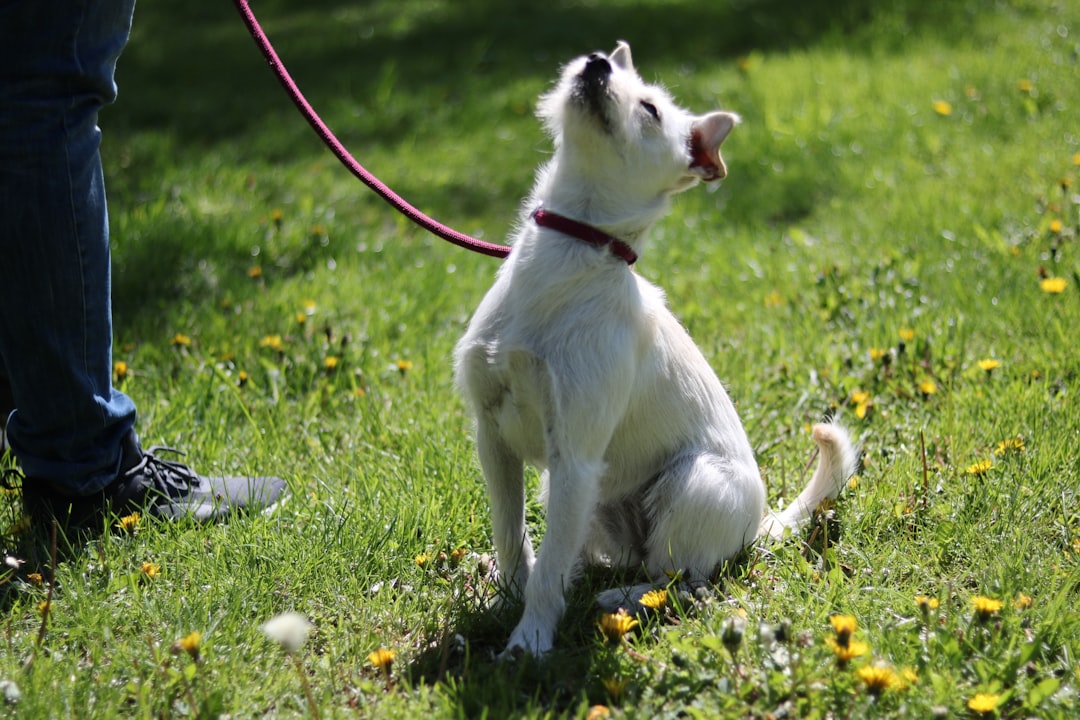
- Search Campaigns: Search campaigns are the backbone of pet sitting advertising, capturing urgent intent from pet owners seeking immediate solutions. By targeting phrases such as "pet sitting service now" and "cat care near me," these campaigns position your business at the top of results when decisions are being made. Sona's Identity Resolution helps marketers recognize and prioritize high-value prospects, making every impression and click more actionable for revenue teams.
- Display Ads: Display ads ensure your brand stays top-of-mind across pet owner blogs, forums, and affinity sites. This approach is essential for local pet business marketing, particularly when competing with established brands. Pet Marketing Guide provides a deeper look at this trend.
- Video Ads: Video campaigns provide a compelling way to highlight unique service features, such as eco-friendly pet care or advanced safety protocols. For pet care business promotion, professionally produced visuals build trust and strengthen differentiation. Using in-market behavioral data, marketing teams can shift budget toward audiences most likely to engage, maximizing the return on creative investments.
- Remarketing: Remarketing campaigns are indispensable for re-engaging pet owners who visited your booking page but did not convert. Automated audience sync between CRM and ad platforms helps ensure that messaging aligns with each lead’s current intent and readiness to book. We’ve covered best practices for this in the Retargeting Guide.
- Assets: Ad assets, including location, callout, and call extensions, reinforce trust and make it easier for pet owners to take action. By unifying enriched audience data and syncing it directly into Google Ads, marketers can highlight unique credentials and service benefits at scale, streamlining the path from search to booking.
This multifaceted approach to PPC for pet sitting ensures your ads remain visible, relevant, and effective, supporting both immediate conversions and long-term brand growth in a competitive local market.
Where to Find Growth Opportunities

Growth-minded pet sitting businesses can outpace their competition by tapping into channels and audiences often overlooked in mainstream pet care advertising. By leveraging targeted Google Ads for pet sitting, companies can intercept high-intent pet owners at key decision points, moving beyond generic traffic and into specialized service niches. Google Ads for pet sitters provides a deeper look at this trend.
- Specialty Keyword Targeting: Focusing on vertical-specific keyword phrases such as “overnight exotic bird sitting” or “certified senior dog care” empowers smaller providers to stand out against larger, generalist competitors. This nuanced approach not only reduces wasted ad spend but also attracts clients with specific needs who are primed to convert. When these audiences are identified in real time and dynamically added to remarketing lists, marketing teams can shift budget to the exact segments signaling high purchase intent, increasing Google Ads ROI for pet sitting. For more insights on maximizing returns, check out our guide on Google Ads ROI.
- Competitor Gap Analysis: Examining where major players underperform, such as lack of after-hours care or limited service areas, reveals lucrative, unmet needs within the local pet business marketing landscape. By syncing CRM and ad platforms, teams can build tailored campaigns that match their unique service offerings to these market gaps, ensuring every ad dollar targets audiences most likely to convert.
- Industry Forum Positioning: Engaging with pet owner communities and industry-specific forums where organic content is sparse offers an avenue for authentic brand exposure. Creating helpful, educational content about pet care or demystifying common service misconceptions not only builds trust but can also be repurposed as compelling ad creative. When visitor identity is uncovered on these platforms, marketers can seamlessly retarget users with personalized offers across Google and social channels, reducing friction and accelerating the buying cycle.
- Educational Retargeting: Addressing knowledge gaps or transparency concerns through retargeted ads, such as myth-busting pet sitting safety or explaining insurance coverage, positions the brand as a trusted authority. With advanced attribution syncing online and offline conversions, businesses gain a comprehensive view of which educational touchpoints drive bookings, allowing for continuous optimization of pet care business promotion strategies. Solutions such as Sona's Marketing Measurement support this level of multi-channel visibility.
How to Apply Audience Segmentation for Pet Sitting

Audience segmentation is essential for pet sitting advertising because it enables businesses to address the specific needs and behaviors of distinct pet owner groups. Implementing segmentation ensures campaigns resonate with the right prospects, improving engagement rates and maximizing return on ad spend.
- Define Segments: Successful segmentation begins by identifying core client profiles, such as last-minute bookers needing urgent coverage and regular clients who schedule recurring services. Distinguishing between these groups allows marketers to allocate budget and resources more efficiently, aligning offers with the urgency or predictability of each audience's needs. Segmenting by booking frequency or service type ensures messaging remains relevant and timely for both new and returning pet owners.
- Overlay Intent Signals: Enhance campaign precision by layering in intent signals such as searches for eco-friendly or specialized pet sitting services. Monitoring behaviors like repeated inquiries about premium care or add-ons gives marketers the insight to prioritize high-converting segments. Leveraging real-time data, teams can shift budget toward audiences demonstrating purchase intent, ensuring pet care business promotion efforts reach those most likely to convert. Sona's Intent Signals help identify and prioritize these audiences with greater accuracy.
- Tailor Ad Groups To Audience Type: Adjust creative assets, bidding strategies, and scheduling based on the unique behaviors of each segment. For example, last-minute bookers may respond best to urgent messaging and streamlined booking processes, while regular clients value loyalty incentives. Dynamic audience management keeps these segments updated as leads progress, enabling the delivery of personalized ad experiences and more accurate budget forecasts for PPC for pet sitting. Google Ads tips provides a deeper look at campaign customization strategies specific to this market.
- Verify Conversion Paths With Crm Integration: Full transparency across the customer journey is possible when campaign data syncs with CRM systems. By tracing every touchpoint, marketers can attribute bookings and inquiries to specific audience segments, optimizing campaigns for the highest ROI. Advanced conversion tracking, including both online and offline attribution, ensures that every client interaction is measurable and actionable, supporting robust pet sitting online marketing strategies.
Taking a segmented approach aligns pet care businesses with real customer needs, improving campaign visibility, enhancing transparency, and driving higher-value engagements in competitive markets.
This is also where measurement changes the economics. With Sona Marketing Measurement you can identify the companies and buyers behind your ad clicks, not just anonymous sessions, and segment audiences by who actually becomes a customer. That lets you build bid adjustments and audience signals around the segments that convert and de-prioritize the ones that don't, so you feed Google's algorithms "this click became a paying pet sitting customer" instead of just "someone filled out a form."
Keyword Strategy & Sample Target Terms

| Industry | Keyword | Monthly Search Volume | Competition Level | Low Bid | High Bid |
| Pet Sitting | cat sitter near me | 14800 | LOW | 1.4 | 7.75 |
| Pet Sitting | rover dog sitting | 14800 | MEDIUM | 0.49 | 2.59 |
| Pet Sitting | pet sitters near me | 40500 | MEDIUM | 1.42 | 5.59 |
| Pet Sitting | cat sitter | 40500 | LOW | 1.72 | 7.86 |
| Pet Sitting | pet sitting | 49500 | LOW | 1.4 | 6.85 |
| Pet Sitting | dog sitter near me | 49500 | MEDIUM | 1.18 | 4.23 |
| Pet Sitting | dog sitter | 60500 | LOW | 1.09 | 3.91 |
Effective keyword strategy unlocks the full potential of google ads for pet sitting by connecting your brand with high-intent pet owners at the precise moment of need. Using carefully selected keywords, pet care businesses can outperform generic advertising by matching searcher intent, reducing wasted spend, and increasing conversion rates.
- Prioritize High-intent Keywords: Targeting terms like "budget pet sitting services near me" ensures your ads capture cost-conscious pet owners actively looking for local, affordable solutions. These high-intent queries typically result in higher booking rates and improved Google Ads ROI for pet sitting, making every ad dollar work harder. See pet care benchmarks for a deeper look at this trend.
- Utilize Local Modifiers: Integrating city, neighborhood, or even street names into your keywords allows hyper-focused local pet business marketing. For example, "pet sitting in Williamsburg Brooklyn" targets pet owners within a tight geographic radius, driving relevant clicks and enabling you to dominate your local market with tailored offers.
- Integrate Negative Keywords: Adding exclusions such as "free," "DIY," or unrelated pet types (like "exotic reptiles" if you only care for cats and dogs) refines targeting. This approach streamlines your PPC for pet sitting efforts, saving budget and concentrating spend on audiences most likely to convert.
- Explore Niche Keywords: Niche targeting, such as "eco-friendly pet sitting" or "overnight dog sitter for anxious pets," addresses specialized client needs and differentiates your service in a crowded field. These unique terms attract discerning clients, boost your click-through rates, and support premium pricing strategies. For more insights on segmenting by unique offerings, check out our guide on intent retargeting.
With modern platforms, marketers can pinpoint not just general traffic but also identify specific companies showing real-time intent to purchase pet care. This dynamic, data-driven approach ensures keyword lists remain responsive to evolving trends and client behaviors. Sona's Audiences product helps marketers sync enriched keyword audiences and lead data directly into your CRM and ad platforms, enabling ongoing refinement of targeting and messaging for better-qualified pet care business promotion at every stage of the funnel.
Step-by-Step Campaign Execution Framework
Pet sitting businesses thrive when their marketing zeroes in on the moments pet owners are ready to book. An effective Google Ads strategy for pet sitting ensures that your brand appears precisely when a potential client searches for immediate or trusted local care. This approach maximizes lead quality and increases the efficiency of digital marketing spend by aligning every campaign component with genuine buyer intent.
Executing high-performing Google Ads for pet sitting requires a systematic process that spans strategic keyword research, compelling creative, tailored landing experiences, and intelligent optimization. Each step in this framework is designed to capture high-value local demand and convert it into bookings, while leveraging unified data and real-time intent to continually refine performance. For a closer look at how intent signals can elevate campaign results, intent signals help marketers identify and act on high-conversion opportunities in real time.
Step 1: Build Targeted Keyword Lists
- Service-based Keywords: Start by structuring keyword lists around specific services such as emergency pet sitting, overnight care, or recurring dog walking. This segmentation captures urgent and recurring needs, positioning your ads in front of prospects with immediate intent.
- Local Modifiers: Integrate geographic terms like neighborhood, city, or ZIP code alongside your core services. Hyper-local targeting addresses the unique challenges of visibility in the pet care sector, where clients overwhelmingly prefer providers within a short distance.
- Long-tail And Negative Filters: Expand lists with long-tail keywords that signal higher purchase readiness, such as "insured pet sitter in [city]" or "last-minute cat care near me." Simultaneously, exclude unrelated or low-value queries through negative keyword filtering, ensuring ad spend remains focused on true opportunities.
Dynamic keyword targeting becomes even more powerful with platforms that identify visitor intent in real time. Pet ads strategies provides a deeper look at strategies for finding and converting high-quality leads in the pet services industry.
The upgrade most pet sitting advertisers miss is going beyond raw keyword volume to layer in intent and identity signals. By connecting website-visitor data and CRM records with Sona Marketing Measurement, you can see which specific search terms bring in the accounts and customers that actually convert, and weight your keyword and bidding strategy toward those rather than the terms with the highest search volume alone.
Step 2: Craft Engaging Ad Copy
- Address Pain Points: Write headlines that reflect the top concerns of pet owners, such as reliability, safety, or emergency responsiveness. This makes your ads instantly relevant and increases click-through rates among high-intent searchers.
- Showcase Trust: Incorporate certifications, years in business, or verified reviews directly into copy to establish credibility and reduce hesitation among first-time clients.
- Drive Urgency: Use time-sensitive offers, next-day availability, or limited-time discounts to prompt immediate action, capturing last-minute bookings that are common in pet sitting advertising.
By dynamically updating ad copy based on real-time audience data and previous interactions, you can present highly personalized messages. Audience segmentation and behavioral signals ensure that your Google Ads for pet sitting always address what matters most to each prospect.
Step 3: Optimize Landing Pages
- Keyword-to-page Alignment: Ensure that each ad directs users to a landing page that mirrors the search term and service promise. This consistency from ad to landing page eliminates friction and supports higher conversion rates.
- Highlight Trust Drivers: Prominently feature testimonials, industry certifications, and transparent FAQs. These details build confidence and answer common questions, which is crucial for pet owners considering a new provider. For more insights on optimizing landing experiences for better conversion, check out our guide on Google Ads ROI guide.
- Clear Ctas: Use unambiguous calls-to-action such as “Book Now” or “Request a Free Meet & Greet.” Streamlined booking flows and visible contact options reduce drop-off and encourage immediate engagement.
Advanced platforms integrate visitor identification and CRM data to personalize landing page content based on previous touchpoints or company attributes. This level of alignment between ad, audience, and landing experience drives superior results in pet sitting online marketing.
Step 4: Implement Optimizations
- Conversion Tracking: Monitor every action, from inquiry to confirmed booking, using robust attribution tools that unify online and offline conversions. This clarity allows for ongoing adjustment of campaigns based on real ROI, not just clicks.
- Smart Bidding Strategies: Apply data-driven bidding algorithms to adjust bids in real time, prioritizing high-converting audiences and maximizing the value of each dollar spent.
- A/b Testing: Regularly test variations in headlines, offers, and landing pages to identify top performers and quickly adapt to market shifts or seasonality in pet care needs.
Continuous optimization is further enhanced when audience lists and conversion data are automatically synced between your CRM and Google Ads. Pet care benchmarks shares industry benchmarks for this approach, helping you compare your results with sector averages.
Integrating these steps into your broader local pet business marketing plan ensures your campaigns are always aligned with market demand, audience behavior, and business objectives. Each element, from keyword selection to conversion tracking, is executed with precision, enabling data-driven pet care business promotion and measurable Google Ads ROI for pet sitting. Ready to put these strategies into action? Get started and see how you can drive more bookings with smarter campaign execution.
Sona Marketing Measurement closes the gap between clicks and revenue. It captures every ad click with first-party measurement, no reliance on individual-level cookies, then ties that click through UTM capture and ad-platform APIs to the actual company record in your CRM, and reports ROAS by keyword and campaign instead of by last-click form fill. Feeding that revenue signal back into Smart Bidding and Performance Max compounds over time: the algorithms optimize toward booked pet sitting revenue, not cheap leads.
Tips on Expanding Your Pet Sitting Presence
Building a robust presence in the pet sitting industry requires more than a basic ad campaign. Success depends on precise audience segmentation, strategic partnerships, and localized engagement to maximize both reach and conversion potential.
- Cross-promote Content Within Remarketing: Expand your remarketing initiatives by integrating educational content into your ad flows. This approach helps clarify service offerings and resolves common concerns or misconceptions among prospective clients. By identifying visitors who previously engaged with your site, you can deliver targeted educational campaigns that address their knowledge gaps, using dynamic audience updates as prospects move through the funnel. Platforms like Sona Audiences are designed to help you attract the right visitor segments for each stage of the funnel, nurturing high-intent leads and accelerating the transition from research to booking.
- Segment Audiences Using Crm Data For Upsells: Leverage CRM insights to identify specific customer segments, such as pet owners who previously purchased daily dog walking but have not yet explored overnight care. Syncing these enriched segments directly into your ad platforms enables you to serve tailored offers, like premium or niche pet care services, to the right audience at the optimal time. We’ve covered segmentation strategies in detail in Segmentation Tips, which offers actionable tips for aligning upsell messaging with client needs.
- Collaborate With Local Pet Associations For Shared Visibility: Partnering with local pet clubs, veterinarians, or animal advocacy groups facilitates reciprocal website traffic and broader brand recognition. These alliances allow you to co-host educational events, share referral links, and cross-promote limited-time offers, driving cooperative growth. Local Partnerships provides a deeper look at effective local partnership strategies for pet service businesses.
- Localize Marketing Efforts For Better Area Coverage: Hyper-local targeting ensures that your campaigns resonate with pet owners in your immediate service area. Use geo-specific audience filters and local ad extensions to increase your visibility in high-conversion neighborhoods. This granular localization, informed by CRM and ad data, helps you allocate budget to ZIP codes or districts with proven demand, reducing wasted spend and increasing your share of local search traffic.
Implementing these strategies positions your pet sitting business to capture a greater share of the market, outmaneuver local competitors, and establish lasting visibility where it matters most. For step-by-step guidance on aligning your marketing with high-intent segments, Book a Demo and discover how to unify your data for more effective campaigns.
Beyond Google Ads: Winning the AI Answers Pet Sitting Buyers Now Trust
Paid search captures demand at the moment someone types a query. But a fast-growing share of pet sitting buyers no longer start at Google at all, they ask ChatGPT, Gemini, or Perplexity before they ever run a search, and Google's own AI Overviews increasingly summarize an answer above the traditional results. If your business isn't referenced in those AI answers, you're invisible at the exact moment buyers build their shortlist.
Sona AI Visibility shows where your business shows up across ChatGPT, Gemini, Perplexity, Google AI Overviews, and 10+ engines, and, much like a keyword report, which prompts actually send you buyers, so you can prioritize the ones that convert. Run the two together and you cover the entire buyer path: get cited where buyers research (AI Visibility), then prove which of that demand turns into booked revenue (Marketing Measurement).
Helpful resources
Conclusion
The pet sitting businesses that win with Google Ads aren't the ones spending the most, they're the ones spending on the right moments: the late-night search for emergency care, the recurring walker request, the owner comparing three sitters before a holiday trip. Keyword precision, honest landing pages, and measurement tied to actual bookings turn that spend into a compounding advantage rather than a monthly expense.
The next campaign you launch can be built around the segments that actually convert, not just the keywords with the highest volume. Start a free trial to see how Sona connects your ad spend to real bookings.
FAQ
What are the best practices for Google Ads in pet sitting?
Best practices include developing a data-driven approach, implementing targeted keywords and audiences, aligning landing pages with ad creatives, continuously optimizing for ROI, and strengthening cross-channel integration.
How much should I budget for Google Ads for my pet sitting business?
Your budget should be allocated to campaigns and audiences with high revenue potential, ensuring every dollar shows ROI, especially important due to the competitive nature of pet sitting advertising.
What keywords should I use for Google Ads targeting pet owners?
Use service-based keywords like 'emergency pet sitting,' local modifiers like neighborhood names, and niche keywords such as 'eco-friendly pet sitting' to connect with high-intent pet owners.
How can I measure the success of my Google Ads for pet sitting?
Success can be measured by analyzing conversion paths, using advanced conversion tracking for both online and offline touchpoints, and optimizing campaigns based on real ROI.
What are common mistakes to avoid when using Google Ads for pet services?
Avoid generic targeting by not using specific keywords, failing to align landing pages with ads, and not regularly optimizing campaigns based on data insights.







