


Pet owners searching for boarding are usually deciding fast, a trip is booked, a kennel fell through, a vet recommended a switch, and they need a trustworthy option now. Google Ads meets that moment directly, putting your facility in front of pet owners exactly when they're searching for care, rather than hoping they stumble onto your site. Well-targeted campaigns bridge the gap between that search and a booked reservation, turning high-intent traffic into paying clients. Done with precision targeting and clear measurement, Google Ads becomes a dependable growth channel rather than a guessing game.
How to Generate Pet Boarding Leads with Google Ads: A Step-by-Step Guide

Modern pet boarding services can unlock consistent, high-quality leads with a strategic, data-driven Google Ads approach. Revenue teams gain the advantage by combining precise targeting, real-time insights, and audience activation to maximize every marketing dollar and stay ahead in a competitive field.
Each phase of the Google Ads process for pet boarding can be optimized for measurable business impact. By integrating advanced data enrichment and automation, marketers can identify high-intent pet owners, personalize outreach, and allocate spend dynamically to the prospects most likely to convert. Google Ads automation provides a closer look at how automation and data can drive more effective pet boarding campaigns.
For marketers looking to further boost Google Ads ROAS, we've covered practical strategies in our ROAS strategies guide. This guide details the steps to generate more leads and stronger ROI in pet boarding marketing through proven Google Ads strategies.
Why does Google Ads matter for Pet Boarding

Pet boarding businesses contend with a unique set of marketing hurdles that demand precise and responsive solutions. Google Ads offers direct access to high-intent pet owners who are actively searching for boarding options, eliminating wasted impressions and providing immediate pathways to new bookings. This capability is essential for reaching pet owners at the exact moment of need, whether for planned vacations or sudden emergencies.
- Complex Audience: Most pet owners researching boarding never fill out a form, they browse rates, compare amenities, then leave. Sona's Identity Resolution helps pet boarding brands identify and engage these visitors by revealing the companies and households behind anonymous website traffic, so marketers can focus outreach on genuinely in-market prospects rather than guessing from pageviews alone.
- High-value Services: Winning premium bookings and repeat customers drives sustainable growth in pet boarding. Account-level analytics show which campaigns bring in long-term clients, not just one-time stays, so you can refine bidding and creative accordingly. Connecting online clicks to offline bookings lets you invest with confidence in the campaigns that actually produce profitable, repeat business. PPC for Pet Care goes deeper on optimizing PPC for pet care businesses.
- Immediate Demand Response: The urgency of last-minute boarding needs is a defining challenge in pet care. Google Ads allows businesses to surface offers and availability in real time, capturing demand during peak travel seasons or unexpected events. Advanced audience sync ensures that new inquiries and repeat clients receive timely, personalized messaging across every touchpoint, maximizing occupancy and minimizing missed opportunities.
- Localized Visibility: Expanding into new neighborhoods or cities requires more than generic advertising. Geo-targeted Google Ads campaigns give pet boarding facilities granular control over who sees their ads, allowing precise expansion into lucrative micro-markets. For more insights on refining segmentation, check out our guide on Stage Segmentation, which outlines how to adjust targeting as prospects progress from awareness to booking.
- Data-driven Insights: The most effective pet boarding marketing strategies are grounded in actionable data. Integrated analytics platforms unify ad engagement, website behavior, and CRM outcomes, producing a single source of truth for campaign performance. Marketers can track the full buyer journey, attribute revenue to specific touchpoints, and adjust creative or budget allocation based on real conversion data, ultimately driving more efficient and scalable customer acquisition.
Common Types of Google Ads Campaigns for Pet Boarding

- Search Campaigns: Search campaigns capture pet owners actively looking for reliable boarding using queries like "pet boarding near me" or "dog daycare open now." Sona's Identity Resolution reveals which companies and households behind anonymous visits are showing genuine interest, so budget shifts automatically toward the segments most likely to convert, improving overall ROI on pet boarding search ads.
- Display Ads: Display ads keep your brand present in front of pet owners while they browse pet care blogs, local news, or related forums. Visual creatives featuring clean facilities, happy pets, and staff credentials build reassurance, reinforcing your reputation as a trusted pet care provider. Creative strategies for visually engaging pet boarding ads can further enhance your campaigns.
- Video Ads: Video campaigns on platforms like YouTube give potential clients an inside look at your facility, staff, and satisfied customers through testimonials and virtual tours. This visual storytelling builds trust quickly, especially when video viewers can be retargeted with personalized offers based on their engagement level. Real-time audience enrichment allows follow-up ads to reflect whether a viewer simply watched a tour or clicked through to learn more about amenities.
- Remarketing: Remarketing campaigns target visitors who expressed interest but did not book, using tailored ads to bring them back with limited-time offers or updated availability. Integrating advanced visitor identification, marketers can accurately attribute bookings to specific ad touchpoints, both online and offline, closing the loop on campaign performance. For more on optimizing retargeting strategies, check out our guide on Intent Retargeting.
- Assets: Ad assets such as location and call buttons drive immediate action, letting local pet owners find, call, or navigate to your facility with a single tap, critical for last-minute or emergency boarding needs. When these assets draw on unified data from your CRM and ad accounts, every interaction is tracked and attributed, producing measurable gains in engagement and cost efficiency.
Finding Growth Opportunities in Google Ads for Pet Boarding
Pet boarding providers can capture untapped demand by expanding their digital reach and improving precision in campaign execution. The most successful teams move beyond basic tactics, leveraging advanced data and creative placements to elevate brand visibility and fill occupancy faster. Google Ads for pet boarding provides practical examples of campaigns tailored for this industry.
- Strategic Vertical Keyword Targeting: Aligning spend with niche, high-intent terms like "overnight pet boarding near me" or "dog daycare open late" brings owners closer to booking. Sona's Identity Resolution helps pinpoint which in-market audiences are searching and adjusts as behavior shifts, so keyword lists stay focused on the terms actually producing qualified leads.
- Directories And Trade Forum Placements: Featuring listings in pet care directories and relevant trade forums increases authority and brand exposure beyond search. Integrating these sources into a unified analytics view helps teams track which sources produce quality leads. FindPetBoarding shares industry benchmarks for optimizing directory placements in pet care marketing.
- Retargeting Using Visually Rich Content: Display and video retargeting campaigns increase conversion rates by re-engaging visitors who explored pricing or services but did not book. When marketers can identify visitor-level details and sync custom audiences from CRM to ad platforms, every retargeting impression becomes highly relevant. We’ve covered retargeting techniques in detail in retargeting strategies, including how to leverage first-party data for greater impact.
- Competitor Analysis: Regularly evaluating local and regional competitors uncovers gaps in service, messaging, and offer structure. Teams with access to intent data and cross-channel attribution can see which pet boarding keywords and offers convert at higher rates, reallocating budget toward the most effective strategies in real time. This agile approach ensures that pet boarding businesses remain ahead of changing market dynamics and maximize every opportunity for growth. To explore how to optimize budget allocation, check out our ROAS guide.
Applying Audience Segmentation to Pet Boarding Campaigns

Audience segmentation turns pet boarding advertising from a broad net into precision outreach. Grouping pet owners by pet type, dog versus cat, lets you address distinct concerns: exercise needs and play-yard access for dogs, quiet separate housing and reduced handling stress for cats. Segmenting further by trip type, a week-long vacation booked months out versus a same-day emergency stay, lets your ad copy match urgency to intent instead of running one generic message for both.
Integrating intent signals like seasonal demand ensures campaigns stay proactive. For example, targeting pet owners searching for "holiday boarding" as school breaks approach captures high-intent traffic. For more insights on driving high-impact campaigns with intent data, check out our guide on intent retargeting.
A seamless conversion path is essential for effective Google ads for pet boarding. Connecting campaign data to CRM and tracking solutions means every click and form fill is attributed, whether the customer books online or calls directly. Pet boarding ads provides a deeper look at optimizing attribution for this industry.
Sona's Identity Resolution moves you beyond anonymous website visits, pinpointing which companies and pet owners are interacting with key landing pages. It turns that traffic into actionable lead data, syncing directly into your CRM and ad platforms for timely, personalized follow-up. The result is a smoother customer journey, more accurate ROI analysis, and a marketing system that keeps optimizing itself for growth.
This is also where measurement changes the economics. With Sona Marketing Measurement you can identify the companies behind your ad clicks using first-party data, not just anonymous sessions, and segment audiences by who actually becomes a customer. That lets you build bid adjustments and audience signals around the segments that convert and de-prioritize the ones that don't, so you feed Google's algorithms "this click became a paying pet boarding customer" instead of just "someone filled out a form."
Keyword Strategy & Sample Target Terms
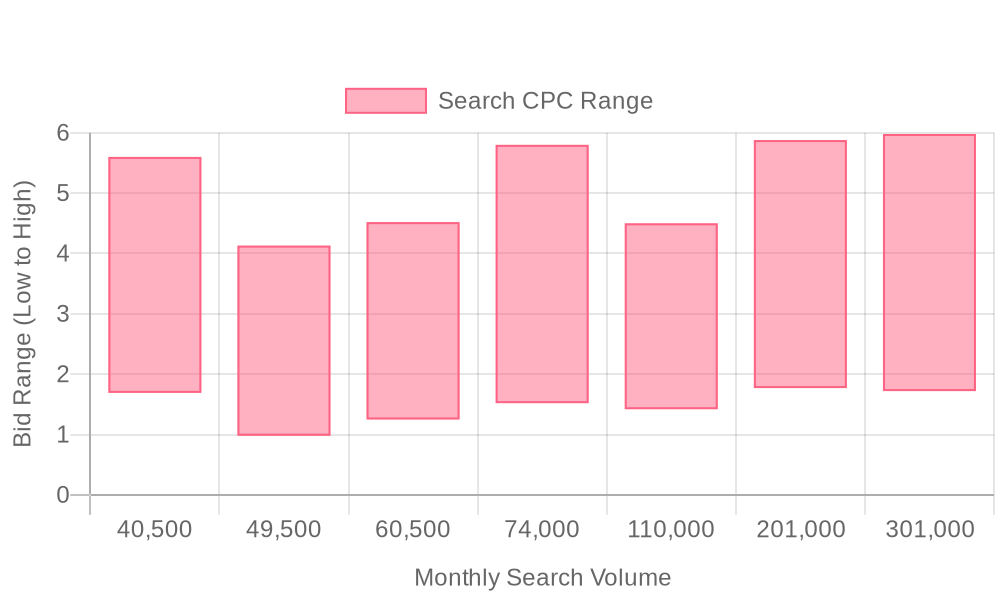
| Industry | Keyword | Monthly Search Volume | Competition Level | Low Bid | High Bid |
| Pet Boarding | pet boarding | 40500 | LOW | 1.69 | 5.6 |
| Pet Boarding | cat boarding near me | 49500 | LOW | 0.98 | 4.13 |
| Pet Boarding | dog kennels near me | 60500 | MEDIUM | 1.25 | 4.52 |
| Pet Boarding | pet boarding near me | 74000 | LOW | 1.52 | 5.8 |
| Pet Boarding | doggy daycare near me | 110000 | LOW | 1.42 | 4.5 |
| Pet Boarding | dog boarding | 201000 | LOW | 1.77 | 5.88 |
| Pet Boarding | dog boarding near me | 301000 | LOW | 1.72 | 5.98 |
A robust keyword strategy is foundational for any successful google ads for pet boarding campaign. Effective campaigns leverage localized search intent by focusing on modifiers such as "dog boarding near me," "pet care in [city]," and "cat boarding open now." These targeted phrases align with how pet owners search for immediate, trusted care, driving higher conversion rates and maximizing the impact of every ad dollar. By prioritizing location-based keywords, advertisers ensure their message reaches pet owners when they are most likely to book, especially during peak travel seasons or local events. One analysis in Yoyofumedia Guide explores this further.
Long-tail keywords open additional doors for specialized targeting. Phrases like "overnight dog daycare with webcam," "pet boarding for anxious dogs," and "cat hotel with medical staff" capture pet owners with specific expectations, reducing wasted impressions and attracting qualified leads. This approach brings in a diverse audience that values personalized care, increasing the likelihood of turning clicks into long-term customers.
Negative keywords are essential for filtering out unqualified traffic and maintaining efficiency. Adding exclusions such as "free pet care," "pet boarding jobs," or "DIY dog boarding" prevents ads from appearing for unrelated searches, ensuring that ad spend is reserved for viable leads. For more insights on refining campaigns, check out our guide on Intent Retargeting.
Marketers optimizing pet daycare Google Ads or pet care advertising increasingly rely on advanced platforms to go beyond surface-level targeting. Sona Audiences identifies high-value visitor segments and syncs enriched audience profiles directly into Google Ads and CRM systems. That closes the loop on every keyword effort: from initial impression to closed booking, each stage stays measurable and actionable, giving pet boarding businesses a real competitive edge.
Step-by-Step Campaign Execution Framework
Step 1: Build Targeted Keyword Lists
Smart keyword targeting is foundational for google ads for pet boarding campaigns. Identify high-intent, low-competition keywords specifically tied to pet boarding services, such as "dog daycare near me," "emergency pet boarding," or "cat boarding open late." Incorporate geographic modifiers and seasonal variations to capture users searching for last-minute or holiday boarding solutions. This approach ensures your ads surface prominently when pet owners are most likely to convert, particularly during travel-heavy periods and peak demand windows.
Data-driven targeting brings an added advantage when platforms recognize anonymous visitors and reveal their company or household intent. By mapping real-time search terms to actual in-market behaviors, marketers can dynamically expand their keyword lists as new trends emerge, shifting spend toward keywords driving the highest qualified engagement. Negative keyword tips provide practical advice to refine targeting and maintain efficiency as campaigns scale.
The upgrade most pet boarding advertisers miss is going beyond raw keyword volume to layer in intent and identity signals. By connecting website-visitor data and CRM records with Sona Marketing Measurement, you can see which specific search terms bring in the accounts and customers that actually convert, and weight your keyword and bidding strategy toward those rather than the terms with the highest search volume alone.
Step 2: Develop Compelling Ad Copy
Effective pet boarding advertising starts with empathetic, benefit-oriented messaging. Address core pet owner concerns in every headline and description: highlight safety protocols, staff expertise, and the comfort provided to animals during their stay. Offering tangible incentives, such as complimentary first-time meet-and-greet sessions or limited-time discounts, can break down initial trust barriers and accelerate bookings.
As audience insights grow richer, messaging can adapt in real time according to user interests, referral sources, or recent site activity. Dynamic ad copy that references a visitor’s previous interactions, such as browsing specific services or amenities, builds personal relevance and boosts the likelihood of conversion. We’ve covered advanced approaches in the retargeting guide, offering actionable tactics to connect advertising with true audience needs.
Step 3: Design Effective Landing Pages
Seamless alignment between keywords, ad copy, and landing page content is critical for high-performing pet boarding marketing. Each landing page should explicitly address the specific concerns and desires expressed in the original search, such as 24/7 supervision or flexible pickup hours. Incorporate trust signals, including detailed testimonials, real-time facility photos, and certifications, to reassure cautious pet owners.
A clear, visually prominent call-to-action, like “Reserve Your Pet’s Stay Today”, drives engagement and reduces drop-off. Conversion tracking is enhanced when lead forms and CTAs are synced back to CRM and analytics tools, enabling closed-loop attribution on every click and call. Solutions such as Sona Attribution support unified measurement across both online and offline touchpoints, helping you understand and optimize ROI from your campaigns.
Step 4: Implement Data-Driven Optimizations
Maximizing Google Ads ROI for pet boarding relies on continuous, data-driven refinement. Watch conversion rates and cost-per-acquisition by keyword segment, and adjust bidding, with tools like Target CPA, to focus spend on the terms and audiences producing the highest-value bookings rather than just the most clicks. As holiday and summer travel seasons approach, shift budget toward the last-minute and emergency-boarding queries that spike during those windows, since that's when urgency, and willingness to book quickly, is highest.
Audience segments update dynamically as leads move through the funnel. For example, once a pet owner completes a booking, they are automatically suppressed from retargeting pools and added to post-stay engagement lists. Offline interactions, such as phone reservations or on-site tours, are tracked alongside online conversions, delivering a unified view of campaign effectiveness. For deeper insight into boosting campaign performance, see the ROAS guide. This holistic approach transforms every google ads for pet boarding campaign into a measurable, optimized growth engine for pet care providers.
Sona Marketing Measurement closes the gap between clicks and revenue. It captures ad clicks with first-party measurement, ties that click through UTM capture and ad-platform APIs to the actual record in your CRM, and reports ROAS by keyword and campaign instead of by last-click form fill. Feeding that revenue signal back into Smart Bidding and Performance Max compounds over time: the algorithms optimize toward booked pet boarding revenue, not cheap leads.
Expanding Your Pet Boarding Presence Through Google Ads

Google Ads equips pet boarding businesses with the agility to reach high-intent pet owners at the exact moment they search for trusted care. A sophisticated strategy blends targeted campaigns, local relevance, and data-driven optimization to command attention and foster conversions in a crowded market. For more insights on maximizing return from ad spend, check out our guide on Google Ads ROAS.
Take your strategies further by:
- Cross-promotion Of Multimedia Content: Incorporate videos and blog articles into retargeting campaigns to present a comprehensive, engaging view of your pet boarding services. These creative assets reinforce trust and educate prospects, increasing the likelihood of moving them through the funnel from initial interest to booking.
- Leveraging Crm Insights For Upsell Opportunities: Use enriched client profiles to identify existing customers ready for additional services, such as premium boarding packages or add-on daycare. Precise syncing between CRM and ad channels ensures these high-potential audiences are automatically included in upsell campaigns, growing lifetime value with minimal manual effort.
- Partnering With Local Events: Collaborate with pet shows and community gatherings to elevate your brand’s visibility. Pet Boarding Industry Benchmarks shares industry benchmarks for this approach.
- Location-based Campaign Adjustments: Refine campaigns to match the unique preferences and behaviors of pet owners in each market. By continuously analyzing regional performance and shifting budget to high-converting zip codes or neighborhoods, you maximize impressions with audiences most likely to convert.
Mastering Google Ads for Pet Boarding hinges on smart keyword targeting, audience segmentation, and campaign creativity. Advanced conversion tracking allows you to attribute bookings to specific keywords and creative assets, revealing which efforts drive genuine growth. By enhancing these tactics with timely reviews, seasonal offers, and data-backed engagement, your business not only attracts more leads but also builds a lasting, trusted reputation within your community.
Beyond Google Ads: Winning the AI Answers Pet Boarding Buyers Now Trust
Paid search captures demand the moment someone types a query. But a growing share of pet boarding buyers skip that step, asking ChatGPT, Gemini, or Perplexity before they ever run a search, while Google's own AI Overviews increasingly summarize an answer above the traditional results. If your business isn't referenced in those AI answers, you're invisible at the exact moment buyers build their shortlist.
Sona AI Visibility shows where your business shows up across ChatGPT, Gemini, Perplexity, Google AI Overviews, and 10+ engines, and, much like a keyword report, which prompts actually send you buyers, so you can prioritize the ones that convert. Run the two together and you cover the entire buyer path: get cited where buyers research (AI Visibility), then prove which of that demand turns into booked revenue (Marketing Measurement).
Helpful resources
Pet boarding is won in the moments when someone needs care now, a canceled sitter, a last-minute trip, a first-time visit before a big vacation. Google Ads puts you in front of that moment; matching your keywords, copy, and landing pages to the specific concerns pet owners have when they search, then measuring which of those searches actually turn into bookings, is what separates a campaign that spends well from one that just spends.
The facilities pulling ahead right now are the ones treating Google Ads as a system, not a one-off campaign: keywords tied to real search behavior, ad copy that matches urgency to intent, and measurement that traces every booking back to the query that started it. That's the version of this channel worth building.
FAQ
What are the best practices for Google Ads in pet boarding?
The best practices include using targeted keywords, compelling ad copy, effective landing pages, and data-driven optimizations to improve conversions and ROI.
How can I optimize my Google Ads for pet services?
Optimize by integrating advanced data enrichment and automation, focusing on high-intent keywords, and using precise audience targeting and retargeting strategies.
What budget should I allocate for Google Ads in pet boarding?
Allocate budget dynamically based on high-converting segments and adjust spending according to real-time intent signals and performance data.
What keywords should I use for pet boarding Google Ads?
Use localized and high-intent keywords such as 'dog daycare near me,' 'pet care in [city],' and 'cat boarding open now' to capture relevant search traffic.
How do I measure the success of my Google Ads for pet boarding?
Measure success by tracking conversion rates, cost-per-acquisition, and using integrated analytics to attribute revenue to specific touchpoints.







