


Online publications lose money on the readers they can't see. A subscriber-curious visitor reads three articles, checks the masthead, and leaves without clicking a single call-to-action, and most tracking setups never register that visit as anything at all. That blind spot is where advertising revenue and subscription growth quietly evaporate. Google Ads, used well, closes it: it puts a publication's content in front of readers and advertisers at the moment they're searching, and it gives editorial and revenue teams a way to see what happens after the click. The harder part is the setup. Getting a Google Ads campaign to actually perform for a publication takes real knowledge of how readers behave, what they search for at different points in a news cycle, and disciplined technical execution.
How to Generate Online Publication Leads with Google Ads: A Step-by-Step Guide

Online publications face unique challenges in capturing high-quality leads, given the crowded digital landscape and the rapid pace at which audiences consume content. A data-driven approach to lead generation provides the clarity needed to distinguish between casual visitors and those most likely to become engaged subscribers or advertising prospects.
Precision in keyword and audience targeting is essential for online magazines, digital publications, and content creators. By focusing on intent signals and content consumption patterns, marketing teams can direct budget toward segments with the highest conversion potential, minimizing wasted spend on disengaged audiences.
- Data-driven paid search strategy: Identifying which segments of your web traffic have real lead potential enables smarter bidding and creative allocation. Platforms that unify visitor data help surface both known and anonymous users, allowing marketers to dynamically prioritize in-market audiences over cold traffic. This approach is especially effective for online publications, where understanding the nuances of reader intent can dramatically improve lead quality. Learn more about the Google Ads platform and how it can enhance your campaign management and audience engagement.
- Tailored keyword and audience targeting: Reaching digital readers requires a blend of search intent analysis and real-time behavioral cues. Advanced systems enable marketing teams to build and refresh audience lists as readers interact with new topics, ensuring campaigns remain relevant and timely. Enriched CRM data can be synced with Google Ads to keep targeting aligned with the latest engagement trends.
- Landing page and ad creative alignment: Successful campaigns connect ad messaging directly to the content and value proposition on landing pages. For online media brands, this means ensuring that visitors who click ads for specific columns, newsletters, or digital products are met with personalized experiences. Platforms that provide granular visitor identification and journey mapping allow for rapid testing and optimization, reducing bounce rates and boosting conversion rates.
- Continuous performance optimization: To drive ROI in digital publications, campaigns must be monitored and refined based on real conversion data. Integrating advanced attribution models, including both online and offline actions, gives revenue teams a complete view of which channels and assets deliver true business outcomes. This reduces the risk of fragmented campaigns and supports smarter, ongoing investment decisions.
- Cross-channel strategy integration: Online publications benefit from a unified view of their audience across search, social, and display channels. Cross-platform data integration prevents messaging inconsistencies and supports more effective retargeting strategies, ensuring every touchpoint moves leads closer to action. When CRM and ad platforms are kept in sync, even as readers move between devices and channels, teams can maintain momentum and maximize engagement throughout the buyer journey.
Why Google Ads Matter for Online Publications

Online publications face a dynamic landscape where audience attention is fragmented and direct conversions can be elusive. Leveraging Google Ads allows publishers to efficiently capture targeted audiences using advanced targeting features while ensuring campaigns reach visitors who demonstrate clear intent or interest.
With specialized targeting, digital publications can pinpoint high-value reader segments and address gaps left by email and social, channels that often lack the immediacy or follow-up precision needed to re-engage a visitor who showed interest but didn't convert. Google Ads, by contrast, supports real-time engagement and retargeting. To sharpen that targeting further, publishers can use Sona's Audiences tool, which auto-syncs with ad platforms for more precise targeting.
Tailored messaging within ad campaigns enables publishers to connect with segments most likely to become loyal subscribers or customers, optimizing both engagement and lead quality. By dynamically updating audiences as leads move through the funnel, marketers can refine their approach and allocate budgets based on real-time behavioral signals, increasing the likelihood of converting high-intent visitors.
Robust analytics and measurement tools offer transparency into which ads and audience segments drive the highest conversions. Integrating unified visitor identification and advanced conversion tracking, including online and offline attribution, empowers revenue teams to accurately measure ROI, adjust strategies, and sync qualified leads into connected platforms for seamless follow-up and nurture. Done well, Google Ads stops being a simple acquisition channel for online publications and becomes a core engine for audience growth, content monetization, and long-term revenue. To explore how you can leverage these features, get started for free with Sona.
Common Types of Google Ads Campaigns for Online Publications
Search, Display, Video, and Remarketing are the core Google Ads formats publications lean on, but they're not the only path to scale. Performance Max campaigns let publications combine search, display, video, and Discover inventory into a single automated campaign, which is useful for subscription pushes or event promotion where the goal is reach across every surface rather than a single format.

- Search Campaigns: Search campaigns allow online publications to capture high-intent readers who are actively seeking news, articles, or information in their niche. By targeting specific queries, publications can align ad messaging with the user's search context, ensuring that content and offers remain relevant through every stage of the reader's journey. When integrated with advanced visitor identification, these campaigns enable teams to go beyond aggregate keyword data, pinpointing which companies or decision-makers are engaging most with editorial content. This granular insight helps focus spend on the most promising audiences, fueling higher conversion rates and deeper engagement. To understand the platform behind these campaigns, review the overview of Google Ads.
- Display Ads: Display campaigns keep online publications top-of-mind among a wider audience by serving visually engaging creatives across websites that share relevant audiences or topics. These ads are essential for reinforcing brand awareness and driving repeat visits from anonymous readers who have previously shown interest but have not yet converted. With the ability to sync enriched audiences directly into ad platforms, revenue teams can ensure that display ads reach not just broad segments but dynamically updating lists of high-value prospects, reflecting real-time engagement trends and maximizing the impact of every impression. For more display advertising tips, see our guide to Google Ads in health care.
- Video Ads: Video advertising empowers digital publishers to tell their story and educate audiences with immersive content formats. Well-crafted video ads can turn passive content consumers into loyal subscribers or followers by demonstrating thought leadership and unique editorial value. By leveraging real-time intent signals, teams can shift video ad budgets toward segments demonstrating strong engagement, ensuring that rich media investments reach those most likely to subscribe, share, or take action. Explore more actionable strategies in our B2B marketing reports guide.
- Remarketing: Remarketing campaigns give online publications a powerful way to nurture site visitors who left without taking a desired action. By serving hyper-relevant content to previous readers, publishers can re-engage high-potential traffic and move users down the funnel toward subscription or engagement goals. Dynamic audience syncing ensures that remarketing lists are always current, automatically reflecting user behaviors and campaign interactions, enabling personalized messaging that adapts as prospects progress. For additional best practices, visit our actionable playbooks library.
- Assets: Ad assets provide immediate access to valuable publication features, such as top articles, subscription offers, or editorial highlights, directly in the search results. These enhancements build trust and user confidence by showcasing transparency and offering quick pathways to high-value actions. When supported by unified data, assets can be tailored to reflect the specific interests and behaviors of each audience segment, increasing the likelihood of meaningful engagement and long-term loyalty.
Where to Find Growth Opportunities for Online Publications

Online publications face a dynamic landscape where attention is fragmented and audience loyalty is influenced by both content quality and discoverability. To drive growth, revenue teams need precise, actionable strategies rooted in data and tailored to the unique behaviors of digital readers.
- Target vertical keywords: Aligning content with vertical keywords closely tied to the publication's themes is critical for visibility. This approach ensures your articles, features, and resources appear in search results at pivotal moments, capturing intent-driven traffic. By regularly updating and expanding these keyword sets, publications maintain relevance and authority, especially in competitive niches where Google Ads overview can amplify reach when layered with organic content efforts.
- Conduct competitor analysis: Deep competitor research highlights which content areas are overserved or neglected, revealing gaps to fill. Modern analytics platforms let you move beyond surface-level metrics, surfacing patterns from anonymous site visitors and benchmarking your performance against industry peers. When visitor identification is integrated, marketing and sales teams can not only pursue high-value leads but also adapt their content strategy in real time to capitalize on shifting market interests.
- Utilize industry-specific placements: By choosing ad placements on channels and sites where your target readers already congregate, you increase the likelihood of reaching engaged, relevant audiences. This strategy is especially effective for digital publications, where tailored placements can drive brand awareness even among audiences not yet tracked in your CRM. With unified data, you can measure which placements yield the best engagement and direct resources accordingly, making every impression count.
- Deploy retargeting with value-driven content: Retargeting is more than just displaying ads to past visitors; it's about re-engaging those who showed initial interest but didn't convert. Offering high-value assets like in-depth guides, research reports, or exclusive resources helps reignite interest and draws readers back into the funnel. When your retargeting audiences update dynamically based on user behavior, campaigns remain efficient and relevant, particularly for high-intent demo viewers who may require several touchpoints before subscribing or engaging further.
Each of these strategies is enhanced by leveraging unified go-to-market data, allowing marketing teams to identify growth pockets, adapt to audience shifts, and deliver personalized engagement that translates into measurable results. This approach strengthens content visibility and stretches every dollar spent across content monetization and broader digital media campaigns.
How to Apply Audience Segmentation for Online Publications

Audience segmentation is fundamental for online publications aiming to maximize the impact of Google Ads campaigns. By distinguishing between loyal readers and new visitors, publishers can create campaign strategies that speak directly to each group's unique behaviors and motivations, resulting in higher engagement and improved return on ad spend.
When defining audience segments, marketers should leverage both explicit and behavioral data. Loyal subscribers typically respond to tailored content and personalized offers, while first-time visitors may require more educational or introductory messaging. Using intent signals such as visit frequency, content consumption patterns, and time-on-site allows for more granular segmentation. These insights help prevent missed upsell or cross-sell opportunities, ensuring each campaign message is relevant and timely.
For effective audience segmentation, ad groups must align tightly with the specific needs of each segment. Building ad groups around precise audience intelligence addresses the risk of disconnected messaging and improves campaign coherence. This alignment allows teams to serve creative assets that resonate with the unique interests of each group, whether the goal is promoting premium subscriptions to engaged readers or introducing editorial highlights to new visitors.
Seamless tracking from click to conversion is essential for understanding the complete customer journey within Google Ads for Online Publications. Integrating advanced attribution tools enables publishers to map every interaction, from initial ad engagement to final conversion, both online and offline. Solutions that unify CRM and website data with Google Ads provide a holistic view of performance, allowing for dynamic audience updates as leads progress through the funnel. This integration empowers revenue teams to optimize spend, refine targeting strategies, and consistently drive higher-value conversions through actionable insight into every segment's behavior.
This is also where measurement changes the economics. With Sona Marketing Measurement you can identify the companies behind your ad clicks, not just anonymous sessions, and segment audiences by which accounts actually become customers. That lets you build bid adjustments and audience signals around the segments that convert and de-prioritize the ones that don't, so you feed Google's algorithms "this click became a paying online publications customer" instead of just "someone filled out a form."
Keyword Strategy & Sample Target Terms
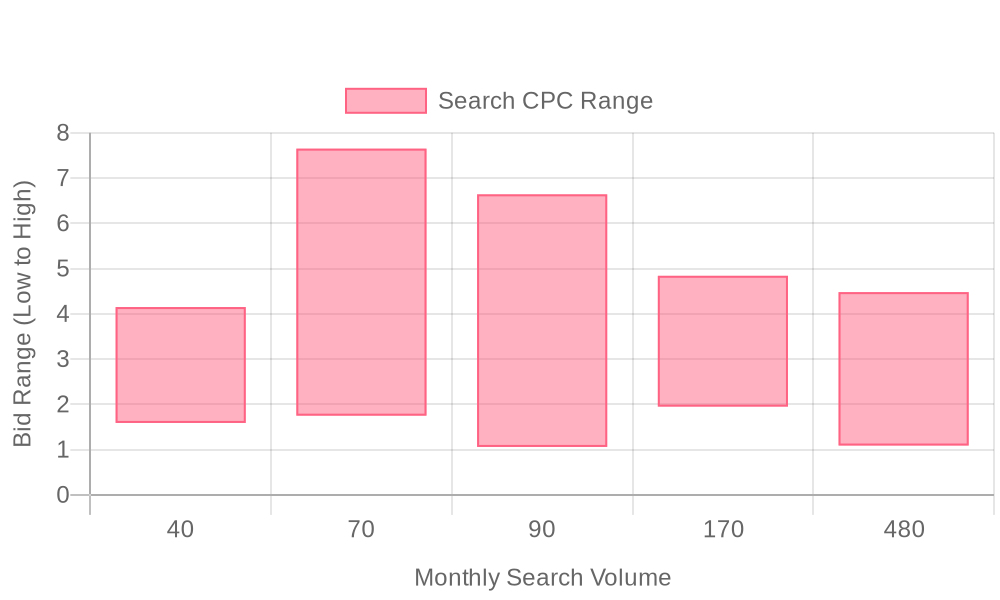
| Industry | Keyword | Monthly Search Volume | Competition Level | Low Bid | High Bid |
| Online Publications | paper publishing websites | 40 | LOW | 1.59 | 4.15 |
| Online Publications | scholarly journals online free | 70 | LOW | 1.75 | 7.65 |
| Online Publications | journal articles for free | 90 | LOW | 1.06 | 6.64 |
| Online Publications | online publications | 170 | LOW | 1.95 | 4.84 |
| Online Publications | peer reviewed articles free | 480 | LOW | 1.09 | 4.48 |
High-intent keyword targeting is critical for online publications aiming to attract decision-makers and buyers ready to engage with premium content, subscription offers, or B2B advertising opportunities. Focusing on search phrases that reflect clear purchase or partnership motivation allows publications to bypass the inefficiency of broad, generic outreach and instead capture a higher-value audience segment.
By prioritizing niche and long-tail keywords, online publications can drive more efficient ad spend and achieve stronger ROI from Google Ads platform. For example, keywords like "advertising in financial digital magazines," "B2B technology publication sponsorships," or "submit press releases to online trade journals" are tailored to users with immediate needs that align closely with the publication's value proposition. This approach surfaces leads already primed for conversion, improving both click-through and post-click engagement rates.
- Sample high-intent terms: "Google Ads for content monetization," "Google Ads for website traffic," "Google Ads for online media," "Google Ads for digital publications," and "Google Ads for increasing online visibility."
- Niche and long-tail terms: "Advertising in online manufacturing magazines," "digital publication sponsorship opportunities," "B2B tech magazine advertising rates," "submit guest post to online publication," "retargeting strategies for online publishers."
- Intent-focused variations: "How to promote content with Google Ads," "best Google Ads targeting strategies for magazines," "Google Ads campaign optimization for publishers," "Google Ads for online advertising beginners."
Unified go-to-market platforms empower publishers to surface granular keyword opportunities by analyzing visitor intent signals across search, content engagement, and CRM data. Marketers can identify not only which terms drive traffic but also which keywords correlate with high-value actions, such as newsletter sign-ups, demo requests, or ad inquiries. When audience and conversion data sync seamlessly into Google Ads, campaign managers can continuously refine targeting based on real market demand, maximizing every dollar spent on acquisition and monetization.
For example, real-time visitor identification enables teams to build exclusion or retargeting lists that adapt dynamically as users move from anonymous browsing to registered users or paying advertisers. This ensures ongoing keyword optimization and message alignment, driving greater relevance and improved campaign outcomes for digital publications. To experience the benefits firsthand, get started for free with Sona.
Step-by-Step Campaign Execution Framework
Step 1: Build Targeted Keyword Lists
Precision in keyword selection is fundamental for online publications seeking to maximize the impact of Google Ads. By organizing keywords into topic clusters and layering on search intent modifiers, teams can ensure campaigns reach audiences actively searching for specific content themes and niche interests. This approach surfaces high-value prospects who might be missed by broad, generic keyword strategies common in digital publishing. For a comprehensive overview of the Google Ads platform and campaign management options, review the Google Ads platform.
Negative keywords are essential for optimizing ad spend. Excluding irrelevant queries prevents ads from being displayed to users unlikely to convert, which preserves budget and elevates campaign efficiency. When integrated with platforms that identify visitors and sync audience insights directly into Google Ads for online media, teams can refine their targeting even further, ensuring only the most relevant traffic sees their offers.
The upgrade most online publications advertisers miss is going beyond raw keyword volume to layer in intent and identity signals. A term like "subscribe to industry newsletter" might pull in browsers, while "enterprise subscription pricing" or "advertise in [niche] trade publication" signals a buyer or media planner closer to a decision, distinctions that matter more during a launch, renewal season, or breaking-news spike in traffic. By connecting website-visitor data and CRM records with Sona Marketing Measurement, you can see which specific search terms bring in the accounts and subscribers that actually convert, and weight your keyword and bidding strategy toward those rather than the terms with the highest search volume alone.
Step 2: Develop Compelling Ad Copy
High-performing ad copy for digital publications must address well-researched pain points and offer relevant incentives, especially for audiences who read feature-driven articles but rarely take action. Crafting messages that echo the language of the publication's audience increases relevance and engagement. Incorporating dynamic ad extensions, such as sitelinks, callouts, or structured snippets, ensures calls-to-action stand out and are quickly actionable. For more advice on messaging and campaign optimization, browse the Sona blog.
A deeper layer of optimization is possible when real-time intent signals are analyzed to shape messaging and creative. When ad platforms are connected with systems that update audience segments as readers move from passive browsing to active inquiry, campaigns can deliver tailored content and offers at precisely the right moment, increasing the likelihood of meaningful engagement.
Step 3: Design Effective Landing Pages
Landing pages should maintain a seamless narrative from the ad, guiding users through a focused, distraction-free conversion journey. For online magazines and digital publications, this means aligning page messaging and visuals with the ad's promise, ensuring the transition feels natural and expectations are met. Reducing unnecessary navigation options and employing clear, visually compelling calls-to-action helps retain visitor attention and drive desired outcomes. Explore a step-by-step explanation of Google Ads to better understand how user journeys can be optimized from ad to landing page.
Engagement rates improve when landing pages are dynamically constructed based on visitor profile and interest data. By leveraging solutions that recognize returning companies or high-intent readers, publications can serve bespoke content offers or subscription prompts, increasing the probability of conversion for segments most likely to provide long-term value.
Step 4: Implement Data-Driven Optimizations
Continuous campaign refinement hinges on leveraging advanced bidding strategies and systematic A/B testing. For online publications, algorithms can automatically adjust bids to prioritize placements that yield higher engagement and conversions, optimizing for business objectives in real time. Regular creative and targeting tests reveal what elements resonate best, informing future iterations. Learn more about measuring marketing's influence on the sales pipeline.
Importing offline conversions, such as newsletter sign-ups or event registrations, into the analysis platform provides a more complete view of campaign effectiveness. This holistic approach enables revenue teams to adjust strategies based on both online and offline engagement, increasing confidence in reported ROI. When audience, lead, and conversion data sync seamlessly with CRM and ad platforms, every interaction informs smarter media allocation and campaign optimization, closing the loop between marketing investment and tangible outcomes.
Sona Marketing Measurement closes the gap between clicks and revenue. It captures every ad click with first-party tracking that doesn't rely on third-party cookies, then ties that click through UTM capture and ad-platform APIs to the actual record in your CRM, and reports ROAS by keyword and campaign instead of by last-click form fill. Feeding that revenue signal back into Smart Bidding and Performance Max compounds over time: the algorithms optimize toward booked online publications revenue, not cheap leads.
Tips on Expanding Your Online Publication Presence
Online publications can accelerate growth by leveraging segmented audience insights to tailor upsell opportunities and premium content delivery. Analyzing visitor behavior reveals patterns that enable targeted messaging, turning casual readers into engaged subscribers and driving higher lifetime value, discover more approaches in our marketing attribution blog.
Strategic partnerships with industry leaders help publishers overcome the fragmentation of marketing efforts, providing a unified approach for campaign execution across diverse platforms. This synchronization ensures consistent messaging and eliminates resource overlap, creating a stronger brand presence in a competitive digital landscape, follow practical strategies in our pipeline performance playbooks.
Geographic targeting unlocks new audience segments by pinpointing variations in engagement across regions, allowing for hyper-localized campaigns that resonate with readers' unique interests. By optimizing content and ads for high-performing geographies, publications can maximize reach while reducing wasted spend on less relevant audiences, see how audience data syncs to platforms for seamless activation.
Search query insights empower dynamic content creation by surfacing trending questions and emerging interests within your readership. Adapting editorial calendars based on real-time search behavior not only boosts SEO performance but also transforms passive leads into active participants, as content aligns with audience intent and immediate needs. For more guidance on leveraging intent signals, visit our intent data guide.
Harnessing the full potential of Google Ads means pairing visitor identification with Sona's Intent Signals to capture high-converting traffic. When platforms sync enriched audience data into Google Ads, editorial and sales teams gain the ability to retarget engaged users, attribute conversions accurately, and measure ROI across both online and offline interactions. If you're ready to take the next step, get started for free with Sona and unlock smarter campaign execution for your publication.
Beyond Google Ads: Winning the AI Answers Online Publications Buyers Now Trust
Paid search captures demand at the moment someone types a query. But a fast-growing share of online publications buyers no longer start at Google at all, they ask ChatGPT, Gemini, or Perplexity before they ever run a search, and Google's own AI Overviews increasingly summarize an answer above the traditional results. If your business isn't referenced in those AI answers, you're invisible at the exact moment buyers build their shortlist.
Sona AI Visibility shows where your business shows up across ChatGPT, Gemini, Perplexity, Google AI Overviews, and 10+ engines, and, much like a keyword report, which prompts actually send you buyers, so you can prioritize the ones that convert. Run the two together and you cover the entire buyer path: get cited where buyers research (AI Visibility), then prove which of that demand turns into booked revenue (Marketing Measurement).
Helpful resources
Conclusion
The publications pulling ahead over the next few years won't just run tighter Google Ads campaigns, they'll be the ones building a durable picture of which readers, companies, and search terms actually turn into subscribers and advertisers, and feeding that picture back into their bidding and creative decisions.
Ready to elevate your advertising strategy? Start for free to explore our platform's capabilities and unlock the potential of your online publication today.
FAQ
How can I use Google Ads to promote my online publication?
Google Ads can be used to promote online publications by driving traffic, increasing visibility, and enhancing revenue streams through strategic audience insights and adaptive targeting.
What are the best practices for setting up Google Ads for an online publication?
Best practices include precision in keyword and audience targeting, aligning landing pages and ad creative, and continuous performance optimization using advanced attribution models.
How can Google Ads help increase readership for my online publication?
Google Ads can increase readership by capturing targeted audiences using advanced targeting features and retargeting opportunities to engage high-value prospects.
What are the costs associated with running Google Ads for an online publication?
Costs involve ad spend which can be optimized by targeting high-intent keywords and audience segments to reduce waste on disengaged audiences.
How can I track the effectiveness of my Google Ads campaign for an online publication?
Effectiveness can be tracked using robust analytics, conversion tracking, and advanced attribution models that measure ROI and inform strategy adjustments.
What types of ads work best for online publications on Google Ads?
Effective ad types include search campaigns for capturing high-intent readers, display ads for brand awareness, video ads for storytelling, and remarketing to re-engage visitors.
How can I optimize my Google Ads budget for an online publication?
Optimize budget by focusing on high-conversion audience segments, refining keyword strategy, and leveraging data-driven optimizations and real-time intent signals.
Are there any specific Google Ads features that are particularly useful for online publications?
Useful features include advanced targeting, audience segmentation, and ad extensions that enhance visibility and engagement with high-value action pathways.
What is the process for setting up a Google Ads campaign for an online publication?
The process involves building targeted keyword lists, developing compelling ad copy, designing effective landing pages, and implementing data-driven optimizations.
How can I target specific audiences with Google Ads for my online publication?
Target specific audiences by using enriched CRM data, intent signals, and dynamic audience syncing to ensure campaigns reach the most relevant segments.







