


A guitar shop's busiest hour online rarely matches its busiest hour on the floor. Someone searches "best beginner violin for kids" at midnight, another compares digital piano models on a lunch break, and a working musician hunts for a same-day amp repair. Google Ads lets musical instrument retailers meet each of these moments with the right offer instead of a generic banner. This guide walks through building campaigns tailored to music retail, from keyword strategy to attribution, so ad spend turns into store visits, demo bookings, and sales.
How to Generate Leads with Google Ads for Musical Instrument Retailers: A Step-by-Step Guide

Musical instrument retailers face a marketplace where digital visibility drives both store visits and online sales. A data-driven paid search strategy bridges the gap between discovery and purchase by capturing high-intent audiences at the moment they seek instruments, gear, or lessons.
Aligning Google Ads with your broader marketing stack makes every campaign measurable and directly accountable for pipeline results. When marketers unify ad, CRM, and site analytics, no qualified lead slips through the cracks, and engagement with in-market musicians accelerates. Get started for free with Sona.
- Develop a data-driven approach to paid search: Modern musical instrument retailers succeed when their campaigns are powered by unified, real-time audience data. Identifying which website visitors are serious buyers, and which accounts are actively shopping, enables teams to prioritize outreach and retargeting. By connecting visitor identity with intent signals from Sona, marketers can adjust budgets dynamically and focus resources on high-converting prospects, increasing both efficiency and total lead volume.
- Target keywords and audiences specific to this industry: Effective Google Ads strategies for music stores begin with a nuanced understanding of musician search behavior, from broad terms like "guitar shop near me" to specific queries like "student violin package with lessons." Platforms that update audience lists in real time, based on actions like product page views or demo requests, ensure that spend is always directed at the most engaged, ready-to-buy users.
- Optimize landing pages and creatives for conversions: Minimizing the gap between initial interest and action is critical in advertising musical instruments online. High-performing retailers tailor landing experiences to match ad messaging, showcase inventory availability, and facilitate immediate inquiry or purchase. When enriched lead data and engagement insights are piped directly to sales teams, follow-up delays disappear and conversion rates rise.
- Continuously refine campaign performance for better ROI: In musical instrument retail marketing, every wasted click represents not just lost spend but missed opportunity with a musician ready to buy. Regular analysis of campaign data, click-through rates, conversion journeys, and offline sales attribution, drives smarter decisions about creative, bidding, and budget allocation. When advanced conversion tracking integrates both online and showroom activity, retailers gain a complete view of Google Ads ROI for music stores and can prove the impact of every dollar spent.
A unified, intent-driven Google Ads campaign for instruments is the foundation of online advertising for music shops that want measurable growth. With dynamic audiences, enriched attribution, and seamless CRM sync, every marketing dollar works harder, and every lead is nurtured with personalized, timely engagement.
Why Does Google Ads Matter for Musical Instrument Retailers

Musical instrument retailers operate in a landscape defined by high competition and fluctuating consumer demand, sharpened by seasonal spikes around back-to-school season and holiday gifting. Precision in digital advertising ensures every marketing dollar reaches musicians and buyers who are already signaling their need for instruments, accessories, or services.
Google Ads captures audiences actively searching for musical products, enabling retailers to engage prospects at the moment of intent. This matters most for music stores because most shoppers research before they buy, comparing brands, checking rental-versus-purchase options, or reading reviews on durability, well before they ever submit a form. Sona's Identity Resolution reveals which companies are visiting your website, even when no form is filled out, helping turn anonymous research traffic into qualified pipeline.
Campaigns designed for musical instrument retailers benefit from advanced audience segmentation, allowing for tailored messaging based on musician demographics, instrument type, and purchase stage. Retailers can promote premium offerings like grand pianos or recording hardware to high-value segments, aligning ad budgets with the likelihood of conversion and maximizing return on investment.
Geographic targeting and real-time intent detection let music shops expand into new or underserved regions with agility. Emerging markets and niche neighborhoods become accessible when campaigns are optimized by in-market behaviors, ensuring visibility where competitors may lag.
A unified approach to Google Ads for musical instrument retailers integrates visitor identification and real-time data enrichment, moving beyond anonymous impressions. Retailers who sync CRM and advertising platforms can dynamically update audiences, track both online and offline conversions, and measure the true impact of every campaign, adjusting strategy as prospects move through the buying journey, from browsing entry-level instruments to requesting a trade-in quote on premium gear. This turns scattered music store marketing tactics into a coordinated growth engine for both local shops and e-commerce sellers. To see how this works for your business, get started for free with Sona.
Common Types of Google Ads Campaigns for Musical Instrument Retailers

- Search Campaigns: Search campaigns are the foundation for reaching in-market musicians actively seeking specific instruments, accessories, or repair services. By targeting intent-driven queries such as “buy acoustic guitar near me” or “best beginner pianos,” retailers intercept buyers at the moment of decision. With advanced visitor identification and real-time intent data, marketing teams can recognize not just anonymous clicks but the companies and high-value prospects behind them.
- Display Ads: Display campaigns elevate brand visibility across music blogs, forums, and content platforms frequented by musicians, teachers, and enthusiasts. Visual banners and product showcases remind prior site visitors of your offerings while introducing new audiences to your brand’s unique inventory. Dynamic audience technology allows for automatic updating of display audiences as leads move through the funnel, ensuring that only the most relevant prospects see your latest promotions. For additional strategies on digital advertising for music stores, explore this digital ads overview.
- Video Ads: Video campaigns allow retailers to present instrument demos, highlight new arrivals, and share exclusive offers in a format that fosters engagement and emotional connection. Platforms like YouTube provide a prime environment for musicians researching gear or learning new skills, making video ads a powerful method to reach and influence buying decisions. Use advanced analytics and conversion tracking to clarify which creatives and placements drive engagement and sales, while synchronized CRM and ad data ensures viewers who take interest are promptly identified and nurtured.
- Remarketing: Remarketing campaigns focus on reconnecting with users who have previously visited your website or viewed specific product pages but did not convert. By delivering tailored messages or personalized offers, retailers maintain ongoing dialogue with high-potential leads, increasing the likelihood of eventual conversion. Integrating enriched audience data and syncing with CRM platforms ensures that remarketing lists are always up to date, and that communications reflect the latest customer interactions and intent signals. To start optimizing your remarketing and ad strategies, get started for free with Sona.
Keyword Strategy & Sample Target Terms
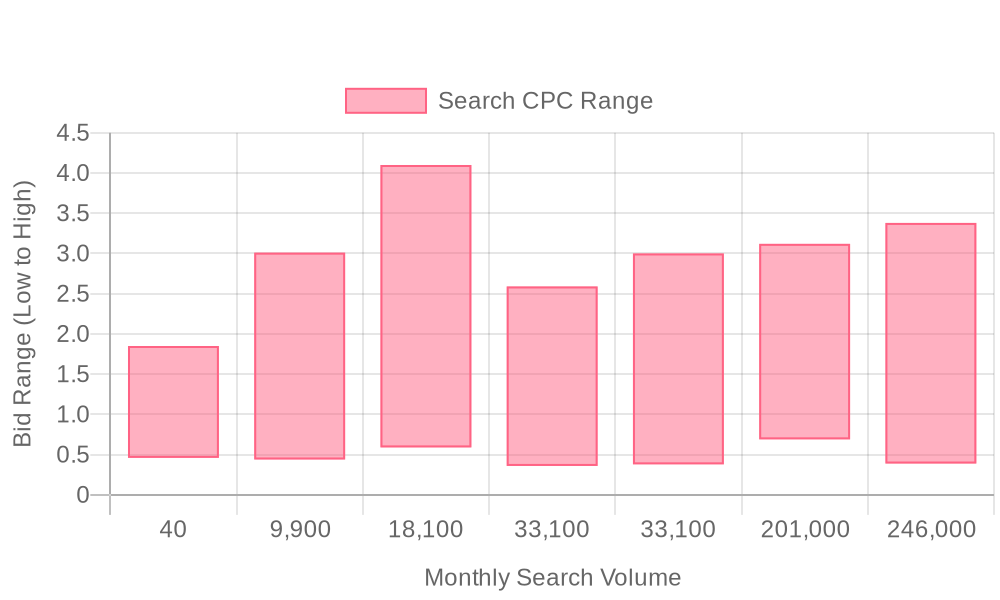
| Industry | Keyword | Monthly Search Volume | Competition Level | Low Bid | High Bid |
| Musical Instrument Retailers | musical instrument retailers | 40 | MEDIUM | 0.46 | 1.85 |
| Musical Instrument Retailers | musical instruments shop near me | 9900 | MEDIUM | 0.44 | 3.01 |
| Musical Instrument Retailers | music shop near me | 18100 | LOW | 0.59 | 4.1 |
| Musical Instrument Retailers | guitar shop near me | 33100 | HIGH | 0.36 | 2.59 |
| Musical Instrument Retailers | music instruments shop near me | 33100 | MEDIUM | 0.38 | 3 |
| Musical Instrument Retailers | music stores | 201000 | LOW | 0.69 | 3.12 |
| Musical Instrument Retailers | music store near me | 246000 | LOW | 0.39 | 3.38 |
Building an effective keyword strategy is fundamental for musical instrument retailers seeking consistent, high-quality lead generation from Google Ads. Reaching musicians and music buyers at the critical moments of their purchasing journey hinges on aligning ad campaigns with the search language and intent that drive real business outcomes. Explore additional strategies in our B2B marketing guides.
High-volume search terms such as "digital pianos purchase online" or "guitar shop near me" represent significant opportunities for broad visibility. However, value lies in segmenting these terms further using intent signals like recent site engagement or in-market browsing behavior. By integrating real-time visitor identification, marketers can distinguish between casual browsers and high-converting prospects, shifting budget automatically toward accounts most likely to purchase. This approach ensures ad spend focuses on users with timely, relevant needs, directly impacting both lead quality and campaign ROI.
Long-tail keywords provide a tactical advantage by targeting specific customer segments and unique buying triggers. Phrases like "budget drum kit for beginners," "left-handed bass guitar deals," or "student violin package with lessons" capture niche audiences, reducing competition and cost-per-click. Dynamic audience syncing allows these keyword groups to update as users move through the sales funnel, ensuring campaigns reflect evolving customer interest and product inventory. When searchers transition from research to active buying, ads remain contextually relevant, improving conversion rates and sales velocity.
Negative keywords are essential for protecting budget and maximizing efficiency in music retail campaigns. Excluding terms such as "DIY," "free," "how to play," and "music theory worksheets" prevents spend on low-value traffic, focusing attention on commercial intent. Advanced platforms can enhance this process by continuously analyzing incoming queries and automatically filtering out irrelevant or non-converting patterns. For more actionable insights on keyword exclusions and campaign optimization, visit our marketing best practices hub.
Where to Find Growth Opportunities

Identifying growth opportunities in musical instrument retail requires a nuanced approach to audience segmentation and campaign design. Retailers who capitalize on vertical keywords for rare or specialty instruments can reach highly motivated buyers, such as collectors or professional musicians seeking specific models unavailable through mainstream distributors. By analyzing which companies and individuals spend time on high-value product pages, marketers can prioritize budget allocation toward audiences with the greatest likelihood of conversion. This precision targeting is amplified when platforms provide clear visibility into account-level engagement, allowing revenue teams to invest in segments that show real intent, not just generic interest.
A thorough competitor analysis enables retailers to uncover missed opportunities in both keyword targeting and creative execution. By evaluating gaps in competitors’ ad coverage, such as overlooked instrument categories or underutilized audience segments, marketing teams can design campaigns that attract underserved, high-intent users. This approach is especially effective when paired with real-time visitor identification tools that move beyond anonymous clicks, surfacing which companies are actively evaluating specific product lines.
Growth is further accelerated by integrating content marketing with retargeting strategies. When a potential customer reads a buying guide or watches a demo video, they signal deeper purchase readiness. By syncing enriched audience data from CRM and analytics platforms directly into Google Ads, retailers can automate retargeting with relevant upsell offers, such as bundled accessories for instruments they previously viewed. This closes the loop between brand education and transactional marketing, solidifying brand presence among the most informed and valuable audience segments. Advanced conversion tracking, including both online and offline attribution, lets teams measure the true impact of these campaigns, ensuring marketing spend translates to tangible sales and long-term customer relationships.
How to Apply Audience Segmentation for Musical Instrument Retailers
Musical instrument retailers can achieve significantly higher campaign performance by structuring audience segmentation around clear buyer profiles and intent signals. Precise segmentation enables marketing teams to deliver more relevant messaging, allocate budget for maximum impact, and nurture engagement across each stage of the customer journey. For more tips on optimizing segmentation and campaigns, explore our B2B marketing analytics guides.
- Define Segments: Such as beginner musicians versus professional performers, ensuring campaign customization speaks to each distinct group.
Begin by identifying the most commercially relevant segments for your retail operation. For example, segmenting by skill level, beginners, intermediate players, and professional performers, helps tailor both ad copy and landing page experiences to distinct needs. Beginners might respond best to bundle offers, financing, or starter kits, while professionals value technical specs, exclusive inventory, and service guarantees. When these segments are mapped to Google Ads audience lists, each ad group can deliver creatives and offers most likely to resonate, reducing wasted impressions and elevating click-through rates. Integrating real-time audience data from site behavior or CRM systems further enhances accuracy, yielding a dynamic segmentation that evolves with new customer insights.
- Add Intent Signals: Like first-time buyers or upgrade seekers, enriching Google Ads’ custom affinity audiences.
Segmenting by intent provides a powerful layer of precision for advertising musical instruments online. Marketers can use search behavior, page visits, and engagement signals to distinguish high-value prospects, such as those researching specific models or return visitors looking for upgrades. Feeding these intent signals into custom affinity audiences allows for real-time campaign adjustments, including bid optimization for in-market users. By leveraging platforms that consolidate and enrich intent data, teams can identify high-converting accounts and prioritize spend where it drives the greatest ROI, showing ads to prospects when they are most likely to purchase.
- Customize Ad Groups: Tailor creatives and budgets to audience needs, effectively addressing poor engagement from generic campaigns.
Customizing ad groups to match each segment’s interests and behaviors eliminates the inefficiency of broad, generic targeting. For example, a campaign targeting students should feature promotions for lessons or entry-level gear, while a group aimed at gigging musicians can highlight trade-in deals or premium brands. Dynamic audience updates, powered by unified customer data, let marketers adjust creatives and budgets as leads progress through the sales funnel. By syncing enriched audience lists directly into Google Ads, teams can quickly retarget high-intent users, personalize messaging, and optimize allocation between acquisition and retention, maximizing Google Ads ROI for music stores.
This is also where measurement changes the economics. With Sona Marketing Measurement you can identify the companies behind your ad clicks, not just anonymous sessions, and segment audiences by which accounts actually become customers. That lets you build bid adjustments and audience signals around the segments that convert and de-prioritize the ones that don't, so you feed Google's algorithms "this click became a paying musical instrument retailers customer" instead of just "someone filled out a form."
Step-by-Step Campaign Execution Framework
Musical instrument retailers operating in a digitally competitive marketplace require a precise, repeatable campaign structure to maximize results with Google Ads. Strategic execution transforms ad spend into measurable growth by aligning every campaign element with musician intent and purchase behaviors. The following framework equips teams to capture high-value leads, drive store visits, and increase online instrument sales through a clear sequence of actions.
Step 1: Build Targeted Keyword Lists
Accurate keyword selection is the foundation of effective Google Ads for musical instrument retailers. Begin with an audit of your product catalog, customer profiles, and the unique needs of your audience segments including hobbyists, students, educators, and professional musicians. Identify a mix of high-intent transactional phrases like "buy electric guitar online," long-tail queries such as "best beginner violin for kids," and local modifiers including "music shop near me." Segment keywords by instrument type, brand, and use case to capture nuanced intent across the search funnel.
Leverage search volume data, competitive density, and seasonality trends to prioritize keyword groups for budget allocation. Dynamic keyword management matters here: as inventory shifts or demand surges for specific categories (band instrument rentals each fall, gift-ready keyboards in December), update and expand lists to reflect real-time opportunities. Platforms equipped with visitor identification capabilities allow you to move past anonymous clicks, pinpointing the companies most likely to purchase. This granular approach directs ad budgets toward keywords and searchers with the highest probability of conversion, improving both efficiency and ROI.
The upgrade most musical instrument retailers advertisers miss is going beyond raw keyword volume to layer in intent and identity signals. By connecting website-visitor data and CRM records with Sona Marketing Measurement, you can see which specific search terms bring in the accounts and customers that actually convert, and weight your keyword and bidding strategy toward those rather than the terms with the highest search volume alone.
Step 2: Write Compelling Ad Copy
Effective ad copy for music stores and instrument retailers speaks directly to the motivations, frustrations, and aspirations of musicians. Highlight unique selling propositions, such as exclusive inventory, expert staff, or “try before you buy” policies. Incorporate value-oriented language that resonates with your core audiences: for example, “Unlock Studio-Quality Sound,” “Free Setup with Every Guitar,” or “Rentals for Students and Bands.” Use dynamic insertion to tailor messaging by instrument or brand, ensuring ads reflect the searcher’s actual interest.
Integrating real-time intent signals into your creative workflow allows you to shift messaging and offers based on in-market behavior, such as highlighting bestsellers when demand spikes or promoting lessons during back-to-school periods. This ensures each impression is contextually relevant, increasing click-through rates and driving higher engagement. As audiences move through the funnel, dynamic updates to ad copy keep communications relevant, maintaining interest and accelerating decisions. To stay updated on best practices, visit our marketing playbooks.
Step 3: Optimize Landing Pages for Conversion
Landing pages must deliver a frictionless experience tailored to the specific promise of each ad campaign. Ensure that the page headline, imagery, and calls to action align directly with ad copy, whether the offer is “Reserve Your Trial” or “Shop Digital Pianos.” Streamline navigation to minimize distractions: feature prominent product details, transparent pricing, and immediate next steps such as “Book an In-Store Demo” or “Add to Cart.” Responsive design and fast load times are non-negotiable, as musicians expect instant access across devices.
Reducing friction is essential for capturing both leads and purchases. Integrate trust signals such as customer reviews, payment security badges, and live inventory status. For B2B-focused music retailers, enable seamless handoffs to sales or support teams via embedded forms and chat widgets. Real-time audience data lets you personalize landing content based on a user's stage in the buying journey, ensuring each visitor encounters the most relevant offer and information.
Step 4: Implement Data-Driven Optimizations
Continuous performance improvement is only possible when musical instrument retailers connect Google Ads activity to deep behavioral insights and true business outcomes. Establish robust conversion tracking covering both online sales and offline actions like showroom appointments, phone inquiries, or lesson sign-ups. Advanced attribution models clarify which touchpoints drive revenue, allowing for precise budget shifts toward top-performing keywords, channels, and audience segments.
Syncing enriched lead and audience data between advertising platforms and CRM systems creates a unified view of account activity, supporting more effective retargeting and lifecycle marketing. As leads progress or accounts become sales-ready, dynamic audiences ensure Google Ads campaigns reflect real-time funnel status, automatically suppressing converted users and re-engaging high-potential prospects. Data-driven insights surface which creative, bidding, and scheduling strategies yield the highest Google Ads ROI for music stores, informing ongoing campaign refinements and maximizing every dollar spent.
Sona Marketing Measurement closes the gap between clicks and revenue. It captures every ad click with first-party measurement, then ties that click through UTM capture and ad-platform APIs to the actual record in your CRM, and reports ROAS by keyword and campaign instead of by last-click form fill. Feeding that revenue signal back into Smart Bidding and Performance Max compounds over time: the algorithms optimize toward booked musical instrument retailers revenue, not cheap leads.
Tips on Expanding Your Musical Instrument Retail Presence

Expanding your musical instrument retail presence requires a blend of hyper-local engagement and scalable digital tactics tailored for precise market impact. Retailers who prioritize data-driven audience insights and intent-based segmentation quickly identify new prospects and nurture valuable customer relationships.
- Localize campaigns: Focusing on specific geographic segments allows music retailers to penetrate target markets efficiently. By tailoring Google Ads campaigns to neighborhoods with strong musician communities or proximity to music schools, stores can maximize the likelihood of high-quality in-person visits. Dynamic location targeting, paired with advanced visitor identification, helps marketers detect which local companies are interacting with their ads.
- Retarget for complementary sales: Retargeting is essential for keeping your brand top-of-mind among those who have shown clear purchasing intent. When a visitor browses guitars but does not convert, a well-timed ad featuring amplifiers or accessories can reignite engagement and drive incremental sales. Using real-time intent signals, marketers can dynamically adjust audience segments and shift budget toward in-market buyers, increasing conversion rates and boosting overall ROI.
- Partner with music schools and events: Strategic partnerships with educational institutions and local events expand reach while aligning your store with trusted community anchors. Cross-promotional Google Ads campaigns that highlight exclusive discounts for students or showcase upcoming recitals foster affinity and introduce your brand to eager learners and their families. By syncing CRM and ad platforms, enriched audience data can be seamlessly activated, ensuring that relevant offers reach both new and returning customers across digital touchpoints.
Implementing these strategies gives musical instrument retailers a sustainable path to growth, keeping campaigns agile as musician demand shifts with seasons, new releases, and back-to-school buying cycles. By leveraging unified data, real-time insights, and audience-driven tactics, stores can capture attention, nurture engagement, and convert intent into measurable sales outcomes.
Beyond Google Ads: Winning the AI Answers Musical Instrument Retailers Buyers Now Trust
Paid search captures demand at the moment someone types a query. But a fast-growing share of musical instrument retailers buyers no longer start at Google at all, they ask ChatGPT, Gemini, or Perplexity before they ever run a search, and Google's own AI Overviews increasingly summarize an answer above the traditional results. If your business isn't referenced in those AI answers, you're invisible at the exact moment buyers build their shortlist.
Sona AI Visibility shows where your business shows up across ChatGPT, Gemini, Perplexity, Google AI Overviews, and 10+ engines, and, much like a keyword report, which prompts actually send you buyers, so you can prioritize the ones that convert. Run the two together and you cover the entire buyer path: get cited where buyers research (AI Visibility), then prove which of that demand turns into booked revenue (Marketing Measurement).
Helpful resources
Conclusion
Musical instrument retailers who treat Google Ads as a system, not a set of standalone campaigns, win the moments that matter: the midnight search for a beginner violin, the weekend browse for a trade-in deal, the parent shopping before the school year starts.
The retailers pulling ahead are the ones connecting ad spend to what actually happens in the store and the CRM, not just the click. As AI answer engines take a growing share of early-stage research, the same discipline, know which channels and prompts produce paying customers, will matter as much for AI visibility as it does for Google Ads today.
FAQ
What are the best Google Ads strategies for musical instrument retailers?
The best strategies include developing a data-driven approach, targeting industry-specific keywords and audiences, optimizing landing pages and creatives for conversions, and continuously refining campaign performance for better ROI.
How can I effectively target musicians with Google Ads?
You can target musicians by using precise audience segmentation, leveraging real-time intent signals, and customizing ad groups to meet specific needs of different musician demographics such as beginners or professionals.
What budget should I allocate for Google Ads in the music retail industry?
The budget should be dynamically adjusted based on real-time data and focus on high-converting prospects, ensuring efficient use of resources and maximizing total lead volume.
What are common mistakes to avoid in Google Ads for music stores?
Common mistakes include not aligning campaigns with broader marketing strategies, failing to use real-time audience data, and not optimizing landing pages for conversions.
How can Google Ads help increase sales for musical instrument retailers?
Google Ads helps by capturing high-intent audiences at decision-making moments, enabling retailers to engage with potential customers, optimize campaigns for increased ROI, and convert more leads into sales.







