


Monument cleaning is a niche trade with a long sales cycle and an unusually specific buyer: cemetery boards, funeral homes, historical societies, and property managers who often act only after a complaint, an upcoming ceremony, or a seasonal deadline forces the issue. Reaching them requires a mix of channels working together. Social media builds awareness, email nurtures relationships already in motion, and SEO earns organic visibility over time. Trade shows and industry publications build trust offline. Google Ads sits in the middle of that funnel: it catches the facilities manager searching for "gravestone cleaning near me" the week before Memorial Day, or the cemetery director comparing quotes after a board meeting flagged deferred maintenance. Done well, it targets by technical specification (granite versus marble, historic versus modern), tracks spend through to closed contracts, and reinforces the other channels through remarketing.
How to Generate Monument Cleaning Services Leads with Google Ads: A Step-by-Step Guide

Generating high-quality leads for monument cleaning services requires a disciplined approach to digital marketing that aligns budget, targeting, and creative execution. With precise audience identification and tailored messaging, companies can ensure their paid search campaigns reach stakeholders actively seeking restoration or maintenance solutions.
A robust paid search strategy integrates with other marketing channels, using first-party, company-level data to inform decisions. By identifying the companies and buyer accounts showing in-market intent signals, teams can prioritize spend on accounts most likely to convert, improving both efficiency and pipeline velocity.
- A data-driven approach to paid search within your broader marketing mix: Integrate Google Ads for Monument Cleaning Services into your marketing stack to identify which channels and campaigns are driving the most qualified engagement. Teams using unified data platforms can move beyond last-touch attribution, linking inbound calls, form fills, and even offline interactions back to the original ad exposure for a clear view of ROI.
- Keyword and audience targeting strategies specific to monument cleaning services buyers: Build keyword lists that reflect both transactional intent (e.g., "monument cleaning company near me") and higher-funnel research queries tied to seasonal triggers, pre-Memorial Day cleanup, spring cemetery inspections, or restoration ahead of a dedication ceremony. Segment audiences by buyer role, account size, and region so ads reach decision-makers at cemeteries, funeral homes, and property management firms rather than homeowners searching for gravestone DIY tips. Advanced platforms can identify anonymous website visitors, matching firmographic and behavioral data to refine customer match lists in Google Ads.
- Landing page and creative alignment techniques for maximum conversion: Ensure that ad copy, headlines, and calls-to-action mirror the exact services and value propositions targeted in keyword campaigns. Landing pages should showcase before-and-after case studies, testimonials, and trust signals tailored to the monument industry. Platforms that sync CRM records and visitor activity to Google Ads can trigger dynamic content, aligning landing experiences with the prospect's stage in the buying journey.
- Performance optimization tactics to continuously improve ROI: Regularly analyze conversion metrics, cost per lead, and audience performance to reallocate budget toward the highest-converting campaigns. Real-time intent signals allow teams to shift spend toward surging accounts, while advanced conversion tracking links both online and offline touchpoints to clarify true campaign impact.
- Cross-channel integration methods to strengthen your entire marketing ecosystem: Use unified data to coordinate messaging across email, paid search, and social, creating a seamless experience for prospects. Syncing enriched audience segments and engagement data directly into Google Ads and connected CRMs reduces manual work and ensures that high-intent leads are always nurtured with relevant messaging.
In competitive monument cleaning markets, tracking blind spots mean missing high-value prospects, a cemetery association researching vendors, a funeral home comparing quotes, and losing that revenue to a competitor who followed up first. Identifying anonymous visitors and routing them into tailored retargeting or customer match audiences keeps ad spend focused on real buyers with demonstrated interest. For a step-by-step guide on setting up and optimizing Google Ads for cleaning businesses, review this Google Ads cleaning business tutorial.
Why Google Ads Matter for Monument Cleaning Services Businesses
Monument cleaning services operate in a highly specialized market where reaching the right decision-makers is essential for growth. Google Ads provides an avenue to address the challenges of visibility and timely engagement, ensuring your offering is seen by facilities managers, preservationists, and organizations actively seeking specialized cleaning solutions.
- Complex, Specialized Audience: Precision targeting means your ads reach stakeholders responsible for monument and memorial upkeep, capturing their attention at moments of high relevance. Segmenting campaigns by job titles, industries, or even specific sites increases lead quality and shortens the sales cycle. For more on building precise audience intelligence, see how real-time segments can improve your outreach.
- Higher Margin Services: With Google Ads, monument cleaning providers can focus budget toward acquiring new restoration projects, rather than relying solely on recurring maintenance contracts. This approach not only drives higher average deal sizes but also supports expansion into new service verticals. Explore best practices for campaign attribution to track which ads yield the most valuable projects.
- Faster Demand Response: During periods of renovation, emergency cleaning, or public events, immediate visibility is critical. Google Ads offers near-instant placement at the top of search results, enabling your team to respond to spikes in demand and secure urgent contracts. Learn how real-time intent signals can help you prioritize high-intent prospects during these periods.
- Visibility in Emerging Regions: Targeting options allow monument cleaning businesses to expand into developing markets or underserved areas. By customizing geographic and demographic criteria, you can efficiently allocate spend where new opportunities are most likely to convert. Discover strategies for expanding into new markets to maximize your ad spend.
- Integrated Data Analysis: Closed-loop analytics from Google Ads facilitate a deeper understanding of campaign performance across channels. By integrating company-level identity resolution, marketers can identify the organizations behind anonymous web traffic, enriching custom affinity audiences and focusing spend on high-fit companies already expressing intent.
Most monument cleaning service providers have little visibility into who's browsing their site anonymously, a cemetery board researching options rarely fills out a form on the first visit. By identifying the companies behind that traffic and layering in real-time intent data, marketing teams can dynamically update ad audiences and sync enriched account data back into Google Ads, CRM, and analytics platforms. This keeps ad spend focused on organizations most likely to convert, improving campaign ROI and supporting targeted, scalable growth. If you're ready to apply this approach, get started for free with Sona to see the impact on your campaigns.
Common Types of Google Ads Campaigns for Monument Cleaning Services
Google Ads organizes spend into distinct campaign types, Search, Display, Video, and Performance Max, each suited to a different part of the monument cleaning buyer journey. Within Search campaigns, Responsive Search Ads are the standard ad format, letting Google test combinations of headlines and descriptions to find what resonates with a cemetery director versus a funeral home operator.
- Search Campaigns: Search campaigns target high-intent prospects who are actively looking for monument cleaning services. By leveraging advanced visitor identification and intent data, marketers can pinpoint decision makers behind each query rather than relying on anonymous traffic. This approach ensures ad spend is focused on qualified leads with urgent needs, driving more consultations and quote requests.
- Display Ads: Display campaigns help monument cleaning brands maintain visibility across industry-specific websites. Targeting based on precise firmographic data, such as company size and location, ensures ads are seen by relevant facilities managers or cemetery directors. Integrating dynamic audience updates means campaigns automatically adjust as contacts move through the funnel, reducing wasted impressions and reinforcing brand recall throughout the buyer journey.
- Video Ads: Video formats allow service providers to demonstrate specialized cleaning techniques or restoration results with visual impact. These ads are particularly effective when aimed at decision makers comparing vendors for complex or high-value projects. Real-time intent signals can shift budget toward audiences exhibiting research behavior, maximizing engagement and accelerating consideration.
- Remarketing: Remarketing campaigns re-engage website visitors or users who abandoned request forms, delivering consistent messaging to move them closer to conversion. With enriched account data and dynamic audience management, marketers ensure each touchpoint reflects the prospect's stage in the buying cycle. This increases relevance and recaptures potential clients who might otherwise be lost.
- Assets: Ad assets (formerly called extensions) add critical trust elements, such as location, certifications, or client testimonials, directly into search results. This boosts ad credibility and click-through rates, especially when targeting local SEO for monument cleaning. Syncing CRM and campaign data lets marketers showcase only the most current credentials, driving confidence and higher-quality inbound leads.
Incomplete or outdated account information undermines even well-structured campaigns, introducing targeting errors and missed segmentation. By continuously enriching company records and syncing them with campaign platforms, monument cleaning providers keep audience lists accurate, resulting in cost-effective campaigns and improved ROI.
Where to Find Growth Opportunities?

Monument cleaning service providers can accelerate growth by targeting channels and audiences beyond their current reach. A focused approach unlocks new lead sources, reduces wasted spend, and ensures marketing efforts yield measurable results. For ongoing insights on B2B marketing and lead generation, visit our blog.
- Vertical keyword targeting for monument cleaning services: Identifying and bidding on niche, service-specific keywords brings your ads in front of high-intent buyers searching for monument restoration, gravestone cleaning, or memorial care. Success means moving past generic cleaning terms to focus on industry-specific queries, capturing leads that are more likely to convert due to their precise needs.
- Competitor gap analysis to identify underserved segments: Analyze where competitors are not investing, such as less crowded geographic areas or specialized services like eco-friendly monument preservation. By leveraging unified intent data, marketing and sales teams can prioritize these overlooked segments, aligning Google Ads spend to reach accounts most likely to engage.
- Industry-specific placements where your organic content might not appear: Paid campaigns can place your brand on platforms and websites that cater to cemetery management, funeral services, or heritage preservation, where organic rankings may be limited. With real-time audience and intent signals, you can adjust placements dynamically, ensuring your message surfaces where decision-makers are actively researching services.
- Content retargeting using whitepapers and how-to videos: Prospects engaging with educational resources such as maintenance guides or restoration case studies signal buying intent. By syncing CRM and website engagement data, audiences can be continuously refreshed, enabling precise retargeting that nurtures leads through the funnel and reinforces your expertise at the right stage.
Disconnected or siloed campaigns often result in inconsistent messaging and inefficient ad spend. When intent data flows seamlessly between marketing and sales, monument cleaning service providers can reinforce tailored messages through Google Ads. This unified approach ensures prospects receive relevant offers at critical decision points, maximizing pipeline velocity and optimizing budget allocation. If you're ready to streamline your campaigns, get started for free with Sona.
How to Apply Audience Segmentation for Monument Cleaning Services
Audience segmentation is the foundation for delivering relevant experiences across the customer journey in monument cleaning services. Precise segmentation enables businesses to allocate budgets more efficiently and personalize messaging for each distinct group, boosting engagement and lead quality. Discover more about effective segmentation and targeting strategies in Sona's account-based marketing guide.
- Define Segments: Start by categorizing your target audiences based on their organizational profile and service needs. For monument cleaning, this may include museums, cemeteries, schools, or commercial property managers. Each group has unique requirements, decision cycles, and value propositions. Structuring these segments within your Google Ads account ensures that creatives, offers, and calls-to-action are tailored to the needs of each audience, increasing the likelihood of capturing qualified leads. For a practical overview of setting up Google Ads for cleaning businesses, see this step-by-step guide.
- Overlay Intent Signals: Sharpen segmentation by layering in intent signals, upcoming renovation projects, maintenance contract renewals, or seasonal cleaning cycles ahead of Memorial Day or a dedication ceremony. Sona surfaces intent signals that identify which organizations are actively researching monument cleaning services, so marketers can prioritize ad spend and outreach toward accounts most likely to convert, and adjust budgets and creative for high-value projects at the precise moment of need.
- Create Ad Groups by Segment: For each defined segment, build dedicated ad groups within your Google Ads campaigns. This approach allows for customized creative, landing pages, and bid strategies to match segment-specific pain points and decision processes. Museums may respond to messaging highlighting preservation and compliance, while commercial properties may prioritize operational efficiency and cost savings. Allocating separate budgets for each segment also protects high-potential audiences from being crowded out by less valuable traffic. Explore detailed playbooks on amplifying cold outreach to maximize segment-specific engagement.
- Validate Conversion Paths: Ensure that lead capture, quote requests, and call tracking are in place for every audience segment and ad group. Advanced conversion tracking, including syncing online and offline attribution, enables teams to measure true ROI for each segment and optimize campaigns accordingly. Integrating CRM and ad platforms ensures enriched lead details and conversion events flow seamlessly into sales workflows, providing immediate context for outreach and reducing lag time between inquiry and response.
Late capture of lead information costs deals, a competitor who calls back first often wins the cemetery board's business. By integrating intent-based audience segments and enabling real-time updates, monument cleaning service providers can consistently deliver timely, relevant ads and accelerate the sales cycle. Solutions that unify go-to-market data and sync enriched audiences with ad platforms like Google Ads streamline this process, ensuring every high-intent visitor or company is captured, scored, and routed for prompt follow-up.
This is also where measurement changes the economics. With Sona Marketing Measurement you can identify the companies and buyers behind your ad clicks, using first-party, company-level data rather than anonymous sessions, and segment audiences by who actually becomes a customer. That lets you build bid adjustments and audience signals around the segments that convert and de-prioritize the ones that don't, so you feed Google's algorithms "this click became a paying monument cleaning services customer" instead of just "someone filled out a form."
Keyword Strategy & Sample Target Terms
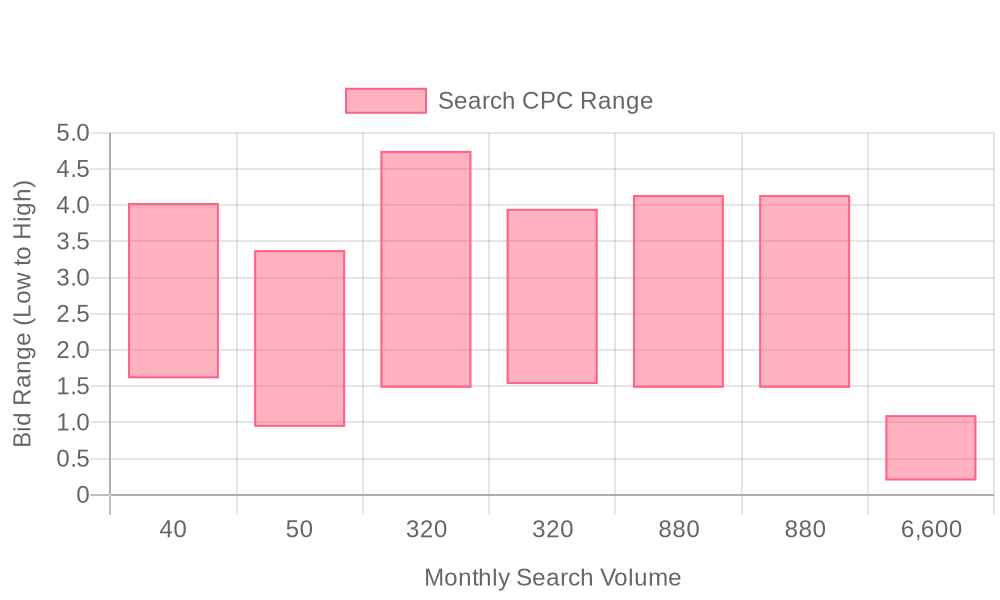
| Industry | Keyword | Monthly Search Volume | Competition Level | Low Bid | High Bid |
| Monument Cleaning Services | cemetery headstone cleaning services near me | 40 | LOW | 1.61 | 4.03 |
| Monument Cleaning Services | monument cleaning services | 50 | LOW | 0.94 | 3.38 |
| Monument Cleaning Services | headstone restoration | 320 | LOW | 1.48 | 4.75 |
| Monument Cleaning Services | headstone cleaning services near me | 320 | LOW | 1.53 | 3.95 |
| Monument Cleaning Services | headstone cleaning service | 880 | LOW | 1.48 | 4.14 |
| Monument Cleaning Services | tombstone cleaning service | 880 | LOW | 1.48 | 4.14 |
| Monument Cleaning Services | cleaning headstones | 6600 | HIGH | 0.2 | 1.1 |
Effective Google Ads campaigns for monument cleaning services begin with a focused keyword strategy aligned with the unique needs and intent of local and commercial buyers. Targeting the right terms ensures your ads appear to prospects actively searching for monument restoration, memorial cleaning, or headstone care, maximizing relevance and click-through rates.
A quadrant-based keyword framework helps prioritize spend by balancing search volume and competition. Revenue teams can segment keywords into four groups for optimal bidding and messaging:
- Top-Right Quadrant: High volume, high competition keywords such as "monument cleaning services near me" or "headstone cleaning company" capture large audiences but often require higher bids. These terms are critical for visibility and should anchor your primary campaigns, where advanced audience syncing ensures only in-market leads are targeted for greater efficiency.
- Top-Left Quadrant: High volume, low competition keywords like "affordable monument restoration" or "local memorial cleaning experts" offer strong reach with lower cost per click. Prioritize these terms for cost-effective acquisition, leveraging real-time intent data to dynamically adjust bids and focus on accounts showing purchase signals.
- Bottom-Right Quadrant: Low volume, high competition keywords such as "granite monument cleaning cost" or "specialized cemetery cleaning" may yield fewer leads but can convert at a higher rate, especially when enriched with CRM insights to personalize ad copy and landing pages.
- Bottom-Left Quadrant: Low volume, low competition keywords like "eco-friendly headstone cleaning" or "monument algae removal service" are ideal for niche offerings. These terms help capture long-tail demand and are valuable for building brand authority in specialized segments, especially when paired with localized landing experiences.
A keyword strategy rooted in this matrix supports channel synergy by integrating Google Ads with broader digital efforts, including insights from the Sona blog. Marketers can unify keyword intent, audience signals, and attribution data to allocate budget where it drives the highest ROI, ensuring every campaign is both outcome-driven and scalable. To put these strategies into action, get started for free with Sona and see how precision targeting can maximize your Google Ads results.
Step-by-Step Campaign Execution Framework
A precise, data-driven approach to Google Ads for Monument Cleaning Services unlocks immediate visibility for high-intent local buyers. Each step in the campaign execution framework builds on the last, allowing revenue teams to move from generic, high-cost outreach to targeted messaging that directly addresses customer needs and drives qualified leads. For a deeper dive into B2B marketing best practices, visit our blog.
Unifying go-to-market data ensures that every advertising dollar is tracked, attributed, and optimized for maximum ROI. With the right strategy, monument cleaning companies can overcome fragmented data silos and create campaigns that deliver consistent, measurable performance at scale by leveraging Sona to sync and activate high-quality audience data across your systems.
Step 1: Build Targeted Keyword Lists
- Service-based clusters: Segment keyword lists by core offerings, such as monument cleaning, restoration, or preservation. This ensures ads speak directly to intent, driving higher click-through and conversion rates.
- Localized modifiers: Include city names and "near me" phrases to capture local search demand. Hyperlocal targeting helps reduce wasted spend and increases relevance for buyers in the service area.
- Long-tail and question-based queries: Integrate detailed, lower-funnel keywords like "how to clean historical monuments" or "best cemetery cleaning near [city]." These capture high-intent prospects ready to engage.
- Negative keyword filters: Apply exclusions to weed out irrelevant traffic, such as searches for unrelated cleaning services or DIY guides. This keeps budgets focused on qualified leads.
By connecting keyword insights with real-time visitor identification, marketers can continuously refine and expand their keyword lists. For actionable advice on setting up and optimizing Google Ads for cleaning businesses, see this Google Ads cleaning business guide.
The upgrade most monument cleaning services advertisers miss is going beyond raw keyword volume to layer in intent and identity signals. By connecting website-visitor data and CRM records with Sona Marketing Measurement, you can see which specific search terms bring in the accounts and customers that actually convert, and weight your keyword and bidding strategy toward those rather than the terms with the highest search volume alone.
Step 2: Develop Compelling Ad Copy
- Pain point-driven headlines: Use targeted messaging that highlights common concerns, such as delicate material care or the preservation of historical value.
- Trust markers: Display certifications, industry affiliations, and 4- or 5-star ratings. These assets build credibility and differentiate your service from generic providers.
- Urgency-driven incentives: Promote limited-time offers, such as free quotes or seasonal discounts, to encourage immediate action.
Combining insights from unified sales and marketing data allows for dynamic adjustment of ad copy based on audience segments and in-market behavior. Marketers can quickly pivot messaging to address emerging customer concerns, leveraging data to personalize outreach and increase engagement rates. Explore our playbooks for more proven tactics on ad personalization.
Step 3: Design Effective Landing Pages
- Keyword, ad, and page alignment: Ensure each landing page matches the promise of the ad copy and targeted keyword, reducing bounce rates and improving Quality Scores.
- Service segmentation: Build landing pages tailored to each vertical, such as cemetery monuments or war memorials, matching the visitor's specific needs.
- ROI calculators and trust badges: Incorporate interactive tools that demonstrate cost-effectiveness, along with visual proof of trust like association logos or customer testimonials.
Real-time intent signals and CRM integration enable advanced personalization on landing pages. Visitors can be shown content relevant to their stage in the buying journey, while enriched data supports more accurate lead scoring for follow-up.
Step 4: Implement Data-Driven Optimizations
- Conversion tracking: Monitor every form submission, phone call, or quote request, attributing results to specific keywords and ads.
- Smart bidding: Leverage machine learning to automatically adjust bids based on likelihood of conversion, focusing budget on the highest-value opportunities.
- A/B testing: Continuously test headlines, CTAs, and layouts to improve conversion rates and reduce acquisition costs.
- Offline conversion import: Attribute sales or appointments closed via phone or in-person visits back to original ad interactions for full-funnel ROI measurement.
Advanced platforms allow marketers to sync enriched CRM and lead data with Google Ads, ensuring audiences are always up to date and retargeting efforts reflect the latest engagement. This closed-loop approach eliminates data silos, so teams can confidently optimize campaigns and demonstrate true Google Ads ROI for cleaning companies. For additional strategies, review intent-driven retargeting to maximize post-click engagement and nurture high-intent leads.
Sona Marketing Measurement closes the gap between clicks and revenue. It captures every ad click with first-party tracking, ties that click through UTM capture and ad-platform APIs to the actual record in your CRM, and reports ROAS by keyword and campaign instead of by last-click form fill. Feeding that revenue signal back into Smart Bidding and Performance Max compounds over time: the algorithms optimize toward booked monument cleaning services revenue, not cheap leads.
Tips on Expanding Your Monument Cleaning Services Presence
Monument cleaning businesses that prioritize audience segmentation and digital engagement achieve higher visibility and conversion rates. Growth depends on a precise understanding of customer intent, regional demand, and the ability to personalize messaging at scale.
- Cross-promote educational assets in retargeting: Delivering educational content, such as maintenance guides or restoration best practices, through retargeting campaigns keeps your brand top-of-mind for prospects who have already expressed interest. By dynamically updating real-time audiences as leads engage with your resources, you ensure that only the most relevant content reaches each segment, increasing re-engagement rates and nurturing leads further down the funnel.
- Upsell related services via segmented audiences: Segmenting your audiences based on prior service interest or engagement history opens the door for strategic upselling. For instance, those who inquired about basic monument cleaning can be targeted with offers for preservation treatments or inscription restoration, using behavioral intent signals to trigger the right offer at the right time. When CRM and ad platforms are unified, these upsell opportunities reach high-value prospects exactly when they're most likely to convert.
- Partner with industry associations for traffic: Alliances with cemetery associations, historical societies, or local preservation groups can drive qualified traffic to your site. Collaborative campaigns or co-branded educational webinars position your brand as an authority, attracting members actively seeking monument care. Integrating visitor identification technology allows you to track which partner-driven visitors turn into qualified leads, informing future partnership investments.
- Localize by targeted regions: Local SEO for monument cleaning services remains essential for attracting families and organizations within your service area. By syncing local search queries and offline lead data, you can fine-tune regional bids to maximize your share of high-intent, local traffic.
- Use search query data for content topics: Analyzing Google Ads search terms uncovers the specific questions and concerns of your target market. This intelligence drives your content strategy, enabling you to produce landing pages and blog posts that answer real customer needs, from monument material types to seasonal cleaning tips. Feeding this data back into your creative and retargeting cycles ensures ongoing content relevance and improved conversion rates.
Google Ads for monument cleaning services demands more than campaign setup, it requires coordinated targeting, personalized engagement, and continuous optimization. By combining advanced audience insights, real-time intent tracking, and CRM integration, monument cleaning companies can extend their reach, capture high-intent leads, and show measurable ROI. If you're ready to streamline your approach, get started for free with Sona.
Beyond Google Ads: Winning the AI Answers Monument Cleaning Services Buyers Now Trust
Paid search captures demand at the moment someone types a query. But a fast-growing share of monument cleaning services buyers no longer start at Google at all, they ask ChatGPT, Gemini, or Perplexity before they ever run a search, and Google's own AI Overviews increasingly summarize an answer above the traditional results. If your business isn't referenced in those AI answers, you're invisible at the exact moment buyers build their shortlist.
Sona AI Visibility shows where your business shows up across ChatGPT, Gemini, Perplexity, Google AI Overviews, and 10+ engines, and, much like a keyword report, which prompts actually send you buyers, so you can prioritize the ones that convert. Run the two together and you cover the entire buyer path: get cited where buyers research (AI Visibility), then prove which of that demand turns into booked revenue (Marketing Measurement).
Helpful resources
Conclusion
The monument cleaning providers who win the next few years won't just run better Search campaigns, they'll show up wherever a buyer is asking the question, whether that's a Google search, an AI Overview, or a prompt typed into ChatGPT. Search still catches the moment of intent. What's changing is everything upstream of the click.
Treat Google Ads, CRM data, and AI visibility as one system rather than three separate line items. A cemetery director who saw your brand cited in an AI answer, then clicked a search ad, then closed six weeks later is a single buyer journey, and measuring it that way is what separates a campaign that looks efficient from one that actually is.
Start for free to unify your marketing data and see which campaigns, keywords, and AI mentions are actually turning into monument cleaning contracts.
FAQ
How can I set up a successful Google Ads campaign for my monument cleaning service?
To set up a successful Google Ads campaign for monument cleaning services, focus on precise audience identification, tailored messaging, and integrating Google Ads with other marketing channels to capture high-intent prospects searching for solutions.
What are the best practices for using Google Ads in the cleaning industry?
Best practices include using precise keyword and audience targeting, aligning ad copy with landing pages, and continuously optimizing performance by analyzing conversion metrics and reallocating the budget to high-converting campaigns.
How can I target local customers effectively with Google Ads for my cleaning business?
Target local customers by using localized modifiers in your keywords, such as city names or 'near me' phrases, and focusing on local SEO to capture high-intent, local traffic.
What are the most effective keywords for Google Ads in the monument cleaning services niche?
Effective keywords include both high volume, high competition terms like 'monument cleaning services near me' and niche terms such as 'eco-friendly headstone cleaning,' ensuring alignment with services offered.
How can I track and measure the success of my Google Ads campaign for cleaning services?
Track success by monitoring conversion metrics, implementing smart bidding, using A/B testing, and syncing CRM data to ensure comprehensive tracking from ad exposure to closed deals.
Are there any specific ad formats or creatives that work best for monument cleaning services on Google Ads?
Effective ad formats include search campaigns for high-intent prospects, display ads for maintaining visibility, and video ads to demonstrate specialized cleaning techniques.







