


Mobile dry cleaning runs on urgency: a customer needs a suit cleaned by tomorrow morning, or a delivery van needs to be booked before a neighborhood window closes. Google Ads reaches those customers at the exact moment they search, but many operators still miss high-value prospects or follow up too slowly, wasting budget on clicks that never convert. Connecting your CRM data to Google Ads closes that gap: it turns anonymous website visits into identifiable companies and buyers, so ad spend follows real intent rather than guesswork.
How to Generate Mobile Dry Cleaning Leads with Google Ads: A Step-by-Step Guide
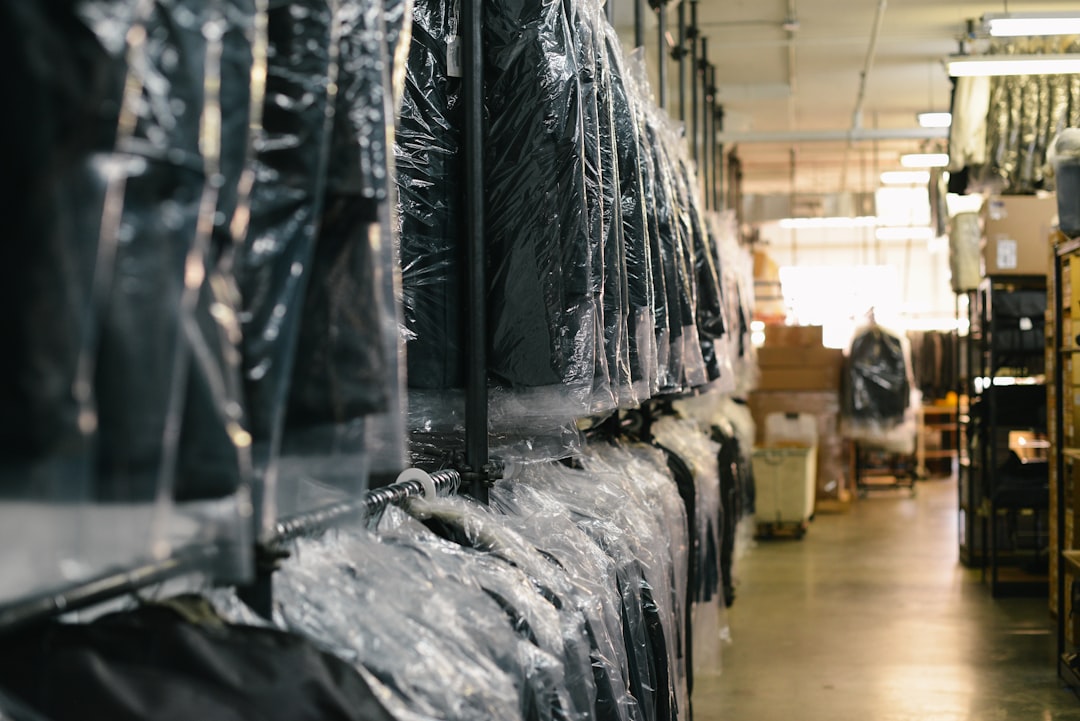
Mobile dry cleaning businesses compete on speed and accuracy: a customer searching "dry cleaning pickup near me" at 8pm wants a van at their door tomorrow, not a callback next week. Google Ads lets these businesses target that moment directly, turning search intent into booked jobs. By unifying first-party CRM data with Google Ads campaigns, marketers can surface in-market buyers, personalize ad experiences, and close the gap between anonymous web traffic and qualified prospects.
A data-driven approach maximizes lead flow. Integrating Google Ads with CRM insights reveals which accounts are actively searching for mobile dry cleaning services, so budget follows actual buying intent instead of demographic guesses. As audience lists evolve, dynamically updating segments keep prospects engaged with relevant messaging as they move through the sales funnel, cutting wasted spend and lifting conversions.
Keyword and audience strategy matters most here. Phrases like "mobile dry cleaning near me," "dry cleaning pickup delivery," or "same-day laundry service" signal a customer who needs service now, not someone comparison-shopping for next month. Audience targeting should extend beyond simple demographics to include behavioral signals, such as recent service searches or repeat visits to a booking page, so you can build lookalike segments and exclude low-fit traffic. For a step-by-step approach to campaign setup, see keyword matching options for dry cleaners.
Landing page alignment drives performance by matching the ad's promise with the page a customer actually lands on. For mobile dry cleaning, that means fast-loading mobile pages, clear service-area boundaries, transparent pricing, and a booking form that takes under a minute to complete. When the page echoes the ad's offer, friction drops and conversion rates rise. With conversion tracking, both online bookings and phone calls tie back to the original campaign, giving marketers a full view of ROI. If you're interested in maximizing campaign results, get started for free with Sona.
Optimization is ongoing work. Refining campaigns, adjusting bids, updating ad copy, and testing new audience segments lets marketers respond as demand shifts, say, a cold spell driving a spike in coat and coat-lining cleaning requests. Real-time intent signals allow swift budget reallocation to top-performing keywords or newly active accounts, while offline conversion imports capture the value of bookings made by phone or in person.
Remarketing keeps your brand visible while leads weigh their options. By flagging visitors who haven't yet booked and serving them personalized ads across search, display, and social, dry cleaning businesses extend the engagement window and recapture prospects who weren't ready on their first visit. Automated audience sync keeps these remarketing lists current, supporting timely follow-up and better lead quality.
Why Does Google Ads Matter for Mobile Dry Cleaning
Mobile dry cleaning runs on timing and location: a customer searching for pickup service today wants an answer today, not next week. Google Ads lets these businesses reach people actively searching for that service, so every dollar spent aligns with real, immediate demand. For a step-by-step guide tailored to this industry, see Google Ads for dry cleaners.
- Specialized Audience: Unlike broader digital channels, Google Ads pinpoints high-intent prospects searching for immediate dry cleaning pickup, delivery, or mobile scheduling. This precision keeps marketing resources focused on users ready to book, not just browse. Sona's Identity Resolution helps turn anonymous clicks into known companies, streamlining follow-up and conversion.
- Immediate Results: The mobile dry cleaning sector thrives on quick turnarounds. Google Ads delivers near-instant visibility and lead flow, eliminating the lengthy ramp-up typical of SEO or organic tactics. Real-time intent signals make it possible to dynamically adjust spend toward audiences demonstrating the highest likelihood to convert, maximizing both speed and efficiency as new leads move through the funnel.
- Local Market Penetration: With geographic targeting, businesses can capture only the most relevant customers within their true service areas. This approach sharpens local SEO for dry cleaning and reduces wasted spend on out-of-area clicks. By syncing enriched CRM audiences into Google Ads, marketers further refine reach, ensuring ad impressions are shown to individuals and accounts with verified addresses and prior engagement.
- Integrated Data: Google Ads provides closed-loop analytics essential for mobile dry cleaning businesses aiming to understand which campaigns generate bookings, calls, or app downloads. Advanced conversion tracking links both online and offline outcomes, allowing teams to attribute revenue to specific keywords, creatives, and audiences. This level of insight drives smarter budget allocation, higher ROI, and continuous improvement in digital marketing for dry cleaning.
Google Ads for Mobile Dry Cleaning is not just about digital visibility; it is a vehicle for orchestrating targeted, data-driven growth that aligns every interaction with real customer intent and local opportunity. If you’re ready to unlock more value from your Google Ads campaigns, get started for free with Sona.
Common Types of Google Ads Campaigns for Mobile Dry Cleaning
- Search Campaigns: Search campaigns are the backbone of customer acquisition for mobile dry cleaning businesses. High-intent queries such as "dry cleaning pickup and delivery near me" or "same-day laundry service" signal buyers ready to book. Targeting these urgent keywords lets mobile dry cleaning brands intercept prospects at the moment they need service. With Sona's Identity Resolution, marketers move beyond anonymous clicks to identify which companies are searching, enabling sharper follow-up and personalized outreach.
- Display Ads: Display campaigns extend your brand’s reach across content sites, local blogs, and industry publications frequented by potential dry cleaning customers. Visual banners keep your service top-of-mind outside of active search windows, supporting brand awareness and nurturing longer decision cycles. For a deeper dive into the benefits and setup process, this guide to Google Display Ads for laundry stores offers actionable insights. When display placements are informed by real-time audience segments, budget shifts automatically toward audiences displaying active buying signals, not just passive interest.
- Remarketing: Remarketing campaigns re-engage users who previously visited your booking page or requested a quote but didn’t convert. Segmenting audiences by user intent and company size allows for tailored messaging, such as exclusive discounts for lapsed prospects or reminders for abandoned bookings. Advanced platforms enable dynamic audience updates as users progress through the funnel, so campaigns always reflect the latest lead status and deliver the right message at the right time.
- Responsive Display Ads: Responsive display ads adapt images, headlines, and calls to action based on where and how they are viewed, delivering a personalized experience whether prospects are browsing on mobile or desktop. This dynamic creative optimization ensures your mobile dry cleaning offer is relevant to each context, enhancing click-through and conversion rates. With enriched customer data flowing directly into campaign audiences, these ads adjust in real time as new leads interact with your brand.
- Assets: Ad assets, including callouts and location assets, build trust by showcasing service highlights, business hours, and proximity to the user. For mobile dry cleaning, these features make it easy for customers to find, contact, or visit you instantly. When CRM and ad platforms are synced, these assets display current business information and offers, keeping your message accurate across every touchpoint.
Where to Find Growth Opportunities

Modern mobile dry cleaning businesses face a rapidly evolving digital marketplace where data-driven advertising is the primary driver of sustainable growth. Pinpointing where your Google Ads strategy can break through the noise requires a mix of niche targeting, competitive intelligence, and seamless data integration. For a deeper dive into how Google Ads management accelerates acquisition for dry cleaners, explore this Google Ads guide for dry cleaners. You can also access the latest marketing strategies and insights to stay ahead in the industry.
- Vertical Keyword Targeting: Many dry cleaning businesses default to broad match keywords, losing efficiency and driving up costs. By layering vertical keyword targeting, you can position niche offerings, like “eco-friendly mobile dry cleaning” or “same-day garment delivery”, alongside broader industry terms. This segmentation prevents budget dilution and ensures your spend reaches customers with clear intent for specialized services. With advanced data enrichment, you can dynamically update these keyword lists as your audience needs evolve, ensuring every campaign stays tightly aligned with current demand.
- Competitor Analysis: Analyzing competitor strategies uncovers gaps where your brand can outperform in personalization and segmentation. While many dry cleaners run generic ads, you can identify unaddressed service areas, unique value propositions, or underserved geographies. Leveraging unified account-level insights, you can shift budget toward high-converting audiences that competitors overlook. Real-time intent signals allow you to prioritize in-market accounts, adjusting spend dynamically to maximize impact where competitors remain static.
- Retargeting Audiences: Not every website visitor is ready to convert immediately, especially in mobile dry cleaning where timing and need are critical. Harnessing behavioral data from your content and site visits enables you to create tailored retargeting audiences, refining outreach based on actual engagement. As leads move through the funnel, dynamic audience updates ensure messaging stays relevant and conversion-focused. This approach turns fragmented intent signals into a cohesive remarketing engine that drives repeat engagement and higher conversion rates.
- Local SEO Integration: Local visibility is essential for mobile dry cleaning businesses, where proximity and convenience drive purchasing decisions. By integrating geo-targeted ad modifications with your Google Ads campaigns, you can align messaging and offers to specific neighborhoods, business districts, or delivery zones. When your CRM and ad platforms sync in real time, every new lead or customer update automatically refines your local audience segments. This integration delivers pinpoint accuracy in local PPC for dry cleaning, fueling higher-quality leads and measurable improvements in customer acquisition cost.
How to Apply Audience Segmentation for Mobile Dry Cleaning
Audience segmentation transforms mobile dry cleaning campaigns by aligning outreach with the unique needs and behaviors of each customer group. Effective segmentation unlocks higher engagement and conversion rates, creating a consistent flow of qualified leads for modern dry cleaning businesses operating in an on-demand, mobile-first environment. Explore proven digital marketing services for dry cleaners to boost local visibility and drive more leads.
- Define Segments: Start by categorizing your audience based on lifestyle, location, and service preferences. Urban apartment dwellers often seek convenience and rapid turnaround, while suburban families may prioritize bulk cleaning or eco-friendly options. Segmenting at this level combats the engagement drop-off caused by generic messaging and ensures that each campaign speaks directly to the daily realities and values of its recipients. With advanced data unification, marketers can pinpoint whether a site visitor lives in a high-rise downtown or a cul-de-sac, enriching outreach with actionable context.
- Intent Signals: Integrate behavioral signals such as recent searches for “urgent dry cleaning” or “same-day laundry pickup.” This granularity enables dry cleaning businesses to deliver ads when urgency is highest, maximizing the relevance of every impression. Real-time intent tracking lets marketers dynamically shift budget toward segments actively in-market, increasing the efficiency of PPC for dry cleaning and mobile service marketing campaigns. As audiences evolve, intent data feeds directly into updated audience groups, ensuring ad spend consistently targets the most likely converters.
- Custom Ad Groups: Build separate ad groups for each core segment and tailor messaging to match. Apartment dwellers might see offers for on-demand pickup and evening delivery, while suburban families receive promotions for family-size wash bundles or subscription packages. Dynamic audience updates allow each ad group to reflect the latest lead status, so that follow-up offers and calls-to-action remain timely and compelling. By syncing CRM data with ad platforms, marketers ensure that fit scores and lead stages translate to maximum message relevance in every campaign.
- Validate Conversions: Track all conversions at the segment level, from click-to-call actions to online bookings and store visits. Integrating CRM and ad data provides closed-loop measurement, allowing marketers to attribute revenue to specific audience cohorts and optimize budget allocation accordingly. Advanced conversion tracking captures both online and offline actions, giving a comprehensive view of which segments drive the highest ROI. This feedback loop supports continuous refinement of digital marketing for dry cleaning, empowering businesses to scale mobile dry cleaning business growth with precision. If you’re ready to see how segmentation can transform your campaigns, get started for free with Sona.
This is also where measurement changes the economics. With Sona Marketing Measurement you can identify the companies behind your ad clicks, not just anonymous sessions, and segment audiences by who actually becomes a customer. That lets you build bid adjustments and audience signals around the segments that convert and de-prioritize the ones that don't, so you feed Google's algorithms "this click became a paying mobile dry cleaning customer" instead of just "someone filled out a form."
Keyword Strategy & Sample Target Terms
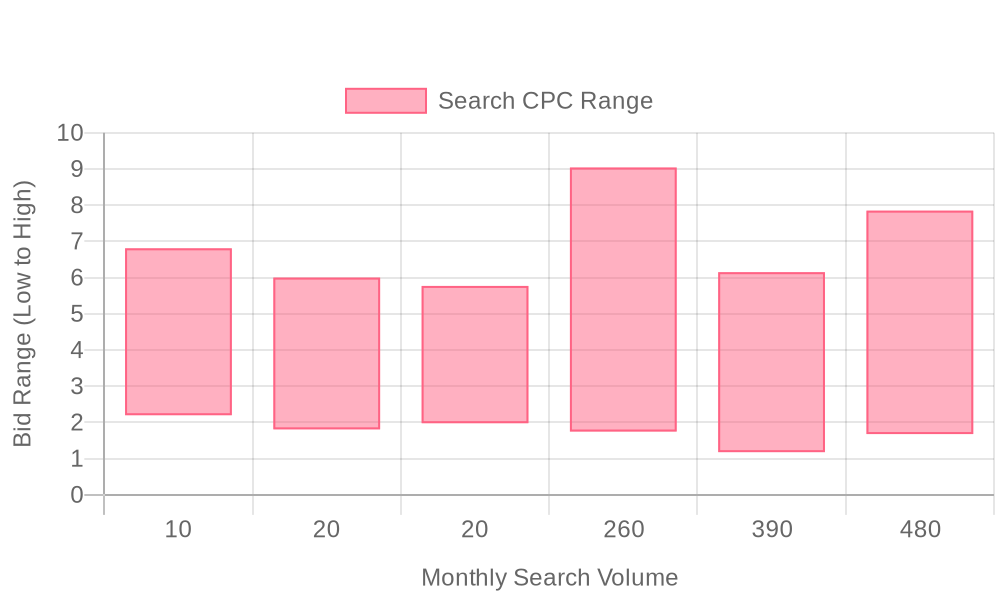
| Industry | Keyword | Monthly Search Volume | Competition Level | Low Bid | High Bid |
| Mobile Dry Cleaning | mobile dry cleaner near me | 10 | LOW | 2.2 | 6.81 |
| Mobile Dry Cleaning | mobile dry cleaning service near me | 20 | LOW | 1.81 | 6 |
| Mobile Dry Cleaning | mobile drycleaners | 20 | LOW | 1.98 | 5.77 |
| Mobile Dry Cleaning | mobile dry cleaning service | 260 | MEDIUM | 1.75 | 9.04 |
| Mobile Dry Cleaning | mobile dry cleaners near me | 390 | LOW | 1.18 | 6.15 |
| Mobile Dry Cleaning | mobile dry cleaning | 480 | LOW | 1.68 | 7.85 |
Effective keyword selection drives qualified search traffic and fuels customer acquisition for mobile dry cleaning businesses. By targeting high-intent queries such as "mobile dry cleaning service" and "pickup and delivery laundry," marketers can attract prospects who are ready to engage and transact. These keyword choices are not only aligned with urgent user needs but also directly connect your budget to the most conversion-ready audiences. For a step-by-step approach to optimizing your campaigns, review this guide to Google Ads for dry cleaners.
Implementing a robust long-tail keyword strategy ensures your ads appear in front of users seeking niche services like "same day laundry pickup" or "eco-friendly mobile dry cleaner." This approach reduces wasted spend on broad, low-converting searches and refines your targeting to capture leads that fit your ideal customer profile. Leveraging negative keywords further sharpens your campaign, excluding non-relevant searches and minimizing unqualified traffic. For more actionable tactics, explore our marketing playbooks.
With CRM integration, keyword-level data can be enriched and scored in real time to prioritize budget toward high-fit prospects. Sona unifies Google Ads activity with CRM and lead engagement signals, letting you dynamically adjust keyword bidding and audience targeting as new data emerges. This lets marketers capitalize on shifting intent, sync enriched segments into their ad platforms, and focus spend on the prospects most likely to convert and deliver long-term value.
Step-by-Step Campaign Execution Framework
A proven campaign execution framework is crucial for scaling mobile dry cleaning business growth. Precision in every phase, from keyword targeting to conversion tracking, ensures efficient spend, faster insights, and a measurable lift in new customer acquisition. Each element below reflects practical digital marketing for dry cleaning and aligns with the expectations of today’s mobile-first, service-oriented audiences. For additional strategies, explore our marketing playbooks designed for demand generation and service teams.
Step 1: Build Targeted Keyword Lists
Successful Google Ads for Mobile Dry Cleaning begins with granular keyword segmentation. Grouping keywords by location and service type enables you to align ad spend with regional demand and the specific offerings customers seek, such as express pickup, eco-friendly cleaning, or same-day delivery. Leveraging real-time behavioral intent data, marketers can continuously refine these lists, ensuring that budget and attention shift to the highest-converting search terms as market conditions evolve. For location-based campaign performance, consult measuring geographic performance to track regional results.
Audience enrichment takes this process further by identifying visitors beyond anonymous clicks, allowing for keyword strategies that target both high-intent individuals and in-market companies. For a step-by-step guide on campaign setup and optimization, see Google Ads for dry cleaners. This creates a closed loop between audience research and campaign optimization, supporting both local SEO for dry cleaning and scalable online advertising for laundry services.
The upgrade most mobile dry cleaning advertisers miss is going beyond raw keyword volume to layer in intent and identity signals. By connecting website-visitor data and CRM records with Sona Marketing Measurement, you can see which specific search terms bring in the accounts and customers that actually convert, and weight your keyword and bidding strategy toward those rather than the terms with the highest search volume alone.
Step 2: Develop Compelling Ad Copy
Ad copy should champion the convenience and trustworthiness that mobile dry cleaning customers demand. Headlines and descriptions must communicate ease of scheduling, transparent pricing, and clear value differentiators like satisfaction guarantees or on-time delivery. Integrating local trust signals, such as community reviews or service guarantees, builds credibility and encourages immediate action. For more on crafting persuasive messaging, visit our blog on customer acquisition.
Dynamic audience data empowers you to personalize messaging based on a lead’s current stage in the funnel or recent engagement history. As leads progress, ad content can adapt, promoting offers or services most likely to convert, which enhances the impact of every impression and supports dry cleaning customer acquisition.
Step 3: Design Effective Landing Pages
Landing pages for mobile dry cleaning ads require high relevance and seamless mobile optimization. Visitors expect instant access to booking forms, service menus, and location details, all presented in a format that loads quickly and is intuitive on any device. Elements like click-to-call buttons, interactive service area maps, and real-time availability directly address the needs of mobile service marketing. For insights on optimizing the online-to-offline experience, read about offline attribution strategies.
Advanced attribution connects form fills, phone calls, and even offline service bookings back to the originating campaign, providing a true measure of ROI. Unified data flows ensure every conversion, whether online or offline, is tracked and attributed, giving revenue teams a complete picture of performance and informing future optimizations.
Step 4: Implement Data-Driven Optimizations
Ongoing optimization is the engine behind sustained results in PPC for dry cleaning. Campaign data must be continually analyzed to identify patterns, minimize wasted ad spend, and surface new opportunities for growth. Automated bidding strategies and audience refreshes help you allocate budget toward the highest-value leads and away from segments that underperform. For practical tips, see best practices for Google Ads management.
Seamlessly syncing enriched lead and audience data into platforms like Google Ads, HubSpot, or Salesforce accelerates campaign adjustments and supports dynamic retargeting. This enables marketers to respond to market shifts in real time, ensuring that every campaign dollar is invested where it matters most for mobile dry cleaning business growth.
Sona Marketing Measurement closes the gap between clicks and revenue. It captures every ad click with first-party tracking, ties that click through UTM capture and ad-platform APIs to the actual record in your CRM, and reports ROAS by keyword and campaign instead of by last-click form fill. Feeding that revenue signal back into Smart Bidding and Performance Max compounds over time: the algorithms optimize toward booked mobile dry cleaning revenue, not cheap leads.
Tips on Expanding Your Mobile Dry Cleaning Presence
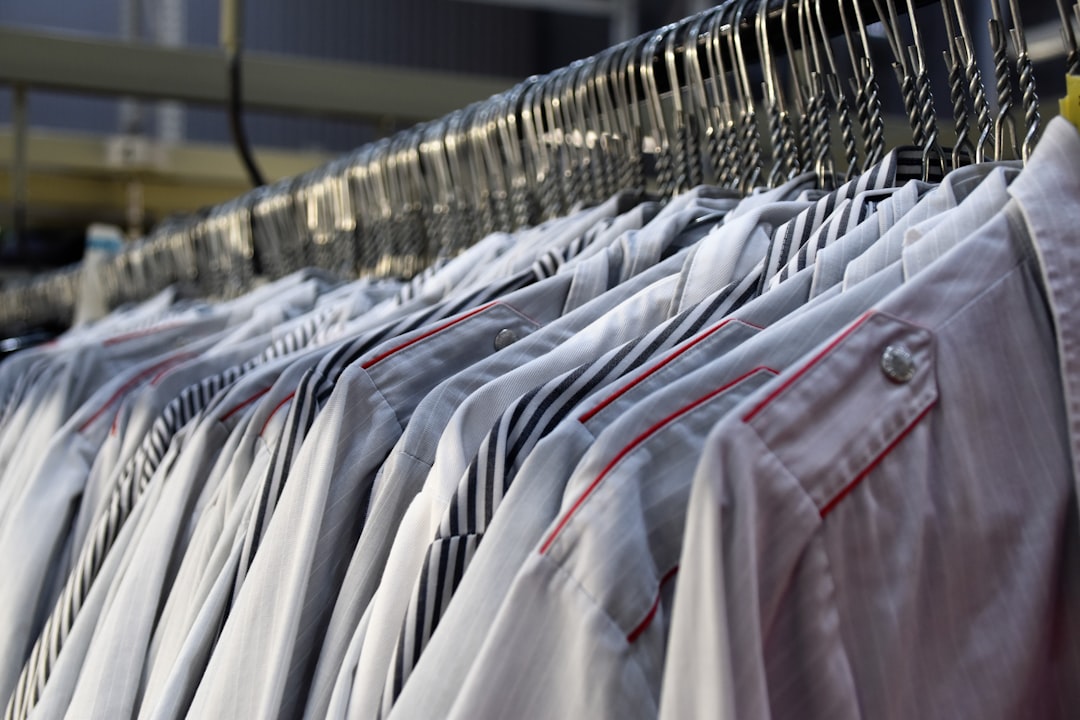
Mobile dry cleaning businesses thrive when their digital presence is designed to convert local searches into loyal customers. By connecting real-time intent data with advanced audience segmentation, dry cleaning services can attract high-value leads and maximize every advertising dollar.
- Cross-promotions and educational retargeting: Engaging potential customers after their initial visit is critical for mobile dry cleaning. Retargeting strategies work best when they bridge the gap between first impressions and final decisions by presenting offers or educational content that answers specific questions about convenience, eco-friendly practices, or turnaround times. When audience data is unified across CRM and ad platforms, these retargeting messages become even more precise, ensuring users see relevant content based on their actual behaviors and stage in the decision cycle.
- CRM-based upselling and multi-channel engagement: Targeting existing customers with upsell opportunities such as premium garment care or express pickup can significantly increase lifetime value. By leveraging CRM-integrated audience segments, marketers can identify and engage users who have previously booked online or requested price quotes. This approach allows you to sync signals from multiple channels, email, social, paid search, and deliver context-aware offers that drive repeat business and referrals.
- Localized targeting for market share growth: Mobile dry cleaning adoption varies across neighborhoods, so effective campaigns must leverage hyper-local targeting. By analyzing digital marketing and local SEO data, businesses can identify high-conversion postcodes and tailor messaging to address unique regional needs, such as high-density apartment blocks or business districts. Customizing ads at this level ensures that marketing efforts resonate and outperform generic, city-wide campaigns.
- SEO-aligned content for campaign synergy: Integrating SEO insights with Google Ads strategies ensures that content reflects what truly captures audience interest. When keyword trends and search intent signals are unified, mobile dry cleaning brands can optimize landing pages, ad copy, and blog resources to answer top customer questions and reduce friction in the booking process. This closed feedback loop enables teams to adjust creative and bidding strategies quickly, improving both organic rankings and paid conversion rates.
Mastering Google Ads for mobile dry cleaning is an ongoing process. By continuously connecting CRM data, behavioral signals, and campaign results, marketers avoid wasted spend on low-value prospects and keep messaging tuned to high-intent leads. The result is a scalable advertising engine that drives both immediate bookings and lasting brand loyalty in the mobile dry cleaning market.
Beyond Google Ads: Winning the AI Answers Mobile Dry Cleaning Buyers Now Trust
Paid search captures demand at the moment someone types a query. But a fast-growing share of mobile dry cleaning buyers no longer start at Google at all, they ask ChatGPT, Gemini, or Perplexity before they ever run a search, and Google's own AI Overviews increasingly summarize an answer above the traditional results. If your business isn't referenced in those AI answers, you're invisible at the exact moment buyers build their shortlist.
Sona AI Visibility shows where your business shows up across ChatGPT, Gemini, Perplexity, Google AI Overviews, and 10+ engines, and, much like a keyword report, which prompts actually send you buyers, so you can prioritize the ones that convert. Run the two together and you cover the entire buyer path: get cited where buyers research (AI Visibility), then prove which of that demand turns into booked revenue (Marketing Measurement).
Helpful resources
Conclusion
Mobile dry cleaning success on Google Ads comes down to matching urgency with precision: the right keyword, the right audience, the right landing page, all pointed at a customer who needs service now.
The operators who win next aren't just the ones with the best keyword lists, they're the ones who close the loop between ad spend and booked revenue, and increasingly, the ones who show up when a customer asks an AI assistant for a recommendation before ever typing a search query.
To unlock further potential and refine your strategies with advanced data-driven insights, start for free to experience our platform's capabilities today.
FAQ
How can I effectively use Google Ads for my mobile dry cleaning service?
To effectively use Google Ads, integrate CRM data with your campaigns to target high-value leads, personalize ad experiences, and ensure your spend targets decision-makers with genuine intent.
What are the best practices for advertising a mobile dry cleaning business?
Best practices include targeting specific keywords, integrating CRM data for precise audience targeting, creating mobile-optimized landing pages, and continuously refining campaigns based on performance data.
How much should I budget for Google Ads in the dry cleaning industry?
Budgeting should align with targeting high-intent keywords and audiences, with flexibility for real-time adjustments based on conversion data to optimize ROI.
What keywords should I target for mobile dry cleaning ads?
Target highly specific phrases like 'mobile dry cleaning near me,' 'dry cleaning pickup delivery,' and 'on-demand laundry service' to attract urgent and high-intent queries.
Does Google Ads provide a good return on investment for mobile dry cleaning services?
Yes, when campaigns are optimized with precise targeting, CRM integration, and ongoing data analysis, Google Ads can deliver a strong ROI by aligning outreach with genuine demand.







