


Mobile advertising runs on a different clock than desktop search: users tap through apps between meetings, compare options on a five-inch screen, and abandon anything that loads slowly. For businesses running Google Ads for Mobile Advertising, that means tracking high-value prospects across apps and platforms, unifying intent signals that scatter across devices, and doing it all while respecting privacy rules like GDPR. This guide works through that challenge step by step, from campaign structure to keyword strategy to the measurement layer that ties ad clicks back to revenue, so you can engage mobile users effectively and convert more of them.
How to Generate Mobile Advertising Leads with Google Ads: A Step-by-Step Guide

Modern mobile advertising demands precise targeting, actionable analytics, and seamless user experiences to capture high-value leads. B2B revenue teams can achieve stronger ROI and more efficient demand generation by deploying a framework that leverages Google Ads for mobile advertising and advanced data unification.
A successful mobile ad strategy prioritizes lead quality over volume, requiring a combination of sophisticated audience segmentation and real-time performance insights. Integrating enriched intent data and CRM systems into campaign workflows ensures that ad spend is directed toward accounts most likely to convert, optimizing every dollar invested.
- Data-driven PPC approach: Align paid search campaigns with mobile-first behaviors by mapping user journeys and touchpoints unique to mobile usage. Go beyond incomplete CRM records by using Sona's Identity Resolution, which unifies website, ad, and sales engagement data at the company level, making it possible to pinpoint which companies and buyers are interacting with your ads.
- Keywords and Audience Targeting: Focus on intent-rich keywords such as "app promotion," "mobile ad types," and "Google Ads mobile" to attract prospects actively searching for solutions. Utilize predictive modeling to prioritize audiences most likely to engage, dynamically updating segments as accounts progress through the funnel. When enriched audience data and behavioral signals are seamlessly synced into Google Ads, targeting precision improves and budget can be reallocated in real time to focus on high-converting accounts.
- Optimized Landing Pages: Ensure every click leads to a mobile-optimized landing page that loads quickly and is designed for user engagement. Fast, responsive pages reduce drop-off and increase conversion rates, especially for mobile users. Capture offline events such as phone calls or in-person visits by integrating advanced conversion tracking, allowing revenue teams to attribute results across all buyer touchpoints and close the loop on campaign ROI.
- Performance Optimizations: Continuously refine campaigns using real-time analytics and intent signals that reveal which channels, creatives, and segments deliver the strongest results. Adaptive audience building automatically shifts spend toward high-performing segments, while online and offline conversion tracking ensures every action, whether it happens on a mobile device or in the physical world, is measured and attributed. This closed feedback loop empowers marketers to make proactive adjustments that maximize lead generation and drive sustained growth.
Ready to see the impact of unified data and smarter targeting on your mobile campaigns? Get started for free with Sona.
Why Does Google Ads Matter for Mobile Advertising?

Mobile advertising is a high-stakes channel where reaching the right user at the right moment drives exponential growth for brands. Precision targeting and real-time optimization are essential for marketers looking to connect their offers with high-intent mobile audiences, especially as user attention becomes more fragmented across apps and platforms. For further insights on mobile campaign effectiveness, explore our marketing blog.
Leveraging Google Ads for mobile advertising allows organizations to capture users while they are actively searching or engaging with relevant content on their mobile devices. Marketers benefit from actionable intent data and granular targeting settings, ensuring that campaigns reach users most likely to convert and reducing wasted ad spend on low-quality impressions. To maximize these benefits, dynamic intent signals can help prioritize engaged prospects in real time.
- Targeted Mobile Engagement: Google Ads enables marketers to identify and prioritize in-market mobile users with strong purchase intent. By integrating Sona's Identity Resolution with intent analytics, campaigns can move beyond broad demographics to pinpoint the specific companies behind anonymous mobile traffic. This level of precision is further elevated when enriched account-level data is synced directly into the Google Ads platform, allowing for tailored messaging and higher lead quality. Learn more about the Google Ads app for iOS to manage campaigns on the go.
- Responsive Strategies: Mobile trends shift rapidly, especially with technologies like 5G increasing data speeds and device capabilities. Predictive analytics within Google Ads make it possible to adapt bidding, creative, and targeting in real time. With real-time audience management, segments automatically update as users move through the buying funnel, ensuring that only the most relevant prospects see each stage of the campaign.
- Effective Budget Control: Even with lean budgets, data-driven allocation strategies maximize the impact of each dollar spent. Marketers can use unified data to understand which campaigns and keywords are driving the highest ROI, then automatically reallocate spend to those channels. Real-time syncing with Destinations ensures audiences are always current, reducing overlap and improving efficiency.
- Measurable Results: Closed-loop attribution connects digital ad interactions to both online and offline conversions, making ROI measurement transparent and actionable. Advanced conversion tracking links ad clicks to downstream sales activity, whether it happens on the web, in-app, or offline. This approach empowers revenue teams to demonstrate the true value of mobile advertising and continually optimize for outcomes that impact the bottom line. If you're ready to enhance your mobile advertising strategy, get started for free with Sona.
Common Types of Google Ads Campaigns for Mobile Advertising

- Search Campaigns: Search ads deliver targeted exposure to users actively seeking mobile apps or solutions, often through Responsive Search Ads, an ad format that tests multiple headlines and descriptions to find the best-performing combination. By appearing at the top of mobile search results, these campaigns capture high-intent queries like "best budgeting app" or "download [category] app," aligning with the current stage of the buyer's journey. Leveraging enriched intent data, marketers can pinpoint which visitors are most likely to convert and shift budgets dynamically, ensuring every impression reaches the most valuable prospects.
- Display Network Campaigns: Display ads keep brands top-of-mind across mobile apps and websites, using precise segmentation to tailor creative for specific segments. Audience lists can be automatically updated as users move through the funnel, supporting adaptive messaging that responds to real-time behavioral signals. Marketers can identify previously anonymous app users and sync those insights with downstream campaigns, increasing relevance and reducing wasted spend.
- Video Campaigns: Video ads on platforms like YouTube engage mobile audiences with visually rich storytelling. Optimized for mobile screens and fast load times, these ads maximize engagement and brand recall. Integrating real-time intent signals allows teams to prioritize in-market accounts, enabling high-impact video creative to reach those most likely to take action.
- App Promotion Campaigns: App promotion ads are designed to drive installs and in-app actions directly from both the App Store and Google Play. These campaigns use a mix of creative formats, text, image, video, to showcase app value and encourage immediate downloads. By connecting CRM and product analytics systems, marketers can sync enriched lead data into these campaigns, optimizing messaging and bidding based on lifecycle stage and likelihood to convert. For an overview of the Google Ads mobile app and its features, see Google Ads app overview.
- Remarketing Campaigns: Remarketing reconnects with users who have previously engaged, such as lapsed app users or recent site visitors. These campaigns close conversion gaps by resurfacing ads to high-priority accounts at strategic moments. Using advanced attribution, revenue teams can measure true ROI by tying online ad clicks to both digital and offline conversions, enabling continuous optimization of retargeting strategies for greater impact.
- Performance Max Campaigns: Performance Max runs a single campaign across Search, Display, YouTube, Discover, Gmail, and Maps, letting Google's bidding algorithm find converting users wherever they browse rather than confining spend to one channel. For app marketers with fragmented budgets, this format is especially useful for filling gaps between install campaigns and remarketing, since it draws on the same conversion signals, including first-party revenue data, to decide where a given dollar works hardest.
Where to Find Growth Opportunities in Mobile Advertising

Mobile advertising remains one of the highest-growth sectors, driven by rapid changes in user behavior and a surge in app-first engagement. B2B marketers and revenue teams can maximize returns by focusing on segments with measurable intent, leveraging real-time audience data to prioritize accounts that consistently demonstrate readiness to buy.
- Trends & Innovations: Staying ahead of mobile advertising trends requires a proactive approach to adopting new ad formats and sharper audience segmentation. Innovations in privacy-centric measurement and contextual signals offer a path forward for engaging users across both web and app environments, even as third-party cookies and mobile ad identifiers become less reliable. For an overview of how Google uses cookies and similar technologies in advertising, review the Google Ads privacy policy.
- 5G Impact: The rise of 5G has changed the landscape for mobile ad delivery, allowing for richer creative formats, seamless video, and interactive experiences that load instantaneously. This infrastructure boost supports more data-driven targeting, where predictive models can accurately surface high-value accounts exhibiting strong buying signals. Teams using intent enrichment can identify engaged prospects as soon as they enter the funnel, ensuring personalized outreach before competitors react.
- Competitor Analysis: Identifying gaps in mobile ad reach is essential for outperforming the competition. Sophisticated analytics platforms let you benchmark share of voice, spot under-served mobile segments, and refine campaign strategy by measuring ROI across multiple touchpoints. By pairing company-level identity resolution with budget optimization tools, marketers can move beyond anonymous traffic and tailor engagement based on which companies show real intent, driving more qualified pipeline from every dollar invested.
How to Apply Audience Segmentation Strategies
Effective audience segmentation is the backbone of high-performing Google Ads for Mobile Advertising, enabling marketers to break away from generic messaging and connect with users at pivotal moments. With granular segmentation, B2B revenue teams create dynamic, relevant experiences across the mobile landscape, significantly increasing engagement rates while minimizing wasted spend.
- Define Target Audiences: Start by analyzing user behavior, device types, and app interaction patterns. Avoid static, catch-all profiles by using mobile-specific attributes such as operating system, app version, and usage recency. Enriched data sources, when integrated directly into your Google Ads mobile campaigns, help pinpoint high-value audiences. With Sona's Identity Resolution, marketers can recognize not just anonymous clicks but the actual companies and decision-makers interacting with mobile ads. This precision lets you design ad creative and messaging that resonates with each unique segment, which is especially critical when promoting mobile apps or driving in-app actions.
- Overlay Intent Signals: Intent data sharpens targeting for mobile app marketing. By capturing signals like recent product searches, page visits, and in-app behaviors, you can align messaging with the user's buying stage. Predictive models allow B2B marketers to prioritize accounts most likely to convert, reallocating budget in real time to capitalize on high-intent activity. This ensures a unified experience across sales and marketing, reducing friction and improving close rates. Sona surfaces intent signals and syncs them between your CRM and Google Ads, so audience updates happen automatically as users move down the funnel.
- Custom Intent Audiences: Building custom intent audiences around observed behaviors is key for mobile ad strategies. Use dynamically updated data sets based on recent engagement, competitor research, or purchase signals to ensure audience groups stay relevant. When audience lists are enriched and synced directly into Google Ads and connected CRMs, segmentation can adapt instantly as prospects show new buying signals. This continuous refresh cycle keeps your mobile ad targeting sharp, eliminating stale segments and improving campaign efficiency.
- Validate Conversions: Seamless conversion tracking is essential for optimizing Google Ads campaigns on mobile. Implement robust attribution systems that capture the complete user journey, from initial ad click through to in-app or offline conversion. This includes syncing conversion events from mobile apps, call tracking, and offline sales data. By connecting these touchpoints, marketers gain a holistic view of ROI and can attribute revenue to specific mobile ad types and audience segments. Automated validation ensures every conversion, whether online or offline, is tracked, reported, and actionable for future campaign adjustments. For step-by-step instructions, review this guide on mobile app conversion tracking.
Ready to put powerful segmentation into action? Get started for free with Sona.
This is also where measurement changes the economics. With Sona Marketing Measurement you can identify the companies and buyers behind your ad clicks, not just anonymous sessions, and segment audiences by who actually becomes a customer. That lets you build bid adjustments and audience signals around the segments that convert and de-prioritize the ones that don't, so you feed Google's algorithms "this click became a paying mobile advertising customer" instead of just "someone filled out a form."
Keyword Strategy & Sample Target Terms
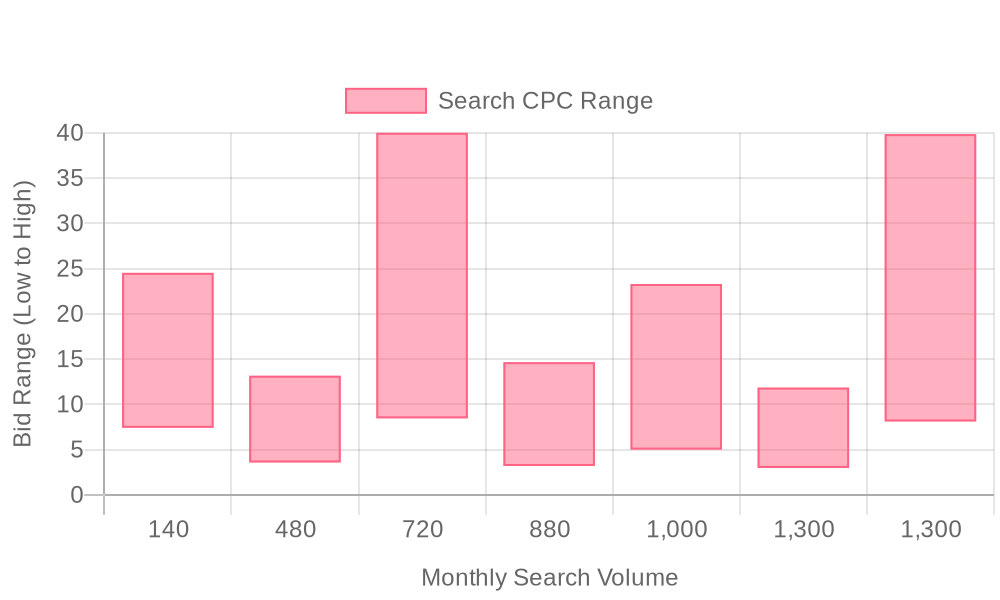
| Industry | Keyword | Monthly Search Volume | Competition Level | Low Bid | High Bid |
| Mobile Advertising | mobile advertising companies | 140 | LOW | 7.41 | 24.53 |
| Mobile Advertising | mobile billboard advertising | 480 | LOW | 3.58 | 13.16 |
| Mobile Advertising | mobile app advertising | 720 | LOW | 8.46 | 40 |
| Mobile Advertising | mobile ads | 880 | LOW | 3.19 | 14.66 |
| Mobile Advertising | mobile advertising | 1000 | LOW | 5 | 23.3 |
| Mobile Advertising | mobile billboard | 1300 | LOW | 2.98 | 11.85 |
| Mobile Advertising | app advertising | 1300 | LOW | 8.11 | 39.85 |
Effective mobile advertising relies on a precise keyword approach that targets high-value prospects while minimizing wasted impressions. By focusing on intent-rich queries and leveraging exclusion tactics, marketing teams can direct spend toward users most likely to convert, streamlining both engagement and acquisition. Accessing precise audience intelligence enables teams to refine keyword targeting and maximize campaign ROI.
- High-Intent Keywords: Prioritize phrases like "optimize Google Ads campaigns for mobile," "effective mobile ad targeting strategies," and "mobile app marketing best practices." These keywords attract users actively seeking advanced solutions, ensuring your ads reach decision-makers with a clear commercial intent. Filtering out broad or generic terms avoids unqualified clicks, keeping budgets focused on prospects with measurable purchase or demo interest. With unified go-to-market data, teams gain clarity on which keyword themes drive the highest conversion rates and can automatically update negative keyword lists as new irrelevant queries appear by leveraging insights from the marketing blog.
- Regional Modifiers: Integrate location-based terms such as "mobile advertising in New York" or "London mobile app promotion" to capture local market demand. Segmenting campaigns with geo-modified keywords supports more relevant messaging and increases the likelihood of engagement from users searching for solutions in their area. Dynamic audience syncing ensures that as regional demand shifts, high-intent leads in priority locations are surfaced, and campaigns remain agile to local trends without manual intervention.
- Negative Keywords: Build comprehensive negative keyword lists to filter out traffic from users with low buying intent, such as "free mobile ads" or "how to block mobile ads." By excluding these terms, marketers can prevent wasted spend and ensure messaging only reaches those with a realistic path to conversion. Centralized data integration further sharpens keyword management, using real-time performance feedback to refine exclusion lists and direct investment toward the most profitable segments. For additional guidance, consult this step-by-step guide for Google Ads mobile advertising.
Ready to streamline your mobile advertising strategy? Get started for free with Sona.
Step-by-Step Campaign Execution Framework
Executing high-impact campaigns in Google Ads for Mobile Advertising requires a tightly-structured, data-driven approach that connects every touchpoint and channel. B2B revenue teams benefit from this framework by making each campaign more accountable, measurable, and responsive to real-time market shifts.
Step 1: Build Targeted Keyword Lists
Grouping keywords by app category, audience demographics, and usage patterns is foundational to effective mobile ad strategies. Prioritizing long-tail, mobile-specific search queries, think "budgeting app for freelancers" rather than just "budgeting app", ensures relevance for intent-rich audiences and reduces wasted spend on browsers who were never going to install anything. Integrating these keyword lists with CRM data can surface granular insights: marketers can align their Google Ads targeting with content and social media calendars, ensuring unified messaging and reducing gaps across the funnel. With Sona's Identity Resolution, marketers move past anonymous web traffic to see exactly which companies and personas are engaging, allowing for precise keyword expansion and exclusions in real time.
The upgrade most mobile advertising advertisers miss is going beyond raw keyword volume to layer in intent and identity signals. By connecting website-visitor data and CRM records with Sona Marketing Measurement, you can see which specific search terms bring in the accounts and customers that actually convert, and weight your keyword and bidding strategy toward those rather than the terms with the highest search volume alone.
Step 2: Develop Compelling Ad Copy
Mobile user behavior and preferences should drive every word of ad copy. Effective ads highlight clear app benefits, core features, and unique incentives tailored to the mobile context, such as fast onboarding or exclusive in-app offers. Using Google Ads assets, like price or promotion assets, enables richer, more actionable messaging that resonates with users on smartphones and tablets. When campaign data is synchronized across sales, content, and customer success teams, ad messaging stays consistent at every touchpoint, strengthening brand trust and accelerating the path to download or engagement. Sophisticated platforms can automate this process by updating copy based on audience movement within the sales funnel, so each user segment receives the most relevant value proposition.
Step 3: Design Effective Landing Pages
Mobile-first landing pages are essential for capturing and converting high-intent traffic. Fast load times and intuitive navigation keep bounce rates low, while mobile-optimized forms and clear calls to action streamline the user journey. Including mobile-specific incentives, like app store ratings, testimonials, or limited-time offers, provides the social proof and urgency needed to drive action. Advanced integrations connect every form and CTA directly to your CRM, so leads are instantly enriched and routed to the right workflows. This ensures data from Google Ads campaigns flows seamlessly into sales and marketing automation, enabling more targeted nurture and follow-up.
Step 4: Implement Data-Driven Optimizations
Optimization is ongoing, anchored by smart bidding strategies such as Target CPA and informed by constant A/B testing of mobile ad formats, creative, and CTAs. Importing offline conversions closes the attribution loop, giving a complete view of ROI and campaign effectiveness. By leveraging real-time intent and behavioral data, teams can make targeted adjustments, shifting budget to high-converting audiences, updating creative based on live performance, and automatically excluding low-value segments. When platforms unify ad, CRM, and web analytics, marketers access granular intent signals and conversion events, enabling more precise and profitable optimizations at scale.
Ready to launch smarter mobile ad campaigns? Get started for free with Sona.
Sona Marketing Measurement closes the gap between clicks and revenue. It captures every ad click with first-party tracking, then ties that click through UTM capture and ad-platform APIs to the actual company record in your CRM, and reports ROAS by keyword and campaign instead of by last-click form fill. Feeding that revenue signal back into Smart Bidding and Performance Max compounds over time: the algorithms optimize toward booked mobile advertising revenue, not cheap leads.
Tips on Expanding Your Mobile Advertising Presence

Expanding your mobile advertising presence requires precise, data-driven tactics that align with how modern buyers engage on their devices. B2B revenue teams that integrate enriched data sources and adapt quickly to real-time opportunity signals drive superior outcomes in mobile environments. Discover additional strategies for demand generation in the Sona blog.
- Localized Campaigns: Localizing mobile ad campaigns is essential for capturing regional audiences and maximizing relevance. Tailor creative assets for local languages, idioms, and cultural cues, while also syncing offline conversion data to assess which regions deliver actual business impact. By connecting CRM and offline event data to campaign analytics, marketers gain a clear picture of which local touchpoints drive not just engagement but closed deals. Sona's Identity Resolution supports this by unifying data streams and attributing conversions to specific localized efforts, reducing wasted spend and highlighting high-value regions. For a step-by-step approach to effective mobile advertising, explore this Google Ads mobile advertising guide.
- Cross-Promotions: Strategic cross-promotions with industry partners and relevant influencers can amplify your mobile reach and reinforce your message at critical stages of the buyer journey. Incorporate these partnerships into multi-channel campaign flows, ensuring consistent messaging and seamless transitions from awareness to conversion. Leveraging unified go-to-market data, teams can track partner-driven leads through the entire funnel, attributing revenue to the right sources and optimizing future collaborations based on real sales outcomes.
- Leverage Social Proof: Embedding user-generated content, ratings, and authentic testimonials within mobile ads increases credibility and engagement. Integrate real-time intent and behavioral data to surface the most relevant reviews or case studies for each segment or account, creating a personalized touch that resonates with decision-makers. With Sona's audience tools, marketers can move beyond static testimonials by dynamically updating creative assets based on the latest feedback and intent signals, ensuring that social proof remains both timely and compelling.
- Utilize New Ad Features: Staying ahead in mobile advertising means adopting the latest ad formats, assets, and tools designed to streamline the user journey from initial engagement to conversion. Implement features like click-to-call, location assets, and app install banners to create frictionless paths to action. For B2B teams managing complex campaigns, integrating real-time company identification and dynamic audience updates ensures that every mobile interaction is optimized for conversion. Learn more about Google Ads mobile app features for campaign management and performance insights.
Beyond Google Ads: Winning the AI Answers Mobile Advertising Buyers Now Trust
Paid search captures demand at the moment someone types a query. But a fast-growing share of mobile advertising buyers no longer start at Google at all, they ask ChatGPT, Gemini, or Perplexity before they ever run a search, and Google's own AI Overviews increasingly summarize an answer above the traditional results. If your business isn't referenced in those AI answers, you're invisible at the exact moment buyers build their shortlist.
Sona AI Visibility shows where your business shows up across ChatGPT, Gemini, Perplexity, Google AI Overviews, and 10+ engines, and, much like a keyword report, which prompts actually send you buyers, so you can prioritize the ones that convert. Run the two together and you cover the entire buyer path: get cited where buyers research (AI Visibility), then prove which of that demand turns into booked revenue (Marketing Measurement).
Helpful resources
Conclusion
Mobile advertising rewards the teams that treat every click as a company, not just a tap. Google Ads gives you the reach and the format variety, Search, Display, video, app promotion, Performance Max, but the campaigns that keep improving are the ones feeding real conversion data back into the system.
The next phase of mobile advertising will reward teams that close the loop between ad platforms and actual revenue, and increasingly, that means showing up in the AI-generated answers buyers consult before they ever open Google Ads. Pair tight campaign execution with identity resolution and first-party measurement, and your spend compounds instead of resetting every quarter.
FAQ
Can I use Google Ads for mobile advertising?
Yes, using Google Ads for mobile advertising is crucial as it allows businesses to capture audiences on mobile platforms with precision targeting and data-driven strategies.
How do I create effective mobile ads with Google Ads?
To create effective mobile ads with Google Ads, prioritize precise targeting, use enriched intent data for audience segmentation, optimize landing pages for mobile, and continuously refine campaigns through real-time analytics.
What are the different types of mobile ads available?
The different types of mobile ads available include search campaigns, display network campaigns, video campaigns, app promotion campaigns, and remarketing campaigns.
How can I target mobile users specifically with Google Ads?
You can target mobile users specifically by focusing on mobile-specific keywords, using real-time audience data, and employing predictive modeling to prioritize high-intent users.
What are the best practices for mobile app promotion using Google Ads?
Best practices for mobile app promotion using Google Ads include using a mix of creative formats, integrating CRM and product analytics, syncing enriched lead data, and employing dynamic audience updates to ensure relevance.







