


A button in a display ad looks like a small design choice, until Google flags it for account-level penalties. Advertisers running Google Ads for advertising buttons face a narrower design margin than most verticals: clearly labeled, contextually placed CTAs are allowed, standalone or oversized buttons that mimic browser UI are not. At the same time, most of the buyers clicking those ads never fill out a form, so the harder problem is turning anonymous clicks into identifiable, qualified pipeline without running afoul of Google's ad design policies.
How to Generate Google Ads for Advertising Buttons Leads with Google Ads: A Step-by-Step Guide

Maximizing lead generation from Google Ads for Advertising Buttons requires more than standard creative execution. Today's B2B marketers benefit most by blending compliance, interactivity, and intelligent data unification into every campaign.
A major challenge remains in transforming anonymous traffic into actionable opportunities. By weaving together robust ad design, compliant button strategies, and real-time audience insights, businesses can ensure every high-fit visitor receives a tailored, engaging journey from ad click through to CRM enrichment.
Interactive ad features, like call-to-action buttons and product feeds, drive results only when they stay inside Google's advertising button compliance standards. That means no misleading button designs: standalone or oversized buttons in display ads can now trigger account penalties under the updated Google Ads button policy. Marketers should use contextually relevant, clearly labeled buttons that fit naturally within the ad creative, keeping engagement compliant as well as effective.
Successful campaigns do not stop at creative compliance. Layering in predictive buying stages and intent signals lets marketers direct spend toward genuinely engaged prospects, cutting wasted impressions and shortening the path to pipeline. Paired with company-level visitor identification, teams can sync enriched audiences and dynamic segments directly into Google Ads and connected platforms, so audiences keep updating as accounts move through the funnel. The result: better lead quality, and a clearer view into which online and offline conversions actually trace back to ad spend. Ready to see smarter lead generation? Get started for free with Sona.
Why does Google Ads matter for Advertising Buttons

Google Ads provides a direct pipeline to decision-makers actively researching advertising button solutions, allowing revenue teams to engage prospects at the most influential moments. Immediate access to high-intent audiences means marketing budgets work harder, focusing spend where actual purchase interest exists.
Targeting capabilities within Google Ads are especially powerful for industries navigating compliance and rapid policy changes, such as advertising buttons. As Google updates its ad design guidelines, brands must ensure their creatives remain compliant while maintaining engagement and conversion rates. Connecting intent signals and ideal customer profiles (ICPs) with ad buying decisions enables tailored messaging that aligns with evolving regulations and buyer needs.
Real-time audience insight lets marketers see which accounts are actively in-market, so campaigns can shift budget as intent rises or fades. Paired with account scoring, teams can prioritize the firms most likely to convert. That agility matters most when Google tightens its button design rules with little notice: a campaign built around compliant CTA testing can reallocate spend within a review cycle rather than losing a full quarter to a paused ad group, minimizing wasted impressions and driving measurable ROI.
Integrating dynamic data sources enhances Google Ads performance by keeping audience lists fresh and relevant as leads progress through the funnel. When enriched profile data and real-time interactions sync directly with advertising platforms, every campaign benefits from precise targeting and a unified view of engagement, streamlining efforts and maximizing conversion opportunities. Ready to see results? Get started for free with Sona.
Common Types of Google Ads Campaigns for Advertising Buttons

Selecting the right Google Ads campaign format is essential for maximizing lead generation with advertising buttons. Each campaign type serves a distinct purpose, aligning ad delivery with user intent while adhering to the evolving Google Ads button policy and design guidelines for compliance and engagement.
- Search Campaigns: Search campaigns deliver ads to users actively searching for solutions, leveraging high-intent keywords and urgent queries. These campaigns are optimal for capturing prospects already considering conversion, making them a fit for advertising buttons designed to prompt immediate action. By integrating visitor identification, marketers can prioritize budget toward companies displaying in-market signals, ensuring every click has potential revenue impact.
- Display Campaigns: Display ads keep your brand visible across relevant websites, reinforcing awareness among targeted segments. With Google's latest update to ad button compliance, creative execution must avoid misleading or oversized buttons and instead focus on clarity and contextual design. Syncing dynamic audience segments directly from CRM or enrichment platforms ensures display placements reach buying groups who have shown prior engagement, driving consistent messaging and reducing wasted impressions.
- Video Campaigns: Video formats offer a powerful platform to showcase product value or demonstrate complex features visually, increasing time spent with your message and lowering drop-offs. Interactive ad features, such as call-to-action overlays, are supported within Google's guidelines and can be dynamically adjusted based on user behavior. Marketers gain an advantage by leveraging real-time intent data to tailor video delivery, amplifying engagement with prospects most likely to convert.
- Remarketing Campaigns: Remarketing keeps your brand top-of-mind for users who previously interacted with your site or ad assets. By segmenting audiences according to funnel stage and syncing these cohorts into ad platforms, campaigns align creative messaging with readiness to buy. This approach ensures that advertising buttons remain relevant, actionable, and compliant, while also enabling advanced conversion tracking that ties ad clicks to both online and offline outcomes.
- Performance Max Campaigns: Performance Max pools inventory across Search, Display, YouTube, and Discover into a single goal-driven campaign, which suits advertising button creative that needs to be tested across formats simultaneously. Feeding it enriched conversion data, rather than form fills alone, helps its automated bidding learn which visitors actually became qualified accounts, so budget shifts toward the segments syncing from unified audience data rather than raw click volume.
By leveraging these campaign types and aligning them with precise data and compliance standards, B2B teams can elevate their advertising button strategies for greater demand generation and measurable growth. To explore more ways to segment and update audiences, visit our retargeting strategies.
Where to Find Growth Opportunities?
Uncovering new growth areas within Google Ads for Advertising Buttons requires a proactive approach, especially as audience lists quickly become outdated. B2B marketers focused on button-driven campaigns must consistently seek segments that competitors overlook, ensuring campaigns adapt to policy changes and evolving user expectations.
Conducting a competitor gap analysis reveals underserved market segments and helps marketers identify where their campaigns can stand out. By focusing on vertical keyword targeting, such as compliance-specific phrases related to Google Ads button policy and interactive ad features, teams can attract high-intent audiences while minimizing wasted impressions. This level of targeting is particularly useful as Google continues to refine design guidelines and crack down on misleading advertising button practices; for deeper strategies, explore our B2B marketing playbooks.
Content-driven retargeting campaigns can further drive engagement in Google Ads for Advertising Buttons. Using educational assets like case studies, compliance updates, and explainer videos, marketers can build credibility and bridge knowledge gaps within their audience. When these campaigns are paired with real-time audience updates, marketers ensure retargeting efforts stay aligned with emerging intent data, resulting in higher conversion rates.
Some organizations now integrate market intelligence tools to systematically refresh their audience lists as new buying signals surface. Platforms that unify CRM, web, and ad data can help marketers pinpoint visitors at the company level, dynamically update audience segments, and sync enriched audiences into ad channels and sales platforms. This unified approach lets revenue teams capitalize on growth opportunities as soon as they arise, staying ahead of industry shifts and getting more ROI from every campaign.
How to Apply Audience Segmentation for Advertising Buttons

Audience segmentation for advertising buttons in Google Ads requires precise alignment with user intent and evolving compliance requirements. Moving away from static segmentation lists toward a dynamic, intent-driven model improves campaign agility and ensures messaging lands with relevance at every stage of the buyer journey.
Effective segmentation begins by defining clear user cohorts based on specific behaviors and compliance interests, such as users researching interactive ad features, those with a history of engaging with call-to-action buttons, or segments focused on understanding Google Ads design guidelines. Tailoring ad groups to match these granular profiles increases engagement rates and draws attention from users most likely to convert, while minimizing wasted impressions and irrelevant clicks.
Overlaying intent signals enables marketers to serve messaging that matches real-time needs. For example, campaigns targeting users interested in Google Ads button policy or advertising button compliance can adapt creative and copy as regulations shift, ensuring ads always meet the latest standards and user expectations. Integrating CRM data with audience lists provides a further layer of precision: when a lead's intent or engagement level changes, audience segments can update automatically, allowing campaigns to target only the most relevant prospects. Leveraging auto-updating CRM audience features ensures segments remain accurate as leads move through the buying cycle, maximizing the impact of every advertising dollar while reducing manual upkeep.
Advanced audience management tools now allow seamless syncing of CRM and ad platform audiences, so B2B teams can deploy segmentation that reflects the latest buyer behaviors and regulatory context. This unified approach lifts engagement and conversion rates, as ad targeting adapts in real time to audience movement and compliance signals. For organizations prioritizing measurable growth and compliance, dynamic audience segmentation is a critical performance lever.
This is also where measurement changes the economics. With Sona Marketing Measurement you can identify the companies and buyers behind your ad clicks, not just anonymous sessions, and segment audiences by who actually becomes a customer. That lets you build bid adjustments and audience signals around the segments that convert and de-prioritize the ones that don't, so you feed Google's algorithms "this click became a paying advertising buttons customer" instead of just "someone filled out a form."
Keyword Strategy & Sample Target Terms
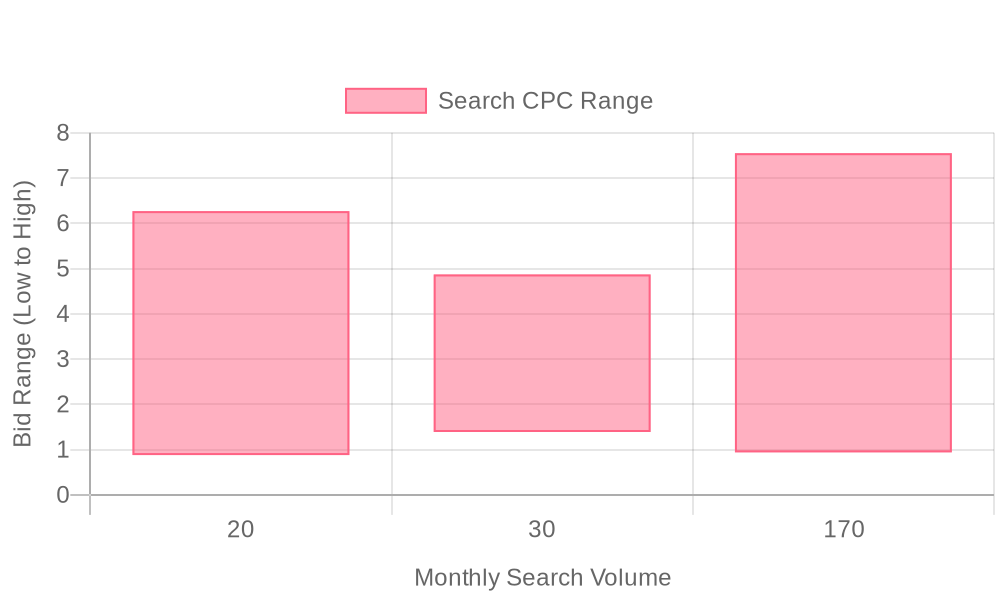
| Industry | Keyword | Monthly Search Volume | Competition Level | Low Bid | High Bid |
| Advertising Buttons | advertising buttons pins | 20 | HIGH | 0.88 | 6.27 |
| Advertising Buttons | advertising buttons badges | 30 | HIGH | 1.39 | 4.87 |
| Advertising Buttons | advertising buttons | 170 | HIGH | 0.94 | 7.55 |
Precision in keyword selection directly impacts the efficiency and ROI of advertising campaigns. B2B marketers see stronger performance by structuring Google Ads strategies around terms with high intent, such as Google Ads compliant button design, effective ad buttons without misleading users, and ad button policy updates and compliance. These keywords attract decision-makers actively seeking compliant, high-converting ad designs, minimizing wasted spend on irrelevant clicks. For additional insights on policy changes, see this resource on Google's ban of misleading button designs.
A robust keyword approach uses advanced technology to filter out non-converting or irrelevant traffic. Leveraging negative keywords, teams maintain focus on queries that correlate with actual buyer intent, so only traffic with a high likelihood of conversion reaches the landing page. When platforms unify CRM, website, and ad data, revenue teams can see which search terms drive genuine engagement and pipeline influence, sharpening keyword lists for future campaigns. Sona's Identity Resolution can help identify high-intent website visitors and strengthen your keyword targeting.
Real-time visitor identification and intent signals let marketers dynamically update negative and positive keyword lists. Strong platforms sync behavioral insights and enriched company profiles with paid media channels, so ads serve only to audiences progressing through the funnel. As button design policies evolve, continuous keyword optimization and compliance monitoring protect campaign investments and deliver sustained results.
Step-by-Step Campaign Execution Framework
Step 1: Build Targeted Keyword Lists
A robust keyword strategy for Google Ads for Advertising Buttons starts with a deep dive into policy and compliance-specific terms. Marketers should prioritize keywords that directly reflect current Google Ads button design guidelines, including "advertising button compliance," "Google Ads button design guidelines," and "interactive ad features." These terms help ensure ads align with evolving regulations, minimizing the risk of disapproval or account suspension.
Local modifiers, such as city or region, can lift campaign relevance for businesses serving distinct markets. Long-tail queries built around specific needs, like "compliant call-to-action buttons for SaaS" or "B2B ad landing page CTA rules," sharpen targeting and cut wasted spend. With real-time insight into visitor intent, marketers can update keyword lists as audience behavior shifts, putting budget behind the highest-potential accounts.
The upgrade most advertising buttons advertisers miss is going beyond raw keyword volume to layer in intent and identity signals. By connecting website-visitor data and CRM records with Sona Marketing Measurement, you can see which specific search terms bring in the accounts and customers that actually convert, and weight your keyword and bidding strategy toward those rather than the terms with the highest search volume alone.
Step 2: Develop Compelling Ad Copy
Ad copy must signal both compliance with Google Ads button policy and a commitment to trustworthiness. Highlighting adherence to updated advertising button compliance standards fosters confidence, statements like "Designed for Google's 2025 CTA compliance" or "Fully aligned with latest ad button policies" assure audiences that your ads are safe and credible. For additional context on the latest policies, review the industry summary of Google's ad button policy update. Strong calls to action with urgency, such as "Secure Your Demo, Compliant, Fast, Trusted," help drive swift engagement while maintaining transparency.
Each ad should be meticulously crafted to ensure alignment with the latest design guidelines. This includes avoiding misleading or oversized buttons and focusing on clarity in both messaging and visuals. By leveraging unified contact and account data, marketers can refine messaging for different segments, tailoring CTAs and value propositions based on precise audience attributes and in-market signals. This granular approach supports higher conversion rates and stronger campaign ROI.
Step 3: Design Effective Landing Pages
Landing pages must create seamless user journeys that mirror the intent and promise of the originating ad. Clear pathways are essential, ensure headlines, copy, and CTAs remain consistent with ad messaging, reducing friction and confusion. Trust signals, such as compliance badges or customer testimonials, reinforce legitimacy and encourage conversion.
Clarity in CTAs is paramount, especially under the new Google Ads button policy. Avoid ambiguous or misleading button designs; use plain, actionable language that matches user expectations. Continuous analysis of contact and account-level journeys lets marketers test landing page variations, optimizing placements and content for each high-value segment. Syncing CRM and ad platforms lets enriched lead profiles flow directly into remarketing and nurture campaigns, closing the loop between ad engagement and sales outcomes.
Tips on Expanding Your Google Ads Presence
Maximizing the impact of your ads begins with integrating high-value educational content alongside product-focused campaigns. This approach attracts informed buyers, establishes brand authority, and nurtures leads beyond the initial click. For actionable strategies, explore our marketing playbooks, and consider how you can drive trust by aligning expertise with your ad experience.
Segmenting your audiences unlocks more efficient upselling and cross-selling opportunities. Leverage real-time audience updates integrated with your CRM to keep campaigns relevant as prospects progress through their journey. Dynamic audience syncing means consistently surfacing the right offers to the most likely converters, which can dramatically increase both campaign ROI and lifetime value.
Building partnerships with complementary industry players expands your reach and enhances your market position. When you collaborate on co-branded campaigns or share audience insights, you gain access to new leads and streamline compliance with the latest Google Ads button policy update. These relationships help ensure your creative assets remain effective and compliant as standards evolve.
With advanced visitor identification tools, marketers can move beyond anonymous traffic to pinpoint companies and decision-makers engaging with their advertising buttons. Real-time intent data enables you to shift campaign budgets toward accounts with high purchase intent, increasing conversion odds and providing actionable insights for optimizing every touchpoint in the buyer journey.
Beyond Google Ads: Winning the AI Answers Advertising Buttons Buyers Now Trust
Paid search captures demand at the moment someone types a query. But a fast-growing share of advertising buttons buyers no longer start at Google at all, they ask ChatGPT, Gemini, or Perplexity before they ever run a search, and Google's own AI Overviews increasingly summarize an answer above the traditional results. If your business isn't referenced in those AI answers, you're invisible at the exact moment buyers build their shortlist.
Sona AI Visibility shows where your business shows up across ChatGPT, Gemini, Perplexity, Google AI Overviews, and 10+ engines, and, much like a keyword report, which prompts actually send you buyers, so you can prioritize the ones that convert. Run the two together and you cover the entire buyer path: get cited where buyers research (AI Visibility), then prove which of that demand turns into booked revenue (Marketing Measurement).
Helpful resources
Conclusion
Button compliance will keep shifting as Google refines its ad design rules, and the advertisers who treat that as a fixed cost of doing business, building compliant creative into the testing process rather than reacting to disapprovals, will keep more of their budget in market. The next edge is visibility beyond the search results page: as buyers increasingly ask AI assistants for vendor shortlists before they ever type a query into Google, showing up in those answers matters as much as winning the auction. Start for free with a platform that unifies your go-to-market data across both fronts.
FAQ
What are the new Google Ads policies regarding buttons in display ads?
Google's updated advertising policies require advertisers to avoid misleading button designs in display ads, such as standalone or oversized buttons, to prevent account penalties.
How can I update my ads to comply with Google's Misleading Ad Design policy?
To comply with Google's Misleading Ad Design policy, use contextually relevant, clearly labeled buttons that naturally fit within the overall ad creative and avoid misleading or oversized button designs.
What are the best practices for using buttons in Google Ads?
Best practices include using contextually relevant buttons that are clearly labeled and integrated naturally within the ad creative, ensuring compliance with Google's policies and enhancing user engagement.
How do interactive buttons affect ad performance on Google Ads?
Interactive buttons can enhance user engagement and conversion rates when used properly, as they provide a tailored, engaging journey from ad click to CRM enrichment.
What are the consequences of using misleading buttons in Google Ads?
Using misleading buttons can lead to account penalties under Google's updated advertising policies, potentially affecting ad performance and compliance status.







