


Metal building contractors sell a considered purchase: a warehouse, agricultural barn, or commercial steel structure that a buyer researches for weeks before ever picking up the phone. Google Ads matters here because it catches that buyer at the exact search that signals they're ready, not months earlier when they're still browsing inspiration photos. Used well, it bridges online and offline marketing, measures ROI down to the signed contract, and complements other channels through remarketing to the accounts already in your pipeline. Understanding how to run it well unlocks real growth in a niche where timing and precision decide who wins the bid.
How to Generate Metal Building Contractor Leads with Google Ads: A Step-by-Step Guide

Metal building contractors operate in a focused, high-value market where every qualified lead can drive significant revenue and long-term business growth. With search intent shifting quickly and competition intensifying, a precise Google Ads strategy for metal building companies delivers measurable results by capturing buyers at the moment their need is most urgent.
This playbook lays out a tactical roadmap for integrating Google Ads for Metal Building Contractors into your wider digital marketing efforts. The approach prioritizes converting anonymous website visits into actionable leads, leveraging advanced audience insights, and optimizing every stage of the paid search funnel. By unifying first-party data and real-time intent, metal building contractors can outmaneuver generic PPC strategies and ensure ad spend is directed at high-potential clients.
Key challenges such as anonymous web traffic and missed conversion opportunities are no longer insurmountable. Modern marketing technology enables identification of previously unknown visitors, allowing these contacts to be nurtured with targeted messaging and added to dynamic audience lists. As leads engage across channels, audience segments update automatically, ensuring every ad dollar follows the most promising prospects without manual intervention.
A data-driven approach to Google Ads gives metal building contractors a decisive advantage in keyword targeting, ad creative relevance, and landing page personalization. By connecting insights from website behavior, sales CRM, and intent signals, marketers can optimize budget allocation and boost conversion rates. Real-time feedback loops between ad platforms, CRM, and analytics tools ensure cost-per-lead and ROI are continuously refined for sustainable growth.
The following sections break down best practices for keyword selection, audience targeting, campaign structure, and cross-channel integration. You will learn practical tactics for aligning creative assets, improving conversion tracking, and closing the loop between marketing and sales teams. Ready to see how these strategies can drive predictable pipeline? Get started for free with Sona.
Why Does Google Ads Matter for Metal Building Contractors?
Metal building contractors face a landscape where timing and precision directly influence project wins and long-term growth. Google Ads empowers these businesses to reach decision-makers at the exact moment they signal need, offering both immediate lead capture and ongoing brand presence. For a deeper look at tailored strategies, explore this overview of SEO and Google Ads for metal building companies.
Unlike broad advertising, Google Ads refines targeting by focusing on the intent behind searches, such as commercial steel building solutions or custom prefab structures. This level of specificity allows contractors to efficiently allocate budgets, focusing resources on high-value prospects and emerging regions where new projects are breaking ground. Learn more about using intent data to boost revenue.
Contractors benefit from the ability to identify and act on real-time buyer signals, ensuring that no valuable lead slips through the cracks due to delayed outreach or generic messaging. By leveraging advanced platforms that integrate intent data and visitor identification, teams can shift budgets dynamically toward accounts showing in-market behavior, maximizing conversion rates and minimizing waste.
Dynamic audience building further enhances campaign outcomes, as lists automatically update when prospects progress through the sales cycle. This ensures that ads remain relevant and timely, reinforcing trust and accelerating the path from initial inquiry to signed contract. When CRM and ad platforms synchronize seamlessly, enriched audiences and leads can be nurtured across both online and offline channels, resulting in more accurate attribution and a clearer understanding of true ROI.
For metal building contractors aiming to dominate their market, Google Ads delivers a measurable, data-driven approach that solves the unique challenges of timing, audience precision, and lead quality. By combining immediate visibility with sophisticated targeting, contractors can turn online advertising into a predictable engine for business growth.
Common Types of Google Ads Campaigns for Metal Building Contractors
- Search Campaigns: Search campaigns remain the primary engine for lead generation among metal building contractors. These campaigns reach buyers actively searching for solutions such as “steel warehouse construction” or “custom metal buildings near me.” By segmenting ad groups by project type, region, or industry, marketers ensure each searcher encounters messaging tailored to their specific needs. Many contractors run Responsive Search Ads, an ad format that tests multiple headlines and descriptions within a single ad group, to find the combinations that pull the most qualified clicks. Integrating real-time intent data allows marketers to prioritize budget for high-value keywords and shift spend as demand fluctuates, consistently maximizing lead quality and pipeline velocity.
- Display Campaigns: Display advertising excels at building brand awareness and nurturing prospects higher in the funnel. Metal building contractors use image-rich banners across relevant industry sites, construction forums, and local business news outlets to keep their services top-of-mind. When visitor identification is enabled, display engagement can be tied back to specific companies or buyer personas, supporting more precise follow-up and remarketing. For in-depth strategies on PPC for metal building companies, explore this PPC tactics for metal building companies resource.
- Video Campaigns: Video content performs exceptionally well for demonstrating construction expertise and showcasing completed projects. Contractors leverage YouTube pre-roll and in-stream ads to reach business owners and developers researching metal building options. These campaigns benefit from advanced conversion tracking, capturing not just online form fills but also offline inquiries and showroom visits. With unified attribution, teams can see which video creatives and placements drive real business outcomes, optimizing future content for higher engagement and conversion rates.
- Remarketing Campaigns: Remarketing is essential for re-engaging decision-makers who research metal buildings over extended buying cycles. Contractors use remarketing lists to serve tailored ads to recent website visitors or those who engaged with project galleries but did not inquire. By syncing CRM and ad platforms, marketers can automatically update audience segments as leads progress from initial research to RFQ submission, ensuring messaging always matches the buyer’s stage. This tight alignment reduces wasted impressions and boosts win rates by focusing efforts on accounts still in-market.
- Performance Max Campaigns: Performance Max lets contractors bid across Search, Display, YouTube, and Gmail from a single campaign, guided by conversion goals rather than manual channel-by-channel management. For metal building contractors, this is useful for capturing the long, multi-touch research cycle a commercial buyer or landowner goes through before requesting a quote, letting Google's bidding shift spend toward whichever surface is producing qualified leads that week. Feeding it with first-party intent and conversion data keeps it optimizing toward real pipeline instead of just cheap form fills.
A mix of these campaign types provides comprehensive coverage across the contractor sales cycle. When enriched with unified visitor data and intent signals, each format can be dynamically optimized, ensuring that every ad dollar targets the right segment at precisely the right moment.
Where to Find Growth Opportunities for Metal Building Contractors

Identifying untapped growth areas requires a focused approach built on industry-specific data and accurate intent signals. Metal building contractors who leverage vertical keyword targeting and deep competitor analysis can unlock new segments, maximize ad efficiency, and consistently reach buyers at key decision points. For a comprehensive overview of how SEO and Google Ads drive leads in this space, see SEO and Google Ads strategies for metal building companies.
Vertical keyword targeting enables teams to go beyond generic search terms by uncovering high-value phrases unique to the metal building industry. Phrases like “pre-engineered steel warehouse builders” or “custom metal barn contractors near me” attract buyers with well-defined needs and stronger purchase intent. This targeted strategy not only increases lead quality but also reduces wasted spend on irrelevant clicks. By layering these keywords with geo-targeting, campaigns reach prospects in markets most likely to convert, such as expanding commercial zones or fast-growing rural regions. Discover actionable approaches for building signal-based audiences that auto-sync with your ad platforms, helping you reach the right buyers at the perfect moment.
Competitor analysis sharpens campaign strategy by revealing which keywords, ad placements, and messaging drive results for others in the construction space. Reviewing competitor ad copy and landing pages highlights gaps or underserved niches, such as specialized agricultural buildings or industrial retrofits. Leveraging technology that identifies which companies are visiting your website, marketing teams can move from guesswork to precision, tracking which organizations are actively researching metal building solutions and what content engages them most.
Content retargeting further amplifies opportunity by re-engaging high-intent visitors who previously interacted with quotes, case studies, or design tools. Modern solutions now enable marketers to pinpoint not only anonymous traffic, but also the companies and buyer roles behind each website visit. With access to real-time account-level data, teams can dynamically update audience segments and shift budget toward accounts showing the strongest signals, ensuring follow-ups target buyers ready to move forward.
When enriched audience data syncs across paid media, CRM, and sales outreach, campaign efforts align with the actual pipeline. This unified approach means every touchpoint, from ad impression to sales call, is informed by genuine buyer intent, increasing close rates and accelerating revenue growth. Contractors who build this system outpace competitors still relying on traditional prospecting methods.
How to Apply Audience Segmentation for Metal Building Contractors

Modern metal building contractors operate in a crowded market where personalized messaging and precise targeting are critical for securing qualified leads. Audience segmentation elevates campaign effectiveness by mapping the customer journey and delivering highly relevant experiences that speak directly to each prospect's stage and intent. For a deeper look at how segmentation drives lead generation in this sector, review this overview of SEO and Google Ads strategies for metal building companies.
Strategically segmenting audiences begins with a clear understanding of buyer personas, project needs, and decision timelines. Contractors who rely on generic campaigns risk low engagement and wasted budget; instead, segmenting by project type, business size, and geographic region ensures messaging resonates with the right stakeholders. For actionable ideas on optimizing B2B campaigns, explore our playbook for amplifying cold outreach with website visitor intelligence.
Overlaying intent signals further sharpens audience definitions. Real-time behavioral data, such as website visits to specific service pages or engagement with pricing calculators, reveals where prospects are in the buying cycle. Integrating these intent signals allows marketers to shift budget toward in-market accounts showing high purchase intent, improving both conversion rates and spend efficiency. With dynamic audience management, lists automatically adjust as leads move from research to consideration and decision phases, ensuring timely delivery of relevant ads and nurturing sequences.
Linked data enrichment plays a key role in audience segmentation for contractors. Sona's Identity Resolution identifies visiting organizations and matches them to CRM profiles, moving marketers from anonymous web traffic to actionable lead insight. This enables direct sync of enriched audiences into Google Ads, where campaigns can target high-value accounts with personalized offers. The result is a seamless alignment between advertising and sales, with every touchpoint tracked to measure true ROI, both online and offline.
For metal building contractors, segmenting audiences is not just about dividing lists but about orchestrating coordinated outreach that matches each prospect’s needs and readiness to buy. The outcome is higher engagement, increased lead quality, and a measurable impact on revenue growth. For additional best practices on segmentation and targeting, visit our resource hub for marketing and analytics insights.
This is also where measurement changes the economics. With Sona Marketing Measurement you can identify the companies behind your ad clicks, not just anonymous sessions, and segment audiences by which accounts actually become customers. That lets you build bid adjustments and audience signals around the segments that convert and de-prioritize the ones that don't, so you feed Google's algorithms "this click became a paying metal building contractors customer" instead of just "someone filled out a form."
Keyword Strategy & Sample Target Terms
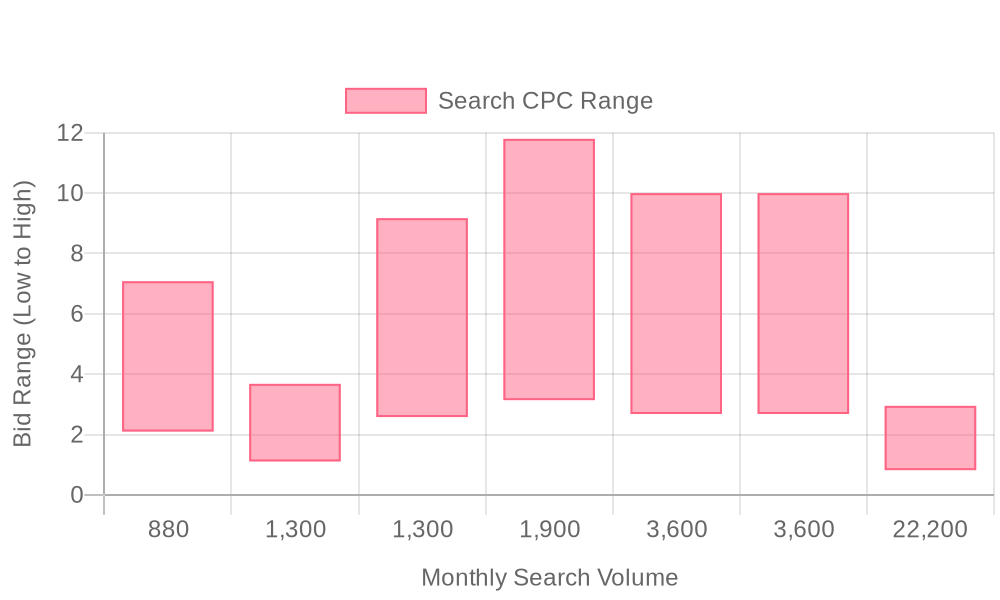
| Industry | Keyword | Monthly Search Volume | Competition Level | Low Bid | High Bid |
| Metal Building Contractors | metal building builders near me | 880 | MEDIUM | 2.1 | 7.08 |
| Metal Building Contractors | barndominium contractors near me | 1300 | MEDIUM | 1.11 | 3.68 |
| Metal Building Contractors | metal building companies near me | 1300 | MEDIUM | 2.58 | 9.17 |
| Metal Building Contractors | metal building contractors | 1900 | LOW | 3.14 | 11.8 |
| Metal Building Contractors | metal building contractors near me | 3600 | MEDIUM | 2.68 | 10 |
| Metal Building Contractors | steel building contractors near me | 3600 | MEDIUM | 2.68 | 10 |
| Metal Building Contractors | barndominium builders near me | 22200 | MEDIUM | 0.82 | 2.95 |
Maximizing ROI in digital marketing for metal building contractors starts with precise keyword selection. Prioritizing high-intent, industry-specific keywords ensures campaigns engage prospects who are actively seeking metal structures and installation services, leading to more qualified leads and shorter sales cycles.
A comprehensive keyword strategy means going beyond generic terms and tapping into transactional phrases that capture buyers at every stage. Top-performing campaigns focus on keywords such as “custom metal building contractors,” “steel warehouse builders near me,” and “pre-engineered metal building quotes.” Including variations by building type, like “agricultural metal barns” or “commercial steel garages”, broadens reach to cover the full spectrum of buyer needs. Localized terms such as “metal building contractors in Houston” improve relevance and drive higher conversion rates by matching regional demand with service capabilities. For further inspiration on effective terms, review this list of effective keywords contractors can use.
Robust keyword segmentation is vital for both budget control and message alignment. Campaigns built around buyer stages, awareness, consideration, and decision, allow for tailored messaging that addresses distinct questions and pain points. For example, awareness campaigns might target “metal building cost calculator” to educate early-stage buyers, while decision-stage campaigns use “best metal building contractor reviews” to convert ready-to-buy prospects. Negative keywords like “DIY kits” or “free plans” filter out low-value clicks, further optimizing spend. Explore more segmentation tactics in our playbook for buying stage segmentation.
Integrating real-time data from Sona's Identity Resolution lets marketers dynamically refine keyword lists, so ad spend targets only high-intent accounts. When enriched audiences move through the funnel or new decision-makers are identified, those shifts can trigger updates to ad groups and keyword priorities without manual intervention. This adaptive approach prevents wasted spend and keeps messaging aligned with the latest buyer signals, unifying both online and offline activity for a more complete view of campaign performance.
Running campaigns across multiple geographies requires granular keyword groupings by region or metro area. This structure supports localized offers and messaging, maximizing relevance and improving Google Ads performance for metal building contractors. When CRM and ad platforms sync, marketers can rapidly deploy new keywords or pause underperforming terms based on real-time sales feedback, streamlining lead generation and improving attribution accuracy.
Step-by-Step Campaign Execution Framework
Step 1: Build Targeted Keyword Lists
A robust keyword list serves as the foundation for effective Google Ads for Metal Building Contractors. Begin by clustering keywords around your core service types, such as "metal warehouse construction," "custom steel building installation," or "pre-engineered metal garages." Localize these keywords to your primary geographies to ensure ads reach buyers with relevant intent, for example, "Houston metal building contractors" or "steel buildings Dallas TX." By segmenting keywords to match both service focus and market location, contractors maximize relevance and minimize wasted spend on generic or out-of-area searches.
With advanced data intelligence, marketers can further refine these lists by analyzing real-time search behavior and uncovering new high-performing keyword variations. Sona's Intent Signals track in-market buyer behavior so budget can be reallocated in real time toward clusters showing the highest conversion potential. This reduces guesswork and keeps PPC spend tightly aligned to actual demand from target accounts, whether that's a general contractor sourcing a subcontractor or a landowner pricing out a first build.
The upgrade most metal building contractors advertisers miss is going beyond raw keyword volume to layer in intent and identity signals. By connecting website-visitor data and CRM records with Sona Marketing Measurement, you can see which specific search terms bring in the accounts and customers that actually convert, and weight your keyword and bidding strategy toward those rather than the terms with the highest search volume alone.
Step 2: Develop Compelling Ad Copy
Effective ad copy for metal building contractors must speak directly to the pain points and goals of decision-makers. Highlight benefits like energy efficiency, durability, or rapid installation, key differentiators that matter in construction marketing. Use trust-building markers such as "BBB Accredited," "Certified Installers," or "250+ Successful Projects." Calls to action should be direct, for example, "Request Your Free Estimate" or "View Local Project Portfolio." By aligning messaging with both service expertise and proof of quality, ads become magnets for qualified prospects.
Performance-focused teams harness audience insights to dynamically adapt ad messaging for different buyer segments, such as commercial property developers or agricultural clients. When real-time engagement data signals a shift in audience priorities, like a surge in warehouse projects, copy can quickly pivot to spotlight relevant offerings and drive up conversion rates. For additional guidance on writing impactful ad copy and optimizing Google Ads, explore this step-by-step guide for construction companies.
Step 3: Design Effective Landing Pages
Landing pages are the conversion engine for metal building contractor advertising. Each page should reflect the specific keyword and ad intent, providing a seamless path from click to inquiry. Feature clear service descriptions, project photos organized by building type, and a short form that asks for the details an estimator actually needs, square footage, intended use, site location, rather than a generic contact box. Because permitting and local building codes vary by state and county, pages that acknowledge those requirements up front build more trust than boilerplate copy. Social proof, such as testimonials or industry awards, reinforces credibility and moves leads further down the funnel.
For metal building leads, integrating visitor identification technology enables teams to connect anonymous web traffic to known companies and buying groups. When a high-value prospect lands on a page, enriched firmographic data can trigger custom content or instant follow-up, increasing the likelihood of qualified conversions. To see how top metal building companies use landing page design for conversions, review this showcase of effective metal building websites.
Step 4: Implement Data-Driven Optimizations
Ongoing optimization is essential for maximizing Google Ads performance and ROI. Track every conversion, form fills, calls, or offline contract signings, using advanced attribution to measure true impact. Adjust bids to focus spend on the channels, keywords, and audiences driving the most valuable metal building leads. Regularly analyze funnel data to spot drop-offs and improve the user journey from ad to sale.
Seamless CRM integration ensures that enriched audience data and converted leads feed directly into platforms like HubSpot or Salesforce. As new information is captured, audience segments update automatically, keeping retargeting and lookalike campaigns highly relevant throughout the buying cycle. This continuous feedback loop powers smarter Google Ads strategies, aligning every touchpoint with real revenue impact and supporting end-to-end lead generation for contractors. Ready to take the next step? Get started for free with Sona.
Sona Marketing Measurement closes the gap between clicks and revenue. It captures every ad click with first-party measurement, ties that click through UTM capture and ad-platform APIs to the actual record in your CRM, and reports ROAS by keyword and campaign instead of by last-click form fill. Feeding that revenue signal back into Smart Bidding and Performance Max compounds over time: the algorithms optimize toward booked metal building contractors revenue, not cheap leads.
Tips on Expanding Your Metal Building Contractor Presence
Metal building contractors can accelerate growth by strategically broadening their digital footprint and refining their marketing mix to reach high-value prospects. Expanding presence requires a rigorous approach to content, partnerships, and campaign optimization tailored to the unique buying cycles and technical requirements of the metal construction industry. For a comprehensive overview of effective SEO and Google Ads strategies designed for this sector, explore this metal buildings SEO and Google Ads guide. You can also discover additional marketing best practices in our resource hub.
Cross-promoting educational resources such as installation guides, design checklists, or ROI calculators across multiple digital channels positions contractors as trusted advisors. Repurposing these assets into webinars, downloadable whitepapers, or interactive tools amplifies reach and attracts decision-makers searching for credible information. When these resources are promoted through paid search, real-time audience insights allow revenue teams to pinpoint which company types and buyer roles are engaging most, enabling precise follow-up and budget allocation.
Upselling related services, such as site preparation, foundation work, and permit consulting, creates additional value for existing clients and opens doors to larger, multi-phase projects. By analyzing behavioral signals within CRM and ad platforms, contractors can dynamically update audiences and trigger relevant offers at the optimal stage of the buying journey. This data-driven approach ensures that campaigns are always aligned with evolving prospect needs, driving higher conversion rates and increasing average deal size.
Partnering with industry associations and supplier networks not only builds credibility but also unlocks access to exclusive co-marketing opportunities and referral programs. When contractors use visitor identification tools to uncover which companies are interacting with partner content and ads, they can coordinate more personalized outreach and measure the true impact of joint campaigns. For actionable playbooks on optimizing demand generation through partnerships, browse our collection of playbooks.
Localizing campaigns by region is essential for a sector where project logistics and building codes vary dramatically. Tailoring ad copy, landing pages, and offers to specific geographies increases relevance and reduces wasted spend. Advanced campaign orchestration platforms can sync CRM data with local market insights, ensuring that only qualified audiences receive localized messaging, and that sales teams receive enriched lead profiles for targeted follow-up.
Finally, mining search query data reveals emerging topics and unmet needs, guiding the creation of new content and service offerings. By closing the loop between search trends, on-site engagement, and offline sales outcomes, contractors continuously refresh their digital strategy to stay ahead of market shifts. This integrated approach turns anonymous traffic into actionable opportunity, supporting sustainable growth and stronger market positioning for metal building specialists.
Beyond Google Ads: Winning the AI Answers Metal Building Contractors Buyers Now Trust
Paid search captures demand at the moment someone types a query. But a fast-growing share of metal building contractors buyers no longer start at Google at all, they ask ChatGPT, Gemini, or Perplexity before they ever run a search, and Google's own AI Overviews increasingly summarize an answer above the traditional results. If your business isn't referenced in those AI answers, you're invisible at the exact moment buyers build their shortlist.
Sona AI Visibility shows where your business shows up across ChatGPT, Gemini, Perplexity, Google AI Overviews, and 10+ engines, and, much like a keyword report, which prompts actually send you buyers, so you can prioritize the ones that convert. Run the two together and you cover the entire buyer path: get cited where buyers research (AI Visibility), then prove which of that demand turns into booked revenue (Marketing Measurement).
Helpful resources
Conclusion
The contractors who win the next few years of this market won't just run better keyword lists, they'll be the ones whose measurement stack tells Google's algorithms which clicks turned into signed contracts, and whose brand shows up when a buyer asks an AI assistant to recommend a builder before a single search is ever typed.
If you're ready to see these strategies come to life, start for free to experience our platform's capabilities today.
FAQ
What are the best Google Ads strategies for metal building contractors?
The best strategies involve integrating Google Ads with other digital marketing efforts, focusing on precise keyword targeting, audience segmentation, and leveraging intent data to capture high-intent prospects at the moment of need.
How can metal building contractors improve their Google Ads performance?
Contractors can improve performance by using a data-driven approach to optimize keyword selection, ad creative relevance, and landing page personalization, ensuring ad spend is directed at high-potential clients.
What type of Google Ads campaign is most effective for construction businesses?
Search campaigns are most effective for lead generation, while display and video campaigns help with brand awareness and showcasing expertise. Remarketing campaigns are essential for re-engaging decision-makers over extended buying cycles.
What budget should metal building contractors allocate for Google Ads?
The budget should be allocated based on targeting high-value keywords and shifting spend as demand fluctuates, focusing resources on high-value prospects and emerging regions.
How do I target local customers using Google Ads for my metal building business?
Local targeting can be achieved by using localized keywords, tailoring ad copy and landing pages to specific regions, and ensuring that campaigns align with local market insights and building codes.







