

Manufactured home supplies buyers, park operators sourcing skirting and siding, contractors restocking HVAC parts, retail customers comparing insulation kits, often research for days before any sales rep hears from them. Most of that research never shows up in a CRM, so real buying signals get lost. Google Ads lets suppliers reach these prospects at the moment they're searching for specific parts or materials, and pairing that spend with Sona's Identity Resolution helps surface the companies behind anonymous site visits, turning quiet browsing into a pipeline sales can act on.
How to Generate Google Ads for Manufactured Home Supplies

Modern revenue teams in the manufactured home supplies industry need targeted, measurable methods to connect with high-intent buyers. Digital advertising delivers immediate visibility and precise reach, but only when strategy aligns tightly with real purchasing signals.
Effective Google Ads for manufactured home supplies start with rigorous keyword and audience research. Using intent-focused terms such as “manufactured home skirting kits” or “mobile home HVAC replacements,” marketers can attract prospects actively seeking solutions. Filtering out generic or unrelated keywords ensures spend goes toward prospects already displaying purchase intent, rather than cold traffic that rarely converts. For step-by-step guidance on campaign setup, this video tutorial on Google Ads is a valuable resource.
Landing pages win or lose the campaign. A skirting kit buyer or a contractor sourcing HVAC parts wants pricing, availability, and a way to request a quote without hunting for it, so clear calls to action and mobile-friendly layouts matter more than polish. Every extra second before a form submits is a chance for the visitor to leave for a competitor's site. Connecting landing page data with Sona's Identity Resolution lets teams see exactly which companies are engaging, so follow-up starts with context instead of a cold call.
Ad copy has to match buyer intent, not just describe the product. A park manager searching for bulk skirting pricing wants different language than a homeowner replacing a single door, and copy should lead with availability, warranty, and delivery speed, the things that separate suppliers in this category. Generic ad text wastes spend and erodes trust. As leads interact with ads and landing pages, Sona surfaces intent signals that help shift budget toward the accounts showing the strongest in-market activity, so every dollar chases real demand.
CRM enrichment sharpens targeting for home supplies specifically because buying cycles vary so widely, a contractor restocking parts year-round looks nothing like a homeowner replacing skirting once after storm damage. Syncing buying stage data into ad platforms lets revenue teams put spend behind accounts trending toward a purchase, community operators planning a seasonal upgrade, retailers rebuilding after weather damage, rather than accounts still just browsing. Dynamic audience updates keep targeting current as leads move through the funnel, and tying online activity to offline sales closes the loop on which campaigns actually produced revenue.
Why Does Google Ads Matter for Manufactured Home Supplies

Modern B2B buyers for manufactured home supplies move quickly, evaluating vendors and products based on digital touchpoints and real-time information. Precision in advertising is essential: reaching facilities managers, purchasing coordinators, and community operators at the moment of need drives high-quality leads and accelerates sales cycles.
Google Ads enables manufacturers and suppliers to target these key decision-makers with tailored messaging, ensuring relevance at every stage of their buying journey. Traditional website analytics often lack account-level detail, making it difficult to identify which companies are showing purchase intent or to segment audiences with accuracy. By leveraging Google Ads’ advanced targeting, businesses overcome these limitations, focusing budget on the most valuable prospects rather than wasting spend on broad, anonymous traffic.
Real-time intent data captured through search and display campaigns allows marketing teams to prioritize in-market accounts. Rather than relying on static, outdated audience lists, dynamic audience syncing ensures that ad spend aligns with the highest-converting segments as leads move through the funnel. Integrations with platforms that identify website visitors and sync enriched profiles directly into Google Ads campaigns further enhance precision, leading to more measurable and attributable results.
Aligning ad strategy with real-time buyer signals and account-level data improves conversion rates and cuts wasted spend, which makes Google Ads a critical lever in any manufactured home supplies marketing plan. This works for both online and offline attribution, tying every campaign dollar to actual revenue outcomes. Get started for free with Sona and see how integrated data sharpens campaign performance.
Common Types of Google Ads Campaigns for Manufactured Home Supplies

- Search Campaigns: Search campaigns allow B2B marketers to capture high-intent searches from potential buyers actively seeking manufactured home supplies and related products. By analyzing historical search behaviors and integrating real-time visitor identification, marketers can pinpoint which companies and individuals are demonstrating genuine purchasing signals. For more guidance on campaign setup and optimization, watch this step-by-step Google Ads tutorial.
- Display Ads: Display ads ensure a persistent presence across digital environments where industry professionals research or source manufactured home supplies. Strategically placed banners and creatives increase brand recall while advanced audience segmentation helps maintain relevance. Sona’s unified data approach enhances display ad targeting by syncing CRM and enriched company profiles, so display budgets are directed at accounts that have previously interacted or shown specific interest in manufactured home products.
- Video Ads: Video campaigns provide a dynamic way to showcase products, installation processes, or unique value propositions. With short-form explainer videos or in-depth product demonstrations, suppliers build recognition and trust among purchasing managers and specifiers. Using intent data, marketers can serve video content only to audiences that match in-market signals, maximizing engagement and ensuring media spend is focused on buyers most likely to take action.
- Remarketing: Remarketing is critical for re-engaging visitors who previously browsed your site, requested information, or interacted with key product pages. By leveraging dynamic audience lists that update as leads progress through the funnel, marketers can deliver timely, personalized ads to prospects showing renewed buying intent. Sona’s data orchestration ensures that remarketing audiences remain up-to-date, with seamless syncs between CRM systems and Google Ads, supporting effective retargeting strategies for manufactured home supplies.
Where to Find Growth Opportunities

Precise growth in the manufactured home supplies market hinges on identifying untapped, high-intent audience segments. Leveraging specialized keyword targeting and advanced segmentation, revenue teams can reach buyers searching for unique components and accessories, ensuring campaigns resonate with actual purchase intent.
- Vertical keyword targeting: Segmenting by product type, such as skirting, HVAC systems, or insulation, allows advertisers to bypass broad intent and focus on niche needs. Google Ads for Manufactured Home Supplies with vertical keyword targeting surfaces prospects actively researching upgrades or repairs, increasing lead quality and relevance. Integrating real-time visitor identification, marketers can move beyond generic traffic and pinpoint specific companies or individuals demonstrating purchase signals.
- Competitor analysis for market gaps: Systematically monitor which keywords and placements competitors target. By analyzing ad copy, landing pages, and keyword strategies, teams can identify underserved segments or bidding inefficiencies, then shift budget to campaigns with lower competition and higher conversion potential. Data from unified go-to-market platforms enables smarter, faster decisions on which opportunities are genuine gaps versus noise. For practical frameworks, see our collection of playbooks.
- Targeting industry-specific forums and placements: Decision-makers in the manufactured home supply chain often frequent specialized forums, trade journals, and community sites. Placing Google Ads on these platforms ensures visibility among buyers and influencers not always captured by standard search campaigns. Dynamic audience syncing, fueled by CRM and website engagement data, helps refresh who sees these ads as leads progress through the funnel.
- Content retargeting strategies: Educational assets, such as product guides or maintenance tips, attract prospects at the research stage. Retargeting visitors who engage with these resources keeps your brand top-of-mind as they move closer to purchase. Precision retargeting, powered by advanced audience segmentation and behavioral tracking, ensures outreach remains relevant and contextual, reducing wasted spend and increasing conversion rates.
Combined, these approaches let marketers systematically expand reach, capture overlooked demand, and drive measurable growth in the manufactured home supplies sector. Unifying campaign, CRM, and behavioral data makes each opportunity actionable and attributable, supporting both acquisition and long-term customer value. For a deeper dive into effective retargeting, explore retargeting strategies tailored for B2B environments.
How to Apply Audience Segmentation for Manufactured Home Supplies

Manufactured home supplies marketers achieve stronger campaign performance by organizing audiences with precision. Segmenting prospects by purchase intent, company size, and buying cycle stage surfaces actionable insights, resulting in tailored messaging that matches the needs of each group. Learn how real-time audience segmentation can empower your marketing strategy for targeted outreach.
- Define clear audience segments: Start by clearly distinguishing between retail buyers, bulk purchasers, and commercial contractors. Use historical purchase data, form submissions, and website interactions to create focused groups. For example, segmenting by order size or product interest allows for unique offers and creative tailored to the buying context. Explore more strategies in our playbook on buying stage segmentation.
- Leverage intent signals: Integrate real-time behavioral data such as page views, search queries, and engagement depth. This approach reveals which accounts are researching specific manufactured home products, enabling marketers to deliver highly relevant ads. When audience segments update dynamically, budget automatically shifts toward in-market buyers, ensuring resources follow intent without manual intervention. Sona surfaces intent signals that identify and prioritize high-value prospects.
- Adjust creatives and budgets dynamically: Deploy responsive ad creatives and flexible bidding strategies to reflect shifting buyer signals. As leads progress from research to decision, creative assets and offers can be automatically updated to match the current stage, improving relevance and conversion rates. Seamless syncing between CRM, Google Ads, and other platforms ensures enriched audiences and lead data stay current, powering cross-channel targeting and attribution. For hands-on guidance, watch this step-by-step Google Ads tutorial.
Unifying granular audience segmentation with live behavioral and intent data maximizes the impact of every dollar spent on Google Ads for manufactured home supplies. Accurate targeting and real-time updates drive measurable results, lower acquisition costs, and boost qualified lead volume. For further optimization, see this campaign setup guide specific to the home supplies sector.
This is also where measurement changes the economics. With Sona Marketing Measurement you can identify the companies behind your ad clicks, not just anonymous sessions, and segment audiences by which accounts actually become customers. That lets you build bid adjustments and audience signals around the segments that convert and de-prioritize the ones that don't, so you feed Google's algorithms "this click became a paying manufactured home supplies customer" instead of just "someone filled out a form."
Keyword Strategy & Sample Target Terms
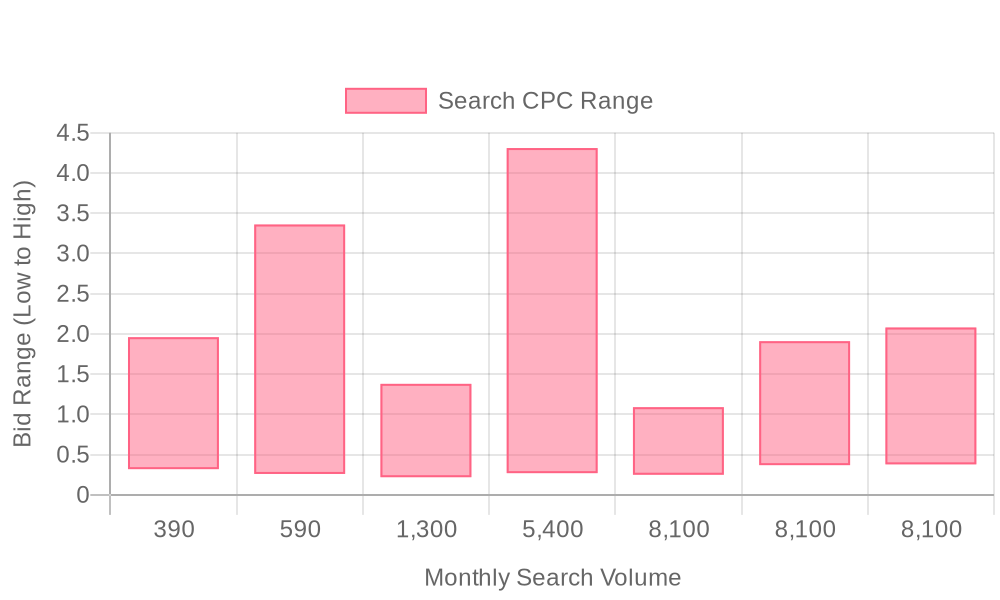
| Industry | Keyword | Monthly Search Volume | Competition Level | Low Bid | High Bid |
| Manufactured Home Supplies | manufactured home supplies | 390 | MEDIUM | 0.32 | 1.96 |
| Manufactured Home Supplies | mobile home plumbing parts | 590 | HIGH | 0.26 | 3.36 |
| Manufactured Home Supplies | mobile home parts and supplies near me | 1300 | HIGH | 0.22 | 1.38 |
| Manufactured Home Supplies | mobile home supply store | 5400 | LOW | 0.27 | 4.31 |
| Manufactured Home Supplies | mobile home supplies | 8100 | HIGH | 0.25 | 1.09 |
| Manufactured Home Supplies | mobile home parts near me | 8100 | MEDIUM | 0.37 | 1.91 |
| Manufactured Home Supplies | mobile home supplies near me | 8100 | MEDIUM | 0.38 | 2.08 |
A robust keyword strategy is the foundation of effective Google Ads for manufactured home supplies. Targeting high-volume, high-intent keywords ensures that every dollar spent reaches buyers actively researching or comparing home supplies, resulting in higher-quality leads and measurable engagement. By focusing on intent-driven terms, campaigns consistently connect with prospects who are closer to making purchasing decisions, driving efficient conversions and supporting revenue growth.
To maximize campaign precision, integrate local modifiers and long-tail searches. Phrases like “manufactured home supplies near me” or “bulk mobile home skirting kits in Texas” speak directly to niche needs and buyer contexts. This approach not only filters out irrelevant traffic but also increases relevance, leading to a higher click-through rate and improved ad performance. For best practices on optimizing ad spend with long-tail keywords, review this guide to Google Ads for home improvement stores.
Negative keywords play a critical role in filtering out unrelated queries, ensuring ads display only when relevant. By regularly updating negative keyword lists, marketers can eliminate budget drains from non-converting searches, maintaining tight campaign focus. Additionally, leveraging real-time search insights from unified data platforms helps identify which terms drive true engagement, allowing teams to continuously refine lists and prioritize the highest-performing keywords.
Integrating data-driven insights, such as those available through advanced go-to-market platforms, enables marketers to pinpoint which keywords generate measurable outcomes. For example, matching CRM and intent data to search performance helps justify ad spend by revealing the exact keywords that lead to qualified pipeline and revenue. With enriched audience data synced into Google Ads, teams can dynamically update keyword targeting as leads progress through the funnel, ensuring sustained efficiency and relevance throughout the buyer journey.
When building your keyword lists for Google Ads for manufactured home supplies, consider these high-impact examples:
- “manufactured home supplies wholesale”
- “mobile home parts online”
- “energy efficient windows for manufactured homes”
- “buy manufactured home skirting”
- “replacement doors for mobile homes”
- “manufactured home plumbing supplies”
- “local manufactured home supply store”
- “mobile home HVAC solutions”
- “discount manufactured home materials”
- “best manufactured home supply deals”
Combining high-intent, location-specific, and product-focused terms with disciplined negative keyword management creates a strong baseline for profitable Google Ads campaigns in this industry. This approach keeps ad budget allocated to the audiences most likely to convert, supporting both short-term lead generation and long-term growth in the manufactured home supplies market.
Step-by-Step Campaign Execution Framework
An effective Google Ads plan for manufactured home supplies begins with a structured, data-driven framework. This approach ensures every stage, from keyword research to campaign optimization, directly supports business goals and revenue targets. For more actionable tips on marketing analytics and campaign planning, explore our blog on B2B marketing reports.
Unifying real-time marketing and sales data empowers teams to make smarter budget allocations, prioritize high-value leads, and increase the efficiency of online advertising for manufactured home supplies. Leveraging intent signals, enriched CRM data, and seamless ad platform integrations, revenue teams can continuously refine campaigns to maximize return on investment. To learn how Google Ads can help manage and optimize your campaigns, visit the Google Ads homepage.
Step 1: Build Targeted Keyword Lists
Start with a focused keyword strategy that prioritizes both localized and service-specific search terms. Use long-tail keywords, such as “modular home skirting supplies near me” or “energy-efficient manufactured home doors,” to capture buyers with high purchase intent. Incorporate negative keywords to filter out irrelevant traffic, ensuring every click is a potential customer.
Dynamic keyword lists are essential: as market demand and audience behaviors shift, updating these lists ensures your campaigns remain relevant and cost-effective. Integrating visitor identification technology, teams can see exactly which companies and decision-makers are searching, allowing for more precise targeting and ongoing keyword refinement. These insights enable marketers to move beyond guesswork, focusing budget on the terms driving true engagement and conversions. For additional keyword planning strategies, see our comprehensive guide to market sizing.
The upgrade most manufactured home supplies advertisers miss is going beyond raw keyword volume to layer in intent and identity signals. By connecting website-visitor data and CRM records with Sona Marketing Measurement, you can see which specific search terms bring in the accounts and customers that actually convert, and weight your keyword and bidding strategy toward those rather than the terms with the highest search volume alone.
Step 2: Craft Compelling Ad Copy
Ad copy should directly address the unique selling propositions of your manufactured home supplies, highlighting inventory quality, pricing advantages, or exclusive offers. Use clear, action-oriented language that resolves common pain points, such as ensuring prompt delivery or superior durability.
With access to real-time audience insights, marketers can tailor ad messaging to the current needs of in-market prospects. This approach minimizes wasted impressions and boosts click-through rates by ensuring every ad is timely and relevant. Messaging evolves as leads move through the funnel, reflecting their changing priorities and driving higher engagement rates.
Step 3: Create High-Converting Landing Pages
Align each landing page with its corresponding ad group to maximize message consistency and lead quality. Pages should feature prominent calls to action, streamlined forms, and compelling proof points, such as testimonials or product photos, to drive conversions from Google Ads traffic.
By tracking visitor behavior and engagement on landing pages, teams can identify friction points and rapidly test new layouts or offers. Advanced conversion tracking capabilities allow for seamless attribution of both online and offline actions, making it easy to measure the true impact of each campaign on sales pipeline growth. Syncing enriched lead data directly into your CRM ensures no valuable prospect is lost, empowering faster follow-up and higher close rates.
Step 4: Optimize Campaigns Continuously
Continuous optimization is critical to sustaining performance in PPC for manufactured home supplies. Leverage unified reporting dashboards and automated alerts to monitor spend, conversion rates, and cost per acquisition in real time. Regular analysis of keyword performance, audience segments, and creative variations supports data-driven adjustments.
With dynamic audience management, as leads progress from awareness to consideration, ad targeting and creative updates automatically to reflect their stage in the buying journey. Unifying CRM, ad, and sales data eliminates manual errors and ensures every marketing dollar is traceable to revenue outcomes. This ongoing feedback loop allows revenue teams to scale what works, pivot quickly when needed, and maintain a competitive advantage in digital marketing for manufactured homes.
Sona Marketing Measurement closes the gap between clicks and revenue. It captures every ad click with first-party measurement, ties that click through UTM capture and ad-platform APIs to the actual record in your CRM, and reports ROAS by keyword and campaign instead of by last-click form fill. Feeding that revenue signal back into Smart Bidding and Performance Max compounds over time: the algorithms optimize toward booked manufactured home supplies revenue, not cheap leads.
Tips on Expanding Your Manufactured Home Supplies Presence
Expanding your manufactured home supplies presence requires precise and coordinated action across digital channels. Effective strategies today rely on unified data, dynamic targeting, and ongoing optimization to reach buyers with relevant offers at the ideal moment.
- Cross-promote content with automated audience syncs: Amplify engagement by cross-promoting high-value content across platforms. Automated audience syncs ensure that new and re-engaged leads are quickly added to your Google Ads targeting, keeping your campaigns fresh and maximizing exposure to in-market accounts. For teams leveraging advanced platforms, features like Sona’s Destinations ensure your latest audience insights are always reflected in live campaigns, which drives both efficiency and higher lead quality.
- Upsell with CRM-driven insights: Use your CRM data to identify cross-sell or upsell opportunities among existing customers. By syncing enriched lead profiles directly into Google Ads, marketers can serve tailored ads for complementary manufactured home products and services, increasing average order value and nurturing long-term client relationships. Integrated CRM and ad sync reduces manual work and ensures ongoing alignment between sales and marketing.
- Geographic targeting for high-growth markets: Direct your spend to regions where demand for manufactured home supplies is accelerating. Granular audience segmentation, supported by advanced data unification, allows you to build hyper-targeted ad groups for specific zip codes, cities, or regional clusters. This approach optimizes budget allocation and increases conversion rates by aligning messaging with local market needs.
- Iterate keywords and audience strategies using predictive analytics: Regularly refine your keyword lists and audience segments with insights pulled from predictive analytics. Real-time data on visitor intent and engagement reveals which search terms and demographic profiles are driving high-value leads, empowering ongoing adjustments to your Google Ads strategy.
Integrating these tactics keeps your manufactured home supplies marketing agile, data-driven, and ready to capture emerging opportunities as buyer behavior evolves.
Beyond Google Ads: Winning the AI Answers Manufactured Home Supplies Buyers Now Trust
Paid search captures demand at the moment someone types a query. But a fast-growing share of manufactured home supplies buyers no longer start at Google at all, they ask ChatGPT, Gemini, or Perplexity before they ever run a search, and Google's own AI Overviews increasingly summarize an answer above the traditional results. If your business isn't referenced in those AI answers, you're invisible at the exact moment buyers build their shortlist.
Sona AI Visibility shows where your business shows up across ChatGPT, Gemini, Perplexity, Google AI Overviews, and 10+ engines, and, much like a keyword report, which prompts actually send you buyers, so you can prioritize the ones that convert. Run the two together and you cover the entire buyer path: get cited where buyers research (AI Visibility), then prove which of that demand turns into booked revenue (Marketing Measurement).
Helpful resources
Conclusion
Manufactured home supplies buyers research in bursts, ahead of a storm season, a park renovation, a permit deadline, and vanish from view the moment they close the tab. Google Ads puts a supplier in front of that search at the right second; identity resolution and measurement turn the click that follows into a traceable account, not a guess.
The suppliers who pull ahead next will be the ones who stop treating search and AI-assisted research as separate problems, and start feeding every click, whether it starts on Google or in a chatbot, into a single record of which accounts actually bought.
Ready to take your advertising strategy further? Start for free and see how Sona sharpens your Google Ads performance.
FAQ
What are the best practices for Google Ads in the manufactured home supplies industry?
Best practices include conducting rigorous keyword and audience research, ensuring ad copy aligns with buyer intent, and building optimized landing pages with clear calls to action. Additionally, integrating CRM and predictive analytics can enhance targeting and improve ROI.
How can I effectively target customers using Google Ads for manufactured home supplies?
To effectively target customers, use intent-focused keywords and integrate visitor identification tools to capture high-intent buyers. Segment audiences based on purchase intent and adjust targeting dynamically using real-time insights.
What budget should I allocate for Google Ads in the manufactured home supplies market?
Budget allocation should focus on high-intent keywords and account-level targeting to ensure ad spends are directed towards decision-makers. Continuous optimization and audience segmentation can help maximize ROI.
What types of ads work best for promoting manufactured home supplies?
Search campaigns, display ads, video ads, and remarketing strategies are effective for promoting manufactured home supplies. Each ad type should be tailored to target high-intent buyers and support both acquisition and retargeting strategies.
How do I measure the success of my Google Ads campaigns for manufactured home supplies?
Success can be measured by integrating online and offline attribution to track conversions, using CRM enrichment to refine targeting, and continuously optimizing campaigns based on real-time data insights to improve conversion rates.







