


Manufactured home communities sell a search term as much as a lot number. Buyers looking for affordable housing, rent-to-own arrangements, or a specific 55-plus park research heavily before they ever call a leasing office, and most of that research is anonymous. Google Ads gives operators a way to reach these buyers at the moment of intent, but only if the campaign is built around how this audience actually searches and decides. This guide walks through the strategy, from targeting and keyword selection to conversion tracking, for running Google Ads campaigns that fill lots instead of just generating clicks.
How to Generate Google Ads for Manufactured Home Communities Leads with Google Ads: A Step-by-Step Guide

Digital marketing for mobile homes has evolved beyond broad targeting and generic messaging. Today’s manufactured home community operators must use a structured approach that combines precision targeting, real-time data, and seamless cross-channel integration to generate the highest quality leads and drive occupancy.
Implementing Google Ads for Manufactured Home Communities within a unified marketing strategy unlocks the ability to identify buyers actively searching for affordable housing, rent-to-own options, or community amenities specific to your market. With Sona's Identity Resolution, marketers can move past anonymous website traffic to identify the companies engaging with their site and match them with first-party CRM and conversion data, making it easier to prioritize the most valuable prospects for follow-up and nurture.
The challenge for most manufactured home community marketers is knowing which organizations, brokers, relocation services, or property management groups, are browsing your site, and which individual visitors are close to signing a lease. Real-time enrichment of visitor data lets you segment audiences and adjust Google Ads targeting quickly, directing spend toward the accounts showing genuine purchase intent. With that intelligence, your leasing team can follow up while interest is still warm, before a prospect tours a competing park. For actionable strategies, see this guide to optimizing Google Ads for multifamily housing.
Aligning Google Ads for mobile home parks with your existing marketing channels requires a foundation of data-driven strategy. Successful operators now use dynamic audience segmentation, tailoring messaging to small business owners, retirees, or families seeking affordable housing. By customizing campaigns based on firmographic or behavioral data, you ensure that each audience segment receives messaging that speaks directly to their needs, resulting in higher engagement rates and stronger ROI.
Delayed or manual follow-up often means that hot leads cool before your sales team can connect. Modern solutions flag high-intent website visitors and sync enriched audience data directly into your Google Ads campaign for mobile home sales, CRM, or marketing automation platform. This workflow accelerates engagement, enabling relevant ad displays and timely outreach that capture prospect attention when it matters most. To see how to activate enriched data without manual uploads, learn more about Sona Destinations.
A one-size-fits-all approach to advertising manufactured home communities no longer delivers consistent results. Segmentation based on firmographic insights enables you to create and deliver messaging crafted for small-business buyers, mid-market operators, or enterprise-level investors. This level of specificity ensures your PPC for manufactured homes campaigns directly address the unique challenges and motivations of each audience, significantly improving conversion rates and lowering wasted spend.
Optimizing landing page experience and creative alignment is critical for digital marketing for mobile homes. High-performing campaigns use real-time audience insights to tailor landing pages, ensuring that creative assets and calls-to-action are matched to the specific needs of each visitor segment. This approach not only improves conversion rates but also gives you a more complete picture of how leads progress through the funnel, especially when tracking offline conversions such as phone calls or in-person tours.
Performance optimization is an ongoing process. By leveraging advanced conversion tracking, you gain the ability to see which Google Ads strategies for real estate are driving both online form submissions and offline appointments or leases. This complete ROI picture allows you to fine-tune budget allocation, maximize the impact of your Google Ads budget for manufactured homes, and ensure marketing dollars are focused where they deliver the highest value.
Enhancing cross-channel synergy is the final step for local advertising for mobile home communities aiming to maximize campaign effectiveness. Syncing enriched audiences and conversion data between Google Ads, CRM platforms, and email automation tools creates a cohesive demand generation engine. This unified approach enables dynamic retargeting, personalized nurture, and a consistent experience for prospects across every touchpoint, positioning your manufactured home community as the clear choice in a crowded market. If you're ready to streamline your lead generation and marketing with data-driven tools, get started for free with Sona.
Step-by-Step Campaign Execution Framework

Step 1: Analyze Visitor and Audience Data
Success in Google Ads for Manufactured Home Communities begins with a granular understanding of your audience. With Sona's Identity Resolution, revenue teams can identify not just anonymous traffic but the specific companies visiting their web properties, such as relocation firms, brokers, or property management groups. This distinguishes casual browsers from high-intent prospects and reveals which organizations are actively exploring manufactured home solutions. Sona surfaces intent signals so teams can identify which audience segments are moving closer to a purchase decision, enabling immediate prioritization of ad spend for in-market accounts.
As digital marketing for mobile homes becomes more competitive, this approach transforms anonymous web activity into actionable audience profiles. Marketers can now tailor campaigns based on actual visitor behaviors, such as time-on-site or specific page views, rather than relying solely on broad demographic assumptions. Linking these insights to Google Ads targeting homeowners or prospects searching for mobile home parks ensures each campaign aligns with what buyers are genuinely seeking, resulting in more relevant ads and higher engagement.
Most manufactured home communities advertisers stop at keyword volume and miss the accounts behind the clicks. Connecting website-visitor data and CRM records with Sona Marketing Measurement shows which search terms, seasonal spikes around retirement relocation, storm-displacement housing searches, or school-year moves, actually bring in leases that close, so you can weight bidding toward those terms instead of the ones with the highest raw volume.
Step 2: Build Targeted Ad Groups with Industry Insights
Constructing ad groups around nuanced industry insights is essential for advertising manufactured home communities and mobile home parks. By segmenting audiences according to their position in the buyer’s journey, for example, first-time home searchers versus seasoned investors, revenue teams can craft messaging that resonates at each stage. These targeted ad groups allow for the delivery of tailored creative, optimized for specific needs such as affordability, amenities, or financing options, which are top priorities in PPC for manufactured homes.
With dynamically updating audiences that reflect new engagement data, marketing teams can ensure every ad group remains relevant as leads progress through the funnel. Integration with CRM systems makes it possible to sync enriched audiences directly into platforms like Google Ads, HubSpot, and Salesforce. This automation guarantees that outreach stays personalized as prospects move closer to conversion, eliminating wasted impressions and improving overall campaign efficiency.
Step 3: Optimize Campaigns with Data-Driven Updates
Continuous improvement in Google Ads strategies for real estate hinges on regular updates informed by competition analysis and real-time engagement metrics. Revenue teams should monitor which keywords, ad creatives, and landing pages are driving the highest-quality leads, then refine their Google Ads campaign for mobile home sales accordingly. Advanced conversion tracking, including both online and offline attribution, enables teams to connect ad clicks to actual sales or lease agreements, providing a true measure of Google Ads ROI for manufactured home communities.
Integrating these analytics into campaign management workflows lets marketers quickly adapt their Google Ads budget for manufactured homes, reallocating spend to the highest-performing segments or creative variations. Dynamic audience updates mean that as new data flows in, whether from form fills, calls, or in-person tours, ads and retargeting adjust to reflect current prospect status. This keeps every dollar spent on online advertising for manufactured homes working toward occupancy, rather than toward clicks that never convert.
Keyword Strategy & Sample Target Terms
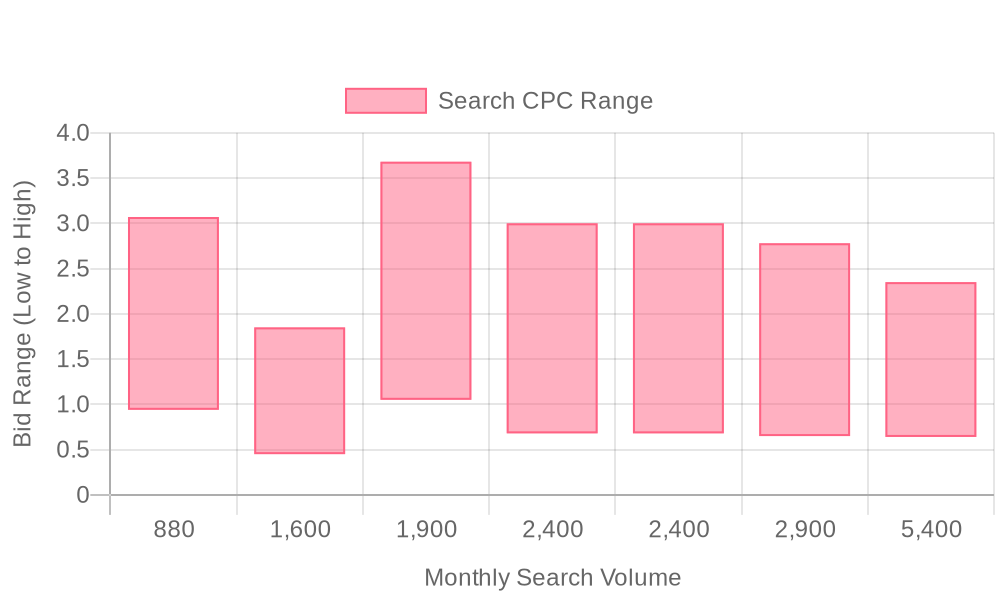
| Industry | Keyword | Monthly Search Volume | Competition Level | Low Bid | High Bid |
| Manufactured Home Communities | senior mobile home parks | 880 | LOW | 0.94 | 3.07 |
| Manufactured Home Communities | oakwood mobile homes | 1600 | LOW | 0.45 | 1.85 |
| Manufactured Home Communities | senior mobile home parks near me | 1900 | LOW | 1.05 | 3.68 |
| Manufactured Home Communities | palm harbor mobile homes | 2400 | LOW | 0.68 | 3 |
| Manufactured Home Communities | palm harbor manufactured homes | 2400 | LOW | 0.68 | 3 |
| Manufactured Home Communities | manufactured home communities | 2900 | LOW | 0.65 | 2.78 |
| Manufactured Home Communities | mobile home communities near me | 5400 | LOW | 0.64 | 2.35 |
Precision in keyword strategy determines the success of Google Ads for Manufactured Home Communities. Marketers who invest in comprehensive keyword research uncover terms that mirror real buying intent, such as “move-in ready mobile homes near me,” “manufactured home communities for sale,” and “affordable mobile home parks.” These high-value queries signal prospects actively searching for homes, allowing you to focus spend on segments most likely to convert. For more on aligning keyword intent and ad spend, explore marketing strategies for manufactured housing communities.
Long-tail keywords are essential for reaching prospects at the decision stage. Terms like “all-age manufactured home community in [city],” “pet-friendly mobile home park with pool,” or “family mobile home park financing options” capture nuanced searches that larger, broad-match keywords might miss. Integrating these long-tail variants not only aligns with the natural search behaviors of your audience but also reduces competition and average cost-per-click. For more actionable guidance, see our tactical playbooks for demand generation.
Negative keywords play a critical role in refining your targeting and preserving budget efficiency. Excluding terms such as “trailer repair,” “RV campground,” or “used mobile home parts” ensures your ads reach only those interested in residency, not unrelated services or products. This filtering prevents wasted spend and provides cleaner data for campaign optimization. By continuously monitoring search query reports and conversion tracking in Google Ads, you can uncover new negative keyword opportunities, further tightening campaign focus and improving the overall effectiveness of your advertising for manufactured home communities.
Modern demand generation is data-driven and iterative. As leads move through the funnel and their intent becomes clearer, your platform’s dynamic audience capabilities enable real-time updates to keyword lists and audience segments. This ongoing refinement ensures Google Ads budget for manufactured homes is always prioritized toward high-converting groups, maximizing ROI. Leveraging advanced attribution and CRM sync, marketers can rapidly identify which keywords and campaigns are generating actual tours and leases, not just clicks.
Why does Google Ads matter for Manufactured Home Communities

Google Ads empowers manufactured home communities to connect with prospects precisely when they are searching for relevant housing options. This creates immediate alignment between resident intent and the solutions your community offers, generating more qualified inquiries and accelerating the conversion process. For a closer look at strategies that work, see this overview of Google Ads for multifamily housing.
With today’s technology, every action a prospect takes, from their first search to an in-person community tour, can be measured and attributed. Marketers gain full visibility into both online and offline conversions, making it possible to optimize campaigns for true business outcomes rather than surface-level clicks or impressions. To understand how to track and connect every conversion, review the official Google Ads conversion tracking guide.
The robust insights provided by Google Ads allow for ongoing refinement of audience targeting, message sequencing, and budget deployment. By leveraging advanced behavioral data, revenue teams can continuously optimize their campaigns, eliminating wasted spend and doubling down on high-performing segments. For additional guidance on maximizing your analytics, explore our marketing analytics blog.
Strategic use of Google Ads requires a holistic approach that spans keyword targeting, audience segmentation, and seamless integration with broader digital marketing initiatives. When paired with Sona, marketers can move beyond traditional reporting to a unified view of every touchpoint, ensuring maximum efficiency and clarity around ROI.
Beyond Google Ads: Winning the AI Answers Manufactured Home Communities Buyers Now Trust
Paid search captures demand at the moment someone types a query. But a growing share of manufactured home communities buyers now start their research in ChatGPT, Gemini, or Perplexity before they ever run a search, and Google's own AI Overviews often summarize an answer above the traditional results. If your community isn't referenced in those AI answers, you're invisible at the exact moment buyers build their shortlist.
Sona AI Visibility shows where your business shows up across ChatGPT, Gemini, Perplexity, Google AI Overviews, and 10+ engines, and, much like a keyword report, which prompts actually send you buyers, so you can prioritize the ones that convert. Run the two together and you cover the entire buyer path: get cited where buyers research (AI Visibility), then prove which of that demand turns into booked revenue (Marketing Measurement).
Helpful resources
Conclusion
Manufactured home communities compete on visibility as much as on lot price or amenities. Precise keyword selection, audience segmentation built on real firmographic and behavioral signals, and conversion tracking that follows a lead from click to signed lease are what separate campaigns that fill communities from campaigns that just spend budget.
The next shift is already underway: buyers increasingly research housing options through AI assistants and AI Overviews before they ever touch a search results page. Communities that show up in both paid search and AI-driven answers will have a real edge over those relying on either channel alone.
To truly experience the potential of these strategies and more, start for free with our platform and unlock capabilities that will drive actionable insights for your marketing efforts today.
FAQ
What are the best practices for Google Ads in manufactured home communities?
Best practices include precision targeting, real-time data use, and cross-channel integration to generate high-quality leads and improve occupancy rates.
How can I effectively target potential buyers for manufactured homes using Google Ads?
You can target potential buyers by using advanced visitor identification, audience segmentation, and real-time data to prioritize high-intent prospects and tailor messages to their needs.
What budget should I allocate for Google Ads campaigns for manufactured home communities?
Budget allocation should be optimized by continuously monitoring campaign performance and reallocating spend to high-performing segments to maximize ROI.
What keywords should I use for Google Ads targeting manufactured home buyers?
Use high-value keywords like 'move-in ready mobile homes near me' and long-tail keywords such as 'pet-friendly mobile home park' to target high-intent searches.
How do I measure the success of my Google Ads campaigns for manufactured homes?
Success is measured through advanced conversion tracking, which connects ad clicks to actual sales or lease agreements, providing a complete ROI picture.







